We unleash your business potential by maximize the business innovation.
Send EmailLiquid Caustic, Liquid Sodium Hydroxide, Caustic Soda, Sodium Hydroxide, E524, 1310-73-2
1. General Information – Sodium Hydroxide (NaOH, E524)
This section provides the fundamental identity details of the substance, which are essential for regulatory compliance, trade, and technical documentation.
Chemical Identity
-
Chemical Name: Sodium Hydroxide
-
Common/Trade Names: Caustic Soda, Lye
-
Food Additive Code: E524 (recognized as an acidity regulator in food applications)
-
Chemical Formula: NaOH
-
Molecular Weight: 39.997 g/mol
-
CAS Number: 1310-73-2
-
EC Number: 215-185-5
-
UN Number:
-
1823 (solid form)
-
1824 (aqueous solution)
-
Description
Sodium Hydroxide is a strong inorganic base, typically available as white pellets, flakes, granules, or in aqueous solution. It is odorless, highly hygroscopic, and reacts strongly with water and carbon dioxide in the air.
Regulatory Status
-
Food Industry: Approved as a food additive (E524) under Codex Alimentarius and EU regulations, used in controlled concentrations for pH adjustment and peeling processes.
-
Industrial Use: Classified as a corrosive substance under GHS, ADR/RID, IMDG, and IATA transport regulations.
Importance of This Section
The general information section acts as the “identity card” of the chemical. It ensures that the product is correctly recognized across international markets, avoids mislabeling, and provides the necessary identifiers for customs, logistics, and compliance.
2. Physical and Chemical Properties
Basic Characteristics
-
Chemical Formula: NaOH
-
Molecular Weight: 39.997 g/mol
-
CAS Number: 1310-73-2
-
EC Number: 215-185-5
-
Appearance: White, hygroscopic solid (pellets, flakes, granules) or clear aqueous solution
-
Odor: Odorless
Physical Properties
-
Density: 2.13 g/cm³ at 20°C
-
Melting Point: 318°C
-
Boiling Point: 1388°C
-
Solubility: Highly soluble in water; dissolution is strongly exothermic (heat-releasing)
-
pH (1% solution): Approximately 13–14
-
Hygroscopic Nature: Absorbs moisture and carbon dioxide from air, forming sodium carbonate on the surface if exposed
Chemical Properties
-
Reactivity:
-
Strong base, reacts vigorously with acids to form salts and water.
-
Reacts with amphoteric metals such as aluminum and zinc, releasing hydrogen gas.
-
Attacks organic materials such as proteins and lipids, which explains its strong cleaning and degreasing ability.
-
-
Stability:
-
Stable under normal conditions if kept dry and sealed.
-
Decomposes slowly when exposed to air due to CO₂ absorption.
-
-
Compatibility:
-
Incompatible with strong acids, halogenated compounds, and certain metals.
-
Should not be stored in aluminum or zinc containers.
-
Key Notes for Industrial Use
-
The exothermic dissolution in water requires careful handling: NaOH must always be added slowly to water, never the reverse.
-
Its high alkalinity makes it effective for cleaning, neutralization, and chemical synthesis, but also dangerous for direct human contact.
-
Because of its hygroscopic nature, packaging must be airtight to prevent degradation.
3. Applications and Uses
Food Industry (E524 – Acidity Regulator)
-
How it is used: Applied in dilute aqueous solutions.
-
Applications:
-
Used as an acidity regulator to adjust pH in certain food processes.
-
Employed in peeling fruits and vegetables such as tomatoes, apples, and potatoes by dipping them briefly in NaOH solution, which loosens the skin.
-
-
Typical concentrations:
-
0.5–2% solutions are common.
-
Regulatory limits (Codex Alimentarius, EU, Turkish Food Codex) must always be respected.
-
Cleaning and Detergent Industry
-
How it is used: Solid pellets or concentrated solutions.
-
Applications:
-
Drain cleaners, where its strong alkalinity dissolves organic blockages.
-
Soap and detergent production, where NaOH reacts with fats and oils in the saponification process.
-
-
Typical concentrations:
-
Drain cleaners: 10–30% solutions.
-
Soap production: calculated stoichiometrically based on the fat/oil content.
-
Paper Industry
-
How it is used: Added as a solution during pulp preparation.
-
Applications:
-
Breaks down lignin and separates cellulose fibers in wood pulp.
-
-
Typical concentrations:
-
5–10% solutions depending on the pulp process.
-
Water Treatment
-
How it is used: Dosed into water streams via pumps.
-
Applications:
-
Neutralizes acidic water.
-
Adjusts pH in drinking and process water.
-
-
Typical dosage:
-
1–5 mg/L depending on the initial water pH.
-
Metal Processing
-
How it is used: Solutions in treatment baths.
-
Applications:
-
Aluminum surface treatment.
-
Degreasing and rust removal.
-
-
Typical concentrations:
-
5–20% solutions, adjusted according to metal type and process requirements.
-
Textile Industry
-
How it is used: Solutions in treatment baths.
-
Applications:
-
Cotton mercerization, which improves luster and tensile strength.
-
Pre-treatment before dyeing.
-
-
Typical concentrations:
-
20–30% NaOH solutions in mercerization baths.
-
Chemical Industry
-
How it is used: Solid or solution form, added directly to reaction mixtures.
-
Applications:
-
Catalyst in organic synthesis.
-
pH control in various chemical reactions.
-
-
Typical concentrations:
-
1–10% solutions depending on the reaction conditions.
-
Summary
The critical factor in all applications is concentration and exposure time. In food applications, strict regulatory limits apply. In industrial processes, dosage is determined by process requirements and safety considerations.
4. Safety and Storage
Hazard Classification
-
Hazard Class: Corrosive substance (C)
-
UN Number: 1823 (solid), 1824 (solution)
-
GHS Classification: Corrosive (causes severe skin burns and eye damage)
-
Risk Phrases:
-
R35 – Causes severe burns
-
-
Hazard Statements (H-codes):
-
H314 – Causes severe skin burns and eye damage
-
-
Precautionary Statements (P-codes):
-
P280 – Wear protective gloves, clothing, eye and face protection
-
P301+P330+P331 – If swallowed: rinse mouth, do not induce vomiting
-
P305+P351+P338 – If in eyes: rinse cautiously with water for several minutes, remove contact lenses if present
-
Safety Measures
-
Personal Protection:
-
Use chemical-resistant gloves, safety goggles, and face shields during handling.
-
In environments with aerosol or vapor exposure, wear appropriate respiratory protection.
-
-
Workplace Conditions:
-
Always handle in well-ventilated areas.
-
When preparing solutions, always add NaOH to water slowly. Never add water to NaOH, as this causes a violent exothermic reaction.
-
-
First Aid:
-
Skin Contact: Rinse immediately with plenty of water. Remove contaminated clothing.
-
Eye Contact: Rinse cautiously with water for at least 15 minutes and seek medical attention.
-
Ingestion: Do not induce vomiting. Rinse mouth and seek immediate medical advice.
-
Storage Conditions
-
General Storage:
-
Store in a cool, dry, and well-ventilated place.
-
Protect from moisture and carbon dioxide (NaOH absorbs CO₂ from air and forms sodium carbonate).
-
-
Packaging Materials:
-
Use HDPE plastic containers or coated steel drums.
-
Do not store in aluminum or zinc containers (reacts with these metals).
-
-
Temperature:
-
Stable at room temperature. Avoid excessive heat.
-
-
Stock Management:
-
Keep containers tightly closed.
-
Once opened, consume quickly to avoid degradation due to hygroscopic nature.
-
Transport and Logistics
-
Transport Classification: Corrosive substance under ADR/RID, IMDG, IATA regulations.
-
Packaging Options:
-
25 kg bags
-
50 kg bags
-
Big Bags (1000 kg)
-
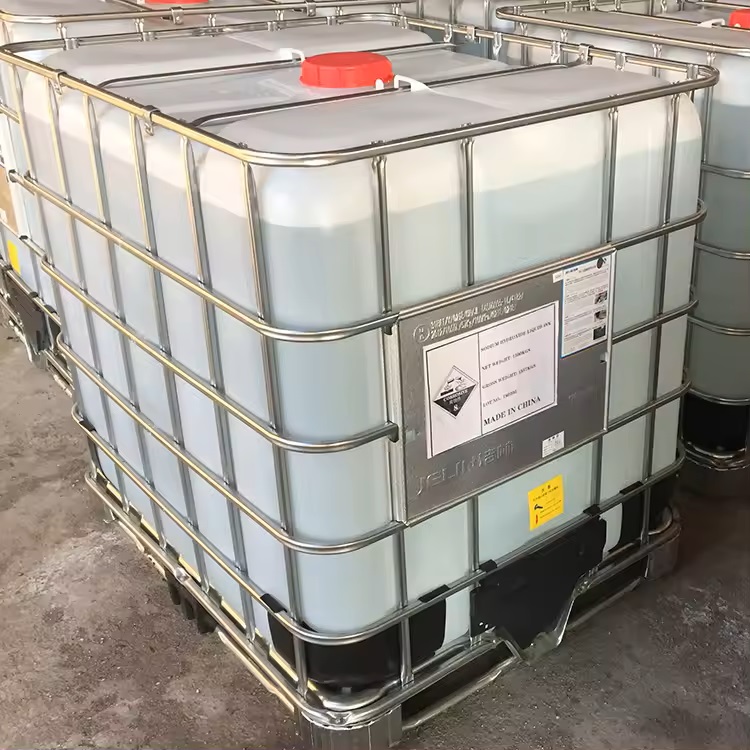
Liquid solutions in IBC containers or tankers
-
-
Labeling Requirements:
-
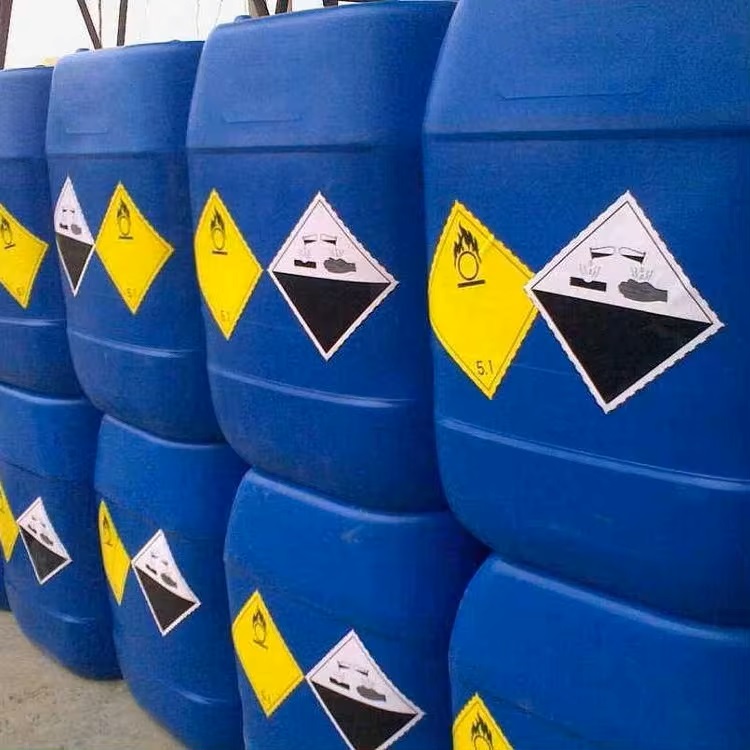
Packaging must display corrosive hazard symbol, UN number, and safety statements.
-
This section is critical because sodium hydroxide is widely used but highly corrosive. The most important operational rules are:
-
Always add NaOH to water, never the reverse.
-
Never store in aluminum or zinc containers.
-
Protect from moisture and CO₂ to maintain purity.