We unleash your business potential by maximize the business innovation.
Send EmailChondroitin Sulfate, Chondroitin Sulfate Sodium, CS, 9007-28-7
Chondroitin Sulfate
Molecular Formula: C₁₃H₂₁NO₁₅S
Molecular Weight: 463.37 g/mol
Chemical Name: Chondroitin Sulfate
CAS Number: 9007-28-7
Chemical Class: Sulfated Glycosaminoglycan (GAG)
General Information and Description
Chondroitin Sulfate is a naturally occurring sulfated glycosaminoglycan (GAG) found in the connective tissues, particularly cartilage, of humans and animals. It serves as a major structural component in the extracellular matrix of cartilage, providing resistance to compression by binding to water and creating a hydrated, gel-like structure. It is typically extracted from bovine (cattle), chicken, porcine (pig), and shark cartilage.
Other Names (Synonyms)
-
Chondroitin Sulphate (Commonwealth English spelling)
-
Chondroitin Sulfate Sodium
-
9007-28-7
Physical and Chemical Properties
-
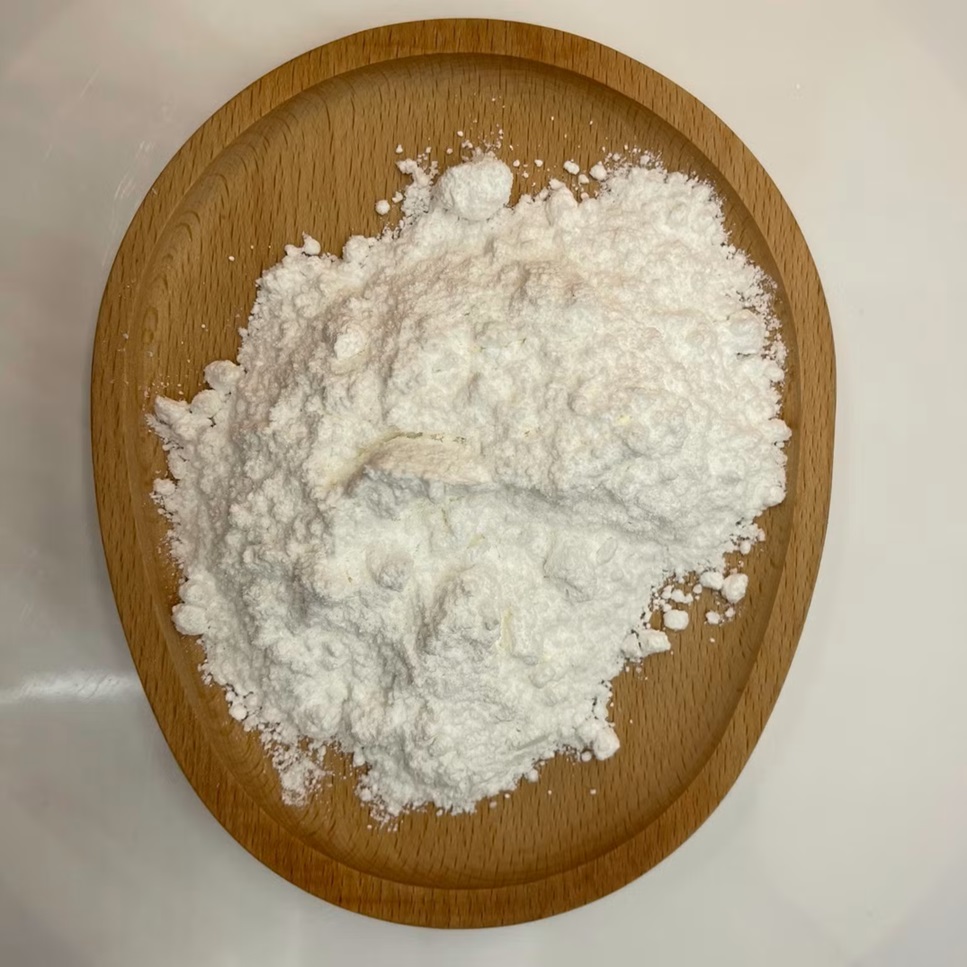
Physical Appearance: White to off-white powder at room temperature.
-
Odor and Taste: Odorless and tasteless.
-
Density: Approximately 1.5 – 1.6 g/cm³
-
Melting Point: 190 – 194 °C (with decomposition)
-
Boiling Point: Not applicable; it decomposes upon heating.
-
Solubility:
-
Freely soluble in water.
-
Soluble in ethyl alcohol, ether, and acetone.
-
-
Acid Dissociation Constant (pKa): 1.5 – 2.0 (Acidic character due to sulfate and carboxyl groups)
-
Hygroscopicity: Possesses a high water retention capacity.
Production Process
Chondroitin Sulfate is primarily extracted from cartilage tissues of animal origin, such as bovine trachea and nasal septum, porcine ears, or chicken sternum. The manufacturing process generally involves the following steps:
-
Raw Material Preparation: Cartilage tissue is cleaned, chopped, and prepared for extraction.
-
Alkaline Extraction: The tissue is treated with a 2% Sodium Hydroxide (NaOH) solution to extract the chondroitin sulfate into the aqueous phase.
-
Enzymatic Hydrolysis (Deproteinization): Trypsin enzyme is added to the mixture and incubated at around 50°C. This step hydrolyzes and removes the proteins associated with the cartilage.
-
Filtration and Purification: The solution is filtered to remove insoluble particles. The pH is typically adjusted to approximately 6 to optimize the hydrolysis process.
-
Precipitation: Ethyl Alcohol (Ethanol) at a concentration of approximately 75% is added to the purified solution. This causes the chondroitin sulfate to precipitate out of the solution.
-
Separation and Drying: The precipitated solid is separated using centrifugation and then dried under vacuum to obtain pure Chondroitin Sulfate powder.
Biological Role and Mechanism of Action
Chondroitin Sulfate plays critical roles in maintaining joint health and tissue structure:
-
Structural Support (Viscoelasticity): As a key component of cartilage, it binds water molecules, creating osmotic pressure that enables cartilage to resist compressive forces and maintain its elasticity and shock-absorbing properties.
-
Analgesic (Pain Reduction): It helps alleviate pain symptoms associated with degenerative joint diseases like osteoarthritis, thereby improving joint mobility and function.
-
Anti-inflammatory: It exhibits anti-inflammatory effects within joint and connective tissues. It can inhibit the activity of enzymes (such as aggrecanase and collagenase) responsible for cartilage degradation and breakdown.
Applications and Uses
1. Pharmaceutical Sector:
-
Osteoarthritis Treatment: This is the most common application. It is widely used, often in combination with Glucosamine Sulfate and sometimes MSM (Methylsulfonylmethane), for the management and treatment of osteoarthritis symptoms.
-
Cardiovascular Research: It is being investigated for potential roles in treating conditions like myocardial ischemia (restricted blood flow to the heart), infarction, and coronary atherosclerosis.
-
Ophthalmology (Eye Care): It can be included in formulations alongside hyaluronic acid and collagen to protect ocular tissues during cataract surgery and for treating dry eye syndrome.
2. Nutraceuticals (Dietary Supplements):
-
Joint Health Supplements: Marketed in capsule, tablet, or powder form, either alone or combined with glucosamine, MSM, hyaluronic acid, and vitamins to support joint health, reduce pain, and improve function.
3. Biomaterials and Tissue Engineering:
-
Hydrogels and Biofilms: Used in the development of advanced wound dressings and tissue engineering scaffolds (biomatrices) for cartilage repair and regeneration.
-
Microspheres and Micelles: Employed in synthesizing particles for controlled drug delivery systems and targeted therapy applications.
-
Surface Modification: Acts as a derivatization reagent to enhance the biocompatibility of medical device surfaces.
4. Industrial and Other Applications:
-
Used in the production of topical creams, lotions, and gels formulated for their anti-inflammatory and anti-rheumatic effects.