We unleash your business potential by maximize the business innovation.
Send EmailChondroitin Sulfate, Chondroitin Sulfate Sodium, CS, 9007-28-7, 9082‑07‑9
CHONDROITIN SULFATE
SECTION 1: PRODUCT IDENTITY AND CHEMICAL IDENTIFICATION
| Parameter | Information |
|---|---|
| Product Name | Chondroitin Sulfate |
| Chemical Name | Chondroitin Sulfate |
| Synonyms (Turkish) | Kondroitin Sülfat, Kondroitin Sülfat Sodyum, CS |
| Synonyms (English) | Chondroitin Sulfate, Chondroitin Sulphate, Chondroitin Sulfate Sodium, CS |
| CAS Number | 9007-28-7 |
| Molecular Formula | C₁₃H₂₁NO₁₅S |
| Molecular Weight | 463.37 g/mol (monomer unit); Polymer: 10,000 – 50,000 Da |
| Chemical Class | Sulfated glycosaminoglycan (GAG) |
| Source | Natural extraction from animal cartilage (bovine, chicken, porcine, shark) |
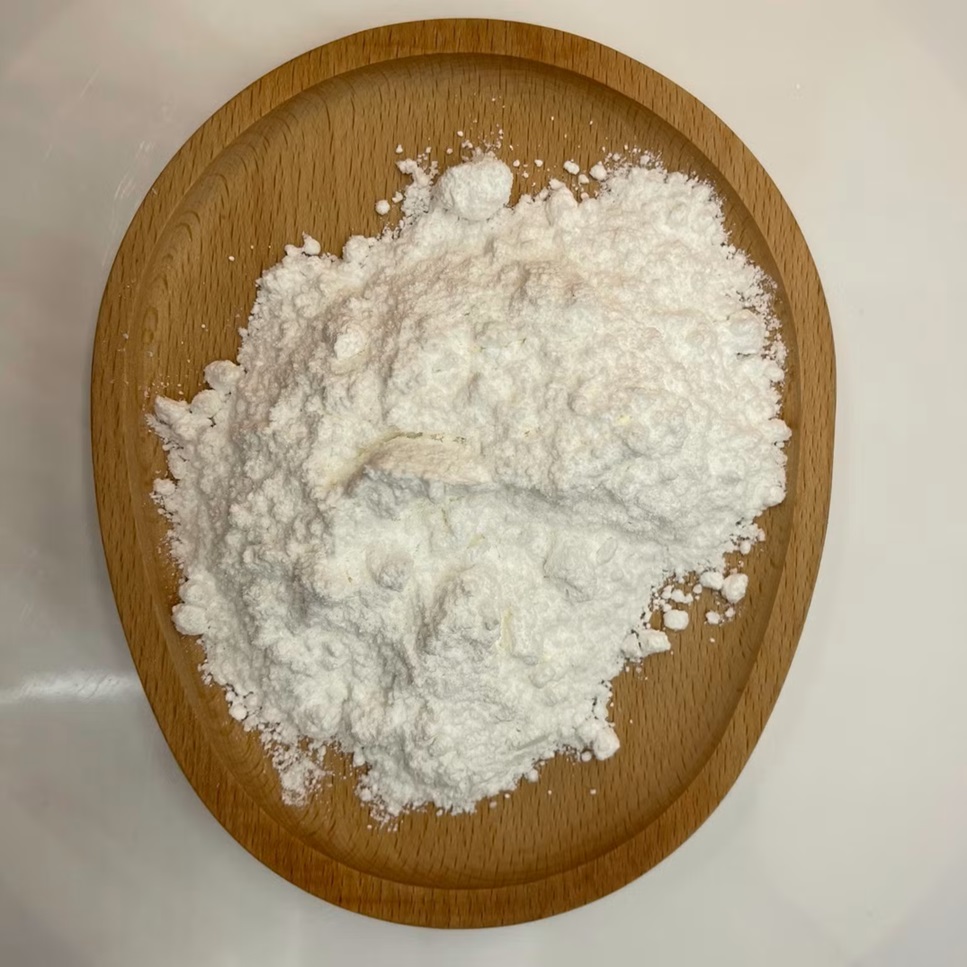
| Physical State (20°C) | Solid (powder) |
| Odor | Odorless |
| Color | White to off-white |
| Taste | Tasteless |
SECTION 2: CHEMICAL STRUCTURE
Chondroitin Sulfate Structure:
    COOH                           COOH
     |                              |
   CH—NH—CO—CH₃                CH—NH—CO—CH₃
     |                              |
   CH—O—SO₃⁻                   CH—O—SO₃⁻
     |                              |
    O—CH₂                        O—CH₂
     |                              |
   CH—OH                       CH—OH
     |                              |
   CH—O—SO₃⁻                   CH—O—SO₃⁻
     |
   CH₂OH
Structure Description:
| Parameter | Description |
|---|---|
| Chemical Class | Natural sulfated glycosaminoglycan (GAG) |
| Polymer Structure | Linear polymer composed of repeating disaccharide units |
| Disaccharide Units | Glucuronic acid and N-acetylgalactosamine |
| Sulfation | Sulfate groups (-SO₃⁻) attached at various positions (C-4 and/or C-6) |
| Occurrence | Found in connective tissues, especially cartilage |
| Water Binding | High water binding capacity (hydrophilic) |
| SMILES | CC(=O)NC1C(OC(C(C1OS(=O)(=O)O)O)C(=O)O)OC(C(C2C(C(C(C(O2)O)O)O)O)O)C(=O)O |
| InChI | InChI=1S/C13H21NO15S/c1-3(15)14-5-9(29-31(24,25)26)7(17)4(2-16)27-12(5)28-6-8(18)10(19)11(20)13(21)22/h4-5,7-12,16-20H,2H2,1H3,(H,14,15)(H,21,22)(H,23,24,25,26)/t4-,5-,7-,8+,9-,10+,11-,12-/m1/s1 |
SECTION 3: PHYSICAL AND CHEMICAL PROPERTIES
| Property | Value | Test Method / Note |
|---|---|---|
| Appearance | White to off-white powder | Visual |
| Odor | Odorless | Olfactometric |
| Molecular Weight | 463.37 g/mol (monomer unit); 10,000 – 50,000 Da (polymer) | GPC / SEC |
| Density | ~1.5 – 1.6 g/cm³ | ASTM D4052 |
| Melting Point | 190 – 194°C (decomposes) | DSC |
| Boiling Point | Not applicable (decomposes on heating) | - |
| Solubility in Water | Soluble (good solubility) | General Method |
| Solubility in Ethanol | Soluble | General Method |
| Solubility in Ether | Soluble | General Method |
| Solubility in Acetone | Soluble | General Method |
| pKa | 1.5 – 2.0 (acidic character) | - |
| pH (1% Solution) | 5.5 – 7.5 | pH Meter |
| Hygroscopicity | High (high water binding capacity) | - |
| Stability | Stable under normal conditions | - |
| Sulfate Content | ~15 – 25% (on dry weight basis) | - |
| Protein Content | ≤2.0% (pharmaceutical grade) | - |
| Heavy Metals (as Pb) | ≤10 ppm | AAS / ICP |
| Arsenic (As) | ≤2 ppm | AAS / ICP |
| Lead (Pb) | ≤2 ppm | AAS / ICP |
| Loss on Drying | ≤10.0% | Gravimetric |
| Assay (Chondroitin Sulfate) | ≥90.0 – 99.0% (grade dependent) | HPLC / Enzymatic |
SECTION 4: CHONDROITIN SULFATE vs OTHER GLYCOSAMINOGLYCANS
| Property | Chondroitin Sulfate | Glucosamine Sulfate | Hyaluronic Acid | Heparin |
|---|---|---|---|---|
| CAS Number | 9007-28-7 | 29031-19-4 | 9004-61-9 | 9005-49-6 |
| Type | GAG | Amino sugar | GAG | GAG |
| Sulfated | Yes | Yes | No | Yes |
| Source | Cartilage (animal) | Shellfish (chitin) | Bacterial fermentation / rooster comb | Porcine/bovine mucosa |
| Primary Function | Joint health, cartilage support | Joint health, cartilage support | Lubricant, moisturizer | Anticoagulant |
| Molecular Weight | 10,000 – 50,000 Da | ~179 g/mol | 100,000 – 10,000,000 Da | 5,000 – 30,000 Da |
| Water Binding | High | Moderate | Very high | High |
| Synergy | Used with glucosamine | Used with chondroitin | Joint injections | - |
| Common Use | Osteoarthritis supplements | Osteoarthritis supplements | Ophthalmology, dermal filler | Blood thinner |
SECTION 5: MECHANISM OF ACTION
| Property | Description |
|---|---|
| Structural Support (Viscoelasticity) | One of the main components of cartilage tissue; Binds water molecules; Provides resistance to compressive forces; Maintains cartilage flexibility and elasticity. |
| Analgesic (Pain Relief) | Alleviates pain symptoms in degenerative joint diseases (osteoarthritis); Improves joint mobility and function; Reduces joint stiffness. |
| Anti-inflammatory | Reduces inflammation in joints and connective tissues; Inhibits the activity of cartilage-degrading enzymes (e.g., aggrecanase, collagenase); Slows cartilage degradation. |
| Chondroprotective | Protects cartilage from degradation; Stimulates proteoglycan and collagen synthesis; Promotes cartilage repair and regeneration. |
| Water Absorption | High water binding capacity; Increases synovial fluid viscosity; Improves joint lubrication and shock absorption. |
| Sulfate Donor | Provides sulfate groups for tissue repair; Supports biosynthesis of other GAGs; Contributes to extracellular matrix formation. |
SECTION 6: MANUFACTURING PROCESS
Industrial Production Method:
Process Flow: Animal Cartilage (Bovine Trachea / Chicken Sternum / Porcine / Shark) → Cleaning & Grinding → Alkaline Extraction (NaOH) → Enzymatic Hydrolysis (Trypsin) → Filtration → pH Adjustment → Precipitation (Ethanol) → Centrifugation → Drying → Milling → Final Product
Step-by-Step Description:
| Step | Description | Temperature / Conditions |
|---|---|---|
| 1. Raw Material Preparation | Animal cartilage tissue (e.g., bovine trachea, nasal septum, chicken sternum, porcine or shark cartilage) is cleaned and ground into small particles | Ambient |
| 2. Alkaline Extraction | Ground tissue is treated with dilute sodium hydroxide (NaOH) solution (typically 2%) to dissolve chondroitin sulfate | Ambient |
| 3. Enzymatic Hydrolysis (Protein Removal) | Trypsin enzyme is added to the mixture and incubated at ~50°C to hydrolyze and remove proteins from the cartilage | ~50°C |
| 4. Filtration | The solution is filtered to remove solid particles and undigested material | Ambient |
| 5. pH Adjustment | The pH of the filtered solution is adjusted to approximately 6.0 to optimize the enzymatic hydrolysis process | - |
| 6. Precipitation | Ethanol at 75% concentration is added to the purified solution to precipitate (crystallize) chondroitin sulfate | Ambient |
| 7. Centrifugation | Precipitated chondroitin sulfate is separated by centrifugation | Ambient |
| 8. Drying | Separated product is dried under vacuum to obtain pure chondroitin sulfate powder | Vacuum |
| 9. Milling | Dried product is milled to achieve desired particle size | Ambient |
| 10. Final Product | White to off-white powder with specified purity and molecular weight distribution | - |
SECTION 7: FUNCTIONAL PROPERTIES
| Property | Description |
|---|---|
| Joint Health Support | Protects cartilage from degradation; Stimulates proteoglycan synthesis; Supports cartilage repair and regeneration; Improves joint mobility. |
| Pain Relief | Reduces joint pain in osteoarthritis; Improves joint function; Reduces stiffness; May reduce NSAID requirements. |
| Anti-inflammatory | Reduces inflammation in joints; Inhibits cartilage-degrading enzymes; Slows disease progression in osteoarthritis. |
| Structural Component | Major component of cartilage extracellular matrix; Provides viscoelastic properties; Resists compressive forces; Maintains tissue hydration. |
| Water Retention | High water binding capacity; Increases tissue hydration; Improves shock absorption; Enhances joint lubrication. |
| Tissue Regeneration | Promotes healing of connective tissues; Supports wound healing; Used in tissue engineering and biomaterials. |
SECTION 8: MAIN APPLICATION AREAS
| Industry / Application | Function | Typical Use |
|---|---|---|
| Pharmaceutical | Joint health, anti-inflammatory, analgesic | Osteoarthritis treatment (oral or injectable); Used with glucosamine sulfate and/or MSM; Cardiovascular research (myocardial ischemia, infarction, atherosclerosis); Ophthalmic applications (cataract surgery, with hyaluronic acid and collagen). |
| Nutraceuticals (Dietary Supplements) | Joint health supplement | Capsules, tablets, powders; Alone or in combination with glucosamine, MSM, hyaluronic acid; Dosage: 800 – 1,200 mg/day. |
| Cosmeceuticals | Skin conditioner, anti-aging | Creams, lotions, serums; Moisturizing and anti-aging products; Promotes skin hydration. |
| Biomaterials & Tissue Engineering | Scaffold material, drug carrier | Hydrogels and biofilms; Wound dressings; Tissue scaffolds; Microspheres and micelles (drug delivery systems); Surface modification (biocompatibility enhancement). |
| Veterinary | Joint health in animals | Treatment of osteoarthritis in dogs, cats, and horses; Animal joint supplements. |
| Ophthalmology | Viscoelastic agent | Ophthalmic surgery (cataract surgery); Eye drops and solutions; Corneal protection. |
SECTION 9: SAMPLE FORMULATIONS
Joint Health Capsule (Pharmaceutical / Nutraceutical):
| Component | Quantity per Capsule |
|---|---|
| Chondroitin Sulfate | 400 – 500 mg |
| Glucosamine Sulfate | 500 – 750 mg |
| MSM (Methylsulfonylmethane) | 200 – 500 mg |
| Hyaluronic Acid | 20 – 50 mg |
| Microcrystalline Cellulose | As required |
| Magnesium Stearate | 1 – 2% |
| Silicon Dioxide | 0.5 – 1% |
Instructions: Mix active ingredients with excipients; Fill into capsules (size 00); Package in blister packs or HDPE containers; Recommended dosage: 1-2 capsules twice daily.
Topical Skin Cream (Cosmeceutical):
| Component | Quantity |
|---|---|
| Chondroitin Sulfate | 0.5 – 2% |
| Hyaluronic Acid | 0.1 – 0.5% |
| Emulsifiers | As required |
| Carrier Oils | As required |
| Water | q.s. to 100% |
| Preservatives, Fragrance | As required |
Instructions: Dissolve chondroitin sulfate in water phase; Combine with oil phase; Homogenize; Cool with stirring.
SECTION 10: QUALITY SPECIFICATIONS
| Parameter | Pharmaceutical Grade | Nutraceutical Grade | Cosmetic Grade | Test Method |
|---|---|---|---|---|
| Appearance | White to off-white powder | White to off-white powder | White to off-white powder | Visual |
| Assay (Chondroitin Sulfate) | ≥99.0% | ≥90.0% | ≥85.0% | HPLC / Enzymatic |
| Protein Content | ≤2.0% | ≤3.0% | ≤3.0% | Bradford / Kjeldahl |
| Loss on Drying | ≤10.0% | ≤10.0% | ≤10.0% | Gravimetric |
| pH (1% Solution) | 5.5 – 7.5 | 5.5 – 7.5 | 5.5 – 7.5 | pH Meter |
| Heavy Metals (as Pb) | ≤10 ppm | ≤10 ppm | ≤10 ppm | AAS / ICP |
| Arsenic (As) | ≤2 ppm | ≤2 ppm | ≤2 ppm | AAS / ICP |
| Lead (Pb) | ≤2 ppm | ≤2 ppm | ≤2 ppm | AAS / ICP |
| Sulfate Content | 15 – 25% | 15 – 25% | 15 – 25% | - |
| Molecular Weight | 10,000 – 50,000 Da | 10,000 – 50,000 Da | 10,000 – 50,000 Da | GPC / SEC |
| Microbial Load | ≤1,000 CFU/g | ≤1,000 CFU/g | ≤1,000 CFU/g | Microbiological |
| Salmonella | Negative | Negative | Negative | Microbiological |
| E. coli | Negative | Negative | Negative | Microbiological |
SECTION 11: TOXICOLOGICAL PROFILE
| Parameter | Value |
|---|---|
| Acute Oral Toxicity (LD50, Rat) | >5,000 mg/kg (very low toxicity) |
| Acute Dermal Toxicity | Low toxicity; Not irritant |
| Skin Irritation | Not irritant |
| Eye Irritation | Mild irritant |
| Inhalation Toxicity | May cause respiratory tract irritation (dust) |
| Chronic Toxicity | Low toxicity; No significant adverse effects at normal use levels |
| Carcinogenicity | Not classified as carcinogenic |
| Mutagenicity | Not mutagenic |
| Reproductive Toxicity | No reproductive toxicity at normal levels |
| Allergenicity | Low allergenicity; Source dependent (animal allergies possible) |
| Acceptable Daily Intake (ADI) | Not established (considered safe at typical supplement levels: 800-1,200 mg/day) |
| Special Toxicity Note | GRAS (Generally Recognized as Safe) for dietary supplement use; Low toxicity; No significant adverse effects; Well tolerated at recommended doses; Source-dependent allergenicity (e.g., if porcine-derived, those with pork allergy should avoid). |
SECTION 12: GHS CLASSIFICATION AND LABELING
GHS Classification (in accordance with CLP and UN GHS):
| Hazard Class | Category | H-Statement |
|---|---|---|
| Not classified as hazardous according to CLP criteria | – | – |
Signal Word: None (Not classified as hazardous)
Hazard Pictograms: None
NFPA 704 Hazard Classification:
| Health | Flammability | Reactivity | Special |
|---|---|---|---|
| 0 | 0 | 0 | - |
| (Minimal health hazard) | (Non-combustible) | (Stable) | (None) |
SECTION 13: PRECAUTIONARY STATEMENTS (P-CODES)
| Code | Statement |
|---|---|
| P264 | Wash hands thoroughly after handling |
| P271 | Use only outdoors or in a well-ventilated area |
| P280 | Wear protective gloves/protective clothing/eye protection/face protection |
| P302+P352 | IF ON SKIN: Wash with plenty of soap and water |
| P304+P340 | IF INHALED: Remove person to fresh air and keep comfortable for breathing |
| P305+P351+P338 | IF IN EYES: Rinse cautiously with water for several minutes. Remove contact lenses if present and continue rinsing |
| P332+P313 | If skin irritation occurs: Get medical advice/attention |
| P337+P313 | If eye irritation persists: Get medical advice/attention |
| P362+P364 | Take off contaminated clothing and wash it before reuse |
| P403+P233 | Store in a well-ventilated place. Keep container tightly closed |
| P501 | Dispose of contents/container in accordance with local/regional/national/international regulations |
SECTION 14: FIRST AID MEASURES
| Route of Exposure | Action |
|---|---|
| Inhalation | Remove to fresh air immediately. Get medical attention if respiratory irritation develops. |
| Skin Contact | Wash with plenty of soap and water. Remove contaminated clothing. Get medical attention if irritation persists. |
| Eye Contact | Rinse immediately with plenty of water for at least 15 minutes. Keep eyelids open. Remove contact lenses if present. Get medical attention if irritation persists. |
| Ingestion | Rinse mouth. Drink plenty of water. If large amounts are swallowed or if you feel unwell, seek medical attention. |
SECTION 15: FIREFIGHTING MEASURES
| Parameter | Information |
|---|---|
| Fire Hazard | Non-combustible organic matter. May burn with thick smoke at high temperatures. |
| Fire-Related Hazards | Thermal decomposition produces carbon monoxide, carbon dioxide, sulfur oxides, and nitrogen oxides. |
| Suitable Extinguishing Media | Water mist, CO₂, dry chemical powder, foam. |
| Unsuitable Extinguishing Media | Water jet (may spread dust) |
| Special Protective Equipment | Self-contained breathing apparatus (SCBA), full protective clothing. |
| Special Precautions | Prevent dust from entering sewers and water bodies. Avoid dust cloud formation. |
SECTION 16: STORAGE AND SHELF LIFE
| Parameter | Information |
|---|---|
| Storage Conditions | Store in a cool, dry, well-ventilated place; PROTECT FROM LIGHT, HEAT, and MOISTURE; Keep away from direct sunlight. |
| Container Requirements | Tightly closed, moisture-resistant containers (PE-lined bags, HDPE containers, aluminum foil bags). |
| Incompatible Materials | Light, heat, moisture, strong oxidizing agents |
| Shelf Life | 24 – 48 months (unopened original packaging, under proper storage conditions). |
| Stability Note | Stable under recommended storage conditions; Hygroscopic (absorbs moisture); May degrade if exposed to heat, light, or high humidity; Avoid prolonged exposure to air. |
| Special Storage Requirements | Store in dark, cool, dry place; Avoid exposure to air and moisture; Opened containers should be reclosed immediately; Keep away from heat sources. |
SECTION 17: PACKAGING OPTIONS
| Packaging Type | Quantity | Material |
|---|---|---|
| Aluminum Foil Bag | 100 g, 500 g, 1 kg, 5 kg | Aluminum foil laminated bag (moisture and light resistant) |
| PE-Lined Paper Bag | 5 kg, 10 kg, 20 kg, 25 kg | PE-lined kraft paper bag (moisture resistant) |
| Plastic Drum | 10 kg, 25 kg, 50 kg | HDPE / Polypropylene (moisture resistant) |
| Fiber Drum | 20 kg, 25 kg | PE-lined fiberboard drum |
| FIBC / Big Bag | 500 kg, 1000 kg | PE-lined, moisture-resistant PP woven bag |
SECTION 18: TRANSPORTATION INFORMATION
| Parameter | Information |
|---|---|
| UN Number | Not regulated (not hazardous) |
| Hazard Class | Not applicable |
| Packing Group | Not applicable |
| ADR/RID | Not regulated |
| IMDG Code | Not regulated (not hazardous) |
| IATA (Air) | Not regulated (not hazardous) |
| Marine Pollutant | No |
| Transport Temperature | Ambient temperature; Protect from moisture and heat. |
SECTION 19: REGULATORY STATUS
| Region / Authority | Status |
|---|---|
| European Union | Approved for use in dietary supplements and pharmaceuticals; Novel food ingredient status (where applicable); REACH registered. |
| USA (TSCA) | Listed (TSCA Inventory) |
| USA (FDA) | GRAS (Generally Recognized as Safe) for dietary supplement use; 21 CFR 184.xxx (relevant section); Approved as food ingredient (supplement). |
| Turkey | Approved for use in dietary supplements and pharmaceuticals; Ministry of Health approval required; KKDIK regulation compliance required. |
| EFSA | Recognized as dietary supplement ingredient; Approved for use in foods and supplements. |
| USP/NF | Monograph listed (Chondroitin Sulfate Sodium). |
| EP (European Pharmacopoeia) | Monograph listed. |
| IARC | Not classified (not carcinogenic) |
| NTP | Not listed |
| OSHA | Regulated as dust |
| California (Prop 65) | Not listed |
| Halal | Conditional: Halal if sourced from Halal-certified animal sources (bovine, chicken) and processed according to Islamic rules. Not Halal if porcine-derived. |
| Kosher | Conditional: Kosher if sourced from Kosher-certified animal sources. |
| Vegan | No (derived from animal cartilage). |
SECTION 20: OTHER NAMES AND SYNONYMS
| Type | Name |
|---|---|
| Turkish Names | Kondroitin Sülfat, Kondroitin Sülfat Sodyum, CS |
| English Names | Chondroitin Sulfate, Chondroitin Sulphate, Chondroitin Sulfate Sodium, CS |
| CAS Number | 9007-28-7 |
| HS Code | 3001.90 |
SECTION 21: SUMMARY TABLE
| Parameter | Value |
|---|---|
| Product | Chondroitin Sulfate |
| CAS Number | 9007-28-7 |
| Molecular Formula | C₁₃H₂₁NO₁₅S |
| Molecular Weight | 463.37 g/mol |
| Appearance | White to off-white powder |
| Melting Point | 190 – 194°C (decomposes) |
| Solubility | Soluble in water, ethanol, ether, acetone |
| Primary Functions | Joint health, analgesic, anti-inflammatory, chondroprotective |
| Main Application Areas | Pharmaceutical, nutraceutical, cosmeceutical, biomaterials, veterinary, ophthalmology |
| Shelf Life | 24 – 48 months |
| GHS Signal Word | None (Not classified as hazardous) |
| UN Number | Not regulated |
| Special Properties | Natural GAG; Source dependent (bovine, porcine, chicken, shark); High water binding capacity; Used with glucosamine and MSM; GRAS; Non-toxic; Not vegan (animal-derived). |
SECTION 22: CRITICAL WARNINGS AND BEST PRACTICES
CRITICAL WARNINGS:
-
GRAS Status: GRAS for dietary supplement use by FDA; Safe at recommended doses.
-
Very Low Toxicity: LD50 >5,000 mg/kg; Not toxic at normal use levels.
-
Source Dependent: Halal and Kosher status depends on source (bovine, chicken, porcine, shark). Verify source with supplier.
-
Not Vegan: Animal-derived (cartilage). Not suitable for vegans.
-
Allergenicity: May cause allergic reactions in individuals allergic to the source animal (e.g., porcine, shellfish).
-
Hygroscopic: Absorbs moisture from air; Store in tightly closed containers.
-
Drug Interactions: May interact with anticoagulants (e.g., warfarin) – theoretical, but clinical significance is low.
-
Consult Physician: For individuals with seafood/shellfish allergies; For use during pregnancy/lactation; For patients on blood thinners.
-
Common Combination: Often used with glucosamine sulfate.
BEST PRACTICE RECOMMENDATIONS:
| Application Area | Recommendation |
|---|---|
| Pharmaceutical (Osteoarthritis) | Use as joint health support; Recommended dosage: 800 – 1,200 mg/day (oral); Can be used with glucosamine sulfate and MSM; For injectable formulations: use pharmaceutical grade material; Follow pharmacopoeia specifications. |
| Nutraceuticals | Use as dietary supplement ingredient; Dosage: 800 – 1,200 mg/day; Combine with glucosamine, MSM, and/or hyaluronic acid for enhanced benefits; Capsules, tablets, or powder formulations. |
| Cosmeceuticals | Use as skin conditioner; Dosage: 0.5-2%; Dissolve in water phase; Combine with hyaluronic acid for enhanced hydration. |
| Biomaterials | Use in hydrogels, scaffolds, and microspheres; Combine with gelatin, collagen, or other polymers; For tissue engineering applications. |
| Source Verification | CRITICAL: Always verify source (bovine vs. porcine vs. chicken vs. shark) with your supplier; Required for Halal, Kosher, and allergen labeling. |
| Handling | Use in well-ventilated areas; Avoid dust formation; Use dust mask when handling powder; Use gloves and safety goggles. |
| Personal Protective Equipment | Dust mask (N95/FFP2) if dust is generated, safety goggles, chemical-resistant gloves, protective clothing. |
| Hygiene | Wash hands thoroughly after handling; Do not eat, drink, or smoke when using this product. |
| Storage | Store in tightly closed, moisture-resistant containers; Store in a cool, dry, well-ventilated place; Protect from moisture and heat; Opened containers should be reclosed immediately; Shelf life: 24-48 months under proper conditions. |
| Spill Management | Sweep or vacuum (HEPA) and collect in suitable sealed container; Avoid dust generation; Do not allow to enter drains or water bodies. |
| Disposal | Dispose of in accordance with local, regional, and national regulations; Non-hazardous waste; May be incinerated in accordance with regulations. |
SECTION 23: ANALYTICAL METHODS
| Method | Description | Advantages | Disadvantages |
|---|---|---|---|
| HPLC | Quantitative analysis of chondroitin sulfate | High sensitivity, accurate, USP method | High cost, requires expertise |
| Enzymatic Test | Specific enzymatic digestion and measurement | Specific, sensitive | Requires specific enzymes |
| Colorimetric (DMMB) | Dimethylmethylene blue dye binding assay | Simple, fast, low cost | Semi-quantitative |
| GPC / SEC | Molecular weight determination | Determines molecular weight distribution | High cost, requires expertise |
| Electrophoresis | Separation and identification | Simple, visual | Semi-quantitative |
| FTIR | Functional group identification | Fast, non-destructive | Requires reference spectra |
SECTION 24: CHONDROITIN SULFATE vs ALTERNATIVES COMPARISON
| Product | Chemical Name / E Code | Application | Strengths | Weaknesses | Status |
|---|---|---|---|---|---|
| Chondroitin Sulfate | C₁₃H₂₁NO₁₅S | Joint health, OA treatment | Proven efficacy, anti-inflammatory, natural | Animal-derived, source-dependent, not vegan | Widely approved |
| Glucosamine Sulfate | C₆H₁₃NO₅S | Joint health, OA treatment | Proven efficacy, widespread use | May be shellfish-derived | Widely approved |
| Hyaluronic Acid | (C₁₄H₂₁NO₁₁)n | Joint injections, skin hydration | Excellent lubricant, high water binding | Injections expensive | Widespread use |
| MSM | C₂H₆O₂S | Joint health, anti-inflammatory | Sulfur source, anti-inflammatory | Less evidence than chondroitin | Widespread use |
| Chondroitin + Glucosamine | Combination | Joint health | Synergistic effect | Requires two ingredients | Most common combination |
LEGAL DISCLAIMER:
The information provided in this document is based on our current knowledge and experience and is presented in good faith. However, as all conditions of use are beyond our control, it does not constitute a binding specification or guarantee. This Technical Data Sheet is for informational purposes only. Users are responsible for testing suitability for their own applications and for complying with all local, regional, and national regulations. For complete safety, storage, use, handling, waste, and regulatory compliance information, please refer to the official Safety Data Sheet (SDS/MSDS) provided by the manufacturer/supplier. The Halal and Kosher status of chondroitin sulfate depends on the cartilage source used. Verify source information with your supplier to ensure dietary compliance. Chondroitin sulfate is animal-derived and is not suitable for vegans.