We unleash your business potential by maximize the business innovation.
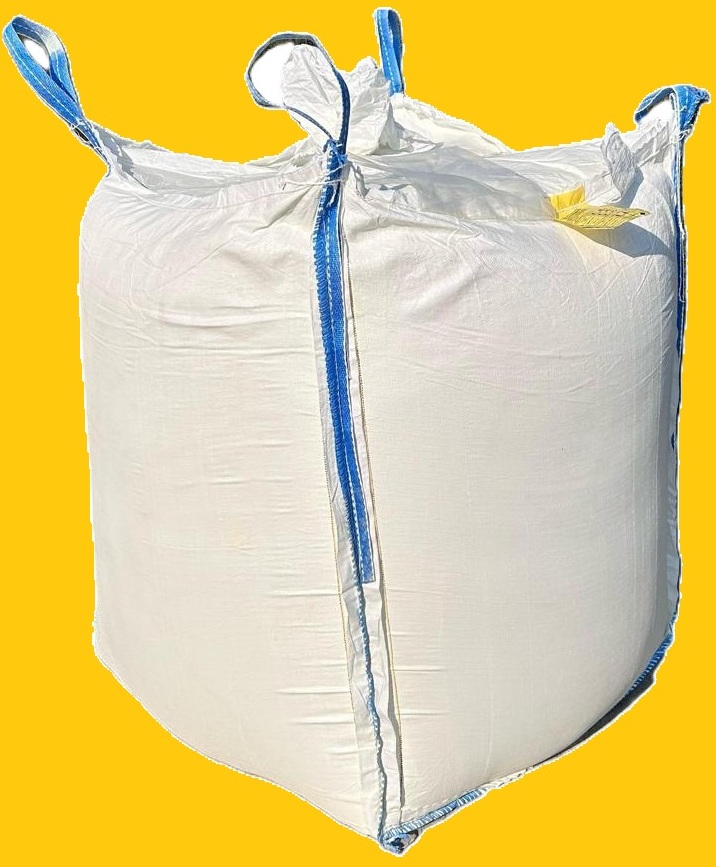
Send EmailSulfur, Sulphur, Elemental Sulfur, Sulfur Powder, Granular Sulfur, Lump Sulphur, Solid Sulfur, 7704-34-9
SULFUR (SULPHUR - S₈)
1. PRODUCT DEFINITION AND CHEMICAL IDENTITY
| Parameter | Description |
|---|---|
| Chemical Name | Sulfur (Sulphur) |
| Molecular Formula | S₈ (elemental form) |
| CAS Number | 7704-34-9 |
| EINECS Number | 231-722-6 |
| Molecular Weight | 256.52 g/mol (as S₈) / 32.06 g/mol (as S atom) |
| Chemical Class | Non-metal (Chalcogen) |
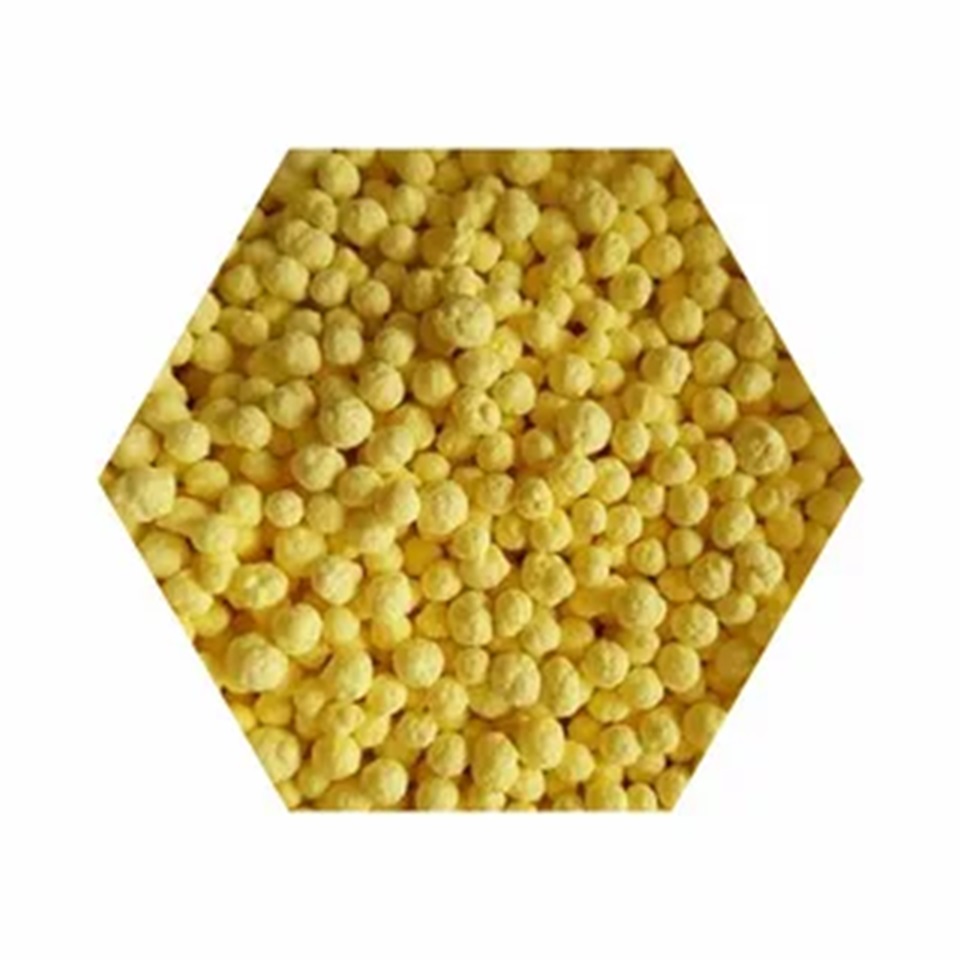
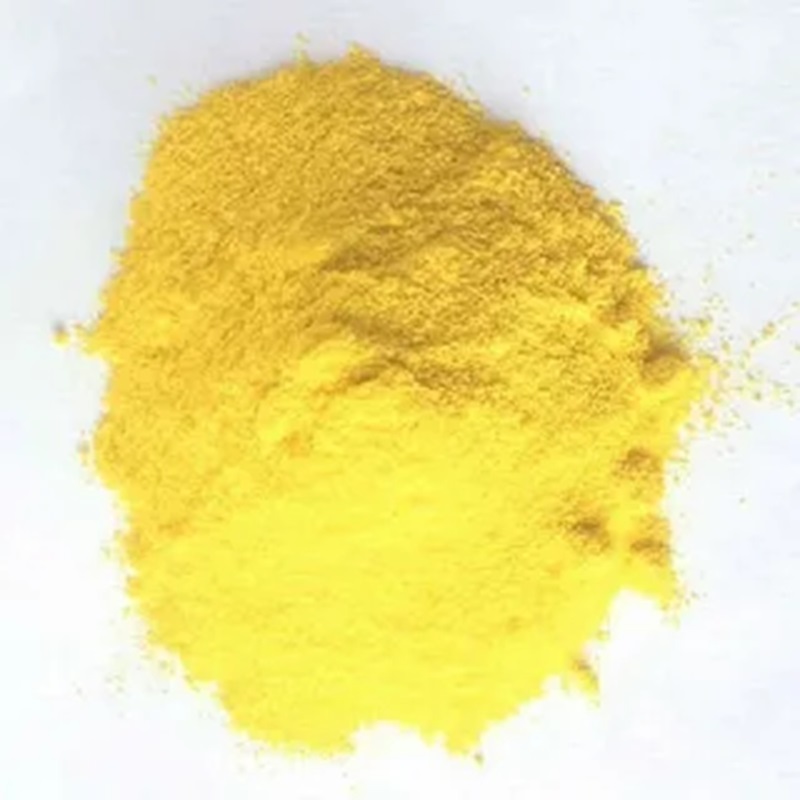
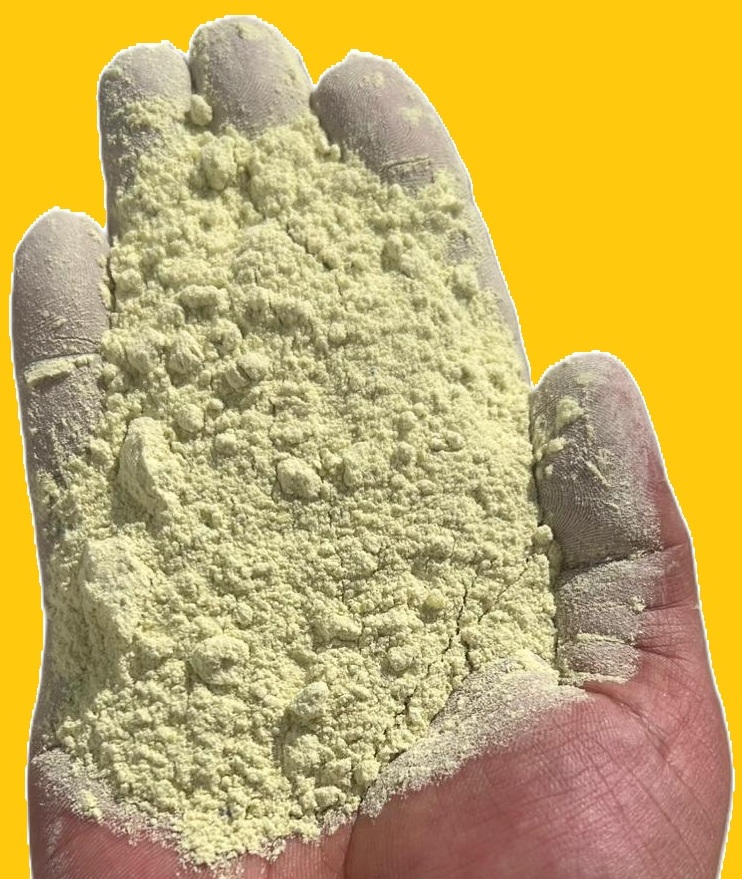
| Appearance | Lemon-yellow solid (powder, granules, crystals, lumps) |
| Odour | Odourless in its pure state |
Note: Sulfur is a non-metallic chemical element belonging to Group 16 (Chalcogens) of the periodic table, recognized by its lemon-yellow colour. It is found abundantly in nature in its elemental form or as minerals such as pyrite (FeS₂) and gypsum (CaSO₄·2H₂O). It is one of the indispensable building blocks of modern industry; approximately 90% of produced sulfur is used to manufacture sulfuric acid (H₂SO₄).
2. PHYSICAL AND CHEMICAL PROPERTIES
| Property | Value / Description |
|---|---|
| Physical Appearance | Lemon-yellow solid (powder, granules, crystals, lumps) |
| Odour | Odourless in its pure state |
| Density | ~2.07 g/cm³ (Rhombic, at 25 °C) |
| Melting Point | 115 °C (Rhombic) / 119 °C (Monoclinic) |
| Boiling Point | 444.7 °C |
| Solubility | Insoluble in water. Highly soluble in carbon disulfide (CS₂). Partially soluble in organic solvents like benzene and toluene. |
| Electrical Resistivity | 2x10²³ μΩ-cm (at 20 °C) – A very good insulator |
| Vapour Density | 8.9 (air = 1) |
| Autoignition Temperature | 232 °C (450 °F) |
| Crystal Structures | Alpha Sulfur (Rhombic) – stable at room temperature; Beta Sulfur (Monoclinic) – stable above 95.5 °C |
3. ALTERNATIVE NAMES AND SYNONYMS
| Name / Term | Description / Context |
|---|---|
| Sulphur | Traditional spelling used in British English and many Commonwealth countries |
| Brimstone | Archaic term from Old English, notably used in the Bible |
| Flowers of Sulfur | A specific form of fine, powdered pure sulfur obtained by sublimation |
| Milk of Sulfur | An amorphous powder obtained by boiling sulfur with lime and precipitating with hydrochloric acid |
| Washed Sulfur | A finely crystalline form washed with ammonia to remove impurities |
| Powdered Sulfur (Flour Sulfur) | Finely ground powder form |
| Granular Sulfur (Prilled Sulfur) | Free-flowing granules, 2-4 mm in diameter |
| Lump / Solid Sulfur (Block Sulfur) | Large, solid blocks |
4. PRODUCTION METHODS
A. Claus Process (Petrochemical Source – Primary Method):
Hydrogen sulfide (H₂S) gas, separated from crude oil and natural gas, is burned in a controlled manner with air in the presence of a catalyst (alumina). The reaction produces elemental sulfur and water: 2 H₂S + O₂ → 2 S + 2 H₂O. The majority of the world's sulfur supply is obtained via this method.
B. Frasch Process (Mining – Secondary Method):
Superheated water (170 °C) is injected into underground sulfur deposits to melt the sulfur in place. The molten sulfur is brought to the surface using compressed air and purified by cooling. This method yields sulfur with 99.5% - 99.9% purity.
5. PURITY GRADES AND PHYSICAL FORMS
| Type | Form | Purity | Primary Applications | Properties |
|---|---|---|---|---|
| Powdered Sulfur | Fine powder | High | Agriculture (fungicide, soil amendment), rubber, gunpowder | High reactivity, risk of dusting |
| Granular Sulfur (Prill) | 2-4 mm granules | High | Sulfuric acid production, fertilizer blends | Low dust, free-flowing, easy handling |
| High Purity Sulfur | Crystalline / Pieces | >99.99% | Pharmaceuticals, high-tech batteries, electronics | Minimum metal impurities |
| Liquid Sulfur | Liquid (molten) | >99.5% | Chemical production plants (caprolactam, SO₃) | Transported via pipeline, used directly in process |
6. SECTORAL APPLICATIONS AND USAGE RATES
| Sector | Application | Typical Usage / Global Share |
|---|---|---|
| Sulfuric Acid Production | Critical input for fertilizers, metallurgy, petrochemicals, paints, detergents | 85-90% (largest market) |
| Rubber and Tire Industry | Vulcanization (creates cross-links for durability, elasticity, and heat resistance) | 5-7% |
| Agriculture | Fertilizer (nutrient source), soil conditioner (pH reduction), fungicide and acaricide | 3-5% |
| Mining and Metal Processing | Leaching (via sulfuric acid), flotation (ore beneficiation) | 2-3% |
| Construction | Sulfur concrete (resistant to acids and saline water), sulfur-extended asphalt | 2-3% |
| Pharmaceuticals and Cosmetics | Acne, eczema, psoriasis, and scabies treatments; lotions and soaps | 2-3% |
| Food Industry | Sulfuring (sulfite application) to extend shelf life and preserve colour of dried fruits | 2-3% |
| Advanced Technology | Lithium-Sulfur (Li-S) batteries, cadmium sulfide (CdS) solar cells | 2-3% |
| Pulp and Paper Industry | Bleaching of wood pulp (SO₂ production) | 2-3% |
7. THE MULTIFACETED ROLE OF SULFUR IN AGRICULTURE
| Function | Mechanism of Action | Benefit Provided |
|---|---|---|
| Nutrient Source (Fertilizer) | Essential building block for amino acid and protein synthesis; the fourth most important macronutrient after N, P, K. | Promotes plant growth, increases yield and quality |
| Soil Conditioner | Oxidized by soil bacteria to sulfuric acid, lowering soil pH and facilitating salt leaching. | Reclaims alkaline and saline soils, improves nutrient availability |
| Crop Protection (Fungicide/Acaricide) | Direct contact neutralizes fungal spores and mites, inhibiting their germination and development. | Controls powdery mildew, rust, spider mites (including in organic farming) |
| Enhanced Fertilizer (BPS/BS) | Bio-Polymerized Sulfur (BPS) and Biological Sulfur (BS) technologies provide controlled, faster oxidation synchronized with plant needs. | Higher yields (10-12% in corn), sustainable agriculture, waste management contribution |
8. ALTERNATIVES AND COMPARISON
| Application Area | Alternative(s) | Effectiveness / Status |
|---|---|---|
| Sulfuric Acid Production | Burning sulfide ores like pyrite (FeS₂) | Technically possible but petrochemical sulfur is more economical and purer; pyrite use has largely diminished. |
| Vulcanization | Peroxides, metal oxides, resins, or radiation | Used in specialty rubbers but not as effective or economical as sulfur for general-purpose tire production. |
| Agriculture (Fungicide) | Synthetic organic fungicides (triazoles, strobilurins) | More targeted and effective at lower doses but more expensive. Sulfur is still widely preferred, especially in organic farming. |
| Soil Acidifier | Aluminum sulfate, ammonium sulfate, iron sulfate | These alternatives can also lower soil pH but sulfur is generally the most concentrated, longest-lasting, and most economical option. |
9. SAFETY, STORAGE, AND TRANSPORT
-
GHS Classification:
-
Skin Irritation (Skin Irrit. 2): Dust may irritate eyes, skin, and respiratory tract.
-
Combustion Product: Sulfur dioxide (SO₂) gas produced upon burning is highly irritating and extremely toxic if inhaled.
-
-
Flammability and Explosion Risk: Sulfur dust is flammable and can cause violent explosions when suspended in air (dust cloud). Keep away from static electricity, sparks, or heat. NFPA 655 standard must be followed.
-
Storage:
-
Store in cool, dry, and well-ventilated areas.
-
Must be stored separately from oxidizing agents (nitrates, chlorates, permanganates).
-
Do not store together with fertilizers like ammonium nitrate.
-
-
Transport Classification: UN 1350, SULFUR, Hazard Class 4.1 (Flammable Solid).
-
Personal Protective Equipment (PPE): Wear protective gloves and goggles; avoid breathing dust.
10. QUICK REFERENCE TABLE
| Property | Value |
|---|---|
| CAS | 7704-34-9 |
| Formula | S₈ |
| Molecular Weight | 256.52 g/mol |
| Appearance | Lemon-yellow solid (powder, granules, crystals, lumps) |
| Melting Point | 115 °C |
| Boiling Point | 444.7 °C |
| Density | ~2.07 g/cm³ |
| Main Uses | Sulfuric acid production (85-90%), vulcanization, agriculture |
| Hazard Class | UN 1350, Class 4.1 (Flammable Solid) |