We unleash your business potential by maximize the business innovation.
Send EmailDimethyl Sulfoxide, Methyl Sulfoxide, Methylsulfinylmethane, Sulfinylbis Methane, DMSO, 67-68-5
Dimethyl Sulfoxide (DMSO)
Molecular Formula: C₂H₆OS
Molecular Weight: 78.13 g/mol
Chemical Name: Dimethyl Sulfoxide
CAS Number: 67-68-5
General Information and Description
Dimethyl Sulfoxide (DMSO) is an organic sulfur compound with a polar aprotic structure. Chemically, it consists of a sulfoxide group bonded to two methyl groups. This colorless liquid is renowned for its exceptional solvent properties and finds a wide range of applications in industry, as well as in biological and medical fields. Due to its high polarity and its unique ability to penetrate biological membranes, it has the capacity to dissolve a vast array of chemicals.
Other Names (Synonyms)
-
DMSO (most common abbreviation)
-
Methyl Sulfoxide
-
Methylsulfinylmethane
-
Dimethyl sulfur oxide
-
Sulfinylbis Methane
-
Methane sulfinyl methane
-
67-68-5
Production Method
The production of Dimethyl Sulfoxide is essentially a two-step process, starting with Dimethyl Sulfide (DMS).
-
Oxidation: Dimethyl Sulfide (CH₃-S-CH₃) is reacted with an oxidizing agent such as oxygen (O₂) or nitrogen dioxide (NO₂).
-
Catalyst: Vanadium or iron-based catalysts are typically used to accelerate the reaction and increase yield.
-
Reaction: (CH₃)₂S + ½ O₂ → (CH₃)₂SO (DMSO)
-
The crude product obtained from this process is then purified to yield high-purity DMSO.
Physical and Chemical Properties
-
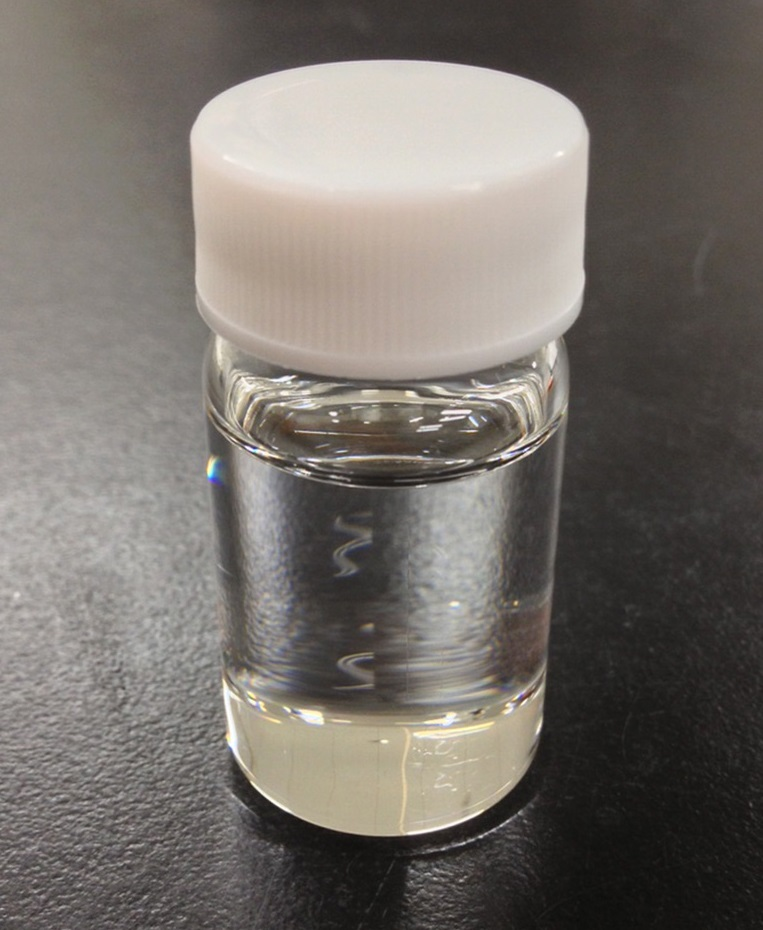
Physical Appearance: Colorless, clear, low-viscosity liquid.
-
Odor: In its pure state, it has a slight characteristic odor, often described as garlic-like or oyster-like. It can become odorless when diluted.
-
Hygroscopicity: Highly hygroscopic; it readily absorbs moisture from the air.
-
Melting Point: 18.5 °C (It can solidify or freeze in winter or cold climates, forming crystals).
-
Boiling Point: 189 °C
-
Density: 1.10 g/cm³ at 20°C (slightly denser than water).
-
Solubility: Miscible (completely mixable) with water in all proportions. It is also completely miscible with Ethyl Alcohol, Ethyl Acetate, Acetone, Chloroform, Benzene, and many other organic solvents. It can dissolve a wide range of polar and non-polar compounds, polymers, carbohydrates, peptides, and inorganic salts.
-
pH Value: Approximately 6.5 – 7.5 for a 100 g/L aqueous solution (near neutral).
-
Flash Point: Approximately 89 °C (closed cup).
-
Dielectric Constant: High dielectric constant (~47), making it an excellent polar aprotic solvent.
-
Viscosity: 1.996 cP at 25°C.
Applications and Uses
Due to its unique solvent properties and biological activity, DMSO is used across a very broad spectrum.
1. Chemistry and Industry (As a Solvent):
-
Polar Aprotic Solvent: Provides an ideal medium for many chemical reactions, especially SN2 type reactions.
-
Polymer Chemistry: Used as a reaction medium in polymer synthesis and processing.
-
Industrial Cleaning: An effective component in degreaser, paint stripper, and stain remover formulations.
-
Analytical Chemistry: Preferred as a solvent in NMR (Nuclear Magnetic Resonance) spectroscopy and chromatography studies.
2. Medicine, Pharmacy, and Biology:
-
Drug Carrier (Penetration Enhancer): Its ability to penetrate skin and other biological membranes allows it to carry active ingredients of topical medications into deeper tissues. It enhances the delivery of both lipophilic and hydrophilic substances in transdermal drug delivery systems.
-
Cryopreservation: Used as a cryoprotectant to prevent ice crystal damage during the freezing and storage of cells, tissues, and organs. It is typically present in cell culture media at concentrations of 5–10% .
-
Medical Therapy: Has been used to alleviate pain and inflammation symptoms in conditions like osteoarthritis (often in non-FDA approved applications).
-
Organ Transplantation: A component of preservation solutions used to protect organs before transplantation.
3. Other Applications:
-
Contact Lens Production: Used as an organic solvent during the processing of materials like Polyvinyl Alcohol (PVA).
-
Veterinary Medicine: Used as a carrier solvent for topical applications in animals.
Reactivity and Alternatives
Reactivity:
-
Polar Aprotic Structure: Its strong polar nature allows it to solvate cations, thereby facilitating nucleophilic attack by anions.
-
Redox: Can exhibit mild oxidizing or reducing properties.
-
Solvation: High capacity to dissolve both polar and non-polar molecules.
Alternative Solvents:
-
N-Methyl-2-pyrrolidone (NMP): Similar polar solvency power, higher boiling point.
-
Dimethylformamide (DMF): Similar solvent properties but with a different toxicity profile.
-
Propylene Carbonate: Considered a safer aprotic alternative.
-
Ethyl Lactate: A bio-based alternative with lower toxicity.
Typical Usage Concentrations
-
Cryopreservation: 5 – 10% in cell culture media.
-
Topical Pharmaceutical Formulations: 1 – 20% depending on the application route.
-
Industrial Cleaning Mixtures: 10 – 50% within solvent blends.
Safety and Handling
-
WGK Class (German Water Hazard Class): 1 (Low hazard to water).
-
Skin Penetration: Can be rapidly absorbed through the skin. Therefore, skin contact should be avoided.
-
Handling: Use in well-ventilated areas. Avoid contact with skin and eyes. Wearing appropriate personal protective equipment (gloves, goggles) during handling is recommended.
-
Storage: Store in a cool, dry, well-ventilated area in airtight containers (due to its hygroscopic nature).