We unleash your business potential by maximize the business innovation.
Send EmailDimethyl Sulfoxide, Methyl Sulfoxide, Methyl Sulfinyl Methane, Sulfinylbis Methane, DMSO, 67-68-5
DIMETHYL SULFOXIDE (DMSO)
PRODUCT IDENTIFICATION INFORMATION
| Parameter | Information |
|---|---|
| Product Name | Dimethyl Sulfoxide |
| Chemical Name (IUPAC) | Dimethyl Sulfoxide |
| Common Names | DMSO, Methyl Sulfoxide, Methylsulfinylmethane, Sulfinylbis Methane |
| CAS Number | 67-68-5 |
| EC Number (EINECS) | 200-664-3 |
| Molecular Formula | C₂H₆OS |
| Molecular Weight | 78.13 g/mol |
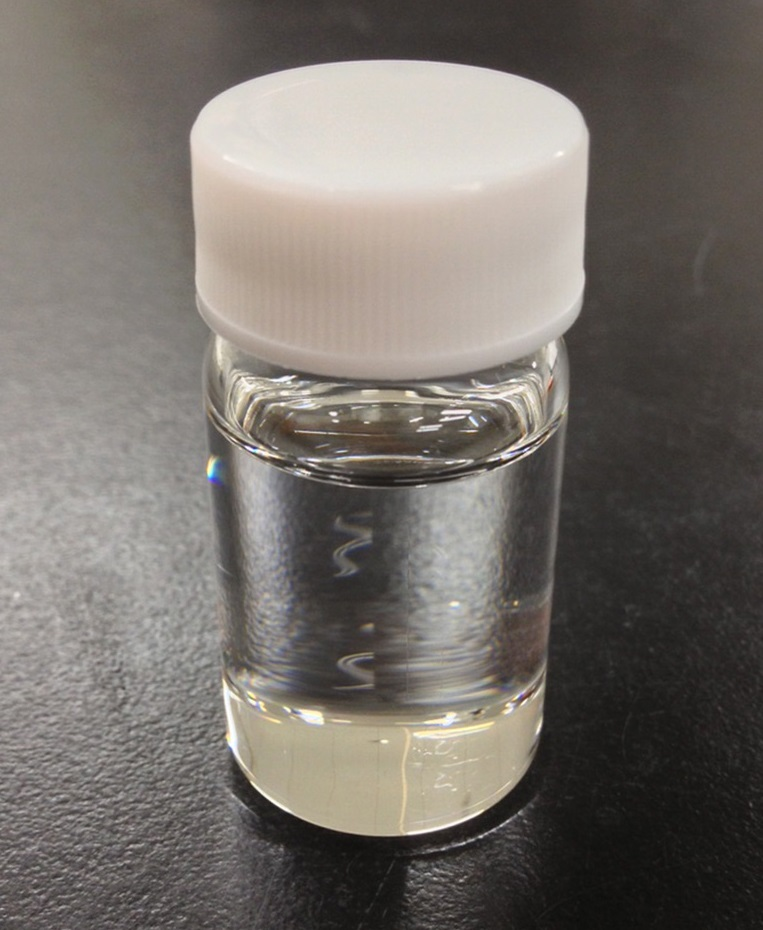
| Appearance | Colorless, clear liquid |
CHEMICAL STRUCTURE
    Dimethyl Sulfoxide (DMSO)

         O
         ||
    CH₃ — S — CH₃

    Dimethyl Sulfoxide
    (CH₃)₂SO
Molecular Formula: C₂H₆OS
SMILES: CS(=O)C
InChI: InChI=1S/C2H6OS/c1-4(2)3/h1-2H3
Functional Groups: Sulfoxide group (S=O)
Structure: Organic sulfur compound; Polar aprotic solvent
SECTION 1: CHEMICAL IDENTITY AND DEFINITION
| Parameter | Information |
|---|---|
| Product Name | Dimethyl Sulfoxide |
| Chemical Name (IUPAC) | Dimethyl Sulfoxide |
| Common Names (English) | DMSO, Methyl Sulfoxide, Methylsulfinylmethane, Sulfinylbis Methane, Dimethyl Sulfoxide |
| Common Names (Turkish) | Dimetil Sülfoksit, DMSO, Metil Sülfoksit, Sülfinilbis Metan |
| CAS Number | 67-68-5 |
| EC Number (EINECS) | 200-664-3 |
| Molecular Formula | C₂H₆OS |
| Molecular Weight | 78.13 g/mol |
| Chemical Class | Organic compound; organosulfur compound; sulfoxide |
| Physical State (20°C) | Liquid |
| Odor | Characteristic odor (garlic-like or oyster-like) |
| Color | Colorless, clear liquid |
| Taste | Sweet, characteristic taste |
SECTION 2: PHYSICAL AND CHEMICAL PROPERTIES
| Property | Value | Test Method / Note |
|---|---|---|
| Appearance | Colorless, clear liquid | Visual |
| Odor | Characteristic (garlic-like) | Olfactometric |
| Molecular Weight | 78.13 g/mol | Calculated |
| Density (20°C) | 1.10 g/cm³ | ASTM D4052 |
| Melting Point | 18.5°C (crystallizes below this temperature) | DSC |
| Boiling Point | 189°C | - |
| Flash Point | ~89°C (closed cup) | ASTM D93 |
| Solubility in Water | Completely miscible | General Method |
| Solubility in Organic Solvents | Miscible with ethanol, ethyl acetate, acetone, chloroform, benzene | General Method |
| pH (100 g/L Solution) | 6.5 - 7.5 (neutral) | pH Meter |
| Dielectric Constant | ~47 (polar aprotic solvent) | - |
| Viscosity (25°C) | 1.996 cP | ASTM D445 |
| Hygroscopicity | Highly hygroscopic (absorbs moisture from air) | - |
| Refractive Index | 1.479 | - |
| Vapor Pressure | 0.42 mmHg (at 20°C) | - |
| Surface Tension | 43.5 dyn/cm | - |
| Dipole Moment | 4.3 D | - |
| Autoignition Temperature | ~215°C | - |
SECTION 3: CHEMICAL PROPERTIES AND REACTIVITY
| Parameter | Information |
|---|---|
| Chemical Character | Polar aprotic solvent; highly hygroscopic; good solvating properties for both polar and non-polar compounds |
| Stability | Stable under normal conditions; Decomposes upon heating to dimethyl sulfide and dimethyl sulfone; Sensitive to light and air |
| Reactivity | Acts as a strong polar solvent; Can be oxidized to dimethyl sulfone (MSM); Can be reduced to dimethyl sulfide; Reacts with strong acids and bases |
| Incompatible Materials | Strong acids, strong bases, strong oxidizing agents, reducing agents, acid chlorides, phosphorus compounds |
| Polymerization | Will not polymerize |
| Decomposition Products (Heating) | Dimethyl sulfide (CH₃SCH₃), Dimethyl sulfone (MSM), Sulfur dioxide (SO₂) |
| Hazardous Reactions | Reacts with strong oxidizing agents (exothermic); Reacts with strong acids (exothermic); May decompose at high temperatures releasing toxic sulfur oxides |
| Oxidation | (CH₃)₂SO + [O] → (CH₃)₂SO₂ (MSM) |
| Reduction | (CH₃)₂SO + [H] → (CH₃)₂S (DMS) |
| Hydrolysis | Stable in water; does not hydrolyze |
| Solvation | Strongly solvates cations, enhances nucleophilic reactivity of anions |
| Hygroscopicity | Rapidly absorbs moisture from air; Must be stored in airtight containers |
| Cryoprotectant | Prevents ice crystal formation; Protects cells during freezing |
SECTION 4: COMPARISON OF DMSO AND RELATED COMPOUNDS
| Property | DMSO (C₂H₆OS) | MSM (C₂H₆O₂S) | DMS (C₂H₆S) | DMF (C₃H₇NO) |
|---|---|---|---|---|
| CAS Number | 67-68-5 | 67-71-0 | 75-18-3 | 68-12-2 |
| Formula | C₂H₆OS | C₂H₆O₂S | C₂H₆S | C₃H₇NO |
| Oxidation State | Sulfoxide | Sulfone | Sulfide | Amide |
| Molecular Weight | 78.13 | 94.13 | 62.13 | 73.09 |
| Appearance | Colorless liquid | White crystals | Colorless liquid | Colorless liquid |
| Melting Point | 18.5°C | 107-111°C | -98°C | -61°C |
| Solvent Properties | Excellent (polar aprotic) | Limited | Limited | Excellent (polar aprotic) |
| Primary Use | Solvent, cryoprotectant | Supplement, synthesis | Chemical intermediate | Solvent, synthesis |
SECTION 5: PRODUCTION METHODS
Method 1: Oxidation of Dimethyl Sulfide (DMS) (Main Industrial Method)
-
Reaction: (CH₃)₂S + ½O₂ → (CH₃)₂SO
-
Description: Dimethyl sulfide is oxidized with oxygen or nitrogen dioxide; Catalysts such as vanadium or iron-based catalysts are used to increase reaction rate and yield; Product is purified to obtain high-purity DMSO; Most common industrial production method
Method 2: Oxidation of Dimethyl Sulfide with Hydrogen Peroxide
-
Reaction: (CH₃)₂S + H₂O₂ → (CH₃)₂SO + H₂O
-
Description: Dimethyl sulfide is oxidized with hydrogen peroxide; DMSO is formed; Used for smaller-scale production
Method 3: Oxidation of Dimethyl Sulfide with Nitrogen Dioxide
-
Reaction: (CH₃)₂S + NO₂ → (CH₃)₂SO + NO
-
Description: Dimethyl sulfide is oxidized with nitrogen dioxide; DMSO is formed; Used in industrial processes
Method 4: Extraction from Natural Sources
-
Process: Wood pulping by-product → DMSO (trace amounts)
-
Description: DMSO is naturally present in trace amounts in some plants and as a by-product of wood pulping; Limited commercial significance
SECTION 6: FUNCTIONAL PROPERTIES AND MECHANISM OF ACTION
| Property | Description |
|---|---|
| Polar Aprotic Solvent | Excellent solvent for both polar and non-polar compounds; Dissolves a wide range of organic and inorganic compounds; Enhances nucleophilic reactivity (SN2 reactions) |
| Skin Penetration Enhancer | Penetrates biological membranes rapidly; Increases permeability of skin; Enhances transdermal drug delivery; Carrier for topical drug formulations |
| Cryoprotectant | Prevents ice crystal formation during freezing; Protects cells and tissues from freeze damage; Used in cell culture media (5-10%); Organ preservation |
| Anti-inflammatory | Modulates inflammatory response; Reduces cytokine production; Reduces oxidative stress; Used in some medical applications |
| Antioxidant | Scavenges free radicals; Reduces oxidative damage; Protects cells from oxidative stress |
| Solubilizer | Solubilizes hydrophobic compounds; Dissolves peptides, proteins, carbohydrates, and polymers; Pharmaceutical formulations |
| Penetration Enhancer | Facilitates passage through cell membranes; Enhances bioavailability of drugs; Transdermal drug delivery systems |
| Free Radical Scavenger | Neutralizes reactive oxygen species; Protects biological systems from oxidative damage |
SECTION 7: MAIN APPLICATION AREAS
| Industry / Application | Function | Typical Use |
|---|---|---|
| Chemical Industry | Solvent | Polar aprotic solvent for chemical reactions (SN2 reactions); Polymer synthesis; Organic synthesis; Reaction medium |
| Pharmaceutical / Medical | Drug carrier | Transdermal drug delivery; Skin penetration enhancer; Topical formulations; Carrier for active pharmaceutical ingredients |
| Biotechnology | Cryoprotectant | Cell culture media (5-10%); Cryopreservation of cells, tissues, and organs; Organ preservation; Stem cell storage |
| Laboratory | Solvent | NMR spectroscopy; Chromatography; Analytical chemistry; Chemical analysis |
| Industrial Cleaning | Solvent | Degreaser; Paint stripper; Stain remover; Industrial formulations |
| Cosmetics | Carrier | Skin care products; Transdermal formulations; Penetration enhancer |
| Polymer Chemistry | Solvent | Polymer synthesis and processing; Contact lens production; PVC processing |
| Veterinary | Carrier | Topical applications for animals; Transdermal delivery |
| Agriculture | Solvent | Pesticide formulations; Agricultural chemical carrier |
SECTION 8: QUALITY SPECIFICATIONS
| Parameter | Specification | Test Method |
|---|---|---|
| Appearance | Colorless, clear liquid | Visual |
| Assay (C₂H₆OS) | ≥ 99.0% - 99.9% | GC / HPLC |
| Water Content | ≤ 0.1% - 0.5% | Karl Fischer |
| Melting Point | ≥ 18.3°C | DSC |
| Density (20°C) | 1.095 - 1.105 g/cm³ | ASTM D4052 |
| Refractive Index (20°C) | 1.478 - 1.480 | Refractometer |
| pH (100 g/L Solution) | 6.5 - 7.5 | pH Meter |
| Residue on Ignition | ≤ 0.01% | Gravimetric (800°C) |
| Heavy Metals (as Pb) | ≤ 10 ppm | AAS / ICP |
| Iron (Fe) | ≤ 1 ppm | AAS / ICP |
| Chloride (Cl) | ≤ 0.01% | Titrimetric |
| Sulfate (SO₄) | ≤ 0.01% | Turbidimetric |
| Dimethyl Sulfone (MSM) | ≤ 0.1% | GC |
| Dimethyl Sulfide (DMS) | ≤ 0.01% | GC |
| Color (APHA) | ≤ 10 | Colorimetry |
SECTION 9: TOXICOLOGICAL PROFILE
| Parameter | Value |
|---|---|
| Acute Oral Toxicity (LD50, Rat) | ~ 14,500 mg/kg (low toxicity) |
| Acute Dermal Toxicity | Low toxicity; Rapidly absorbed through skin |
| Acute Inhalation Toxicity | Low toxicity; Vapors may cause irritation |
| Skin Irritation | May cause irritation; Rapid skin penetration |
| Eye Irritation | May cause eye irritation |
| Respiratory Irritation | Vapors may cause respiratory irritation |
| Chronic Toxicity | Low toxicity; Considered relatively safe for topical and research use |
| Carcinogenicity | Not classified as carcinogenic |
| Mutagenicity | Not classified as mutagenic |
| Reproductive Toxicity | Not classified as reproductive toxicant |
| Target Organs | Skin, eyes, respiratory system |
| Occupational Exposure Limit (8h TWA) | Not established |
| Special Toxicity Note | Rapidly penetrates skin; May carry dissolved substances through skin; Avoid contact with skin and eyes; Use appropriate personal protective equipment; High doses may cause gastrointestinal discomfort; Considered safe for topical use in many applications |
SECTION 10: GHS CLASSIFICATION AND LABELING
GHS Classification (Compliant with CLP and UN GHS):
| Hazard Class | Category | H-Statement |
|---|---|---|
| Eye Irritation | Category 2 | H319 |
| Skin Irritation | Category 3 | H316 |
| STOT - SE (Single Exposure) | Category 3 | H335 |
Signal Word: WARNING
Hazard Pictograms: GHS07 (Exclamation Mark)
Hazard Statements (H-Codes):
| Code | Statement |
|---|---|
| H316 | Causes mild skin irritation |
| H319 | Causes serious eye irritation |
| H335 | May cause respiratory irritation |
NFPA 704 Hazard Classification:
| Health | Flammability | Reactivity | Special |
|---|---|---|---|
| 2 | 1 | 0 | - |
| (Moderate health hazard) | (Slightly flammable) | (Stable) | (None) |
SECTION 11: PRECAUTIONARY STATEMENTS (P-CODES)
| Code | Statement |
|---|---|
| P261 | Avoid breathing dust/fume/gas/mist/vapors/spray |
| P264 | Wash hands thoroughly after handling |
| P271 | Use only outdoors or in a well-ventilated area |
| P280 | Wear protective gloves/protective clothing/eye protection/face protection |
| P302+P352 | IF ON SKIN: Wash with plenty of soap and water |
| P304+P340 | IF INHALED: Remove person to fresh air and keep comfortable for breathing |
| P305+P351+P338 | IF IN EYES: Rinse cautiously with water for several minutes. Remove contact lenses if present and continue rinsing |
| P312 | Call a POISON CENTER/doctor if you feel unwell |
| P332+P313 | If skin irritation occurs: Get medical advice/attention |
| P337+P313 | If eye irritation persists: Get medical advice/attention |
| P362+P364 | Take off contaminated clothing and wash it before reuse |
| P403+P233 | Store in a well-ventilated place. Keep container tightly closed |
| P501 | Dispose of contents/container in accordance with local/regional/national/international regulations |
SECTION 12: FIRST AID MEASURES
| Exposure Route | Action to Take |
|---|---|
| Inhalation | Move to fresh air immediately. Rest in a position comfortable for breathing. If symptoms persist, get medical attention. |
| Skin Contact | Remove contaminated clothing. Rinse skin with plenty of water for at least 15 minutes. Wash with soap and water. If skin irritation occurs, get medical advice/attention. |
| Eye Contact | Rinse immediately with plenty of water for at least 15 minutes. Keep eyelids open. Remove contact lenses if present. Continue rinsing. If eye irritation persists, get medical advice/attention. |
| Ingestion | Rinse mouth with water. Do NOT induce vomiting. Drink plenty of water. Get medical attention if symptoms occur. |
SECTION 13: FIREFIGHTING MEASURES
| Parameter | Information |
|---|---|
| Fire Hazard | Slightly flammable liquid. May decompose at high temperatures releasing toxic sulfur oxide fumes. |
| Hazards During Fire | Thermal decomposition produces toxic sulfur oxide fumes (SOx), dimethyl sulfide |
| Suitable Extinguishers | Water fog, CO₂, dry chemical powder, alcohol-resistant foam |
| Unsuitable Extinguishers | Water jet (may spread flammable material) |
| Special Protective Equipment | Self-contained breathing apparatus (SCBA), full protective clothing (for surrounding fire). |
| Special Precautions | Prevent runoff from entering sewers and waterways. |
SECTION 14: STORAGE AND SHELF LIFE
| Parameter | Information |
|---|---|
| Storage Conditions | Store in a cool, dry, well-ventilated area; Keep away from heat and direct sunlight; Store in airtight containers (hygroscopic); Protect from moisture |
| Container Requirements | Tightly closed, properly labeled containers; Moisture-proof containers; Dark glass or HDPE containers |
| Materials to Protect From | Strong acids, strong bases, strong oxidizing agents, moisture |
| Shelf Life | 36 months (in unopened original packaging, under proper storage conditions) |
| Stability Note | Stable under normal conditions; Hygroscopic; Absorbs moisture from air; Protect from moisture |
| Special Storage Requirements | Store separately from acids and oxidizing agents; Keep containers closed to prevent moisture absorption |
SECTION 15: PACKAGING OPTIONS
| Packaging Type | Quantity | Material |
|---|---|---|
| Plastic Bottle | 100 mL, 250 mL, 500 mL, 1 L | HDPE / Glass |
| Plastic Can | 5 L, 10 L, 25 L | HDPE |
| Plastic Drum | 25 L, 50 L, 200 L | HDPE |
| IBC Container | 600 L, 1000 L | HDPE |
| Tanker | Custom quantities | Stainless steel / Lined tanker |
SECTION 16: TRANSPORT INFORMATION
| Parameter | Information |
|---|---|
| UN Number | UN 2810 (Toxic liquids, organic, n.o.s.) - specific conditions |
| Hazard Class | 6.1 (Toxic) - depending on concentration |
| Packing Group | III |
| ADR/RID | UN 2810, Toxic liquids, organic, n.o.s., 6.1, PG III |
| IMDG Code | UN 2810, Toxic liquids, organic, n.o.s., 6.1, PG III |
| IATA (Air) | UN 2810, Toxic liquids, organic, n.o.s., 6.1, PG III |
| Marine Pollutant | No |
| Transport Temperature | Ambient temperature; Protect from moisture and heat |
SECTION 17: REGULATORY STATUS
| Region / Authority | Status |
|---|---|
| European Union | REACH registered; Low hazard classification |
| USA (TSCA) | Listed |
| USA (FDA) | Approved for certain medical applications; GRAS for some uses |
| Turkey | Industrial chemical; Subject to KKDIK regulation |
| IARC | Group 3 (Not classifiable as to carcinogenicity to humans) |
| NTP | Not listed |
| OSHA | Regulated |
| California (Prop 65) | Not listed |
| EU Restrictions | Not restricted under REACH Annex XVII |
SECTION 18: OTHER NAMES AND SYNONYMS
| Type | Name |
|---|---|
| Turkish Names | Dimetil Sülfoksit, DMSO, Metil Sülfoksit, Sülfinilbis Metan, Metan Sülfinil Metan |
| English Names | Dimethyl Sulfoxide, DMSO, Methyl Sulfoxide, Methylsulfinylmethane, Sulfinylbis Methane |
| Trade Names | DMSO, Dimethyl Sulfoxide, Methyl Sulfoxide |
| Chemical Names | Dimethyl Sulfoxide; Methyl Sulfoxide; Sulfinylbis Methane |
| CAS Number | 67-68-5 |
| EC Number | 200-664-3 |
| Molecular Formula | C₂H₆OS |
| Common Abbreviations | DMSO |
SECTION 19: SUMMARY TABLE
| Parameter | Value |
|---|---|
| Product | Dimethyl Sulfoxide (DMSO) |
| CAS Number | 67-68-5 |
| Molecular Formula | C₂H₆OS |
| Molecular Weight | 78.13 g/mol |
| Appearance | Colorless, clear liquid |
| Density (20°C) | 1.10 g/cm³ |
| Melting Point | 18.5°C |
| Boiling Point | 189°C |
| Water Solubility | Completely miscible |
| Primary Function | Solvent, cryoprotectant, drug carrier |
| Main Applications | Chemical synthesis, cryopreservation, transdermal drug delivery, laboratory solvent |
| Shelf Life | 36 months |
| GHS Signal Word | WARNING |
| UN Number | UN 2810 |
| Special Feature | Highly hygroscopic; Skin penetration enhancer; Excellent solvent for polar and non-polar compounds |
SECTION 20: CRITICAL WARNINGS AND BEST PRACTICES
CRITICAL WARNINGS:
-
Causes mild skin irritation (H316). Avoid skin contact.
-
Causes serious eye irritation (H319). Use eye protection.
-
May cause respiratory irritation (H335). Avoid inhalation of vapors.
-
Highly hygroscopic. Absorbs moisture from air. Store in airtight containers.
-
Skin penetration enhancer. Rapidly penetrates skin; May carry dissolved substances through skin.
-
Slightly flammable. Keep away from heat and open flames.
-
Incompatibilities: Keep away from strong acids, strong bases, and strong oxidizing agents.
-
Freezes at 18.5°C. May crystallize in cold environments; Thaw before use.
-
Hygiene Requirement: Wash hands thoroughly after handling.
-
Medical Use: Only pharmaceutical grade DMSO should be used for medical applications.
BEST PRACTICE RECOMMENDATIONS:
-
Chemical Synthesis: Use as polar aprotic solvent for SN2 reactions; Enhances nucleophilic reactivity; Preferred solvent for many organic reactions; Use dry DMSO for moisture-sensitive reactions.
-
Cryopreservation: Use as cryoprotectant in cell culture media (5-10%); Prevents ice crystal formation during freezing; Protects cells and tissues; Essential for stem cell and tissue storage.
-
Transdermal Drug Delivery: Use as skin penetration enhancer; Enhances drug absorption through skin; Carrier for active pharmaceutical ingredients; Typical concentration 1-20% in formulations.
-
Laboratory: Use as solvent in NMR spectroscopy; Chromatography applications; Analytical chemistry; Chemical analysis.
-
Handling: Use in well-ventilated areas; Avoid skin contact; Wear protective gloves, safety goggles, and appropriate respiratory protection; Store in airtight containers.
-
Personal Protective Equipment: Protective gloves (nitrile, neoprene), safety goggles, protective clothing, NIOSH-approved respirator (if vapor/mist).
-
Hygiene: Wash hands thoroughly after handling; Do not eat, drink, or smoke when using; Remove contaminated clothing and wash before reuse.
-
Storage: Store in tightly closed, properly labeled containers in dry conditions; Protect from moisture; Keep away from acids and oxidizing agents; Store in cool, well-ventilated area.
-
Spill Response: Contain spill; Absorb with inert material; Place in closed containers; Do not allow to enter drains or waterways.
-
Disposal: Dispose of in accordance with local, regional, and national regulations.
SPECIAL NOTE ON SKIN PENETRATION:
DMSO rapidly penetrates skin and other biological membranes:
-
Mechanism: Disrupts lipid barrier; Increases membrane permeability
-
Effect: Facilitates absorption of dissolved substances
-
Caution: May carry contaminants through skin
-
Recommendation: Use clean, pure DMSO for medical/research applications; Avoid contact with contaminated DMSO
SPECIAL NOTE ON CRYOPRESERVATION:
DMSO is widely used as a cryoprotectant:
-
Mechanism: Prevents ice crystal formation; Lowers freezing point; Protects cells during freezing
-
Concentration: Typically 5-10% in cell culture media
-
Application: Cell storage; Tissue preservation; Organ preservation; Stem cell banking
-
Protocol: Gradual freezing; Thaw quickly at 37°C; Remove DMSO from cells after thawing
LEGAL DISCLAIMER:
The information provided in this document is based on our current knowledge and experience and is presented in good faith. However, as all conditions of use are beyond our control, this document does not constitute a binding specification or warranty. This Technical Data Sheet is for informational purposes only. Users are responsible for testing suitability for their own applications. For complete safety, storage, handling, transportation, waste, and regulatory compliance information, please refer to the official Safety Data Sheet (SDS/MSDS) provided by the manufacturer/supplier.