We unleash your business potential by maximize the business innovation.
Send EmailPhthalic Anhydride, Anhydride Phtalique, Anhydrid Kyseliny Ftalove, 85-44-9
PHTHALIC ANHYDRIDE
Phthalic Anhydride / Anhydride Phtalique / Anhydrid Kyseliny Ftalove
CAS Number: 85-44-9
EC Number: 201-607-5
1. IDENTIFICATION INFORMATION
| Property | Information |
|---|---|
| Chemical Name | Phthalic Anhydride |
| Other Names | Phthalic Acid Anhydride, 1,3-Isobenzofurandione, 1,3-Phthalandione, o-Phthalic Anhydride, 2-Benzofuran-1,3-dione, 1,2-Benzenedicarboxylic Anhydride |
| Chemical Formula | C₈H₄O₃ |
| Molecular Weight | 148.12 g/mol |
| CAS Number | 85-44-9 |
| EC Number (EINECS) | 201-607-5 |
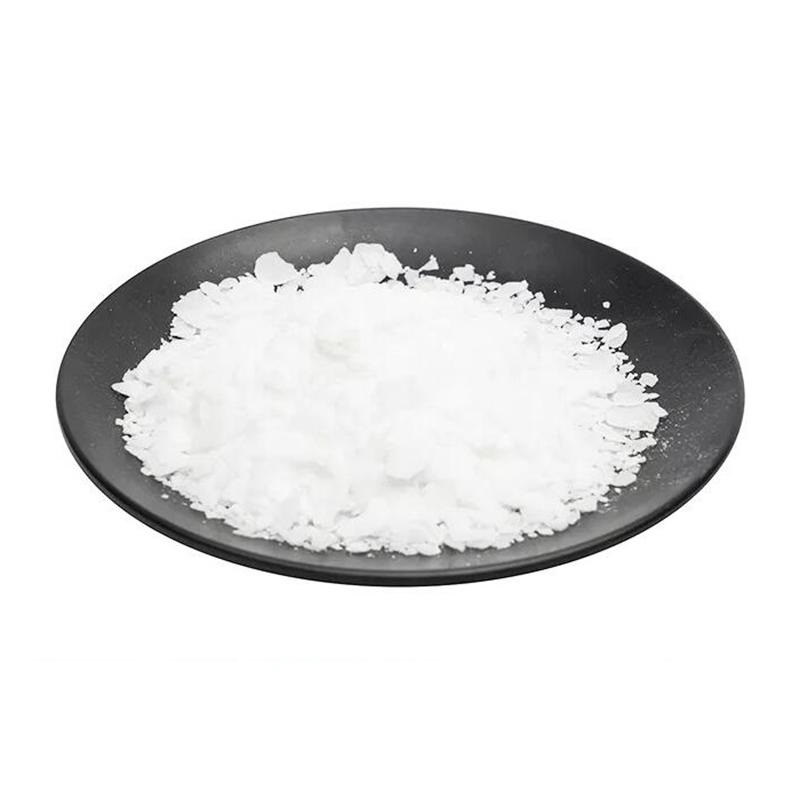
| Appearance | White, needle-like crystalline solid (Flake form) |
| Odor | Characteristic, choking odor |
Phthalic anhydride is one of the most important organic chemical intermediates. This aromatic dicarboxylic acid anhydride has an internal anhydride structure formed by the dehydration of two carboxyl groups attached to a benzene ring. The anhydride group in its molecular structure provides high reactivity, making it an indispensable raw material in the synthesis of plasticizers, resins, dyes, and pharmaceutical products. As the most widely used aromatic anhydride in industry, phthalic anhydride holds a significant position in the global chemical industry with millions of tons of annual production capacity.
2. PHYSICAL PROPERTIES
| Property | Value |
|---|---|
| Physical State (20°C) | Solid (powder or crystalline) |
| Appearance | White, needle-like crystals or flakes |
| Odor | Characteristic, choking odor |
| Chemical Formula | C₈H₄O₃ |
| Molecular Weight | 148.12 g/mol |
| Density (20°C) | 1.53 g/cm³ |
| Melting Point | 131.6°C (131-134°C range) |
| Boiling Point | 284-295°C (sublimes below boiling point) |
| Flash Point | 152°C (Closed cup), 151.7°C (Open cup) |
| Ignition Temperature | 584°C |
| Water Solubility (20°C) | 6 g/L (with slow decomposition) |
| Organic Solvent Solubility | Slightly soluble in hot water and ether; soluble in ethanol, benzene and pyridine |
| Vapor Pressure (20°C) | < 0.01 mm Hg |
| Vapor Density (Air=1) | 5.1 (heavier than air) |
| pH (6 g/L in water, 20°C) | ~2 (acidic) |
| Refractive Index | 1.4500 (estimated) |
| Explosive Limits | 1.7-10.5% (by volume) |
Phthalic anhydride is a white, needle-like crystalline solid at room temperature. It is commercially available primarily in flake form, which provides convenience for storage, transportation, and dosing. The melting point is 131.6°C and serves as the most critical quality control parameter for product purity; impurities cause a depression in the melting point and broadening of the melting range. The boiling point ranges from 284-295°C, but sublimation begins at approximately 150°C before reaching this temperature. This property necessitates vacuum operation during purification by distillation. The vapor density of 5.1 (air=1) indicates that its vapor is approximately 5 times heavier than air; therefore, in the event of a leak, vapor accumulates near the ground, creating explosion or toxic exposure risks in enclosed spaces. Water solubility at 20°C is 6 g/L, with slow hydrolysis occurring during dissolution to form phthalic acid, which lowers the solution pH to approximately 2.
3. CHEMICAL PROPERTIES
| Property | Information |
|---|---|
| Chemical Formula | C₈H₄O₃ |
| Molecular Weight | 148.12 g/mol |
| Chemical Class | Aromatic anhydride |
| Compound Type | Dicarboxylic acid anhydride |
| Structure | Internal anhydride group attached to benzene ring |
| Stability | Stable under normal conditions |
| Flammability | Combustible; dust-air mixtures can be explosive |
| Hydrolysis | Slowly reacts with water to form phthalic acid |
| Reaction with Strong Acids | Stable (no additional reaction) |
| Reaction with Strong Bases | Forms salts (phthalate salts) |
| Reaction with Alcohols | Esterification reaction (forms phthalate esters) |
| Reaction with Amines | Forms phthalimide derivatives |
| Incompatible Materials | Strong oxidizing agents, strong bases, moisture, strong acids |
| Sensitivity | Moisture sensitive (slow hydrolysis) |
Phthalic anhydride undergoes a wide variety of chemical reactions due to the high reactivity of its anhydride group. It slowly reacts with water to hydrolyze to phthalic acid; this reaction is exothermic, and contact with large quantities of water can cause heat release and pressure increase in closed containers. It reacts with alcohols to form mono- and di-esters (plasticizer precursors), which represents the most important industrial reaction of phthalic anhydride. It reacts with amines to form phthalimide derivatives. It forms phthalate salts with strong bases. Under normal storage conditions, the compound is chemically stable, but reactivity increases with strong oxidizing agents, strong bases, and moisture, potentially leading to violent reactions or decomposition. Dust concentrations in air can form explosive mixtures.
Molecular Structure:
        O
        ||
    C---C
   /     \
  O       O
   \     /
    C---C
    ||   ||
    O    O
         |
    (Benzene Ring)
4. PRODUCTION PROCESS
| Method | Description |
|---|---|
| Naphthalene Oxidation | Molten naphthalene is mixed with air and oxidized in a fluidized or fixed-bed reactor using V₂O₅ catalyst |
| o-Xylene Oxidation (Current Method) | o-Xylene vapor is oxidized with air over V₂O₅-TiO₂-based catalyst in a fixed-bed reactor |
| Purification | Condensation, hot melting, vacuum distillation, condensation, and separation |
| Catalyst Systems | V₂O₅-based, molybdenum oxide-based, V₂O₅-TiO₂-K₂SO₄, and VPO catalysts |
Phthalic anhydride is produced industrially by two main methods. In the naphthalene oxidation method, molten naphthalene mixed with air is oxidized in a fluidized or fixed-bed reactor using vanadium pentoxide (V₂O₅) catalyst; the resulting phthalic anhydride gas is converted to crude anhydride through condensation and hot melting, followed by purification through heat treatment, vacuum distillation, condensation, and separation. The currently dominant o-xylene oxidation method involves passing o-xylene vapor with air over V₂O₅-TiO₂-based catalyst in a fixed-bed reactor; this method is preferred due to higher yields and lower byproduct formation. Advances in catalyst technology, particularly V₂O₅-TiO₂-K₂SO₄ and VPO catalysts, have improved production efficiency and reduced costs. Technologies such as double-bed reactor systems and phthalic anhydride recovery using maleic anhydride as a liquid eutectic mixture have enhanced process economics.
Reaction Equation (o-Xylene Oxidation):
C₈H₁₀ + 3 O₂ → C₈H₄O₃ + 3 H₂O
Reaction Equation (Naphthalene Oxidation):
C₁₀H₈ + 4.5 O₂ → C₈H₄O₃ + 2 CO₂ + 2 H₂O
Typical Grades:
| Grade | Description | Application |
|---|---|---|
| Industrial Grade | Standard purity, flake form | Plasticizers, resins, general industrial use |
| High Purity Grade | ≥99.5% purity | Pharmaceuticals, high-quality resins, specialty applications |
| Liquid Grade | Molten form (150-180°C) | Large-scale industrial facilities, direct feed |
5. AVAILABLE FORMS AND SPECIFICATIONS
| Form | Description | Applications |
|---|---|---|
| Flake | White to off-white flakes | Most common commercial form; easy storage and dosing |
| Liquid (Molten) | Liquid state at 150-180°C | Transport in insulated tankers to large industrial facilities |
| Powder | Finely ground | Special applications and reactions |
Phthalic anhydride is commercially available primarily in flake and liquid (molten) forms. The flake form provides convenience for storage, transportation, and dosing and is the most widely used commercial form. The liquid form is transported at 150-180°C in specially insulated and heated tankers, providing direct feed capability to large-scale industrial facilities.
Typical Specifications:
| Parameter | Specification |
|---|---|
| Appearance | White to off-white flakes or crystals |
| Purity | ≥ 99.5% |
| Melting Point | 131.6°C (minimum) |
| Color (Hazen) | ≤ 20 (molten state) |
| Free Acid (as phthalic acid) | ≤ 0.2% |
| Heavy Metals | ≤ 10 ppm |
| Ash Content | ≤ 0.05% |
| Water Content | ≤ 0.05% |
6. APPLICATIONS AND USES
6.1. Plasticizers – Largest Application (~90%)
| Application | Function |
|---|---|
| Phthalate Ester Production | Synthesis of diethylhexyl phthalate (DOP), diisononyl phthalate (DINP), dibutyl phthalate (DBP) |
| PVC Plasticization | Provides flexibility, durability, and processability in flexible PVC products |
| Rubber and Elastomers | Improves flexibility and processability in rubber products |
The largest application of phthalic anhydride, accounting for approximately 90% of total consumption, is in the production of plasticizers (phthalate esters). Phthalate esters such as diethylhexyl phthalate (DOP), diisononyl phthalate (DINP), and dibutyl phthalate (DBP) are used to make PVC flexible, durable, and processable. These plasticizers are used in a wide range of products including wire and cable, flooring, automotive parts, medical devices, toys, and packaging materials. Phthalic anhydride serves as the primary raw material in the synthesis of these plasticizers through esterification reactions with alcohols.
6.2. Resins and Coatings
| Application | Function |
|---|---|
| Alkyd Resins | Used as binders in paints, varnishes, and coatings |
| Unsaturated Polyester Resins | Fiberglass-reinforced composites, marine applications, automotive parts |
| Polyester Polyols | Intermediates for polyurethane foams and coatings |
Phthalic anhydride is a critical raw material in the production of alkyd resins. Alkyd resins are formed by reaction with fatty acids and multifunctional alcohols and are used as binders in the paint, varnish, and coating industry. Phthalic anhydride is also used in the production of unsaturated polyester resins, which are widely used in fiberglass-reinforced composites, marine applications, automotive parts, and construction materials. Additionally, it serves as an intermediate in the synthesis of polyester polyols, contributing to the production of polyurethane foams and coatings.
6.3. Dyes and Pigments
| Application | Function |
|---|---|
| Anthraquinone Dyes | Synthesis of high-durability red, blue, and yellow dyes |
| Phthalocyanine Pigments | Brilliant blue and green pigments (copper phthalocyanine) |
| Organic Pigments | High-performance pigments for printing inks, plastics, and automotive coatings |
Phthalic anhydride is an important intermediate in the dye and pigment industry. It is used in the synthesis of anthraquinone-based dyes, which are preferred in the textile, paper, and plastics industries due to their high durability. It serves as the primary raw material in the production of phthalocyanine pigments (particularly copper phthalocyanine blue and green), which are widely used in printing inks, plastics, automotive coatings, and paints due to their brilliant colors, high lightfastness, and chemical resistance.
6.4. Pharmaceutical and Agricultural Chemicals
| Application | Function |
|---|---|
| Pharmaceutical Synthesis | Intermediate in the synthesis of antibiotics, analgesics, anticancer drugs, and other pharmaceutical compounds |
| Pesticides | Synthesis of agricultural chemicals (herbicides, insecticides, fungicides) |
| Food Additives | Synthesis of certain preservative and acidity regulator compounds |
Phthalic anhydride is an important intermediate in the pharmaceutical industry for the synthesis of various drugs. It is used in the production of phenolphthalein, barbiturates, and certain anti-inflammatory drugs. It also plays a role in the synthesis of agricultural chemicals (pesticides, herbicides, fungicides) and food additives. High-purity phthalic anhydride is required for pharmaceutical applications.
6.5. Other Applications
| Application | Function |
|---|---|
| Phthalimide Production | Intermediate for plastics, dyes, and pharmaceuticals |
| Anthraquinone | Used in dye and paper industries |
| Tetrachlorophthalic Anhydride | Flame retardants and plasticizers |
| Tetrabromophthalic Anhydride | Flame retardant additives |
| Diallyl Phthalate | Specialty polymers and molding resins |
| 2-Ethylanthraquinone | Used in hydrogen peroxide production |
Phthalic anhydride is used in the synthesis of numerous valuable derivative compounds including phthalimide, anthraquinone, tetrachlorophthalic anhydride, tetrabromophthalic anhydride, diallyl phthalate, and 2-ethylanthraquinone. These derivatives are used in flame retardants, specialty polymers, hydrogen peroxide production, and many other industrial applications.
7. PHYSICAL AND CHEMICAL SPECIFICATIONS
7.1. Solubility Profile
| Solvent | Temperature | Solubility |
|---|---|---|
| Water | 20°C | 6 g/L (slow hydrolysis) |
| Hot Water | 50°C | Slightly soluble |
| Ethanol | 20°C | Soluble |
| Benzene | 20°C | Soluble |
| Pyridine | 20°C | Soluble |
| Ether (cold) | 20°C | Slightly soluble |
| Ether (hot) | 35°C | Soluble |
Phthalic anhydride exhibits a broad solubility profile in organic solvents. It is soluble at 6 g/L in water at 20°C, with slow hydrolysis occurring during dissolution. It dissolves well in ethanol, benzene, and pyridine. It is soluble in hot ether but only slightly soluble in cold ether. This solubility profile is important for solvent selection in organic synthesis reactions.
7.2. Thermal Properties
| Parameter | Value |
|---|---|
| Melting Point | 131.6°C |
| Boiling Point | 284-295°C |
| Flash Point (Closed Cup) | 152°C |
| Flash Point (Open Cup) | 151.7°C |
| Ignition Temperature | 584°C |
| Explosive Limits (Lower/Upper) | 1.7% / 10.5% (by volume) |
The thermal properties of phthalic anhydride are critical for determining processing and storage conditions. The melting point is 131.6°C and serves as an indicator of product purity. The boiling point ranges from 284-295°C. The flash point is 151.7°C (open cup) and 152°C (closed cup). The ignition temperature is 584°C, which is important for fire safety. Explosive limits range from 1.7-10.5% by volume.
8. STORAGE AND HANDLING
| Parameter | Information |
|---|---|
| Storage Conditions | Cool (below 30°C), dry, well-ventilated, protected from light |
| Container Requirements | Tightly closed containers (lined woven bags, multi-layer moisture-proof kraft paper bags) |
| Materials to Avoid | Moisture, heat, strong oxidizing agents, strong bases, strong acids |
| Shelf Life | 3 months (under proper storage conditions) |
| Hygroscopicity | Moisture sensitive (slow hydrolysis) |
| Packaging Options | 25 kg bags (lined woven or kraft paper), 500 kg/1000 kg FIBC, insulated tankers for liquid |
Phthalic anhydride should be stored below 30°C in cool, dry, well-ventilated areas protected from light, in tightly closed original containers. It is sensitive to moisture; contact with moisture causes slow hydrolysis to phthalic acid, degrading product quality. The flake product is packaged in plastic-lined woven bags or multi-layer moisture-proof kraft paper bags. The liquid form is transported in specially insulated and heated tankers maintained at 150-180°C. The shelf life is 3 months under proper storage conditions. Temperatures above 40°C may cause melting or agglomeration. Storage areas should be separated from strong oxidizing agents, strong bases, and acids. Fire safety measures should be implemented, and static electricity accumulation should be prevented.
Handling Notes:
-
May form agglomerates in high humidity (moisture sensitive)
-
Can create organic dust explosion risk
-
Use local exhaust ventilation for large quantities
-
Avoid prolonged skin contact (may cause irritation)
-
Use dust mask in case of significant dust generation
9. SAFETY AND HEALTH INFORMATION (GHS CLASSIFICATION)
| Hazard Class | Category |
|---|---|
| Acute Toxicity (Oral) | Category 4 (H302) |
| Skin Irritation | Category 2 (H315) |
| Serious Eye Damage | Category 1 (H318) |
| Respiratory Sensitization | Category 1 (H334) |
| Skin Sensitization | Category 1 (H317) |
| Specific Target Organ Toxicity (Respiratory) | Category 3 (H335) |
Phthalic anhydride presents significant health and safety risks. It causes serious irritation to skin, eyes, and respiratory tract. It can cause respiratory sensitization (asthma-like allergic reactions) and skin sensitization. It is harmful if swallowed. Exposure to dust or vapor in particular can cause severe respiratory irritation and allergic reactions. Skin contact can cause irritation, redness, blistering, and prolonged or repeated contact may lead to difficult-to-heal ulcers. Eye contact poses a risk of serious, irreversible damage. It is subject to FDA/EPA/OSHA regulations with established workplace exposure limits.
10. HAZARD STATEMENTS (H-CODES)
| Code | Statement |
|---|---|
| H302 | Harmful if swallowed |
| H315 | Causes skin irritation |
| H317 | May cause an allergic skin reaction |
| H318 | Causes serious eye damage |
| H334 | May cause allergy or asthma symptoms or breathing difficulties if inhaled |
| H335 | May cause respiratory irritation |
The hazard statements define the potential hazards of phthalic anhydride. H302 indicates harmful if swallowed. H315 indicates causes skin irritation. H317 indicates may cause an allergic skin reaction. H318 indicates causes serious eye damage. H334 indicates may cause allergy or asthma symptoms or breathing difficulties if inhaled. H335 indicates may cause respiratory irritation.
11. PRECAUTIONARY STATEMENTS (P-CODES)
| Code | Statement |
|---|---|
| P202 | Do not handle until all safety precautions have been read and understood |
| P261 | Avoid breathing dust, fumes, gas, vapor, or spray |
| P280 | Wear protective gloves, protective clothing, eye/face protection |
| P302+P352 | IF ON SKIN: Wash with plenty of soap and water |
| P304+P340 | IF INHALED: Remove person to fresh air and keep comfortable for breathing |
| P305+P351+P338 | IF IN EYES: Rinse cautiously with water for several minutes. Remove contact lenses if present and easy to do. Continue rinsing |
| P310 | Immediately call a POISON CENTER or doctor |
| P333+P313 | If skin irritation or rash occurs: Get medical attention |
| P342+P311 | If experiencing respiratory symptoms: Call a POISON CENTER or doctor |
The precautionary statements specify the measures to be taken for safe handling of phthalic anhydride. P202 advises not to handle until all safety precautions have been read and understood. P261 recommends avoiding breathing dust and vapor. P280 specifies wearing protective equipment. P302+P352 requires washing with plenty of soap and water upon skin contact. P304+P340 requires moving to fresh air upon inhalation. P305+P351+P338 requires rinsing eyes with water upon contact. P310 requires immediately calling a poison center or doctor. P333+P313 requires getting medical attention if skin irritation occurs. P342+P311 requires calling a poison center or doctor if respiratory symptoms occur.
12. TOXICOLOGICAL INFORMATION
| Parameter | Value |
|---|---|
| Oral LD50 (Rabbit) | 1530 mg/kg |
| Dermal LD50 (Rabbit) | > 3160 mg/kg |
| Oral LD50 (Rat) | 8.0 g/kg |
| Skin Irritation | Severe irritant |
| Eye Irritation | Severe irritant (serious damage risk) |
| Respiratory Irritation | Severe irritant |
| Skin Sensitization | Sensitizer (allergic contact dermatitis) |
| Respiratory Sensitization | Sensitizer (asthma-like reactions) |
| Carcinogenicity | IARC: Not listed |
Phthalic anhydride has a significant toxicological profile with acute and chronic health effects. The oral LD50 is 1530 mg/kg in rabbits and 8.0 g/kg in rats. The dermal LD50 in rabbits is greater than 3160 mg/kg. It causes severe irritation to skin, eyes, and respiratory tract. It can cause skin sensitization (allergic contact dermatitis) and respiratory sensitization (asthma-like reactions). It is not classified as carcinogenic (not listed by IARC). Exposure limits: NIOSH REL: TWA 6 mg/m³ (1 ppm), IDLH 60 mg/m³; OSHA PEL: TWA 12 mg/m³ (2 ppm); ACGIH TLV: TWA 1 ppm.
Health Effects:
| Exposure | Effect |
|---|---|
| Acute (Inhalation) | Severe respiratory tract irritation, coughing, shortness of breath, choking sensation |
| Acute (Skin Contact) | Redness, burning, blistering, difficult-to-heal ulcers |
| Acute (Eye Contact) | Serious, irreversible damage; corneal damage risk |
| Acute (Ingestion) | Burning and irritation of mouth, throat, and gastrointestinal tract |
| Chronic | Asthma-like allergic reactions, allergic contact dermatitis |
The health effects of phthalic anhydride can be severe and persistent. Inhalation causes severe respiratory tract irritation, coughing, shortness of breath, and choking sensation. Skin contact results in redness, burning, blistering, and difficult-to-heal ulcers. Eye contact causes serious, irreversible damage. Ingestion causes burning and irritation of the mouth, throat, and gastrointestinal tract. Chronic exposure can lead to asthma-like allergic reactions and allergic contact dermatitis. Workplace exposure limits must be strictly observed, and appropriate personal protective equipment must be used.
13. FIRST AID MEASURES
| Exposure Route | Action |
|---|---|
| Inhalation | Remove person to fresh air. If breathing is difficult, give oxygen. If breathing has stopped, perform artificial respiration. If symptoms persist, seek medical attention. |
| Skin Contact | Remove contaminated clothing. Wash affected area with plenty of soap and water for at least 15 minutes. If irritation persists, seek medical attention. |
| Eye Contact | Rinse immediately with plenty of water for at least 15 minutes. Remove contact lenses if present. Keep eyelids open. Seek immediate medical attention. |
| Ingestion | Rinse mouth. Drink plenty of water. Do NOT induce vomiting. Seek immediate medical attention. |
First aid measures for phthalic anhydride vary depending on the type of exposure. In case of inhalation, move the person to fresh air, give oxygen if breathing is difficult, perform artificial respiration if breathing has stopped, and seek medical attention if symptoms persist. For skin contact, remove contaminated clothing, wash the affected area with plenty of soap and water for at least 15 minutes, and seek medical attention if irritation persists. For eye contact, rinse immediately with plenty of water for at least 15 minutes, remove contact lenses, keep eyelids open, and seek immediate medical attention. In case of ingestion, rinse the mouth, drink plenty of water, do NOT induce vomiting, and seek immediate medical attention.
14. FIREFIGHTING MEASURES
| Parameter | Information |
|---|---|
| Fire Hazard | Combustible; dust-air mixtures can be explosive |
| Extinguishing Media | Water spray, CO₂, dry chemical powder, alcohol-resistant foam |
| Special Hazards | Thermal decomposition produces irritant and toxic gases (carbon monoxide, carbon dioxide, phthalic acid vapors) |
| Protective Equipment | Self-contained breathing apparatus (SCBA), full protective clothing |
| Dust Explosion | Can form explosive dust clouds; use explosion-proof equipment |
Phthalic anhydride is combustible and can form explosive dust-air mixtures in air. In case of fire, use water spray, CO₂, dry chemical powder, or alcohol-resistant foam for extinguishing. Thermal decomposition may produce irritant and toxic gases (carbon monoxide, carbon dioxide, phthalic acid vapors). Self-contained breathing apparatus (SCBA) and full protective clothing should be used during firefighting. Explosion-proof equipment should be used due to dust explosion risk. Although not classified as explosive, phthalic anhydride dust can form combustible dust clouds. Proper grounding and dust collection systems should be used. Static electricity accumulation should be avoided.
15. ENVIRONMENTAL INFORMATION
| Parameter | Information |
|---|---|
| Aquatic Toxicity | Toxic to aquatic organisms |
| Biodegradability | Limited biodegradability |
| Bioaccumulation | Low potential |
| Environmental Behavior | Hydrolyzes to phthalic acid |
| Waste Disposal | Dispose of according to local regulations. Incineration recommended. |
Phthalic anhydride is a substance that requires careful environmental management. It is toxic to aquatic organisms. In the environment, it hydrolyzes to phthalic acid. Bioaccumulation potential is low. Waste disposal should be carried out according to local regulations; incineration is recommended. Discharge to water bodies and sewer systems should be avoided. Environmental exposure should be minimized.
16. TRANSPORT INFORMATION
| Parameter | Information |
|---|---|
| UN Number | 2214 |
| Hazard Class | 8 (Corrosive) |
| Packing Group | III |
| Proper Shipping Name | Phthalic Anhydride |
| Marine Pollutant | Yes |
| ADR/RID Label | 8 (Corrosive) |
Phthalic anhydride is classified as a dangerous good with UN number 2214. Hazard class is 8 (Corrosive) and Packing Group III. During transport, it should be protected from moisture, impact, and excessive heat. Packaging must be intact and leak-proof. It is classified as a marine pollutant. ADR/RID label: Corrosive (Class 8). The liquid form is transported in specially insulated and heated tankers maintained at 150-180°C.
17. REGULATORY INFORMATION
| Region | Status |
|---|---|
| EU | REACH registered |
| Turkey (KKDİK) | Mandatory compliance; requires registration |
| USA (TSCA) | Listed |
| Canada (DSL) | Listed |
| Australia (AICS) | Listed |
| Japan (ENCS) | Listed |
| Korea (KECL) | Listed |
| China (IECSC) | Listed |
Phthalic anhydride is registered and regulated in all major industrial markets including the EU, USA, Canada, Australia, Japan, Korea, and China. It is REACH registered in the EU. In Turkey, KKDİK compliance is mandatory and registration is required. It is listed on the TSCA in the USA. It is listed on the DSL in Canada, AICS in Australia, ENCS in Japan, KECL in Korea, and IECSC in China.
Regulatory Status:
| Status | Information |
|---|---|
| FDA Compliance | Approved as food additive (limited applications) |
| EU Compliance | REACH registered; not on SVHC candidate list |
| HS Code | 29173500 |
| WGK Germany | 1 (slight hazard to water) |
| RTECS | TI3150000 |
| TSCA | Yes |
18. OTHER NAMES AND SYNONYMS
| Name |
|---|
| Phthalic Acid Anhydride |
| 1,3-Isobenzofurandione |
| 1,3-Phthalandione |
| o-Phthalic Anhydride |
| 2-Benzofuran-1,3-dione |
| 2,5-Isobenzofurandione |
| 1,2-Benzenedicarboxylic Anhydride |
| Anhydride Phtalique (French) |
| Anhydrid Kyseliny Ftalove (Czech) |
Phthalic anhydride is known by various names across different industries and regions. Phthalic Acid Anhydride, 1,3-Isobenzofurandione, and o-Phthalic Anhydride are the most common synonyms. It is also known as "Anhydride Phtalique" in French and "Anhydrid Kyseliny Ftalove" in Czech.
Database Identifiers:
| Database | Identifier |
|---|---|
| CAS | 85-44-9 |
| EC (EINECS) | 201-607-5 |
| MDL | MFCD00005918 |
| PubChem CID | 6811 |
| RTECS | TI3150000 |
| UN | 2214 |
| HS Code | 29173500 |
| Merck | 14,7372 |
| BRN | 118515 |
19. RAW MATERIALS AND DERIVATIVE PRODUCTS
19.1. Raw Materials (Upstream)
| Raw Material | Description |
|---|---|
| o-Xylene | Primary raw material in current industrial method; petroleum refining byproduct |
| Naphthalene | Raw material in traditional method; obtained from coal tar or petroleum fractions |
| Air | Oxygen source for oxidation reaction |
Two primary raw materials are used in phthalic anhydride production. The currently dominant method uses o-xylene, a petroleum refining byproduct. The traditional method uses naphthalene, obtained from coal tar or petroleum fractions. Air (oxygen) is required for the oxidation reaction. Vanadium pentoxide (V₂O₅) and various support materials are used as catalysts.
19.2. Derivative Products (Downstream)
| Derivative | Application |
|---|---|
| Diethylhexyl Phthalate (DOP) | Plasticizer (flexible PVC products) |
| Diisononyl Phthalate (DINP) | Plasticizer (high-performance PVC) |
| Dibutyl Phthalate (DBP) | Plasticizer, adhesives |
| Phthalimide | Plastics, dyes, pharmaceuticals |
| Anthraquinone | Dyes, paper industry |
| Tetrachlorophthalic Anhydride | Flame retardants |
| Tetrabromophthalic Anhydride | Flame retardant additives |
| 1,4-Dihydroxyanthraquinone | Dyes and pigments |
| 2-Benzoylbenzoic Acid | Pharmaceutical intermediates |
| N-(Hydroxymethyl)phthalimide | Pharmaceutical intermediates |
| Benzanthrone | Dyes and pigments |
| 2-Ethylanthraquinone | Hydrogen peroxide production |
| Diallyl Phthalate | Specialty polymers, molding resins |
Phthalic anhydride has a very wide range of derivative products. The most important derivatives are plasticizers (DOP, DINP, DBP). Alkyd resins and unsaturated polyester resins are also important derivatives. Phthalimide, anthraquinone, and various phthalate derivatives are other significant derivatives. These derivatives are used in a wide variety of industries including plastics, paints, coatings, pharmaceuticals, agricultural chemicals, flame retardants, and specialty polymers.
20. SUMMARY AND CRITICAL WARNINGS
SUMMARY:
Phthalic anhydride (C₈H₄O₃, CAS 85-44-9) is an aromatic dicarboxylic acid anhydride that appears as a white, needle-like crystalline solid. It has a melting point of 131.6°C, boiling point of 284-295°C, and density of 1.53 g/cm³. It has a solubility of 6 g/L in water at 20°C (with slow hydrolysis) and is soluble in ethanol, benzene, and pyridine. It is produced industrially by catalytic oxidation of naphthalene or o-xylene. The largest application is in the production of plasticizers (phthalate esters) accounting for approximately 90% of consumption. It is also used in the production of alkyd resins, unsaturated polyester resins, dyes, pigments, pharmaceuticals, and agricultural chemicals. From a health perspective, it causes severe irritation to skin, eyes, and respiratory tract and can cause respiratory and skin sensitization. It is classified as UN 2214 (Class 8 - Corrosive). It is sensitive to moisture and should be stored below 30°C.
Key Properties:
| Property | Value |
|---|---|
| Appearance | White, needle-like crystalline solid (flake) |
| Chemical Formula | C₈H₄O₃ |
| Molecular Weight | 148.12 g/mol |
| Melting Point | 131.6°C |
| Boiling Point | 284-295°C (sublimes) |
| Density | 1.53 g/cm³ |
| Water Solubility | 6 g/L (20°C, slow hydrolysis) |
| Flash Point | 151.7°C (Open cup) |
| Ignition Temperature | 584°C |
| Primary Use | Plasticizer production (~90%) |
Major Application Areas:
| Sector | Applications |
|---|---|
| Plasticizers | DOP, DINP, DBP phthalate esters; flexible PVC products |
| Resins and Coatings | Alkyd resins (paints, varnishes), unsaturated polyester resins (composites) |
| Dyes and Pigments | Anthraquinone dyes, phthalocyanine pigments, organic pigments |
| Pharmaceutical and Agriculture | Drug synthesis (antibiotics, analgesics), pesticides, food additives |
| Other | Phthalimide, anthraquinone, flame retardants, diallyl phthalate, 2-ethylanthraquinone |
Key Safety Points:
-
SEVERE IRRITANT: Causes severe irritation to skin, eyes, and respiratory tract
-
SENSITIZER: Can cause respiratory and skin sensitization (asthma, allergic dermatitis)
-
CORROSIVE: Classified as UN 2214, Class 8
-
COMBUSTIBLE: Combustible; dust-air mixtures can be explosive
-
MOISTURE SENSITIVE: Sensitive to moisture; slowly hydrolyzes to phthalic acid
-
USE PPE: Protective gloves, goggles, respiratory protection (for dust/vapor) are mandatory
CRITICAL WARNINGS:
Industrial Importance: Phthalic anhydride is one of the most important intermediates in the global chemical industry. Annual production volume reaches millions of tons, and it is a fundamental raw material for the plasticizer, resin, dye, and pharmaceutical industries. Due to its indispensable role in the PVC industry, it is one of the most critical indirect raw materials for the construction, automotive, packaging, and medical device sectors.
Health Risks: Phthalic anhydride causes severe irritation to skin, eyes, and respiratory tract. It can cause respiratory sensitization (asthma-like allergic reactions) and skin sensitization (allergic contact dermatitis). Exposure limits (OSHA PEL: 12 mg/m³, NIOSH REL: 6 mg/m³, ACGIH TLV: 1 ppm) must be strictly observed. Engineering controls (local exhaust ventilation, water spray systems) and personal protective equipment (respirator, protective goggles, nitrile/neoprene gloves) are mandatory to prevent workplace exposure.
Storage and Transport: Phthalic anhydride is sensitive to moisture; contact with moisture causes slow hydrolysis and quality degradation. It should be stored below 30°C in cool, dry, well-ventilated areas. Shelf life is 3 months. Temperatures above 40°C may cause melting or agglomeration. Classified as UN 2214 (Class 8 - Corrosive); special precautions are required during transport. The liquid form is transported in specially insulated and heated tankers maintained at 150-180°C.
Reactivity: Phthalic anhydride is incompatible with strong oxidizing agents, strong bases, and strong acids. It undergoes esterification with alcohols and forms phthalimide derivatives with amines. It slowly hydrolyzes with water; contact with large quantities of water may cause exothermic reaction and pressure increase.
Dust Explosion: Phthalic anhydride dust can reach explosive concentrations in air (explosive limits: 1.7-10.5% by volume). Explosion-proof equipment, proper grounding, and dust collection systems should be used to prevent dust explosion risks. Static electricity accumulation should be avoided.
Environment: Phthalic anhydride is toxic to aquatic organisms. In the environment, it hydrolyzes to phthalic acid. Discharge to water bodies and sewer systems should be avoided. Waste disposal should be carried out according to local regulations; incineration is recommended.
Important Disclaimer: This Technical Data Sheet (TDS) is for informational purposes only. For complete safety, handling, storage, and regulatory compliance information, always refer to the official Safety Data Sheet (SDS/MSDS) provided by the manufacturer/supplier. All local, national, and international regulations must be followed when working with phthalic anhydride.