We unleash your business potential by maximize the business innovation.
Send EmailAmmonium Molybdate Tetrahydrate, Ammonium Heptamolybdate Tetrahydrate, Ammonium Paramolybdate Tetrahydrate, 12054-85-2
AMMONIUM MOLYBDATE TETRAHYDRATE ((NH₄)₆Mo₇O₂₄·4H₂O)
1. Chemical Identity and Material Classification
-
Chemical Name: Ammonium Molybdate Tetrahydrate, Ammonium Heptamolybdate Tetrahydrate, Ammonium Paramolybdate Tetrahydrate
-
Synonyms: Hexaammonium Heptamolybdate Tetrahydrate, Molybdic Acid Ammonium Salt Tetrahydrate
-
CAS Number: 12054-85-2
-
Molecular Formula: (NH₄)₆Mo₇O₂₄·4H₂O
-
Molecular Weight: 1,235.86 g/mol
-
EC Number: 234-722-4 (anhydrous equivalent); 237-066-7 (not directly, but related)
-
MDL Number: MFCD00150510
-
RTECS Number: QA4900000
2. Physical Properties
2.1 General Physical Properties
| Property | Value |
|---|---|
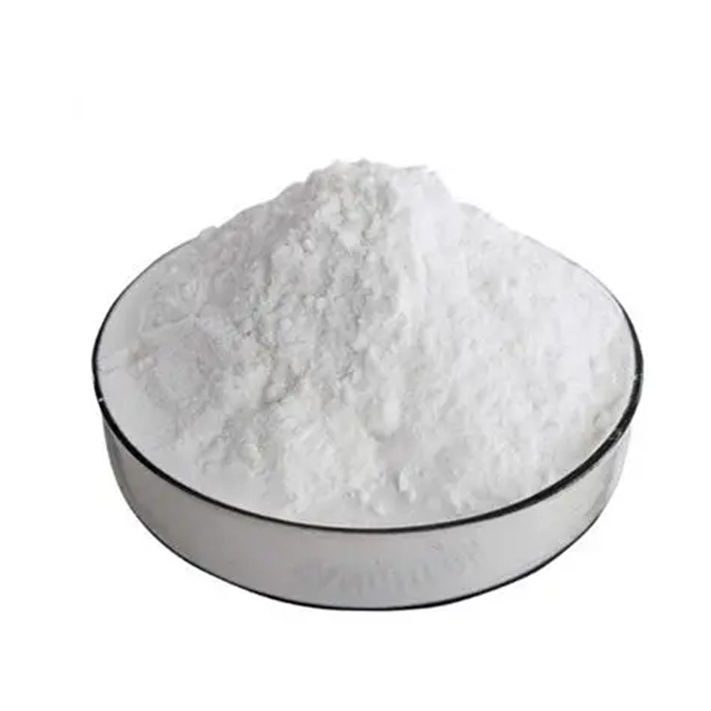
| Appearance | White to slightly yellow or greenish crystalline powder |
| Crystal form | Monoclinic prisms |
| Odor | Odorless |
| Density (25°C) | 2.498 g/cm³ (2.50 g/cm³ reported in some references) |
| Bulk density (tapped) | 0.9–1.2 g/cm³ |
| Melting point | Decomposes before melting (90–100°C → loss of crystal water) |
| Decomposition temperature | ~190°C → forms MoO₃ (molybdenum trioxide) |
| Specific surface area (BET) | 0.5–2.0 m²/g (depending on grade) |
2.2 Thermal Properties
| Parameter | Value |
|---|---|
| Dehydration onset | 90–100°C (loss of 4H₂O – 5.83% theoretical weight loss) |
| Complete dehydration | ~150°C |
| Decomposition to MoO₃ | 190–350°C |
| Final product (above 500°C) | MoO₃ (molybdenum trioxide) |
| Enthalpy of decomposition | Endothermic (~200–300 kJ/mol estimated) |
2.3 Thermal Decomposition Reaction Sequence
| Temperature Range | Reaction |
|---|---|
| 90–150°C | (NH₄)₆Mo₇O₂₄·4H₂O → (NH₄)₆Mo₇O₂₄ + 4H₂O (vapor) |
| 190–350°C | (NH₄)₆Mo₇O₂₄ → 7MoO₃ + 6NH₃ + 3H₂O |
| >500°C | MoO₃ stable (can sublime above 600°C) |
3. Solubility Behavior
| Solvent | Solubility (g/L or g/100 mL) | Temperature |
|---|---|---|
| Water | ~400 g/L (very soluble) | 20°C |
| Water | ~650 g/L | 50°C |
| Water | ~900 g/L | 80°C |
| Ethanol | Insoluble | 20°C |
| Methanol | Slightly soluble | 20°C |
| Acetone | Insoluble | 20°C |
| Dilute acids | Soluble (forms molybdic acid) | 20°C |
| Dilute alkalis | Soluble (forms orthomolybdate) | 20°C |
4. Aqueous Solution Chemistry
| Parameter | Value |
|---|---|
| pH (1% solution, 10 g/L, 20°C) | 4.0–5.5 (weakly acidic) |
| pH (5% solution, 50 g/L, 20°C) | 4.5–5.0 |
| pH (10% solution, 100 g/L, 20°C) | 4.0–4.5 |
| Speciation in water | Heptamolybdate (Mo₇O₂₄⁶⁻) predominates at pH 4–6 |
| Dilution effect | Heptamolybdate depolymerizes to orthomolybdate (MoO₄²⁻) at pH >7 |
| Acidification (pH <4) | Formation of octamolybdate (Mo₈O₂₆⁴⁻) then molybdic acid (MoO₃·xH₂O) |
5. Chemical Structure and Properties
5.1 Molecular Structure
-
Polymer type: Heptamolybdate cluster (Mo₇O₂₄⁶⁻)
-
Structure: Seven edge-sharing MoO₆ octahedra forming a polymeric network
-
Counterions: Six ammonium ions (NH₄⁺) per heptamolybdate anion
-
Water of crystallization: Four water molecules (not coordinated, in crystal lattice)
-
Mo–O bond lengths: 1.70–2.30 Å (depending on bridging vs. terminal oxygen)
5.2 Key Chemical Reactions
| Reaction | Description | Application |
|---|---|---|
| With phosphate (PO₄³⁻) | (NH₄)₆Mo₇O₂₄ + 12H⁺ + PO₄³⁻ → (NH₄)₃PMo₁₂O₄₀ (ammonium phosphomolybdate) + ... | Analytical chemistry (phosphate determination) |
| With silicate | Forms yellow silicomolybdic complex (colorimetric Si detection) | Water analysis, geochemistry |
| With arsenate | Similar yellow heteropoly complex | Arsenic determination |
| With lead (Pb²⁺) | Forms white lead molybdate (PbMoO₄) precipitate | Lead removal, pigment production |
| Thermal decomposition | (NH₄)₆Mo₇O₂₄ → 7MoO₃ + 6NH₃ + 3H₂O | Catalyst precursor |
5.3 Heteropoly Acid Formation (Analytical Chemistry)
| Heteropoly acid | Formula | Color | Application |
|---|---|---|---|
| Phosphomolybdic acid | H₃PMo₁₂O₄₀ | Yellow (reduced to blue – heteropoly blue) | Phosphate determination (spectrophotometry) |
| Silicomolybdic acid | H₄SiMo₁₂O₄₀ | Yellow | Silicate determination |
| Arsenomolybdic acid | H₃AsMo₁₂O₄₀ | Yellow | Arsenic determination |
6. Production Methods
6.1 Hydrometallurgical Process (Industrial Standard)
-
Reaction: 7MoO₃ + 6NH₄OH + H₂O → (NH₄)₆Mo₇O₂₄·4H₂O
-
Process: Molybdenum trioxide (MoO₃) or roasted molybdenite concentrate dissolved in excess aqueous ammonia → solution evaporated at room temperature → crystallization of pure tetrahydrate salt → separated and dried
-
Conditions: 20–40°C, atmospheric pressure
-
Yield: 90–95%
-
Purity achieved: 99.0–99.9% (depending on starting material and recrystallization)
6.2 Purification Methods
-
Recrystallization from water (improves purity, removes soluble impurities)
-
Precipitation as ammonium phosphomolybdate (for specific analytical applications)
-
Ion exchange purification (for ultra-high purity, e.g., 99.98%+ for electronics)
7. Quality Specifications
7.1 Technical Grade
| Parameter | Specification |
|---|---|
| Purity ((NH₄)₆Mo₇O₂₄·4H₂O) | ≥ 99.0% |
| Molybdenum (Mo) content | 54.0–55.0% |
| MoO₃ equivalent (on calcined basis) | 81.0–83.0% |
| Ammonia (NH₃) content | 8.0–9.0% |
| Water (H₂O, 105°C loss) | 5.5–6.5% (theoretical 5.83%) |
| Insoluble matter | ≤ 0.05% |
| Chloride (Cl) | ≤ 0.005% |
| Sulfate (SO₄) | ≤ 0.05% |
| Phosphate (PO₄) | ≤ 0.01% |
| Heavy metals (as Pb) | ≤ 50 ppm |
| Iron (Fe) | ≤ 50 ppm |
| pH (5% solution) | 4.0–5.5 |
7.2 Reagent / ACS Grade
| Parameter | Specification |
|---|---|
| Purity ((NH₄)₆Mo₇O₂₄·4H₂O) | ≥ 99.98% (metals basis) |
| MoO₃ content (ignited basis) | 81.0–83.0% |
| Insoluble matter | ≤ 0.01% |
| Chloride (Cl) | ≤ 0.001% |
| Sulfate (SO₄) | ≤ 0.01% |
| Nitrate (NO₃) | ≤ 0.005% |
| Phosphate (PO₄) | ≤ 0.001% |
| Heavy metals (as Pb) | ≤ 10 ppm |
| Iron (Fe) | ≤ 10 ppm |
| Copper (Cu) | ≤ 5 ppm |
| Nickel (Ni) | ≤ 5 ppm |
| Cadmium (Cd) | ≤ 5 ppm |
8. Analytical Chemistry Applications (Most Important Use)
8.1 Phosphate Determination (Classical Gravimetric Method)
| Parameter | Value |
|---|---|
| Principle | Phosphate precipitated as ammonium phosphomolybdate: PO₄³⁻ + 3NH₄⁺ + 12MoO₄²⁻ + 24H⁺ → (NH₄)₃PMo₁₂O₄₀ + 12H₂O |
| Precipitate color | Yellow |
| Ignition product | P₂O₅·24MoO₃ (weighed) |
| Detection range | 0.1–50 mg P (gravimetric); 0.01–10 mg/L P (colorimetric) |
| Interferences | Silicate, arsenate (must be removed) |
8.2 Colorimetric Phosphate Determination (Heteropoly Blue Method)
| Parameter | Value |
|---|---|
| Principle | Reduction of yellow phosphomolybdate to blue heteropoly blue complex |
| Reducing agents | Ascorbic acid, stannous chloride (SnCl₂), hydrazine sulfate |
| λmax | 660–880 nm |
| Detection limit | 0.01 mg/L P |
| Linearity | 0.01–10 mg/L P |
8.3 Silicate Determination (Silicomolybdate Method)
| Parameter | Value |
|---|---|
| Principle | SiO₃²⁻ + 12MoO₄²⁻ + 24H⁺ → H₄SiMo₁₂O₄₀ + 12H₂O (yellow) → reduced to heteropoly blue |
| λmax | 660–810 nm |
| Detection limit | 0.05 mg/L SiO₂ |
| Interferences | Phosphate (>10 mg/L), sulfide (must be oxidized) |
8.4 Lead Determination (Gravimetric – Lead Molybdate)
| Parameter | Value |
|---|---|
| Principle | Pb²⁺ + MoO₄²⁻ → PbMoO₄ (white precipitate) |
| Interferences | Barium, strontium (co-precipitate) |
9. Agricultural Applications (Micronutrient Fertilizer)
9.1 Molybdenum Deficiency in Agriculture
| Parameter | Value |
|---|---|
| Function | Essential micronutrient for plants – component of nitrogenase (nitrogen fixation) and nitrate reductase |
| Target crops | Legumes (soybean, alfalfa, clover, peas), cauliflower, broccoli, citrus |
| Deficiency symptoms | Whiptail disease (cauliflower), nitrogen deficiency, leaf chlorosis, leaf scorch |
| Soil pH effect | Mo availability decreases at low pH (acidic soils) – liming required |
9.2 Application Rates
| Application method | Typical rate (as Mo) | Typical rate (as ammonium molybdate) |
|---|---|---|
| Seed treatment | 0.5–1 g Mo/kg seed | 1–2 g/kg seed |
| Foliar spray | 50–200 g Mo/hectare | 100–400 g/hectare |
| Soil application | 0.5–2 kg Mo/hectare | 1–4 kg/hectare |
| Fertigation | 0.1–0.5 mg Mo/L irrigation water | 0.2–1 mg/L |
10. Catalyst Applications
10.1 Hydrodesulfurization (HDS) Catalyst Precursor
| Parameter | Value |
|---|---|
| Product | Co-Mo or Ni-Mo on alumina (γ-Al₂O₃) catalysts |
| Application | Removal of sulfur from petroleum fractions (diesel, gasoline) |
| Active phase | MoS₂ (after sulfidation) |
| Typical loading | 5–15% MoO₃ equivalent on support |
10.2 Oxidation Catalysts
| Application | Reaction | Catalyst Type |
|---|---|---|
| Acrylonitrile production | Propylene + NH₃ + O₂ → acrylonitrile | Bi-Mo oxide (derived from ammonium molybdate) |
| Methanol oxidation | Methanol → formaldehyde | Fe-Mo oxide |
| Selective oxidation | Various organic oxidations | Supported MoO₃ |
10.3 Heterogeneous Catalyst Preparation
-
Impregnation method: Support (Al₂O₃, SiO₂, TiO₂) contacted with ammonium molybdate solution → drying → calcination (350–500°C) → MoO₃ on support
-
Precipitation method: Co-precipitation with other metal nitrates (Co, Ni) → calcination
11. Materials Science and Metal Production
11.1 Production of High-Purity Molybdenum Metal
| Step | Process |
|---|---|
| Calcination | (NH₄)₆Mo₇O₂₄·4H₂O → MoO₃ (calcine at 400–600°C) |
| Reduction | MoO₃ + 3H₂ → Mo (powder) + 3H₂O (2-step reduction: 500–1000°C) |
| Consolidation | Pressing and sintering → Mo metal ingots |
| Applications | Electronics, furnace components, alloy additives, sputtering targets |
11.2 Production of Other Molybdenum Compounds
| Product | Application |
|---|---|
| Molybdenum trioxide (MoO₃) | Catalyst, pigment, glass additive |
| Molybdenum disulfide (MoS₂) | Solid lubricant |
| Calcium molybdate (CaMoO₄) | Pigment (molybdate orange/red), phosphor precursor |
| Sodium molybdate (Na₂MoO₄) | Corrosion inhibitor, water treatment |
| Molybdic acid (H₂MoO₄) | Reagent, intermediate |
11.3 Corrosion Inhibition (Research/Development)
-
Principle: Molybdate ions (MoO₄²⁻) form protective layers on metal surfaces
-
Advantage: Less toxic alternative to chromate inhibitors
-
Forms: Sodium molybdate (Na₂MoO₄) is more common commercially; ammonium molybdate as precursor
12. Biological and Biochemical Applications
12.1 Electron Microscopy (Negative Staining)
| Parameter | Value |
|---|---|
| Concentration | 0.5–2% (w/v) solution |
| pH | 6.5–7.5 (adjusted with ammonia or acetic acid) |
| Application | Staining of viruses, bacteria, protein complexes, macromolecules |
| Advantages | High electron density of molybdenum, fine granularity |
12.2 Enzyme Studies (Molybdenum Cofactor)
| Application | Description |
|---|---|
| Source of molybdenum | For studies of molybdoenzymes (nitrate reductase, xanthine oxidase, sulfite oxidase) |
| Role | Molybdenum cofactor (Moco) contains molybdenum bound to pterin derivative |
13. Safety and Toxicology
| Parameter | Value |
|---|---|
| Oral LD₅₀ (rat) | 3,000–5,000 mg/kg (low toxicity – estimated) |
| Dermal LD₅₀ (rabbit) | >2,000 mg/kg |
| Skin irritation | Mild irritant (H315 – Causes skin irritation) |
| Eye irritation | Moderate irritant (H319 – Causes serious eye irritation) |
| Inhalation | May cause respiratory tract irritation (H335) |
| Skin sensitization | Non-sensitizer |
| Mutagenicity | Negative (Ames test) |
| Carcinogenicity | Not classified (IARC Group 3 – not classifiable) |
| Reproductive toxicity | High doses may cause reproductive effects (animal studies) |
| ACGIH TLV (as Mo, soluble compounds) | 10 mg/m³ (TWA, inhalable) |
| NIOSH REL (as Mo, soluble compounds) | 10 mg/m³ (TWA) |
14. Safety Precautions and Personal Protective Equipment (PPE)
-
Hazards (Xi, Xn – Irritant, Harmful):
-
Harmful if swallowed (H302)
-
Causes skin irritation (H315)
-
Causes serious eye irritation (H319)
-
May cause respiratory irritation (H335)
-
-
Reactivity:
-
Incompatible with strong acids (releases toxic ammonia gas)
-
Incompatible with strong oxidizers
-
Decomposes on heating to MoO₃ and NH₃ (ammonia is toxic and corrosive)
-
-
PPE (recommended):
-
Chemical-resistant gloves (nitrile or neoprene)
-
Safety glasses with side shields (EN 166) or chemical goggles
-
Protective clothing (lab coat or apron)
-
Dust mask (FFP1 or N95) – during powder handling
-
-
Engineering controls:
-
Local exhaust ventilation (LEV) for powder handling
-
Eyewash stations and safety showers
-
-
First aid:
-
Inhalation: Move to fresh air; if breathing difficulty, administer oxygen; seek medical attention
-
Skin contact: Wash with soap and water
-
Eye contact: Rinse with water for 15 minutes, lifting eyelids; seek medical attention
-
Ingestion: Rinse mouth; drink water; seek medical attention if large amount
-
15. Environmental Fate and Disposal
| Parameter | Value |
|---|---|
| Biodegradation | Not applicable (inorganic) |
| Ecotoxicity (fish, LC₅₀, 96 hours) | 50–200 mg/L (as Mo) – moderate |
| Daphnia magna (EC₅₀, 48 hours) | 20–100 mg/L |
| Algal toxicity (EC₅₀, 72 hours) | 10–50 mg/L |
| Mobility in soil | High (molybdate anion is mobile, especially at high pH) |
| Bioaccumulation potential | Low (BCF <10) |
| Disposal method | Neutralization/precipitation as CaMoO₄ → landfill (if Mo recovery not feasible) |
| Recycling potential | Yes – molybdenum can be recovered from spent solutions by ion exchange or precipitation |
16. Storage and Shelf Life
-
Storage conditions:
-
Cool, dry, well-ventilated area (10–30°C)
-
Keep tightly closed in original packaging (hygroscopic)
-
Protect from moisture (prevents caking)
-
Store away from strong acids and strong oxidizers
-
Avoid prolonged exposure to air (slow decolorization may occur – yellowing due to decomposition)
-
-
Shelf life:
-
Sealed container: 24–36 months
-
Opened container: 12 months (if properly resealed)
-
-
Degradation indicator:
-
Yellowing/discoloration (partial decomposition to MoO₃)
-
Caking/hardening (moisture absorption)
-
17. Transport Information
| Regulation | Classification |
|---|---|
| UN Number | Not regulated (non-hazardous for transport in solid form) |
| ADR/RID | Not classified as dangerous goods |
| IMDG | Not regulated |
| IATA | Not regulated |
| Proper shipping name | Ammonium molybdate (non-hazardous) |
18. Synonyms, Standards Compliance, and Why Choose Ammonium Molybdate Tetrahydrate?
Synonyms
-
English: Ammonium molybdate tetrahydrate, Ammonium heptamolybdate tetrahydrate, Ammonium paramolybdate tetrahydrate, Hexaammonium heptamolybdate tetrahydrate, Molybdic acid ammonium salt tetrahydrate
-
Turkish: Amonyum molibdat tetrahidrat, Amonyum heptamolibdat tetrahidrat, Amonyum paramolibdat tetrahidrat
-
German: Ammoniummolybdat tetrahydrat
-
French: Molybdate d'ammonium tétrahydraté
-
Spanish: Molibdato de amonio tetrahidratado
Standards Compliance
| Standard | Compliance |
|---|---|
| ACS (American Chemical Society) | Reagent grade meets ACS specifications |
| REACH (EC 1907/2006) | Registered |
| TSCA (US) | Listed |
| RoHS | Compliant (no restricted substances) |
| EPA | Not restricted (low toxicity) |
19. Why Choose Ammonium Molybdate Tetrahydrate? (Technical Summary)
| Advantage | Description |
|---|---|
| High water solubility (~400 g/L) | Easy to prepare solutions for impregnation, foliar sprays, analytical reagents |
| High molybdenum content (~54% Mo, 81–83% MoO₃ equiv.) | Efficient source of molybdenum – lower transportation cost per kg Mo |
| Well-defined crystalline form | Consistent composition, easy to handle (free-flowing powder when dry) |
| Key analytical reagent | Essential for phosphate, silicate, arsenate, lead determinations (classical and instrumental methods) |
| Excellent catalyst precursor | Converts to active MoO₃/MoS₂ for HDS, oxidation, acrylonitrile catalysts |
| Essential micronutrient in agriculture | Corrects Mo deficiency in legumes and cruciferous crops (nitrogen fixation) |
| Route to high-purity Mo metal | Produces >99.9% Mo metal powder via calcination + H₂ reduction |
| Moderate cost | Lower cost than many specialty molybdenum compounds |
| Low toxicity | Much safer than chromate-based alternatives for corrosion inhibition research |
| Versatile synthesis precursor | Starting material for sodium molybdate, calcium molybdate, molybdic acid, and other Mo compounds |
| Limitation note: | Poor solubility in organic solvents; thermal decomposition releases ammonia (corrosive/toxic); acidic pH in solution (4–5.5) – may require pH adjustment depending on application. |
20. Sectoral Suitability Summary Table
| Sector | Application | Typical Concentration/Usage | Alternatives |
|---|---|---|---|
| Analytical Chemistry | Phosphate, silicate, arsenate determination | 1–10% w/v solution | Stannous chloride, ascorbic acid (reductants, not sources of Mo) |
| Agriculture | Micronutrient fertilizer (Mo source) | 0.5–4 kg/hectare (as ammonium molybdate) | Sodium molybdate (more soluble, often preferred) |
| Catalyst Manufacturing | HDS, oxidation catalyst precursor | 5–15% MoO₃ on support | Ammonium heptamolybdate (same compound); MoO₃ powder |
| Materials Science | High-purity Mo metal production | Bulk precursor | MoO₃ (direct, but less pure) |
| Corrosion Inhibition | Precursor for molybdate inhibitors | Research scale | Sodium molybdate (more common in commercial formulations) |
| Electron Microscopy | Negative staining agent | 0.5–2% solution | Uranyl acetate (radioactive, toxic), phosphotungstic acid |
| Pigment Manufacturing | Calcium molybdate (CaMoO₄) production | Precursor | Molybdenum trioxide |
| Water Treatment | Precursor for molybdate-based inhibitors | 10–100 mg/L as Mo (via sodium molybdate) | Chromates (toxic), phosphates, zinc |
| Laboratory Reagent | General purpose Mo source | 0.01–1 M solutions | Sodium molybdate (often more soluble, but higher Na content) |
This TDS is prepared in compliance with ISO 11014-1 format and is intended for analytical chemists, agricultural specialists, catalyst manufacturers, materials scientists, laboratory technicians, and procurement professionals. Certificates of Analysis (CoA), Safety Data Sheets (SDS), analytical procedures (phosphate/silicate determination protocols), and sample validation reports are available upon request.