We unleash your business potential by maximize the business innovation.
Send EmailBenzotriazole, Benzene Azimide, Azimido Benzene, BTA, T406, 95-14-7
BENZOTRIAZOLE (BTA)
1. Chemical Identity and Material Classification
-
Chemical Name: 1H-Benzotriazole, 1,2,3-Benzotriazole
-
Synonyms: Benzene Azimide, Azimidobenzene, Azimidobenzen, Benzisotriazole, BTA
-
CAS Number: 95-14-7
-
Molecular Formula: C₆H₅N₃
-
Molecular Weight: 119.12 g/mol
-
EC Number: 202-394-1
-
MDL Number: MFCD00005699
-
Beilstein Registry No: 111683
2. Chemical Structure and Molecular Characteristics
-
Structure: Condensed triazole ring (5-membered triazole + benzene ring)
-
Tautomerism: Equilibrium between 1H and 2H tautomers (1H predominates in solution)
-
Ring atoms: 6 carbon, 3 nitrogen
-
Ring strain energy: ~25 kJ/mol
-
Dipole moment: 4.5 D (in water)
-
Resonance energy: ~110 kJ/mol
-
Molecular geometry: Planar (Cₛ symmetry)
3. Physical Properties
| Property | Value |
|---|---|
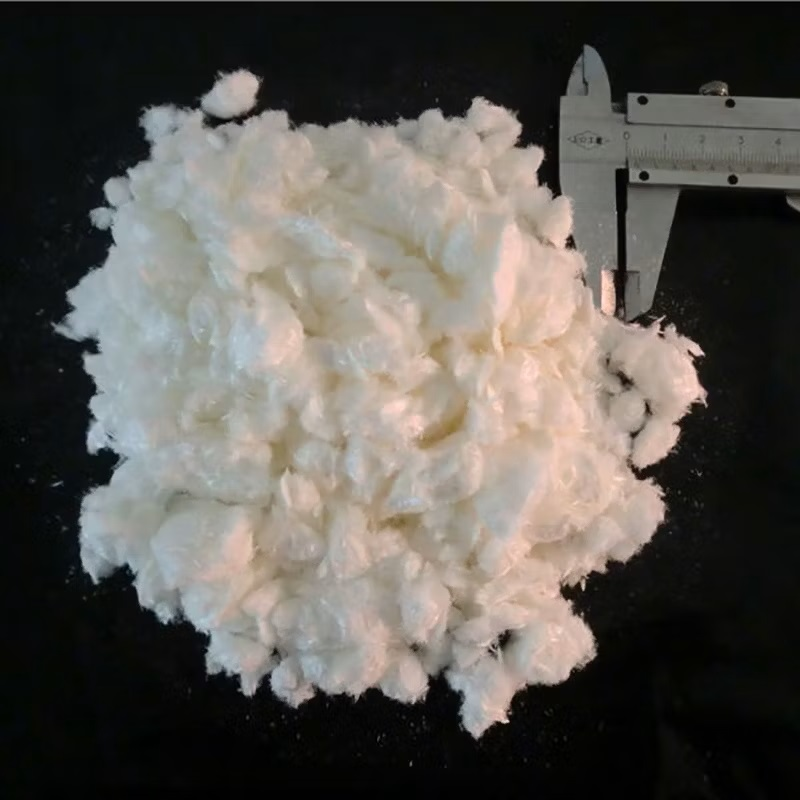
| Appearance | White to light brown crystalline powder or needle-form crystals |
| Color (pure) | White; commercial grade may be light pink/brown |
| Density (20°C) | 1.36 g/cm³ |
| Melting point | 97–100°C (typical 99°C) |
| Boiling point | 204°C (decomposes at 350°C) |
| Vapor pressure (20°C) | <0.001 mmHg (very low) |
| Flash point | 170°C (closed cup) |
| Autoignition temperature | >450°C |
| Particle size (powder form) | 10–200 μm (depending on production method) |
| Specific surface area (BET) | 0.5–2.5 m²/g |
| Bulk density (tapped) | 0.6–0.8 g/cm³ |
4. Thermal Properties and Decomposition
| Parameter | Value |
|---|---|
| Enthalpy of fusion (ΔH_fus) | 22.7 kJ/mol |
| Enthalpy of vaporization (ΔH_vap) | 68.5 kJ/mol (calculated) |
| Thermal decomposition onset | ~260°C (under nitrogen atmosphere) |
| Decomposition products | NOₓ, CO, CO₂, trace HCN |
| TGA weight loss (300°C) | 25–30% |
| DSC (Differential Scanning Calorimetry) | Sharp melting peak at 97–100°C for industrial grade |
| Specific heat capacity (C_p, 25°C) | 1.45 J/(g·K) |
5. Solubility Behavior (g/100 mL solvent, 20°C)
| Solvent | Solubility |
|---|---|
| Water (20°C) | 2.0 |
| Water (60°C) | 15.0 |
| Water (80°C) | ~30.0 |
| Ethanol (absolute) | 25.0 |
| Methanol | 30.0 |
| Acetone | 40.0 |
| Ethyl acetate | 35.0 |
| Chloroform | 15.0 |
| Benzene | 10.0 |
| Toluene | 8.0 |
| Dimethylformamide (DMF) | 60.0 |
| Diethyl ether | 1.5 |
| Acetonitrile | 45.0 |
| Dichloromethane | 12.0 |
6. Acid-Base Properties (pKa Values)
| Parameter | Value | Description |
|---|---|---|
| pKa (acid dissociation) | 8.2 | Deprotonation of N–H bond |
| pKa (base dissociation) | ~0.4 (in HCl) | Protonation of triazole ring |
| Isoelectric point | ~4.3 | Net neutral charge in aqueous solution |
| pH range (in water, 20 g/L, 20°C) | 5.5–6.5 | Weakly acidic |
| pH stability range | 4–10 | No hydrolysis within this range |
| Buffer capacity (pH 7–9) | Low (requires 0.1 M for significant buffering) |
7. Spectroscopic Identifiers
-
UV-Vis (water, λmax):
-
256 nm (ε ~ 6,500 L·mol⁻¹·cm⁻¹)
-
274 nm (ε ~ 5,200 L·mol⁻¹·cm⁻¹)
-
283 nm (shoulder)
-
-
FTIR (KBr, cm⁻¹):
-
3250–2500 (N–H, broad, H-bonded)
-
1620, 1590, 1490 (C=C and C=N ring stretches)
-
1450, 1380 (triazole ring)
-
745, 780 (monosubstituted benzene)
-
-
¹H NMR (DMSO-d₆, δ, ppm):
-
7.2–7.6 (m, 4H, aromatic H)
-
11.2–12.5 (broad s, 1H, N–H, exchangeable)
-
-
¹³C NMR (DMSO-d₆, δ, ppm):
-
~120, ~125, ~127, ~140 (aromatic carbons)
-
Triazole carbons appear in 135–145 ppm region
-
-
MS (EI, m/z): 119 [M]⁺ (100% base peak), 92, 65, 52, 39
8. Production Methods
8.1 Classical Method (from o-Phenylenediamine)
-
Reaction: o-Phenylenediamine + NaNO₂ (nitrous acid) → Benzotriazole
-
Medium: Dilute H₂SO₄ or acetic acid (pH 3–4)
-
Temperature: 0–5°C (diazotization), then 50–70°C (ring closure)
-
Reaction mechanism:
-
o-Phenylenediamine + HNO₂ → diazonium salt → intramolecular cyclization → benzotriazole
-
-
Overall reaction: C₆H₄(NH₂)₂ + HNO₂ → C₆H₅N₃ + 2H₂O
-
Yield: 80–90%
-
By-products: Nitrogen gas, trace oxidized products
8.2 Alternative Method (from Benzene Derivatives)
-
Not widely used industrially
8.3 Purification
-
Method: Recrystallization from water (using activated carbon for decolorization)
-
Purity grades:
-
Technical: ≥98%
-
Reagent: ≥99%
-
Pharmaceutical: ≥99.5%
-
9. Corrosion Inhibition Mechanism (for Copper and Alloys)
-
Adsorption type: Chemical adsorption (chemisorption)
-
Target metals: Copper (Cu), silver (Ag), zinc (Zn), aluminum (Al), brass, bronze
-
Mechanism:
-
Benzotriazole molecule forms a complex with Cu(I) ions on the metal surface
-
[Cu(I)BTA] polymeric layer forms (~1–5 nm thickness)
-
This layer blocks both electronic and ionic conduction
-
-
Protective layer composition: Cu(I)-BTA complex mixed with Cu₂O
-
Reaction: Cu⁺ (surface) + BTA⁻ → [Cu(I)BTA] (adsorbed)
-
Inhibition efficiency: 95–99% (under optimal conditions)
-
Film formation time: 1–24 hours (concentration dependent)
10. Electrochemical Parameters (Corrosion Inhibition)
| Parameter | Value |
|---|---|
| Adsorption isotherm | Langmuir (ΔG°_ads ~ −35 to −45 kJ/mol) |
| Optimal concentration | 0.1–1.0 mM (12–120 mg/L) |
| Optimal pH range | 6–8 |
| Optimal temperature | 20–60°C |
| Corrosion current reduction (i_corr) | 0.1–0.5 μA/cm² (uninhibited: 5–20 μA/cm²) |
| Polarization resistance (R_p) increase | 10–100 fold |
| Surface coverage (θ) | 0.95–0.99 |
| Double layer capacitance (C_dl) reduction | 60–90% |
| Potentiodynamic behavior | Mixed-type inhibitor (affects both anodic and cathodic reactions) |
11. Application Areas – Corrosion Inhibitor
11.1 Electroplating and Metal Surface Treatment
-
Application: Surface cleaning and tarnish prevention for copper, silver, and zinc
-
Application method: 0.1–0.5% BTA in final rinse baths
-
Effect: Forms protective layer on metal surface, maintains brightness
-
Common use: Post-plating dip for electronic components
11.2 Closed Loop Cooling Systems (HVAC, Industrial Water Systems)
-
Application: Corrosion protection of copper and brass components
-
Dosage: 5–50 mg/L in system water
-
Combination with other inhibitors: Tolyltriazole (TTA), azole derivatives, phosphonates
-
Typical applications: Chillers, cooling towers, heat exchangers
11.3 Automotive Antifreeze and Engine Coolants
-
Application: Corrosion prevention in radiators (copper/brass)
-
Typical concentration: 0.1–0.3% (by weight)
-
Standard compliance: ASTM D3306, D4985, D6210
-
Global spec: Many OEM coolant formulations contain BTA or TTA
11.4 Water Treatment and Boiler Systems
-
Application: Copper piping, heat exchangers, condensate lines
-
Dosage: 2–20 mg/L (continuous) or 50–100 mg/L (shock dose)
-
Synergistic effects: Works with tolyltriazole, azoles, molybdates
11.5 Brake Fluids and Hydraulic Oils
-
Application: Corrosion protection of copper components in brake systems
-
Typical concentration: 0.05–0.2%
-
Standard compliance: FMVSS 116, DOT 3, DOT 4, ISO 4925
12. Application Areas – Other Industries
12.1 Plastic and Polymer Industry (UV Absorber)
-
Application: UV stabilization of polymers
-
Absorption range: 300–360 nm (UV-A and UV-B)
-
Typical concentration: 0.1–1.0% (by polymer weight)
-
Applicable polymers: Polycarbonate (PC), PVC, acrylics (PMMA), polyesters (PET, PBT), polyamides (nylon)
-
Mechanism: Excited state intramolecular proton transfer (ESIPT)
12.2 Photographic Emulsions (Restrainer)
-
Application: Prevents fogging in silver halide photographic films
-
Usage concentration: 0.1–1.0 g/L
-
Effect: Suppresses development of unexposed silver halide grains
12.3 Pharmaceutical and Medicinal Chemistry
-
Application: Precursor for antifungal, antibacterial, analgesic, and anti-inflammatory compounds
-
Medical derivatives: Rizatriptan (migraine), Alprazolam-like structures (anxiety – though benzodiazepines are different), various kinase inhibitors
-
Antimicrobial activity: Moderate activity against Gram-positive bacteria (MIC ~50–100 μg/mL)
12.4 Pesticide and Agricultural Chemicals
-
Application: Anti-fading agents, leaf protectants in agrochemical formulations
12.5 Dry Cleaning Equipment
-
Application: Corrosion inhibition in perchloroethylene-based dry cleaning systems
13. Benzotriazole Derivatives and Comparison
| Compound | Structure | Melting Point | Key Applications |
|---|---|---|---|
| BTA (Benzotriazole) | C₆H₅N₃ | 99°C | General corrosion inhibitor |
| TTA (Tolyltriazole) | C₇H₇N₃ | 80°C | Petroleum industry, higher oil solubility |
| CBTA (Carboxybenzotriazole) | C₇H₅N₃O₂ | >200°C | Water-based systems, higher solubility |
| HOBt (Hydroxybenzotriazole) | C₆H₅N₃O | 165°C | Peptide synthesis (chemical reagent) |
| NaBTA (Sodium benzotriazolate) | C₆H₄N₃Na | >300°C dec. | Higher water solubility |
14. Quality Specifications (Industrial, Reagent, and Pharmaceutical Grades)
| Parameter | Industrial Grade | Reagent Grade | Pharmaceutical Grade |
|---|---|---|---|
| Purity (HPLC, w/w) | ≥98.0% | ≥99.0% | ≥99.5% |
| Melting point | 96–100°C | 98–100°C | 98.5–100°C |
| Water (K. Fischer) | ≤1.0% | ≤0.5% | ≤0.2% |
| Residue on ignition (800°C) | ≤0.2% | ≤0.1% | ≤0.05% |
| Heavy metals (as Pb) | ≤20 ppm | ≤10 ppm | ≤5 ppm |
| Chloride (Cl) | ≤50 ppm | ≤20 ppm | ≤10 ppm |
| Sulfate (SO₄) | ≤50 ppm | ≤20 ppm | ≤10 ppm |
| Color (visual) | Off-white/light pink | White | White |
15. Analytical Methods and Calibration
15.1 HPLC-UV (Quantitative Determination)
| Parameter | Value |
|---|---|
| Column | C18 (150×4.6 mm, 5 μm) |
| Mobile phase | Methanol:water (40:60 v/v) |
| Flow rate | 1.0 mL/min |
| Detection wavelength | 256 nm |
| Retention time | ~4.2 minutes |
| Injection volume | 20 μL |
| Limit of detection (LOD) | 0.1 mg/L |
| Limit of quantification (LOQ) | 0.3 mg/L |
| Linear range | 0.5–200 mg/L |
| Correlation coefficient (R²) | >0.999 |
15.2 UV-Vis Spectrophotometry
| Parameter | Value |
|---|---|
| Wavelength | 256 nm |
| Calibration range | 1–100 mg/L |
| Correlation coefficient (R²) | >0.999 |
| Molar absorptivity (ε) | 6,500 L·mol⁻¹·cm⁻¹ |
15.3 Non-aqueous Titrimetry (Perchloric Acid)
| Parameter | Value |
|---|---|
| Solvent | Glacial acetic acid |
| Titrant | 0.1 N HClO₄ in acetic acid |
| Indicator | Crystal violet |
| Equivalent weight | 119.12 mg/meq |
| Endpoint | Colorless → green → blue → violet |
16. Safety and Toxicology
| Parameter | Value |
|---|---|
| Oral LD₅₀ (rat) | 560 mg/kg |
| Dermal LD₅₀ (rabbit) | >2000 mg/kg |
| Inhalation LC₅₀ (rat, dust) | >2.5 mg/L (4 hours) |
| Skin irritation (OECD 404) | Mild irritant |
| Eye irritation (OECD 405) | Irritant |
| Skin sensitization (OECD 406) | Non-sensitizer |
| Mutagenicity (Ames test) | Negative |
| Carcinogenicity (IARC) | Group 3 (not classifiable) |
| Reproductive toxicity | NOAEL = 100 mg/kg/day (rat) |
| NOAEL (oral, rat, 90-day) | 50 mg/kg/day |
| Biological half-life (human) | ~20–30 hours |
| Acute toxicity classification (GHS) | Acute Tox. 4 (H302 - Harmful if swallowed) |
17. Safety Precautions and Personal Protective Equipment (PPE)
-
Hazards: May cause skin sensitization; dust inhalation is irritating
-
Fire risk: Combustible dust (flash point 170°C); avoid ignition sources
-
Reactivity:
-
Incompatible with strong oxidizers
-
Unstable in strong acids (protonation occurs)
-
Decomposes upon heating → toxic NOₓ gases (nitrogen oxides)
-
Avoid strong bases at high temperatures (ring opening possible)
-
-
PPE (mandatory):
-
Nitrile gloves (EN 374, minimum thickness 0.1 mm)
-
Safety goggles with side shields (EN 166)
-
Dust mask (FFP2/N95) – during powder handling
-
Protective work clothing (lab coat or coverall)
-
-
Engineering controls:
-
Local exhaust ventilation (LEV)
-
Dust collection systems (baghouse filters)
-
Eyewash stations and safety showers
-
-
First aid:
-
Inhalation: Remove to fresh air; seek medical attention if respiratory irritation occurs
-
Skin contact: Wash with soap and water; remove contaminated clothing
-
Eye contact: Rinse with water for 15 minutes; seek medical attention
-
Ingestion: Rinse mouth; do NOT induce vomiting; seek medical attention immediately
-
18. Environmental Fate and Disposal
| Parameter | Value |
|---|---|
| Biodegradation (OECD 301D, 28 days) | 30–40% (partially biodegradable) |
| Fish toxicity (LC₅₀, 96 hours) | 50–100 mg/L (various species) |
| Daphnia magna (EC₅₀, 48 hours) | 40–80 mg/L |
| Algal toxicity (EC₅₀, 72 hours) | 30–60 mg/L |
| Soil adsorption (Koc) | 100–300 L/kg (moderate mobility) |
| BCF (bioconcentration factor) | <10 (low bioaccumulation) |
| Photodegradation (water, sunlight) | t₁/₂ ~5–10 days |
| Hydrolysis (pH 4–10) | Stable (no hydrolysis) |
| Disposal method | Incineration (with NOₓ treatment) or chemical waste incineration facility |
| Waste code (EU) | 07 05 13* (hazardous waste – chemical substances) |
| Waste code (US EPA) | D001 (ignitable – powder form) |
19. Storage and Shelf Life
-
Storage conditions:
-
Cool, dry, well-ventilated area (10–30°C)
-
Keep tightly closed in original packaging
-
Protect from light sources (UV degrades over long periods)
-
Store away from acids, oxidizers, and food products
-
Dry environment (BTA is not highly hygroscopic; <0.5% moisture uptake at 50% RH)
-
Keep separated from ignition sources (combustible dust)
-
-
Shelf life: 24 months (in original unopened packaging)
-
Degradation indicator: Yellow/brown discoloration (trace oxidation)
-
Shelf life extension: Store under inert gas (N₂ or Ar) for long-term storage >12 months
20. Synonyms, Standards Compliance, and Why Choose BTA?
Synonyms
-
1H-Benzotriazole, 1,2,3-Benzotriazole
-
Benzene Azimide, Azimidobenzene, Azimidobenzen
-
Benzisotriazole, BTA
Standards Compliance
| Standard | Compliance |
|---|---|
| ASTM D1384 | Corrosion test for cooling systems |
| ASTM D3306 | Automotive antifreeze (glycol-based) |
| ASTM D4985 | Low-silicate antifreeze |
| ASTM D6210 | Fully formulated antifreeze |
| REACH (EC 1907/2006) | Registered (EC 202-394-1) |
| RoHS (2011/65/EU) | Compliant (no restricted substances) |
| TSCA (US) | Listed |
| EINECS | 202-394-1 |
Why Choose Benzotriazole (BTA)? (Technical Summary)
-
Most effective corrosion inhibitor for copper and its alloys (95–99% efficiency)
-
Versatile application: Water-based, oil-based, and solvent-based systems (using appropriate derivatives)
-
High thermal stability: Stable up to 200°C; no decomposition during normal use
-
Dual functionality: Acts as both corrosion inhibitor and UV absorber for polymers
-
Low toxicity profile: Environmentally friendlier than chromates, nitrites, and other traditional inhibitors
-
Economical: Widely produced globally; cost-effective
-
Formulation flexibility: Compatible with EDTA, ammonium hydroxide, phosphonates, silicates, molybdates
-
Proven track record: Decades of successful use in automotive, HVAC, electronics, and water treatment
-
Limitation note: Low water solubility (2 g/L at 20°C); for higher concentration requirements, use derivatives such as TTA (tolyltriazole) or CBTA (carboxybenzotriazole) or sodium salt (NaBTA)
This TDS is prepared in compliance with ISO 11014-1 format and is intended for corrosion engineers, water treatment specialists, electroplating technicians, polymer formulators, and procurement professionals. Certificates of Analysis (CoA), Safety Data Sheets (SDS), corrosion test reports (ASTM D1384, D3306), and sample validation reports are available upon request.