We unleash your business potential by maximize the business innovation.
Send EmailLauryl Glucoside, Dodecyl D-Glucoside, Alkyl Polyglucoside, APG, 110615-47-9
LAURYL GLUCOSIDE - LAURİL GLUKOZİT
Dodecyl D-Glucoside - Alkyl Polyglucoside (APG)
CAS: 110615-47-9
| Product Name | Lauryl Glucoside |
| CAS Number | 110615-47-9 |
| EC Number | 601-569-9 |
| Chemical Class | Alkyl Polyglucoside (APG) - Nonionic Surfactant |
| Synonyms | Lauryl Glucoside, Dodecyl D-Glucoside, Beta-d-Glucopyranocide-dodecyl, Glucoside, Lauryl Glucoside (C12 APG), Alkyl Polyglucoside C12 |
ITEM 1: PRODUCT IDENTITY AND NOMENCLATURE
| Parameter | Description |
|---|---|
| Chemical Name | Lauryl Glucoside |
| Chemical Formula | C₁₈H₃₆O₆ |
| Molecular Weight | 348.5 g/mol |
| CAS Number | 110615-47-9 |
| EC Number | 601-569-9 |
| Synonyms | Lauryl Glucoside, Dodecyl D-Glucoside, Beta-d-Glucopyranocide-dodecyl, Glucoside, D-Glucopyranocide, dodecyl, L-lauryl D-Glucopyranoside |
| INCI Name | Lauryl Glucoside |
| HS Code | 3402.13.00.00.00 |
| REACH Status | Registered and compliant |
Description: Lauryl Glucoside is a mild, nonionic surfactant belonging to the Alkyl Polyglucoside (APG) family. It is produced from renewable, plant-based raw materials—specifically lauryl alcohol (derived from coconut/palm oil) and glucose (from corn starch). It is a 100% biodegradable, environmentally friendly surfactant with excellent foaming, cleaning, and emulsifying properties. Due to its mild nature, it is considered safe for sensitive skin and is widely used in personal care, cosmetic, household, and industrial cleaning products.
ITEM 2: CHEMICAL STRUCTURE AND PRODUCTION
| Parameter | Description |
|---|---|
| Chemical Family | Alkyl Polyglucoside (APG) - Nonionic Surfactant |
| Type | Sugar-based surfactant (Glucoside) |
| Hydrophobe | Lauryl Alcohol (C12, from coconut/palm oil) |
| Hydrophile | Glucose (from corn starch) |
| Production Process | Glycosidation of lauryl alcohol with glucose |
| Reaction Conditions | Acidic conditions with catalyst |
| Feedstock | 100% Renewable, plant-based |
| Biodegradability | Readily biodegradable |
Production Reaction:
text
Glucose + Lauryl Alcohol → Lauryl Glucoside + Water
(C6H12O6)   (C12H26O)     (C18H36O6)     (H2O)
Description: Lauryl Glucoside is produced by the glycosidation reaction of lauryl alcohol with glucose under acidic conditions. This reaction forms a glycosidic bond between the sugar molecule and the fatty alcohol. The process uses 100% renewable feedstocks: glucose from corn starch and lauryl alcohol from coconut or palm oil. The result is a mild, biodegradable, non-ionic surfactant with excellent performance.
ITEM 3: PHYSICAL APPEARANCE AND FORM
| Parameter | Specification | Test Method |
|---|---|---|
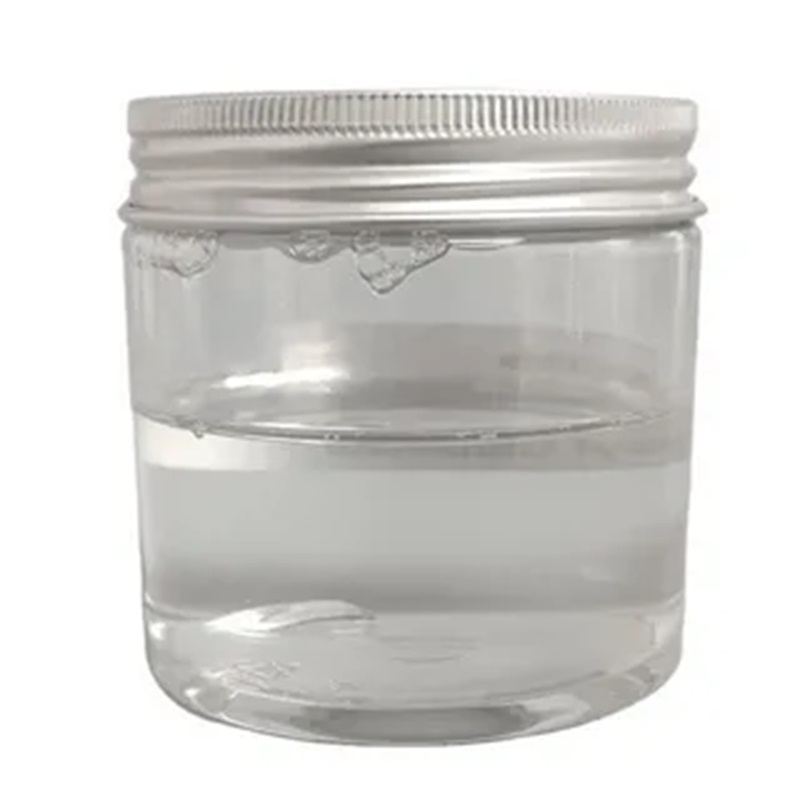
| Appearance | Clear to slightly hazy liquid | Visual Inspection |
| Physical Form | Liquid (viscous) | Visual Inspection |
| Color (APHA) | ≤ 100 | ASTM D1209 |
| Odor | Mild characteristic odor | Organoleptic |
| Clarity | Clear to slightly hazy | Visual Inspection |
| Active Content | 50 – 60% (typical) | – |
Description: Lauryl Glucoside is supplied as a clear to slightly hazy, viscous liquid with a mild characteristic odor. It is typically supplied at 50-60% active content in water. It is a free-flowing liquid that is easy to handle and incorporate into formulations.
ITEM 4: PHYSICAL PROPERTIES
| Property | Specification | Typical Value | Test Method |
|---|---|---|---|
| Active Content | 50 – 60% | 55% | – |
| Density (20°C) | 1.10 – 1.20 g/cm³ | 1.16 g/cm³ | ASTM D4052 |
| Viscosity (25°C) | ~2,000 – 5,000 cP | 3,000 cP | – |
| pH (10% Solution) | 5.0 – 7.0 | 6.0 | pH Meter |
| Cloud Point | > 100°C | > 100°C | – |
| Surface Tension (0.1%) | ~28 – 30 mN/m | 29 mN/m | – |
| CMC (Critical Micelle Concentration) | ~0.02% (active) | 0.02% | – |
| Krafft Point | < 0°C | – | – |
| Flash Point | > 100°C | – | ASTM D93 |
Description: Lauryl Glucoside is a viscous liquid with a density of approximately 1.16 g/cm³. Its high cloud point (>100°C) indicates excellent solubility and stability across a wide temperature range. It has a low surface tension, providing good wetting and cleaning properties. The pH is neutral to slightly acidic (5.0-7.0), making it suitable for sensitive skin formulations.
ITEM 5: PHYSICAL PROPERTIES - CRITICAL PARAMETERS
| Parameter | Description / Value |
|---|---|
| Active Content | 50 – 60% (typically supplied at 55%) |
| Water Content | 40 – 50% |
| Free Lauryl Alcohol | < 1.0% |
| Free Glucose | < 0.5% |
| Inorganic Salts | < 0.5% |
| Density | 1.16 g/cm³ (20°C) |
| pH (10% Solution) | 5.0 – 7.0 |
| Cloud Point | > 100°C |
Description: Lauryl Glucoside is typically supplied at 50-60% active content with water as the carrier. Low levels of free lauryl alcohol and free glucose indicate high quality and purity. The high cloud point (>100°C) ensures excellent solubility and stability even at elevated temperatures, distinguishing it from many other surfactants.
ITEM 6: PERFORMANCE PROPERTIES
| Property | Description |
|---|---|
| Foaming | Excellent foaming properties; stable, rich, dense foam |
| Foam Structure | Produces dense, creamy foam |
| Foam Stability | Very stable over time |
| Cleaning | Good cleaning properties; removes dirt and oils effectively |
| Wetting | Excellent wetting properties |
| Emulsification | Good emulsifying properties for oils and waxes |
| Solubility | Excellent water solubility |
| Compatibility | Compatible with anionic, cationic, and nonionic surfactants |
| Salt Tolerance | Good salt tolerance |
| Hard Water Stability | Stable in hard water |
| Temperature Stability | Stable across a wide temperature range |
| Electrolyte Tolerance | Good electrolyte tolerance |
| Skin Compatibility | Very mild; suitable for sensitive skin |
| Biodegradability | Readily biodegradable |
Description: Lauryl Glucoside offers a unique combination of performance properties. As a long-chain APG (C12), it produces a dense, creamy, and exceptionally stable foam—distinct from the quick, airy foam of shorter-chain glucosides like Coco Glucoside or Decyl Glucoside. While it may foam more slowly, the resulting foam is richer, denser, and longer-lasting. It delivers excellent cleaning and emulsifying performance while maintaining a mild, skin-friendly profile. It is compatible with all surfactant types, stable in hard water, and readily biodegradable.
ITEM 7: FOAM COMPARISON WITH OTHER GLUCOSIDES
| Property | Lauryl Glucoside (C12) | Coco Glucoside (C8-C16) | Decyl Glucoside (C10) | Lauryl Glucoside (C12) |
|---|---|---|---|---|
| Chain Length | C12 | C8-C16 | C10 | C12 |
| Foam Speed | Slower | Very fast | Fast | Slower |
| Foam Density | Very dense, creamy | Light, airy | Light, airy | Very dense, creamy |
| Foam Stability | Excellent | Good | Good | Excellent |
| Application | Dense, stable foam products | Quick foam products | Quick foam products | Dense, stable foam products |
Description: Lauryl Glucoside (C12) produces a dense, creamy, and exceptionally stable foam. While shorter-chain glucosides like Coco Glucoside and Decyl Glucoside foam more quickly, Lauryl Glucoside provides a richer, denser, and longer-lasting foam. This makes it the preferred choice for applications where foam density and stability are critical.
ITEM 8: COSMETIC AND PERSONAL CARE APPLICATIONS
| Application Category | Function / Benefit |
|---|---|
| Shampoos | Mild cleansing, foam booster, gentle on scalp and hair |
| Baby Shampoos | Ultra-mild cleansing, suitable for sensitive skin |
| Shower Gels | Foam booster, mild cleansing |
| Facial Cleansers | Mild cleansing, suitable for sensitive skin |
| Bath Foams | Foam booster, stable, dense foam |
| Body Washes | Mild cleansing, foam stability |
| Hand Soaps | Mild cleansing, foam stability |
| Makeup Removers | Gentle cleansing, emulsifying oils |
| Hair Dyes | Surfactant, emulsifier |
| Toothpastes | Foam booster, mild cleansing |
| Facial Masks | Emulsifier, mild cleansing |
| Shaving Foams | Foam stability, mildness |
| Skin Moisturizers | Emulsifier, mild cleansing |
| Eye Makeup Products | Mild cleansing, emulsifier |
| Sensitive Skin Products | Safe for sensitive skin; dermatologically tested |
Description: Lauryl Glucoside is widely used in cosmetic and personal care products due to its mildness, excellent foaming, and cleansing properties. It is particularly suitable for sensitive skin formulations, baby products, and products requiring dense, stable foam. It is compatible with other surfactants and enhances foam characteristics when used in blends.
ITEM 9: HAIR CARE APPLICATIONS
| Application | Function / Benefit |
|---|---|
| Shampoos | Mild cleansing, foam enhancement, gentle on hair |
| Conditioners | Mild cleansing, compatibility with conditioning agents |
| Hair Masks | Mild cleansing, foam enhancement |
| 2-in-1 Shampoos | Mild cleansing, compatibility |
| Anti-dandruff Shampoos | Mild cleansing, compatibility with actives |
| Color Care Shampoos | Gentle cleansing, preserves color |
| Baby Shampoos | Ultra-mild, tear-free formulations |
Description: Lauryl Glucoside is a gentle, non-irritating surfactant ideal for hair care products. It cleanses without stripping natural oils, making it suitable for dry, damaged, or chemically treated hair. Its mildness makes it an excellent choice for baby shampoos and formulations requiring tear-free claims.
ITEM 10: SKIN CARE APPLICATIONS
| Application | Function / Benefit |
|---|---|
| Facial Cleansers | Mild cleansing, skin conditioning |
| Body Washes | Mild cleansing, foam stability |
| Hand Soaps | Mild cleansing, foam stability |
| Makeup Removers | Gentle cleansing, emulsifying oils |
| Sensitive Skin Products | Ultra-mild, dermatologically tested |
| Baby Products | Ultra-mild, tear-free |
| Foaming Cleansers | Dense, stable foam |
| Shaving Creams | Foam stability, mildness |
Description: Lauryl Glucoside is an ideal choice for facial cleansers, body washes, and products for sensitive skin. Its mildness ensures it cleanses without stripping the skin of natural moisture, making it suitable for daily use and dermatologically tested formulations.
ITEM 11: HOUSEHOLD AND INDUSTRIAL CLEANING APPLICATIONS
| Application | Function / Benefit |
|---|---|
| Dishwashing Liquids | Mild cleaning, foam stability |
| Laundry Detergents | Mild cleaning, surfactant blend |
| Hard Surface Cleaners | Wetting, cleaning |
| Glass Cleaners | Wetting, cleaning |
| Industrial Cleaners | Wetting, cleaning, emulsification |
| Car Wash Foams | Dense, stable foam; cleaning |
| All-Purpose Cleaners | Mild cleaning, surfactant blend |
| Floor Cleaners | Wetting, cleaning |
| Hand Dishwashing | Mild cleaning, gentle on skin |
Description: In household and industrial cleaning, Lauryl Glucoside provides effective cleaning, wetting, and emulsifying properties. It is particularly valued in formulations requiring dense, stable foam, such as car wash foams and hand dishwashing liquids. Its mildness and biodegradability make it a preferred choice for environmentally friendly formulations.
ITEM 12: FORMULATION SYNERGY AND BLENDING
| Surfactant Type | Compatibility | Benefits |
|---|---|---|
| Anionic Surfactants | Excellent | Foam enhancement, synergistic effect |
| Cationic Surfactants | Good | Compatibility in hair care |
| Nonionic Surfactants | Excellent | Synergistic performance |
| Coco Glucoside | Excellent | Quick foam + stable dense foam |
| Decyl Glucoside | Excellent | Quick foam + stable dense foam |
| Sodium Lauryl Sulfate (SLS) | Good | Foam enhancement, mildness |
| Sodium Laureth Sulfate (SLES) | Good | Foam enhancement, mildness |
Typical Blends:
| Blend | Application | Benefits |
|---|---|---|
| Lauryl + Coco Glucoside | Shampoos | Quick + dense foam |
| Lauryl + Decyl Glucoside | Shower Gels | Quick + dense foam |
| Lauryl + SLES | Shampoos | Cost-effective, good foam |
| Lauryl + Anionic Blends | All-purpose cleaners | Balanced performance |
Description: Lauryl Glucoside works synergistically with other surfactants. When blended with Coco or Decyl Glucoside, it provides a combination of quick foam generation and dense, stable foam. This synergy is particularly valuable in high-performance shampoo and shower gel formulations.
ITEM 13: BENEFITS COMPARISON - APG SURFACTANTS
| Feature | Lauryl Glucoside |
|---|---|
| Raw Materials | 100% Renewable (glucose + coconut/palm oil) |
| Production | Green chemistry |
| Biodegradability | Readily biodegradable |
| Aquatic Toxicity | Low toxicity |
| Skin Compatibility | Very mild |
| Foam | Dense, creamy, stable |
| Cleaning | Excellent |
| Wetting | Excellent |
| Emulsification | Good |
| Compatibility | Excellent with all surfactant types |
| Hard Water Stability | Good |
| Electrolyte Tolerance | Good |
Description: Lauryl Glucoside offers a strong sustainability profile (100% renewable, readily biodegradable) combined with excellent performance (dense, stable foam; excellent cleaning; mildness). It is compatible with all surfactant types and performs well in hard water and electrolyte conditions.
ITEM 14: REGULATORY AND CERTIFICATION STATUS
| Certificate / Standard | Status |
|---|---|
| REACH (EC 1907/2006) | Registered and compliant |
| FDA 21 CFR | Approved for use |
| EU Cosmetics Regulation 1223/2009 | Permitted (INCI listed) |
| TSCA (USA) | Listed |
| EINECS (EU) | 601-569-9 |
| ECOCERT | Approved |
| COSMOS | Approved |
| NATURE | Approved |
| Halal | Available upon request |
| Kosher | Available upon request |
| Vegan | Suitable |
| USDA Bio-based | Available |
ITEM 15: SAFETY AND TOXICOLOGICAL PROFILE
| Parameter | Description |
|---|---|
| Acute Oral Toxicity (LD50) | > 5,000 mg/kg (low toxicity) |
| Acute Dermal Toxicity | Very low |
| Skin Irritation | Non-irritating (at recommended levels) |
| Eye Irritation | Mild irritation possible |
| Skin Sensitization | Non-sensitizing |
| Carcinogenicity | Not classified |
| Mutagenicity | Not classified |
| Reproductive Toxicity | Not classified |
| Biodegradability | Readily biodegradable |
| Aquatic Toxicity | Low toxicity |
Description: Lauryl Glucoside has very low toxicity and is considered safe for use in cosmetics and personal care products. It is non-irritating to the skin (at recommended levels) and non-sensitizing. It is not classified as carcinogenic, mutagenic, or reproductive toxicant. It is readily biodegradable and has low aquatic toxicity.
ITEM 16: HANDLING AND PERSONAL PROTECTIVE EQUIPMENT (PPE)
| Parameter | Recommendation |
|---|---|
| Ventilation | Adequate general ventilation |
| Gloves | Nitrile or neoprene gloves (for prolonged contact) |
| Eye Protection | Safety goggles (for large spills) |
| Skin Contact | Wash with soap and water |
| Eye Contact | Rinse with plenty of water for 15 minutes |
| Ingestion | Seek medical attention if large amounts swallowed |
Description: Standard industrial hygiene practices should be followed when handling Lauryl Glucoside. The product is generally safe, but prolonged contact should be avoided. In case of eye contact, rinse thoroughly with water.
ITEM 17: STORAGE AND SHELF LIFE
| Parameter | Description |
|---|---|
| Storage Temperature | 5 – 30°C |
| Storage Conditions | Cool, dry, well-ventilated area |
| Freezing Stability | Protect from freezing (product may thicken upon freezing) |
| Thickening Upon Freezing | Reversible; warm to room temperature with gentle stirring |
| Shelf Life | 24 months (unopened, recommended conditions) |
| Signs of Degradation | Color darkening, odor change, phase separation |
| Materials of Construction | Stainless steel, HDPE, PP |
Description: Lauryl Glucoside should be stored in a cool, dry place in tightly closed containers. Protect from freezing, as the product may thicken upon freezing (this is reversible with gentle warming). The shelf life is typically 24 months when stored under recommended conditions. Signs of degradation include color darkening, odor change, or phase separation.
ITEM 18: SPILL CLEANUP AND DISPOSAL
| Parameter | Description |
|---|---|
| Small Spills | Absorb with inert material (sand, vermiculite) |
| Large Spills | Dike, absorb with inert material, collect in suitable containers |
| Do Not | Discharge to sewers or water sources |
| Waste Disposal | Dispose according to local regulations |
| Environmental Classification | Not classified as hazardous waste |
| Biodegradability | Readily biodegradable |
ITEM 19: PACKAGING INFORMATION
| Parameter | Description |
|---|---|
| Standard Packaging | 200 kg drums |
| Bulk Packaging | 1000 kg IBCs, ISO containers |
| Small Packaging | 25 kg (upon request) |
| Packaging Materials | HDPE, stainless steel |
| Labeling | Product code, batch number, net weight, handling instructions |
ITEM 20: SYNONYMS AND ALIASES
| Name | Description |
|---|---|
| Lauryl Glucoside | Most common name (INCI) |
| Lauril Glukozit | Turkish name |
| Dodecyl D-Glucoside | Chemical name |
| Beta-d-Glucopyranocide-dodecyl | Chemical name |
| Glucoside | Short name |
| D-Glucopyranocide, dodecyl | Chemical name |
| L-lauryl D-Glucopyranoside | Chemical name |
| Alkyl Polyglucoside C12 | APG class name |
| C12 APG | Short class name |
QUALITY AND CERTIFICATION SUMMARY
| Certificate / Standard | Status |
|---|---|
| ISO 9001:2015 | Certified manufacturing sites |
| ISO 14001:2015 | Environmental Management System |
| REACH (EC 1907/2006) | Registered and compliant |
| FDA 21 CFR | Approved for use |
| EU Cosmetics Regulation | Permitted (INCI listed) |
| ECOCERT / COSMOS | Approved |
| Halal / Kosher | Available upon request |
| Vegan | Suitable |
Disclaimer: This Technical Data Sheet provides typical values for reference purposes only. All values are based on standard laboratory measurements and do not constitute a binding specification. For binding properties, please request the Certificate of Analysis (COA) for each specific batch. The user is solely responsible for determining product suitability for their intended application and for compliance with all applicable regulations. Safety Data Sheet (SDS) must be requested from the supplier before use.