We unleash your business potential by maximize the business innovation.
Send EmailNP10, Np-10, Nonylphenol Ethoxylate, 2854-09-3
NONYLPHENOL ETHOXYLATE 10 (NP‑10)
1. PRODUCT DEFINITION AND CHEMICAL IDENTITY
| Parameter | Description |
|---|---|
| Chemical Name | Poly(oxy-1,2-ethanediyl), α-(nonylphenyl)-ω-hydroxy- (average 10 moles EO) |
| Common Name | Nonylphenol Ethoxylate 10, NP‑10 |
| Generic Class | Alkylphenol ethoxylate (APE), non‑ionic surfactant |
| CAS Number | 2854‑09‑3 |
| EC Number | 220‑657‑0 (for nonylphenol, ethoxylated) |
| Molecular Formula (average) | C₉H₁₉–C₆H₄–(OCH₂CH₂)₁₀OH (approximate) |
| Average Molecular Weight | ~660 g/mol |
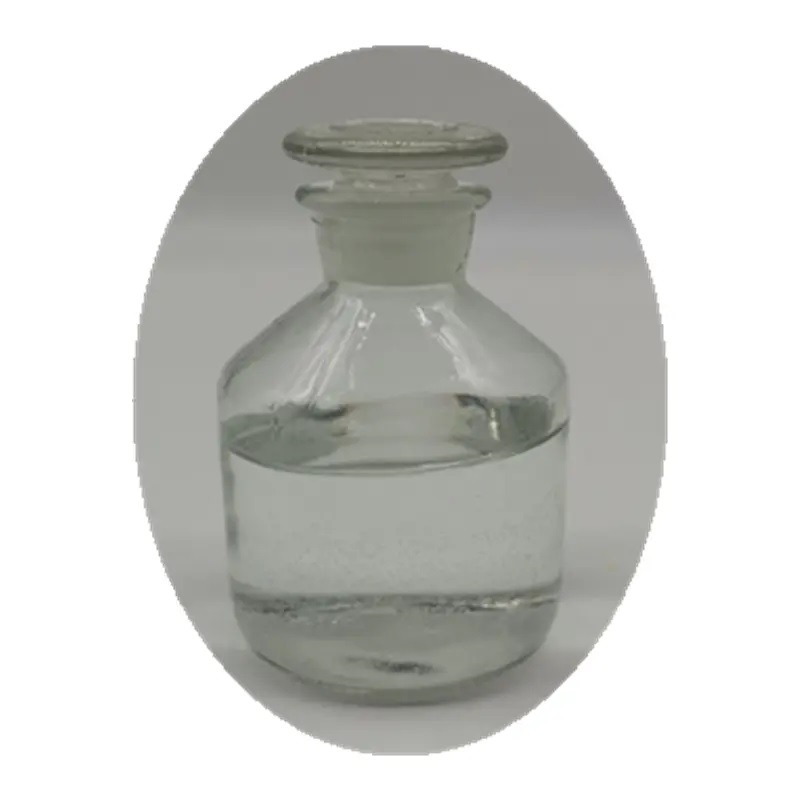
| Appearance | Clear to slightly hazy, pale yellow, oily liquid (may become viscous at lower temperatures) |
Regulatory Warning: Nonylphenol ethoxylates (NPEs), including NP‑10, are subject to severe restrictions or bans in many regions due to their persistence, toxicity to aquatic life, and endocrine‑disrupting degradation products (nonylphenol). The use of NP‑10 is strongly discouraged in open applications; always verify local legislation (e.g., EU REACH Annex XVII, Entry 46) and prefer safer alternatives.
2. PHYSICAL AND CHEMICAL PROPERTIES (Typical values for NP‑10)
| Property | Typical Value |
|---|---|
| Physical state | Viscous liquid (pourable at room temperature) |
| Colour | Pale yellow, clear to slightly hazy |
| Density (25 °C) | ~1.05–1.06 g/cm³ |
| Viscosity (25 °C) | 200–400 mPa·s |
| pH (1% aqueous solution) | 6.0–7.5 |
| HLB (Hydrophilic‑Lipophilic Balance) | ~13–14 |
| Solubility in water | Readily soluble (gives clear to slightly opalescent solutions) |
| Solubility in polar organics | Soluble in lower alcohols, glycols, aromatic solvents |
| Cloud point (1% aq. solution) | ~60–70 °C |
| Pour point | ~5–10 °C |
| Flash point | >150 °C (typical) |
| Surface tension (0.1% aq., 25 °C) | ~30–32 mN/m |
3. FUNCTIONAL PROPERTIES
-
Excellent wetting agent: Reduces surface tension rapidly; provides fast penetration on textiles, hard surfaces, and metals.
-
Effective emulsifier: Stabilises oil‑in‑water emulsions over a wide temperature range; used in solvent‑based cleaners, crop protection, and metalworking fluids.
-
Good dispersant: Keeps pigments, soils, and particulate matter suspended uniformly in aqueous systems.
-
Moderate foaming: Produces a medium level of foam; foam stability can be controlled by combining with other non‑ionics or defoamers.
-
High detergent power: Removes greasy and oily soils effectively, especially in industrial and institutional cleaners.
-
Compatibility: Blends well with anionic, cationic, and other non‑ionic surfactants, as well as with alkaline builders and solvents.
4. ALTERNATIVE NAMES AND SYNONYMS
-
Nonylphenol ethoxylate 10 EO
-
NP‑10, NP 10
-
Nonoxynol‑10 (INCI name)
-
Polyoxyethylene (10) nonylphenyl ether
-
PEG‑10 nonylphenyl ether
-
Trade names: Tergitol NP‑10, Arkopal N‑100, Imbentin‑N/100, Igepal CO‑710, Triton N‑101, etc.
5. APPLICATIONS (Historically; today many uses are phased out)
| Sector | Application | Typical Concentration |
|---|---|---|
| Industrial & Institutional Cleaning | Hard surface cleaners, degreasers, floor cleaners, car wash detergents | 2–10 % |
| Textile Processing | Scouring, wetting agent, dye leveling assistant | 0.5–3 g/L |
| Paints & Coatings | Post‑additive in water‑based paints as pigment wetter and stabiliser | 0.2–1.0 % on total formulation |
| Agrochemicals | Emulsifier in pesticide emulsifiable concentrates (EC) and water‑based formulations | 2–6 % of formulation |
| Metal Working | Acidic and alkaline degreasers, metal cleaners | 1–5 % |
| Leather & Paper | Wetting back, degreasing, felt conditioning | 0.5–2 % |
| Oilfield | Drilling fluid additives, emulsifiers | 0.5–3 % |
6. REGULATORY STATUS – IMPORTANT RESTRICTIONS
-
EU / EEA: Under REACH Annex XVII (Entry 46), nonylphenol (NP) and nonylphenol ethoxylates (NPE) may not be placed on the market in textile articles at concentrations equal to or greater than 0.01% by weight. Additionally, NPE‑containing preparations for industrial and institutional cleaning, cosmetics, agrochemicals, and many other uses are highly restricted. National laws (e.g., Germany’s ChemVerbotsV) may impose further bans.
-
USA: EPA has action plans for NP/NPE; several states have restrictions in detergents and cleaning products.
-
Other countries: Canada, Japan, South Korea, and China have phased out or heavily regulated NP/NPE in detergents and other consumer products.
-
Recommendation: Substitute NP‑10 with readily biodegradable alcohol ethoxylates or other safer non‑ionic surfactants to ensure compliance and reduce environmental impact.
7. ALTERNATIVES TO NP‑10
| Alternative | Type | Performance Comparison |
|---|---|---|
| C12‑C15 Alcohol Ethoxylates (e.g., 7‑9 EO) | Fatty alcohol ethoxylate (AEO) | Similar wetting and detergency; better biodegradation; non‑endocrine disrupting |
| Isotridecanol Ethoxylates (8‑10 EO) | Branched alcohol ethoxylate | Excellent low‑foam wetting, close to NP‑10 performance; more environmentally friendly |
| Alcohol Ethoxylate / Propoxylate Blends | EO/PO block copolymers | Tailorable foam and cloud point; good for high‑temperature cleaning |
| Alkyl Polyglucosides (APG) | Sugar‑based surfactant | Outstanding environmental profile; can be used alone or in combination for viscosity building |
8. STORAGE AND HANDLING
-
Storage conditions: Keep containers tightly closed in a cool, dry, well‑ventilated area. Recommended temperature range: +10 °C to +40 °C. Avoid direct sunlight and heat sources.
-
Materials: Compatible with stainless steel, polyethylene (HDPE), and polypropylene. Avoid natural rubber and some plastics that may swell.
-
Shelf life: When stored as recommended, the product is stable for at least 24 months.
-
Safety: While NP‑10 has low acute toxicity, it is classified as an irritant (causes skin and eye irritation). Wear protective gloves and goggles. Avoid release to the environment.
9. FREQUENTLY ASKED QUESTIONS
Q1. Is the correct CAS number for NP‑10 2854‑09‑3?
Yes, CAS 2854‑09‑3 specifically identifies nonylphenol, ethoxylated (average 10 moles EO). For other NP grades, different CAS numbers apply (e.g., NP‑9 is 9016‑45‑9).
Q2. What does the “10” in NP‑10 stand for?
It indicates the average number of moles of ethylene oxide (EO) added per mole of nonylphenol. Thus, NP‑10 contains an average of 10 EO units.
Q3. Can I still use NP‑10 in Europe for industrial cleaning?
In the EU, placing on the market of NPE‑containing detergents and cleaning products for industrial and institutional use is severely restricted. It is essential to consult the latest version of REACH Annex XVII and national legislation. Most formulators have switched to alcohol ethoxylates.
Q4. Why is NP‑10 being replaced?
The main concern is that NPEs degrade in the environment to nonylphenol, a substance that is persistent, bioaccumulative, and toxic to aquatic organisms. It also exhibits endocrine‑disrupting properties. This has led to global regulatory phase‑outs.
Q5. What is the cloud point of NP‑10?
Typically around 60–70 °C (1% in water). This makes it suitable for many warm‑cleaning applications but limits its use in very high‑temperature systems without additional hydrotropes.
10. QUICK REFERENCE TABLE
| Property | NP‑10 |
|---|---|
| CAS Number | 2854‑09‑3 |
| Ethylene oxide content | ~10 moles (average) |
| Appearance | Pale yellow, clear to slightly hazy liquid |
| HLB | ~13–14 |
| Solubility in water | Readily soluble |
| Density (25 °C) | ~1.06 g/cm³ |
| Main historical uses | Detergents, textile auxiliaries, emulsifiers |
| Current status | Subject to strict regulatory restrictions; substitution recommended |
Comparison of Nonylphenol Ethoxylate (NP / NPE) Types
| Property / Type | NP‑4 | NP‑6 | NP‑9 | NP‑10 | NP‑20 | NP‑30 |
|---|---|---|---|---|---|---|
| EO Moles (n) | 4 | 6 | 9 | 10 | 20 | 30 |
| CAS Number | 9016‑45‑9 (generic) / 27177‑08‑8 | 127087‑87‑0 | 9016‑45‑9 | 2854‑09‑3 | 9016‑45‑9 | 9016‑12‑1 |
| HLB Value (approx.) | 8 – 10 | 10 – 12 | 13 – 14 | 13 – 14 | 16 – 17 | 17 – 18 |
| Appearance (25 °C) | Pale yellow, slightly viscous liquid | Pale yellow, medium viscosity liquid | Pale yellow, oily liquid | Pale yellow, clear to slightly hazy liquid | White to cream, soft waxy solid | White, hard waxy solid |
| Solubility in Water | Dispersible (milky emulsion) | Dispersible / emulsifiable | Good solubility (clear solution) | Readily soluble (clear solution) | Readily soluble in hot water | Easily soluble even in cold water |
| Surface Tension Reduction | Very good (effective in oil phase) | Very good | Good | Good | Moderate | Low to moderate |
| Foam Level | Low | Low to moderate | Moderate | Moderate to high | Low (defoaming character) | Low |
| Wetting Power | Excellent | Excellent | Very good | Good to very good | Moderate | Low to moderate |
| Detergency / Cleaning | Moderate | Good | Very good | Very good | Good | Moderate |
| Emulsion Stability | W/O (water-in-oil) emulsions | W/O and O/W emulsions | O/W (oil-in-water) emulsions | O/W emulsions | O/W emulsions, dispersions | High-electrolyte O/W systems |
| Historical Main Applications | • Metal cleaning • Dry cleaning • Co-emulsifier in pesticides • Oilfield chemicals |
• Textile pre-treatment (wetting) • Industrial degreasers • Paint pigment wetting • Leather processing |
• Liquid household detergents • Hard surface cleaners • Laundry detergents • Most common domestic NPE |
• Institutional cleaning products • Car wash soaps • Floor polish strippers • Wool washing |
• High-temperature cleaning • Textile dye dispersions • Paper felt conditioning • Polymerisation emulsifier |
• Hot cleaning solutions • Metalworking fluids • Paper industry • Concentrated electrolyte systems |
Key Factors Influencing NP Type Selection (Historical / Technical Reference)
-
Hydrophilic-Lipophilic Balance (HLB): As the number of EO units increases, the HLB value rises. NP‑4 and NP‑6 are water-dispersible, while NP‑9 and above become fully water-soluble. Low HLB products (NP‑4, NP‑6) are more suitable for water-in-oil (W/O) emulsions, whereas high HLB types (NP‑10 and above) are intended for oil-in-water (O/W) emulsions and aqueous cleaning.
-
Foam Profile: Industrial processes generally require low foam; therefore NP‑4, NP‑6, and NP‑20/NP‑30 have historically been preferred. Domestic detergents have accepted moderate foam, making NP‑9 and NP‑10 widespread.
-
Physical Form: Liquid products (NP‑4, NP‑6, NP‑9, NP‑10) can be easily incorporated into liquid formulations, while waxy solids (NP‑20, NP‑30) have typically been used in powdered detergent formulations or systems processed at elevated temperatures.