We unleash your business potential by maximize the business innovation.
Send EmailNickel Sulfate, Nickelous Sulfate, Nickel Sulfate Hexahydrate, Nickel Sulfate Heptahydrate, Nickel Sulfate Anhydrous, 7786-81-4, 15244-37-8, 15905-81-4
NICKEL SULFATE (NICKELOUS SULFATE)
PRODUCT IDENTIFIER INFORMATION
| Parameter | Information |
|---|---|
| Product Name | Nickel Sulfate |
| Chemical Name (IUPAC) | Nickel(II) Sulfate |
| CAS Number (Anhydrous) | 7786-81-4 |
| CAS Number (Hexahydrate) | 15244-37-8 |
| CAS Number (Heptahydrate) | 15905-81-4 |
| EC Number (EINECS) | 232-104-9 |
| Molecular Formula | NiSO₄ |
| Molecular Weight | 154.76 g/mol (anhydrous); 262.85 g/mol (hexahydrate) |
CHEMICAL STRUCTURE
        O
        ||
    Ni²⁺  S - O⁻
        ||
        O

    Nickel Sulfate (NiSO₄)
    Ionic Structure
Nickel Sulfate Molecular Structure
Molecular Formula: NiSO₄
SMILES: [Ni+2].[O-]S(=O)(=O)[O-]
InChI: 1S/Ni.H2O4S/c;1-5(2,3)4/h;(H2,1,2,3,4)/q+2;/p-2
Crystal System: Orthorhombic (anhydrous); Tetragonal/Monoclinic (hexahydrate)
SECTION 1: CHEMICAL IDENTITY AND DESCRIPTION
| Parameter | Information |
|---|---|
| Product Name | Nickel Sulfate |
| Chemical Name (IUPAC) | Nickel(II) Sulfate |
| Synonyms (English) | Nickel Sulfate, Nickelous Sulfate, Nickel Monosulfate Hexahydrate, Nickel Sulfate Hexahydrate, Nickel Sulfate Heptahydrate, Sulfuric Acid Nickel(II) Salt, Nickel(II) Sulfate Hydrate |
| CAS Number | 7786-81-4 (Anhydrous); 15244-37-8 (Hexahydrate); 15905-81-4 (Heptahydrate) |
| EC Number (EINECS) | 232-104-9 |
| Molecular Formula | NiSO₄ |
| Molecular Weight | 154.76 g/mol (anhydrous); 262.85 g/mol (hexahydrate) |
| Chemical Class | Inorganic compound; transition metal sulfate |
| Physical State (20°C) | Crystalline solid |
| Odor | Odorless |
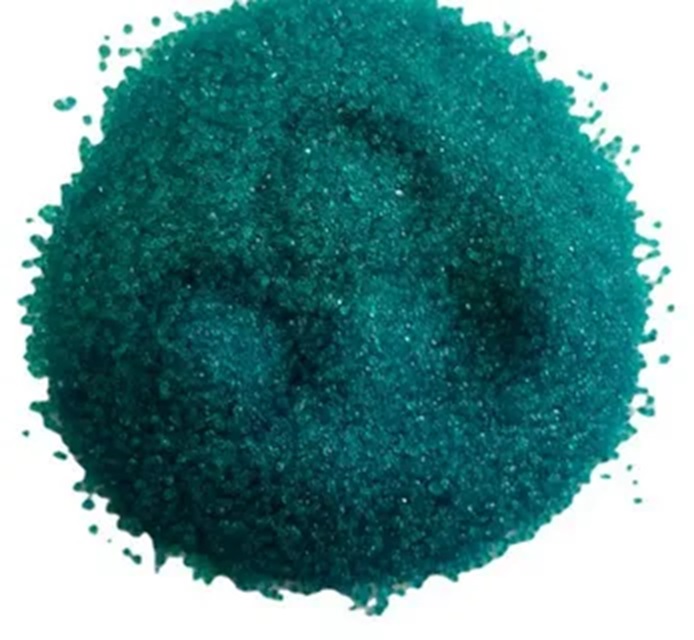
| Appearance | Green-yellow orthorhombic crystals (anhydrous); Blue tetragonal (α-form) or green monoclinic (β-form) crystals (hexahydrate) |
SECTION 2: PHYSICAL AND CHEMICAL PROPERTIES
| Property | Value | Test Method / Note |
|---|---|---|
| Appearance | Green-yellow orthorhombic crystals (anhydrous); Blue-green crystals (hydrates) | Visual |
| Color | Green-yellow (anhydrous); Blue (α-form); Green (β-form) | Visual |
| Odor | Odorless | Olfactometric |
| Molecular Weight | 154.76 g/mol (anhydrous); 262.85 g/mol (hexahydrate) | Calculated |
| Density | 3.68 g/cm³ (anhydrous); 2.07 g/cm³ (hexahydrate) | ASTM D4052 |
| Melting Point | 848 °C (anhydrous, decomposes) | DSC |
| Solubility in Water (20°C) | 27.3 - 27.7 g/100 mL | General Method |
| Solubility in Water (100°C) | 76.7 g/100 mL | General Method |
| Solubility in Alcohol | Soluble | General Method |
| Solubility in Ammonia | Soluble | General Method |
| pH (Aqueous Solution) | Acidic (due to hydrolysis) | pH Meter |
| Hydration States | Anhydrous (NiSO₄); Hexahydrate (NiSO₄·6H₂O); Heptahydrate (NiSO₄·7H₂O) | - |
| Crystal Form Conversion | α-NiSO₄·6H₂O (blue tetragonal) ↔ β-NiSO₄·6H₂O (green monoclinic) at 53.5°C | - |
| Loss of Water | Loses 6 crystal water at 103°C | - |
SECTION 3: CHEMICAL PROPERTIES AND REACTIVITY
| Parameter | Information |
|---|---|
| Chemical Character | Inorganic transition metal sulfate; acidic salt; forms various hydrates |
| Stability | Stable under normal conditions; loses water of crystallization upon heating |
| Reactivity | Reacts with bases to form nickel hydroxide; can be reduced to metallic nickel; forms complexes with ammonia and other ligands |
| Incompatible Materials | Strong oxidizing agents, strong reducing agents, aluminum, magnesium, zinc, sodium, potassium |
| Polymerization | Does not polymerize |
| Decomposition Products (Heating) | Nickel oxide (NiO), Sulfur dioxide (SO₂), Sulfur trioxide (SO₃), Oxygen (O₂) |
| Hazardous Reactions | May react violently with strong reducing agents; can form explosive compounds with certain metals |
| Reaction with Bases | NiSO₄ + 2NaOH → Ni(OH)₂↓ + Na₂SO₄ |
| Reaction with Ammonia | NiSO₄ + 6NH₃ → [Ni(NH₃)₆]SO₄ (deep blue complex) |
| Reduction | NiSO₄ + 2H₂ → Ni + H₂SO₄ (at high temperature) |
| Hydrolysis | Ni²⁺ + 2H₂O → Ni(OH)₂ + 2H⁺ (acidic solution) |
SECTION 4: PRODUCTION METHODS
Method 1: Metallic Nickel Method
Process:
-
Water is added to the reactor, then sulfuric acid is added to form 30°Bé solution
-
Metallic nickel is added, and nitric acid is added in fractions
-
Reaction is carried out until concentration reaches 48-50°Bé
-
Crystallization and filtration are performed
-
Crude crystals are washed with water
-
Water is added to dissolve to 30°Bé
-
Barium carbonate is added to neutralize free acid
-
Hydrogen peroxide is added to oxidize divalent iron and hydrolyze it
-
Purified solution is clarified
-
Small amount of sulfuric acid is added to adjust pH to 3-4
-
Concentration, crystallization and centrifugal dehydration are performed
-
Nickel sulfate product is obtained
Method 2: Recovery Method
Process:
-
Electrolytic waste liquid from copper smelting process is purified
-
Crystallization and dehydration are performed
-
Nickel sulfate is obtained
Method 3: From Cobalt-Producing Nickel-Containing Waste Liquid
Process:
-
Nickel carbonate is precipitated from spent nickel sulfate solution using soda ash solution
-
Nickel carbonate is dissolved in sulfuric acid
-
Nickel sulfate is prepared
SECTION 5: FUNCTIONAL PROPERTIES AND MECHANISM OF ACTION
| Property | Description |
|---|---|
| Nickel Source | Provides nickel ions for electroplating; primary nickel salt for nickel plating and electroless nickel plating; source of metallic nickel ions in electroplating processes |
| Battery Material Precursor | Essential raw material for lithium-ion battery cathode materials; used in production of nickel-cobalt-manganese (NCM) and nickel-cobalt-aluminum (NCA) ternary precursors; battery grade nickel sulfate contains 22.2% nickel and ≤0.4% cobalt |
| Catalyst | Acts as catalyst in hydrogenation of oils and fats; used in pharmaceutical industry for vitamin C oxidation reactions; catalyst for various organic syntheses |
| Mordant | Used in printing and dyeing industry as mordant; used in production of phthalocyanine blue complexing agent; used with vat dyes |
| Precursor Material | Raw material for producing other nickel salts (nickel oxide, nickel hydroxide, nickel carbonate, nickel chloride, nickel sulfamate, nickel acetate, nickel naphthenate, etc.) |
| Metal Colorant | Used as metal colorant for various applications |
| Electroplating Additive | Used in electroplating industry for automotive wheel hubs, external components, and other products |
SECTION 6: MAIN APPLICATION AREAS
| Industry / Application | Function | Typical Use |
|---|---|---|
| Electroplating Industry | Nickel source / electrolyte | Primary raw material for nickel plating and electroless nickel; electroplating and electroless plating; automotive wheel hubs and external components; surface treatment industry |
| Battery Industry | Precursor material | Lithium-ion battery cathode materials; ternary precursors (NCM, NCA); nickel-cadmium batteries; nickel-metal hydride batteries; battery grade consumption accounts for ~50% of total demand |
| Catalysis | Catalyst | Hydrogenation of oils and fats; vitamin C oxidation catalyst; pharmaceutical industry catalysts |
| Chemical Industry | Precursor | Production of nickel oxide, nickel hydroxide, nickel carbonate, nickel chloride, nickel sulfamate, nickel acetate, nickel naphthenate; other nickel salts |
| Printing and Dyeing | Mordant / complexing agent | Phthalocyanine blue complexing agent; mordant for vat dyes; printing and dyeing applications |
| Metal Finishing | Colorant / additive | Metal colorants; surface finishing; hard alloy production |
| Inorganic Industry | Raw material | Production of various nickel-based chemicals and compounds |
SECTION 7: QUALITY SPECIFICATIONS
Electroplating Grade Nickel Sulfate (Hexahydrate)
| Parameter | Specification | Test Method |
|---|---|---|
| Appearance | Blue or green crystals | Visual |
| Nickel + Cobalt Content | ≥ 22.0 % | Titrimetric |
| Cobalt (Co) | ≤ 0.05 % (≤ 500 ppm) | AAS / ICP |
| Lead (Pb) | ≤ 8 ppm | AAS / ICP |
| Zinc (Zn) | ≤ 10 ppm | AAS / ICP |
| Copper (Cu) | ≤ 10 ppm | AAS / ICP |
| Iron (Fe) | ≤ 10 ppm | AAS / ICP |
| Manganese (Mn) | ≤ 20 ppm | AAS / ICP |
| Cadmium (Cd) | ≤ 10 ppm | AAS / ICP |
| Hexavalent Chromium (Cr⁶⁺) | ≤ 5 ppm | Spectrophotometry |
| pH (1% Aqueous Solution) | 3.5 - 5.0 | pH Meter |
| Water Insoluble Matter | ≤ 0.003 % | Gravimetric |
Battery Grade Nickel Sulfate (Hexahydrate)
| Parameter | Specification | Test Method |
|---|---|---|
| Nickel Content | ≥ 22.2 % | Titrimetric |
| Cobalt (Co) | ≤ 0.4 % (≤ 4000 ppm) | AAS / ICP |
| Other Impurities | Lower than electroplating grade | Various |
SECTION 8: TOXICOLOGICAL PROFILE
| Parameter | Value |
|---|---|
| Acute Oral Toxicity (LD50, Rat) | ~ 500 mg/kg (moderate toxicity) |
| Acute Dermal Toxicity | Harmful in contact with skin |
| Acute Inhalation Toxicity | Harmful if inhaled |
| Skin Irritation | Irritating to skin (R38) |
| Skin Sensitization | May cause sensitization by skin contact (R43) |
| Respiratory Sensitization | May cause sensitization by inhalation (R42/43) |
| Carcinogenicity | Category 1B (EU); May cause cancer by inhalation (R49); IARC Group 1 (Carcinogenic to humans - nickel compounds) |
| Mutagenicity | Possible risk of irreversible effects (R68) |
| Reproductive Toxicity | May cause harm to the unborn child (R61) |
| Chronic Toxicity | Nickel salts can disrupt cellular metabolism; prolonged exposure may cause organ damage |
| Target Organs | Respiratory system, skin, eyes, kidneys |
| Occupational Exposure Limit (8h TWA) | 0.1 mg/m³ (as Ni, ACGIH/OSHA) |
| Short-Term Exposure Limit (STEL) | 0.2 mg/m³ (as Ni, ACGIH) |
| Special Toxicity Note | Nickel compounds are known human carcinogens (IARC Group 1); may cause sensitization; harmful to aquatic life with long-lasting effects; nickel salts can damage human skin |
SECTION 9: GHS CLASSIFICATION AND LABELING
GHS Classification (according to 1272/2008/EC and UN GHS):
| Hazard Class | Category | H-Statement |
|---|---|---|
| Carcinogenicity | Category 1A | H350 |
| Germ Cell Mutagenicity | Category 2 | H341 |
| Reproductive Toxicity | Category 1B | H360D |
| Acute Toxicity (Oral) | Category 4 | H302 |
| Acute Toxicity (Inhalation) | Category 4 | H332 |
| Skin Sensitization | Category 1 | H317 |
| Respiratory Sensitization | Category 1 | H334 |
| Specific Target Organ Toxicity - SE | Category 3 | H335 |
| Chronic Aquatic Toxicity | Category 1 | H410 |
Signal Word: DANGER
Hazard Pictograms: GHS08 (Health Hazard), GHS07 (Exclamation Mark), GHS09 (Environment)
Hazard Statements (H-Codes):
| Code | Statement |
|---|---|
| H302 | Harmful if swallowed |
| H317 | May cause an allergic skin reaction |
| H332 | Harmful if inhaled |
| H334 | May cause allergy or asthma symptoms or breathing difficulties if inhaled |
| H335 | May cause respiratory irritation |
| H341 | Suspected of causing genetic defects |
| H350 | May cause cancer |
| H360D | May damage the unborn child |
| H410 | Very toxic to aquatic life with long-lasting effects |
NFPA 704 Hazard Classification:
| Health | Flammability | Reactivity | Special |
|---|---|---|---|
| 3 | 0 | 0 | - |
| (Severe health hazard) | (Non-flammable) | (Stable) | (None) |
SECTION 10: PRECAUTIONARY STATEMENTS (P-CODES)
| Code | Statement |
|---|---|
| P201 | Obtain special instructions before use |
| P202 | Do not handle until all safety precautions have been read and understood |
| P260 | Do not breathe dust/fume/gas/mist/vapors/spray |
| P262 | Do not get in eyes, on skin, or on clothing |
| P270 | Do not eat, drink or smoke when using this product |
| P280 | Wear protective gloves / protective clothing / eye protection / face protection |
| P301+P312 | IF SWALLOWED: Call a POISON CENTER / doctor if you feel unwell |
| P302+P352 | IF ON SKIN: Wash with plenty of soap and water |
| P304+P340 | IF INHALED: Remove person to fresh air and keep comfortable for breathing |
| P305+P351+P338 | IF IN EYES: Rinse cautiously with water for several minutes. Remove contact lenses if present and easy to do. Continue rinsing |
| P308+P313 | IF exposed or concerned: Get medical advice/attention |
| P312 | Call a POISON CENTER / doctor if you feel unwell |
| P330 | Rinse mouth |
| P403+P233 | Store in a well-ventilated place. Keep container tightly closed |
| P405 | Store locked up |
| P501 | Dispose of contents/container in accordance with local/regional/national/international regulations |
SECTION 11: FIRST AID MEASURES
| Exposure Route | Action to Take |
|---|---|
| Inhalation | Move to fresh air immediately. Keep at rest in a position comfortable for breathing. If breathing is difficult, give oxygen. Seek immediate medical attention. |
| Skin Contact | Remove contaminated clothing immediately. Rinse skin with copious amounts of water for at least 15-20 minutes. Wash with soap and water. Seek medical attention. |
| Eye Contact | Rinse immediately with plenty of water for at least 15-20 minutes. Hold eyelids open. Remove contact lenses if present. Seek immediate medical attention. |
| Ingestion | Rinse mouth. Do NOT induce vomiting. Seek immediate medical attention. |
SECTION 12: FIRE-FIGHTING MEASURES
| Parameter | Information |
|---|---|
| Fire Hazard | Non-flammable; may decompose at high temperatures to release toxic fumes |
| Hazards During Fire | Thermal decomposition produces toxic gases including sulfur oxides (SOx), nickel oxide fumes |
| Suitable Extinguishing Media | Dry chemical powder, CO₂, water spray (for cooling), alcohol-resistant foam |
| Unsuitable Extinguishing Media | Water jet (may spread hazardous material) |
| Special Protective Equipment | Self-contained breathing apparatus (SCBA), full protective clothing |
| Special Precautions | Cool containers with water fog from safe distance; prevent runoff water from entering drains and waterways |
SECTION 13: STORAGE AND SHELF LIFE
| Parameter | Information |
|---|---|
| Storage Conditions | Cool, dry, well-ventilated area; away from heat, moisture, and incompatible materials; protect from active chlorine and hot sun exposure |
| Container Requirements | Tightly closed, properly labeled containers; use moisture-resistant packaging; do not store with food |
| Materials to Protect From | Strong oxidizing agents, strong reducing agents, aluminum, magnesium, zinc, sodium, potassium, moisture |
| Shelf Life | 24 months (in unopened original packaging, under proper storage conditions) |
| Stability Note | Stable under normal conditions; loses water of crystallization at elevated temperatures; hygroscopic |
SECTION 14: PACKAGING OPTIONS
| Packaging Type | Quantity | Material |
|---|---|---|
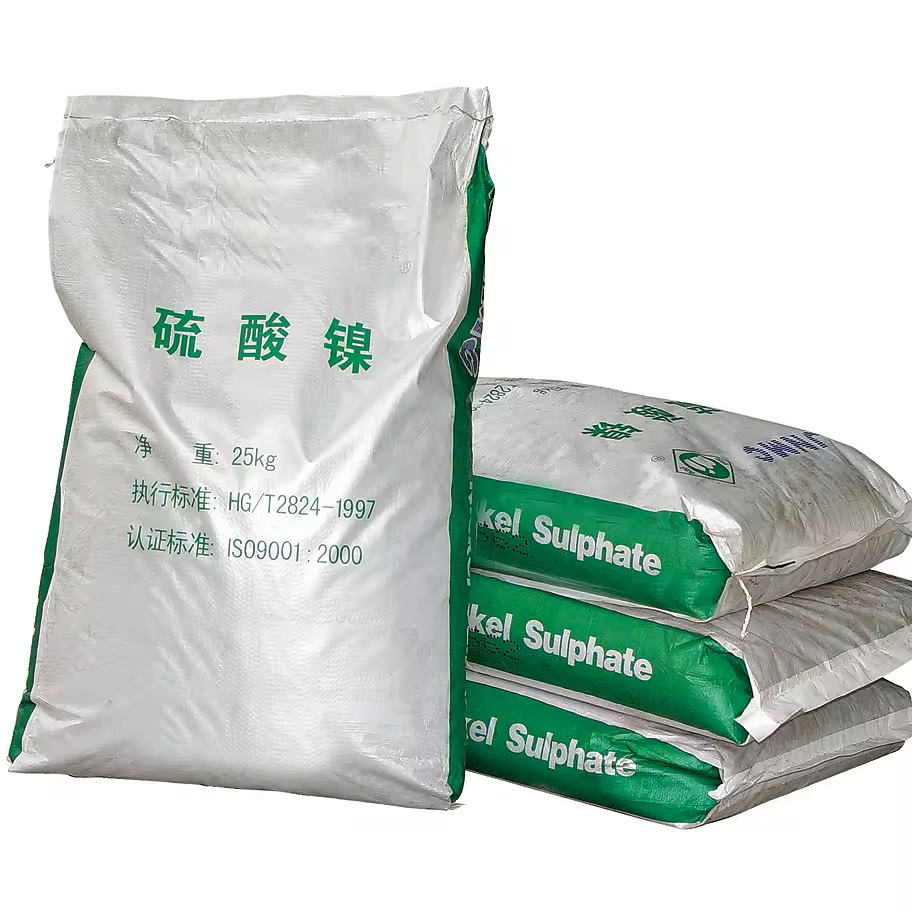
| Plastic Bag | 5 kg, 10 kg, 25 kg | PE bag |
| Fiber Drum | 25 kg, 50 kg | PE-lined fiberboard |
| Plastic Drum | 25 kg, 50 kg, 100 kg | HDPE / Polypropylene |
| Bulk Bag (FIBC) | 500 kg, 1000 kg | PE-lined woven PP |
SECTION 15: TRANSPORT INFORMATION
| Parameter | Information |
|---|---|
| UN Number | UN 3077 (Environmentally hazardous substance, solid, n.o.s.) |
| Hazard Class | 9 (Miscellaneous Dangerous Goods) |
| Packing Group | III |
| ADR/RID | UN 3077, Environmentally hazardous substance, solid, n.o.s., 9, PG III |
| IMDG Code | UN 3077, Environmentally hazardous substance, solid, n.o.s., 9, PG III, Marine Pollutant: Yes |
| IATA (Air) | UN 3077, Environmentally hazardous substance, solid, n.o.s., 9, PG III |
| Marine Pollutant | Yes |
| Transport Temperature | Ambient; protect from heat and moisture |
| Special Precautions | Handle gently to prevent package breakage; do not store and mix with food; protect from heat and moisture |
SECTION 16: REGULATORY STATUS
| Region / Authority | Status |
|---|---|
| European Union | REACH registered; classified as Carcinogen Category 1B; restricted under various regulations |
| USA (TSCA) | Listed |
| USA (EPA) | Regulated under various environmental laws |
| Turkey | Industrial chemical; subject to KKDIK regulation; classified as carcinogenic |
| IARC | Group 1 (Carcinogenic to humans - nickel compounds) |
| NTP | Known Human Carcinogen |
| OSHA | Regulated (toxic and carcinogenic substance) |
| FDA | Not approved for food contact or food additives |
| California (Prop 65) | Listed as carcinogenic |
| WGK Germany | 3 |
SECTION 17: OTHER NAMES AND SYNONYMS
| Type | Name |
|---|---|
| English Synonyms | Nickel Sulfate, Nickelous Sulfate, Nickel Monosulfate Hexahydrate, Nickel Sulfate Hexahydrate, Nickel Sulfate Heptahydrate, Sulfuric Acid Nickel(II) Salt, Nickel(II) Sulfate Hydrate, Nickel(II) Sulfate Solution |
| Turkish Synonyms | Nikel Sülfat, Nikelöz Sülfat, Nikel(II) Sülfat, Nikel Monosülfat Hekzahidrat |
| Chemical Names | Nickel(II) Sulfate; Sulfuric Acid Nickel(II) Salt |
| CAS Number (Anhydrous) | 7786-81-4 |
| CAS Number (Hexahydrate) | 15244-37-8 |
| CAS Number (Heptahydrate) | 15905-81-4 |
| EC Number | 232-104-9 |
SECTION 18: DOWNSTREAM PRODUCTS
| Product | Application |
|---|---|
| Nickel Hydroxide (Ni(OH)₂) | Battery cathode materials; nickel-metal hydride batteries |
| Nickel Oxide (NiO) | Ceramics; catalysts; electronics |
| Nickel Carbonate (NiCO₃) | Catalysts; ceramics; pigment |
| Nickel Chloride (NiCl₂) | Electroplating; catalysts |
| Nickel Sulfamate | Electroplating applications |
| Nickel Acetate | Catalysts; textile mordant |
| Nickel Naphthenate | Paint driers; catalysts |
| Nickel Difluoride | Catalyst; fluorination reactions |
| Ternary Precursors (NCM, NCA) | Lithium-ion battery cathode materials |
SECTION 19: SUMMARY TABLE
| Parameter | Value |
|---|---|
| Product | Nickel Sulfate (Nickelous Sulfate) |
| CAS Number (Anhydrous) | 7786-81-4 |
| Molecular Formula | NiSO₄ |
| Molecular Weight | 154.76 g/mol (anhydrous) |
| Appearance | Green-yellow orthorhombic crystals (anhydrous); Blue-green crystals (hydrates) |
| Density | 3.68 g/cm³ (anhydrous) |
| Melting Point | 848 °C (decomposes) |
| Solubility in Water | 27.3 - 27.7 g/100 mL (20°C) |
| Primary Function | Nickel source, catalyst, precursor, mordant |
| Main Applications | Electroplating, battery materials, catalysis, printing and dyeing |
| Shelf Life | 24 months |
| GHS Signal Word | DANGER |
| UN Number | UN 3077 |
| Hazard Class | 9 |
SECTION 20: CRITICAL WARNINGS AND BEST PRACTICES
CRITICAL WARNINGS:
-
Carcinogenic (H350). Nickel compounds are known human carcinogens (IARC Group 1).
-
May cause genetic defects (H341). Handle with extreme care.
-
May damage the unborn child (H360D). Use extreme caution.
-
May cause allergic skin reaction (H317) and respiratory sensitization (H334). Use proper PPE.
-
Harmful if swallowed or inhaled (H302/H332). Use adequate ventilation and PPE.
-
Very toxic to aquatic life with long-lasting effects (H410). Prevent environmental release.
-
Nickel salts can damage human skin and disrupt cellular metabolism.
-
Maximum allowable concentration: Divalent and trivalent nickel oxides/sulfides: 0.5 mg/m³ (as Ni); Nickel salts in water aerosol: 0.0005 mg/m³ (as Ni).
-
Incompatibilities: Keep away from strong oxidizing agents, strong reducing agents, aluminum, magnesium, zinc, sodium, and potassium.
BEST PRACTICE RECOMMENDATIONS:
-
Electroplating Industry: Use as primary nickel source for nickel plating and electroless plating; maintain proper bath concentrations; ensure proper waste treatment and recycling.
-
Battery Industry: Use battery grade nickel sulfate (Ni ≥ 22.2%, Co ≤ 0.4%) for ternary precursor production; maintain strict purity specifications for high-performance batteries.
-
Catalyst Applications: Use as catalyst for hydrogenation and oxidation reactions; handle under controlled conditions.
-
Handling: Use in well-ventilated areas or under fume hood; wear chemical-resistant gloves (neoprene, nitrile), safety goggles, face shield, and appropriate respiratory protection; avoid creating dust.
-
Personal Protective Equipment: Use impervious gloves, chemical safety goggles, full face shield, protective clothing, and NIOSH-approved respiratory protection.
-
Hygiene: Do not eat, drink, or smoke while handling; wash hands thoroughly after handling; shower at end of work shift.
-
Storage: Store in tightly closed, properly labeled containers in dry, well-ventilated conditions; keep away from heat, moisture, and incompatible materials; do not store under active chlorine and hot sun.
-
Spill Response: Avoid creating dust; wear full PPE; vacuum or wet sweep; place in sealed containers for disposal; prevent discharge to water bodies.
-
Disposal: Dispose of in accordance with local, regional, and national regulations; do not discharge into drains or water bodies; nickel compounds are regulated as hazardous waste.
LEGAL DISCLAIMER:
The information provided in this document is based on our current knowledge and experience and is presented in good faith. However, as all conditions of use are beyond our control, it does not constitute a binding specification or warranty. This Technical Data Sheet is for informational purposes only. Users are responsible for testing the suitability of the product for their specific applications. For complete safety, storage, use, handling, waste, and regulatory compliance information, please refer to the official Safety Data Sheet (SDS/MSDS) provided by the manufacturer/supplier.