We unleash your business potential by maximize the business innovation.
Send EmailStannous Chloride, Tin Chloride, Tin Dichloride, Stannous Dichloride, Stannous Chloride Dihydrate, E512, 7772-99-8
Stannous Chloride (Tin(II) Chloride – E512)
CAS Number: 7772-99-8
Chemical Formula: SnCl₂ (anhydrous); SnCl₂·2H₂O (dihydrate)
Molecular Weight: 189.61 g/mol (anhydrous); 225.65 g/mol (dihydrate)
E Number: E512
Synonyms: Tin(II) Chloride, Tin Dichloride, Stannous Chloride Dihydrate, Tin Chloride, Stannous Dichloride, Tin Protochloride, Tin(2+) Dichloride
1. CHEMICAL IDENTITY
| Parameter | Information |
|---|---|
| Product Name | Stannous Chloride (Tin(II) Chloride) |
| IUPAC Name | Tin(2+) dichloride |
| CAS Number | 7772-99-8 |
| Chemical Formula | SnCl₂ (anhydrous); SnCl₂·2H₂O (dihydrate) |
| Molecular Weight | 189.61 g/mol (anhydrous); 225.65 g/mol (dihydrate) |
| E Number | E512 |
| Chemical Class | Inorganic Tin Salt, Metal Halide |
| EC Number | 231-868-0 |
| Synonyms | Tin(II) Chloride, Tin Dichloride, Stannous Chloride Dihydrate, Tin Chloride, Stannous Dichloride, Tin Protochloride, Tin(2+) Dichloride, Stannous Chloride (2-Hydrate), E 512 |
2. FORMS AND TYPICAL GRADES
| Form | Formula | Molecular Weight | Appearance | Primary Use |
|---|---|---|---|---|
| Anhydrous | SnCl₂ | 189.61 g/mol | White to off-white crystalline powder | Industrial, chemical synthesis |
| Dihydrate | SnCl₂·2H₂O | 225.65 g/mol | White to off-white crystalline solid | Food additive (E512), textile |
3. PHYSICAL PROPERTIES
| Parameter | Anhydrous | Dihydrate |
|---|---|---|
| Physical State | Solid | Solid |
| Color | White to off-white | White to off-white |
| Appearance | Crystalline powder | Crystalline solid |
| Odor | Slight characteristic odor | Slight characteristic odor |
| Melting Point | 247 °C | 37-38 °C (dehydrates) |
| Boiling Point | 623 °C (decomposes) | Not applicable |
| Density (20°C) | 3.90 g/cm³ | 2.71 g/cm³ |
| Vapor Pressure | Low | Low |
4. THERMODYNAMIC PROPERTIES
| Parameter | Value (Anhydrous) |
|---|---|
| Specific Heat Capacity | ~0.38 J/g·K |
| Heat of Fusion | ~20 kJ/mol |
| Heat of Formation | -325 kJ/mol |
| Thermal Decomposition | >623°C decomposes to Sn and SnCl₄ |
| Decomposition Products | Tin metal, Tin(IV) chloride |
5. SOLUBILITY PROPERTIES
| Solvent | Solubility (20°C) |
|---|---|
| Water | Soluble (hydrolyzes in water, may form basic salts) |
| Ethanol | Soluble |
| Acetone | Soluble |
| Ether | Soluble |
| Ethyl Acetate | Soluble |
| Sodium Hydroxide (Caustic Soda) | Soluble |
| Hydrochloric Acid (HCl) | Highly soluble (stabilizes against hydrolysis) |
| Concentrated HCl | Very high solubility |
Important Note: Aqueous solutions of stannous chloride undergo hydrolysis and oxidation. Adding hydrochloric acid stabilizes the solution and prevents precipitation of basic tin salts.
6. CHEMICAL PROPERTIES AND REACTIVITY
| Parameter | Information |
|---|---|
| Oxidation States | Tin(II) (reduced form) and Tin(IV) (oxidized form) |
| Reducing Agent | Strong reducing agent; readily oxidized to Sn(IV) |
| Hydrolysis | SnCl₂ + H₂O ⇌ Sn(OH)Cl + HCl (forms basic salts in water) |
| Stability in Air | Oxidizes slowly in moist air; must be stored airtight |
| Reactivity with Oxidizers | Violent reaction with strong oxidizing agents |
| Reactivity with Amines | May react violently |
| pH of Aqueous Solution | Acidic (due to hydrolysis) |
| Common Impurities | Sn(IV) species, chlorides |
Stabilization: Hydrochloric acid is commonly added to stannous chloride solutions to prevent hydrolysis and oxidation.
7. PRODUCTION PROCESS
| Step | Description |
|---|---|
| Raw Materials | Tin metal (Sn) and Hydrochloric Acid (HCl) |
| Reaction | Sn + 2HCl → SnCl₂ + H₂↑ |
| Process | Tin metal is dissolved in concentrated hydrochloric acid with heating |
| Crystallization | The resulting solution is evaporated and crystallized |
| Hydrate Formation | Dihydrate (SnCl₂·2H₂O) is obtained from aqueous crystallization |
| Anhydrous Production | Dihydrate is heated to remove water, yielding anhydrous SnCl₂ |
Reaction Equation:
Sn (s) + 2HCl (aq) → SnCl₂ (aq) + H₂ (g)
8. FUNCTIONAL PROPERTIES
| Function | Description |
|---|---|
| Reducing Agent | Strong reducing agent in organic and inorganic reactions |
| Food Preservative (E512) | Antioxidant synergist; prevents oxidative discoloration in foods |
| Mordant | Fixes dyes to fabrics in textile dyeing |
| Catalyst | Catalyst in various chemical reactions and polymerizations |
| Electrolyte Component | Used in electrolytic baths for tin plating |
| Precursor | Starting material for production of other tin compounds |
9. APPLICATIONS - FOOD INDUSTRY (E512)
| Application | Function | Typical Use Level |
|---|---|---|
| Canned Foods | Antioxidant preservative; prevents discoloration | As per GMP |
| Soft Drinks | Antioxidant; prevents flavor degradation | As per GMP |
| Processed Fruits and Vegetables | Color stabilizer; prevents browning | As per GMP |
| Dairy Products | Preservative | As per GMP |
| Beer and Beverages | Antioxidant; improves clarity | As per GMP |
Regulatory Note: E512 is approved as a food additive in many countries with specified maximum use levels. Always check local regulations.
10. APPLICATIONS - TEXTILE INDUSTRY
| Application | Function |
|---|---|
| Dye Fixing (Color Fastness) | Fixes dyes to fabrics; improves wash fastness and light fastness |
| Silk Weighting | Increases weight of silk fabrics (traditional application) |
| Mordant for Natural Dyes | Acts as a mordant to bind natural dyes to fibers |
| Catalyst in Textile Processing | Catalyst for certain textile finishing reactions |
| Reducing Agent in Printing | Used in textile printing processes as a reducing agent |
11. APPLICATIONS - METAL PLATING AND COATING
| Application | Function |
|---|---|
| Tin Plating (Electrolytic) | Main component in acidic tin plating baths |
| Tin Plating (Immersion) | Immersion tin coating on copper and copper alloys |
| Tin Anodes | Used as tin anodes in zirconium baskets (pellet and plate forms) |
| Tin Alloy Plating | Component in tin-lead, tin-copper, and other alloy plating baths |
| Metal Surface Treatment | Activator for electroless plating (e.g., electroless nickel) |
12. APPLICATIONS - CHEMICAL AND POLYMER INDUSTRY
| Application | Function |
|---|---|
| Polymer Production | Reducing agent and catalyst in polymerization reactions |
| Chemical Synthesis | Reducing agent for organic synthesis; precursor for organotin compounds |
| Dye and Pigment Production | Reducing agent in dye synthesis |
| Silica-Coated Pigments | Used in production of metallic pigments coated with silicon dioxide |
| Production of Tin Compounds | Starting material for manufacturing various tin chemicals |
13. APPLICATIONS - OTHER INDUSTRIES
| Industry | Application |
|---|---|
| Steel Industry | Used in tinplate (tin-coated steel) production for cans and containers |
| Lubricating Oils | Additive to prevent sludge formation in lubricating oils |
| Glass Industry | Surface treatment of glass; sensitizer for glass coatings |
| Electronics | Flux for soldering; electroless plating activator |
| Analytical Chemistry | Reducing agent in laboratory analysis (e.g., for reducing Fe³⁺ to Fe²⁺) |
| Silver Mirroring | Sensitizing agent for silver deposition on glass |
14. SPOTLIGHT: TINPLATE PRODUCTION (CANS)
| Parameter | Description |
|---|---|
| Process | Electrolytic tin plating of steel sheets |
| Stannous Chloride Role | Tin source in electrolytic baths |
| Final Product | Tinplate steel (tin-coated steel) for food and beverage cans |
| Advantages | Corrosion resistance, solderability, non-toxic food contact surface |
15. COMPARISON: ANHYDROUS vs. DIHYDRATE
| Property | Anhydrous (SnCl₂) | Dihydrate (SnCl₂·2H₂O) |
|---|---|---|
| Molecular Weight | 189.61 g/mol | 225.65 g/mol |
| Melting Point | 247 °C | 37-38°C (loses water) |
| Physical Form | Powder/crystals | Crystalline solid |
| Hygroscopicity | Very high (absorbs moisture rapidly) | High |
| Stability in Air | Oxidizes readily | Better stability |
| Handling | Requires airtight container, inert atmosphere | Easier to handle |
| Primary Use | Industrial, high-temperature applications | Food additive, general lab use |
| Cost | Higher | Lower |
16. SAFETY AND TOXICOLOGICAL PROFILE
| Parameter | Value |
|---|---|
| Acute oral toxicity (rat, LD₅₀) | 700-1,200 mg/kg (moderate toxicity) |
| Acute dermal toxicity (rabbit, LD₅₀) | >2,000 mg/kg |
| Acute inhalation (rat, LC₅₀) | Data limited; avoid dust inhalation |
| Skin irritation | Corrosive; causes skin burns |
| Eye irritation | Corrosive; causes serious eye damage |
| Skin sensitization | May cause sensitization in some individuals |
| Carcinogenicity | Not classified as carcinogenic (IARC Group 3 for tin compounds) |
| Mutagenicity | Negative |
| Target Organs | Respiratory tract, eyes, skin, gastrointestinal tract |
GHS Classification (selected):
| Hazard Class | Description |
|---|---|
| H302 | Harmful if swallowed |
| H314 | Causes severe skin burns and eye damage |
| H317 | May cause an allergic skin reaction |
| H335 | May cause respiratory irritation |
17. POTENTIAL HEALTH EFFECTS
| Route of Exposure | Effect |
|---|---|
| Inhalation | Causes respiratory tract irritation; may cause coughing, shortness of breath |
| Skin Contact | Corrosive; causes severe burns and skin damage; may cause allergic skin reaction |
| Eye Contact | Corrosive; causes serious eye damage, possible blindness |
| Ingestion | Harmful if swallowed; causes gastrointestinal burns, nausea, vomiting, abdominal pain |
| Chronic Exposure | Prolonged exposure may cause tin deposition in tissues (stannosis, though rare) |
18. FIRST AID MEASURES
| Exposure | First Aid Procedure |
|---|---|
| Inhalation | Remove to fresh air. If breathing is difficult, give oxygen. Seek immediate medical attention. |
| Skin Contact | Remove contaminated clothing immediately. Rinse skin with plenty of water for at least 15 minutes. Seek immediate medical attention for burns. |
| Eye Contact | Rinse with plenty of water for at least 15-20 minutes, holding eyelids open. Seek immediate medical attention. |
| Ingestion | Do NOT induce vomiting. Rinse mouth. Drink water to dilute. Seek immediate medical attention. |
19. PERSONAL PROTECTIVE EQUIPMENT (PPE)
| Protection Type | Requirement |
|---|---|
| Respiratory Protection | Dust mask (N95/P2) for powder handling; use NIOSH-approved respirator if dust is generated |
| Hand Protection | Chemical-resistant gloves (neoprene, nitrile, or PVC) |
| Eye Protection | Chemical splash goggles + face shield |
| Skin Protection | Protective clothing, lab coat, apron (acid-resistant) |
| Engineering Controls | Local exhaust ventilation; eyewash station; safety shower |
| Hygiene Measures | Wash hands thoroughly after handling. Do not eat, drink, or smoke in work area. |
20. STORAGE AND HANDLING
| Parameter | Requirement |
|---|---|
| Storage Temperature | 15-25°C (room temperature) |
| Container Material | Glass, plastic (HDPE, PP), stainless steel (avoid carbon steel) |
| Incompatible Materials | Strong oxidizing agents, strong bases, amines, water (hydrolysis) |
| Protection | Keep tightly closed (hygroscopic, oxidizes in air). Store under inert gas (nitrogen) for long-term storage. |
| Ventilation | Store in well-ventilated area. Keep away from moisture. |
| Shelf Life (anhydrous) | 6-12 months under dry, airtight conditions |
| Shelf Life (dihydrate) | 12-24 months under proper storage |
| Special Precautions | Solutions should be prepared with added HCl to prevent hydrolysis. Avoid generating dust. |
21. TRANSPORT INFORMATION
| Parameter | Information |
|---|---|
| UN Number | 1759 (Corrosive solid, n.o.s.) or not regulated depending on concentration/form |
| Transport Class | 8 (Corrosive substance) |
| Packing Group | III |
| Marine Pollutant | No |
| Special Precautions | Keep dry; protect from moisture; avoid contact with incompatible materials |
22. ENVIRONMENTAL INFORMATION
| Parameter | Assessment |
|---|---|
| Ecotoxicity (Fish LC₅₀, 96 hours) | 10-50 mg/L (moderate toxicity to aquatic organisms) |
| Daphnia magna EC₅₀ (48 hours) | 10-40 mg/L |
| Bioaccumulation | Moderate potential for tin compounds |
| Soil Mobility | Moderate |
| Environmental Precautions | Avoid release to waterways and groundwater. Tin compounds can be toxic to aquatic life. |
| Disposal | Dispose of in accordance with local regulations. Neutralization and precipitation as tin hydroxide may be required. |
23. SUMMARY AND CRITICAL INFORMATION
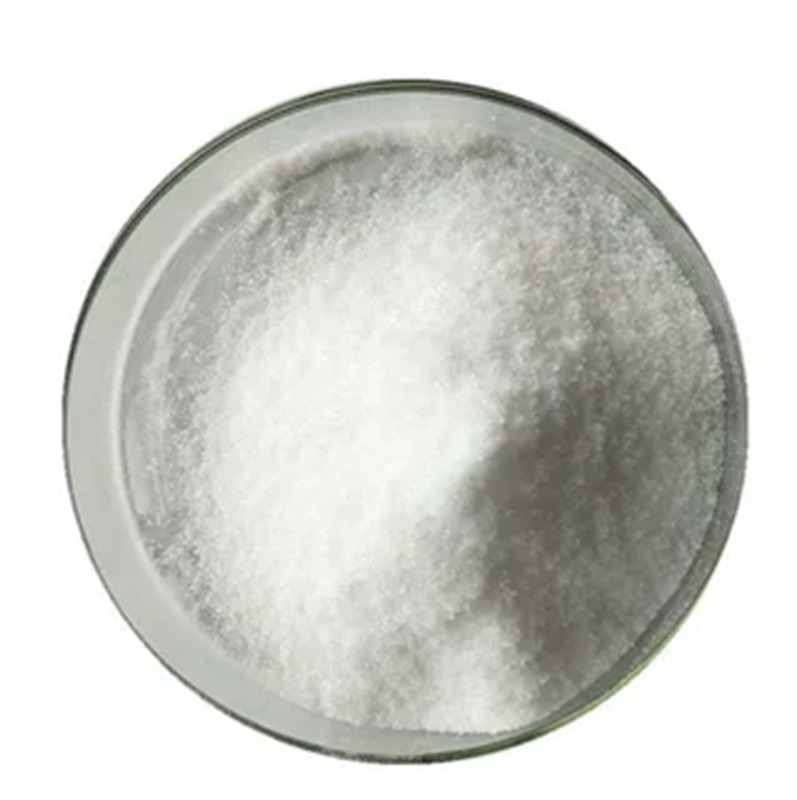
Description: Stannous Chloride (Tin(II) Chloride, E512, CAS 7772-99-8) is an inorganic tin salt available in anhydrous and dihydrate forms. It is a white to off-white crystalline solid that acts as a strong reducing agent, antioxidant, mordant, and catalyst. It is used across multiple industries including food, textile, metal plating, chemicals, and steel production.
Key Advantages:
-
Strong reducing agent for organic and inorganic reactions
-
Effective antioxidant preservative in foods (E512)
-
Essential component in tin plating and tinplate production
-
Versatile mordant for textile dyeing
-
Catalyst and precursor for tin compounds
-
Dihydrate form is easier to handle
Key Limitations/Considerations:
-
Corrosive to skin, eyes, and respiratory tract
-
Hydrolyzes in water, forming basic salts (requires HCl stabilization)
-
Oxidizes readily in moist air (must be stored airtight)
-
Moderate acute oral toxicity
-
May cause allergic skin reactions in sensitive individuals
Major Applications by Industry:
| Industry | Applications |
|---|---|
| Food (E512) | Preservative, antioxidant, color stabilizer |
| Textile | Dye fixing, mordant, silk weighting |
| Metal Plating | Tin plating, electroless plating activator, tin anodes |
| Steel | Tinplate production for cans |
| Chemical | Reducing agent, polymerization catalyst, precursor |
| Other | Lubricant additives, glass treatment, soldering flux |
Safety Summary:
-
GHS Classification: Corrosive (H314), Harmful (H302), Sensitizer (H317)
-
Requires PPE: Chemical goggles, face shield, chemical-resistant gloves, protective clothing
-
First aid: Immediate water rinsing for skin/eye contact; do NOT induce vomiting if ingested
-
Storage: Airtight containers, dry, inert atmosphere, away from oxidizers and bases
Regulatory Status:
| Region | Status |
|---|---|
| USA (FDA) | Approved as food additive (E512) under specified conditions |
| EU (EFSA) | Approved as food additive (E512) with ADI |
| JECFA | ADI established |
| Türkiye (TGK) | Approved as food additive (E512) |
Note for Food Applications: As E512, stannous chloride is used as an antioxidant and preservative in various processed foods, canned goods, and beverages. Use levels are strictly regulated. Always follow local food additive regulations and GMP (Good Manufacturing Practices).