We unleash your business potential by maximize the business innovation.
Send EmailPropylene Carbonate, Cyclic Carbonate, 108-32-7
PROPYLENE CARBONATE - PROPİLEN KARBONAT
Cyclic Carbonate - Carbonic Acid Propylene Ester - 4-Methyl-1,3-dioxol-2-one
CAS: 108-32-7
| Product Name | Propylene Carbonate |
| CAS Number | 108-32-7 |
| EC Number | 203-572-1 |
| Chemical Class | Cyclic Carbonate |
| Synonyms | Propylene Carbonate, 1,2-Propanediol Carbonate, 4-Methyl-1,3-dioxol-2-one, 1-Methylethylene Carbonate, Cyclic Carbonate, Carbonic Acid Propylene Ester, Carbonic Acid Cyclic Methylethylene |
ITEM 1: PRODUCT IDENTITY AND NOMENCLATURE
| Parameter | Description |
|---|---|
| IUPAC Name | 4-Methyl-1,3-dioxolan-2-one |
| Chemical Formula | C₄H₆O₃ |
| Molecular Weight | 102.09 g/mol |
| CAS Number | 108-32-7 |
| EC Number | 203-572-1 |
| Synonyms | Propylene Carbonate, 1,2-Propanediol Carbonate, 4-Methyl-1,3-dioxol-2-one, 1-Methylethylene Carbonate, Cyclic Carbonate, Carbonic Acid Propylene Ester, Carbonic Acid Cyclic Methylethylene |
| HS Code | 2920.90.00.00.00 |
| REACH Status | Registered and compliant |
Description: Propylene Carbonate is a five-membered cyclic carbonate ester derived from propylene glycol and carbon dioxide. It is a colorless, odorless, flammable liquid with a high boiling point and low volatility. It is an aprotic polar solvent with excellent solubility for a wide range of organic and inorganic compounds. Propylene Carbonate is widely used in lithium-ion batteries as an electrolyte solvent, in gas purification for CO₂ and H₂S removal, as a solvent in polymer and coatings industries, and as a chemical intermediate for dimethyl carbonate production. Its production via CO₂ fixation contributes to green chemistry and greenhouse gas reduction.
ITEM 2: CHEMICAL STRUCTURE AND MOLECULAR PROPERTIES
| Parameter | Description |
|---|---|
| Chemical Family | Cyclic Carbonate |
| Structure | Five-membered ring with carbonate group (-O-CO-O-) |
| Functional Groups | Carbonate ester (-O-CO-O-) |
| Molecular Structure | Five-membered cyclic carbonate with methyl substituent |
| SMILES | CC1COC(=O)O1 |
| InChI Key | RUOJZAUFBMNUDX-UHFFFAOYSA-N |
| Ring Size | 5-membered (cyclic) |
| Dielectric Constant | 64.4 (25°C) |
| Dipole Moment | 4.9 D |
Structural Formula:
text
      O
      ||
    O-C-O
   /     \
  CH     CH₂
   |     /
   CH₃  /
Description: Propylene Carbonate is a five-membered cyclic carbonate ester. The molecule consists of a carbonate group (-O-CO-O-) incorporated into a five-membered ring with a methyl substituent. Its cyclic structure provides high polarity, excellent solvency, and a high dielectric constant (64.4), making it an excellent solvent for electrolytes in lithium-ion batteries and various chemical applications.
ITEM 3: PHYSICAL APPEARANCE AND FORM
| Parameter | Specification | Test Method |
|---|---|---|
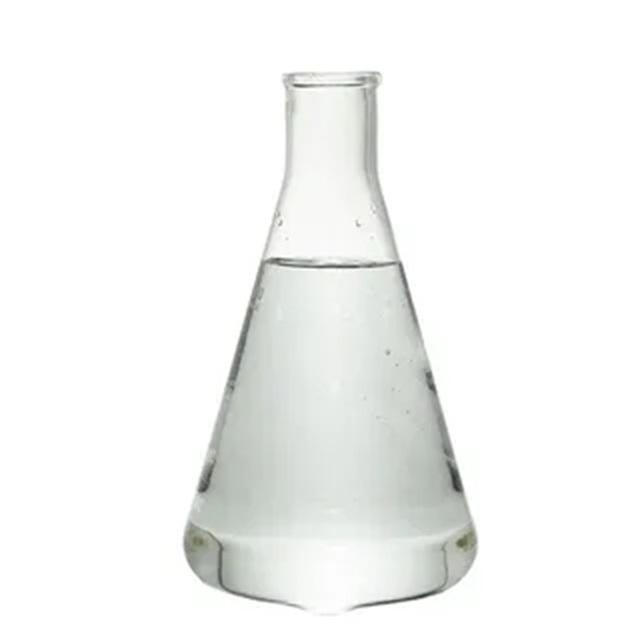
| Appearance | Clear, colorless liquid | Visual Inspection |
| Physical Form | Liquid | Visual Inspection |
| Color | Practically colorless | Visual Inspection |
| Odor | Odorless to slight ether-like | Organoleptic |
| Clarity | Clear, free from sediment | Visual Inspection |
| Purity | ≥ 99.0% | GC |
Description: Propylene Carbonate is a clear, colorless, practically odorless liquid with a slight ether-like odor. It is supplied as a free-flowing liquid with high purity (>99.0%). The product contains no visible sediment or turbidity.
ITEM 4: PHYSICAL PROPERTIES
| Property | Specification | Typical Value | Test Method |
|---|---|---|---|
| Density (20°C) | 1.200 – 1.210 g/cm³ | 1.204 g/cm³ | ASTM D4052 |
| Density (25°C) | 1.195 – 1.205 g/cm³ | 1.204 g/cm³ | ASTM D4052 |
| Refractive Index (20°C) | 1.418 – 1.423 | 1.421 | ASTM D1218 |
| Viscosity (25°C) | ~2.5 cP | 2.5 cP | – |
| Viscosity (20°C) | ~2.8 cP | 2.8 cP | – |
| Surface Tension | ~41 dyn/cm | – | – |
| Dielectric Constant | 64.4 (25°C) | – | – |
| Dipole Moment | 4.9 D | – | – |
Description: Propylene Carbonate has a density of approximately 1.204 g/cm³ at 25°C and a refractive index of 1.421. Its low viscosity (2.5 cP) and high dielectric constant (64.4) make it an excellent solvent for electrolyte formulations in lithium-ion batteries. The high dipole moment (4.9 D) contributes to its powerful solvating ability.
ITEM 5: THERMAL PROPERTIES
| Property | Specification / Value | Test Method |
|---|---|---|
| Melting Point | -49 to -55 °C | DSC |
| Freezing Point | -49 to -55 °C | DSC |
| Boiling Point | 238 – 240 °C | – |
| Flash Point | 128 °C | ASTM D93 |
| Auto-ignition Temperature | ~415 °C | – |
| Vapor Pressure (20°C) | 0.13 mmHg | – |
| Specific Heat | ~1.5 J/g·K | – |
| Thermal Conductivity | ~0.20 W/m·K | – |
Description: Propylene Carbonate has a low melting point of -49 to -55°C and a high boiling point of 238-240°C. The flash point is 128°C, indicating moderate flammability. The low vapor pressure (0.13 mmHg at 20°C) indicates low volatility. This wide liquid range makes it suitable for a variety of applications.
ITEM 6: SOLUBILITY AND MISCIBILITY
| Solvent / Medium | Solubility / Miscibility |
|---|---|
| Water (20°C) | 240 g/L (partially miscible) |
| Benzene | Completely miscible |
| Chloroform | Completely miscible |
| Ethyl Acetate | Completely miscible |
| Carbon Tetrachloride | Completely miscible |
| Acetone | Completely miscible |
| Methanol | Completely miscible |
| Ethanol | Completely miscible |
| Ether | Completely miscible |
| Toluene | Completely miscible |
| Naphtha | Partially miscible |
| Mineral Oils | Partially miscible |
Description: Propylene Carbonate is highly miscible with water (240 g/L at 20°C) and completely miscible with most organic solvents including benzene, chloroform, ethyl acetate, carbon tetrachloride, acetone, methanol, ethanol, ether, and toluene. It is partially miscible with naphtha and mineral oils. Its excellent solvating ability makes it a versatile solvent for many applications.
ITEM 7: PURITY AND ANALYTICAL SPECIFICATIONS
| Parameter | Specification | Typical Value | Test Method |
|---|---|---|---|
| Purity (GC) | ≥ 99.0% | 99.5% | GC |
| Purity (Battery Grade) | ≥ 99.99% | 99.99% | GC |
| Water Content (Karl Fischer) | ≤ 0.05% | 0.02% | Karl Fischer |
| Color (APHA) | ≤ 20 | 10 | ASTM D1209 |
| Density (25°C) | 1.195 – 1.205 g/cm³ | 1.204 | ASTM D4052 |
| Refractive Index (20°C) | 1.418 – 1.423 | 1.421 | ASTM D1218 |
| Acid Value (mg KOH/g) | ≤ 0.01 | 0.005 | Titration |
| Heavy Metals (Pb) | ≤ 10 ppm | <5 ppm | ICP-MS |
| Chloride (Cl) | ≤ 5 ppm | <1 ppm | Ion Chromatography |
| Sulfate (SO₄) | ≤ 5 ppm | <1 ppm | Ion Chromatography |
| Appearance | Clear liquid | Passes | Visual |
Description: Propylene Carbonate is supplied in various purity grades. Technical grade meets ≥99.0% purity, while battery grade meets ≥99.99% purity for high-performance lithium-ion battery applications. Low water content, acid value, and ionic impurities are critical for battery applications. Heavy metal and chloride content are strictly controlled.
ITEM 8: LITHIUM-ION BATTERY APPLICATIONS
| Application | Function / Description |
|---|---|
| Electrolyte Solvent | Primary solvent for lithium-ion battery electrolytes |
| Graphite Anode Protection | Forms protective layer on graphite anode |
| Conductivity Enhancer | Improves ionic conductivity of electrolytes |
| Lithium Salt Solvent | Dissolves lithium salts (LiPF₆, LiBF₄) |
| SEI Film Formation | Contributes to stable solid electrolyte interphase formation |
| Battery Performance | Improves low-temperature performance |
| Safety Additive | Contributes to battery safety |
| High Voltage Stability | Good oxidative stability up to high voltages |
| Wetting Agent | Improves wetting of electrode materials |
| Cosolvent | Used in combination with other solvents (EC, EMC, DMC) |
Key Properties for Battery Applications:
| Property | Requirement |
|---|---|
| Purity | ≥ 99.99% (Battery Grade) |
| Water Content | ≤ 20 ppm |
| Acid Value | ≤ 0.01 mg KOH/g |
| Conductivity | High ionic conductivity |
| Electrochemical Stability | Stable up to high voltages |
| Viscosity | Low viscosity |
| Dielectric Constant | High dielectric constant (64.4) |
Description: Propylene Carbonate is one of the most important solvents in lithium-ion battery electrolytes. Its high dielectric constant (64.4) enables effective dissolution of lithium salts, while its low viscosity ensures good ionic conductivity. It provides excellent compatibility with graphite anodes and contributes to the formation of a stable solid electrolyte interphase (SEI) film. Battery-grade Propylene Carbonate must meet strict purity specifications for optimal battery performance and safety.
ITEM 9: GAS PURIFICATION APPLICATIONS
| Application | Function / Description |
|---|---|
| Natural Gas Treatment | Effective solvent for CO₂ and H₂S removal |
| Acid Gas Removal | Removes CO₂, H₂S, and other acid gases |
| Gas Sweetening | Sweetens natural gas and refinery gases |
| Selective Absorption | Selective absorption of acid gases |
| Physical Solvent | Physical solvent process |
| Non-corrosive | Non-corrosive to equipment |
| Low Volatility | Minimizes solvent losses |
| Energy Efficiency | Lower regeneration energy compared to amines |
Description: Propylene Carbonate is used as a physical solvent for the removal of acid gases (CO₂, H₂S) from natural gas and refinery gas streams. It offers several advantages over chemical solvents: it is non-corrosive, has low volatility, and requires lower regeneration energy. It selectively absorbs acid gases while minimizing hydrocarbon co-absorption. The process is widely used in the gas processing industry.
ITEM 10: CHEMICAL INDUSTRY APPLICATIONS
| Application | Function / Description |
|---|---|
| Dimethyl Carbonate Production | Raw material for DMC synthesis |
| Chemical Intermediate | Intermediate for various chemical syntheses |
| Solvent | Solvent for polymers, resins, and dyes |
| Extraction | Extraction solvent for olefins and aromatics |
| Plasticizer | Plasticizer for polymers |
| Pigment Dispersant | Dispersant for pigments and dyes |
| Synthesis Reactions | Used in phosgene-free DMC production |
| Organic Synthesis | Reactant in organic synthesis |
| Polymer Production | Component in polymer formulations |
Description: In the chemical industry, Propylene Carbonate is used as a solvent, chemical intermediate, and reactant. It is a key raw material for dimethyl carbonate (DMC) production through phosgene-free transesterification processes. It is used as a solvent for polymers, resins, dyes, and pigments. It also serves as an extraction solvent for separating olefins and aromatic hydrocarbons.
ITEM 11: COATINGS AND INKS APPLICATIONS
| Application | Function / Description |
|---|---|
| UV-Curable Coatings | Reactive solvent, viscosity modifier |
| UV-Curable Inks | Reactive solvent, viscosity modifier |
| Paint Formulations | Solvent for resins and pigments |
| Wood Coatings | Solvent, plasticizer |
| Automotive Coatings | Solvent, viscosity modifier |
| Industrial Coatings | Solvent, plasticizer |
| Printing Inks | Solvent, viscosity modifier |
| Adhesives | Solvent, plasticizer |
| Lacquers | Solvent, plasticizer |
Description: In coatings and inks, Propylene Carbonate is used as a solvent, viscosity modifier, and reactive diluent in UV-curable formulations. It provides excellent solvency for resins and pigments, contributes to film formation, and improves application properties. Its high boiling point ensures good leveling and film quality.
ITEM 12: WOOD ADHESIVE APPLICATIONS
| Application | Function / Description |
|---|---|
| Phenolic Resin Alternative | Used as an alternative to phenolic resins |
| Wood Adhesives | Binder for wood composites |
| Formaldehyde-Free | Free of formaldehyde emissions |
| Green Adhesive | Environmentally friendly adhesive |
| Particleboard | Binder for particleboard production |
| Fiberboard | Binder for fiberboard production |
| Plywood | Adhesive for plywood production |
| Laminates | Adhesive for laminated wood products |
Description: Propylene Carbonate is used as an alternative to phenolic resins in wood adhesive applications. It provides a formaldehyde-free, environmentally friendly binder for wood composites such as particleboard, fiberboard, and plywood. Its use contributes to reduced VOC emissions and improved indoor air quality.
ITEM 13: ANALYTICAL CHEMISTRY APPLICATIONS
| Application | Function / Description |
|---|---|
| Gas Chromatography | Stationary phase in GC |
| Geological Enrichment | Enrichment agent for geological samples |
| Extraction | Extraction solvent for analytical applications |
| HPLC Mobile Phase | Mobile phase component |
| Sample Preparation | Solvent for sample preparation |
| Spectroscopy | Solvent for spectroscopic analysis |
Description: In analytical chemistry, Propylene Carbonate is used as a stationary phase in gas chromatography. It is also used as an extraction solvent and enrichment agent for geological samples. Its high purity grades are suitable for HPLC mobile phase and sample preparation applications.
ITEM 14: PRODUCTION METHODS
| Method | Description |
|---|---|
| Phosgene Method | Propylene glycol + phosgene → hydroxyisopropyl chloroformate; reaction with NaOH → propylene carbonate; purification by vacuum distillation. Disadvantage: Phosgene is toxic, high safety risk |
| Transesterification Method | Reaction of propylene glycol with methyl carbonate derivatives |
| Chloropropanol Method | Synthesis from chloropropanol derivatives |
| Propylene Oxide + CO₂ Method (Green Synthesis) | Reaction of propylene oxide + CO₂ at 150-160°C, 5 MPa pressure; purification by vacuum distillation; Environmental advantage: CO₂ chemical fixation, greenhouse gas reduction; Catalysts: K₂CO₃, Sn-organic compounds, heterogeneous catalysts |
Description: Propylene Carbonate is produced by several methods. The most environmentally friendly method is the direct reaction of propylene oxide with carbon dioxide (CO₂ fixation), which contributes to greenhouse gas reduction. This "green synthesis" method uses catalysts such as potassium carbonate, organotin compounds, or heterogeneous catalysts at elevated temperature and pressure. The phosgene method is less preferred due to safety concerns.
ITEM 15: SECTOR COMPATIBILITY MATRIX
| Industry | Suitability | Application | Notes |
|---|---|---|---|
| Battery / Energy Storage | Excellent | Lithium-ion battery electrolyte solvent | Critical application |
| Gas Processing | Excellent | CO₂ and H₂S removal | Widely used |
| Chemical Industry | Excellent | Solvent, intermediate, DMC production | Broad use |
| Coatings & Inks | Good | UV-curable coatings, inks, paints | Growing use |
| Wood Adhesives | Good | Alternative to phenolic resins | Environmentally friendly |
| Analytical Chemistry | Good | GC stationary phase, extraction | Specialized use |
| Pharmaceuticals | Limited | Solvent | Limited use |
| Cosmetics | Limited | Solvent | Limited use |
ITEM 16: REGULATORY STATUS
| Region | Status |
|---|---|
| USA | FDA approved for use |
| European Union | Approved for use |
| Japan | Approved for use |
| China | Approved for use |
| REACH (EU) | Registered and compliant |
| TSCA (USA) | Listed |
| EINECS (EU) | 203-572-1 |
| GHS Classification | Xi - Irritant (R36 - Irritating to eyes) |
| FDA | GRAS (Generally Recognized as Safe) |
Description: Propylene Carbonate is approved for use in various applications in all major global markets. It is registered under REACH and listed in TSCA and EINECS. The GHS classification is Xi - Irritant, with R36 (Irritating to eyes). It is FDA approved for certain food contact applications.
ITEM 17: SAFETY AND TOXICOLOGICAL PROFILE
| Parameter | Description |
|---|---|
| Acute Oral Toxicity (LD50) | 34,900 mg/kg (rat) |
| Acute Oral Toxicity (LD50) | 20,700 mg/kg (mouse) |
| Acute Dermal Toxicity (LD50) | > 20,000 mg/kg (rabbit) |
| Skin Irritation | Moderate irritant (rabbit, 500 mg) |
| Eye Irritation | Moderate irritant (rabbit, 60 mg) |
| Inhalation | May cause respiratory irritation |
| Carcinogenicity | Not classified |
| Mutagenicity | Not classified |
| Reproductive Toxicity | Not classified |
| GHS Hazard Class | Xi - Irritant |
| Risk Phrase | R36 - Irritating to eyes |
| Fire Risk | Flammable; contact with open flame, high heat, oxidizers |
| Extinguishing | Alcohol-resistant foam recommended |
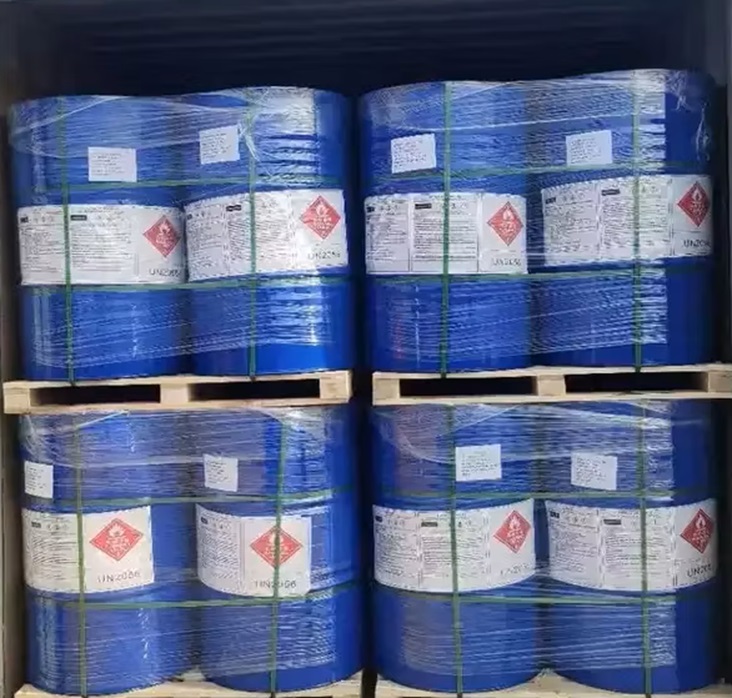
| Storage Temperature | Below +30°C, cool, ventilated area, closed iron drums |
Description: Propylene Carbonate has very low acute oral toxicity (LD50 34,900 mg/kg rat). It causes moderate skin and eye irritation. It is not classified as a carcinogen, mutagen, or reproductive toxicant. It is flammable and should be stored away from heat, open flames, and oxidizing agents. Alcohol-resistant foam is recommended for fire extinguishing.
ITEM 18: ENVIRONMENTAL AND STRATEGIC IMPORTANCE
| Parameter | Description |
|---|---|
| Green Chemistry | Production via CO₂ chemical fixation reduces greenhouse gas emissions |
| Sustainable Technology | Contributes to carbon capture and utilization |
| Energy Sector | Critical role as an electrolyte in lithium-ion batteries |
| Industrial Versatility | Broad applications as solvent and raw material |
| Renewable Feedstock | Potential for production from bio-based sources |
| Biodegradability | Readily biodegradable |
| VOC Emissions | Low VOC emissions due to low volatility |
Description: Propylene Carbonate has significant environmental and strategic importance. Its production via CO₂ fixation (reaction of propylene oxide with carbon dioxide) contributes to greenhouse gas reduction and carbon capture utilization. Its critical role as a lithium-ion battery electrolyte solvent supports the transition to sustainable energy storage. Its industrial versatility as both a solvent and chemical intermediate makes it a valuable material across multiple sectors.
ITEM 19: STORAGE AND SHELF LIFE
| Parameter | Description |
|---|---|
| Storage Temperature | Below +30°C |
| Storage Conditions | Cool, dry, well-ventilated area |
| Moisture | Keep away from moisture; store in tightly closed containers |
| Light | Protect from direct sunlight |
| Materials to Avoid | Strong oxidizers, acids, bases, open flames |
| Packaging Materials | Stainless steel, iron drums, HDPE |
| Shelf Life | 24 months (unopened, recommended conditions) |
| Signs of Degradation | Discoloration, odor change, acidity increase |
Description: Propylene Carbonate should be stored below +30°C in a cool, dry, well-ventilated area. Store in tightly closed containers to prevent moisture absorption. Keep away from strong oxidizers, acids, bases, and open flames. The shelf life is typically 24 months when stored under recommended conditions.
ITEM 20: SYNONYMS AND ALIASES
| Name | Description |
|---|---|
| Propylene Carbonate | Most common name |
| 1,2-Propanediol Carbonate | Chemical name |
| 4-Methyl-1,3-dioxol-2-one | IUPAC name |
| 1-Methylethylene Carbonate | Chemical name |
| Cyclic Carbonate | Class name |
| Carbonic Acid Propylene Ester | Chemical name |
| Carbonic Acid Cyclic Methylethylene | Chemical name |
| PC | Abbreviation |
| 4-Methyl-1,3-dioxolan-2-one | Chemical name |
| 1,2-Propylene Carbonate | Alternative name |
| C4H6O3 | Chemical formula |
QUALITY AND CERTIFICATION SUMMARY
| Certificate / Standard | Status |
|---|---|
| ISO 9001:2015 | Certified manufacturing sites |
| REACH (EC 1907/2006) | Registered and compliant |
| FDA 21 CFR | Approved for use |
| GHS | Xi - Irritant (R36) |
| Halal | Available upon request |
| Kosher | Available upon request |
| Vegan | Suitable |
Disclaimer: This Technical Data Sheet provides typical values for reference purposes only. All values are based on standard laboratory measurements and do not constitute a binding specification. For binding properties, please request the Certificate of Analysis (COA) for each specific batch. The user is solely responsible for determining product suitability for their intended application and for compliance with all applicable regulations. Safety Data Sheet (SDS) must be requested from the supplier before use.