We unleash your business potential by maximize the business innovation.
Send EmailUrea, Carbamide, Carbonyldiamide, Ureum, Carbonyl Diamine, 57-13-6
UREA (CARBAMIDE)
PRODUCT IDENTIFICATION INFORMATION
| Parameter | Information |
|---|---|
| Product Name | Urea |
| Chemical Name | Urea (Carbamide) |
| Synonyms (Turkish) | Üre, Karbamit, Karbamid, Üreum |
| Synonyms (English) | Urea, Carbamide, Carbonyldiamide, Ureum, Carbonyl Diamine |
| CAS Number | 57-13-6 |
| EC Number | 200-315-5 |
| Molecular Formula | CO(NH₂)₂ (CH₄N₂O) |
| Molecular Weight | 60.06 g/mol |
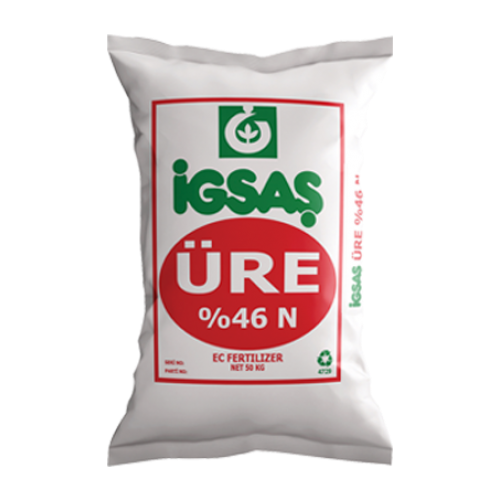
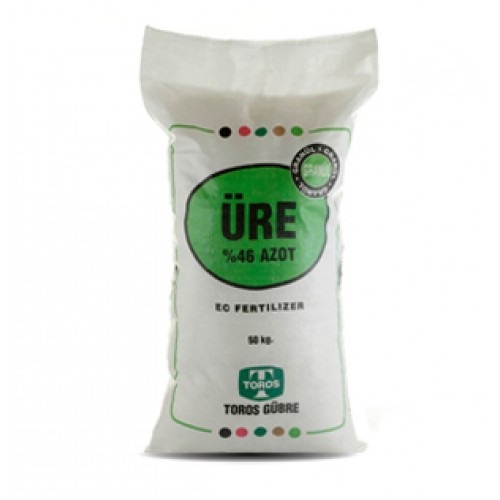
| Appearance | White crystalline solid, granules or prills |
| Odor | Odorless (may have slight ammonia odor upon decomposition) |
| Taste | Cooling, bitter taste |
CHEMICAL STRUCTURE
Urea Structure:
        O
        ||
    H₂N—C—NH₂
Structure Description:
-
Organic compound (amide) containing a carbonyl group (C=O) bonded to two amine groups (-NH₂).
-
White, crystalline solid, odorless.
-
Highly soluble in water.
-
Neutral pH in aqueous solution (neither acidic nor alkaline).
-
Contains ~46% nitrogen (the highest nitrogen content among common solid fertilizers).
-
Natural metabolite in mammals (end product of protein metabolism; excreted in urine).
SECTION 1: CHEMICAL IDENTITY AND DESCRIPTION
| Parameter | Information |
|---|---|
| Product Name | Urea |
| Chemical Name | Urea (Carbamide) |
| Synonyms (Turkish) | Üre, Karbamit, Karbamid, Üreum |
| Synonyms (English) | Urea, Carbamide, Carbonyldiamide, Ureum, Carbonyl Diamine |
| CAS Number | 57-13-6 |
| EC Number | 200-315-5 |
| Molecular Formula | CO(NH₂)₂ (CH₄N₂O) |
| Molecular Weight | 60.06 g/mol |
| Chemical Class | Organic amide; Nitrogen compound; Fertilizer |
| Source | Synthetic (industrial synthesis from ammonia and CO₂) |
| Physical State (20°C) | Solid (crystalline, granules or prills) |
| Odor | Odorless (may have slight ammonia odor upon decomposition) |
| Color | White |
| Taste | Cooling, bitter taste |
SECTION 2: PHYSICAL AND CHEMICAL PROPERTIES
| Property | Value | Test Method / Note |
|---|---|---|
| Appearance | White crystalline solid, granules or prills | Visual |
| Odor | Odorless (slight ammonia odor upon decomposition) | Olfactometric |
| Molecular Weight | 60.06 g/mol | Calculated |
| Density | 1.32 g/cm³ | ASTM D4052 |
| Melting Point | 132.7°C | DSC |
| Boiling Point | Decomposes (~135°C) | – |
| Decomposition Temperature | ~135°C (releases ammonia and CO₂) | – |
| Solubility in Water (20°C) | ~108 g/100 mL (high solubility) | General Method |
| Solubility in Ethanol | Slightly soluble | General Method |
| Solubility in Organic Solvents | Slightly soluble | General Method |
| pH (10% Solution) | ~7.0 (neutral) | pH Meter |
| Dissolution Heat | Endothermic (absorbs heat when dissolved) | – |
| Stability | Stable under normal conditions | – |
| Hygroscopicity | Moderate | – |
| Nitrogen Content | ~46.6% (highest among solid fertilizers) | Kjeldahl |
| Heavy Metals (as Pb) | ≤ 10 ppm | AAS / ICP |
| Arsenic (As) | ≤ 2 ppm | AAS / ICP |
| Lead (Pb) | ≤ 2 ppm | AAS / ICP |
| Biuret Content | ≤ 1.0% (fertilizer grade) | HPLC |
| Moisture Content | ≤ 0.5% | Karl Fischer |
| Assay (Urea) | ≥ 98.0 – 99.5% (grade dependent) | HPLC / Titrimetric |
SECTION 3: UREA vs OTHER NITROGEN FERTILIZERS
| Property | Urea (46-0-0) | Ammonium Nitrate (34-0-0) | Ammonium Sulfate (21-0-0) | Calcium Nitrate (15.5-0-0) |
|---|---|---|---|---|
| CAS Number | 57-13-6 | 6484-52-2 | 7783-20-2 | 10124-37-5 |
| Nitrogen Content | ~46% | ~34% | ~21% | ~15.5% |
| Nitrogen Form | Amide (converted to NH₄⁺ and NO₃⁻) | NH₄⁺ + NO₃⁻ | NH₄⁺ | NO₃⁻ |
| pH Effect on Soil | Slightly acidifying | Acidifying | Strongly acidifying | Alkaline |
| Solubility in Water | Very high | Very high | High | Very high |
| Explosive Potential | No (low) | Yes (as oxidizer) | No | No |
| Hygroscopicity | Moderate | Moderate | Low | High |
| Leaching Potential | Moderate | High | Low | High |
| Cost (per unit N) | Low | High | High | High |
SECTION 4: MECHANISM OF ACTION
| Property | Description |
|---|---|
| Fertilizer (Nitrogen Source) | Provides plant-available nitrogen; Urease enzyme converts urea to ammonium (NH₄⁺); Nitrification converts ammonium to nitrate (NO₃⁻); Plants absorb both ammonium and nitrate; Promotes vegetative growth, leaf development, and chlorophyll production. |
| Decomposition | Decomposes upon heating: CO(NH₂)₂ + H₂O → CO₂ + 2NH₃; Releases ammonia (NH₃) and carbon dioxide (CO₂); Can volatilize if not incorporated into soil. |
| Hydrolysis | Urease enzyme catalyzes hydrolysis: CO(NH₂)₂ + 2H₂O → (NH₄)₂CO₃; Produces ammonium carbonate; Can cause ammonia volatilization and pH increase. |
| Nitrification | Soil bacteria oxidize ammonium to nitrite (NO₂⁻) and then to nitrate (NO₃⁻); Nitrate is readily absorbed by plants; Nitrification is pH-dependent (optimal at neutral pH). |
| Denitrification | In waterlogged soils, nitrate can be converted to nitrogen gas (N₂) by denitrifying bacteria; Nitrogen loss to the atmosphere; Can be minimized by proper application timing. |
| Endothermic Dissolution | Urea dissolves in water with heat absorption (endothermic); Solution temperature drops as urea dissolves; Cooling effect in solution. |
SECTION 5: PRODUCTION PROCESS
Industrial Production Method (Bosch-Meiser Process):
Process Flow:
Ammonia (NH₃) + Carbon Dioxide (CO₂) → Ammonium Carbamate (NH₂COONH₄) → Urea (CO(NH₂)₂) + Water
Step-by-Step Description:
Step 1: Ammonia and CO₂ Reaction
2NH₃ + CO₂ → NH₂COONH₄ (Ammonium Carbamate)
Step 2: Dehydration to Urea
NH₂COONH₄ → CO(NH₂)₂ + H₂O
Process Details:
-
Raw Materials: Ammonia (NH₃) and carbon dioxide (CO₂) are compressed to high pressure (150-250 bar) and heated to 180-210°C.
-
Reaction: Ammonia and CO₂ react to form ammonium carbamate in the first reaction step.
-
Dehydration: Ammonium carbamate dehydrates to form urea and water (equilibrium reaction).
-
Separation: Urea is separated from the reaction mixture.
-
Purification: Crude urea is purified by evaporation and crystallization.
-
Prilling/Granulation: Urea is formed into prills or granules for agricultural use.
-
Final Product: White granular or prilled urea (46% N).
Important: The reaction is reversible and equilibrium-limited. Unreacted ammonia and CO₂ are recycled.
SECTION 6: FUNCTIONAL PROPERTIES
| Property | Description |
|---|---|
| Fertilizer (Nitrogen Source) | High nitrogen content (~46% N); Most commonly used nitrogen fertilizer; Supports vegetative growth and chlorophyll production; Used in agriculture globally. |
| Chemical Intermediate | Precursor for urea-formaldehyde resins; Used in adhesives and glues (plywood, particleboard); Used in melamine production; Used in animal feed supplements. |
| De-icing Agent | Used as a de-icing agent (runway, sidewalks); Lowers freezing point of water; Environmentally friendly alternative to salts. |
| Pharmaceutical | Used in topical formulations (keratolytic agent, skin softener); Used in dermatology (treatment of hyperkeratosis); Used as a diuretic (rare). |
| Industrial Uses | Used in production of urea nitrate (explosives); Used as a stabilizer in explosives (with nitrocellulose); Used in diesel exhaust fluid (DEF / AdBlue) for SCR systems; Used in hair removal products; Used in some cosmetic products. |
SECTION 7: MAIN APPLICATION AREAS
| Industry / Application | Function | Typical Use |
|---|---|---|
| Agriculture (Fertilizer) | Nitrogen fertilizer, nutrient source | Grain crops (corn, wheat, rice); Vegetables; Fruits; Pastures; Foliar spray; Fertigation; Side-dressing; Top-dressing; Dosage: 50-300 kg/ha (depending on crop and soil). |
| Chemical Industry | Chemical intermediate, raw material | Urea-formaldehyde resin production; Melamine production; Adhesives (plywood, particleboard); Urea nitrate production; Plastic additives; Coating resins. |
| Animal Feed | Nitrogen supplement for ruminants | Cattle, sheep, and goat feed; Non-protein nitrogen (NPN) source; Used as a protein substitute; Dosage: 1-3% of feed concentrate. |
| Automotive (DEF) | Diesel exhaust fluid (AdBlue) | SCR (Selective Catalytic Reduction) systems; Reduces NOx emissions in diesel engines; 32.5% urea solution in deionized water; Used in trucks, buses, and modern diesel vehicles. |
| Cosmetics & Personal Care | Humectant, keratolytic agent | Skin care products (moisturizers, creams); Hair removal products (depilatories); Nail care products; Topical dermatological preparations. |
| Pharmaceutical | Excipient, diuretic (rare) | Topical formulations; Dermatological products (keratolytic); Used in some drug formulations. |
| Environmental | De-icing agent | Runway de-icing; Sidewalk de-icing; Snow and ice melting; Environmentally friendly alternative. |
| Explosives | Stabilizer, explosive precursor | Urea nitrate (explosive); Stabilizer in nitrocellulose-based explosives. |
SECTION 8: SAMPLE FORMULATIONS
Fertilizer Application (Broadcast):
| Component | Amount |
|---|---|
| Urea (46% N) | 50 – 300 kg/ha |
| Application Timing | Before planting or during growth |
| Application Method | Broadcast, side-dress, top-dress, or fertigation |
Instructions: Apply urea based on soil test results; Incorporate into soil immediately to reduce ammonia volatilization; Apply when soil moisture is adequate; Avoid application to wet foliage.
Diesel Exhaust Fluid (AdBlue / DEF) – 32.5% Urea Solution:
| Component | Amount |
|---|---|
| Urea (High Purity) | 32.5 kg |
| Deionized Water | To 100 L |
Instructions: Dissolve high-purity urea in deionized water; Ensure complete dissolution; Filter to remove impurities; Store in appropriate containers; Use in SCR systems.
SECTION 9: QUALITY SPECIFICATIONS
| Parameter | Fertilizer Grade (Prilled/Granular) | Industrial Grade | Pharmaceutical Grade | Automotive Grade (DEF) | Test Method |
|---|---|---|---|---|---|
| Appearance | White granules/prills | White crystals | White crystals | White crystals | Visual |
| Assay (Urea) | ≥ 98.0% | ≥ 99.0% | ≥ 99.5% | ≥ 99.5% | HPLC / Titrimetric |
| Nitrogen Content | ≥ 46.0% | ≥ 46.0% | ≥ 46.5% | ≥ 46.5% | Kjeldahl |
| Biuret Content | ≤ 1.0% | ≤ 0.5% | ≤ 0.1% | ≤ 0.3% | HPLC |
| Moisture | ≤ 0.5% | ≤ 0.5% | ≤ 0.3% | ≤ 0.3% | Karl Fischer |
| pH (10% Solution) | 6.0 – 8.0 | 6.0 – 8.0 | 6.0 – 8.0 | 6.0 – 8.0 | pH Meter |
| Heavy Metals (as Pb) | ≤ 10 ppm | ≤ 10 ppm | ≤ 5 ppm | ≤ 5 ppm | AAS / ICP |
| Insoluble Matter | ≤ 0.1% | ≤ 0.05% | ≤ 0.02% | ≤ 0.01% | Gravimetric |
| Particle Size | 1-4 mm | Customer requirement | Customer requirement | Customer requirement | Sieve |
SECTION 10: TOXICOLOGICAL PROFILE
| Parameter | Value |
|---|---|
| Acute Oral Toxicity (LD50, Rat) | ~ 8,500 mg/kg (very low toxicity) |
| Acute Dermal Toxicity | Low toxicity; Non-irritating |
| Skin Irritation | Non-irritating |
| Eye Irritation | Mildly irritating |
| Inhalation Toxicity | May cause respiratory irritation (dust) |
| Chronic Toxicity | Low toxicity; No significant adverse effects at normal use levels |
| Carcinogenicity | Not classified as carcinogenic |
| Mutagenicity | Not mutagenic |
| Reproductive Toxicity | No reproductive toxicity at normal levels |
| Allergenicity | Low allergenicity |
| Acceptable Daily Intake (ADI) | Not specified (safe as a food/feed ingredient) |
| Special Toxicity Note | GRAS (Generally Recognized as Safe) for food and feed use; Low toxicity; Non-toxic at normal use levels; May cause ammonia irritation upon decomposition; Dust inhalation may cause respiratory irritation; Decomposition releases ammonia and CO₂; Generally considered safe for agricultural and industrial use. |
SECTION 11: GHS CLASSIFICATION AND LABELING
GHS Classification (in accordance with CLP and UN GHS):
| Hazard Class | Category | H-Statement |
|---|---|---|
| Not classified as hazardous according to CLP criteria | – | – |
Signal Word: None (Not classified as hazardous)
Hazard Pictograms: None
NFPA 704 Hazard Classification:
| Health | Flammability | Reactivity | Special |
|---|---|---|---|
| 0 | 0 | 0 | - |
| (Minimal health hazard) | (Non-flammable) | (Stable) | (None) |
SECTION 12: PRECAUTIONARY STATEMENTS (P-CODES)
| Code | Statement |
|---|---|
| P264 | Wash hands thoroughly after handling |
| P271 | Use only outdoors or in a well-ventilated area |
| P280 | Wear protective gloves/protective clothing/eye protection/face protection |
| P302+P352 | IF ON SKIN: Wash with plenty of soap and water |
| P304+P340 | IF INHALED: Remove person to fresh air and keep comfortable for breathing |
| P305+P351+P338 | IF IN EYES: Rinse cautiously with water for several minutes. Remove contact lenses if present and continue rinsing |
| P332+P313 | If skin irritation occurs: Get medical advice/attention |
| P337+P313 | If eye irritation persists: Get medical advice/attention |
| P362+P364 | Take off contaminated clothing and wash it before reuse |
| P403+P233 | Store in a well-ventilated place. Keep container tightly closed |
| P501 | Dispose of contents/container in accordance with local/regional/national/international regulations |
SECTION 13: FIRST AID MEASURES
| Exposure Route | Action to Take |
|---|---|
| Inhalation | Remove to fresh air immediately. If respiratory irritation develops, seek medical attention. |
| Skin Contact | Wash with plenty of soap and water. Remove contaminated clothing. If irritation persists, get medical attention. |
| Eye Contact | Rinse immediately with plenty of water for at least 15 minutes. Keep eyelids open. Remove contact lenses if present. If irritation persists, seek medical attention. |
| Ingestion | Rinse mouth. Drink plenty of water. Seek medical attention if large quantities are ingested or if feeling unwell. |
SECTION 14: FIREFIGHTING MEASURES
| Parameter | Information |
|---|---|
| Fire Hazard | Non-flammable organic material. May burn with thick smoke at high temperatures. |
| Hazards Arising from Fire | Thermal decomposition produces ammonia (NH₃), nitrogen oxides (NOx), carbon monoxide, carbon dioxide, and irritating fumes. |
| Suitable Extinguishing Media | Water spray, CO₂, dry chemical powder, foam. |
| Unsuitable Extinguishing Media | Water jet (may spread dust) |
| Special Protective Equipment | Self-contained breathing apparatus (SCBA), full protective clothing. |
| Special Precautions | Prevent dust from entering sewers and waterways. Avoid dust cloud formation. |
SECTION 15: STORAGE AND SHELF LIFE
| Parameter | Information |
|---|---|
| Storage Conditions | Store in a cool, dry, well-ventilated area; PROTECT FROM LIGHT, HEAT, and MOISTURE; Keep away from direct sunlight and high temperatures. |
| Container Requirements | Tightly closed, moisture-proof containers (PE-lined bags, HDPE containers). |
| Materials to Protect From | Moisture, heat, acids, bases, oxidizing agents |
| Shelf Life | 24 – 48 months (in unopened original packaging, under proper storage conditions). |
| Stability Note | Stable under recommended storage conditions; Hygroscopic (absorbs moisture); May cake if exposed to high humidity; Decomposes at high temperatures (releases ammonia). |
| Special Storage Requirements | Store in a dry, cool place; Avoid exposure to air and moisture; Opened containers must be resealed immediately; Keep away from sources of heat. |
SECTION 16: PACKAGING OPTIONS
| Packaging Type | Quantity | Material |
|---|---|---|
| PE-Lined Paper Bag | 25 kg, 40 kg, 50 kg | PE-lined kraft paper bag (moisture-proof) |
| Plastic Bag | 5 kg, 10 kg, 25 kg, 50 kg | PE bag (inner-lined, sealed, moisture-proof) |
| Fiber Drum | 20 kg, 25 kg | PE-lined fiberboard drum |
| Plastic Drum | 25 kg, 50 kg | HDPE / Polypropylene (moisture-proof) |
| FIBC / Big Bag | 500 kg, 1000 kg | PE-lined, moisture-resistant PP woven bag |
SECTION 17: TRANSPORT INFORMATION
| Parameter | Information |
|---|---|
| UN Number | Not regulated (non-hazardous) |
| Hazard Class | Not applicable |
| Packing Group | Not applicable |
| ADR/RID | Not regulated |
| IMDG Code | Not regulated (non-hazardous) |
| IATA (Air) | Not regulated (non-hazardous) |
| Marine Pollutant | No |
| Transport Temperature | Ambient temperature; Protect from moisture and heat. |
SECTION 18: REGULATORY STATUS
| Region / Authority | Status |
|---|---|
| European Union | Approved for use in agriculture, feed, and industrial applications; REACH registered. |
| USA (TSCA) | Listed (TSCA Inventory) |
| USA (FDA) | GRAS (Generally Recognized as Safe) ; 21 CFR 184.1923; Approved for food and feed use. |
| Turkey | Approved for agricultural, industrial, and feed use; Ministry of Agriculture approval for fertilizer use; KKDIK regulation compliance required. |
| EFSA | Approved for feed use; Safe for animal consumption; No ADI specified. |
| IARC | Not classified (non-carcinogenic) |
| NTP | Not listed |
| OSHA | Regulated as nuisance dust |
| California (Prop 65) | Not listed |
| Halal | Yes (with certification) |
| Kosher | Yes (with certification) |
| Vegan | Yes (synthetic, no animal ingredients) |
SECTION 19: OTHER NAMES AND SYNONYMS
| Type | Name |
|---|---|
| Turkish Names | Üre, Karbamit, Karbamid, Üreum |
| English Names | Urea, Carbamide, Carbonyldiamide, Ureum, Carbonyl Diamine, Diaminomethanal |
| CAS Number | 57-13-6 |
| EC Number | 200-315-5 |
| HS Code | 3102.10 |
SECTION 20: SUMMARY TABLE
| Parameter | Value |
|---|---|
| Product | Urea (Carbamide) |
| CAS Number | 57-13-6 |
| Molecular Formula | CO(NH₂)₂ (CH₄N₂O) |
| Molecular Weight | 60.06 g/mol |
| Appearance | White crystalline granules/prills |
| Melting Point | 132.7°C |
| Solubility in Water (20°C) | ~108 g/100 mL |
| Nitrogen Content | ~46.6% (highest among solid fertilizers) |
| Primary Functions | Fertilizer, chemical intermediate, feed additive, DEF |
| Main Application Areas | Agriculture, chemical industry, animal feed, automotive (DEF), cosmetics, pharmaceuticals |
| Shelf Life | 24 – 48 months |
| GHS Signal Word | None (Not classified as hazardous) |
| UN Number | Not regulated |
| Special Properties | Highest nitrogen content; Organic amide; Endothermic dissolution; Converted to ammonium by urease; Hygroscopic; GRAS status; Non-toxic; Vegan; Halal. |
SECTION 21: CRITICAL WARNINGS AND BEST PRACTICES
CRITICAL WARNINGS:
-
GRAS Status: FDA GRAS; EFSA approved; Safe for agricultural, feed, and industrial use.
-
High Nitrogen Content: 46% N; Most concentrated nitrogen fertilizer; Lowest transport cost per unit of nitrogen.
-
Volatilization: Urea can volatilize ammonia (NH₃) if not incorporated into soil; Incorporate into soil immediately after application.
-
Hygroscopic: Absorbs moisture from air; Store in tightly closed containers.
-
Caking: May cake if exposed to high humidity; Use anti-caking agents if needed.
-
Endothermic Dissolution: Absorbs heat when dissolved; Cooling effect in solution.
-
Biuret Content: High biuret content can damage crops; Use low-biuret urea for foliar applications.
-
Non-Toxic: Low toxicity; Safe at normal use levels.
-
Decomposition: Decomposes at high temperatures (>135°C) releasing ammonia and CO₂.
-
Most Common Fertilizer: The most widely used nitrogen fertilizer globally (over 90% of urea production).
BEST PRACTICE RECOMMENDATIONS:
-
Agriculture (Fertilizer): Apply as nitrogen fertilizer; Dosage: 50-300 kg/ha; Based on soil test results; Incorporate into soil immediately to reduce volatilization; Apply when soil moisture is adequate; Avoid application to wet foliage; Use low-biuret urea for foliar applications; Use urease inhibitors if needed.
-
Animal Feed: Use as non-protein nitrogen (NPN) source for ruminants; Dosage: 1-3% of feed concentrate; Mix thoroughly; Ensure adequate carbohydrate sources; Use with caution; Follow feed safety guidelines.
-
Chemical Industry: Use as chemical intermediate; Urea-formaldehyde resin production; Melamine production; Adhesive production; Urea nitrate production; Follow industrial safety protocols.
-
Automotive (DEF): Use high-purity urea for DEF/AdBlue; Concentration: 32.5%; Use deionized water; Store in appropriate containers; Protect from contamination.
-
Cosmetics: Use as humectant and keratolytic agent; Dosage: 1-20% depending on product; Dissolve in water phase; Use in moisturizers, creams, and hair removal products.
-
Handling: Use in well-ventilated areas; Avoid dust formation; Use dust masks when handling powder; Use gloves and safety goggles.
-
Personal Protective Equipment: Dust mask (N95/FFP2) if dust is generated, safety goggles, chemical-resistant gloves, protective clothing.
-
Hygiene: Wash hands thoroughly after handling; Do not eat, drink, or smoke while using; Remove contaminated clothing and wash before reuse.
-
Storage: Store in tightly closed, moisture-proof containers; Store in cool, dry, well-ventilated area; Protect from moisture and heat; Opened containers must be resealed immediately; Shelf life: 24-48 months under proper conditions.
-
Spill Management: Sweep or vacuum (HEPA) and place in suitable sealed container; Avoid dust formation; Do not allow entry into drains or waterways; Dissolve in water if necessary.
-
Disposal: Dispose of in accordance with local, regional, and national regulations; Non-hazardous waste; Can be dissolved and discharged (check local regulations).
DETECTION METHODS:
| Method | Description | Advantages | Disadvantages |
|---|---|---|---|
| Kjeldahl Method | Nitrogen determination | Standard method, accurate | Time-consuming |
| HPLC | Quantitative analysis of urea | High sensitivity, accurate | High cost, requires expertise |
| Urease Method | Enzymatic determination | Specific, sensitive | Requires enzyme reagent |
| Colorimetric (DMAB) | p-Dimethylaminobenzaldehyde method | Simple, rapid | Requires specific reagent |
| Refractometry | Brix measurement | Rapid, simple | Not specific |
| pH Meter | pH of solution | Simple, rapid | Indicative only |
UREA vs ALTERNATIVES COMPARISON:
| Product | Chemical Name / E Code | Application | Strength | Weakness | Status |
|---|---|---|---|---|---|
| Urea | CO(NH₂)₂ | Fertilizer, industry, feed | Highest N content, cheap, versatile | Volatilization, caking, hygroscopic | Widely approved |
| Ammonium Nitrate | NH₄NO₃ | Fertilizer, explosives | Fast N release, both NH₄⁺ and NO₃⁻ | Explosive hazard, security risk | Regulated |
| Ammonium Sulfate | (NH₄)₂SO₄ | Fertilizer | Sulfur + nitrogen, safe | Low N content (21%), acidifying | Widely approved |
| Calcium Nitrate | Ca(NO₃)₂ | Fertilizer | Quick nitrate nitrogen, soil-friendly | Low N content (15.5%), higher cost | Widely approved |
| UAN (Solution) | Urea + Ammonium Nitrate | Liquid fertilizer | Convenient, easy application | Lower concentration, transport cost | Widely approved |
LEGAL DISCLAIMER:
The information provided in this document is based on our current knowledge and experience and is presented in good faith. However, as all conditions of use are beyond our control, it does not constitute a binding specification or warranty. This Technical Data Sheet is for informational purposes only. Users are responsible for testing the suitability for their own applications and for complying with all local, regional, and national regulations. For complete safety, storage, use, handling, waste, and regulatory compliance information, please refer to the official Safety Data Sheet (SDS/MSDS) provided by the manufacturer/supplier.