We unleash your business potential by maximize the business innovation.
Send EmailPotassium Iodate, Potassium Iodide, 7681-11-0
Potassium Iodate (KIO₃): A Comprehensive Overview
Potassium iodate is an inorganic chemical compound with the formula KIO₃. It is the potassium salt of iodic acid and is best known as a powerful oxidizing agent. It plays a critical role in public health, food processing, and various industrial applications.
1. General Information & Identification
-
Chemical Name: Potassium Iodate
-
Other Names: Iodic Acid Potassium Salt
-
CAS Number: 7758-05-6
-
Molecular Formula: KIO₃
-
Molecular Weight: 214.001 g/mol
-
Composition: It is composed of a Potassium cation (K⁺) and an Iodate anion (IO₃⁻).
2. Production Methods
Potassium iodate can be produced through several chemical processes. The two most common methods are:
-
Reaction of Iodine with Potassium Hydroxide (Most Common):
Elemental iodine (I₂) is added to a hot, concentrated solution of potassium hydroxide (KOH). This reaction yields a mixture of potassium iodate and potassium iodide (KI). Potassium iodate is then separated and purified from this mixture, typically through fractional crystallization due to differences in solubility.Reaction: 3I₂ + 6KOH → KIO₃ + 5KI + 3H₂O
-
Oxidation of Potassium Iodide:
Potassium iodide (KI) is boiled with a strong oxidizing agent, such as potassium chlorate (KClO₃), potassium bromate (KBrO₃), or potassium perchlorate (KClO₄). The reaction produces potassium iodate and a corresponding salt by-product (e.g., potassium chloride). The product is then extracted with water and purified through crystallization.Reaction: KI + KClO₃ → KIO₃ + KCl
3. Physical and Chemical Properties
-
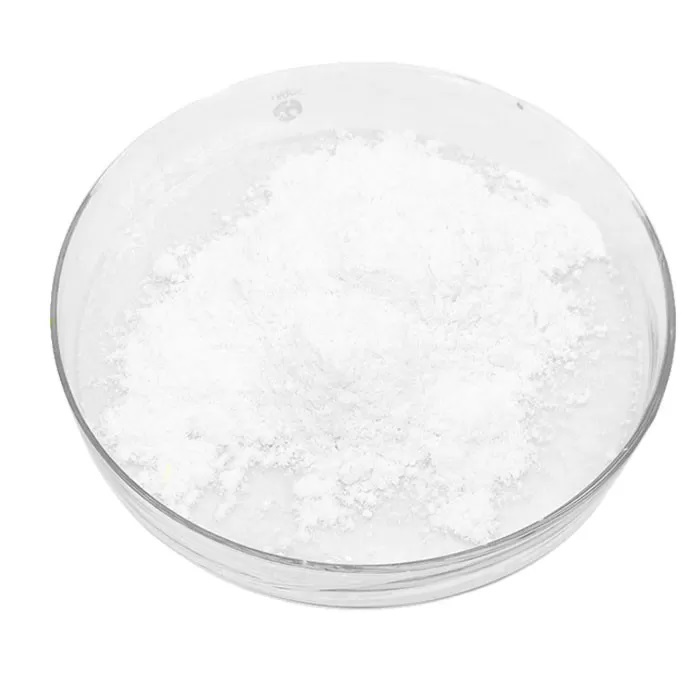
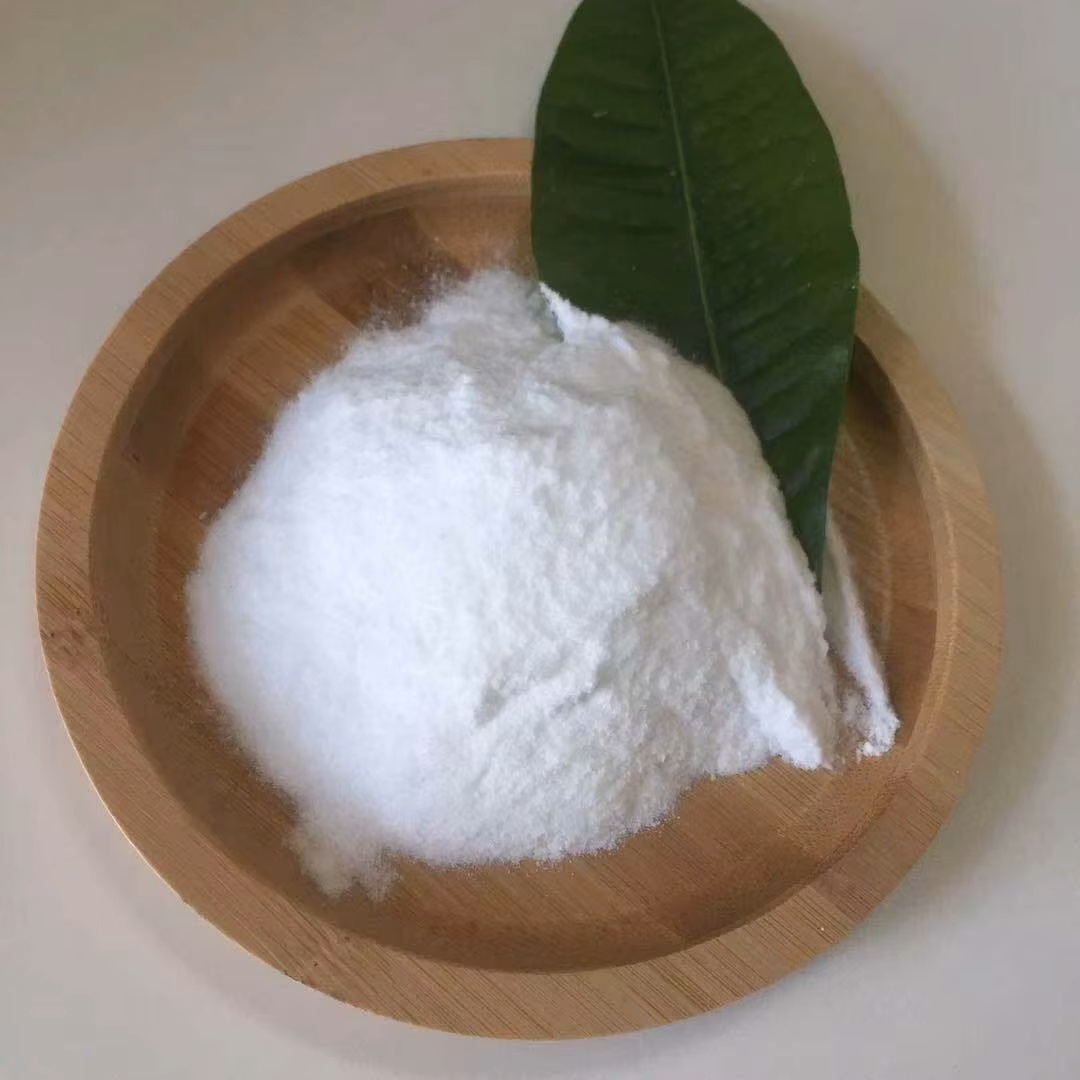
Appearance: Colorless, white crystalline powder, or monoclinic crystals. It is odorless.
-
Melting Point: 560 °C (1,040 °F). It decomposes upon further heating, releasing oxygen.
-
Boiling Point: Not applicable (decomposes before boiling).
-
Density: 3.98 g/cm³.
-
Solubility: Moderately soluble in water. Its solubility increases significantly with temperature.
-
At 25°C: approx. 9 g/100 mL of water.
-
At 100°C: 32.3 g/100 mL of water.
-
-
Chemical Stability: It is a strong oxidizer. It is stable under normal conditions but can react violently or cause fires when in contact with organic materials, reducing agents, sulfur, or metal powders. When heated to decomposition or mixed with acids, it emits toxic iodine vapors.
4. Applications and Uses
Potassium iodate has a wide range of applications across different sectors:
-
Food Industry:
-
Flour Treatment Agent: It is used as a dough conditioner and maturing agent in bread making. It strengthens the protein network (gluten) in the dough, resulting in better volume and texture.
-
Iodization of Salt: This is one of its most important global uses. It is added to table (edible) salt to prevent iodine deficiency disorders, such as goiter and cretinism. Compared to Potassium Iodide (KI), KIO₃ is more stable in hot and humid climates, making it the preferred choice for salt iodization in tropical regions.
-
-
Medical and Pharmaceutical Applications:
-
Antiseptic Solutions: It serves as a source of iodine in topical antiseptic formulations (gargles, sprays) used to treat infections of the mucous membranes (mouth, throat). Iodine is a broad-spectrum antimicrobial agent.
-
Radiation Protection (Thyroid Blocking): In the event of a nuclear accident, radioactive iodine (I-131) can be released. Taking stable iodine (in the form of Potassium Iodate or Potassium Iodide) saturates the thyroid gland, preventing the uptake of the harmful radioactive isotope. Both forms are approved for this use in different countries.
-
-
Laboratory and Analytical Chemistry:
-
Oxidizing Agent: It is widely used as a primary standard in redox titrations, particularly for standardizing sodium thiosulfate solutions.
-
Analytical Reagent: It is a key reagent in the quantitative analysis of various pharmaceutical substances, including Benzalkonium chloride, Cetrimide, and Hydralazine hydrochloride.
-
-
Agriculture and Animal Feed:
-
Feed Additive: It is added to animal feed as a source of iodine, an essential trace element for the healthy growth and metabolism of livestock.
-
-
Other Industrial Uses:
-
Antimicrobial Products: Used in the manufacture of cleaning agents and fungicides.
-
Chemical Synthesis: Acts as an oxidation source in various chemical reactions.
-
5. Safety, Handling, and Storage
Due to its oxidizing nature, potassium iodate must be handled with care.
-
Hazards:
-
Fire Risk: Contact with combustible materials (paper, wood, oils) can cause fire.
-
Health Risks: It is irritating to the skin, eyes, and respiratory tract. Ingestion or inhalation of large amounts can be harmful, potentially causing iodism (iodine poisoning).
-
Toxic Fumes: When heated or in contact with acids, it releases toxic iodine vapor.
-
-
Storage Recommendations:
-
Store in a cool, dry, and well-ventilated area.
-
Keep the container tightly closed.
-
Critical Separation: Store away from any incompatible materials, including:
-
Reducing agents (e.g., hydrazine, sulfites)
-
Organic substances (e.g., charcoal, wood, oils)
-
Finely powdered metals (e.g., aluminum, magnesium)
-
Acids
-
-
-
Personal Protective Equipment (PPE): Recommended PPE includes chemical-resistant gloves, safety goggles, and protective clothing.