We unleash your business potential by maximize the business innovation.
Send EmailPotassium Iodate, Potassium Iodide, 7758-05-6
POTASSIUM IODATE
PRODUCT IDENTIFIER INFORMATION
| Parameter | Information |
|---|---|
| Product Name | Potassium Iodate |
| Chemical Name (IUPAC) | Potassium Iodate |
| CAS Number | 7758-05-6 |
| EC Number (EINECS) | 231-831-9 |
| Molecular Formula | KIO3 |
| Molecular Weight | 214.00 g/mol |
SECTION 1: CHEMICAL IDENTITY AND DESCRIPTION
| Parameter | Information |
|---|---|
| Chemical Name (IUPAC) | Potassium Iodate |
| Other Names | Iodic Acid Potassium Salt, Potassium Iodate (V) |
| CAS Number | 7758-05-6 |
| EC Number (EINECS) | 231-831-9 |
| Molecular Formula | KIO3 |
| Molecular Weight | 214.00 g/mol |
| Chemical Class | Inorganic salt (potassium salt of iodic acid) |
| Composition | One potassium cation (K+) and one iodate anion (IO3-) |
| Physical State (20°C) | Solid (colorless crystals, white crystalline powder, or monoclinic crystals) |
| Odor | Odorless |
| Chemical Character | Strong oxidizing agent |
SECTION 2: PHYSICAL AND CHEMICAL PROPERTIES
| Property | Value | Test Method |
|---|---|---|
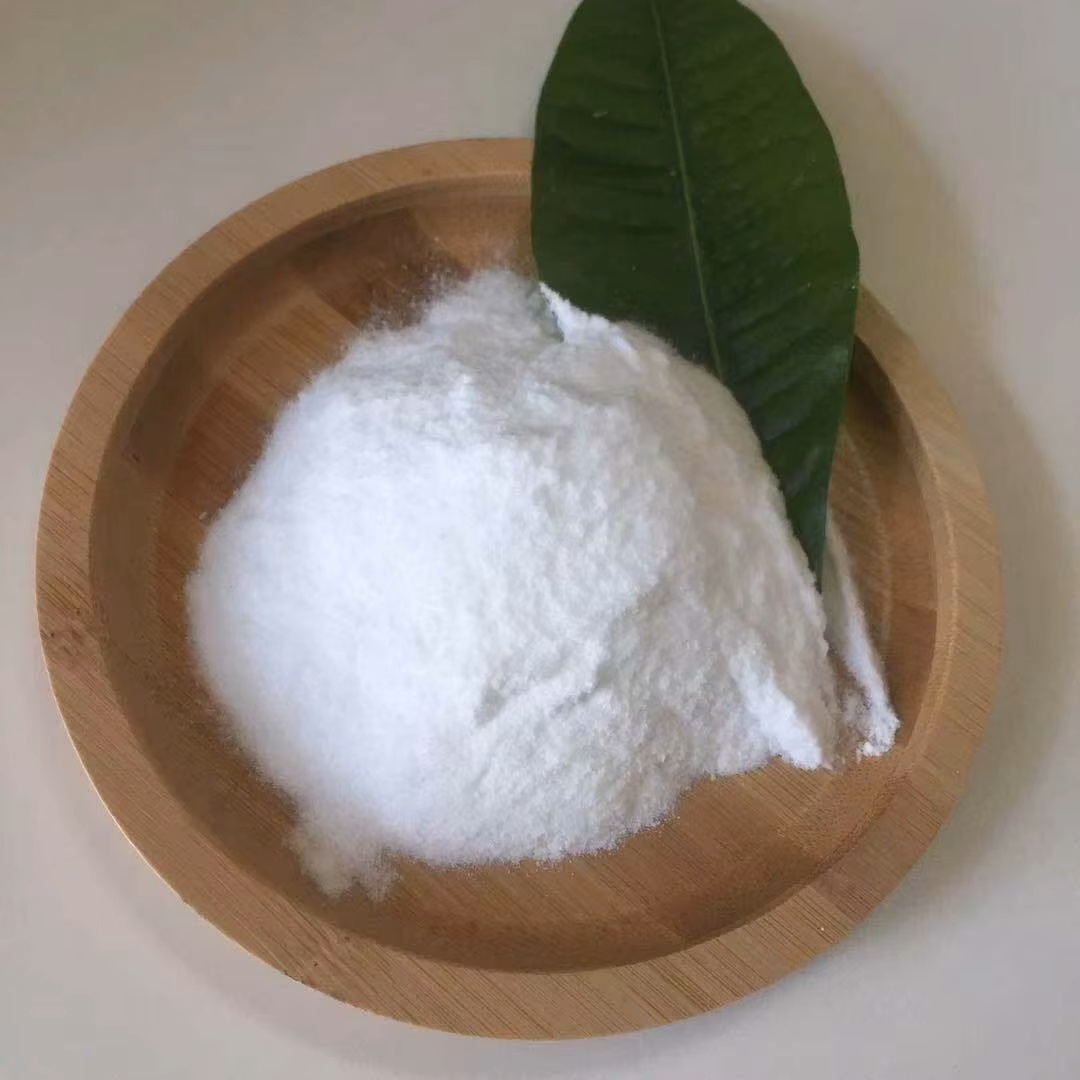
| Appearance | Colorless crystals or white crystalline powder | Visual |
| Odor | Odorless | Olfactometric |
| Molecular Weight | 214.00 g/mol | Calculated |
| Crystal Structure | Monoclinic | XRD |
| Melting Point | 560°C (decomposition begins upon melting) | DSC |
| Boiling Point | Not specified (decomposes before boiling) | Not applicable |
| Density (25°C) | 3.98 g/cm3 | ASTM D4052 |
| Solubility in Water (25°C) | ~9 g/100 mL (moderately soluble) | Gravimetric |
| Solubility in Water (100°C) | 32.3 g/100 mL | Gravimetric |
| Solubility in Ethanol | Practically insoluble | General Method |
| Solubility in Acetone | Insoluble | General Method |
| pH (5% solution, 25°C) | 5.0 - 7.0 | pH Meter |
| Decomposition Temperature | >560°C (decomposes releasing oxygen) | TGA |
| Oxidizing Property | Strong oxidizer | OECD Test 429 |
| Flash Point | Non-flammable, but may intensify fire | Not applicable |
| Explosive Property | Not explosive, but may form explosive mixtures with organic materials | Not applicable |
SECTION 3: CHEMICAL PROPERTIES AND REACTIVITY
| Parameter | Information |
|---|---|
| Chemical Character | Strong oxidizing agent |
| Stability | Stable under normal conditions |
| Decomposition Products (Heating) | Potassium iodide (KI) + Oxygen (O2); toxic iodine vapors (I2) upon contact with acids |
| Incompatible Materials | Organic materials, reducing agents, sulfur, metal powders (aluminum, magnesium, zinc), strong acids, ammonium compounds |
| Reaction with Acids | Releases iodine (I2) upon contact with acids; forms toxic purple vapors |
| Reaction with Combustible Materials | Contact with combustible materials (paper, wood, oils) may cause fire |
| Reaction with Reducing Agents | Violent reaction; fire and explosion risk |
| Hazardous Polymerization | Does not occur |
SECTION 4: PRODUCTION METHODS
| Method | Description | Chemical Reaction |
|---|---|---|
| Reaction of Iodine with Potassium Hydroxide (Most Common) | Elemental iodine (I2) is added to hot, concentrated KOH solution; KIO3 is separated from the resulting KIO3 and KI mixture by fractional crystallization | 3I2 + 6KOH → KIO3 + 5KI + 3H2O |
| Oxidation of Potassium Iodide | Potassium iodide (KI) is boiled with a strong oxidizing agent such as KClO3, KBrO3, or KClO4; product is extracted with water and purified by crystallization | KI + KClO3 → KIO3 + KCl |
SECTION 5: COMPARISON OF POTASSIUM IODATE AND POTASSIUM IODIDE
| Property | Potassium Iodate (KIO3) | Potassium Iodide (KI) |
|---|---|---|
| CAS Number | 7758-05-6 | 7681-11-0 |
| Molecular Formula | KIO3 | KI |
| Molecular Weight | 214.00 g/mol | 166.00 g/mol |
| Iodine Content | ~59.3% | ~76.4% |
| Chemical Character | Strong oxidizing agent | Slightly reducing (oxidizes in air) |
| Stability (Humid/Hot Climate) | Very stable; unaffected by moisture | Less stable; loses iodine through oxidation in humid conditions |
| Suitability for Salt Iodization | Preferred for tropical regions | Suitable for temperate/dry regions |
| Taste Profile | Slightly metallic/bitter (less pronounced) | Metallic/bitter |
| Oxidizing Property | Yes (strong) | No (reducing) |
| Food Additive Code | E917 (not approved in EU) | E917 (not approved in EU) |
| Radiation Protection (Thyroid Blocking) | Yes (approved in some countries) | Yes (more common) |
| Primary Use | Salt iodization, flour treatment, analytical reagent | Salt iodization, radiation protection, dietary supplement |
SECTION 6: FUNCTIONAL PROPERTIES AND MECHANISM OF ACTION
| Property | Description |
|---|---|
| Salt Iodization | Added to table salt to prevent iodine deficiency disorders (goiter, cretinism); more stable than KI in humid and hot climates |
| Flour Treatment Agent | Dough conditioner and maturing agent in bread making; strengthens gluten network improving bread volume and texture |
| Antiseptic Effect | Source of iodine in topical antiseptics for mucosal membrane infections (oral, throat); broad-spectrum antimicrobial |
| Radiation Protection | Saturates thyroid gland with stable iodine to prevent uptake of radioactive iodine (I-131) during nuclear emergencies |
| Oxidizing Agent (Analytical) | Primary standard in redox titrations; used for standardization of sodium thiosulfate solutions |
| Feed Additive | Source of essential trace element iodine in animal feed; required for healthy growth and metabolism |
SECTION 7: PRIMARY APPLICATION AREAS
| Sector | Application | Grade Used |
|---|---|---|
| Food Industry | Iodization of table salt (prevention of iodine deficiency disorders) | Food Grade |
| Food Industry | Flour treatment agent; dough conditioner and maturing agent in bread | Food Grade |
| Medical / Pharmaceutical | Topical antiseptic solutions (mouthwash, spray) | Pharmaceutical Grade |
| Medical / Pharmaceutical | Radiation protection (thyroid blocking) - in nuclear emergencies | Pharmaceutical Grade |
| Laboratory / Analytical Chemistry | Primary standard oxidizing agent in redox titrations | Analytical Grade |
| Laboratory / Analytical Chemistry | Reagent in quantitative analysis of pharmaceutical substances (Benzalkonium Chloride, Cetrimide, Hydralazine HCl) | Analytical Grade |
| Agriculture / Animal Feed | Feed additive as iodine source in animal nutrition | Feed Grade |
| Industrial | Manufacturing of antimicrobial cleaning products and fungicides | Industrial Grade |
| Industrial | Oxidation source in chemical syntheses | Industrial Grade |
SECTION 8: QUALITY SPECIFICATIONS (FOOD GRADE)
| Parameter | Specification | Test Method |
|---|---|---|
| Appearance | White crystalline powder | Visual |
| Odor | Odorless | Olfactometric |
| Purity (KIO3, Dry Basis) | 99.0 - 101.0% | Iodometric Titration |
| Loss on Drying (105°C) | ≤ 0.5% | Gravimetric |
| pH (5% solution) | 5.0 - 7.0 | pH Meter |
| Water Insoluble Matter | ≤ 0.01% | Gravimetric |
| Chloride and Bromide (as Cl) | ≤ 0.01% | Argentometric |
| Sulfate (SO4 2-) | ≤ 0.005% | Turbidimetric |
| Heavy Metals (as Pb) | ≤ 10 ppm | ICP-MS |
| Lead (Pb) | ≤ 2 ppm | ICP-MS |
| Arsenic (As) | ≤ 3 ppm | ICP-MS |
| Mercury (Hg) | ≤ 1 ppm | ICP-MS |
| Cadmium (Cd) | ≤ 1 ppm | ICP-MS |
| Iron (Fe) | ≤ 10 ppm | AAS / ICP-OES |
| Iodide (I-) | ≤ 0.1% | Iodometric Titration |
SECTION 9: MICROBIOLOGICAL SPECIFICATIONS (FOOD GRADE)
| Parameter | Specification | Test Method |
|---|---|---|
| Total Mesophilic Aerobic Bacteria | ≤ 1,000 CFU/g | ISO 4833 |
| Yeast and Mold | ≤ 100 CFU/g | ISO 21527 |
| Salmonella spp. | Negative in 25g | ISO 6579 |
| Escherichia coli | Negative in 10g | ISO 16649 |
| Staphylococcus aureus | Negative in 1g | ISO 6888 |
SECTION 10: TOXICOLOGICAL PROFILE
| Parameter | Value |
|---|---|
| Acute Oral Toxicity (LD50, Rat) | ~500-800 mg/kg |
| Acute Dermal Toxicity (LD50, Rabbit) | > 2,000 mg/kg |
| Skin Irritation | Irritant |
| Eye Irritation | Severe irritant |
| Respiratory Irritation | Irritating to respiratory tract |
| Skin Sensitization | Not sensitizing |
| Carcinogenicity | Not classified (IARC, NTP) |
| Mutagenicity | Negative in in vitro tests |
| Reproductive Toxicity | May affect thyroid function at high doses |
| Chronic Toxicity (Iodism) | Long-term intake of large amounts may cause iodism (skin rash, headache, increased salivation) |
| Tolerable Upper Intake Level (UL) | 600 µg/day iodine for adults (from all sources) |
SECTION 11: GHS CLASSIFICATION AND LABELING
GHS Classification (compliant with 1272/2008/EC):
| Hazard Class | Category | H-Statement |
|---|---|---|
| Oxidizing Solid | Category 2 | H272 |
| Acute Toxicity (Oral) | Category 4 | H302 |
| Serious Eye Damage/Irritation | Category 2 | H319 |
| Specific Target Organ Toxicity (STOT - SE) | Category 3 | H335 |
Signal Word: DANGER
Hazard Pictograms:
┌─────────┐   ┌─────────┐
│   !     │   │   ○     │
│         │   │  ◐      │
└─────────┘   │  ○      │
  GHS07       └─────────┘
Exclamation      GHS03
   Mark         Oxidizer
Hazard Statements (H-Codes):
| Code | Statement |
|---|---|
| H272 | May intensify fire; oxidizer |
| H302 | Harmful if swallowed |
| H319 | Causes serious eye irritation |
| H335 | May cause respiratory irritation |
SECTION 12: PRECAUTIONARY STATEMENTS (P-CODES)
Prevention:
| Code | Statement |
|---|---|
| P210 | Keep away from heat, hot surfaces, sparks, open flames. No smoking. |
| P220 | Keep/Store away from combustible/organic materials, reducing agents, metal powders. |
| P261 | Avoid breathing dust |
| P280 | Wear protective gloves/protective clothing/eye protection/face protection |
Response:
| Code | Statement |
|---|---|
| P301+P312 | IF SWALLOWED: Call a POISON CENTER/doctor if you feel unwell |
| P305+P351+P338 | IF IN EYES: Rinse cautiously with water for several minutes. Remove contact lenses, if present and easy to do. Continue rinsing |
| P370+P378 | In case of fire: Use water to extinguish |
Storage:
| Code | Statement |
|---|---|
| P403+P233 | Store in a well-ventilated place. Keep container tightly closed |
Disposal:
| Code | Statement |
|---|---|
| P501 | Dispose of contents/container to an approved waste disposal facility |
SECTION 13: FIRST AID MEASURES
| Exposure Route | Action to Take |
|---|---|
| Inhalation | Move to fresh air. Seek medical attention if respiratory irritation persists. |
| Skin Contact | Wash with plenty of water and soap for at least 15 minutes. Remove contaminated clothing. Seek medical attention if irritation persists. |
| Eye Contact | Rinse immediately with plenty of water for at least 15 minutes. Remove contact lenses if present. Seek immediate medical attention. |
| Ingestion | Rinse mouth with water. Do NOT induce vomiting. Drink plenty of water. Seek immediate medical attention or call Poison Information Center. |
Iodism Symptoms: Skin rash, headache, swelling of salivary glands, metallic taste in mouth, runny nose.
SECTION 14: FIREFIGHTING MEASURES
| Parameter | Information |
|---|---|
| Fire Hazard | Non-flammable, but oxidizer; intensifies fire |
| Hazards During Fire | Releases toxic iodine vapors (I2) and oxygen (O2) when heated; oxygen intensifies fire |
| Suitable Extinguishing Media | Water (any extinguishing media appropriate for surrounding fire) |
| Special Protective Equipment | Self-contained breathing apparatus (SCBA), full protective clothing |
| Special Precautions | Cool containers exposed to fire with water. Prevent firefighting water from entering the environment. |
SECTION 15: STORAGE AND SHELF LIFE
| Parameter | Information |
|---|---|
| Storage Conditions | Cool (15-25°C), dry, well-ventilated area; away from heat and ignition sources |
| Container Requirements | Tightly closed, original packaging |
| Critical Separation | Absolutely store separately from reducing agents, organic materials, fine metal powders (Al, Mg, Zn), sulfur, and acids |
| Keep Away From | Heat, direct sunlight, moisture, combustible materials |
| Shelf Life | 36 months (unopened original packaging under appropriate storage conditions) |
| Stability Note | Stable under normal conditions; non-hygroscopic |
SECTION 16: PACKAGING OPTIONS
| Packaging Type | Quantity | Material |
|---|---|---|
| Kraft bag with PE inner liner | 25 kg | Kraft paper + PE |
| PP woven bag with PE inner liner | 25 kg | PP woven + PE |
| Plastic pail | 25 kg | HDPE |
| Fiber drum | 50 kg | Fiberboard + PE |
| Aluminum foil pouch | 1-5 kg | Laminated aluminum |
SECTION 17: TRANSPORTATION INFORMATION
| Parameter | Information |
|---|---|
| UN Number | UN 1479 (Oxidizing Solid, n.o.s.) |
| Hazard Class | 5.1 (Oxidizing Substances) |
| Packing Group | II |
| ADR/RID | UN 1479, Oxidizing Solid, 5.1, PG II |
| IMDG Code | UN 1479, Oxidizing Solid, 5.1, PG II |
| IATA (Air) | UN 1479, Oxidizing Solid, 5.1, PG II (limited quantity may apply) |
| Marine Pollutant | No |
| Transport Temperature | Ambient (15-25°C) |
SECTION 18: ACCIDENTAL RELEASE AND CLEANUP
| Parameter | Information |
|---|---|
| Personal Protection | Nitrile gloves, safety goggles, dust mask (N95), chemical-resistant clothing |
| Cleanup Methods | Sweep up or vacuum dry. Collect in closed, labeled containers. Do not mix with combustible materials (sawdust, paper). |
| Environmental Precautions | Prevent entry into drains, soil, and surface water. |
| Waste Disposal | According to local/national regulations; chemical treatment or controlled incineration at licensed disposal facility. |
SECTION 19: REGULATORY STATUS
| Region / Authority | Status |
|---|---|
| European Union | Not approved as food additive (listed as E917 but use in food not permitted) |
| USA (FDA) | GRAS for salt iodization and as flour treatment agent (21 CFR 184.1635 for KI; KIO3 approved for salt iodization) |
| Codex Alimentarius | Approved for salt iodization (Codex Stan 150-1985) |
| WHO / JECFA | Recommended compound for salt iodization; ADI not established (not evaluated as food additive) |
| Turkey | Approved for salt iodization under Turkish Food Codex Salt Communiqué |
| UNICEF / ICCIDD | One of two recommended compounds for salt iodization (along with KI) |
SECTION 20: OTHER NAMES AND SYNONYMS
| Type | Name |
|---|---|
| Chemical Names | Potassium Iodate, Iodic Acid Potassium Salt, Potassium Iodate (V) |
| Other Names | Potassium Iodate, Kalium Iodate |
| Commercial Grades | Food Grade Potassium Iodate, Analytical Grade Potassium Iodate, Pharmaceutical Grade Potassium Iodate |
| CAS Number | 7758-05-6 |
| EC Number | 231-831-9 |
| UN Number | UN 1479 |
SECTION 21: IODINE FORMS COMPARISON TABLE
| Property | Potassium Iodate (KIO3) | Potassium Iodide (KI) | Calcium Iodate (Ca(IO3)2) | Sodium Iodate (NaIO3) |
|---|---|---|---|---|
| CAS Number | 7758-05-6 | 7681-11-0 | 7789-80-2 | 7681-55-2 |
| Molecular Formula | KIO3 | KI | Ca(IO3)2 | NaIO3 |
| Molecular Weight | 214.00 | 166.00 | 389.88 | 197.89 |
| Iodine Content | ~59.3% | ~76.4% | ~65.1% | ~64.1% |
| Oxidizing Property | Strong | Reducing | Strong | Strong |
| Stability in Salt (Humid) | Excellent | Poor (needs stabilizer) | Excellent | Excellent |
| Water Solubility (25°C) | ~9 g/100 mL | ~140 g/100 mL | ~0.4 g/100 mL | ~9 g/100 mL |
| Primary Use | Salt iodization (tropical) | Salt iodization (temperate), pharma | Salt iodization, feed | Salt iodization |
SECTION 22: SUMMARY TABLE
| Parameter | Value |
|---|---|
| Product | Potassium Iodate |
| CAS Number | 7758-05-6 |
| Molecular Formula | KIO3 |
| Molecular Weight | 214.00 g/mol |
| Appearance | White crystalline powder |
| Melting Point | 560°C (with decomposition) |
| Solubility in Water (25°C) | ~9 g/100 mL |
| Iodine Content | ~59.3% |
| Primary Function | Oxidizing agent, salt iodization, flour treatment, antiseptic iodine source |
| Shelf Life | 36 months (unopened original packaging) |
| GHS Signal Word | Danger |
| UN Number | UN 1479 (Oxidizing Solid, 5.1, PG II) |
SECTION 23: CRITICAL WARNINGS AND BEST PRACTICES
CRITICAL SAFETY WARNINGS:
-
Strong Oxidizer: May intensify fire. Keep away from combustible materials, organic substances, reducing agents, metal powders, and sulfur.
-
Contact with Acids: Releases toxic iodine vapors (purple fumes) upon contact with acids. Ensure good ventilation and do not store with acids.
-
Do Not Heat: Decomposes when heated, releasing oxygen gas; may build pressure in closed containers and intensify fire.
-
Eye and Skin Protection: Causes serious eye irritation. Wear protective goggles and gloves.
-
If Swallowed: Harmful. Keep out of reach of children. May cause iodism at high doses.
-
Iodine Sensitivity: Persons with iodine allergy or thyroid disease should exercise caution.
BEST PRACTICE RECOMMENDATIONS:
-
Separate Storage: Use dedicated storage area for oxidizing materials; do not store with acids, organic materials, and reducing agents.
-
Salt Iodization Dosage: Typically added to salt at 25-65 mg KIO3/kg salt (15-40 ppm iodine). Adjust according to local regulations and iodine deficiency levels.
-
Flour Treatment Dosage: Typically added to flour at 10-75 mg/kg flour. Use dosage compliant with local regulations.
-
Analytical Use: Dry at 105°C for 2 hours before use as primary standard.
-
Dust Control: Minimize dust generation when handling large quantities; ensure good ventilation.
-
Spill Response: Do not clean up with combustible materials (sawdust, paper towels); sweep up dry.
SECTION 24: SALT IODIZATION APPLICATION GUIDE
| Step | Procedure | Control Point |
|---|---|---|
| 1 | Prepare potassium iodate solution or dry premix | Weigh accurately |
| 2 | Determine target iodine level (typically 15-40 ppm as I2) | Per national standard |
| 3 | Calculate KIO3 required: 1 kg KIO3 per 10-25 tons salt | Calculation check |
| 4 | Add as dry powder or spray as solution onto salt | Uniform distribution |
| 5 | Mix thoroughly in ribbon blender or continuous mixer | Homogeneity test |
| 6 | Package in moisture-proof bags | Seal integrity check |
| 7 | Store in cool, dry conditions | Periodic iodine content monitoring |
LEGAL DISCLAIMER:
The information provided in this document is presented in good faith based on our current knowledge and experience; however, since all usage conditions are beyond our control, it does not constitute a binding specification or warranty. This Technical Data Sheet is for informational purposes only and does not constitute medical advice. Users are obligated to test the suitability for their own applications. For complete safety, storage, handling, transportation, disposal, and regulatory compliance information, refer to the official Safety Data Sheet (SDS/MSDS) provided by the manufacturer/supplier. This product is not intended to diagnose, treat, cure, or prevent any disease.