We unleash your business potential by maximize the business innovation.
Send EmailAcrylamide, Acrylic Amide, Propenamide, Ethylene Carboxamide, Vinyl Amide, Acrylamide Monomer, AM, 79-06-1
ACRYLAMIDE (C₃H₅NO)
1. Chemical Identity and Material Classification
-
Chemical Name: Acrylamide, Propenamide, 2-Propenamide
-
Synonyms: Acrylic Amide, Ethylene Carboxamide, Vinyl Amide, Acrylamide Monomer, AM
-
CAS Number: 79-06-1
-
Molecular Formula: C₃H₅NO; CH₂=CH–C(=O)NH₂
-
Molecular Weight: 71.08 g/mol
-
EC Number: 201-173-7
-
MDL Number: MFCD00008032
-
RTECS Number: AS3325000
-
UN Number: 2074 (Acrylamide, solid)
2. Physical Properties
2.1 General Physical Properties
| Property | Value |
|---|---|
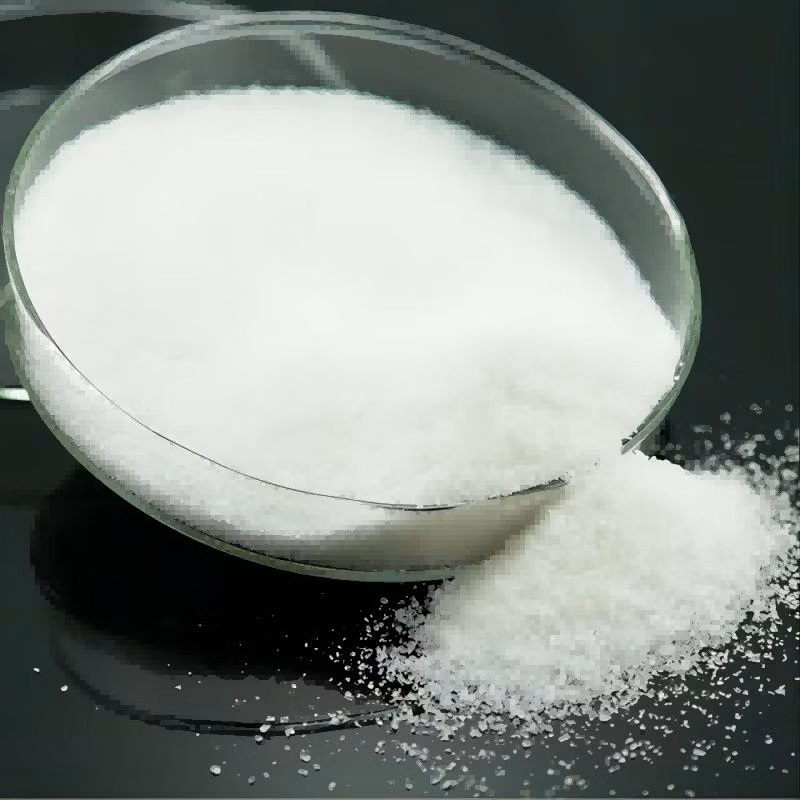
| Appearance | White, odorless crystalline solid (flakes or powder) |
| Crystal form | Monoclinic plates |
| Density (20°C) | 1.122 g/cm³ |
| Bulk density (flakes) | 0.6–0.8 g/cm³ |
| Melting point | 84–86°C (183–187°F) |
| Boiling point (normal) | 231.7°C (decomposes before boiling) |
| Boiling point (reduced pressure) | 125°C (at 25 mmHg); 87°C (at 0.26 kPa) |
| Flash point | 138°C (closed cup) |
| Autoignition temperature | 424°C |
| Vapor pressure (25°C) | 0.0614 mmHg (8.2 Pa) |
| Refractive index (nD, calculated) | 1.460 |
| Partition coefficient (log P octanol/water) | -0.67 (hydrophilic) |
2.2 Thermal Properties
| Parameter | Value |
|---|---|
| Enthalpy of fusion | ~17 kJ/mol |
| Heat of polymerization (exothermic) | ~80 kJ/mol (spontaneous above melting point) |
| Thermal decomposition | >200°C (releases NH₃, CO, CO₂, hydrocarbons) |
| Glass transition temperature (polymer) | 165°C (polyacrylamide) |
3. Solubility Behavior
| Solvent | Solubility (g/100 mL) | Temperature |
|---|---|---|
| Water | 216 g/100 mL (highly soluble) | 20°C |
| Water | >400 g/100 mL | 80°C |
| Methanol | 155 g/100 mL | 20°C |
| Ethanol | 86 g/100 mL | 20°C |
| Acetone | 63 g/100 mL | 20°C |
| Ethyl acetate | 26 g/100 mL | 20°C |
| Diethyl ether | 1.5 g/100 mL (slightly soluble) | 20°C |
| Benzene | Insoluble | 20°C |
| Toluene | Slightly soluble | 20°C |
| Chloroform | 3.5 g/100 mL | 20°C |
| Trichloroethane | Soluble | 20°C |
4. Chemical Properties and Reactivity
4.1 Polymerization (Most Important Reaction)
| Property | Description |
|---|---|
| Polymerization type | Free-radical vinyl polymerization |
| Typical initiators | Potassium persulfate (KPS), ammonium persulfate (APS), AIBN, redox systems |
| Mechanism | CH₂=CH–CONH₂ → [–CH₂–CH(CONH₂)–]ₙ (polyacrylamide) |
| Polymerization rate | Fast; exothermic (ΔH ≈ 80 kJ/mol) |
| Auto-polymerization | May occur spontaneously above melting point or under UV light |
| Inhibitors | Hydroquinone, hydroquinone monomethyl ether (MEHQ) – typically 30–50 ppm |
4.2 Reactivity Summary
| Reaction Type | Description |
|---|---|
| Michael addition | Reacts with amines, thiols (nucleophilic addition to vinyl group) |
| Hydrolysis (acidic/basic) | Hydrolyzes to acrylic acid (CH₂=CH–COOH) + NH₃ |
| Hydrolysis (enzymatic) | Acrylamidase converts to acrylic acid + NH₃ |
| Crosslinking | With N,N'-methylenebisacrylamide (MBA) – forms gels |
| Reaction with aldehydes | Forms methylol derivatives (intermediates for paper resins) |
4.3 Hydrolysis Reactions
| Condition | Reaction | Products |
|---|---|---|
| Strong acid (HCl, heat) | CH₂=CH–CONH₂ + H₂O + H⁺ → CH₂=CH–COOH + NH₄⁺ | Acrylic acid + ammonium |
| Strong base (NaOH, heat) | CH₂=CH–CONH₂ + OH⁻ → CH₂=CH–COO⁻ + NH₃ | Acrylate + ammonia |
| Mild conditions | Partial hydrolysis | Polyacrylamide copolymers (anionic) |
5. Production Methods
5.1 Catalytic Hydration of Acrylonitrile (Primary Industrial Method – Copper Catalyst)
-
Reaction: CH₂=CH–CN + H₂O → CH₂=CH–CONH₂
-
Catalyst: Raney copper or copper-chromium oxide
-
Conditions: 85–125°C, 0.3–0.4 MPa (3–4 atm)
-
Conversion: 95–98%
-
Purity achieved: 99%+ after crystallization
-
Process: Acrylonitrile + water → fixed-bed catalytic reactor → cooling → crystallization → separation → drying
5.2 Sulfuric Acid Hydration Method (Older Process)
-
Reaction: CH₂=CH–CN + H₂O + H₂SO₄ → CH₂=CH–CONH₂·H₂SO₄ → neutralization with NH₃ → CH₂=CH–CONH₂ + (NH₄)₂SO₄
-
Disadvantages: Large amount of ammonium sulfate by-product, lower purity
-
Status: Mostly replaced by catalytic hydration
5.3 Enzymatic Method (Biocatalytic – Modern, High Purity)
-
Catalyst: Immobilized bacterial nitrile hydratase (Rhodococcus, Pseudomonas species)
-
Conditions: Ambient temperature (20–40°C), atmospheric pressure
-
Conversion: 100% (complete conversion of acrylonitrile)
-
Advantages: High purity, no by-products, mild conditions, energy efficient
-
Purity: Can be used without further purification for some applications
-
Status: Increasingly adopted for food-grade and high-purity applications
6. Quality Specifications
6.1 Industrial Grade (Crystalline)
| Parameter | Specification |
|---|---|
| Purity (acrylamide, w/w) | ≥ 98.0–99.0% |
| Moisture (K. Fischer) | ≤ 0.5% |
| Acrylic acid | ≤ 0.05% |
| Acrylonitrile | ≤ 10 ppm |
| Iron (Fe) | ≤ 5 ppm |
| Copper (Cu) | ≤ 5 ppm |
| Color (APHA, 10% solution) | ≤ 20 |
| pH (10% aqueous solution) | 5.0–7.0 |
| Inhibitor (MEHQ) | 30–50 ppm (typical) |
6.2 High Purity / Electrophoresis Grade
| Parameter | Specification |
|---|---|
| Purity (acrylamide, w/w) | ≥ 99.9% |
| Conductivity (40% solution) | ≤ 5 µS/cm |
| UV absorbance (260 nm, 40% solution) | ≤ 0.15 |
| UV absorbance (280 nm, 40% solution) | ≤ 0.10 |
| Acrylic acid | ≤ 0.005% |
| Acrylonitrile | ≤ 1 ppm |
| Iron (Fe) | ≤ 1 ppm |
7. Polymer Applications – Polyacrylamide (PAM)
7.1 Polymer Forms and Properties
| Form | Characteristics | Applications |
|---|---|---|
| Non-ionic PAM | No charge; high molecular weight (1–20 × 10⁶ Da) | Water treatment, thickening |
| Anionic PAM | Hydrolyzed (COO⁻ groups); high MW | Flocculation, mineral processing |
| Cationic PAM | Quaternary ammonium groups; variable MW | Sludge dewatering, paper making |
| Crosslinked PAM | 3D network (with MBA) | Gel electrophoresis, superabsorbents |
7.2 Polymerization Conditions
| Parameter | Typical Range |
|---|---|
| Monomer concentration | 20–50% w/w |
| Initiator (KPS/APS) | 0.01–0.1% (on monomer) |
| Temperature | 30–60°C (initiation), may rise to 80–100°C |
| Molecular weight control | Chain transfer agents (e.g., sodium formate, isopropanol) |
| Crosslinker (for gels) | N,N'-methylenebisacrylamide (MBA) – 0.5–5% |
7.3 Industrial Applications of Polyacrylamide
| Sector | Application | Typical Dosage |
|---|---|---|
| Water treatment | Flocculant (clarification, sludge dewatering) | 0.1–5 mg/L |
| Mining | Mineral processing (solid-liquid separation) | 10–100 g/ton ore |
| Oil & gas | Enhanced oil recovery (EOR), drilling muds | 500–2,000 ppm |
| Paper industry | Retention aid, dry strength agent | 0.5–2 kg/ton paper |
| Textile | Sizing agent, thickener | 0.5–2% |
| Agriculture | Soil conditioner, erosion control | 1–10 kg/hectare |
| Gel electrophoresis | DNA/protein separation | 3–20% acrylamide + MBA |
8. Direct Monomer Applications (Minor Uses)
| Application | Description |
|---|---|
| Chemical grouting agent | Water plugging, sand fixation in tunnels, oil wells, mines, dams |
| Adhesives | Component in certain adhesive formulations |
| Binder | Fiber binder, pigment binder |
| Photosensitive resin | Crosslinking agent for photopolymers |
| Soil modifier | Improves soil structure and water retention |
| Paper reinforcing agent | Increases paper strength |
9. Toxicological Profile (Critical – Highly Hazardous)
9.1 Acute Toxicity
| Parameter | Value |
|---|---|
| Oral LD₅₀ (rat) | 124–200 mg/kg (moderately toxic) |
| Oral LD₅₀ (mouse) | 107 mg/kg |
| Dermal LD₅₀ (rabbit) | 400–600 mg/kg |
| Inhalation LC₅₀ (rat, 4 hours) | 0.13–0.16 mg/L (dust) |
| Skin irritation | Mild irritant (may cause sensitization) |
| Eye irritation | Mild to moderate irritant |
| Skin sensitization | Strong sensitizer (R43 – May cause sensitization by skin contact) |
9.2 Chronic Toxicity and Carcinogenicity (Serious Hazards)
| Parameter | Classification |
|---|---|
| Carcinogenicity (IARC) | Group 2A – Probably carcinogenic to humans (positive animal evidence, limited human) |
| Carcinogenicity (EU CLP) | Carc. 1B – May cause cancer (H350) |
| Mutagenicity | Positive (germ cell mutagen) – Category 1B (H340 – May cause genetic defects) |
| Reproductive toxicity | May cause harm to fertility/unborn child |
| Neurotoxicity | Primary target – central and peripheral nervous system |
| Target organs | Nervous system, testes, peripheral nerves |
9.3 Neurotoxicity Effects
| Exposure | Effects |
|---|---|
| Acute high exposure | Ataxia, confusion, hallucinations, seizures |
| Chronic low exposure | Peripheral neuropathy (numbness, weakness, ataxia), skin peeling (palms/soles) |
| Recovery | Partial or complete after cessation (slow, months to years) |
9.4 Occupational Exposure Limits
| Authority | Limit | Type |
|---|---|---|
| ACGIH TLV | 0.03 mg/m³ (inhalable) | TWA (skin) |
| OSHA PEL | 0.3 mg/m³ | TWA (8 hour) |
| NIOSH REL | 0.03 mg/m³ | TWA (10 hour) |
| DFG MAK | 0.03 mg/m³ | TWA (skin notation) |
| EU indicative limit | 0.1 mg/m³ | TWA (8 hour) |
| IDLH (NIOSH) | 30 mg/m³ |
10. Safety Precautions and Personal Protective Equipment (PPE)
-
Hazards (T – Toxic):
-
Carcinogen (R45 – May cause cancer)
-
Hereditary genetic damage (R46 – May cause heritable genetic damage)
-
Harmful if swallowed (R22)
-
Skin sensitization (R43 – May cause sensitization by skin contact)
-
Neurotoxic (central and peripheral nervous system damage)
-
-
Handling:
-
Use closed systems wherever possible
-
Avoid dust generation and inhalation
-
Prevent skin contact (absorption significant)
-
Never heat above melting point without polymerization inhibitor
-
-
PPE (mandatory – severe hazard):
-
Chemical-resistant gloves (butyl rubber, nitrile, or neoprene – double glove recommended)
-
Chemical splash goggles (EN 166) plus face shield
-
Full protective clothing (coverall, apron) – impermeable
-
Respiratory protection (P3 filter for dust; SCBA for spills/heating)
-
Closed shoes with impermeable soles
-
-
Engineering controls:
-
Local exhaust ventilation (LEV) with HEPA filter
-
Enclosed handling systems (glove boxes for weighing)
-
Eyewash stations and safety showers within immediate vicinity
-
Polymerization hazard control (temperature monitoring, inhibitor maintenance)
-
-
First aid:
-
Inhalation: Remove to fresh air; administer oxygen if breathing difficulty; seek immediate medical attention
-
Skin contact: Remove contaminated clothing; wash with copious soap and water for 15 minutes; seek medical attention (monitor for neuropathy)
-
Eye contact: Rinse with water for 15–20 minutes, lifting eyelids; seek immediate ophthalmological attention
-
Ingestion: Do NOT induce vomiting; rinse mouth; drink milk or water (if conscious); seek immediate medical attention
-
11. Environmental Fate and Ecotoxicity
| Parameter | Value |
|---|---|
| Biodegradation (aerobic) | Readily biodegradable (>60% in 28 days, OECD 301) |
| Biodegradation products | CO₂, H₂O, NH₃, biomass |
| Hydrolysis half-life (pH 7, 25°C) | >100 days (stable) |
| Photolysis | Slow (UV degradation) |
| Ecotoxicity (fish, LC₅₀, 96 hours) | 50–100 mg/L |
| Daphnia magna (EC₅₀, 48 hours) | 50–100 mg/L |
| Algal toxicity (EC₅₀, 72 hours) | 10–50 mg/L |
| Polymerization in environment | Monomer polymerizes slowly; polymer non-toxic, biodegradable |
| Drinking water guideline (WHO) | 0.5 µg/L (very low – based on carcinogenicity) |
| EU drinking water limit | 0.1 µg/L (for individual monomer) |
| Groundwater contamination | Persistent; must be controlled |
12. Storage and Shelf Life
-
Storage conditions:
-
Cool, dry, well-ventilated area (20–30°C – controlled temperature)
-
Keep tightly closed in original packaging
-
Protect from UV light and direct sunlight (prevents polymerization)
-
Store away from oxidizing agents, strong bases, acids (hydrolysis risk)
-
Maintain inhibitor (MEHQ/hydroquinone) – do not remove
-
Avoid temperatures above melting point (84°C) – uncontrolled polymerization risk
-
Separate from polymerization initiators (peroxides, persulfates)
-
-
Shelf life:
-
Sealed container with inhibitor: 12–24 months
-
Opened container: 3–6 months (if properly resealed, protected from light)
-
-
Degradation/polymerization indicators:
-
Formation of white/opaque solid (polyacrylamide)
-
Increased viscosity (partial polymerization)
-
Loss of inhibitor (test by addition of KMnO₄ – decolorization)
-
13. Transport Information
| Regulation | Classification |
|---|---|
| UN Number | 2074 (Acrylamide, solid) |
| ADR/RID | Class 6.1 (Toxic substances), Packing group III |
| IMDG | Class 6.1, PG III |
| IATA | Class 6.1, PG III |
| Proper shipping name | Acrylamide (solid) |
| Hazard label(s) | 6.1 (Toxic substance) |
| Marine pollutant | Yes (considered harmful to aquatic environment) |
14. Regulatory Information (Critical – Highly Regulated)
| Regulation | Classification / Restriction |
|---|---|
| EU CLP Regulation (EC 1272/2008) | Carc. 1B (H350), Muta. 1B (H340), Acute Tox. 4 (H302), Skin Sens. 1 (H317), STOT RE 1 (H372) |
| IARC | Group 2A (Probably carcinogenic to humans) |
| US EPA | Listed as carcinogen; regulated under Safe Drinking Water Act |
| European Union | Restricted under REACH Annex XVII (Entry 73) – concentration limit 0.1% in mixtures |
| RoHS | Not applicable (not electrical/electronic) |
| Food contact | Not permitted in food contact materials (Europe, US) – trace limits apply |
| Cosmetic use | Banned in cosmetics (EU, US, Japan) |
15. Analytical Methods
15.1 Acrylamide Determination (HPLC-MS/MS – Preferred)
| Parameter | Value |
|---|---|
| Column | C18 reverse phase |
| Mobile phase | Water:methanol (90:10) |
| Detection | MS/MS (MRM: 72 → 55, 72 → 44) |
| LOD | 0.5 µg/L (water); 5 µg/kg (food) |
| LOQ | 2 µg/L (water); 15 µg/kg (food) |
15.2 GC-ECD (Derivatization Method)
| Parameter | Value |
|---|---|
| Derivatization | Bromination to 2,3-dibromopropionamide |
| Detection | Electron capture detector (ECD) |
| LOD | 0.1 µg/L (after derivatization) |
15.3 HPLC-UV (High Concentration)
| Parameter | Value |
|---|---|
| Wavelength | 210 nm |
| Mobile phase | Water:acetonitrile (95:5) |
| LOD | 0.1 mg/L |
15.4 Colorimetric (Bromination-Iodine) – Process Control
| Parameter | Value |
|---|---|
| Principle | Bromination of double bond, liberation of I₂, titration with thiosulfate |
| Range | 0.1–10% monomer |
| Application | Monitoring residual acrylamide in polymerization |
16. Synonyms and Common Names
-
English: Acrylamide, Propenamide, 2-Propenamide, Acrylic amide, Ethylene carboxamide, Vinyl amide, Acrylamide monomer, AM, Acryl (partial)
-
French: Acrylamide
-
German: Acrylamid, 2-Propenamid
-
Spanish: Acrilamida
-
Turkish: Akrilamid, Propenamid, Vinil amid
17. Standards Compliance
| Standard | Compliance |
|---|---|
| REACH (EC 1907/2006) | Registered (EC 201-173-7); subject to authorization restrictions |
| TSCA (US) | Listed |
| FDA | Not permitted in food contact; no food additive status |
| EPA | Regulated under Clean Water Act, Safe Drinking Water Act |
| NSF/ANSI 60 | Limited – only for certified water treatment formulations with residual limits |
18. Why Choose Acrylamide? (Technical Summary – with Hazard Awareness)
| Advantage | Description |
|---|---|
| High reactivity | Rapid vinyl polymerization to high molecular weight polyacrylamide (PAM) |
| Water solubility | Both monomer and polymer are highly water soluble (>200 g/100 mL) |
| Versatile polymer properties | Non-ionic, anionic, cationic forms available via copolymerization/hydrolysis |
| Excellent flocculant | PAM is one of the most effective flocculants for water treatment and mining |
| Gel formation | With crosslinker (MBA) – ideal for electrophoresis and superabsorbents |
| Cost-effective monomer | Lower cost than many specialty monomers |
| Well-established production | Catalytic hydration of acrylonitrile is efficient and scalable |
| Enzymatic route (high purity) | Produces >99.9% purity, no by-products |
| Critical precursor | Essential for polyacrylamide (PAM) – no cost-effective substitute for many applications |
| CRITICAL LIMITATION (WARNING): | Highly toxic – confirmed animal carcinogen (IARC 2A), mutagen, neurotoxin, skin sensitizer. Requires extremely stringent handling controls (closed systems, PPE, fume hood, environmental monitoring). Heavily regulated (EU REACH Annex XVII restricted – <0.1% in mixtures). Drinking water limit: 0.1–0.5 µg/L (WHO). Do NOT use without expert training and exposure monitoring. Medical surveillance required for workers. |
19. Critical Limitations and Warnings
| Limitation / Hazard | Description / Required Control |
|---|---|
| Carcinogenicity (IARC 2A) | Use closed systems; avoid all dust inhalation; monitor air (0.03 mg/m³ ACGIH) |
| Mutagenicity (H340) | Genetic damage risk – reproductive hazard – avoid skin contact (absorbed) |
| Neurotoxicity | CNS and peripheral nerve damage – medical surveillance (neurological exams) required |
| Skin sensitization (R43) | Strong sensitizer – double gloves, impermeable clothing |
| Uncontrolled polymerization risk | Exothermic, can be violent above melting point – maintain inhibitor (MEHQ), avoid initiators, control temperature |
| Environmental persistence | Groundwater contaminant – contained waste management, monitor effluent |
| High water solubility | Difficult to remove from water once contaminated; treat as hazardous waste |
| Regulatory restrictions (EU REACH Annex XVII) | Concentration limit 0.1% in mixtures (unless registered for specific use) |
| Food/feed prohibition | Not permitted in food contact materials; strict limits in drinking water |
20. Sectoral Suitability Summary Table
| Sector | Application | Typical Usage | Alternatives |
|---|---|---|---|
| Water Treatment | Flocculant (polyacrylamide) | 0.1–5 mg/L PAM | PAC, alum, FeCl₃ (not direct replacements for flocculants) |
| Mining | Solid-liquid separation, thickeners | 10–100 g/ton ore | Natural polymers (guar gum, starch – less effective) |
| Oil & Gas | Enhanced oil recovery (EOR), drilling fluids | 500–2,000 ppm | Partially hydrolyzed PAM, xanthan gum |
| Paper Industry | Retention aid, dry strength | 0.5–2 kg/ton | Starch, polyvinylamine (PVAm) |
| Agriculture | Soil conditioner, erosion control | 1–10 kg/ha | Polyvinyl alcohol (PVA), polysaccharides |
| Laboratory | Gel electrophoresis (SDS-PAGE) | 3–20% acrylamide + MBA | Agarose (for DNA only), not for proteins |
| Chemical Grouting | Water plugging, sand fixation | Variable | Silicates, polyurethanes |
| Textile | Sizing agent, thickener | 0.5–2% | Starch, CMC, PVA |
CRITICAL SAFETY NOTICE: Acrylamide is a confirmed animal carcinogen (IARC 2A), mutagen, neurotoxin, and strong skin sensitizer. This material is subject to strict regulatory controls (EU REACH Annex XVII – restricted to <0.1% in mixtures). Use only with engineering controls (closed systems, local exhaust), appropriate PPE (impermeable gloves, protective suit, respiratory protection), and medical surveillance. Do not handle without appropriate training. Disposal must be in accordance with local hazardous waste regulations.
This TDS is prepared in compliance with ISO 11014-1 format and is intended for polymer chemists, water treatment engineers, mining engineers, laboratory managers, and industrial hygiene professionals who are fully aware of the severe hazards. Certificates of Analysis (CoA), Safety Data Sheets (SDS), polymerization protocols, and exposure monitoring reports are available upon request. A comprehensive risk assessment must be completed before handling this material.