We unleash your business potential by maximize the business innovation.
Send EmailSodium Selenite, Disodium Selenite, Sodium Selenite Anhydrous, 10102-18-8
Sodium Selenite (Disodium Selenite): A Detailed Overview
This document provides an in-depth look at Sodium Selenite, covering its chemical identity, production methods, physical and chemical properties, biological significance, and diverse industrial applications.
1. General Information and Chemical Identity
-
Chemical Name: Disodium Selenite (most common IUPAC name)
-
Molecular Formula: Na₂SeO₃
-
Molecular Weight: 172.95 g/mol
-
CAS Number: 10102-18-8
-
Other Names: Natrium selenite, Selenious acid disodium salt, Anhydrous sodium selenite.
-
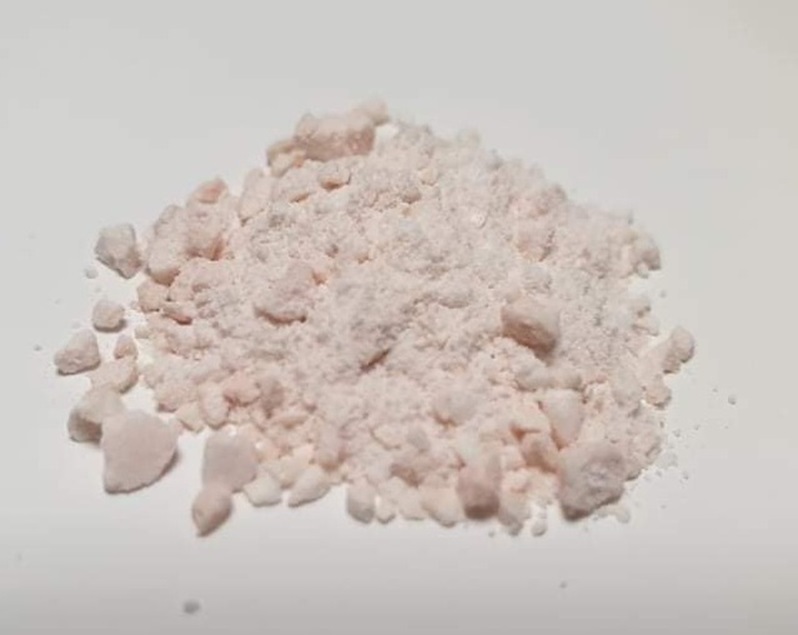
Description: Sodium Selenite is an inorganic compound consisting of sodium, selenium, and oxygen. It appears as a white, odorless solid. It is notable for being the most water-soluble selenium compound, which makes it an ideal source of selenium for biological, agricultural, and industrial purposes.
2. Production Method (Synthesis)
Sodium Selenite is produced through a controlled chemical process, typically involving the following steps:
-
Formation of Selenium Dioxide: Elemental selenium is first converted to selenium dioxide (SeO₂). This is commonly achieved by burning selenium in the presence of oxygen or through a reaction with an oxidizing agent like nitric acid.
Se (s)+O2(g)→SeO2(s)Se (s)+O2(g)→SeO2(s) -
Formation of Selenious Acid: The selenium dioxide is then dissolved in water, where it readily hydrolyzes to form selenious acid (H₂SeO₃).
SeO2(s)+H2O(l)→H2SeO3(aq)SeO2(s)+H2O(l)→H2SeO3(aq) -
Neutralization: The resulting selenious acid solution is carefully neutralized with a base, usually sodium hydroxide (NaOH). This reaction produces sodium selenite and water.
H2SeO3(aq)+2NaOH(aq)→Na2SeO3(aq)+2H2O(l)H2SeO3(aq)+2NaOH(aq)→Na2SeO3(aq)+2H2O(l) -
Isolation: The final step involves evaporating the water from the solution to obtain sodium selenite crystals. These crystals are then dried and milled to achieve the desired particle size for commercial use, resulting in the anhydrous (water-free) form.
3. Physical and Chemical Properties
-
Appearance: White, hygroscopic (absorbs moisture from the air) powder or tetragonal crystals.
-
Density: 3.1 g/cm³ (approximately three times denser than water).
-
Melting Point: 710 °C. Above this temperature, it begins to decompose.
-
Boiling Point: Not applicable. It does not boil; instead, it decomposes at high temperatures, releasing toxic selenium fumes.
-
Solubility:
-
Water: Highly soluble. At 20°C, approximately 89.8 grams can dissolve in 100 grams of water. The resulting solution is alkaline.
-
Organic Solvents: Insoluble in alcohols (like ethanol) and other organic solvents.
-
-
Stability: Stable in dry air but can slowly oxidize in humid conditions. It is a mild oxidizing agent and can be reduced back to elemental selenium by strong reducing agents such as vitamin C (ascorbic acid).
4. Biological Role and Metabolic Importance
Sodium selenite is a crucial source of selenium in living organisms. Selenium is an essential trace element, meaning it is required in tiny amounts for vital health functions.
-
Selenium Source: Once ingested, sodium selenite is metabolized and incorporated into proteins to form "selenoproteins."
-
Key Enzyme - Glutathione Peroxidase (GPx): As you correctly noted, selenium is a critical component of the antioxidant enzyme Glutathione Peroxidase. Each GPx enzyme molecule contains four selenium atoms (in the form of the amino acid selenocysteine). GPx protects cells from damage by reactive oxygen species (free radicals) by neutralizing hydrogen peroxide and lipid peroxides.
-
Other Metabolic Functions: Beyond GPx, selenium is involved in:
-
Maintaining cell membrane integrity and function.
-
Regulating thyroid hormone metabolism (working in conjunction with iodine).
-
Supporting a healthy immune system.
-
Playing a role in the synthesis of other important molecules like Coenzyme A and Coenzyme Q.
-
5. Applications and Uses
Thanks to its high solubility and bioavailability, sodium selenite has a wide range of applications:
-
Glass Manufacturing:
-
Decolorizer: It is used to remove the green tint caused by iron impurities in glass, resulting in a clear, colorless product.
-
Colorant: It is used in combination with other compounds (like cadmium sulfide) to produce a beautiful ruby-red color in glass and glazes.
-
-
Agriculture and Animal Feed:
-
Feed Additive: It is an essential supplement in animal feed, particularly for poultry, pigs, and cattle. Selenium deficiency in livestock can lead to serious conditions like white muscle disease, poor growth, and reproductive issues. Adding sodium selenite to feed prevents these problems.
-
Fertilizer Additive: In regions with selenium-poor soil, it is added to fertilizers to increase the selenium content of crops, thereby improving the selenium intake of both animals and humans through the food chain.
-
-
Human Nutrition:
-
Dietary Supplements: It is a common form of selenium used in multivitamins and mineral supplements to ensure adequate daily intake.
-
-
Chemical Industry:
-
Reagent: It is used as a source of selenium in various chemical synthesis processes, including the production of other selenium compounds.
-
-
Ceramics and Enamels:
-
Pigment: It is used to create red to brownish-red colors in ceramic glazes, enamels, and porcelains for decorative purposes.
-
6. Safety, Toxicity, and Handling
While essential for life, selenium has a narrow safety margin. The difference between a beneficial dose and a toxic one is small. Therefore, sodium selenite must be handled with care.
-
High Toxicity: Sodium selenite is toxic if ingested, inhaled, or absorbed through the skin in significant quantities.
-
Symptoms of Acute Poisoning (Selenosis): Overexposure can cause nausea, vomiting, a garlic-like odor on the breath, hair loss, brittle nails, skin lesions, and in severe cases, neurological damage and respiratory failure.
-
Environmental Hazard: It is also toxic to aquatic life and can cause long-term damage to the environment if released improperly.
-
Handling Precautions: When working with sodium selenite, it is crucial to use appropriate personal protective equipment (PPE), such as gloves, safety goggles, and a dust mask. Work should be conducted in a well-ventilated area, preferably a fume hood.