We unleash your business potential by maximize the business innovation.
Send EmailPhosphonic Acid, Phosphorous Acid, Phosphorus Trihydroxide, Orthophosphorus Acid, Dihydroxyphosphine Oxide, Trihydroxyphosphine, 13598-36-2
PHOSPHONIC ACID (PHOSPHOROUS ACID, H₃PO₃)
1. Chemical Identity and Material Classification
-
Chemical Name: Phosphonic Acid, Phosphorous Acid, Orthophosphorous Acid
-
Synonyms: Phosphorus Trihydroxide, Dihydroxyphosphine Oxide, Trihydroxyphosphine, Hydrogen Phosphonate
-
CAS Number: 13598-36-2
-
Molecular Formula: H₃PO₃
-
Molecular Weight: 82.00 g/mol
-
EC Number: 237-066-7
-
MDL Number: MFCD00137263
-
RTECS Number: SZ6400000
-
UN Number: 2834 (Phosphorous acid, solid)
2. Physical Properties
2.1 General Physical Properties
| Property | Value |
|---|---|
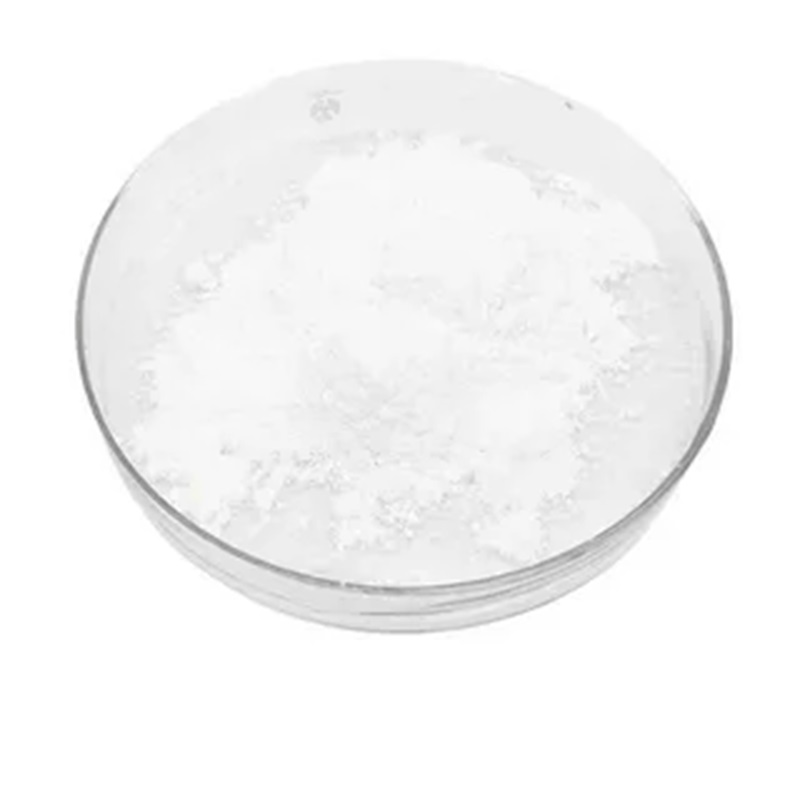
| Appearance | White to colorless crystalline solid |
| Crystal form | Rhombohedral or plate-like crystals |
| Odor | Odorless (slight pungent odor when heated) |
| Density (25°C) | 1.651 g/cm³ |
| Melting point | 73°C (163°F) |
| Boiling point | 200°C (decomposes) |
| Decomposition temperature | >180°C (forms H₃PO₄ + PH₃ – highly toxic) |
| Vapor pressure (20°C) | 0.001 Pa (very low) |
| Refractive index (nD) | 1.491 (at 25°C) |
| Bulk density (tapped) | 0.9–1.1 g/cm³ (powdered form) |
2.2 Thermal Properties
| Parameter | Value |
|---|---|
| Enthalpy of fusion | ~12–15 kJ/mol |
| Heat of decomposition | Endothermic (produces H₃PO₄ and PH₃) |
| Specific heat capacity (C_p, 25°C) | ~1.2 J/(g·K) |
| Thermal conductivity (solid) | ~0.3 W/(m·K) |
3. Chemical Structure and Acid-Base Properties
3.1 Molecular Structure
-
Structure type: Phosphorus oxoacid with P–H bond (unlike phosphoric acid)
-
Molecular geometry: Tetrahedral (P center with OH, OH, H, and O)
-
Actual formula: HP(O)(OH)₂ (contains one P–H bond and two P–OH groups)
-
Tautomerism: Exists predominantly as HP(O)(OH)₂ (not P(OH)₃)
-
P–H bond: Characteristic band at ~2300–2400 cm⁻¹ in IR spectrum
3.2 Acid Dissociation Constants (pKa, 25°C)
| Dissociation | pKa | Value | Description |
|---|---|---|---|
| First dissociation | pKa₁ | 1.29 | HP(O)(OH)₂ → HP(O)(OH)O⁻ + H⁺ |
| Second dissociation | pKa₂ | 6.74 | HP(O)(OH)O⁻ → HP(O)O₂²⁻ + H⁺ |
| Third dissociation | pKa₃ | ~12–14 (very weak) | Not typically considered |
-
Acidity comparison: Stronger than phosphoric acid (H₃PO₄ pKa₁ = 2.14)
-
Dibasic nature: Despite formula H₃PO₃, only two acidic hydrogens (third hydrogen is directly bonded to P, non-acidic)
4. Solubility Behavior
| Solvent | Solubility (g/100 mL) | Temperature |
|---|---|---|
| Water | Highly soluble (≈ 300 g/100 mL) | 20°C |
| Water | Completely miscible | 80°C |
| Ethanol | 100 g/100 mL (soluble) | 20°C |
| Methanol | Soluble | 20°C |
| Acetone | 50 g/100 mL | 20°C |
| Diethyl ether | Slightly soluble | 20°C |
| Benzene | Insoluble | 20°C |
| Toluene | Insoluble | 20°C |
| Chloroform | Insoluble | 20°C |
5. Chemical Properties and Reactivity
5.1 Oxidation (Air)
| Property | Description |
|---|---|
| Oxidation in air | Slowly oxidized by atmospheric oxygen to phosphoric acid (H₃PO₄) |
| Rate | Slow at room temperature; accelerated by heat and moisture |
| Reaction | 2H₃PO₃ + O₂ → 2H₃PO₄ |
5.2 Thermal Decomposition
| Parameter | Description |
|---|---|
| Decomposition onset | >180°C |
| Decomposition reaction | 4H₃PO₃ → 3H₃PO₄ + PH₃ (phosphine – highly toxic, flammable) |
| PH₃ hazards | Extremely toxic (LC₅₀ ~ 11 ppm), pyrophoric, explosive with air |
| Warning | Do not heat phosphorous acid above 180°C without proper ventilation! |
5.3 Reducing Agent Properties (Strong Reducer)
| Reducing property | Value / Description |
|---|---|
| Standard redox potential | E° (HPO₃²⁻/H₃PO₃) ~ -0.5 V |
| Ag⁺ reduction | 2Ag⁺ + H₃PO₃ + H₂O → 2Ag (s) + H₃PO₄ + 2H⁺ |
| Hg²⁺ reduction | Reduces Hg²⁺ to Hg⁰ or Hg₂²⁺ |
| Cu²⁺ reduction | Reduces Cu²⁺ to Cu⁺ or Cu⁰ |
| Fe³⁺ reduction | Fe³⁺ + H₃PO₃ + H₂O → Fe²⁺ + H₃PO₄ + 2H⁺ |
| Iodate reduction | IO₃⁻ + H₃PO₃ → I⁻ + H₃PO₄ (used in analytical chemistry) |
| Sulfuric acid reduction | H₂SO₄ + H₃PO₃ → SO₂ (g) + H₃PO₄ + H₂O (when heated) |
5.4 Reactions with Bases and Amines
| Reaction | Description |
|---|---|
| With NaOH | H₃PO₃ + NaOH → NaH₂PO₃ + H₂O (sodium dihydrogen phosphite) |
| With 2NaOH | H₃PO₃ + 2NaOH → Na₂HPO₃ + 2H₂O (disodium hydrogen phosphite) |
| With amines | Forms phosphite salts (exothermic) – used in stabilizer production |
5.5 Reactions with Metal Salts
| Metal | Reaction Product | Note |
|---|---|---|
| Lead (Pb) | PbHPO₃ (lead phosphite) | Plastic stabilizer (e.g., dibasic lead phosphite) |
| Calcium (Ca) | CaHPO₃ | Intermediate for various applications |
| Zinc (Zn) | ZnHPO₃ | Used in corrosion inhibition |
6. Production Methods
6.1 Phosphorus Trichloride Hydrolysis (Primary Industrial Method)
-
Reaction: PCl₃ + 3H₂O → H₃PO₃ + 3HCl (exothermic, vigorous)
-
Process: PCl₃ added slowly to water with stirring and cooling → hydrolysis reaction → hydrogen chloride (HCl) released as by-product → HCl recovered as hydrochloric acid → solution refined → cooled → crystallized → decolorized → dried
-
Yield: 90–95%
-
Purity achieved: 98–99.5%
-
By-product: HCl (valuable – sold as hydrochloric acid)
6.2 Phosphite Method (Alternative)
-
Process: From phosphite salts using mineral acid → yields phosphorous acid
-
Less common: Used for specialty grades
6.3 Purification
-
Recrystallization from water or ethanol
-
Activated carbon treatment: For color removal (decolorization)
7. Quality Specifications
7.1 Technical Grade
| Parameter | Specification |
|---|---|
| Purity (H₃PO₃, w/w) | ≥ 98.0–99.0% |
| Phosphoric acid (H₃PO₄) | ≤ 0.5–1.0% |
| Chloride (Cl) | ≤ 0.02% |
| Sulfate (SO₄) | ≤ 0.02% |
| Iron (Fe) | ≤ 0.002% |
| Heavy metals (as Pb) | ≤ 0.001% |
| Water insolubles | ≤ 0.1% |
| Color | White (APHA ≤ 20) |
7.2 Reagent Grade
| Parameter | Specification |
|---|---|
| Purity (H₃PO₃, w/w) | ≥ 99.0–99.5% |
| Phosphoric acid (H₃PO₄) | ≤ 0.2% |
| Chloride (Cl) | ≤ 0.005% |
| Sulfate (SO₄) | ≤ 0.005% |
| Iron (Fe) | ≤ 0.0005% |
| Heavy metals (as Pb) | ≤ 0.0005% |
| Reducing power | Passes test (e.g., reduces Ag⁺) |
8. Industrial Applications
8.1 Plastic Stabilizers (Largest Use)
| Application | Product | Typical Loading |
|---|---|---|
| PVC heat stabilizers | Dibasic lead phosphite (2PbO·PbHPO₃·0.5H₂O) | 1–5 phr |
| Polycarbonate stabilizer | Phosphite esters | 0.1–1% |
| Nylon antioxidant | For nylon 1010 | 0.1–0.5% |
| Polyester stabilizer | Prevents degradation during processing | 0.1–0.3% |
8.2 Water Treatment and Corrosion Control
| Parameter | Value |
|---|---|
| Application | Scale inhibitor, corrosion inhibitor for cooling water systems |
| Mechanism | Phosphite ions (HPO₃²⁻) chelate metal ions, form protective films |
| Typical dosage | 5–50 mg/L |
| Synergists | Zinc salts, phosphonates, polyacrylates |
| Boiler water treatment | Oxygen scavenger (reduces dissolved O₂) |
8.3 Agriculture (Pesticide Intermediate)
| Application | Product | Importance |
|---|---|---|
| Organophosphorus pesticides | Glyphosate (herbicide) precursor via oxidation | Very large volume |
| Fungicides | Fosetyl-Al (aluminum tris-O-ethylphosphonate) | Systemic fungicide |
| Plant nutrition | Phosphite fertilizers (not a direct P source – phosphite is not metabolized as phosphate) | Foliar application for disease control |
8.4 Chemical Industry (Reducing Agent)
| Application | Description |
|---|---|
| Organic synthesis | Reduction of nitro compounds to amines |
| Dye industry | Reducing agent in dye manufacturing |
| Pharmaceutical intermediates | Synthesis of various phosphonate drugs |
| Antioxidant | Prevents oxidation in various formulations |
8.5 Analytical Chemistry
| Application | Description |
|---|---|
| Iodate determination | Reduces IO₃⁻ to I⁻ – used in iodometric titrations |
| Mercury determination | Reduces Hg²⁺ to Hg⁰ (cold vapor AAS) |
| Copper determination | Reduces Cu²⁺ to Cu⁺ (colorimetric methods) |
| Gold/silver determination | Reduces Au³⁺/Ag⁺ to metallic Au/Ag |
| Cadmium determination | Interference suppression in some methods |
| Reducing agent | General purpose reducing agent in analytical procedures |
9. Chemical Reactions of Industrial Importance
9.1 Synthesis of Phosphites (Esters)
| Reaction | Product | Application |
|---|---|---|
| H₃PO₃ + 3ROH (with catalyst) | (RO)₃P (trialkyl phosphite) | Antioxidants, flame retardants |
| H₃PO₃ + 2ROH | (RO)₂PHO (dialkyl phosphite) | Pesticide intermediates |
| H₃PO₃ + 4ROH + olefin | Phosphonate esters | PVC stabilizers |
9.2 Synthesis of Glyphosate (Herbicide)
-
Route: H₃PO₃ + formaldehyde + glycine → oxidation → glyphosate (N-(phosphonomethyl)glycine)
-
Reaction steps:
-
H₃PO₃ + CH₂O → HOCH₂P(O)(OH)₂ (hydroxymethylphosphonic acid)
-
Reaction with glycine → iminodiacetic acid derivative
-
Oxidation → glyphosate
-
-
Global importance: One of the largest volume herbicides worldwide
9.3 Synthesis of Stabilizers
-
Dibasic lead phosphite: 2PbO + PbHPO₃ → (2PbO·PbHPO₃) – PVC heat stabilizer
-
Calcium/zinc phosphites: Emerging non-toxic stabilizer alternatives
10. Safety and Toxicology
| Parameter | Value |
|---|---|
| Oral LD₅₀ (rat) | 1,895 mg/kg (moderately toxic) |
| Oral LD₅₀ (mouse) | 2,172 mg/kg |
| Skin corrosion | Corrosive (R35 – Causes severe burns) |
| Eye damage | Severe damage (corrosive) |
| Inhalation hazard | Irritating to respiratory tract; decompose to PH₃ at high temperature |
| Mutagenicity | Negative (Ames test) |
| Carcinogenicity | Not classified (IARC Group 3) |
| OSHA PEL (as P) | Not specifically established |
| ACGIH TLV | Not specifically established |
| PH₃ by-product hazard | Extremely toxic – avoid heating above 180°C in open vessels |
11. Safety Precautions and Personal Protective Equipment (PPE)
-
Hazards:
-
Corrosive – causes severe skin burns and eye damage (R35)
-
Harmful if swallowed (R22)
-
Decomposes above 180°C to release toxic, flammable phosphine (PH₃)
-
Hygroscopic – absorbs moisture from air
-
-
Reactivity:
-
Incompatible with strong bases (neutralization – exothermic)
-
Incompatible with oxidizing agents (reaction can be violent)
-
Reacts with metals (may release hydrogen gas)
-
Slow oxidation in air to H₃PO₄
-
-
PPE (mandatory):
-
Chemical-resistant gloves (nitrile, neoprene, or butyl rubber, EN 374)
-
Chemical splash goggles (EN 166) or full face shield
-
Protective clothing (acid-resistant apron or suit)
-
Respiratory protection (P2/P3 filter for dust; SCBA if heating)
-
-
Engineering controls:
-
Local exhaust ventilation (LEV) for powder handling
-
Eyewash stations and safety showers within immediate vicinity
-
-
First aid:
-
Inhalation: Remove to fresh air; if breathing difficulty, administer oxygen; seek medical attention
-
Skin contact: Remove contaminated clothing; wash with copious water for at least 15 minutes; seek medical attention
-
Eye contact: Rinse with water for 15–20 minutes, lifting eyelids; seek immediate medical attention
-
Ingestion: Rinse mouth; do NOT induce vomiting; drink milk or water; seek immediate medical attention
-
12. Environmental Fate and Disposal
| Parameter | Value |
|---|---|
| Biodegradation | Not readily biodegradable (inorganic/organic hybrid) |
| Ecotoxicity (fish, LC₅₀, 96 hours) | 100–500 mg/L (moderate toxicity) |
| Daphnia magna (EC₅₀, 48 hours) | 50–200 mg/L |
| Environmental persistence | Oxidizes to phosphate (H₃PO₄) over time |
| Eutrophication potential | Lower than phosphate (phosphite is not bioavailable to algae) |
| Disposal method | Neutralization with lime (Ca(OH)₂) → calcium phosphite sludge → landfill |
| Waste code (EU) | 16 06 03* (hazardous – if contaminated) |
13. Storage and Shelf Life
-
Storage conditions:
-
Cool, dry, well-ventilated area (15–30°C)
-
Keep tightly closed in original packaging (hygroscopic)
-
Store away from strong bases, oxidizing agents, and metals
-
Avoid high temperatures (>150°C) – decomposition to PH₃
-
Protect from moisture (prevents caking and oxidation)
-
Use corrosion-resistant storage (plastic, glass-lined, or stainless steel)
-
-
Shelf life:
-
Sealed container (dry): 24–36 months
-
Opened container: 6–12 months (if properly resealed, stored under inert gas)
-
-
Degradation indicator:
-
Caking/hardening (moisture absorption)
-
Yellow discoloration (oxidation to H₃PO₄)
-
Loss of reducing power (analytical test)
-
14. Transport Information
| Regulation | Classification |
|---|---|
| UN Number | 2834 (Phosphorous acid, solid) |
| ADR/RID | Class 8 (Corrosive), Packing group III |
| IMDG | Class 8, PG III |
| IATA | Class 8, PG III |
| Proper shipping name | Phosphorous acid (solid) |
| Hazard label | Corrosive (8) |
| Marine pollutant | No |
| Special provision | Not applicable |
15. Analytical Methods
15.1 Assay Determination (Alkaline Titration)
| Parameter | Value |
|---|---|
| Principle | Titration of phosphorous acid with NaOH using phenolphthalein indicator |
| Reaction | H₃PO₃ + 2NaOH → Na₂HPO₃ + 2H₂O |
| Equivalent weight | 41.00 g/eq (H₃PO₃/2) |
| Interferences | H₃PO₄ (phosphoric acid) titrates as monobasic in same pH range |
15.2 Phosphite vs. Phosphate Determination
| Method | Principle |
|---|---|
| Iodometric titration | H₃PO₃ reduces I₂ to I⁻ (H₃PO₄ does not) |
| Redox titration with KMnO₄ | H₃PO₃ reduces MnO₄⁻ (H₃PO₄ does not) |
| Spectrophotometric (phosphomolybdate) | Phosphate gives blue color; phosphite does not react under standard conditions |
15.3 Reducing Power Test (Silver Nitrate)
| Parameter | Value |
|---|---|
| Principle | H₃PO₃ reduces Ag⁺ to metallic Ag (dark precipitate) |
| Reaction | 2Ag⁺ + H₃PO₃ + H₂O → 2Ag (s) + H₃PO₄ + 2H⁺ |
| Indication | Formation of dark (brown/black) silver deposit |
16. Synonyms and Common Names
-
English: Phosphonic acid, Phosphorous acid, Orthophosphorous acid, Phosphorus trihydroxide, Dihydroxyphosphine oxide, Trihydroxyphosphine
-
French: Acide phosphoreux
-
German: Phosphonsäure, Phosphorige Säure
-
Spanish: Ácido fosforoso
-
Italian: Acido fosforoso
-
Turkish: Fosfonik asit, Fosforlu asit, Ortofosforlu asit
17. Standards Compliance
| Standard | Compliance |
|---|---|
| REACH (EC 1907/2006) | Registered (EC 237-066-7) |
| TSCA (US) | Listed |
| RoHS | Compliant (not restricted) |
| FDA (21 CFR) | Limited indirect food contact (as antioxidant in polymers) |
18. Why Choose Phosphonic Acid? (Technical Summary)
| Advantage | Description |
|---|---|
| Strong reducing agent | Reduces Ag⁺, Hg²⁺, Cu²⁺, Fe³⁺, IO₃⁻ – useful in analytical chemistry and metal recovery |
| Dibasic acid (pKa₁ = 1.29) | Stronger acidity than H₃PO₄ – effective for pH control |
| Key precursor for phosphite stabilizers | Essential for PVC heat stabilizers (dibasic lead phosphite) |
| Glyphosate intermediate | Critical raw material for world's most widely used herbicide |
| Corrosion inhibition | Effective in water treatment formulations (scale/corrosion control) |
| Versatile synthesis | Produces phosphite esters (antioxidants, flame retardants, pesticide intermediates) |
| Hygroscopic but stable (if kept dry) | Easy to handle under proper conditions |
| Cost-effective | Lower cost than many specialty phosphorus compounds |
| Limitation note: | Corrosive – requires careful handling. Decomposes to toxic, pyrophoric PH₃ above 180°C – never heat without ventilation. Slowly oxidizes in air to H₃PO₄. Not a direct plant nutrient (phosphite must be oxidized to phosphate for plant uptake). |
19. Limitations and Precautions
| Limitation | Description / Solution |
|---|---|
| Corrosive nature | Requires acid-resistant equipment and PPE |
| PH₃ formation above 180°C | Do not heat above 180°C without inert atmosphere and proper ventilation/scavenging |
| Air oxidation | Slowly converts to H₃PO₄ – store in sealed containers, use under inert gas for long-term storage |
| Hygroscopic | Absorbs moisture from air – causes caking, reduced purity |
| Not a direct fertilizer | Phosphite is not metabolized by plants (must oxidize to phosphate) – do not use as sole P source |
| Metal corrosion | Corrosive to many metals (use plastic, glass-lined, or 316 stainless steel equipment) |
| Toxic by-products | Thermal decomposition yields PH₃ (extremely toxic, pyrophoric) – ensure adequate ventilation |
20. Sectoral Suitability Summary Table
| Sector | Application | Typical Concentration/Usage | Alternatives |
|---|---|---|---|
| Plastics | PVC heat stabilizer (dibasic lead phosphite) | 1–5 phr | Calcium/zinc stabilizers, organotins |
| Plastics | Polycarbonate/nylon antioxidant | 0.1–1% | Hindered phenols, phosphites |
| Water Treatment | Corrosion/scale inhibitor | 5–50 mg/L | Phosphonates (ATMP, HEDP), polyacrylates |
| Agriculture | Glyphosate production (herbicide) | Large volume feedstock | None (key intermediate) |
| Agriculture | Fosetyl-Al fungicide production | Intermediate | None |
| Chemical Industry | Phosphite esters (antioxidants, flame retardants) | Varies | Phosphorus trichloride (alternative route) |
| Analytical Chemistry | Reducing agent (Hg, Au, Ag, I determination) | 0.1–1% solution | Stannous chloride, hydroxylamine |
| Dye Industry | Reducing agent in dye synthesis | Process dependent | Sodium dithionite, zinc dust |
| Metal Treatment | Metal surface passivation | 1–5% solution | Phosphoric acid |
| Laboratory | General reducing reagent | 0.1–1 M | Sodium sulfite, ascorbic acid |
This TDS is prepared in compliance with ISO 11014-1 format and is intended for chemical engineers, water treatment specialists, plastics compounders, agrochemical manufacturers, analytical chemists, and procurement professionals. Certificates of Analysis (CoA), Safety Data Sheets (SDS), reducing power test reports, and sample validation reports are available upon request.