We unleash your business potential by maximize the business innovation.
Send EmailPotassium Bitartrate, Cream of Tartar, Potassium Hydrogen Tartrate, Potassium Acid Tartrate E336, 868-14-4
POTASSIUM BITARTRATE (CREAM OF TARTAR)
PRODUCT IDENTIFIER INFORMATION
| Parameter | Information |
|---|---|
| Product Name | Potassium Bitartrate (Cream of Tartar) |
| Chemical Name (IUPAC) | Potassium Hydrogen (2R,3R)-2,3-dihydroxybutanedioate |
| CAS Number | 868-14-4 |
| EC Number (EINECS) | 212-769-1 |
| Food Additive Code | E336 |
| Molecular Formula | C4H5O6K |
| Molecular Weight | 188.18 g/mol |
SECTION 1: CHEMICAL IDENTITY AND DESCRIPTION
| Parameter | Information |
|---|---|
| Chemical Name (IUPAC) | Potassium Hydrogen (2R,3R)-2,3-dihydroxybutanedioate |
| Systematic Name | Butanedioic acid, 2,3-dihydroxy-(2R,3R)-, potassium salt (1:1) |
| Other Systematic Name | Potassium 3-carboxy-2,3-dihydroxypropanoate |
| Synonyms | Cream of Tartar, Potassium Bitartrate, Potassium Hydrogen Tartrate, Potassium Acid Tartrate, Tartaric Acid Monopotassium Salt, L-Potassium Bitartrate, Tartar Cream, Tartar |
| Pharmacopoeia Names | Potassium Bitartrate (USP, BP, Ph. Eur.) |
| CAS Number | 868-14-4 |
| EC Number (EINECS) | 212-769-1 |
| Food Additive Code | E336 (ii) |
| INS Number | 336 |
| UNII | NPT6P8P3UU |
| PubChem CID | 23681127 |
| RTECS No. | WW8223000 |
| HS Code | 2918.13 |
| Molecular Formula | C4H5O6K |
| Molecular Weight | 188.18 g/mol |
| Chemical Class | Organic acid salt (partially neutralized potassium salt of tartaric acid) |
| Optical Activity | L-(+)-Tartaric Acid derivative (optically active) |
| Physical State (20°C) | Solid (white crystalline powder or granules) |
| Odor | Slight characteristic, slightly acidic |
| Taste | Cooling, sharp, pleasant acid taste |
SECTION 2: PHYSICAL AND CHEMICAL PROPERTIES
| Property | Value | Test Method |
|---|---|---|
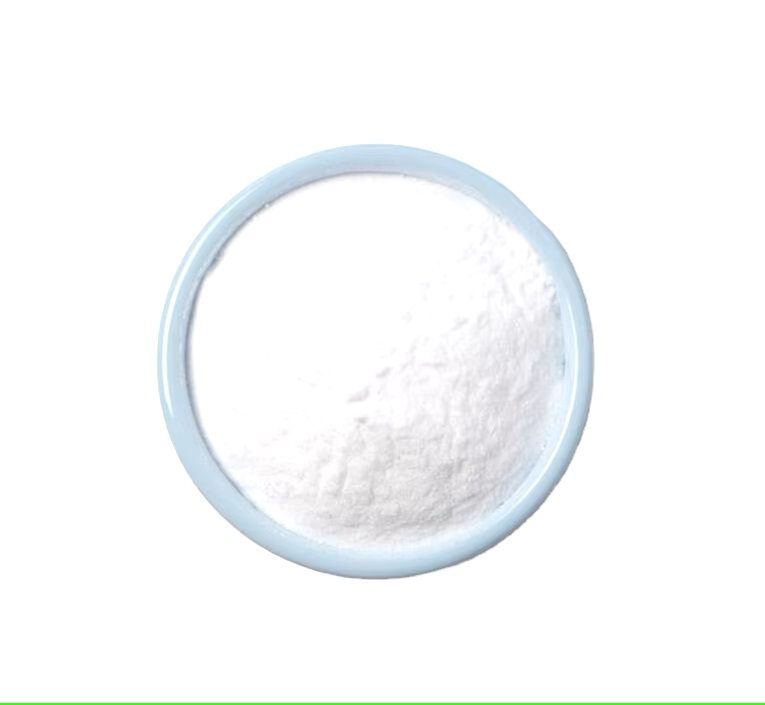
| Appearance | White crystalline powder or free-flowing granules | Visual |
| Odor | Slight characteristic, slightly acidic | Olfactometric |
| Taste | Cooling, sharp, pleasant acid | Sensory |
| Molecular Weight | 188.18 g/mol | Calculated |
| True Density (18°C) | 1.984 g/cm3 | Pycnometer |
| Bulk Density (Powder) | 0.8 – 1.0 g/cm3 | ASTM D1895 |
| Melting Point | Does not melt; decomposes above 250°C | DSC / TGA |
| pH (1% solution, 25°C) | 3.4 – 3.5 | pH Meter |
| Solubility in Water (20°C) | ~0.4 g/100 mL (low) | Gravimetric |
| Solubility in Water (100°C) | ~6.0 g/100 mL (increases with temperature) | Gravimetric |
| Solubility in Ethanol | Insoluble | General Method |
| Solubility in Dilute Mineral Acids | Soluble (due to tartaric acid formation) | General Method |
| Solubility in Alkaline Solutions | Readily soluble (forms neutral/basic tartrate salts) | General Method |
| Hygroscopicity | Non-hygroscopic (does not absorb moisture) | Visual |
| Light Stability | No photochemical degradation; UV light may cause slight yellowing over long term | ICH Q1B |
| Thermal Stability | Caramelizes above 220°C and decomposes to pyrolysis products | TGA |
| Flash Point | Non-flammable | Not applicable |
SECTION 3: CHEMICAL PROPERTIES AND REACTIVITY
| Parameter | Information |
|---|---|
| Chemical Character | Weakly acidic salt; possesses buffering capacity |
| Buffering Capacity | Forms effective buffer solution in pH range 3.0-4.0 |
| Stability | Highly stable under normal storage conditions (25°C, 60% RH) |
| Decomposition Products (Heating) | Above 220°C: caramelization, pyrolysis products (CO, CO2, K2CO3) |
| Incompatible Materials | Strong bases, strong oxidizing agents, silver salts, ammonium salts |
| Reaction with Bases | Converts to neutral or basic tartrate salts (e.g., Rochelle Salt) |
| Reaction with Carbonates | Releases CO2 gas (acid source in baking powder systems) |
| Reaction with Metal Ions | Forms soluble complexes with metal ions (Sn2+, Cu2+) – chelation |
| Reducing Sugar Test | Forms copper(I) oxide precipitate with Fehling's solution |
SECTION 4: PRODUCTION PROCESS AND SOURCE
| Stage | Process | Description |
|---|---|---|
| 1. Formation | Wine fermentation | Tartaric acid and potassium ions in grape must crystallize as alcohol concentration increases and temperature decreases, reducing solubility |
| 2. Crude Product | Argol (Wine Stone) | Precipitates as hard, crystalline sediment on barrel bottoms or walls; reddish in color |
| 3. Mechanical Cleaning | Particle separation | Removes large particles and barrel residues |
| 4. Dissolution | Hot water dissolution | Crude argol dissolved in hot water |
| 5. Filtration | Cellulose/diatomite filter | Removes color-causing substances (polyphenols, anthocyanins), dead yeast cells, and proteins |
| 6. Acid Treatment (Optional) | HCl or H2SO4 | Treats with dilute acid to remove other metal ions such as calcium |
| 7. Crystallization | Recrystallization | Obtains pure white crystals |
| 8. Drying and Milling | Controlled drying | Produces fine powder or granule form at 99.0-99.9% purity |
SECTION 5: ORGANIC ACID SALTS COMPARISON
| Property | Potassium Bitartrate | Sodium Citrate (E331) | Calcium Propionate (E282) | Potassium Sorbate (E202) |
|---|---|---|---|---|
| CAS Number | 868-14-4 | 6132-04-3 | 4075-81-4 | 24634-61-5 |
| Molecular Formula | C4H5O6K | Na3C6H5O7 | Ca(C3H5O2)2 | C6H7KO2 |
| pH (1% solution) | 3.4-3.5 | 7.5-9.0 | 7.5-10.5 | ~7.0-8.0 |
| Solubility in Water (20°C) | ~0.4 g/100mL | ~42 g/100mL | ~28 g/100mL | ~58 g/100mL |
| Primary Function | Acid source, stabilizer, buffer | Buffer, emulsifier, chelator | Mold inhibitor (bread) | Antimicrobial preservative |
| Food Additive Code | E336 | E331 | E282 | E202 |
| Antimicrobial Effect | Weak | Weak | Moderate (mold) | High |
| Special Feature | Low solubility, buffering | High solubility, chelation | Propionic acid source | Broad spectrum |
SECTION 6: FUNCTIONAL PROPERTIES AND MECHANISM OF ACTION
| Property | Description |
|---|---|
| Baking Powder Acid Source | Reacts with sodium bicarbonate to produce CO2 gas; classified as "fast-acting" acid; begins reaction immediately with cold liquid |
| Egg White Stabilizer | Delays denaturation of albumin proteins; provides acidic environment for stronger, finer foam network; produces more voluminous and glossy meringue |
| Sugar Crystallization Inhibitor | Hydrolyzes sucrose to glucose and fructose (invert sugar); invert sugar has lower crystallization tendency; syrups maintain fluidity |
| Buffering Agent | Forms effective buffer solution in pH range 3.0-4.0; works through equilibrium between weak acid (tartaric acid) and its salt (potassium bitartrate) |
| Chelating Agent | Forms soluble complexes with metal ions (Sn2+, Cu2+); ensures homogeneous coating in electroplating baths |
| Acidity Regulator | Lowers or stabilizes pH of foods; helps inhibit microbial growth |
| Laxative Effect (Suppository) | Reacts with sodium bicarbonate to release CO2 gas; creates distension in rectal wall triggering peristalsis |
SECTION 7: PRIMARY APPLICATION AREAS
| Sector | Application | Typical Usage Rate |
|---|---|---|
| Food - Bakery | Acid source in baking powder systems (cakes, pancakes, biscuits, muffins) | 0.2-1.0% of flour |
| Food - Pastry | Egg white stabilizer (meringue, soufflé, macarons) | 0.5-1.5% of egg white weight |
| Food - Confectionery | Crystallization inhibitor in sugar syrups; invert sugar production | 0.1-0.5% |
| Food - Jams/Jellies | Acidity regulator, buffer, antimicrobial aid | 0.1-0.5% |
| Food - Dairy Products | pH control, buffering | 0.05-0.2% |
| Beekeeping | Crystallization inhibitor in winter syrup (2:1 sugar:water) | 0.1-0.3% |
| Industrial - Electroplating | Complexing agent in electroplating baths (tin, copper) | 10-50 g/L |
| Industrial - Ceramics/Glass | Flux agent in glaze and glass manufacturing | 1-5% |
| Analytical Chemistry | Standard buffer solution (pH 3.56, 25°C); pH meter calibration | Saturated solution |
| Pharmaceutical | Laxative suppositories (with sodium bicarbonate) | Formulation dependent |
| Household | Natural cleaning paste (with vinegar/lemon juice); stainless steel, copper cleaning | Variable |
| Biomedical Research | In-vitro anti-cancer research (preliminary findings) | Research purposes |
SECTION 8: QUALITY SPECIFICATIONS (FOOD/PHARMACEUTICAL GRADE - USP/EP/FCC)
| Parameter | Specification | Test Method |
|---|---|---|
| Appearance | White crystalline powder or granules | Visual |
| Odor | Slight characteristic | Olfactometric |
| Purity (C4H5O6K, Dry Basis) | 99.0 - 101.0% | Titrimetric (with NaOH) |
| Loss on Drying (105°C, 3 hours) | ≤ 0.5% | Gravimetric |
| pH (1% solution, 25°C) | 3.4 - 3.5 | pH Meter |
| Specific Optical Rotation ([α]D20) | +32.0° to +35.5° (c=10, HCl) | Polarimetry |
| Water Insoluble Matter | ≤ 0.05% | Gravimetric |
| Chloride (Cl-) | ≤ 100 ppm | Argentometric |
| Sulfate (SO4 2-) | ≤ 100 ppm | Turbidimetric |
| Calcium (Ca) | ≤ 200 ppm | AAS |
| Iron (Fe) | ≤ 20 ppm | Colorimetric / AAS |
| Heavy Metals (as Pb) | ≤ 10 ppm | ICP-MS / USP <231> |
| Lead (Pb) | ≤ 2 ppm | ICP-MS |
| Arsenic (As) | ≤ 3 ppm | ICP-MS |
| Mercury (Hg) | ≤ 1 ppm | ICP-MS |
| Cadmium (Cd) | ≤ 1 ppm | ICP-MS |
| Ammonium (NH4+) | Passes test | USP/EP Monograph |
| Oxalate (C2O4 2-) | Passes test | USP/EP Monograph |
| Total Microbial Count | ≤ 1,000 CFU/g | USP <61> |
| Yeast and Mold | ≤ 100 CFU/g | USP <61> |
| E. coli | Negative in 10g | USP <62> |
| Salmonella spp. | Negative in 25g | USP <62> |
SECTION 9: TOXICOLOGICAL PROFILE
| Parameter | Value |
|---|---|
| Acute Oral Toxicity (LD50, Rat) | > 5,000 mg/kg (low toxicity) |
| Acute Dermal Toxicity (LD50, Rabbit) | > 2,000 mg/kg |
| Skin Irritation | Mild irritant (mechanical as powder) |
| Eye Irritation | Mild mechanical irritant |
| Respiratory Irritation | Inhalation of dust may cause mechanical irritation |
| Skin Sensitization | Not sensitizing |
| Carcinogenicity | Not classified (IARC, NTP) |
| Mutagenicity | Negative in in vitro tests |
| Reproductive Toxicity | No known adverse effects |
| Chronic Toxicity | Safe under normal use conditions |
| GRAS Status | Recognized as GRAS by FDA (21 CFR 184.1077) |
| ADI (Acceptable Daily Intake) | Not limited (JECFA) |
| Warning | Excessive consumption may cause gastric discomfort or electrolyte imbalance in sensitive individuals due to high potassium content |
SECTION 10: GHS CLASSIFICATION AND LABELING
GHS Classification (compliant with 1272/2008/EC):
| Hazard Class | Category | H-Statement |
|---|---|---|
| Not classified | - | Not classified as hazardous according to current regulations |
Signal Word: No signal word (not classified as hazardous)
Hazard Pictograms: No pictograms required
Precautionary Statements (P-Codes):
| Code | Statement |
|---|---|
| P261 | Avoid breathing dust |
| P280 | Wear protective gloves/eye protection |
| P305+P351+P338 | IF IN EYES: Rinse cautiously with water for several minutes |
SECTION 11: FIRST AID MEASURES
| Exposure Route | Action to Take |
|---|---|
| Inhalation | Move to fresh air. Seek medical attention if respiratory irritation persists. |
| Skin Contact | Wash with plenty of water and soap. Seek medical attention if irritation persists. |
| Eye Contact | Rinse immediately with plenty of water for at least 15 minutes. Remove contact lenses if present. Seek medical attention if irritation persists. |
| Ingestion | Rinse mouth with water. Drink plenty of water. Seek medical attention if you feel unwell. |
SECTION 12: FIREFIGHTING MEASURES
| Parameter | Information |
|---|---|
| Fire Hazard | Non-flammable |
| Suitable Extinguishing Media | Any extinguishing media appropriate for surrounding fire (water, CO2, dry chemical powder, foam) |
| Special Hazards | Releases CO, CO2, K2CO3 when heated above 220°C |
| Protective Equipment | Self-contained breathing apparatus (SCBA), full protective clothing |
SECTION 13: STORAGE AND SHELF LIFE
| Parameter | Information |
|---|---|
| Storage Conditions | Cool (15-25°C), dry, well-ventilated area; protect from direct sunlight |
| Container Requirements | Tightly closed, original packaging |
| Critical Separation | Strong bases, strong oxidizing agents |
| Shelf Life | 24-36 months (unopened original packaging under appropriate storage conditions) |
| Stability Note | Non-hygroscopic; stable under appropriate conditions; UV light may cause slight yellowing over long term |
SECTION 14: PACKAGING OPTIONS
| Packaging Type | Quantity | Material |
|---|---|---|
| Kraft bag with PE inner liner | 25 kg | Kraft paper + PE |
| PP woven bag with PE inner liner | 25 kg | PP woven + PE |
| Plastic pail | 20-25 kg | HDPE |
| Aluminum foil pouch | 1-5 kg | Laminated aluminum |
| Big-Bag | 500-1000 kg | Polypropylene (with PE inner liner) |
SECTION 15: TRANSPORTATION INFORMATION
| Parameter | Information |
|---|---|
| UN Number | Not regulated (not hazardous) |
| Hazard Class | Not applicable |
| Packing Group | Not applicable |
| ADR/RID | Not regulated |
| IMDG Code | Not regulated |
| IATA (Air) | Not regulated |
| Marine Pollutant | No |
| Transport Temperature | Ambient (15-25°C) |
SECTION 16: ACCIDENTAL RELEASE AND CLEANUP
| Parameter | Information |
|---|---|
| Personal Protection | Nitrile gloves, safety goggles, dust mask (N95) |
| Cleanup Methods | Sweep up or vacuum dry. Collect in closed, labeled containers. |
| Environmental Precautions | Prevent entry of large quantities into water sources. |
| Waste Disposal | According to local regulations; dispose at licensed disposal facility. |
SECTION 17: REGULATORY STATUS
| Region / Authority | Status |
|---|---|
| European Union | Food additive E336; approved for use quantum satis in all foods |
| USA (FDA) | GRAS (21 CFR 184.1077) |
| USP-NF | Official monograph (USP Potassium Bitartrate) |
| European Pharmacopoeia | Official monograph (Ph. Eur. Potassium Bitartrate) |
| FCC (Food Chemicals Codex) | Approved |
| JECFA (FAO/WHO) | ADI not limited |
| Turkey | Approved under Turkish Food Codex Regulation on Food Additives |
| Halal | Available |
| Kosher | Available |
| Vegetarian/Vegan | Suitable |
SECTION 18: OTHER NAMES AND SYNONYMS
| Type | Name |
|---|---|
| Common Names | Cream of Tartar, Potassium Bitartrate, Potassium Hydrogen Tartrate, Potassium Acid Tartrate |
| Pharmacopoeia Names | Potassium Bitartrate (USP, BP, Ph. Eur.) |
| Systematic (IUPAC) | Potassium Hydrogen (2R,3R)-2,3-dihydroxybutanedioate; Butanedioic acid, 2,3-dihydroxy-(2R,3R)-, potassium salt (1:1); Potassium 3-carboxy-2,3-dihydroxypropanoate |
| Food Additive Code | E336 (ii), INS 336 |
| CAS Number | 868-14-4 |
| EC Number | 212-769-1 |
SECTION 19: SUMMARY TABLE
| Parameter | Value |
|---|---|
| Product | Potassium Bitartrate (Cream of Tartar) |
| CAS Number | 868-14-4 |
| Food Additive Code | E336 |
| Molecular Formula | C4H5O6K |
| Molecular Weight | 188.18 g/mol |
| Appearance | White crystalline powder or granules |
| pH (1% solution) | 3.4 – 3.5 |
| Solubility in Water (20°C) | ~0.4 g/100 mL |
| Melting Point | Does not melt; decomposes above 250°C |
| Primary Function | Acid source, stabilizer, buffer, crystallization inhibitor |
| Shelf Life | 24-36 months |
| GHS Signal Word | Not classified (non-hazardous) |
SECTION 20: CRITICAL WARNINGS AND BEST PRACTICES
CRITICAL WARNINGS:
-
Low Solubility: Solubility in cold water is low (~0.4 g/100mL). Use hot water to increase solubility.
-
Baking Powder Systems: Classified as "fast-acting" acid; begins reaction immediately with cold liquid. Combine with heat-activated acids (such as Sodium Aluminum Phosphate) for both immediate and oven leavening.
-
Egg White Stabilization: Excessive use (more than 2% of egg white weight) may cause protein structure collapse. Follow recommended dosage.
-
Electroplating: pH control is critical in electroplating baths; excessively acidic conditions may reduce coating quality.
-
Storage: Although non-hygroscopic, prolonged UV exposure may cause slight yellowing. Protect from direct sunlight.
BEST PRACTICE RECOMMENDATIONS:
-
Solution Preparation: Use hot water to increase solubility; use after cooling.
-
Meringue Preparation: Add cream of tartar after egg whites begin to foam; avoid excessive amounts.
-
Baking Powder Formulation: Calculate required amount for neutralization of total carbonate (1 g NaHCO3 requires ~2.2 g Cream of Tartar).
-
Beekeeping: In winter syrup at 2:1 sugar:water ratio, use at 0.1-0.3% of total mixture.
-
Natural Cleaning: Mix with vinegar or lemon juice to paste consistency; test abrasive effect on metal surfaces.
LEGAL DISCLAIMER:
The information provided in this document is presented in good faith based on our current knowledge and experience; however, since all usage conditions are beyond our control, it does not constitute a binding specification or warranty. This Technical Data Sheet is for informational purposes only. Users are obligated to test the suitability for their own applications. For complete safety, storage, handling, transportation, disposal, and regulatory compliance information, refer to the official Safety Data Sheet (SDS/MSDS) provided by the manufacturer/supplier.
, Tartar, Potasyum Hidrojen Tartarat, Asit Potasyum Tartrat, Tartarik Asit, Monopotasyum Tuzu, Tartar Kreması, 868-14-4.jpg)
