We unleash your business potential by maximize the business innovation.
Send EmailMagnesium Hydroxide, Magnesium Hydrate, Magnesium Dihydroxide, Caustic Magnesite, E528, 1309-42-8, 12195-86-7, 13760-51-5
MAGNESIUM HYDROXIDE (Mg(OH)₂)
1. Chemical Identity and Material Classification
-
Chemical Name: Magnesium Hydroxide
-
Synonyms: Magnesium Hydrate, Magnesium Dihydroxide, E528 (food additive), Caustic Magnesite, FR-20, Baschem 12, Combustrol 500
-
CAS Numbers: 1309-42-8 (primary), 1909-42-8, 12195-86-7, 13760-51-5
-
Molecular Formula: Mg(OH)₂
-
Molecular Weight: 58.32 g/mol
-
EC Number: 215-170-3
-
E Number: E528 (food additive)
-
MDL Number: MFCD00011104
-
RTECS Number: OM3570000
2. Physical Properties
2.1 General Physical Properties
| Property | Value |
|---|---|
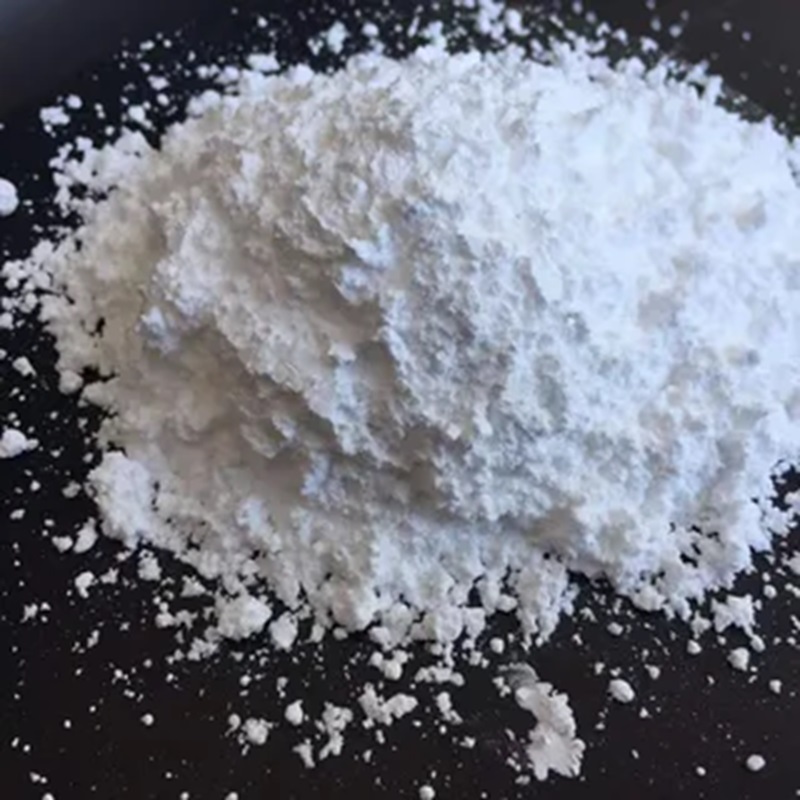
| Appearance | White, odorless crystalline powder |
| Crystal system | Hexagonal (brucite structure) |
| Density (20°C) | 2.36 g/cm³ |
| Bulk density (tapped) | 0.5–0.8 g/cm³ (powder) |
| Particle size (typical) | 1–50 μm (depending on grade; 10–15 μm common for flame retardants) |
| Specific surface area (BET) | 5–30 m²/g (varies with grade) |
| Melting point | 350°C (decomposes before melting) |
| Decomposition temperature | 230–500°C (loses water → MgO) |
| Boiling point | 100°C (at 760 mmHg – water release) |
| Refractive index | 1.559 (α), 1.580 (β), 1.585 (γ) |
2.2 Thermal Properties
| Parameter | Value |
|---|---|
| Dehydration onset | ~230°C (in alkaline solution; hexagonal crystal forms) |
| Major decomposition range | 340–490°C (endothermic) |
| Complete decomposition to MgO | >500°C (230–500°C range reported; complete at ~500°C) |
| Decomposition reaction | Mg(OH)₂ (s) → MgO (s) + H₂O (g) – endothermic |
| Enthalpy of decomposition (ΔH) | ~1.36 kJ/g (approximately 79 kJ/mol) – absorbs significant heat |
| Specific heat capacity (C_p, 25°C) | 0.90 J/(g·K) |
3. Solubility and Solution Chemistry
3.1 Solubility Behavior
| Solvent | Solubility | Temperature |
|---|---|---|
| Water | 0.00096 g/100 mL (9.6 mg/L) | 18°C |
| Water | 0.0012 g/100 mL (12 mg/L) | 25°C |
| Water | 0.004 g/100 mL (40 mg/L) | 100°C |
| Ethanol | Insoluble | 20°C |
| Dilute acids | Soluble (reacts) | 20°C |
| Ammonium salt solutions | Soluble (forms complexes) | 20°C |
3.2 Aqueous Solution Properties
| Parameter | Value |
|---|---|
| pH (1 mM solution, 20°C) | 10.4 |
| pH (10 mM solution, 20°C) | 10.4 |
| pH (100 mM solution, 20°C) | 10.4 |
| pH of saturated solution | 9.5–10.5 |
| Solubility product (Ksp, 25°C) | 5.61 × 10⁻¹² |
| pKsp | 11.25 |
| Hydrolysis | Mg(OH)₂ ⇌ Mg²⁺ + 2OH⁻ (highly alkaline) |
3.3 Carbon Dioxide Absorption
-
Reaction with CO₂: Mg(OH)₂ + CO₂ + H₂O → MgCO₃ + 2H₂O (forms basic magnesium carbonates in humid air)
-
Significance: Magnesium hydroxide absorbs CO₂ from air when moisture is present; store in sealed containers
4. Chemical Properties and Reactivity
4.1 Acid-Base Reactions
| Reaction | Description |
|---|---|
| With strong acids | Mg(OH)₂ + 2H⁺ → Mg²⁺ + 2H₂O (rapid, neutralizes acids) |
| With gastric acid (HCl) | Mg(OH)₂ + 2HCl → MgCl₂ + 2H₂O (antacid mechanism) |
| With ammonium salts | Mg(OH)₂ + 2NH₄Cl → MgCl₂ + 2NH₃ + 2H₂O (forms ammonia – detectable odor) |
| With CO₂ in air | Mg(OH)₂ + CO₂ + H₂O → MgCO₃ + 2H₂O (surface carbonation) |
4.2 Thermal Decomposition (Flame Retardant Mechanism)
-
Reaction: Mg(OH)₂ (s) → MgO (s) + H₂O (g)
-
Heat absorption: ~1.36 kJ/g (endothermic – cools the material)
-
Water release: 31% by weight water released upon decomposition
-
Non-toxic products: Water vapor + magnesium oxide (refractory, char-forming)
-
Comparison with Al(OH)₃: Mg(OH)₂ decomposes at higher temperature (340–490°C vs. 180–230°C) – suitable for higher processing temperature polymers
5. Production Methods
5.1 Brine-Ammonia Method (High Purity)
-
Reaction: MgCl₂ + 2NH₃·H₂O → Mg(OH)₂↓ + 2NH₄Cl
-
Process: Purified brine (treated to remove sulfate, CO₂, boron) → ammonia precipitation in reactor at 40°C → seed crystal addition → flocculant → filtration → washing → drying → crushing
-
Brine:ammonia ratio: 1:0.9–0.93
-
Yield: 90–95%
-
Product quality: High purity, suitable for pharmaceutical and food applications
5.2 Brine-Lime Method (Industrial)
-
Reaction: MgCl₂ + Ca(OH)₂ → Mg(OH)₂↓ + CaCl₂
-
Process: Purified brine + slaked lime milk → precipitation → flocculant → settling → filtration → washing → drying → crushing
-
By-product: CaCl₂ solution (can be recovered)
-
Product quality: Technical grade, suitable for flame retardants and water treatment
5.3 Magnesite Calcination-Hydrolysis Method
-
Process: Magnesite ore (MgCO₃) + anthracite/coke → calcined in shaft kiln → MgO → hydrated with water → Mg(OH)₂
-
Reaction: MgO + H₂O → Mg(OH)₂ (exothermic)
-
Purity: Depends on ore source (typically 90–98%)
5.4 Seawater Magnesia Process
-
Process: Seawater (contains ~0.13% Mg) → treated with lime (Ca(OH)₂) → Mg(OH)₂ precipitates → filtration → calcination to MgO (for refractory) or direct use as Mg(OH)₂
6. Flame Retardant Mechanism (Plastics & Rubber)
6.1 Mechanism Overview
| Mechanism | Description | Effect |
|---|---|---|
| Endothermic decomposition | Absorbs ~1.36 kJ/g of heat | Cools polymer surface, slows pyrolysis |
| Water vapor release | Releases 31% H₂O by weight | Dilutes flammable gases, reduces oxygen concentration |
| Char formation | MgO residue forms protective layer | Insulates polymer, prevents heat transfer |
| Smoke suppression | Non-flammable, non-toxic products | Reduces smoke density vs. halogenated FRs |
| No toxic by-products | No dioxins, no HCl, no HBr | Environmentally friendly |
6.2 Typical Loading Levels
| Polymer | Typical Mg(OH)₂ Loading | Flame Retardancy Rating |
|---|---|---|
| Polypropylene (PP) | 50–65% | V-0 (UL 94) |
| Polyethylene (PE) | 50–60% | V-0 |
| PVC (plasticized) | 30–50% | V-0 |
| EPDM rubber | 50–70% | V-0 |
| Unsaturated polyester | 40–60% | V-0 |
| Nylon (PA) | 40–55% | V-0 |
| ABS | 50–60% | V-0 |
6.3 Comparison with Other Flame Retardants
| Property | Mg(OH)₂ | Al(OH)₃ (ATH) | Brominated FRs | Antimony Trioxide |
|---|---|---|---|---|
| Decomposition temp (°C) | 340–490 | 180–230 | 200–300 | N/A (synergist) |
| Heat absorption (kJ/g) | ~1.36 | ~1.17 | Low | Low |
| Smoke generation | Very low | Low | High | Moderate |
| Toxic gas emission | None | None | HBr, dioxins | None (but Sb toxic) |
| Loading required | 50–65% | 55–70% | 15–30% (with synergist) | 5–10% (as synergist) |
| Cost | Moderate | Low | High | High |
| Environmental profile | Excellent | Excellent | Poor (regulated) | Poor (heavy metal) |
| Suitable for high-temp processing | Yes | No (decomposes) | Yes | Yes |
7. Pharmaceutical Applications (Antacid)
7.1 Mechanism of Action
-
Reaction with gastric acid: Mg(OH)₂ + 2HCl → MgCl₂ + 2H₂O
-
Onset of action: Rapid (minutes)
-
Duration of action: 1–3 hours
-
Neutralizing capacity: 1 g Mg(OH)₂ neutralizes approximately 2.5 g of gastric acid (as HCl)
-
Laxative effect: Magnesium ions are not fully absorbed; draw water into intestines → laxative effect
-
Non-systemic: Minimal absorption from GI tract (non-absorbable antacid)
7.2 Pharmaceutical Grades and Specifications
| Parameter | USP Grade | Ph.Eur. Grade |
|---|---|---|
| Purity (Mg(OH)₂) | 95–100.5% (on dried basis) | 95–100.5% |
| Loss on ignition | 30–33% | 30–33% |
| Acid-neutralizing capacity | ≥ 8.0 mEq/g | ≥ 8.0 mEq/g |
| Heavy metals (as Pb) | ≤ 20 ppm | ≤ 20 ppm |
| Arsenic (As) | ≤ 3 ppm | ≤ 3 ppm |
| Iron (Fe) | ≤ 200 ppm | ≤ 200 ppm |
| Chloride (Cl) | ≤ 1.0% | ≤ 1.0% |
| Sulfate (SO₄) | ≤ 0.5% | ≤ 0.5% |
| Calcium (Ca) | ≤ 1.0% | ≤ 1.0% |
| Cadmium (Cd) | ≤ 3 ppm | ≤ 3 ppm |
7.3 Common Formulations
| Formulation Type | Typical Content | Example Products |
|---|---|---|
| Liquid suspension | 400–800 mg/5 mL | Milk of Magnesia |
| Chewable tablets | 300–500 mg | Antacid tablets |
| Combination products | Mg(OH)₂ + Al(OH)₃ | Balanced laxative/antacid effects |
8. Industrial Applications
8.1 Water and Wastewater Treatment
| Parameter | Value |
|---|---|
| Application | pH neutralization of acidic wastewater, heavy metal precipitation |
| Heavy metal removal | Cu, Ni, Zn, Pb, Cd, Cr (as hydroxide precipitates) |
| Flue gas desulfurization (FGD) | Replaces lime/caustic soda – removes SO₂ from flue gas |
| Reaction (FGD) | Mg(OH)₂ + SO₂ → MgSO₃ + H₂O → MgSO₄ (with oxidation) |
| Advantages over lime | Less scaling, higher reactivity, lower sludge volume |
8.2 Flue Gas Desulfurization (FGD)
| Parameter | Value |
|---|---|
| SO₂ removal efficiency | 95–99% |
| Mg(OH)₂ slurry concentration | 5–15% w/w |
| Liquid-to-gas ratio | 5–15 L/m³ |
| By-product | MgSO₄·7H₂O (Epsom salt – marketable) or MgSO₃ |
8.3 Oil and Gas Industry
| Parameter | Value |
|---|---|
| Application | Corrosion inhibitor in drilling fluids, desulfurization agent |
| Function | Neutralizes H₂S, controls pH, prevents corrosion |
| Drilling fluid additive | Maintains alkalinity, controls fluid loss |
8.4 Food Industry (E528)
| Parameter | Value |
|---|---|
| Application | Mineral supplement, color stabilizer, drying agent, alkaline agent |
| Cocoa and cocoa products | Up to 5 g/kg (as potassium carbonate equivalent, fat-free cocoa basis) |
| Food additive status | E528 (EU), GRAS (FDA 21 CFR § 182.1428) |
| ADI (FAO/WHO, 1984) | Not specified (generally recognized as safe) |
8.5 Electronics Industry
| Application | Description |
|---|---|
| Substrate material | Ceramic substrates for electronics |
| Flame retardant | Wire and cable insulation (halogen-free FR) |
9. Surface Modification for Polymer Composites
9.1 Need for Surface Modification
-
Problem: Mg(OH)₂ is hydrophilic; polymers are hydrophobic → poor dispersion, reduced mechanical properties
-
Solution: Surface treatment with coupling agents or fatty acids
9.2 Common Surface Treatment Agents
| Agent | Function | Typical Loading |
|---|---|---|
| Stearic acid | Hydrophobization, improves dispersion | 1–3% |
| Silane coupling agents | Chemical bonding to polymer matrix | 0.5–2% |
| Titanate coupling agents | Improves dispersion and mechanical properties | 0.5–2% |
| Phosphate esters | Improves processability | 1–2% |
9.3 Effect of Surface Modification
| Property | Unmodified Mg(OH)₂ | Surface-Modified Mg(OH)₂ |
|---|---|---|
| Dispersion in PP | Poor (agglomerates present) | Excellent (primary particles) |
| Impact strength | Significantly reduced | Maintained or slightly reduced |
| Tensile strength | Reduced | Near-native polymer |
| Elongation at break | Very low | Acceptable |
| Interfacial bonding | None (voids present) | Good (chemical/physical bonding) |
10. Quality Specifications
10.1 Industrial Grade (Flame Retardant)
| Parameter | Specification |
|---|---|
| Purity (Mg(OH)₂) | ≥ 95–98% |
| Moisture (105°C) | ≤ 0.5% |
| Loss on ignition (800°C) | 30–33% |
| Particle size (D50) | 1–15 μm (grade dependent) |
| Particle size (D97) | < 45 μm |
| Specific surface area (BET) | 5–15 m²/g |
| pH (10% slurry) | 9.5–10.5 |
| Fe₂O₃ | ≤ 0.05% |
| CaO | ≤ 0.5–1.0% |
| SiO₂ | ≤ 0.2% |
| SO₄ | ≤ 0.3% |
| Chloride (Cl) | ≤ 0.1% |
10.2 Pharmaceutical Grade (USP/Ph.Eur.)
| Parameter | Specification |
|---|---|
| Assay (Mg(OH)₂) | 95.0–100.5% (dried basis) |
| Loss on ignition | 30.0–33.0% |
| Acid-neutralizing capacity | ≥ 8.0 mEq/g |
| Heavy metals | ≤ 0.002% (20 ppm) |
| Arsenic | ≤ 3 ppm |
| Lead | ≤ 4 ppm (USP), ≤ 20 ppm (Ph.Eur.) |
| Cadmium | ≤ 3 ppm (Ph.Eur.) |
| Calcium | ≤ 1.0% |
| Iron | ≤ 0.02% (200 ppm) |
| Chloride | ≤ 1.0% |
| Sulfate | ≤ 0.5% |
11. Analytical Methods
11.1 Assay Determination (Acid-Base Titration)
| Parameter | Value |
|---|---|
| Principle | Sample dissolved in excess 1M H₂SO₄; back-titrate with 1M NaOH |
| Indicator | Methyl red |
| Reaction | Mg(OH)₂ + H₂SO₄ → MgSO₄ + 2H₂O |
| Equivalent weight | 29.16 mg Mg(OH)₂ per mL of 1M H₂SO₄ |
| Correction | Subtract volume equivalent to CaO content |
11.2 Purity and Elemental Analysis
| Method | Application |
|---|---|
| ICP-OES/AAS | Metal impurities (Ca, Fe, Pb, Cd, As) |
| Ion chromatography | Chloride, sulfate |
| Loss on ignition | Water content + decomposition to MgO (30–33% theoretical) |
| XRD | Crystal phase identification (brucite structure) |
| Particle size analysis | Laser diffraction (D10, D50, D90, D97) |
| Specific surface area | BET (N₂ adsorption) |
12. Safety and Toxicology
| Parameter | Value |
|---|---|
| Oral LD₅₀ (rat) | 8,500 mg/kg (very low toxicity) |
| Dermal LD₅₀ (rabbit) | >2,000 mg/kg |
| Eye irritation | Mild irritant (dust) |
| Skin irritation | Mild irritant (R36/37/38 – Irritating to eyes, respiratory system, skin) |
| Inhalation (dust) | May cause respiratory tract irritation |
| Mutagenicity | Negative |
| Carcinogenicity | Not classified (non-carcinogenic) |
| NOAEL (oral, rat) | >1,000 mg/kg/day |
| OSHA PEL (as Mg, soluble salts) | 15 mg/m³ (total dust), 5 mg/m³ (respirable) |
| ACGIH TLV (as Mg, soluble salts) | 10 mg/m³ (inhalable) |
13. Safety Precautions and Personal Protective Equipment (PPE)
-
Hazards:
-
Mild irritant to eyes, skin, and respiratory tract (R36/37/38)
-
Avoid inhalation of dust (mechanical irritation)
-
Not flammable, not reactive with water (stable)
-
Absorbs CO₂ from air – store in sealed containers
-
-
PPE (recommended):
-
Dust mask (FFP1 or N95) – for powder handling
-
Safety glasses with side shields (EN 166)
-
Chemical-resistant gloves (nitrile or neoprene) – not corrosive, but dust may be abrasive
-
Protective work clothing (dust protection)
-
-
Engineering controls:
-
Local exhaust ventilation (LEV) for powder handling
-
Dust collection systems
-
-
First aid:
-
Inhalation: Move to fresh air
-
Skin contact: Wash with soap and water
-
Eye contact: Rinse with water for 15 minutes
-
Ingestion: Rinse mouth; drink water; seek medical attention if large amount
-
14. Environmental Fate and Disposal
| Parameter | Value |
|---|---|
| Biodegradation | Not applicable (inorganic) |
| Ecotoxicity (fish, LC₅₀, 96 hours) | >100 mg/L (low toxicity) |
| Environmental impact | Low; decomposes to MgO and water; Mg²⁺ is naturally abundant |
| Soil effect | Neutralizes acidic soil (beneficial in low concentrations) |
| Disposal method | Landfill or recycling (can be converted to MgO or used as soil amendment) |
| Recycling potential | Yes – can be regenerated to MgO via calcination |
| Waste code | Non-hazardous (most jurisdictions) |
15. Storage and Shelf Life
-
Storage conditions:
-
Cool, dry, well-ventilated area (10–30°C)
-
Keep tightly closed in original packaging (absorbs CO₂ and moisture from air)
-
Protect from moisture (prevents caking)
-
Store away from strong acids (neutralization reaction)
-
Avoid prolonged exposure to CO₂-rich atmosphere (surface carbonation)
-
-
Shelf life:
-
Unopened container: 24–36 months
-
Opened container: 12 months (if properly resealed)
-
-
Degradation indicator:
-
Loss of flowability/caking (moisture absorption)
-
Decreased assay (carbonation to MgCO₃ – confirmed by loss on ignition)
-
16. Transport Information
| Regulation | Classification |
|---|---|
| UN Number | Not regulated (non-hazardous) |
| ADR/RID | Not classified as dangerous goods |
| IMDG | Not regulated |
| IATA | Not regulated |
| Proper shipping name | Magnesium hydroxide (non-hazardous) |
| Hazard label | Not required |
17. Synonyms, Standards Compliance, and Why Choose Magnesium Hydroxide?
Synonyms
-
English: Magnesium hydrate, Magnesium dihydroxide, E528, Caustic magnesite, FR-20, Baschem 12, Combustrol 500
-
Other languages:
-
Turkish: Magnezyum hidroksit
-
German: Magnesiumhydroxid
-
French: Hydroxyde de magnésium
-
Spanish: Hidróxido de magnesio
-
Standards Compliance
| Standard | Compliance |
|---|---|
| USP (United States Pharmacopeia) | Magnesium Hydroxide monograph |
| Ph.Eur. (European Pharmacopoeia) | Magnesium Hydroxide monograph |
| JP (Japanese Pharmacopoeia) | Magnesium Hydroxide monograph |
| FDA 21 CFR § 182.1428 | GRAS (food additive) |
| E528 | EU food additive |
| REACH | Registered |
| RoHS | Compliant (non-restricted) |
| UL 94 | V-0 achievable with appropriate loading |
18. Why Choose Magnesium Hydroxide? (Technical Summary)
| Advantage | Description |
|---|---|
| Environmentally friendly flame retardant | No halogen, no toxic by-products (dioxins, HX), low smoke |
| High decomposition temperature (340–490°C) | Suitable for engineering plastics requiring high processing temperatures (e.g., PP, PA, ABS) |
| Effective acid neutralizer | Rapid reaction with acids – ideal for antacid, FGD, wastewater treatment |
| Non-toxic and safe | GRAS status for food/pharmaceutical use; LD₅₀ = 8,500 mg/kg |
| Dual function | Flame retardant + smoke suppressant + acid scavenger |
| Economical | Lower cost than many specialty flame retardants (e.g., brominated, phosphorous) |
| Widely available | Produced from brine, seawater, magnesite – abundant raw materials |
| Pharmaceutical efficacy | Rapid antacid action (non-systemic), laxative effect (Mg²⁺) |
| FGD benefits over lime | Less scaling, higher reactivity, by-product MgSO₄ (marketable) |
| Limitation note: | High loading required (50–65%) – can reduce mechanical properties of polymers. Surface modification is essential for optimal performance. Lower neutralizing capacity per gram than sodium bicarbonate or calcium carbonate (antacid applications). |
19. Limitations and Precautions
| Limitation | Description / Solution |
|---|---|
| High loading required (50–65%) | Reduces polymer mechanical properties; use surface modification to mitigate |
| Hydrophilic nature | Poor dispersion in hydrophobic polymers – requires coupling agents (stearic acid, silanes) |
| Lower antacid capacity | 1 g Mg(OH)₂ neutralizes ~0.034 moles HCl vs. 0.012 moles for CaCO₃ (Mg(OH)₂ ~2.5x more effective by weight than CaCO₃) – not a limitation, actually efficient |
| Slower reaction than CaCO₃ | Reaction with gastric acid is slower but longer-lasting – useful for sustained effect |
| CO₂ absorption | Carbonation in air (forms MgCO₃) – store in sealed containers |
| Dust generation | Fine powder may be irritating – use dust control measures |
20. Sectoral Suitability Summary Table
| Sector | Application | Typical Specification | Alternatives |
|---|---|---|---|
| Plastics & Rubber | Halogen-free flame retardant | Particle size 1–15 μm, surface-treated | Al(OH)₃ (ATH), brominated FRs |
| Pharmaceutical | Antacid, laxative | USP/Ph.Eur. grade, purity ≥95% | Al(OH)₃, CaCO₃, sodium bicarbonate |
| Water Treatment | pH neutralization, heavy metal removal | Industrial grade, high purity Mg(OH)₂ | Lime (Ca(OH)₂), caustic soda (NaOH) |
| Flue Gas Desulfurization (FGD) | SO₂ removal from power plants | Industrial slurry, 5–15% w/w | Lime, limestone |
| Food Industry | Mineral supplement, E528, color stabilizer | Food grade, meets E528 specifications | CaCO₃, CaSO₄ |
| Oil & Gas | Drilling fluid additive, corrosion inhibitor | Industrial grade, fine powder | Ca(OH)₂, NaOH |
| Electronics | Wire/cable flame retardant insulation | Ultra-fine, surface-treated, low ionic impurities | ATH, phosphorus-based FRs |
| Construction | Flame retardant coatings, intumescent paints | Fine particle size, high purity | ATH, expandable graphite |
| Environmental | Acidic soil remediation | Industrial or agricultural grade | Lime, dolomite |
This TDS is prepared in compliance with ISO 11014-1 format and is intended for flame retardant formulators, pharmaceutical scientists, water treatment engineers, plastics engineers, food technologists, and procurement professionals. Certificates of Analysis (CoA), Safety Data Sheets (SDS), flame retardancy test reports (UL 94), pharmaceutical validation reports, and sample validation reports are available upon request.