We unleash your business potential by maximize the business innovation.
Send EmailGibberellic Acid, Gibberellin, Gibberellin A3, GA3, GA, 77-06-5
GIBBERELLIC ACID (GA3)
PRODUCT IDENTIFIER INFORMATION
| Parameter | Information |
|---|---|
| Product Name | Gibberellic Acid (GA3) |
| Chemical Name | Gibberellic Acid |
| CAS Number | 77-06-5 |
| EC Number (EINECS) | 201-001-0 |
| Molecular Formula | C19H22O6 |
| Molecular Weight | 346.38 g/mol |
SECTION 1: CHEMICAL IDENTITY AND DESCRIPTION
| Parameter | Information |
|---|---|
| Chemical Name | Gibberellic Acid |
| Synonyms | Gibberellin A3, GA3, GA, Gibberellin, Gibberellic Acid |
| Abbreviations | GA, GA3, A3 |
| CAS Number | 77-06-5 |
| EC Number (EINECS) | 201-001-0 |
| Molecular Formula | C19H22O6 |
| Molecular Weight | 346.38 g/mol |
| Chemical Class | Tetracyclic di-terpenoid; plant growth hormone (gibberellin) |
| Natural Source | Naturally occurring in plants and fungi (Gibberella fujikuroi) |
| Bioactivity | Bioactive gibberellin (plant growth regulator) |
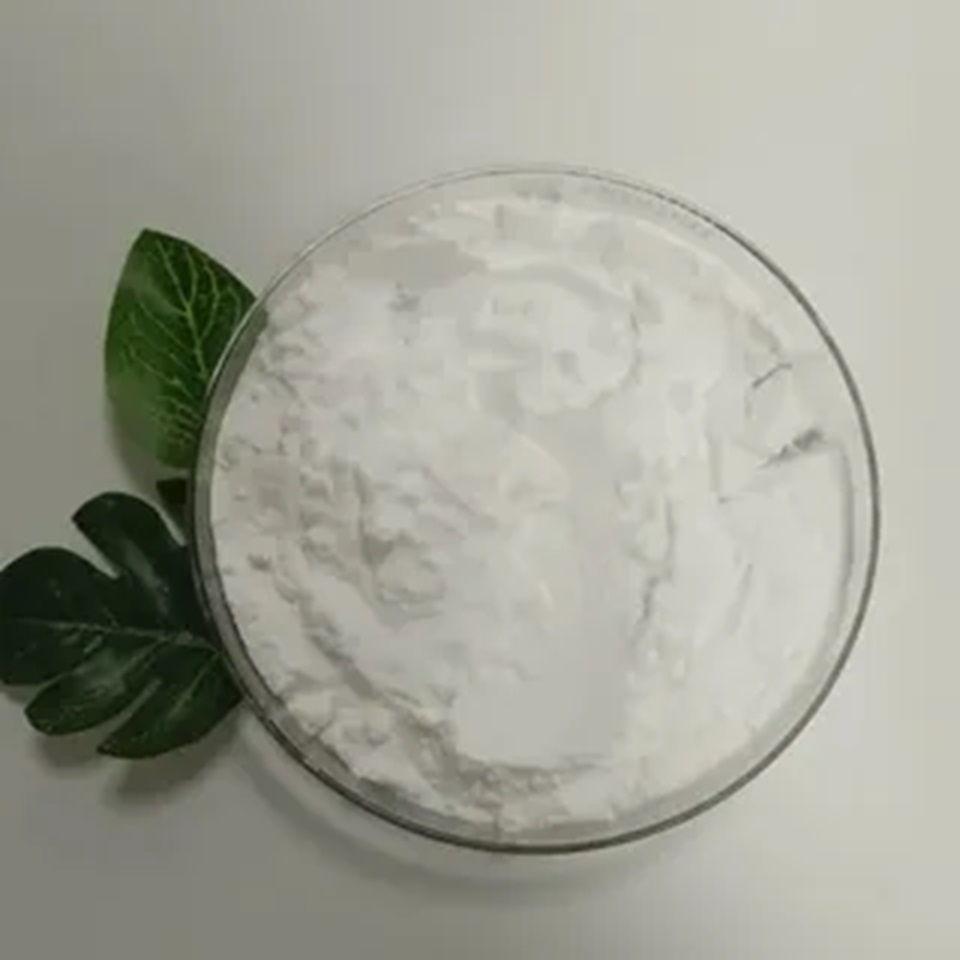
| Physical State (20°C) | Solid (white crystalline powder) |
| Odor | Odorless |
| Appearance | White powder; resembles Ethyl Acetate crystals |
SECTION 2: PHYSICAL AND CHEMICAL PROPERTIES
| Property | Value | Test Method |
|---|---|---|
| Appearance | White crystalline powder | Visual |
| Odor | Odorless | Olfactometric |
| Molecular Weight | 346.38 g/mol | Calculated |
| Melting Point | ~234°C (decomposes) | DSC |
| Density | ~1.34 g/cm3 | ASTM D4052 |
| Solubility in Water (25°C) | ~5 g/L (low-moderate solubility) | Gravimetric |
| Solubility in Acetone | Freely soluble | General Method |
| Solubility in Ethyl Alcohol | Freely soluble | General Method |
| Solubility in Methyl Alcohol | Freely soluble | General Method |
| pH (1% solution) | Slightly acidic (3.0 – 4.0) | pH Meter |
| Chemical Character | Slightly acidic | |
| Stability | Stable under normal conditions in dry environment | |
| Hygroscopicity | Low | |
| Flash Point | Non-flammable | Not applicable |
SECTION 3: CHEMICAL PROPERTIES AND REACTIVITY
| Parameter | Information |
|---|---|
| Chemical Class | Tetracyclic di-terpenoid; gibberellin family |
| Stability | Stable in dry environment; degrades over time in aqueous solutions |
| pH Sensitivity | Stable at acidic pH; rapidly degrades at alkaline pH |
| Decomposition Products (Heating) | Decomposes above 234°C; CO, CO2, water vapor |
| Incompatible Materials | Strong bases, strong oxidizing agents |
| Light Sensitivity | May degrade upon exposure to UV light |
| Hazardous Polymerization | Does not occur |
SECTION 4: PRODUCTION METHOD
| Parameter | Description |
|---|---|
| Primary Method | Microbial fermentation |
| Microorganism | Gibberella fujikuroi (Fusarium moniliforme) fungus |
| Carbon Source | Corn starch, glucose, sucrose |
| Fermentation Duration | 7-8 days |
| Yield Optimization | Gradual feeding of carbon source; rapid placement of glucose and sucrose into strains |
| High Yield Conditions | Most efficient production achieved with samples containing 20 g glycerol in agitated system |
| Purification | Extraction, crystallization, drying |
| Worldwide Discovery | Approximately 130 gibberellin types; GA3 is the most common bioactive form |
SECTION 5: PLANT GROWTH REGULATORS COMPARISON
| Property | Gibberellic Acid (GA3) | Auxins (IBA, NAA) | Cytokinins (Kinetin) | Brassinosteroids | Ethephon |
|---|---|---|---|---|---|
| Class | Gibberellin | Auxin | Cytokinin | Brassinosteroid | Ethylene Releaser |
| Primary Effect | Stem elongation, germination, fruit development | Rooting, fruit set | Cell division, shoot development | Stress tolerance, growth balance | Fruit ripening, leaf abscission |
| Stem Elongation | Increases | Variable | Variable | Increases | Decreases |
| Rooting | Weak effect | Strong effect | Weak effect | Moderate effect | None |
| Flowering | Regulates | Variable | Promotes | Promotes | Promotes |
| Fruit Development | Increases (seedless) | Increases (set) | Increases | Increases | Ripens |
| Stress Tolerance | Low | Moderate | Moderate | High | Low |
SECTION 6: FUNCTIONAL PROPERTIES AND MECHANISM OF ACTION
| Property | Description |
|---|---|
| Seed Germination Promotion | Breaks seed dormancy; effective on seeds that fail to germinate at low temperatures |
| Stem and Internode Elongation | Promotes internode elongation enabling plants to grow taller |
| Fruit Development and Quality | Increases fruit size in seedless fruits (grapes, mandarins); accelerates ripening; reduces fruit cracking |
| Flowering Regulation | Advances or synchronizes flowering in certain plants; facilitates harvest timing |
| Seedling and Sapling Development | Supports root and stem development for quicker transplant readiness |
| Male Flower Production | Bioactive GAs activate male flower production |
| Dormancy Breaking | Used to break dormancy period of potato tubers |
| Nitrate and Peptide Transporter | Acts as hormone supplement in plants under deficiency conditions |
| Mechanism of Action | Regulates gene expression; promotes cell elongation and division; removes growth suppression by degrading DELLA proteins |
SECTION 7: PRIMARY APPLICATION AREAS AND DOSAGE
| Plant / Application | Effect | Recommended Dosage (ppm) | Application Timing |
|---|---|---|---|
| Grape (Seedless) | Increases berry size, reduces cluster tightness, synchronizes ripening | 25 – 100 | Post-bloom |
| Citrus (Mandarin, Orange) | Increases fruit set, reduces peel thickness | 10 – 50 | Flowering period |
| Tomato | Promotes seedling height elongation; caution with fruit set | 10 – 50 | Seedling stage |
| Potato | Breaks tuber dormancy, accelerates sprouting | 0.5 – 1 mg/L | Pre-planting soak |
| Wheat and Barley | Promotes stem elongation (excessive dose may cause lodging) | 10 – 50 | Tillering stage |
| Rice | Accelerates germination and seedling development | 5 – 20 | Seed soaking |
| Ornamentals (Gypsophila) | Increases flower stem thickness and flower count | 500 | Vegetative stage |
| Ornamentals (Iris) | Advances flowering | 375 mg/L | Early vegetative stage |
| Lettuce | May trigger early flowering (caution required) | 1 – 5 | Vegetative stage |
| Germination Promotion (General) | Awakens dormant seeds | 100 – 500 | Pre-sowing soak |
SECTION 8: GA3 ALTERNATIVES AND GROWTH CONTROL
| Product / Active Ingredient | Effect | Difference from GA3 |
|---|---|---|
| Auxins (IBA, NAA) | Promotes rooting, increases fruit set | Preferred when GA3 negatively affects fruit set |
| Cytokinins (Kinetin, Zeatin) | Increases cell division, supports shoot development | Synergistic effect with GA3 |
| Brassinosteroids | Increases stress tolerance, balances growth | More effective under stress conditions |
| Ethephon | Accelerates fruit ripening, promotes leaf abscission | Opposite effect to GA3 |
| Paclobutrazol | Shortens plant height, promotes flowering | Opposite effect to GA3 (gibberellin inhibitor) |
| Chlormequat Chloride (CCC) | Limits stem elongation, increases durability | Opposite effect to GA3 (height control) |
SECTION 9: QUALITY SPECIFICATIONS (TECHNICAL GRADE)
| Parameter | Specification | Test Method |
|---|---|---|
| Appearance | White crystalline powder | Visual |
| Odor | Odorless | Olfactometric |
| Purity (GA3, HPLC) | ≥ 90.0% (Technical); ≥ 95.0% (High Purity) | HPLC |
| Loss on Drying (60°C, vacuum) | ≤ 1.0% | Gravimetric |
| pH (1% solution) | 3.0 – 4.0 | pH Meter |
| Specific Optical Rotation ([α]D20) | +75° to +85° (c=1, ethanol) | Polarimetry |
| Melting Point | 230 – 235°C (decomposes) | DSC |
| Ash Content | ≤ 0.5% | Gravimetric (600°C) |
| Heavy Metals (as Pb) | ≤ 20 ppm | ICP-MS |
| Lead (Pb) | ≤ 5 ppm | ICP-MS |
| Arsenic (As) | ≤ 3 ppm | ICP-MS |
| Mercury (Hg) | ≤ 1 ppm | ICP-MS |
| Cadmium (Cd) | ≤ 1 ppm | ICP-MS |
| Particle Size | Per customer specification | Sieve Analysis |
SECTION 10: TOXICOLOGICAL PROFILE
| Parameter | Value |
|---|---|
| Acute Oral Toxicity (LD50, Rat) | > 15,000 mg/kg (very low toxicity) |
| Acute Dermal Toxicity (LD50, Rabbit) | > 2,000 mg/kg |
| Skin Irritation | Mild irritant |
| Eye Irritation | Mild irritant |
| Respiratory Irritation | Inhalation of dust may cause mechanical irritation |
| Skin Sensitization | Not sensitizing |
| Carcinogenicity | Not classified |
| Mutagenicity | Negative in in vitro tests |
| Reproductive Toxicity | No known adverse effects |
| Environmental Toxicity | Low; minimal effect on non-target organisms |
| Bee Toxicity | Low toxicity |
| Fish Toxicity (LC50, 96h) | > 100 mg/L (low toxicity) |
SECTION 11: GHS CLASSIFICATION AND LABELING
GHS Classification (compliant with 1272/2008/EC):
| Hazard Class | Category | H-Statement |
|---|---|---|
| Not classified | - | Not classified as hazardous according to current regulations |
Signal Word: No signal word (not classified as hazardous)
Hazard Pictograms: No pictograms required
Precautionary Statements (P-Codes):
| Code | Statement |
|---|---|
| P261 | Avoid breathing dust |
| P280 | Wear protective gloves/eye protection |
| P305+P351+P338 | IF IN EYES: Rinse cautiously with water for several minutes |
SECTION 12: FIRST AID MEASURES
| Exposure Route | Action to Take |
|---|---|
| Inhalation | Move to fresh air. Seek medical attention if respiratory irritation persists. |
| Skin Contact | Wash with plenty of water and soap. Seek medical attention if irritation persists. |
| Eye Contact | Rinse immediately with plenty of water for at least 15 minutes. Remove contact lenses if present. Seek medical attention if irritation persists. |
| Ingestion | Rinse mouth with water. Drink plenty of water. Seek medical attention if you feel unwell. |
SECTION 13: FIREFIGHTING MEASURES
| Parameter | Information |
|---|---|
| Fire Hazard | Non-flammable |
| Hazards During Fire | Releases CO, CO2, water vapor when heated above 234°C |
| Suitable Extinguishing Media | Any extinguishing media appropriate for surrounding fire |
| Special Protective Equipment | Self-contained breathing apparatus (SCBA), full protective clothing |
SECTION 14: STORAGE AND SHELF LIFE
| Parameter | Information |
|---|---|
| Storage Conditions | Cool (15-25°C), dry, well-ventilated area; light-protective packaging |
| Container Requirements | Tightly closed, moisture-proof containers |
| Keep Away From | Moisture, direct sunlight (UV), alkaline environments, strong oxidizing agents |
| Shelf Life | 24 months (unopened original packaging under appropriate storage conditions) |
| Stability Note | Stable in dry environment; degrades over time in aqueous solutions; rapidly degrades at alkaline pH |
SECTION 15: PACKAGING OPTIONS
| Packaging Type | Quantity | Material |
|---|---|---|
| Aluminum foil pouch (light-protective) | 1 kg | Laminated aluminum |
| Aluminum foil pouch (light-protective) | 5 kg | Laminated aluminum |
| Kraft bag with PE inner liner | 25 kg | Kraft paper + PE |
| PP woven bag with PE inner liner | 25 kg | PP woven + PE |
| Plastic pail (light-protected) | 25 kg | HDPE |
SECTION 16: TRANSPORTATION INFORMATION
| Parameter | Information |
|---|---|
| UN Number | Not regulated (not hazardous) |
| Hazard Class | Not applicable |
| Packing Group | Not applicable |
| ADR/RID | Not regulated |
| IMDG Code | Not regulated |
| IATA (Air) | Not regulated |
| Marine Pollutant | No |
| Transport Temperature | Ambient (15-25°C) |
SECTION 17: REGULATORY STATUS
| Region / Authority | Status |
|---|---|
| European Union | Approved as plant growth regulator (under EC 1107/2009) |
| USA (EPA) | Registered as biopesticide; plant growth regulator |
| Turkey | Licensed plant growth regulator by Ministry of Agriculture and Forestry |
| Codex Alimentarius | MRLs (Maximum Residue Limits) established |
| WHO | Classified as low-risk pesticide |
| Organic Agriculture | Approved for use in organic farming by certain certification bodies |
SECTION 18: OTHER NAMES AND SYNONYMS
| Type | Name |
|---|---|
| English Names | Gibberellic Acid, Gibberellin A3, GA3, GA, Gibberellin |
| Other Language Names | Gibberellik Asit, Giberalik Asit (Turkish) |
| Abbreviations | GA, GA3, A3 |
| Chemical Class | Tetracyclic di-terpenoid |
| CAS Number | 77-06-5 |
| EC Number | 201-001-0 |
SECTION 19: EFFECTS ON DIFFERENT PLANT TYPES
| Plant Category | Species Examples | Key Effects | Critical Notes |
|---|---|---|---|
| Fruit Trees and Vines | Grape, Citrus, Apple, Pear | Increases fruit size, improves set, synchronizes ripening, reduces peel thickness | Dosage highly species-dependent |
| Field Crops | Wheat, Barley, Rice | Promotes stem elongation, accelerates germination | Excessive dose causes lodging |
| Ornamentals | Iris, Gypsophila, Delphinium | Advances or enhances flowering, increases stem thickness and flower count | Temperature interaction important |
| Vegetables | Tomato, Lettuce, Cauliflower, Broccoli | Promotes seedling height, may trigger early flowering | Can negatively affect fruit set and head formation |
| Tubers | Potato | Breaks dormancy, accelerates sprouting by 5-7 days | Use 0.5-1 mg/L as pre-planting soak |
SECTION 20: SUMMARY TABLE
| Parameter | Value |
|---|---|
| Product | Gibberellic Acid (GA3) |
| CAS Number | 77-06-5 |
| Molecular Formula | C19H22O6 |
| Molecular Weight | 346.38 g/mol |
| Appearance | White crystalline powder |
| Melting Point | ~234°C |
| Solubility in Water (25°C) | ~5 g/L |
| pH (1% solution) | 3.0 – 4.0 |
| Primary Function | Plant growth regulator; stem elongation, germination, fruit development |
| Shelf Life | 24 months |
| GHS Signal Word | Not classified (non-hazardous) |
SECTION 21: CRITICAL WARNINGS AND BEST PRACTICES
CRITICAL WARNINGS:
-
Dosage Sensitivity: Excessive doses may cause abnormal elongation, weak stem structure, lodging, and yield reduction. Strictly follow recommended dosages.
-
Species Sensitivity: Not all plant species respond identically to GA3; preliminary testing is recommended before large-scale application.
-
Application Timing: Application timing (pre/post-flowering, vegetative/generative stage) directly affects success.
-
Alkaline pH Degradation: Rapidly degrades in alkaline environments; maintain slightly acidic pH (pH 5-6) when preparing solutions.
-
UV Light Sensitivity: Degrades upon exposure to UV light; store in light-protective packaging.
BEST PRACTICE RECOMMENDATIONS:
-
Solution Preparation: First dissolve in small amount of ethyl alcohol or methanol, then dilute with water. Maintain pH between 5-6.
-
Fresh Solution: Aqueous solutions degrade over time; prepare fresh and use within 24 hours.
-
Combination with Other Hormones: Combined use with auxins and cytokinins may provide synergistic effects.
-
Storage: Store in dry, cool, and dark environment; protect from moisture.
-
Protective Equipment: Wear protective gloves and goggles during application.
LEGAL DISCLAIMER:
The information provided in this document is presented in good faith based on our current knowledge and experience; however, since all usage conditions are beyond our control, it does not constitute a binding specification or warranty. This Technical Data Sheet is for informational purposes only. Users are obligated to test the suitability for their own applications. For complete safety, storage, handling, transportation, disposal, and regulatory compliance information, refer to the official Safety Data Sheet (SDS/MSDS) provided by the manufacturer/supplier.