We unleash your business potential by maximize the business innovation.
Send EmailStearic Acid, Octadecanoic Acid, Stearophanic Acid, Hydrophol, 1838, 1839, 1843, 1845, 1852, 1865, E570, 57-11-4
TECHNICAL DATA SHEET (TDS) – STEARIC ACID
1. PRODUCT DEFINITION AND CHEMICAL IDENTITY
| Parameter | Description |
|---|---|
| Chemical Name (IUPAC) | Octadecanoic Acid |
| Common Name | Stearic Acid |
| CAS Number | 57-11-4 |
| E Code | E570 (food additive) |
| Molecular Formula | C₁₈H₃₆O₂ |
| Molecular Weight | 284.48 g/mol |
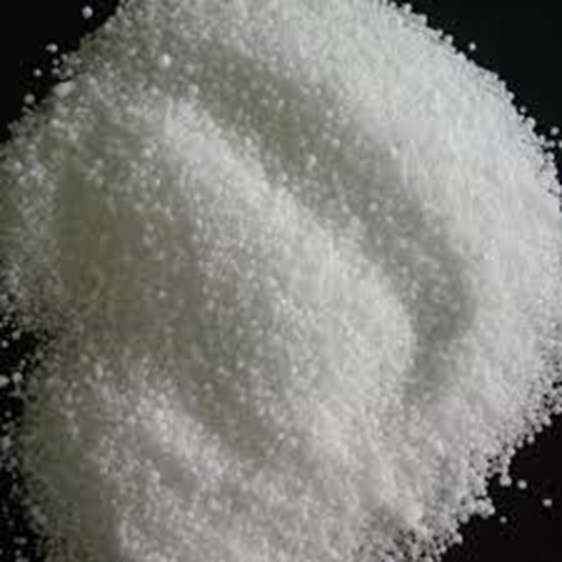
| Appearance | White, waxy solid (Bead, Flake, Powder, Lump) |
| Odour | Slight, characteristic fatty acid odour (odourless in refined grades) |
Note: Stearic acid is a saturated, long-chain fatty acid with an 18-carbon backbone. It occurs naturally in animal and vegetable fats in glyceride form and is obtained by hydrolysis. Commercial stearic acid is generally a mixture of stearic acid and palmitic acid (C16) in roughly equal proportions, along with a small amount of oleic acid. It is a white, waxy solid and is used as a fundamental raw material across a very wide range of industries, including cosmetics, pharmaceuticals, food, plastics, rubber, and detergents.
2. PHYSICAL AND CHEMICAL PROPERTIES
| Property | Value / Description |
|---|---|
| Physical form | White, waxy solid; bead, flake, powder, or lump |
| Melting point | ~69 – 72 °C |
| Boiling point | 361 °C (decomposes) |
| Density (20 °C) | ~0.9408 g/cm³ |
| Solubility in water (25 °C) | 0.597 mg/L (practically insoluble) |
| Solubility in organic solvents | Freely soluble in acetone, benzene, chloroform, carbon disulfide, ether, carbon tetrachloride, and toluene; soluble in alcohol |
| Acid Value (mg KOH/g) | 195 – 210 (depending on purity) |
| Saponification Value (mg KOH/g) | 196 – 211 |
| Iodine Value (g I₂/100g) | ≤ 1.0 (high purity); higher in technical grades |
| Stability | Highly resistant to oxidation due to its saturated structure; stable under normal conditions |
3. FUNCTIONAL PROPERTIES
-
Emulsifier and Stabilizer: Stabilizes oil-in-water emulsions in cosmetic creams and lotions, ensuring the formulation remains homogeneous.
-
Thickener and Structurant: Imparts hardness and the desired consistency to soaps, candles, and cosmetic products. Specifically, it provides hardness and foam stability in soap manufacturing.
-
Emollient: Forms a protective, soft film on the skin in personal care products.
-
Lubricant and Binder: In pharmaceutical tablet production, it prevents powders from sticking to the die (lubricant) and increases the mechanical strength of the tablet (binder).
-
Vulcanization Activator: In the rubber industry, it acts as an activator that accelerates the vulcanization reaction together with zinc oxide.
-
Process Aid and Mould Release Agent: Used as an internal lubricant and mould release agent in plastic and PVC processing; contributes to thermal stability.
4. ALTERNATIVE NAMES AND SYNONYMS
-
Stearic Acid
-
Octadecanoic Acid (IUPAC)
-
Stearophanic Acid
-
Hydrophol Acid
-
Cetyl Acetic Acid (obsolete)
-
E570 (food additive code)
5. COMMERCIAL GRADING AND CODE SYSTEM
Stearic acid is commercially classified under different codes based on its purity, C18:C16 ratio, and target sector. The most common codes and their properties are as follows:
| Code | Grade | Purity (%) | Form | C18 Ratio | Main Application Area |
|---|---|---|---|---|---|
| 1838 | Rubber Grade | 85–90 | Bead/Flake | Medium | PVC, rubber, tire vulcanization |
| 1839 | Cosmetic Grade | 95+ | Bead/Flake | High | Creams, lotions, shampoos, personal care |
| 1843 | Plastic Grade | ~90 | Bead | Medium | PE, PP, thermoplastic processing |
| 1845 | Candle Grade | ~90 | Flake | Medium | Candle manufacturing (gloss and hardness balance) |
| 1852 | Paint Grade | Technical | Flake | Low | Paint and coatings (rheological stabilizer) |
| 1865 | Pharma Grade (Triple Pressed) | 98+ | Flake | High | Pharmaceutical, food, sensitive cosmetics (USP/EP compliant) |
Triple Pressed Stearic Acid: This is the highest purity grade. Through a three-stage pressing process, colour, odour, and impurities are minimized. It provides a low iodine value, high oxidative stability, and excellent skin compatibility. It is USP/EP compliant and suitable for pharmaceutical and food applications.
6. SECTORAL APPLICATIONS AND USAGE RATES
| Sector | Application | Typical Usage Rate / Notes |
|---|---|---|
| Cosmetics & Personal Care | Emulsifier, thickener, emollient in creams, lotions, soaps, shampoos, makeup | 1 – 25%; 5 – 15% in soaps |
| Pharmaceuticals | Tablet binder and lubricant; ointment base; emulsion stabilizer | 1 – 5% (tablets); requires USP/EP compliant grade |
| Food (E570) | Anti-caking agent, coating agent, solidifier in chocolate | 0.5 – 2%; only food-grade must be used |
| Rubber & Tire | Vulcanization activator, filler additive | 1 – 5 phr; Rubber Grade (1838) preferred |
| Plastics & PVC | Internal lubricant, mould release agent, thermal stabilizer | 0.5 – 3%; Plastic Grade (1843) suitable |
| Candle Manufacturing | Hardness and gloss enhancer; solidifier | 5 – 20%; Candle Grade (1845) optimized |
| Paints & Coatings | Dispersing agent, consistency control | 1 – 5%; Paint Grade (1852) used |
| Detergents & Cleaning | Saponifier, foam stabilizer, scale remover | 5 – 20% |
| Metal Stearate Production | Raw material for producing calcium, zinc, and magnesium stearates | In stoichiometric ratios |
7. INTER-GRADE SUBSTITUTION TABLE
| Substitution Scenario | Suitability | Explanation |
|---|---|---|
| Triple Pressed (1865) → Cosmetic (1839) | ✅ Suitable | Same purity level, more economical alternative |
| Triple Pressed (1865) → Rubber (1838) | ❌ Not Suitable | Pharmaceutical grade is too pure and costly for vulcanization |
| Rubber (1838) → Plastic (1843) | ✅ Suitable | Transition possible between technical grades |
| Cosmetic (1839) → Pharma (1865) | ⚠️ Conditional | USP/EP compliance and full purity documentation must be sought |
| Candle (1845) → Double Pressed | ✅ Suitable | Provides equivalent performance in candle manufacturing |
8. SAFETY, STORAGE, AND REGULATORY INFORMATION
-
GHS Classification: Not classified as a hazardous substance. Generally non-irritating to skin and eyes. The fine powder form may cause mild mechanical irritation.
-
Food Additive (E570): Permitted for use as an anti-caking and coating agent in foodstuffs. The product used must be of food-grade quality.
-
Pharmaceutical Compliance: 1865 (Pharma Grade) and Triple Pressed grades comply with USP/EP monographs.
-
Storage: Store in a cool (<30 °C), dry, and well-ventilated area in tightly sealed packaging. Keep away from heat sources and direct sunlight. Incompatible with strong oxidizing agents.
-
Shelf Life: At least 24 months in original, sealed packaging under proper storage conditions.
-
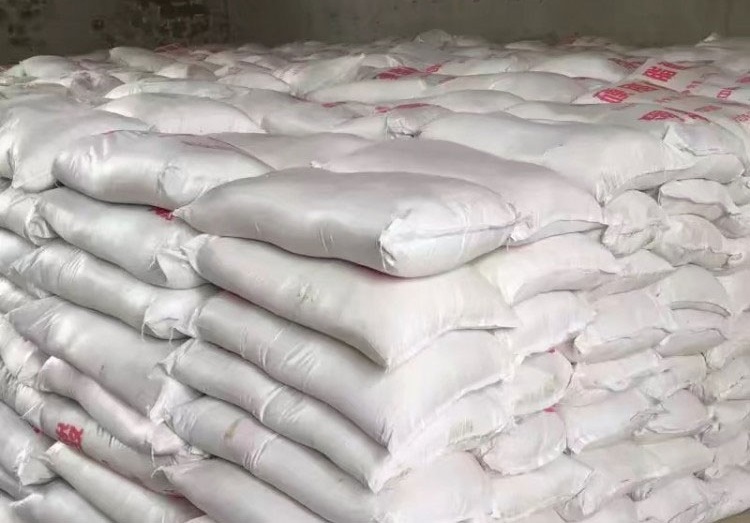
Packaging: Typically 25 kg kraft paper bags or cartons with PE inner liner; 500-1000 kg big bags.
9. FREQUENTLY ASKED QUESTIONS
Q1: What is the difference between Triple Pressed Stearic Acid and regular stearic acid?
Triple Pressed is the purest form, extra-refined through a three-stage pressing process. It has a lower iodine value (whiter, less odour, higher oxidative stability) and contains fewer impurities. It is preferred for skin-contact cosmetic products, pharmaceuticals, and food applications.
Q2: Which stearic acid code should I choose?
-
Cosmetics and personal care → 1839 (Cosmetic Grade) or 1865 (Pharma Grade)
-
Rubber and PVC → 1838 (Rubber Grade)
-
Plastic processing → 1843 (Plastic Grade)
-
Candle manufacturing → 1845 (Candle Grade)
-
Pharmaceuticals and food → 1865 (Pharma Grade / Triple Pressed)
Q3: Is stearic acid soluble in water?
No, it is practically insoluble in water (~0.6 mg/L at 25 °C). However, it dissolves freely in organic solvents such as alcohol, acetone, chloroform, and ether.
Q4: What is the role of stearic acid in soap making?
Stearic acid hardens the soap, improves lather quality and stability, and prevents the soap from dissolving too quickly in water.
Q5: Is there a difference between vegetable-based and animal-based stearic acid?
They are chemically identical. However, vegetable-based (palm oil) stearic acid is preferred for applications requiring vegan/halal/kosher certification. The vast majority of commercial stearic acid today is vegetable-based.
10. QUICK REFERENCE TABLE
| Property | Value |
|---|---|
| CAS | 57-11-4 |
| Formula | C₁₈H₃₆O₂ |
| Molecular Weight | 284.48 g/mol |
| Appearance | White waxy solid (bead/flake/powder/lump) |
| Melting Point | ~69 – 72 °C |
| Acid Value | 195 – 210 mg KOH/g |
| Purest Form | Triple Pressed / Pharma Grade (1865) |
| Main Uses | Cosmetics, pharmaceuticals, rubber, plastics, soaps, candles, food additive |