We unleash your business potential by maximize the business innovation.
Send EmailInositol, Myo-Inositol, Meso-Inositol, Cyclohexanehexol, 87-89-8
Product Name
Inositol (Myo-Inositol, meso-Inositol, Cyclohexanehexol, CAS: 87-89-8)
Chemical Identity
-
CAS Numbers: 87-89-8; 6917-35-7
-
Molecular Formula: C6H12O6
-
Molecular Weight: 180.16 g/mol
-
Structure: Cyclohexane ring with six hydroxyl groups (hexahydroxycyclohexane)
-
Isomers: 9 stereoisomers; myo-inositol is the most common and biologically relevant
Physical and Chemical Properties
-
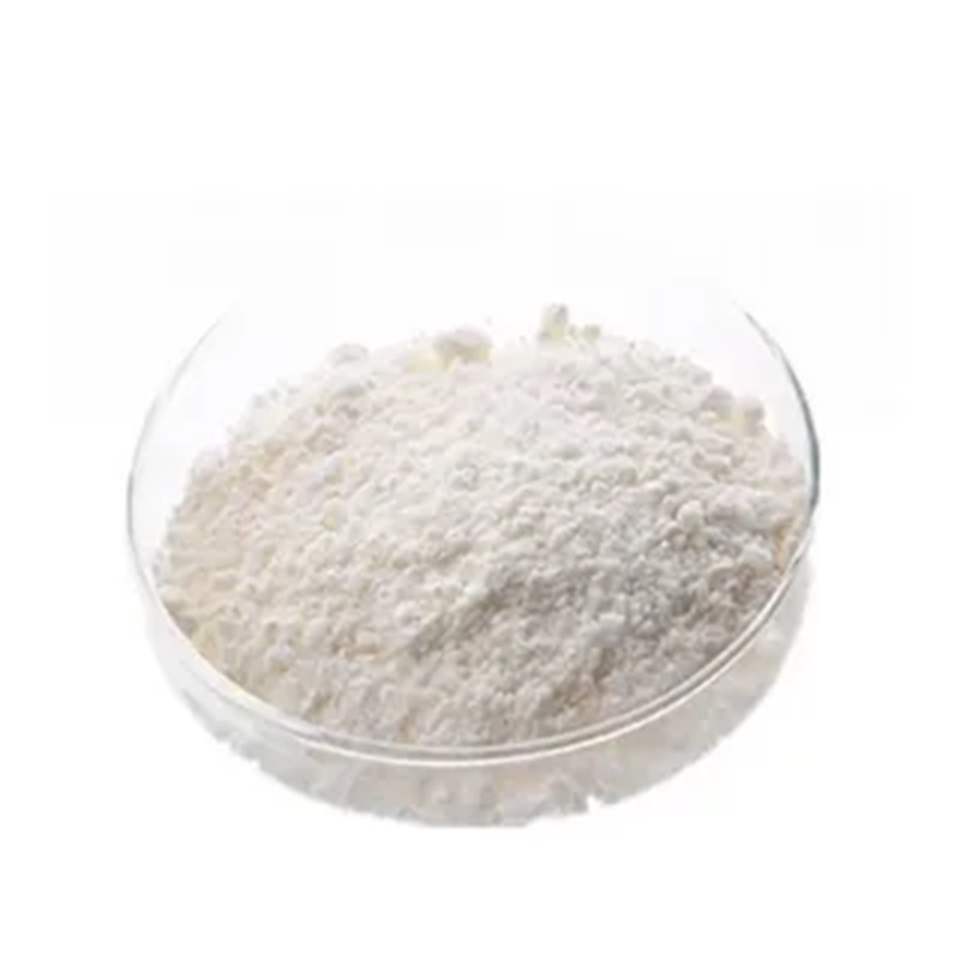
Appearance: White crystalline powder, odorless, sweet taste
-
Density: 1.75 g/cm³
-
Melting Point: 222–227 °C
-
Boiling Point (estimated): 232.96 °C
-
Solubility:
-
Water: 14 g/100 mL at 25 °C (solubility increases with temperature)
-
Slightly soluble in ethanol, glycerin, acetic acid
-
Insoluble in ether, acetone, chloroform
-
-
pH (100 g/L solution): 5–7
-
Storage Conditions: 2–8 °C, sealed container
Natural Occurrence
-
Found in animal tissues (muscle, heart, liver, lung) in free form or as phosphatidylinositol.
-
In plants, mainly present as inositol phosphate or phytate salts (inositol hexaphosphate).
-
Food Sources: Whole grains, nuts, citrus fruits, cantaloupe, beans, currants, cabbage, milk.
Production Methods
-
Hydrolysis of phytin (calcium-magnesium phytate): Acid treatment (HCl or H2SO4), neutralization with lime milk, decolorization with activated carbon, crystallization.
-
Pressure hydrolysis: Improves yield and reduces production cycle.
-
Enzymatic conversion: Using phytase and phosphatase enzymes to degrade phytic acid into inositol.
Biological Functions
-
Essential for lipid and carbohydrate metabolism.
-
Acts as a second messenger (inositol triphosphate) in calcium signaling pathways.
-
Supports liver function, prevents fat accumulation, lowers serum lipids.
-
Beneficial for eye health and hair growth.
-
Plays a role in cell division, secretion, and signal transduction.
Applications
-
Pharmaceuticals:
-
Used with vitamin B complex to prevent fatty liver and hyperlipidemia.
-
Supportive treatment for diabetes, atherosclerosis, alopecia, and metabolic disorders.
-
-
Food Industry:
-
Nutritional fortifier in infant formula and beverages (210–250 mg/kg).
-
Added to animal feed (fish, shrimp, poultry) to improve growth and prevent deficiency.
-
Phytate derivatives (inositol hexaphosphate) used as antioxidants and stabilizers.
-
-
Cosmetics & Chemicals:
-
Raw material for advanced cosmetics.
-
Intermediate in organic synthesis.
-
Safety and Toxicology
-
GRAS (FDA, §182.5370, 2000): Generally recognized as safe.
-
Side Effects:
-
May interact with psychiatric medications.
-
Not suitable for hypoglycemic patients.
-
Excessive intake may disturb calcium-phosphorus balance.
-
Possible uterine contractions and abnormal bleeding.
-
Allergic reactions (itching, dyspnea, chest tightness) in sensitive individuals.
-
Economic Value
Inositol is a versatile compound with high commercial importance in pharmaceuticals, food, feed, and cosmetics. Its dual role as a vitamin-like nutrient and biochemical reagent makes it indispensable in multiple industries.