We unleash your business potential by maximize the business innovation.
Send EmailPentylene Glycol, 1,2-Pentanediol, PTD, 5343-92-0
PENTYLENE GLYCOL - PENTİLEN GLİKOL
1,2-Pentanediol - Pentan-1,2-diol - Green Preservative
CAS: 5343-92-0
| Product Name | Pentylene Glycol (1,2-Pentanediol) |
| CAS Number | 5343-92-0 |
| EC Number | 226-285-3 |
| Chemical Class | Dihydric Alcohol (Glycol) |
| Synonyms | Pentylene Glycol, 1,2-Pentanediol, Pentan-1,2-diol, 1,2-Dihydroxypentane, Pilenilen Glikol, Glycol, Green Preservative |
ITEM 1: PRODUCT IDENTITY AND NOMENCLATURE
| Parameter | Description |
|---|---|
| IUPAC Name | Pentane-1,2-diol |
| Chemical Formula | C₅H₁₂O₂ |
| Molecular Weight | 104.15 g/mol |
| CAS Number | 5343-92-0 |
| EC Number | 226-285-3 |
| Synonyms | Pentylene Glycol, 1,2-Pentanediol, Pentan-1,2-diol, 1,2-Dihydroxypentane, Pilenilen Glikol, Glycol, Green Preservative |
| HS Code | 2905.39.00.00.00 |
| REACH Status | Registered and compliant |
Description: Pentylene Glycol (1,2-Pentanediol) is a dihydric alcohol (glycol) derived from renewable agricultural sources such as corn and sugarcane. It is a colorless, non-greasy liquid with excellent solubility in water and many organic solvents. Known as a "green preservative" and "eco-friendly cosmetic ingredient," it is widely used in cosmetics, personal care, and pharmaceutical formulations. It functions as a humectant, skin-conditioning agent, solvent, and antimicrobial booster. Its low toxicity, low irritation potential, and sustainable origin make it a preferred ingredient in high-quality, natural, and "green" cosmetic formulations.
ITEM 2: CHEMICAL STRUCTURE AND MOLECULAR PROPERTIES
| Parameter | Description |
|---|---|
| Chemical Family | Dihydric Alcohol (Glycol) |
| Structure | Linear five-carbon chain with two hydroxyl groups at positions 1 and 2 |
| Functional Groups | Two primary/secondary hydroxyl (-OH) groups |
| Molecular Structure | HO-CH₂-CH(OH)-CH₂-CH₂-CH₃ |
| SMILES | CCCC(O)CO |
| InChI Key | XFZJEEAOWLFCHH-UHFFFAOYSA-N |
| Isomers | Several isomers exist; 1,2-pentanediol is the most common |
| Source | Renewable agricultural (corn, sugarcane) |
| Production | Synthetic bio-based production |
| Petrochemical-free | Yes |
Structural Formula:
text
    CH₂OH
      |
    CHOH
      |
    CH₂
      |
    CH₂
      |
    CH₃
Description: Pentylene Glycol is a five-carbon dihydric alcohol with hydroxyl groups attached to the first and second carbon atoms. This vicinal diol structure provides excellent water solubility, humectant properties, and antimicrobial activity. The molecule is derived from renewable agricultural sources through synthetic bio-based production, making it a sustainable, petrochemical-free alternative to traditional glycols.
ITEM 3: PHYSICAL APPEARANCE AND FORM
| Parameter | Specification | Test Method |
|---|---|---|
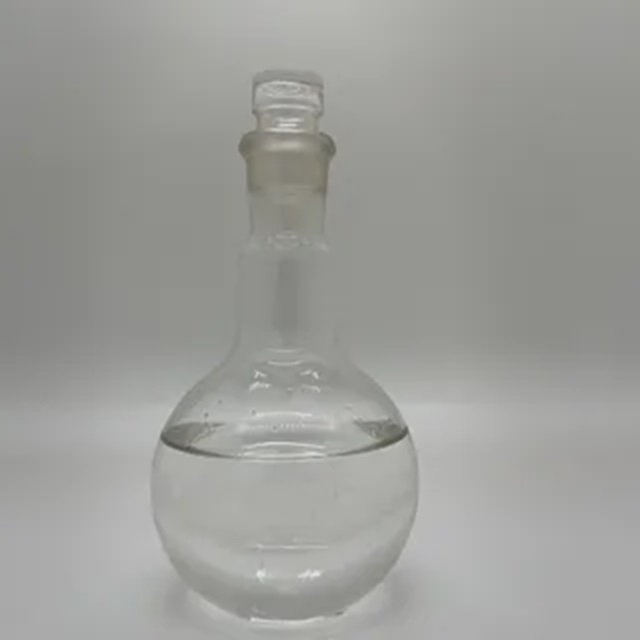
| Appearance | Clear, colorless liquid | Visual Inspection |
| Physical Form | Liquid | Visual Inspection |
| Color | Practically colorless | Visual Inspection |
| Odor | Slight characteristic, mild | Organoleptic |
| Clarity | Clear, free from sediment | Visual Inspection |
| Viscosity | Low viscosity liquid | – |
Description: Pentylene Glycol is a clear, colorless, low-viscosity liquid with a slight, mild characteristic odor. It is supplied as a free-flowing liquid with high purity. The product contains no visible sediment or turbidity. Its non-greasy, non-oily feel makes it particularly suitable for cosmetic formulations.
ITEM 4: PHYSICAL PROPERTIES
| Property | Specification | Typical Value | Test Method |
|---|---|---|---|
| Density (20°C) | 0.990 – 0.998 g/cm³ | 0.994 g/cm³ | ASTM D4052 |
| Density (25°C) | 0.985 – 0.995 g/cm³ | 0.990 g/cm³ | ASTM D4052 |
| Refractive Index (20°C) | 1.438 – 1.442 | 1.440 | ASTM D1218 |
| Viscosity (20°C) | ~30 – 40 cP | 35 cP | – |
| Melting Point | -18 °C | -18 °C | DSC |
| Boiling Point | 206 – 210 °C | 208 °C | – |
| Flash Point | ~110 °C | 110 °C | ASTM D93 |
| Vapor Pressure (20°C) | < 0.1 mmHg | – | – |
| pH (10% Aqueous Solution) | 5.5 – 7.0 (neutral) | 6.5 | pH Meter |
Description: Pentylene Glycol has a density of approximately 0.994 g/cm³ at 20°C and a refractive index of 1.440. Its melting point is -18°C, and it remains liquid over a wide temperature range. The boiling point is 206-210°C, indicating low volatility. The flash point is approximately 110°C, indicating low flammability. Its aqueous solution is neutral (pH 5.5-7.0).
ITEM 5: THERMAL PROPERTIES
| Property | Specification / Value | Test Method |
|---|---|---|
| Melting Point | -18 °C | DSC |
| Boiling Point | 206 – 210 °C | – |
| Flash Point | ~110 °C | ASTM D93 |
| Auto-ignition Temperature | ~350 °C | – |
| Vapor Pressure (20°C) | < 0.1 mmHg | – |
| Thermal Stability | Stable under normal conditions | – |
Description: Pentylene Glycol has a low melting point of -18°C and remains liquid over a wide temperature range. Its boiling point is 206-210°C, indicating low volatility. The flash point is approximately 110°C, indicating low flammability. The product is thermally stable under normal processing and storage conditions.
ITEM 6: SOLUBILITY AND MISCIBILITY
| Solvent / Medium | Solubility / Miscibility |
|---|---|
| Water | Completely miscible |
| Ethanol | Completely miscible |
| Methanol | Completely miscible |
| Isopropanol | Completely miscible |
| Propylene Glycol | Completely miscible |
| Glycerin | Completely miscible |
| Acetone | Completely miscible |
| Ethyl Acetate | Completely miscible |
| Oils (Vegetable/Mineral) | Partially soluble |
| Toluene | Partially soluble |
Description: Pentylene Glycol is completely miscible with water and most polar organic solvents including ethanol, methanol, isopropanol, propylene glycol, glycerin, acetone, and ethyl acetate. It is partially soluble in oils and non-polar solvents such as toluene. This broad solubility profile makes it easy to incorporate into a wide range of formulations.
ITEM 7: PURITY AND ANALYTICAL SPECIFICATIONS
| Parameter | Specification | Typical Value | Test Method |
|---|---|---|---|
| Purity (GC) | ≥ 98.0% | 99.0% | GC |
| Purity (Cosmetic Grade) | ≥ 99.0% | 99.5% | GC |
| Water Content (Karl Fischer) | ≤ 0.50% | 0.10% | Karl Fischer |
| Color (APHA) | ≤ 20 | 10 | ASTM D1209 |
| Density (20°C) | 0.990 – 0.998 g/cm³ | 0.994 | ASTM D4052 |
| Refractive Index (20°C) | 1.438 – 1.442 | 1.440 | ASTM D1218 |
| Acid Value (mg KOH/g) | ≤ 0.10 | 0.05 | Titration |
| Heavy Metals (Pb) | ≤ 10 ppm | <5 ppm | ICP-MS |
| Arsenic (As) | ≤ 2 ppm | <1 ppm | ICP-MS |
| Appearance | Clear liquid | Passes | Visual |
| Odor | Slight mild | Passes | Organoleptic |
Description: Pentylene Glycol is supplied in high purity (≥98.0%). Cosmetic grade products meet stricter purity specifications (≥99.0%). Low water content and acid value indicate high quality and product stability. Heavy metal content is strictly controlled to ensure safety for cosmetic and pharmaceutical applications.
ITEM 8: COSMETIC AND PERSONAL CARE APPLICATIONS
| Application | Function / Benefit |
|---|---|
| Moisturizers | Humectant, skin conditioning, moisture retention |
| Creams | Emollient, humectant, texture enhancer |
| Lotions | Humectant, skin conditioning |
| Serums | Humectant, skin conditioning |
| Facial Cleansers | Humectant, mildness |
| Body Washes | Humectant, mildness |
| Shampoos | Humectant, conditioning |
| Conditioners | Humectant, conditioning |
| Sunscreens | Solvent, moisturizing, antimicrobial booster |
| Anti-aging Products | Humectant, skin conditioning |
| Eye Creams | Humectant, mildness |
| Lip Balms | Humectant, moisturizing |
| Makeup Products | Humectant, skin conditioning |
| Baby Care Products | Mild, non-irritating humectant |
| Sensitive Skin Products | Low irritation, soothing |
| Natural/Organic Formulations | Bio-based, sustainable ingredient |
Description: In cosmetics and personal care, Pentylene Glycol is used as a multifunctional ingredient. It acts as a humectant, skin-conditioning agent, and moisturizer. It is particularly valued in natural and organic formulations due to its renewable, bio-based origin. It also functions as a solvent and antimicrobial booster, enhancing product preservation. Its low irritation potential makes it suitable for sensitive skin and baby care products.
ITEM 9: HUMECTANT AND MOISTURIZING PROPERTIES
| Property | Description |
|---|---|
| Humectant Effect | Attracts and retains moisture in the skin |
| Water Binding Capacity | High water-binding capacity |
| Skin Hydration | Provides long-lasting skin hydration |
| Moisture Retention | Helps maintain skin moisture balance |
| Skin Conditioning | Leaves skin smooth, soft, and non-greasy |
| Transepidermal Water Loss (TEWL) | Reduces TEWL |
| Skin Feel | Non-greasy, non-sticky finish |
| Compatibility | Compatible with other humectants (glycerin, etc.) |
Description: Pentylene Glycol is an effective humectant that attracts and retains moisture in the skin. It provides long-lasting hydration, reduces transepidermal water loss (TEWL), and leaves the skin feeling smooth and soft without a greasy or sticky residue. Its water-binding capacity makes it an excellent moisturizing ingredient for a wide range of cosmetic formulations.
ITEM 10: ANTIMICROBIAL AND PRESERVATIVE BOOSTER PROPERTIES
| Property | Description |
|---|---|
| Antimicrobial Activity | Exhibits antimicrobial activity due to dihydric alcohol structure |
| Preservative Booster | Enhances the efficacy of primary preservatives |
| Broad Spectrum | Active against bacteria, fungi, and yeast |
| Low Irritation | Mild antimicrobial activity without skin irritation |
| Synergy | Synergistic effect with other preservatives |
| Natural Preservation | Supports "preservative-free" or "mildly preserved" claims |
| Antimicrobial Mechanism | Disrupts cell membrane integrity of microorganisms |
Description: Pentylene Glycol exhibits antimicrobial activity due to its dihydric alcohol structure. It functions as a preservative booster, enhancing the efficacy of primary preservatives in cosmetic formulations. It provides broad-spectrum activity against bacteria, fungi, and yeast while maintaining a low irritation profile. This makes it a valuable ingredient for "natural," "preservative-free," or "mildly preserved" formulations.
ITEM 11: SOLVENT AND SOLUTION PROPERTIES
| Application | Function / Benefit |
|---|---|
| Solvent | Dissolves active ingredients, enhances formulation clarity |
| Coupling Agent | Improves solubility of hydrophobic ingredients |
| Hydrotrope | Increases solubility of other ingredients in water |
| Pharmaceutical Solvent | Solvent for steroid hormones (e.g., hydrocortisone) |
| Drug Delivery | Enhances drug penetration |
| Clarifying Agent | Improves formulation transparency |
Description: Pentylene Glycol is an effective solvent and coupling agent. It dissolves active ingredients and enhances formulation clarity. In pharmaceutical applications, it is used as a solvent for steroid hormones such as hydrocortisone. Its hydrotropic properties increase the solubility of other ingredients in water, making it a versatile formulation aid.
ITEM 12: PHARMACEUTICAL APPLICATIONS
| Application | Function / Description |
|---|---|
| Topical Formulations | Solvent, humectant, penetration enhancer |
| Creams and Ointments | Humectant, solvent, skin conditioning |
| Allergy Medications | Co-solvent, formulation aid |
| Hydrocortisone Combinations | Solvent for steroid hormones, anti-inflammatory effect |
| Transdermal Preparations | Penetration enhancer |
| Dermatological Preparations | Solvent, humectant, skin conditioning |
| Pharmaceutical Solvent | Solvent for various active ingredients |
| Excipient | Formulation aid |
Description: In pharmaceutical applications, Pentylene Glycol is used as a solvent, humectant, and skin conditioning agent. It is particularly valued as a solvent for steroid hormones such as hydrocortisone in anti-inflammatory formulations. It also functions as a penetration enhancer in transdermal preparations and as a formulation aid in various pharmaceutical products.
ITEM 13: "GREEN" AND SUSTAINABLE PROFILE
| Parameter | Description |
|---|---|
| Source | Renewable agricultural sources (corn, sugarcane) |
| Production | Synthetic bio-based production |
| Petrochemical-Free | Yes, no petrochemical content |
| Biodegradability | Readily biodegradable |
| Sustainability | Sustainable raw material sourcing |
| Eco-Certification | Suitable for ECOCERT, COSMOS, NATURE certified products |
| Carbon Footprint | Lower carbon footprint compared to petrochemical alternatives |
| Green Chemistry | Aligned with green chemistry principles |
Description: Pentylene Glycol is a bio-based, sustainable ingredient derived from renewable agricultural sources such as corn and sugarcane. It is produced through synthetic bio-based methods, making it a petrochemical-free alternative to traditional glycols. It is readily biodegradable and suitable for ECOCERT, COSMOS, and NATURE certified formulations. Its low carbon footprint and alignment with green chemistry principles make it a preferred choice for sustainable and "green" cosmetic products.
ITEM 14: SECTOR COMPATIBILITY MATRIX
| Industry | Suitability | Application | Notes |
|---|---|---|---|
| Cosmetics & Personal Care | Excellent | Moisturizers, creams, serums, natural formulations | Primary use |
| Pharmaceuticals | Good | Topical formulations, solvent, excipient | Growing use |
| Dermatology | Good | Hydrocortisone formulations, skin treatments | Specialized use |
| Hair Care | Good | Shampoos, conditioners, hair masks | Growing use |
| Baby Care | Excellent | Mild, non-irritating formulations | Preferred ingredient |
| Natural/Organic Cosmetics | Excellent | ECOCERT, COSMOS, NATURE formulations | Highly suitable |
ITEM 15: REGULATORY STATUS
| Region | Status |
|---|---|
| USA | FDA approved for use |
| European Union | Approved for use (Cosmetics Regulation) |
| Japan | Approved for use |
| China | Approved for use |
| REACH (EU) | Registered and compliant |
| TSCA (USA) | Listed |
| EINECS (EU) | 226-285-3 |
| ECOCERT | Approved (suitable for certified products) |
| COSMOS | Approved (suitable for certified products) |
| NATURE | Approved (suitable for certified products) |
| Vegan | Suitable |
| Halal | Available upon request |
Description: Pentylene Glycol is approved for use in cosmetics and personal care products in all major global markets, including the USA, European Union, Japan, and China. It is registered under REACH and listed in TSCA and EINECS. It is approved for use in ECOCERT, COSMOS, and NATURE certified natural cosmetic products.
ITEM 16: SAFETY AND TOXICOLOGICAL PROFILE
| Parameter | Description |
|---|---|
| Acute Oral Toxicity (LD50) | > 2000 mg/kg (low toxicity) |
| Acute Dermal Toxicity | Very low |
| Skin Irritation | Non-irritating |
| Eye Irritation | Mild irritant |
| Skin Sensitization | Non-sensitizing |
| Carcinogenicity | Not classified |
| Mutagenicity | Not classified |
| Reproductive Toxicity | Not classified |
| Allergen Potential | Very low |
| Low Toxicity | Low toxicity profile |
| Biodegradability | Readily biodegradable |
| FDA Status | Approved for use |
| Low Irritation | Suitable for sensitive skin |
Description: Pentylene Glycol has a very low toxicity profile (LD50 > 2000 mg/kg). It is non-irritating to the skin and non-sensitizing. It may cause mild eye irritation but is considered safe for use in cosmetic and pharmaceutical formulations. Its low allergen potential makes it suitable for sensitive skin and baby care products. It is readily biodegradable, supporting its environmentally friendly profile.
ITEM 17: STORAGE AND SHELF LIFE
| Parameter | Description |
|---|---|
| Storage Temperature | 15 – 30°C |
| Storage Conditions | Cool, dry, well-ventilated area |
| Light | Protect from direct sunlight |
| Moisture | Keep away from moisture |
| Materials to Avoid | Strong oxidizers |
| Packaging Materials | Stainless steel, HDPE, glass |
| Shelf Life | 24 months (unopened, recommended conditions) |
| Signs of Degradation | Discoloration, odor change, turbidity |
Description: Pentylene Glycol should be stored in a cool, dry place in tightly closed containers, protected from direct sunlight. It is stable under recommended storage conditions. The shelf life is typically 24 months. Signs of degradation include discoloration, odor change, or turbidity.
ITEM 18: RECOMMENDED USAGE LEVELS
| Application | Recommended Level | Notes |
|---|---|---|
| Moisturizers & Creams | 1 – 5% | Humectant, skin conditioning |
| Serums | 1 – 3% | Humectant, skin conditioning |
| Facial Cleansers | 1 – 3% | Humectant, mildness |
| Shampoos & Conditioners | 1 – 3% | Humectant, conditioning |
| Sunscreens | 1 – 5% | Solvent, antimicrobial booster |
| Natural/Organic Formulations | 1 – 5% | Green ingredient, preservation booster |
| Baby Care Products | 1 – 3% | Mild, non-irritating |
| Pharmaceutical Topicals | 1 – 5% | Solvent, humectant |
Description: The recommended usage levels of Pentylene Glycol vary by application. Typical levels are 1-5% for moisturizing and skin conditioning effects. Lower levels (1-3%) are used in cleansers, shampoos, and baby care products. In pharmaceutical topicals, it is used at 1-5% as a solvent and humectant.
ITEM 19: STABILITY CONSIDERATIONS
| Parameter | Description |
|---|---|
| Stability | Stable under normal conditions |
| pH Stability | Stable at pH 4-8 |
| Temperature Stability | Stable up to 100°C |
| Light Stability | Stable (but protect from prolonged exposure) |
| Oxidative Stability | Good |
| Compatibility | Compatible with most cosmetic ingredients |
| Incompatibilities | Strong oxidizing agents |
Description: Pentylene Glycol is stable under normal processing and storage conditions. It is stable at pH 4-8 and temperatures up to 100°C. It is compatible with most cosmetic ingredients but should be protected from strong oxidizing agents. Prolonged exposure to light should be avoided.
ITEM 20: SYNONYMS AND ALIASES
| Name | Description |
|---|---|
| Pentylene Glycol | Most common name |
| 1,2-Pentanediol | IUPAC name |
| Pentan-1,2-diol | Chemical name |
| 1,2-Dihydroxypentane | Chemical name |
| Pilenilen Glycol | Turkish alternative |
| Glycol | Short name |
| Green Preservative | Descriptive name |
| Pentane-1,2-diol | Chemical name |
| 1,2-Pentylene Glycol | Alternative name |
| C5 Diol | Short notation |
QUALITY AND CERTIFICATION SUMMARY
| Certificate / Standard | Status |
|---|---|
| ISO 9001:2015 | Certified manufacturing sites |
| REACH (EC 1907/2006) | Registered and compliant |
| EU Cosmetics Regulation | Approved for use |
| ECOCERT / COSMOS / NATURE | Approved |
| FDA | Approved for use |
| Halal | Available upon request |
| Kosher | Available upon request |
| Vegan | Suitable |
Disclaimer: This Technical Data Sheet provides typical values for reference purposes only. All values are based on standard laboratory measurements and do not constitute a binding specification. For binding properties, please request the Certificate of Analysis (COA) for each specific batch. The user is solely responsible for determining product suitability for their intended application and for compliance with all applicable regulations. Safety Data Sheet (SDS) must be requested from the supplier before use.