We unleash your business potential by maximize the business innovation.
Send EmailPhenyl Propanol, Phenyl Ethyl Carbinol, Ethyl Benzyl Alcohol, 93-54-9
PHENYLPROPANOL (1-PHENYL-1-PROPANOL)
1. PRODUCT DEFINITION AND CHEMICAL IDENTITY
| Parameter | Description |
|---|---|
| Chemical Name (IUPAC) | 1-Phenylpropan-1-ol |
| Common Name | Phenylpropanol, 1-Phenyl-1-propanol |
| Other Synonyms | α-Ethylbenzyl alcohol, 1-Phenylpropyl alcohol, (±)-1-Phenylpropanol, 1-Phenyl-1-hydroxypropane, Ethyl benzyl alcohol |
| CAS Number | 93-54-9 |
| Molecular Formula | C₉H₁₂O |
| Molecular Weight | 136.19 g/mol |
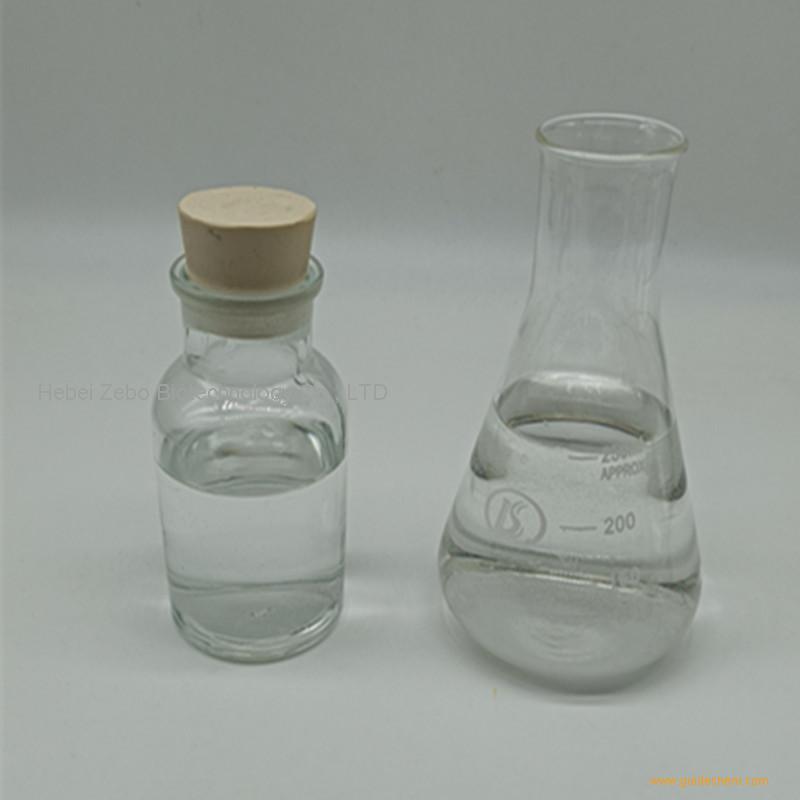
| Appearance | Clear, colourless to pale yellow liquid |
| Odour | Sweet, balsamic, floral aroma |
Important Isomer Clarification: This document refers specifically to 1-Phenyl-1-propanol (CAS 93-54-9) , which is synonymous with α-ethylbenzyl alcohol and ethyl benzyl alcohol. This must not be confused with its structural isomer, 3-Phenyl-1-propanol (CAS 122-97-4), which has different physical and functional properties. The term "phenylpropanol" in the market may occasionally refer to either isomer; this TDS is specific to the 1-phenyl derivative.
Natural Origin: This chemical is of 100% natural origin; it is not a synthetic product. This is a key differentiator and makes it highly valuable in natural cosmetic and food formulations.
2. PHYSICAL AND CHEMICAL PROPERTIES
| Property | Value / Description |
|---|---|
| Physical form | Clear, colourless to pale yellow liquid |
| Density | 0.99 g/cm³ |
| Boiling point | 219 °C |
| Solubility in water | Slightly soluble |
| Solubility in organic solvents | Soluble in alcohol, glycols, and oils |
| Odour | Sweet, balsamic, reminiscent of hyacinth and gardenia |
| Stability | Stable under normal storage conditions; effective over a wide pH range |
3. FUNCTIONAL PROPERTIES AND MODE OF ACTION
Phenylpropanol exhibits a unique dual functionality in formulations:
-
Natural Preservative (Antimicrobial Agent): It demonstrates potent, broad-spectrum antimicrobial activity, especially in emulsion systems. It is effective against bacteria, yeasts, and moulds. A key technical advantage is its ability to remain effective at a high pH range, unlike many conventional preservatives (e.g., organic acids) which lose activity in alkaline conditions. This makes it ideal for preserving natural formulations with a high pH.
-
Natural Fragrance and Flavour Component: It possesses a sweet, balsamic, floral aroma reminiscent of hyacinth. It is used to impart a natural fragrance to perfumes, cosmetics, and soaps, and to provide a balsamic, wine-like flavour to food and beverages. It can also effectively mask undesirable base odours in formulations.
-
Skin Conditioning and Synergistic Activity: It is used in cosmetic formulations for skin-brightening applications (targeting dark spots) and for reducing fine lines and wrinkles, often in combination with active ingredients like Hyaluronic Acid. It also functions well in oil-control makeup setting sprays.
4. PRODUCTION
Phenylpropanol is produced from 100% natural raw materials. It is not a synthetic product, which is its most significant commercial and regulatory advantage.
5. SECTORAL APPLICATIONS AND USAGE RATES
| Sector | Application | Typical Usage Rate / Notes |
|---|---|---|
| Cosmetics & Personal Care | Natural preservative and fragrance in creams, serums, shampoos, soaps, makeup setting sprays, and oil-control products | 0.5 – 1.5% (as a preservative); 0.1 – 1.0% (as a fragrance component) |
| Pharmaceuticals | Fragrance component to improve organoleptic properties of medicinal formulations | 0.1 – 0.5% |
| Food & Beverage | Flavouring agent to impart a balsamic, wine-like taste; used in baked goods, frozen dairy, and confectionery | ppm levels (as per FEMA GRAS guidelines); generally 1 – 50 ppm in the final product |
6. ADVANTAGES AND DISADVANTAGES
| Advantages | Disadvantages |
|---|---|
| 100% natural origin, meeting the demand for "clean label" and natural products | Cost is generally higher than that of synthetic preservatives and fragrance ingredients |
| Dual functionality: acts as both a preservative and a fragrance | At high concentrations, its characteristic balsamic odour can be overpowering for certain fragrance profiles |
| Effective antimicrobial activity at a high pH range, where many other preservatives fail | Limited water solubility; requires proper solubilization in aqueous formulations |
| Versatile: used across cosmetics, food, and pharmaceutical sectors | |
| Excellent compatibility with other natural ingredients like Hyaluronic Acid and Ascorbic Acid (Vitamin C) |
7. ALTERNATIVES AND COMPARISON
| Alternative Preservative / Ingredient | Comparison with Phenylpropanol |
|---|---|
| Phenoxyethanol | A widely used synthetic preservative. Effective across a broad pH range but is not natural. Phenylpropanol offers a 100% natural alternative with additional fragrance benefits. |
| Benzyl Alcohol | A natural-identical preservative and fragrance. Similar aromatic profile but different note. Phenylpropanol offers a distinct balsamic, floral character and is also effective at high pH. |
| Organic Acids (Benzoic Acid, Sorbic Acid) and their Salts | Effective and natural-identical, but lose their antimicrobial activity at a high pH (>5.5). Phenylpropanol is effective in this high-pH range, which is a key advantage. |
| Caprylyl Glycol | A natural-identical emollient and moisturizer with auxiliary preservative benefits. Often used in synergy with phenylpropanol to boost broad-spectrum protection. |
| Synthetic Fragrance Components | Less expensive but do not meet the criteria for natural formulations. Phenylpropanol is the natural choice for balsamic, floral notes. |
8. SAFETY, STORAGE, AND REGULATORY INFORMATION
-
GHS Classification: Not classified as a hazardous substance or mixture. May cause mild eye and skin irritation at high concentrations. Refer to the supplier's SDS for the specific product.
-
Toxicology: Has a long history of safe use in food flavouring. It is FEMA GRAS (Generally Recognized As Safe) for food use.
-
Storage:
-
Store in a cool (<25 °C), dry, and well-ventilated area in tightly sealed, original packaging.
-
Protect from direct sunlight and sources of ignition.
-
-
Shelf Life: At least 24 months in unopened, original packaging under proper storage conditions.
-
Personal Protection: Standard industrial hygiene practices (nitrile gloves, safety goggles) are recommended when handling large quantities.
9. FREQUENTLY ASKED QUESTIONS
Q1: Is "ethyl benzyl alcohol" the same as "phenylpropanol"?
Yes, for the specific isomer 1-Phenyl-1-propanol (CAS 93-54-9) . The names α-Ethylbenzyl alcohol, Ethyl benzyl alcohol, and 1-Phenyl-1-propanol are synonyms that describe the exact same chemical structure. However, it should not be confused with 3-Phenyl-1-propanol (CAS 122-97-4), which is a different structural isomer.
Q2: Why is phenylpropanol effective as a preservative at high pH?
Unlike common organic acid preservatives (like benzoic or sorbic acid) which are only active in their undissociated form at low pH, phenylpropanol's antimicrobial mechanism does not rely on acidity. It is an alcohol, and its mechanism is based on disrupting microbial cell membranes, which remains effective even in alkaline conditions. This is a crucial advantage for preserving natural formulations like soaps and some creams that have a high pH.
Q3: Is phenylpropanol fully natural?
Yes, this product is of 100% natural origin. It is produced from natural raw materials without synthetic steps, making it an excellent choice for certified natural and organic cosmetic and food products.
Q4: What is its main role in Vitamin C serums?
In Vitamin C (Ascorbic Acid) serums, it plays a dual role: it acts as a natural preservative to protect the water-based formula from microbial contamination, and it serves as a fragrance component to mask the sometimes unpleasant, metallic odour of the active ingredients.
10. QUICK REFERENCE TABLE
| Property | Value / Description |
|---|---|
| Product Name | Phenylpropanol (1-Phenyl-1-propanol) |
| CAS | 93-54-9 |
| Formula | C₉H₁₂O |
| Molecular Weight | 136.19 g/mol |
| Appearance | Clear, colourless to pale yellow liquid |
| Odour | Sweet, balsamic, floral |
| Key Differentiator | 100% natural origin; effective preservative at high pH |
| Main Uses | Natural preservative, fragrance and flavouring agent |