We unleash your business potential by maximize the business innovation.
Send EmailPotassium Sodium Tartrate, Sodium Potassium Tartrate Tetrahydrate, Potassium Sodium Tartrate Anhydrous, Potassium Sodium DL-Tartrate, Rochelle Salt, E337, 6381-59-5, 304-56-9
POTASSIUM SODIUM TARTRATE TETRAHYDRATE (ROCHELLE SALT)
PRODUCT IDENTIFIER INFORMATION
| Parameter | Information |
|---|---|
| Product Name | Potassium Sodium Tartrate Tetrahydrate (Rochelle Salt) |
| Chemical Name | Sodium Potassium Tartrate Tetrahydrate |
| CAS Number | 6381-59-5 (Tetrahydrate) / 304-56-9 (Anhydrous) |
| EC Number (EINECS) | 206-156-8 |
| Food Additive Code | E337 |
| Molecular Formula (Anhydrous) | KNaC4H4O6 |
| Molecular Formula (Tetrahydrate) | KNaC4H4O6·4H2O |
| Molecular Weight (Anhydrous) | 210.16 g/mol |
| Molecular Weight (Tetrahydrate) | 282.23 g/mol |
SECTION 1: CHEMICAL IDENTITY AND DESCRIPTION
| Parameter | Information |
|---|---|
| Chemical Name (IUPAC) | Potassium Sodium (2R,3R)-2,3-dihydroxybutanedioate tetrahydrate |
| Systematic Name | 2,3-Dihydroxybutanedioic Acid, Monopotassium Monosodium Salt, Tetrahydrate |
| Synonyms | Potassium Sodium Tartrate, Rochelle Salt, Seignette Salt, Potassium Sodium L-Tartrate Tetrahydrate, Sodium Potassium L-Tartrate, Monopotassium Monosodium Tartrate Tetrahydrate, Potassium Sodium DL-Tartrate |
| CAS Number (Tetrahydrate) | 6381-59-5 |
| CAS Number (Anhydrous) | 304-56-9 |
| EC Number (EINECS) | 206-156-8 |
| Food Additive Code | E337 |
| HS Code | 2918.12 |
| Molecular Formula (Anhydrous) | KNaC4H4O6 |
| Molecular Formula (Tetrahydrate) | KNaC4H4O6·4H2O |
| Molecular Weight (Anhydrous) | 210.16 g/mol |
| Molecular Weight (Tetrahydrate) | 282.23 g/mol |
| Chemical Class | Organic acid salt (double potassium-sodium salt of tartaric acid) |
| Optical Activity | L-(+)-Tartaric Acid derivative (optically active) |
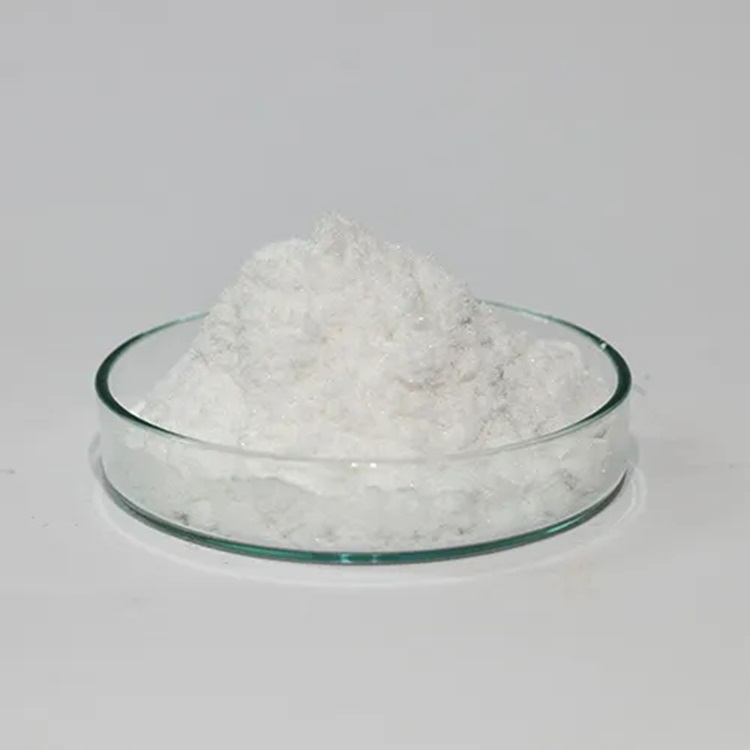
| Physical State (20°C) | Solid (white crystalline powder or granules; colorless crystals) |
| Odor | Odorless |
| Taste | Cooling, slightly salty |
SECTION 2: PHYSICAL AND CHEMICAL PROPERTIES
| Property | Value | Test Method |
|---|---|---|
| Appearance | White crystalline powder or granules; colorless crystals (sometimes coated with white powder) | Visual |
| Odor | Odorless | Olfactometric |
| Taste | Cooling, slightly salty | Sensory |
| Molecular Weight (Anhydrous) | 210.16 g/mol | Calculated |
| Molecular Weight (Tetrahydrate) | 282.23 g/mol | Calculated |
| Crystal System | Orthorhombic | XRD |
| Melting Point | 70 – 80°C (tetrahydrate loses crystal water) | DSC |
| Boiling Point | ~200°C (decomposes) | TGA |
| Decomposition Temperature | Begins to decompose above 225°C, becomes unstable | TGA |
| Density | ~1.79 g/cm3 | ASTM D4052 |
| pH (5% solution, 25°C) | 6.5 – 8.5 (neutral-slightly alkaline) | pH Meter |
| Solubility in Water | Freely soluble; completely soluble | Gravimetric |
| Solubility in Alcohol | Low solubility / slightly soluble | General Method |
| Hygroscopicity | Moderate (deteriorates in humid environments) | Visual |
| Stability | Stable under normal conditions; unstable above 225°C; deteriorates in humid environments | |
| Piezoelectric Property | Yes (one of the first discovered piezoelectric materials) | - |
| Flash Point | Non-flammable | Not applicable |
SECTION 3: CHEMICAL PROPERTIES AND REACTIVITY
| Parameter | Information |
|---|---|
| Chemical Character | Organic double salt (potassium and sodium tartrate); slightly alkaline character |
| Stability | Stable under normal conditions; decomposes above 225°C; deteriorates in humid environments |
| Decomposition Products (Heating) | Above 200°C: CO, CO2, K2CO3, Na2CO3, water vapor |
| Incompatible Materials | Strong oxidizing agents, strong acids, calcium salts, ammonium salts |
| Reaction with Acids | Releases tartaric acid with strong acids |
| Reaction with Metal Ions | Forms complex with Cu2+ (Fehling's solution); forms insoluble calcium tartrate with Ca2+ |
| Reducing Sugar Test | Component of Fehling's solution; forms Cu2O red precipitate with reducing sugars |
| Hazardous Polymerization | Does not occur |
SECTION 4: PRODUCTION METHOD
| Stage | Process | Description |
|---|---|---|
| 1 | Raw Material | Natural L-(+)-Tartaric Acid |
| 2 | Reaction | Tartaric acid is reacted with sodium carbonate (Na2CO3) and potassium bitartrate (KHC4H4O6) |
| 3 | Double Salt Formation | Sodium carbonate is replaced with a double molar portion of potassium bitartrate on a hot plate |
| 4 | Crystallization | Tetrahydrate form obtained by crystallization from solution |
| 5 | Drying and Packaging | Dried under controlled conditions and packaged |
History: Discovered in 1675 in La Rochelle, France by Pier Seignette. Hence known as Rochelle Salt or Seignette Salt.
SECTION 5: TARTRATE SALTS COMPARISON
| Property | Potassium Sodium Tartrate | Potassium Bitartrate | Sodium Tartrate | Potassium Tartrate |
|---|---|---|---|---|
| CAS Number | 6381-59-5 | 868-14-4 | 6106-24-7 | 921-53-9 |
| Molecular Formula | KNaC4H4O6·4H2O | KC4H5O6 | Na2C4H4O6·2H2O | K2C4H4O6·½H2O |
| Cation | K+ + Na+ | K+ | 2Na+ | 2K+ |
| pH (1% solution) | 6.5 – 8.5 | 3.4 – 3.5 | 7.0 – 8.0 | 7.0 – 8.5 |
| Solubility in Water | Freely soluble | ~0.4 g/100mL (low) | ~29 g/100mL | ~150 g/100mL (very high) |
| Food Additive Code | E337 | E336 | E335 | E336 |
| Piezoelectric | Yes | No | No | No |
| Primary Use | Fehling's solution, food, pharma | Baking powder, stabilizer | Buffer, chelator | Buffer, laxative |
SECTION 6: FUNCTIONAL PROPERTIES AND MECHANISM OF ACTION
| Property | Description |
|---|---|
| Complexing Agent | Forms stable complexes with metal ions (especially Cu2+); active component of Fehling's solution |
| Emulsion Stabilizer | Prevents phase separation in food emulsions; emulsifying agent in processed cheese production |
| pH Regulator / Buffer | Provides buffering capacity in pH range 6.5-8.5 |
| Reducing Sugar Detection | Used in detection of aldol/ketose functional groups with Fehling's solution |
| Piezoelectric Effect | Converts mechanical pressure to electrical signal; historically used in microphones and phonograph systems |
| Acidity Remover | Reduces amine odor in foods (squid cooking) and provides acidic odor removal |
| Laxative Effect | Shows laxative effect by retaining water in intestines through osmotic action |
| Metal Plating | Provides homogeneous coating as complexing agent in galvanic baths |
| Crystallization Standardization | Used as buffer salt together with citrate and other substances in pectin and jam production |
| Flammability Enhancer | Used to increase flammability of cigarette papers |
SECTION 7: PRIMARY APPLICATION AREAS
| Sector | Application | Typical Usage |
|---|---|---|
| Food - General | Emulsion stabilizer, pH regulator (E337) | 0.1 – 1.0% |
| Food - Processed Cheese | Emulsifying agent; providing uniform structure | 0.5 – 3.0% |
| Food - Wine Production | Providing acidic balance | 0.5 – 2.0 g/L |
| Food - Pectin/Jam | Buffer salt; standardization | 0.1 – 0.5% |
| Food - Meat Preservative | Shelf life extension | 0.1 – 0.5% |
| Food - Squid Cooking | Amine odor removal, acidity regulation | 0.1 – 0.5% |
| Analytical Chemistry | Fehling's solution component; reducing sugar detection | Saturated solution |
| Analytical Chemistry | Aldose/ketose detection; uric acid determination | Reagent solution |
| Pharmaceutical | Mild laxative | 5 – 10 g/dose |
| Industrial - Metal Plating | Complexing agent in galvanic baths | 10 – 50 g/L |
| Industrial - Mirror Silvering | Auxiliary substance in silver coating process | Variable |
| Industrial - Cigarette Paper | Flammability enhancer | 1 – 5% |
| Electronics - Piezoelectric | Sound systems, microphones, phonographs | Historical use |
| Cement Industry | Set retarder, additive | 0.1 – 0.5% |
SECTION 8: QUALITY SPECIFICATIONS (FOOD GRADE - E337)
| Parameter | Specification | Test Method |
|---|---|---|
| Appearance | White crystalline powder or granules | Visual |
| Odor | Odorless | Olfactometric |
| Purity (Dry Basis) | 99.0 – 102.0% | Titrimetric / HPLC |
| Loss on Drying (105°C) | 21.0 – 27.0% (tetrahydrate water loss) | Gravimetric |
| pH (5% solution, 25°C) | 6.5 – 8.5 | pH Meter |
| Water Insoluble Matter | ≤ 0.05% | Gravimetric |
| Chloride (Cl-) | ≤ 100 ppm | Argentometric |
| Sulfate (SO4 2-) | ≤ 100 ppm | Turbidimetric |
| Calcium (Ca) | ≤ 200 ppm | AAS |
| Iron (Fe) | ≤ 20 ppm | Colorimetric / AAS |
| Heavy Metals (as Pb) | ≤ 10 ppm | ICP-MS |
| Lead (Pb) | ≤ 2 ppm | ICP-MS |
| Arsenic (As) | ≤ 3 ppm | ICP-MS |
| Mercury (Hg) | ≤ 1 ppm | ICP-MS |
| Cadmium (Cd) | ≤ 1 ppm | ICP-MS |
| Specific Optical Rotation ([α]D20) | +18° to +22° (c=5, water) | Polarimetry |
| Total Microbial Count | ≤ 1,000 CFU/g | USP <61> |
| Yeast and Mold | ≤ 100 CFU/g | USP <61> |
| E. coli | Negative in 10g | USP <62> |
| Salmonella spp. | Negative in 25g | USP <62> |
SECTION 9: TOXICOLOGICAL PROFILE
| Parameter | Value |
|---|---|
| Acute Oral Toxicity (LD50, Rat) | > 5,000 mg/kg (low toxicity) |
| Acute Dermal Toxicity (LD50, Rabbit) | > 2,000 mg/kg |
| Skin Irritation | Mild irritant |
| Eye Irritation | Mild irritant |
| Respiratory Irritation | Inhalation of dust may cause mechanical irritation |
| Skin Sensitization | Not sensitizing |
| Carcinogenicity | Not classified |
| Mutagenicity | Negative in in vitro tests |
| Reproductive Toxicity | No known adverse effects |
| Chronic Toxicity | Safe under normal use conditions |
| GRAS Status | Recognized as GRAS by FDA |
| ADI (Acceptable Daily Intake) | Not limited (JECFA) |
SECTION 10: GHS CLASSIFICATION AND LABELING
GHS Classification (compliant with 1272/2008/EC):
| Hazard Class | Category | H-Statement |
|---|---|---|
| Not classified | - | Not classified as hazardous according to current regulations |
Signal Word: No signal word (not classified as hazardous)
Hazard Pictograms: No pictograms required
Precautionary Statements (P-Codes):
| Code | Statement |
|---|---|
| P261 | Avoid breathing dust |
| P280 | Wear protective gloves/eye protection |
SECTION 11: FIRST AID MEASURES
| Exposure Route | Action to Take |
|---|---|
| Inhalation | Move to fresh air. Seek medical attention if respiratory irritation persists. |
| Skin Contact | Wash with plenty of water and soap. Seek medical attention if irritation persists. |
| Eye Contact | Rinse immediately with plenty of water for at least 15 minutes. Remove contact lenses if present. Seek medical attention if irritation persists. |
| Ingestion | Rinse mouth with water. Drink plenty of water. Seek medical attention if you feel unwell. |
SECTION 12: FIREFIGHTING MEASURES
| Parameter | Information |
|---|---|
| Fire Hazard | Non-flammable |
| Hazards During Fire | Releases CO, CO2, water vapor when heated above 200°C |
| Suitable Extinguishing Media | Any extinguishing media appropriate for surrounding fire |
| Special Protective Equipment | Self-contained breathing apparatus (SCBA), full protective clothing |
SECTION 13: STORAGE AND SHELF LIFE
| Parameter | Information |
|---|---|
| Storage Conditions | Cool (15-25°C), dry, well-ventilated area; away from moisture |
| Container Requirements | Tightly closed, moisture-proof containers |
| Keep Away From | Moisture (deteriorates in humid environments), direct sunlight, strong oxidizing agents, strong acids |
| Shelf Life | 24 months (unopened original packaging under appropriate storage conditions) |
| Stability Note | Deteriorates in humid environments; stable in dry and cool environment; unstable above 225°C |
SECTION 14: PACKAGING OPTIONS
| Packaging Type | Quantity | Material |
|---|---|---|
| Kraft bag with PE inner liner | 25 kg | Kraft paper + PE |
| PP woven bag with PE inner liner | 25 kg | PP woven + PE |
| Big-Bag | 500-1000 kg | Polypropylene (with PE inner liner) |
| Plastic drum | 25-50 kg | HDPE |
SECTION 15: TRANSPORTATION INFORMATION
| Parameter | Information |
|---|---|
| UN Number | Not regulated (not hazardous) |
| Hazard Class | Not applicable |
| Packing Group | Not applicable |
| ADR/RID | Not regulated |
| IMDG Code | Not regulated |
| IATA (Air) | Not regulated |
| Marine Pollutant | No |
| Transport Temperature | Ambient (15-25°C); protect from moisture |
SECTION 16: REGULATORY STATUS
| Region / Authority | Status |
|---|---|
| European Union | Food additive E337; approved for use quantum satis |
| USA (FDA) | GRAS (21 CFR 184.1804) |
| JECFA (FAO/WHO) | ADI not limited |
| Turkey | Approved under Turkish Food Codex Regulation on Food Additives |
| Halal | Available |
| Kosher | Available |
| Vegetarian/Vegan | Suitable |
SECTION 17: OTHER NAMES AND SYNONYMS
| Type | Name |
|---|---|
| Common Names | Potassium Sodium Tartrate, Rochelle Salt, Seignette Salt, Potassium Sodium L-Tartrate Tetrahydrate, Sodium Potassium L-Tartrate |
| Systematic Names | Potassium Sodium (2R,3R)-2,3-dihydroxybutanedioate tetrahydrate; 2,3-Dihydroxybutanedioic Acid, Monopotassium Monosodium Salt, Tetrahydrate |
| Food Additive Code | E337 |
| CAS Number (Tetrahydrate) | 6381-59-5 |
| CAS Number (Anhydrous) | 304-56-9 |
| EC Number | 206-156-8 |
SECTION 18: SUMMARY TABLE
| Parameter | Value |
|---|---|
| Product | Potassium Sodium Tartrate Tetrahydrate (Rochelle Salt) |
| CAS Number | 6381-59-5 |
| Food Additive Code | E337 |
| Molecular Formula | KNaC4H4O6·4H2O |
| Molecular Weight | 282.23 g/mol |
| Appearance | White crystalline powder or granules |
| pH (5% solution) | 6.5 – 8.5 |
| Melting Point | 70 – 80°C |
| Primary Function | Complexing agent, emulsion stabilizer, Fehling's solution component, buffer |
| Shelf Life | 24 months |
| GHS Signal Word | Not classified |
SECTION 19: CRITICAL WARNINGS AND BEST PRACTICES
CRITICAL WARNINGS:
-
Moisture Sensitivity: Deteriorates in humid environments; store in tightly closed, moisture-proof containers.
-
Thermal Stability: Begins to decompose above 225°C and becomes unstable; use caution in high-temperature processes.
-
Incompatibility with Calcium: Forms insoluble calcium tartrate with calcium ions; use caution with hard water.
-
Do Not Confuse with Rock Salt: Rochelle Salt should not be confused with rock salt, which is the mineral form of sodium chloride.
BEST PRACTICE RECOMMENDATIONS:
-
Fehling's Solution Preparation: Prepare Fehling A (CuSO4) and Fehling B (Rochelle Salt + NaOH) solutions separately; mix equal volumes just before use.
-
Food Emulsions: Use at 0.5-3.0% in processed cheese production; provides uniform structure and stabilized emulsion.
-
Squid Cooking: Add at 0.1-0.5% to cooking water to reduce amine odor.
-
Storage: Absolutely protect from moisture; store in airtight containers after opening.
-
Solution Stability: Prepare aqueous solutions fresh; add preservative for long-term storage.
LEGAL DISCLAIMER:
The information provided in this document is presented in good faith based on our current knowledge and experience; however, since all usage conditions are beyond our control, it does not constitute a binding specification or warranty. This Technical Data Sheet is for informational purposes only. Users are obligated to test the suitability for their own applications. For complete safety, storage, handling, transportation, disposal, and regulatory compliance information, refer to the official Safety Data Sheet (SDS/MSDS) provided by the manufacturer/supplier.