We unleash your business potential by maximize the business innovation.
Send EmailL‑Carnitine Base, Levocarnitine, Carnitine Base, L-Carnitine, BT Vitamin, Carrier Vitamin, 541-15-1
L‑Carnitine Forms
-
L‑Carnitine Base (Free form)
-
CAS No: 541‑15‑1
-
Pure form without salt or ester. Commonly used in dietary supplements. Highly hygroscopic, acidic taste. Preferred for clinical carnitine deficiency.
-
-
L‑Carnitine Tartrate
-
CAS No: 36687‑82‑8 (Note: 36687‑47‑9 is incorrect)
-
The most common form for athletes. Provides fast absorption. Preferred for performance and fat metabolism support. Low hygroscopicity, easy to tablet.
-
-
Acetyl‑L‑Carnitine (ALCAR)
-
CAS No: 3040‑38‑8
-
Known for its effects on brain function and the nervous system. Used in nootropic supplements for cognitive performance. Crosses the blood-brain barrier, neuroprotective.
-
-
Propionyl‑L‑Carnitine
-
CAS No: 119793‑66‑7 (HCl salt) (Note: 511‑97‑1 is incorrect)
-
Recognized for its benefits on vascular health and circulation. Used in peripheral artery disease, heart failure, and angina. Supports vasodilation.
-
-
L‑Carnitine Fumarate
-
CAS No: 90471‑79‑7
-
Supports energy production and heart health. Also found in sports nutrition products. The fumarate ion directly contributes to the Krebs cycle. High bioavailability.
-
Levocarnitine (L-Carnitine)
1. Basic Chemical Information
| Parameter | Value |
|---|---|
| Product Name | Levocarnitine (L-Carnitine) |
| Synonyms | L-Carnitine, (R)-3-Hydroxy-4-(trimethylammonio)butanoate, Vitamin BT, Carnitine base |
| CAS Number | 541-15-1 |
| Chemical Formula | C₇H₁₅NO₃ |
| Molecular Weight | 161.20 g/mol |
| Active Carnitine Ratio | 100% (pure base) |
2. Physical and Chemical Properties
| Property | Description |
|---|---|
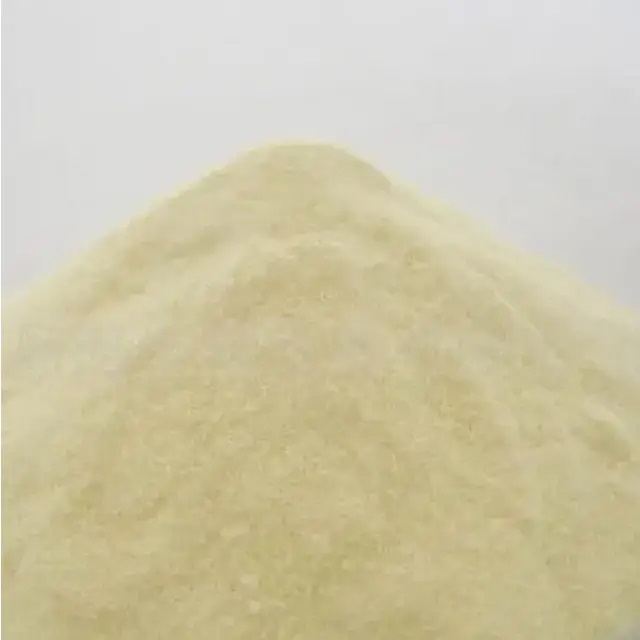
| Appearance | White hygroscopic crystalline powder |
| Odor | Characteristic, sharp acidic |
| Solubility | Very soluble in water (>200 g/L) |
| pH (1% solution) | ~3.0 (very acidic) |
| Hygroscopicity | Very high – rapidly absorbs moisture from air |
| Melting Point | 197-212°C (decomposes) |
| Optical Rotation [α]²⁵ᴅ | -29° to -32° (c=1, H₂O) |
3. Unique Properties of Levocarnitine
-
Purest carnitine form – no salt or ester.
-
Identical to endogenous carnitine naturally found in the body.
-
Lowest cost among carnitine types.
-
Difficult to process/formulate due to high hygroscopicity.
-
Very acidic, unpleasant taste.
-
Most studied form in clinical trials (carnitine deficiency treatment).
-
Reference molecule for fatty acid transport and mitochondrial oxidation.
4. Comparison with Other Carnitine Types
| Feature | Levocarnitine (Base) | Carnitine Tartrate | Acetyl-L-Carnitine | Propionyl-L-Carnitine | Carnitine Fumarate |
|---|---|---|---|---|---|
| Pure L-Carnitine ratio | 100% | ~67% | ~80% | ~74% | ~58-62% |
| Bioavailability | ~14-18% | ~15-20% | ~20% | ~15% | ~25-30% |
| Hygroscopicity | Very high | Low | Moderate | Low | Very low |
| Stomach tolerance | Poor (very acidic) | Moderate | Moderate | Good | Excellent |
| Tabletability | Difficult | Excellent | Good | Good | Good |
| Cost | Lowest | Low | Moderate | High | Moderate |
| Clinically approved use | Yes (carnitine deficiency) | No (supplement only) | Yes (neuropathy in some countries) | Yes (PAD) | Limited |
| Muscle uptake | High | Very high | Moderate | Low | High |
5. Applications and Uses
| Area | Details |
|---|---|
| Carnitine deficiency (primary or secondary) | Genetic disorders, valproate therapy, chronic kidney disease (dialysis patients) |
| Cardiovascular diseases | Heart failure, post-MI, angina (adjunctive) |
| Dialysis patients | Prevent dialysis-related carnitine loss (FDA-approved indication) |
| Sports nutrition | Fat burning, recovery (less preferred than tartrate) |
| Male infertility | Improve sperm motility and quality |
| Hyperthyroidism | Reduce T3/T4-induced muscle wasting |
| Metabolic syndrome / Type 2 diabetes | Improve insulin sensitivity |
6. Usage Protocols
| Condition | Dosage | Timing | Duration |
|---|---|---|---|
| Primary carnitine deficiency (child/adult) | 50-100 mg/kg/day (3-4 divided doses) | With meals | Lifelong |
| Hemodialysis patients | 1-2 g IV after dialysis or oral 2-3 g/day | Post-dialysis | Chronic |
| Heart failure (NYHA II-III) | 1-2 g/day oral | Morning & noon | 3-12 months |
| Male infertility | 1 g/day (500 mg twice) | Morning & evening | 3-6 months |
| Sports performance (fat oxidation) | 1-2 g (60-90 min pre-exercise) | Empty stomach | 4-8 weeks |
| General energy / fatigue | 500-1000 mg/day | Morning empty stomach | As needed |
Caution: High doses (>3 g/day) may cause diarrhea, nausea, and rarely body odor (fishy smell – trimethylaminuria-like).
7. Alternatives
| Alternative | Effect | Why alternative? |
|---|---|---|
| Carnitine Tartrate | More stable, better tolerated | Non-hygroscopic, tabletable |
| Acetyl-L-Carnitine | Neurological conditions | Crosses BBB, nerve damage |
| Propionyl-L-Carnitine | Cardiovascular | Vasodilatory effect |
| Creatine | Muscle energy | Different mechanism, can be combined |
| Coenzyme Q10 | Mitochondrial energy | Cardioprotective |
8. Other Names (Synonyms)
-
Levocarnitine (generic name)
-
L-Carnitine base
-
(R)-Carnitine
-
Vitamin BT (older name)
-
Carnitor® (brand, usually injection or oral solution)
-
Carniking®, Levocarnit (some generic brands)
9. Frequently Asked Questions (FAQs) – Levocarnitine
Q1: Is levocarnitine the same as L-carnitine?
A: Yes,完全相同. Levocarnitine is the pharmaceutical/chemical name; L-carnitine is the common name.
Q2: Why are carnitine tartrate or other salts sometimes preferred?
A: Levocarnitine base is highly hygroscopic and very acidic. Salt forms (tartrate, fumarate) are more stable, better tolerated, and easier to tablet. However, levocarnitine is still preferred for clinical treatment of deficiency and dialysis.
Q3: How should levocarnitine powder be taken?
A: Mix with fruit juice or sports drink due to acidic taste. Take on an empty stomach for better absorption. Store in a dry, sealed container to prevent clumping.
Q4: Does levocarnitine burn fat?
A: Like other carnitines, it supports fatty acid oxidation, but it does not cause weight loss alone. It requires exercise and diet synergy.
Q5: Who should not take it?
A: Pregnant/nursing women (unless advised by doctor). Caution in kidney failure (except dialysis patients). Very low theoretical interaction with anticoagulants (warfarin).
Q6: Difference between levocarnitine and acetyl-L-carnitine?
A: Levocarnitine is used for fat transport in muscle/heart. ALCAR crosses the blood-brain barrier, is neuroprotective, and is absorbed faster.
Q7: Maximum safe daily dose?
A: In healthy individuals, short-term 3-4 g/day is safe. >5 g/day may cause diarrhea. Clinically, up to 6 g/day has been used.
10. Conclusion: Who Should Choose Levocarnitine?
| Goal / Condition | Recommendation |
|---|---|
| Physician-diagnosed carnitine deficiency | Levocarnitine (mandatory, only option) |
| Dialysis patient | Levocarnitine (clinical protocol) |
| Budget-friendly, home powder use | Levocarnitine powder (if taste tolerable) |
| Prefers tablets/capsules | Carnitine Tartrate is more practical |
| Stomach sensitivity | Levocarnitine base not recommended (salt forms better) |
| Athlete (performance, fat loss) | Tartrate or Fumarate more suitable |