We unleash your business potential by maximize the business innovation.
Send EmailCollagen, Collagen Hydrolysate, Bovine Collagen, 9007-34-5
COLLAGEN (KOLAJEN)
Collagen / Kolajen / Collagen Hydrolysate / Collagen Type 1, 2, 3 / Bovine Collagen
CAS Number: 9007-34-5
1. PRODUCT IDENTIFICATION AND CHEMICAL IDENTITY
| Parameter | Description |
|---|---|
| Chemical Name | Collagen |
| Other Names | Kolajen, Collagen Hydrolysate, Collagen Type 1, Collagen Type 2, Collagen Type 3, Bovine Collagen, Bovine Joint Cartilage |
| CAS Number | 9007-34-5 |
| Molecular Formula | C₅₇H₉₁N₁₉O₁₆ |
| Molecular Weight | 1,302.5 g/mol |
| Chemical Class | Fibrous structural protein (extracellular matrix protein) |
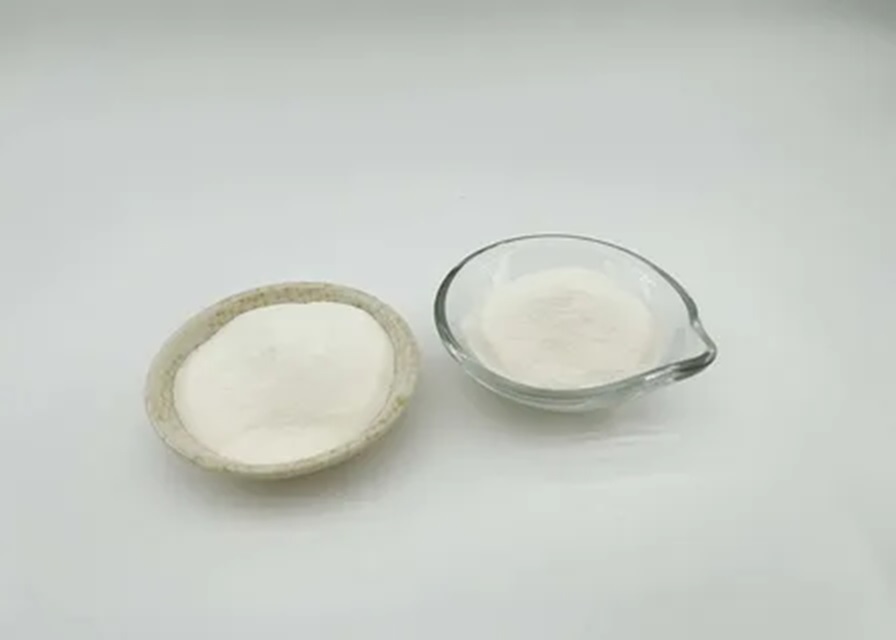
| Appearance | White to off-white powder (hydrolyzed form) |
| Odor | Characteristic odor |
| Taste | Characteristic taste |
Collagen is the most abundant protein in the animal kingdom and the primary structural protein in the human body. It is a major component of the extracellular matrix and connective tissues, including skin, bones, tendons, ligaments, and cartilage. Collagen accounts for approximately 30% of the total protein in the human body. There are at least 16 known types of collagen, with Types I, II, and III constituting 80-90% of the total collagen in the body. Collagen is an amphoteric electrolyte that exhibits dissociation properties, capable of carrying either positive or negative charges depending on the pH level. As a structural protein, it provides strength, elasticity, and structural support to tissues. With age, natural collagen production decreases and eventually ceases. Collagen supplements are widely used in cosmetics, nutraceuticals, and medical applications to support skin health, joint function, and bone strength.
2. PHYSICAL AND CHEMICAL PROPERTIES
| Property | Value |
|---|---|
| Molecular Formula | C₅₇H₉₁N₁₉O₁₆ |
| Molecular Weight | 1,302.5 g/mol |
| Appearance | White to off-white powder (hydrolyzed form) |
| Odor | Characteristic odor |
| Amino Acid Composition | Glycine, Proline, Hydroxyproline, Alanine, Arginine, Aspartate, Glutamate, and others |
| Solubility | Soluble in dilute acids; hydrolyzed collagen soluble in water |
| Viscosity | Varies with temperature; higher viscosity at lower temperatures |
| Amphoteric Nature | Amphoteric electrolyte; can carry positive or negative charges depending on pH |
| Isoelectric Point | ~5.0-7.0 (varies by type) |
| Denaturation Temperature | ~40-45°C (varies by source) |
| pH (1% solution) | ~4.5-6.5 (hydrolyzed) |
Collagen is an amphoteric electrolyte with dissociation properties, capable of carrying either positive or negative charges depending on the pH level. The viscosity of collagen solutions varies with temperature; lower temperatures result in higher viscosity. Aqueous solutions of collagen are colloidal in nature. The amino acid composition of collagen is unique, with high concentrations of glycine, proline, and hydroxyproline. Hydroxyproline and hydroxylysine are amino acids found almost exclusively in collagen and are essential for its structural integrity. The triple helix structure of collagen provides tensile strength and stability.
3. COLLAGEN TYPES
| Type | Location | Function |
|---|---|---|
| Type I | Skin, bones, tendons, ligaments, dentin | Provides tensile strength; most abundant collagen type (~90% of body collagen) |
| Type II | Cartilage (hyaline and elastic), vitreous humor | Provides compressive strength and shock absorption |
| Type III | Skin, blood vessels, internal organs, uterus | Forms reticular fibers; supports tissues with elasticity |
| Type IV | Basement membranes | Forms a mesh-like network for filtration |
| Type V | Cell surfaces, hair, placenta | Regulates fibril diameter |
| Type VI | Most connective tissues | Anchors cells to matrix |
| Type VII | Anchoring fibrils (skin) | Anchors epidermal-dermal junction |
| Type VIII | Endothelial cells | Modulates cell behavior |
| Type IX | Cartilage | Interacts with Type II collagen |
| Type X | Hypertrophic cartilage | Regulates mineralization |
| Other Types | Various tissues | Specialized functions |
Types I, II, and III constitute 80-90% of total body collagen. Type I is primarily found in skin, bones, tendons, and ligaments. Type II is found in cartilage and vitreous humor. Type III is found in skin, blood vessels, and internal organs. Collagen supplements typically contain Types I, II, and III, often derived from bovine, porcine, or marine sources.
4. AMINO ACID COMPOSITION
| Amino Acid | Percentage | Function |
|---|---|---|
| Glycine | ~33% | Smallest amino acid; allows tight packing in triple helix |
| Proline | ~12-15% | Provides rigidity to the structure |
| Hydroxyproline | ~10-12% | Stabilizes the triple helix; unique to collagen |
| Alanine | ~11% | Contributes to structural stability |
| Glutamate | ~7-8% | Involved in crosslinking |
| Arginine | ~5-6% | Involved in crosslinking and cell signaling |
| Aspartate | ~4-5% | Involved in crosslinking |
| Other Amino Acids | ~20% | Various functions |
The amino acid composition of collagen is unique. Glycine constitutes approximately one-third of collagen, allowing tight packing in the triple helix structure. Proline and hydroxyproline provide rigidity and stability to the structure. Hydroxyproline is found almost exclusively in collagen and is essential for its structural integrity. Hydroxylysine is another amino acid unique to collagen.
5. PRODUCTION METHODS
Collagen is primarily extracted from bovine sources, such as bovine tendons and bovine joint cartilage. The production process involves extraction, purification, and hydrolysis.
| Method | Source Material | Process Description |
|---|---|---|
| Acid/Enzyme Extraction | Bovine tendons, bovine joint cartilage, fish skin, porcine skin | Source material is cleaned, defatted, and treated with acid or enzymes to extract collagen. The collagen is then precipitated, washed, and dried. |
| Hydrolysis | Extracted collagen | Extracted collagen is hydrolyzed using heat, acid, or enzymes to produce collagen hydrolysate (hydrolyzed collagen). |
| Bovine Tendon Extraction | Bovine tendons | Bovine tendons are extracted using disodium hydrogen phosphate solution and potassium chloride. The extracted collagen is washed and dried to obtain the final product. |
Detailed Production Process (Bovine Tendon Extraction):
-
Cleaning: Bovine tendons or joint cartilage are cleaned and defatted.
-
Extraction: The source material is extracted using a disodium hydrogen phosphate solution and potassium chloride. This process solubilizes the collagen.
-
Precipitation: The extracted collagen is precipitated from the solution.
-
Washing: The precipitated collagen is washed to remove impurities.
-
Drying: The washed collagen is dried to obtain the final product.
-
Hydrolysis (optional): For collagen hydrolysate, the extracted collagen is hydrolyzed using heat, acid, or enzymes. This breaks down the collagen into smaller peptides, improving solubility and bioavailability.
6. APPLICATIONS AND INDUSTRIAL USES
Collagen has a wide range of applications in cosmetics, nutraceuticals, pharmaceuticals, and the food industry.
6.1. Cosmetics and Personal Care
| Application | Description |
|---|---|
| Anti-Aging Creams | Used to reduce wrinkles and improve skin elasticity and firmness. |
| Moisturizers | Used in day creams, serums, and toners for its moisturizing and skin-conditioning properties. |
| Skin Masks | Used in face masks to delay skin aging and provide hydration. |
| Hydrating Serums | Used with hyaluronic acid and peptides in serums for deep hydration and skin repair. |
| Moisturizing Creams | Used in creams with long-lasting moisturizing properties (up to 24 hours). |
Collagen is widely used in cosmetic products to reduce wrinkles, improve skin elasticity, and provide a plump and smooth skin appearance. It is used in day creams, serums, toners, skin masks, and moisturizing creams.
6.2. Nutraceuticals and Dietary Supplements
| Application | Description |
|---|---|
| Skin Health | Supports skin elasticity, hydration, and reduces wrinkles. |
| Joint Health | Supports joint function, reduces joint pain, and improves mobility (especially Type II collagen). |
| Bone Health | Supports bone strength and density; used in osteoporosis management. |
| Hair and Nail Health | Supports hair and nail growth and strength. |
| Sports Nutrition | Used in protein powders and recovery supplements for muscle repair and recovery. |
Collagen supplements are widely used for skin, joint, bone, hair, and nail health. Type I collagen is primarily used for skin and bone health, while Type II collagen is used for joint health. Hydrolyzed collagen (collagen peptides) has improved bioavailability and is the most common form in supplements.
6.3. Pharmaceutical and Medical Applications
| Application | Description |
|---|---|
| Wound Healing | Used in wound dressings and formulations to promote wound healing. |
| Bone Regeneration | Used in bone graft materials and formulations to support bone regeneration. |
| Cartilage Repair | Used in formulations to support cartilage repair (especially Type II collagen). |
| Osteoporosis Management | Used in supplements and formulations to support bone density in osteoporosis patients. |
Collagen is used in medical applications for wound healing, bone regeneration, cartilage repair, and osteoporosis management. It is often combined with other ingredients such as hyaluronic acid and vitamins.
6.4. Food Industry
| Application | Description |
|---|---|
| Nutritional Supplements | Used in protein powders, drinks, and bars for protein supplementation. |
| Functional Foods | Used in functional foods for skin, joint, and bone health. |
| Gelatin Production | Collagen is the precursor to gelatin, widely used in food products (confectionery, desserts). |
7. HEALTH BENEFITS
| Benefit | Description |
|---|---|
| Skin Elasticity and Hydration | Supports skin elasticity, reduces wrinkles, and improves skin hydration. |
| Joint Health | Supports joint function, reduces joint pain, and improves mobility (especially Type II collagen). |
| Bone Health | Supports bone strength and density; may help prevent osteoporosis. |
| Hair and Nail Health | Supports hair and nail growth and strength. |
| Muscle Recovery | Supports muscle repair and recovery after exercise. |
| Wound Healing | Promotes wound healing and tissue repair. |
| Gut Health | May support gut health and digestive function. |
8. DOSAGE AND ADMINISTRATION
| Parameter | Information |
|---|---|
| General Skin Health | 2.5-5 g per day (hydrolyzed collagen) |
| Joint Health | 5-10 g per day (hydrolyzed collagen) or 40-50 mg per day (Type II collagen) |
| Bone Health | 5-10 g per day (hydrolyzed collagen) |
| Sports Nutrition | 10-20 g per day (post-workout) |
| Forms | Powders, capsules, tablets, liquids, gummies |
| Timing | Best taken on an empty stomach or with vitamin C for better absorption |
| Duration | 8-12 weeks for noticeable effects |
| Disclaimer | Dosages may vary based on individual needs and health status. Consult a healthcare professional before use. |
9. POTENTIAL SIDE EFFECTS AND WARNINGS
| Side Effect | Description |
|---|---|
| Gastrointestinal Distress | Mild digestive upset, bloating, diarrhea (at high doses) |
| Allergic Reactions | Possible in individuals with allergies to the source (bovine, porcine, fish) |
| Drug Interactions | May interact with certain medications; consult healthcare professional |
| Pregnancy and Lactation | Generally considered safe; consult healthcare professional before use |
10. NATURAL SOURCES OF COLLAGEN
| Animal Sources | Description |
|---|---|
| Bovine (Cow) | Skin, bones, tendons, cartilage (Types I and III) |
| Porcine (Pig) | Skin, bones (Types I and III) |
| Marine (Fish) | Skin, scales, bones (Type I) |
| Poultry (Chicken) | Skin, bones, cartilage (Types I and II) |
| Eggshell Membrane | Type I collagen |
11. SAFETY AND TOXICOLOGY
| Parameter | Value |
|---|---|
| Oral LD50 (Rat) | > 5,000 mg/kg (low toxicity) |
| Skin Irritation | Non-irritant |
| Eye Irritation | Mild irritant |
| Skin Sensitization | Not a sensitizer |
| Mutagenicity | Negative |
| Carcinogenicity | Not classified |
| GRAS Status | Generally Recognized as Safe (GRAS) by FDA |
| Acceptable Daily Intake | Not established |
12. FIRST AID MEASURES
| Exposure Route | Action |
|---|---|
| Inhalation | Move person to fresh air. If irritation persists, seek medical attention. |
| Skin Contact | Wash with plenty of soap and water. If irritation persists, seek medical attention. |
| Eye Contact | Rinse immediately with plenty of water for at least 15 minutes. Remove contact lenses if present. If irritation persists, seek medical attention. |
| Ingestion | Rinse mouth with water. Drink plenty of water. Do NOT induce vomiting. Seek medical attention if large amounts are swallowed. |
13. SAFETY INFORMATION (GHS CLASSIFICATION)
Collagen is not classified as a hazardous substance under GHS. However, fine powder may cause respiratory irritation.
| Hazard Class | Category |
|---|---|
| Skin Irritation | Category 3 (mild irritation) |
| Eye Irritation | Category 2B (mild irritation) |
| Specific Target Organ Toxicity - Single Exposure | Category 3 (respiratory irritation) |
Signal Word: WARNING
Hazard Statements (H-Codes):
| Code | Statement |
|---|---|
| H315 | Causes skin irritation (mild) |
| H319 | Causes serious eye irritation (mild) |
| H335 | May cause respiratory irritation (dust) |
Precautionary Statements (P-Codes):
| Code | Statement |
|---|---|
| P261 | Avoid breathing dust |
| P271 | Use only outdoors or in a well-ventilated area |
| P280 | Wear protective gloves, protective clothing, eye/face protection |
| P302+P352 | IF ON SKIN: Wash with plenty of soap and water |
| P304+P340 | IF INHALED: Remove person to fresh air and keep comfortable for breathing |
| P305+P351+P338 | IF IN EYES: Rinse cautiously with water for several minutes. Remove contact lenses if present and easy to do. Continue rinsing |
| P332+P313 | If skin irritation occurs: Get medical attention |
| P337+P313 | If eye irritation persists: Get medical attention |
| P403+P233 | Store in a well-ventilated place. Keep container tightly closed |
| P501 | Dispose of contents/container in accordance with local/regional/national/international regulations |
14. FIREFIGHTING MEASURES
| Parameter | Information |
|---|---|
| Fire Hazard | Combustible dust; dust-air mixtures may be explosive at high concentrations |
| Extinguishing Media | Water spray, CO₂, dry chemical powder, foam |
| Special Hazards | Thermal decomposition produces toxic and irritant fumes (nitrogen oxides, carbon monoxide, carbon dioxide) |
| Protective Equipment | Self-contained breathing apparatus (SCBA), full protective clothing |
15. ACCIDENTAL RELEASE MEASURES
| Parameter | Information |
|---|---|
| Personal Protection | Wear appropriate PPE (dust mask, goggles, protective clothing, gloves) |
| Ventilation | Increase ventilation; evacuate area if necessary |
| Containment | Stop source if safe; contain powder to prevent spread |
| Cleaning Methods | Vacuum or sweep carefully to avoid dust generation; use wet methods to suppress dust |
| Environmental Precautions | Prevent entry into drains, sewers, and water bodies |
| Waste Disposal | Dispose of according to local, state, and federal regulations |
16. STORAGE AND HANDLING
| Parameter | Information |
|---|---|
| Storage Conditions | Cool, dry, well-ventilated area; store below 25°C; protect from moisture |
| Container Requirements | Tightly closed containers (bags, drums) |
| Materials to Avoid | Strong oxidizing agents, moisture |
| Shelf Life | 24-36 months under proper storage conditions |
| Hygroscopicity | Slightly hygroscopic |
| Handling Notes | Avoid dust generation; avoid contact with skin and eyes |
| Packaging Options | 25 kg bags, 25 kg drums, 500-1000 kg FIBCs |
Collagen should be stored below 25°C in cool, dry, well-ventilated areas, protected from moisture. It is slightly hygroscopic and should be protected from moisture. Containers should be kept tightly closed to prevent moisture absorption and contamination. Shelf life under proper storage conditions is typically 24-36 months.
Handling Notes:
-
Avoid dust generation (use enclosed systems, local exhaust ventilation)
-
Avoid contact with skin and eyes (use protective gloves and goggles)
-
Avoid breathing dust (use dust mask or respirator)
-
Keep away from ignition sources
-
Do not allow material to become wet
17. TRANSPORT INFORMATION
| Parameter | Information |
|---|---|
| UN Number | Not applicable (not classified as dangerous good) |
| Hazard Class | Not a dangerous good |
| Packing Group | Not applicable |
| Proper Shipping Name | Collagen Powder |
| Marine Pollutant | No |
| ADR/RID Label | Not applicable |
Collagen powder is not classified as a dangerous good for transport. It is shipped in 25 kg bags, drums, or FIBCs. During transport, protect from moisture, impact, and excessive heat.
18. REGULATORY INFORMATION
| Region | Status |
|---|---|
| EU | REACH registered |
| Turkey (KKDİK) | Mandatory compliance; requires registration |
| USA (TSCA) | Listed |
| Canada (DSL) | Listed |
| Australia (AICS) | Listed |
| Japan (ENCS) | Listed |
| Korea (KECL) | Listed |
| China (IECSC) | Listed |
Regulatory Status:
| Status | Information |
|---|---|
| FDA Compliance | GRAS (Generally Recognized as Safe) |
| EU Compliance | REACH registered; approved for use in food supplements |
| IARC Classification | Not classified |
| HS Code | 35040010 |
| WGK Germany | 1 (slight hazard to water) |
19. OTHER NAMES AND SYNONYMS
| Category | Names / Identifiers |
|---|---|
| Chemical Names | Collagen |
| Synonyms | Kolajen, Collagen Hydrolysate, Collagen Peptides, Hydrolyzed Collagen |
| Type Names | Collagen Type 1, Collagen Type 2, Collagen Type 3 |
| Source Names | Bovine Collagen, Bovine Joint Cartilage, Marine Collagen, Porcine Collagen |
20. SUMMARY AND CRITICAL WARNINGS
SUMMARY:
Collagen (C₅₇H₉₁N₁₉O₁₆, CAS 9007-34-5) is the most abundant protein in the animal kingdom and the primary structural protein in the human body. It accounts for approximately 30% of total body protein. There are at least 16 known types of collagen, with Types I, II, and III constituting 80-90% of the total. Type I is found in skin, bones, tendons, and ligaments; Type II in cartilage; and Type III in skin, blood vessels, and internal organs. Collagen is an amphoteric electrolyte with unique amino acid composition (high glycine, proline, and hydroxyproline content). It is produced primarily from bovine sources (tendons, joint cartilage) through extraction, purification, and hydrolysis. Collagen is widely used in cosmetics (anti-aging creams, moisturizers, serums, skin masks), nutraceuticals (skin, joint, bone, hair, and nail health supplements), pharmaceuticals (wound healing, bone regeneration, cartilage repair), and the food industry. It is considered GRAS by the FDA. It is stored below 25°C in cool, dry, well-ventilated areas, protected from moisture.
Key Properties:
| Property | Value |
|---|---|
| Appearance | White to off-white powder |
| Chemical Formula | C₅₇H₉₁N₁₉O₁₆ |
| Molecular Weight | 1,302.5 g/mol |
| CAS Number | 9007-34-5 |
| Primary Types | Type I, Type II, Type III |
| Primary Use | Cosmetics, nutraceuticals, pharmaceuticals |
Major Application Areas:
| Industry | Applications |
|---|---|
| Cosmetics | Anti-aging creams, moisturizers, serums, skin masks |
| Nutraceuticals | Skin health, joint health, bone health, hair/nail health supplements |
| Pharmaceutical | Wound healing, bone regeneration, cartilage repair |
| Food | Protein supplements, functional foods, gelatin production |
Key Safety Points:
-
LOW TOXICITY: GRAS by FDA
-
SLIGHTLY HYGROSCOPIC: Protect from moisture; store in tightly closed containers
-
STORAGE: Store below 25°C in cool, dry, well-ventilated area, protected from moisture
-
PPE RECOMMENDED: Dust mask, safety goggles, protective gloves (for handling powder)
-
ALLERGIES: May cause allergic reactions in individuals with allergies to source (bovine, porcine, fish)
CRITICAL WARNINGS:
Most Abundant Protein: Collagen is the most abundant protein in the animal kingdom and constitutes approximately 30% of total protein in the human body. It is the primary structural protein in connective tissues, including skin, bones, tendons, ligaments, and cartilage.
Types I, II, and III: There are at least 16 known types of collagen, but Types I, II, and III constitute 80-90% of total body collagen. Type I is found in skin, bones, tendons, and ligaments. Type II is found in cartilage and vitreous humor. Type III is found in skin, blood vessels, and internal organs. Collagen supplements typically contain Types I, II, and III.
Unique Amino Acid Composition: Collagen has a unique amino acid composition with high concentrations of glycine (~33%), proline (12-15%), and hydroxyproline (10-12%). Hydroxyproline is found almost exclusively in collagen and is essential for its structural integrity.
Age-Related Decline: Natural collagen production decreases with age and eventually ceases. This leads to wrinkles, sagging skin, joint pain, and bone loss. Collagen supplementation can help mitigate these effects.
Hydrolyzed Collagen (Collagen Peptides): Hydrolyzed collagen (collagen peptides) is the most common form in supplements. The hydrolysis process breaks down the collagen into smaller peptides, improving solubility and bioavailability. Typical dosages range from 2.5-20 g per day depending on the application.
Vitamin C Synergy: Vitamin C is essential for collagen synthesis in the body. Taking collagen supplements with vitamin C may improve absorption and efficacy.
Joint Health: Type II collagen is particularly beneficial for joint health. Studies have shown that 40-50 mg per day of undenatured Type II collagen may reduce joint pain and improve mobility.
Source Considerations: Collagen supplements are available from bovine (cow), porcine (pig), marine (fish), and poultry (chicken) sources. Individuals with allergies to specific sources should choose appropriate alternatives.
Important Disclaimer: This Technical Data Sheet (TDS) is for informational purposes only. The information provided is based on available data and is believed to be accurate. However, the user is solely responsible for determining the suitability of the product for their specific application and for complying with all applicable regulations and safety requirements. For complete safety, handling, storage, and regulatory compliance information, always refer to the official Safety Data Sheet (SDS/MSDS) provided by the manufacturer/supplier. Users are responsible for testing the product in their own processes and applications. All local, national, and international regulations must be followed when working with collagen.