We unleash your business potential by maximize the business innovation.
Send EmailGlutamic Acid, L-Glutamic Acid, L-Glutamine Acid, H-Glu-OH, Glu, 56-86-0
L-GLUTAMIC ACID
L-Glutamic Acid / Glutamic Acid / (S)-2-Aminopentanedioic acid / Glu
CAS Number: 56-86-0
EC Number: 200-293-7
1. PRODUCT IDENTIFICATION AND CHEMICAL IDENTITY
| Parameter | Description |
|---|---|
| Chemical Name (IUPAC) | (S)-2-Aminopentanedioic acid |
| Other Names | L-Glutamic Acid, Glutamic Acid, L-Glutamine Acid, L-2-Aminoglutaric acid, H-Glu-OH, Glu |
| CAS Number | 56-86-0 |
| EC Number (EINECS) | 200-293-7 |
| Molecular Formula | C₅H₉NO₄ |
| Molecular Weight | 147.13 g/mol |
| Chemical Class | Amino acid (non-essential, acidic amino acid) |
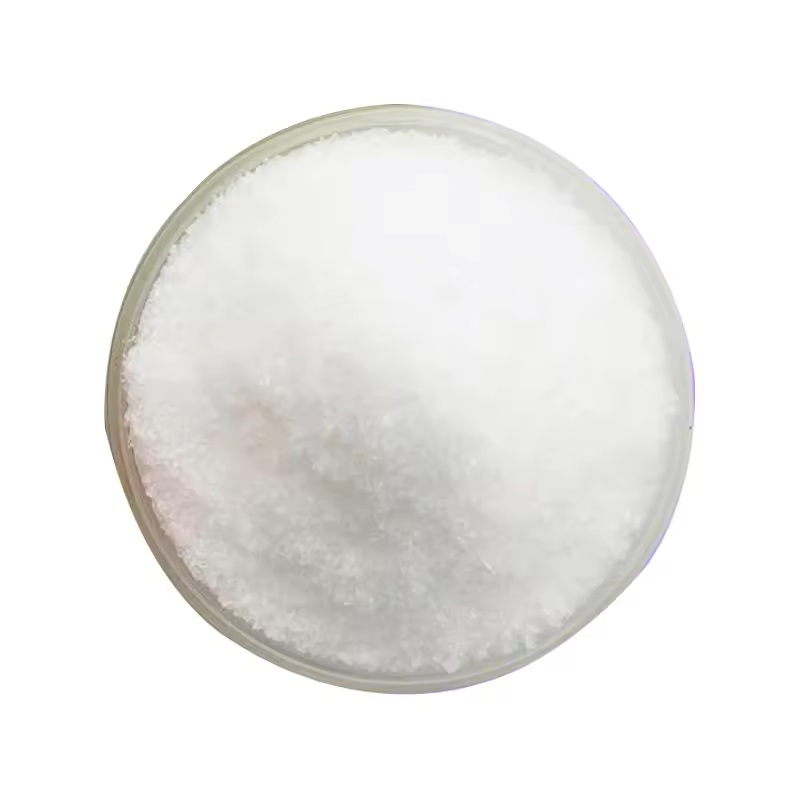
| Appearance | White or colorless crystalline powder or scaly crystals |
| Odor | Odorless |
| Taste | Slightly special taste and sour taste |
L-Glutamic acid is a non-essential, acidic amino acid that is one of the 20 standard amino acids used in protein synthesis. It is the most abundant excitatory neurotransmitter in the mammalian central nervous system, playing a critical role in brain function, learning, and memory. L-Glutamic acid is a key intermediate in cellular metabolism, particularly in the citric acid cycle (as α-ketoglutarate). It is also the precursor to γ-aminobutyric acid (GABA), the main inhibitory neurotransmitter in the brain. L-Glutamic acid appears as white or colorless scaly crystals or crystalline powder, is odorless, and has a slightly special taste with a sour note. It is slightly soluble in cold water, soluble in hot water, and insoluble in ethanol, ether, and acetone. L-Glutamic acid is widely used in the food industry as a flavor enhancer (as monosodium glutamate - MSG), in pharmaceuticals for hepatic coma treatment, as a nutritional supplement, and in biochemical research. It was first discovered by Rithausen in 1866 through the acid hydrolysis of wheat gluten.
2. PHYSICAL AND CHEMICAL PROPERTIES
| Property | Value |
|---|---|
| Molecular Formula | C₅H₉NO₄ |
| Molecular Weight | 147.13 g/mol |
| Appearance | White or colorless crystalline powder or scaly crystals |
| Odor | Odorless |
| Taste | Slightly special taste and sour taste |
| Density (20°C) | 1.54 g/cm³ |
| Melting Point | 205°C (dec.) ; 247-249°C (decomposes) |
| Sublimation Temperature | ~200°C |
| Water Solubility (20°C) | 7.5 g/L (slightly soluble in cold water) |
| Water Solubility (Hot Water) | Soluble (soluble in boiling water) |
| Solubility in Ethanol | Insoluble |
| Solubility in Ether | Insoluble |
| Solubility in Acetone | Insoluble |
| Solubility in Dilute HCl | Soluble |
| pH (8.6 g/L, H₂O, 25°C) | 3.0-3.5 |
| Specific Optical Rotation ([α]²⁰D) | +32.0° (c=10, 2N HCl) ; +31.5° to +32.5° |
| pKa (25°C) | 2.13 (pK1), 4.32 (pK2, side chain), 9.47 (pK3) |
| Isoelectric Point | 3.22 |
| Refractive Index | 1.4300 (estimate) |
| Loss on Drying | ≤ 0.5% |
| Residue on Ignition | ≤ 0.1% |
| Heavy Metals (as Pb) | ≤ 10 ppm |
| Chloride | ≤ 0.02% |
| Sulfate | ≤ 0.02% |
| Transmittance (430nm, 1g/20ml 2N HCl) | ≥ 98.0% |
| Ammonium Salt | ≤ 0.02% |
| Other Amino Acids | ≤ 0.5% |
| Iron Salt | ≤ 0.0005% |
| Arsenic Salt | ≤ 0.0001% |
L-Glutamic acid is a white or colorless crystalline powder or scaly crystals. It has a density of 1.54 g/cm³ at 20°C. The melting point is approximately 205°C with decomposition, and it sublimes at approximately 200°C. It is slightly soluble in cold water (7.5 g/L at 20°C), soluble in hot water, and insoluble in ethanol, ether, and acetone. The pH of an 8.6 g/L aqueous solution at 25°C is 3.0-3.5, indicating acidic character. The specific optical rotation is +32.0° (c=10, 2N HCl). The pKa values are 2.13 (carboxyl group), 4.32 (side chain carboxyl group), and 9.47 (amino group). The isoelectric point is 3.22.
3. CHEMICAL PROPERTIES AND REACTIONS
L-Glutamic acid is an acidic amino acid with two carboxyl groups and one amino group. This unique structure gives L-glutamic acid its distinctive chemical properties and biological activities.
Acid-Base Properties:
L-Glutamic acid has two carboxyl groups (COOH) and one amino group (NH₂). pKa values: 2.13 (pK1), 4.32 (pK2, side chain), and 9.47 (pK3).
Salt Formation:
L-Glutamic acid forms salts with bases. The most important salt is monosodium glutamate (MSG, sodium glutamate), which is widely used as a flavor enhancer in the food industry.
L-Glutamic Acid + NaOH → Sodium Glutamate (MSG) + H₂O
Esterification:
L-Glutamic acid can be esterified with alcohols to form glutamic acid esters for pharmaceutical intermediates.
Decarboxylation:
L-Glutamic acid can be decarboxylated by the enzyme glutamate decarboxylase (GAD) to form γ-aminobutyric acid (GABA), the main inhibitory neurotransmitter in the brain.
Transamination:
L-Glutamic acid participates in transamination reactions, transferring its amino group to α-ketoglutarate to form aspartate and oxaloacetate (or other amino acids).
Deamination:
L-Glutamic acid can be deaminated by glutamate dehydrogenase (GDH) to form α-ketoglutarate and ammonia, linking amino acid metabolism to the citric acid cycle.
Thermal Decomposition:
Above its melting point, L-glutamic acid decomposes, producing ammonia, carbon dioxide, and various nitrogen-containing compounds.
4. PRODUCTION METHODS
L-Glutamic acid is produced industrially primarily through microbial fermentation using sugars as raw materials.
| Method | Raw Materials | Process Description |
|---|---|---|
| Fermentation (Microbial) | Molasses, Starch hydrolysates (glucose), Urea, Mineral salts | Microorganisms such as Corynebacterium glutamicum, Brevibacterium species, or Micrococcus glutamicus are cultivated in fermenters. With urea as the nitrogen source, fermentation is carried out at 30-32°C for 30-40 hours. After fermentation, cells are separated, and glutamic acid is extracted by adjusting the pH to 3.0 (isoelectric point) for crystallization. Mother liquor is further extracted using 732 ion exchange resin. This is the most common industrial method. |
| Protein Hydrolysis | Gluten, Casein | Wheat gluten or casein is hydrolyzed with acid, and L-glutamic acid is precipitated by adjusting to the isoelectric point (pH 3.2). This method is less common today. |
| Chemical Synthesis | Acrylonitrile, Ammonia | Acrylonitrile is reacted with ammonia to produce racemic glutamic acid, which then requires resolution. This method requires high pressure (20 MPa) and high temperature (>120°C) and is less common due to high cost and complexity. |
Detailed Production Process (Fermentation Method - Most Common):
-
Medium Preparation: Sugars (molasses or starch hydrolysates) are prepared as the carbon source, urea as the nitrogen source, along with mineral salts and nutrients (corn steep liquor for biotin and organic nitrogen).
-
Fermentation: Corynebacterium glutamicum or Brevibacterium species are cultivated in large fermenters with aeration and agitation at 30-34°C, pH 7-8, for 30-40 hours.
-
Cell Separation: Microbial cells are separated from the fermentation broth by filtration or centrifugation.
-
Isoelectric Point Extraction: The pH of the fermentation broth is adjusted to 3.0 (the isoelectric point of glutamic acid) using hydrochloric acid. L-Glutamic acid precipitates as crystals.
-
Crystallization and Separation: The precipitated L-glutamic acid crystals are separated by filtration.
-
Mother Liquor Extraction: Glutamic acid remaining in the mother liquor is further extracted using 732 ion exchange resin.
-
Drying: The crystals are dried to reduce moisture content.
-
Milling and Packaging: The dried crystals are milled to the desired particle size and packaged in 25 kg bags.
5. PHYSIOLOGICAL FUNCTIONS AND HEALTH BENEFITS
L-Glutamic acid is a non-essential amino acid that plays numerous critical roles in the body. It is involved in protein synthesis, neurotransmission, ammonia detoxification, and energy metabolism.
5.1. Neurotransmission (Excitatory Neurotransmitter)
| Benefit | Description |
|---|---|
| Neurotransmitter | L-Glutamic acid is the most abundant excitatory neurotransmitter in the mammalian central nervous system, involved in learning, memory, and synaptic plasticity. |
| Cognitive Function | Supports cognitive function, learning, and memory. |
| GABA Precursor | Serves as the precursor to γ-aminobutyric acid (GABA), the main inhibitory neurotransmitter in the brain, helping to balance excitatory and inhibitory signals. |
L-Glutamic acid is the most abundant excitatory neurotransmitter in the mammalian central nervous system, playing a critical role in learning, memory, and synaptic plasticity. It is also the precursor to γ-aminobutyric acid (GABA), the main inhibitory neurotransmitter, helping to maintain balance in the brain.
5.2. Ammonia Detoxification (Hepatic Coma Treatment)
| Benefit | Description |
|---|---|
| Ammonia Detoxification | L-Glutamic acid combines with ammonia in the body to form non-toxic glutamine, reducing blood ammonia levels. |
| Hepatic Coma Treatment | Used in the treatment of hepatic coma and severe liver dysfunction. |
| Liver Support | Supports liver function and recovery from hepatic dysfunction. |
L-Glutamic acid combines with ammonia in the blood to form non-toxic glutamine, which is then excreted by the kidneys. This reduces blood ammonia levels and is used in the treatment of hepatic coma and severe liver dysfunction.
5.3. Energy Metabolism
| Benefit | Description |
|---|---|
| Metabolic Intermediate | L-Glutamic acid is a key intermediate in the citric acid cycle (as α-ketoglutarate). |
| Glutathione Precursor | L-Glutamic acid is a precursor to glutathione (with glycine and cysteine), a major antioxidant. |
| Protein Synthesis | Essential for protein synthesis; involved in the synthesis of glutamine, proline, arginine, and lysine. |
L-Glutamic acid is a key intermediate in cellular metabolism, particularly in the citric acid cycle (as α-ketoglutarate). It is also a precursor to glutathione, a major antioxidant, and is involved in the synthesis of glutamine, proline, arginine, and lysine.
6. APPLICATIONS AND INDUSTRIAL USES
L-Glutamic acid has a wide range of applications in the food industry, pharmaceuticals, animal nutrition, and biochemical research.
6.1. Food Industry (Flavor Enhancer - Most Important Application)
| Application | Description |
|---|---|
| Monosodium Glutamate (MSG) | L-Glutamic acid is used to produce monosodium glutamate (MSG, sodium glutamate), one of the most widely used flavor enhancers in the world. |
| Flavor Enhancer | Used as a flavor enhancer in soups, broths, seasonings, meat products, and processed foods. |
| Salt Substitute | Used as a salt substitute and nutritional supplement in low-sodium foods. |
| Seafood and Canned Products | Used to prevent magnesium ammonium phosphate crystallization in shrimp, crab, and other aquatic canned products (0.3-1.6% dosage). |
| Spices | Used as a spice and flavoring agent in various food products. |
| Nutritional Supplement | Used as a nutritional supplement in food products. |
L-Glutamic acid's most important application is in the production of monosodium glutamate (MSG), one of the most widely used flavor enhancers in the world. It is also used as a flavor enhancer, salt substitute, and nutritional supplement in soups, broths, seasonings, meat products, and seafood canned products.
6.2. Pharmaceutical Applications
| Application | Description |
|---|---|
| Hepatic Coma Treatment | Used in the treatment of hepatic coma, hepatic encephalopathy, and severe liver dysfunction. |
| Epilepsy Treatment | Used in combination with antiepileptic drugs for the treatment of petit mal seizures and psychomotor seizures. |
| Schizophrenia and Neurological Disorders | Used as an adjuvant therapy for schizophrenia and nervous system diseases. |
| Nutritional Supplement | Used in parenteral nutrition and as a nutritional supplement. |
L-Glutamic acid is used in pharmaceutical applications for the treatment of hepatic coma, hepatic encephalopathy, and severe liver dysfunction. It is also used as an adjuvant therapy for schizophrenia, epilepsy, and other neurological disorders.
6.3. Biochemical Research
| Application | Description |
|---|---|
| Biochemical Reagent | Used as a biochemical reagent in research and laboratories. |
| Cell Culture | Used as a component of cell culture media. |
| Amino Acid Metabolism Studies | Used in studies of amino acid metabolism and neurotransmission. |
6.4. Animal Nutrition
| Application | Description |
|---|---|
| Feed Supplement | Used as a nutritional supplement in animal feed. |
| Poultry Nutrition | Used in poultry feed to improve growth and health. |
7. DOSAGE AND ADMINISTRATION
| Parameter | Information |
|---|---|
| General Supplementation | 500-2,000 mg per day |
| Hepatic Coma Treatment | 2.5-5 g, 4 times daily (medical supervision required) |
| Food Additive (MSG) | Up to 10 g/kg in soups and convenience foods (FAO/WHO) |
| Forms | Tablets, capsules, powders, intravenous solutions |
| Disclaimer | Dosages may vary based on individual needs and health status. Consult a healthcare professional before use. |
8. POTENTIAL SIDE EFFECTS AND WARNINGS
| Side Effect | Description |
|---|---|
| Gastrointestinal Distress | Nausea, stomach pain, diarrhea (at high doses) |
| Headache | May cause headache in some individuals (MSG sensitivity) |
| Allergic Reactions | Rare; possible skin rash, flushing (MSG sensitivity) |
| Nervous System Effects | Excessive glutamate may cause excitotoxicity in the brain (rare in normal use) |
| Pregnancy and Lactation | Generally safe at recommended doses; consult healthcare professional before use |
9. DRUG INTERACTIONS
| Drug Class | Interaction | Recommendation |
|---|---|---|
| Antiepileptic Drugs | May enhance efficacy | Use under medical supervision |
| Central Nervous System Drugs | Possible interactions | Use under medical supervision |
10. NATURAL FOOD SOURCES OF L-GLUTAMIC ACID
| Animal Sources | Plant Sources |
|---|---|
| Meat (beef, pork, poultry) | Wheat gluten |
| Fish | Soybeans |
| Eggs | Corn |
| Dairy products (milk, cheese, yogurt) | Tomatoes |
| Seaweed (kelp) | |
| Mushrooms | |
| Green peas | |
| Spinach |
11. SAFETY AND TOXICOLOGY
| Parameter | Value |
|---|---|
| Oral LD50 (Rabbit) | > 30,000 mg/kg (very low toxicity) |
| Dermal LD50 (Rabbit) | > 2,000 mg/kg |
| Skin Irritation | Non-irritant |
| Eye Irritation | Mild irritant |
| Skin Sensitization | Not a sensitizer |
| Mutagenicity | Negative (Ames test) |
| Carcinogenicity | Not classified |
| Reproductive Toxicity | Not classified |
| GRAS Status | Generally Recognized as Safe (GRAS) by FDA |
| Acceptable Daily Intake (ADI) | Not specified (FAO/WHO, 2001); GRAS (FDA, § 182.1045) |
12. FIRST AID MEASURES
| Exposure Route | Action |
|---|---|
| Inhalation | Move person to fresh air. If irritation persists, seek medical attention. |
| Skin Contact | Wash with plenty of soap and water. If irritation persists, seek medical attention. |
| Eye Contact | Rinse immediately with plenty of water for at least 15 minutes. Remove contact lenses if present. If irritation persists, seek medical attention. |
| Ingestion | Rinse mouth with water. Drink plenty of water. Do NOT induce vomiting. Seek medical attention if large amounts are swallowed. |
13. SAFETY INFORMATION (GHS CLASSIFICATION)
| Hazard Class | Category |
|---|---|
| Skin Irritation | Category 3 (mild irritation) |
| Eye Irritation | Category 2B (mild irritation) |
| Specific Target Organ Toxicity - Single Exposure | Category 3 (respiratory irritation) |
Signal Word: WARNING
Hazard Statements (H-Codes):
| Code | Statement |
|---|---|
| H315 | Causes skin irritation (mild) |
| H319 | Causes serious eye irritation (mild) |
| H335 | May cause respiratory irritation (dust) |
Precautionary Statements (P-Codes):
| Code | Statement |
|---|---|
| P261 | Avoid breathing dust |
| P271 | Use only outdoors or in a well-ventilated area |
| P280 | Wear protective gloves, protective clothing, eye/face protection |
| P302+P352 | IF ON SKIN: Wash with plenty of soap and water |
| P304+P340 | IF INHALED: Remove person to fresh air and keep comfortable for breathing |
| P305+P351+P338 | IF IN EYES: Rinse cautiously with water for several minutes. Remove contact lenses if present and easy to do. Continue rinsing |
| P332+P313 | If skin irritation occurs: Get medical attention |
| P337+P313 | If eye irritation persists: Get medical attention |
| P403+P233 | Store in a well-ventilated place. Keep container tightly closed |
| P501 | Dispose of contents/container in accordance with local/regional/national/international regulations |
14. FIREFIGHTING MEASURES
| Parameter | Information |
|---|---|
| Fire Hazard | Combustible dust; dust-air mixtures may be explosive at high concentrations |
| Extinguishing Media | Water spray, CO₂, dry chemical powder, foam |
| Special Hazards | Thermal decomposition produces toxic and irritant fumes (nitrogen oxides, carbon monoxide, carbon dioxide) |
| Protective Equipment | Self-contained breathing apparatus (SCBA), full protective clothing |
15. ACCIDENTAL RELEASE MEASURES
| Parameter | Information |
|---|---|
| Personal Protection | Wear appropriate PPE (dust mask, goggles, protective clothing, gloves) |
| Ventilation | Increase ventilation; evacuate area if necessary |
| Containment | Stop source if safe; contain powder to prevent spread |
| Cleaning Methods | Vacuum or sweep carefully to avoid dust generation; use wet methods to suppress dust |
| Environmental Precautions | Prevent entry into drains, sewers, and water bodies |
| Waste Disposal | Dispose of according to local, state, and federal regulations |
16. STORAGE AND HANDLING
| Parameter | Information |
|---|---|
| Storage Conditions | Cool, dry, well-ventilated area; store at 2-8°C (recommended); protect from moisture |
| Container Requirements | Tightly closed containers (bags, drums, boxes) |
| Materials to Avoid | Strong oxidizing agents, strong acids, strong bases, moisture |
| Shelf Life | 24-36 months under proper storage conditions |
| Hygroscopicity | Easily absorbing moisture (hygroscopic) |
| Sensitivity | Light sensitive; protect from light |
| Handling Notes | Avoid dust generation; avoid contact with skin and eyes |
| Packaging Options | 25 kg bags (plastic bags, nylon bags, or plastic woven bags), 25 kg drums, 500-1000 kg FIBCs |
L-Glutamic acid should be stored at 2-8°C in cool, dry, well-ventilated areas, protected from light and moisture. It is hygroscopic and should be protected from moisture. Containers should be kept tightly closed to prevent moisture absorption and contamination. Shelf life under proper storage conditions is typically 24-36 months.
Handling Notes:
-
Avoid dust generation (use enclosed systems, local exhaust ventilation)
-
Avoid contact with skin and eyes (use protective gloves and goggles)
-
Avoid breathing dust (use dust mask or respirator)
-
Keep away from ignition sources
-
Do not allow material to become wet (hygroscopic)
17. TRANSPORT INFORMATION
| Parameter | Information |
|---|---|
| UN Number | Not applicable (not classified as dangerous good) |
| Hazard Class | Not a dangerous good |
| Packing Group | Not applicable |
| Proper Shipping Name | L-Glutamic Acid |
| Marine Pollutant | No |
| ADR/RID Label | Not applicable |
L-Glutamic acid is not classified as a dangerous good for transport. It is shipped in 25 kg bags, drums, or FIBCs. During transport, protect from moisture, impact, and excessive heat.
18. REGULATORY INFORMATION
| Region | Status |
|---|---|
| EU | REACH registered; approved as food additive |
| Turkey (KKDİK) | Mandatory compliance; requires registration |
| USA (TSCA) | Listed; GRAS by FDA |
| Canada (DSL) | Listed |
| Australia (AICS) | Listed |
| Japan (ENCS) | Listed |
| Korea (KECL) | Listed |
| China (IECSC) | Listed |
Regulatory Status:
| Status | Information |
|---|---|
| FDA Compliance | GRAS (Generally Recognized as Safe) (21 CFR 182.1045) |
| EU Compliance | REACH registered; approved as food additive |
| IARC Classification | Not classified |
| HS Code | 29224200 |
| RTECS | LZ9700000 |
| WGK Germany | 2 (hazard to water) |
| TSCA | Yes |
| EINECS | 200-293-7 |
| FEMA Number | 3285 |
| JECFA Number | 1420 |
| USP/NF | Compliant |
| Ph. Eur. | Compliant |
| FCC (Food Chemicals Codex) | Compliant |
19. OTHER NAMES AND DATABASE IDENTIFIERS
| Category | Names / Identifiers |
|---|---|
| Chemical Names | (S)-2-Aminopentanedioic acid |
| Synonyms | L-Glutamic Acid, Glutamic Acid, H-Glu-OH, L-Glutamine Acid, L-2-Aminoglutaric acid, Acidum glutamicum, L-Glutamic acid, α-Glutamic acid |
| Abbreviations | Glu, E (single-letter code) |
| Common Names | Glutamic acid, glutamate (as salt) |
Database Identifiers:
| Database | Identifier |
|---|---|
| CAS | 56-86-0 |
| EC (EINECS) | 200-293-7 |
| MDL | MFCD00002634 |
| PubChem CID | 611 |
| RTECS | LZ9700000 |
| UN | Not applicable |
| HS Code | 29224200 |
| Merck | 14, 4469 |
| BRN | 1723801 |
| FEMA | 3285 |
| JECFA | 1420 |
20. SUMMARY AND CRITICAL WARNINGS
SUMMARY:
L-Glutamic acid (C₅H₉NO₄, CAS 56-86-0) is a non-essential, acidic amino acid that is one of the 20 standard amino acids used in protein synthesis. It appears as white or colorless scaly crystals or crystalline powder, is odorless, and has a slightly special taste with a sour note. The molecular weight is 147.13 g/mol, density is 1.54 g/cm³ at 20°C, and melting point is 205°C (decomposes). It is slightly soluble in cold water (7.5 g/L at 20°C), soluble in hot water, and insoluble in ethanol, ether, and acetone. It is produced primarily through microbial fermentation using molasses or starch hydrolysates with Corynebacterium glutamicum or Brevibacterium species. L-Glutamic acid is the most abundant excitatory neurotransmitter in the mammalian central nervous system, playing a critical role in learning, memory, and synaptic plasticity. It is also the precursor to GABA, the main inhibitory neurotransmitter, and is involved in ammonia detoxification and energy metabolism. Its most important application is in the production of monosodium glutamate (MSG), one of the most widely used flavor enhancers in the world. It is also used in pharmaceuticals for the treatment of hepatic coma, hepatic encephalopathy, and severe liver dysfunction, as a nutritional supplement, and in biochemical research. It is considered GRAS by the FDA. It is stored at 2-8°C in cool, dry, well-ventilated areas, protected from light and moisture.
Key Properties:
| Property | Value |
|---|---|
| Appearance | White or colorless crystalline powder or scaly crystals |
| Chemical Formula | C₅H₉NO₄ |
| Molecular Weight | 147.13 g/mol |
| CAS Number | 56-86-0 |
| Melting Point | 205°C (dec.) ; 247-249°C (decomposes) |
| Water Solubility (20°C) | 7.5 g/L |
| pH (8.6 g/L, H₂O, 25°C) | 3.0-3.5 |
| Specific Optical Rotation | +32.0° (c=10, 2N HCl) |
| Isoelectric Point | 3.22 |
| Primary Use | Food additive (MSG production), pharmaceutical, nutritional supplement |
Major Application Areas:
| Industry | Applications |
|---|---|
| Food Industry | Monosodium glutamate (MSG), flavor enhancer, salt substitute, nutritional supplement |
| Pharmaceutical | Hepatic coma treatment, hepatic encephalopathy, epilepsy (adjuvant), neurological disorders |
| Biochemical Research | Biochemical reagent, cell culture media, amino acid metabolism studies |
| Animal Nutrition | Feed supplement |
| Cosmetics | Skin care, anti-aging products (limited) |
Key Safety Points:
-
VERY LOW TOXICITY: GRAS by FDA; LD50 > 30,000 mg/kg (Rabbit)
-
HYGROSCOPIC: Easily absorbing moisture; protect from moisture; store in tightly closed containers
-
MILD IRRITANT: May cause mild skin and eye irritation
-
STORAGE: Store at 2-8°C in cool, dry, well-ventilated area, protected from light and moisture
-
PPE RECOMMENDED: Dust mask, safety goggles, protective gloves (for handling powder)
-
SIDE EFFECTS: May cause headache in some individuals (MSG sensitivity); gastrointestinal distress at high doses
-
FOOD ADDITIVE: Approved as flavor enhancer and nutritional supplement in many countries
CRITICAL WARNINGS:
Flavor Enhancer (MSG): L-Glutamic acid's most important application is in the production of monosodium glutamate (MSG), one of the most widely used flavor enhancers in the world. MSG enhances the savory umami taste in foods. It is used in soups, broths, seasonings, meat products, and processed foods. According to China's GB 2760-96 regulations, it can be used as a flavoring agent. The FDA has approved it as GRAS (21 CFR 182.1045). FAO/WHO permits its use up to 10 g/kg in soups and convenience foods.
Neurotransmitter: L-Glutamic acid is the most abundant excitatory neurotransmitter in the mammalian central nervous system, playing a critical role in learning, memory, and synaptic plasticity. It is also the precursor to γ-aminobutyric acid (GABA), the main inhibitory neurotransmitter in the brain, helping to maintain balance in the central nervous system.
Hepatic Coma Treatment: L-Glutamic acid combines with ammonia in the blood to form non-toxic glutamine, which reduces blood ammonia levels. This makes it useful in the treatment of hepatic coma, hepatic encephalopathy, and severe liver dysfunction. Typical dosage for hepatic coma treatment is 2.5-5 g, 4 times daily under medical supervision.
Synthesis of Other Amino Acids: L-Glutamic acid is an important precursor for the synthesis of glutamine, proline, arginine, and lysine. It is also involved in the synthesis of glutathione (with glycine and cysteine), a major antioxidant.
Glutamate Dehydrogenase: L-Glutamic acid is involved in glutamate dehydrogenase-centered co-deamination reactions. It is also involved in the glucose-alanine cycle pathway, where it helps transport ammonia from muscle to the liver.
Ornithine Cycle (Urea Synthesis): In the ornithine cycle, glutamate dehydrogenase in mitochondria removes the amino group of glutamic acid, providing free ammonia for the synthesis of carbamoyl phosphate. Glutamate transaminase in the cytoplasm transfers the amino group of glutamic acid to oxaloacetic acid, which then forms aspartic acid, indirectly providing a second amino group for the cycle.
MSG Sensitivity: Some individuals may experience "MSG symptom complex" (headache, flushing, sweating, numbness) after consuming foods containing MSG. This is more common in sensitive individuals and at high doses. However, numerous studies have shown that MSG is safe for the general population at normal consumption levels.
Natural Sources: L-Glutamic acid is naturally found in protein-rich foods including meat, fish, eggs, dairy products, wheat gluten, soybeans, tomatoes, seaweed (kelp), mushrooms, and green peas. It is one of the most abundant amino acids in the diet.
Pregnancy and Lactation: L-Glutamic acid is generally considered safe during pregnancy and lactation at recommended doses. However, as with all supplements, it is recommended to consult a healthcare professional before use.
Packaging and Storage: L-Glutamic acid is typically packaged in 25 kg plastic bags, nylon bags, or plastic woven bags. During storage and transport, attention should be paid to moisture protection, sun protection, and low temperature storage.
Important Disclaimer: This Technical Data Sheet (TDS) is for informational purposes only. The information provided is based on available data and is believed to be accurate. However, the user is solely responsible for determining the suitability of the product for their specific application and for complying with all applicable regulations and safety requirements. For complete safety, handling, storage, and regulatory compliance information, always refer to the official Safety Data Sheet (SDS/MSDS) provided by the manufacturer/supplier. Users are responsible for testing the product in their own processes and applications. All local, national, and international regulations must be followed when working with L-glutamic acid.