We unleash your business potential by maximize the business innovation.
Send EmailGlutamine, L-Glutamine, L-(+)-Glutamine, 56-85-9
L-GLUTAMINE
PRODUCT IDENTIFIER INFORMATION
| Parameter | Information |
|---|---|
| Product Name | L-Glutamine |
| Chemical Name (IUPAC) | (2S)-2,5-Diamino-5-oxopentanoic acid |
| CAS Number | 56-85-9 |
| EC Number (EINECS) | 200-292-1 |
| Molecular Formula | C5H10N2O3 |
| Molecular Weight | 146.14 g/mol |
SECTION 1: CHEMICAL IDENTITY AND DESCRIPTION
| Parameter | Information |
|---|---|
| Chemical Name (IUPAC) | (2S)-2,5-Diamino-5-oxopentanoic acid |
| Systematic Name | (S)-2-Amino-4-carbamoylbutanoic acid |
| Synonyms | L-Glutamine, Glutamine, L-(+)-Glutamine, Glutamic Acid Amide, (S)-2,5-Diamino-5-oxopentanoic Acid, 2-Amino-4-carbamoylbutanoic Acid |
| Abbreviations | Gln, Q |
| CAS Number | 56-85-9 |
| EC Number (EINECS) | 200-292-1 |
| Molecular Formula | C5H10N2O3 |
| Molecular Weight | 146.14 g/mol |
| Chemical Class | Proteinogenic amino acid (polar, uncharged side chain) |
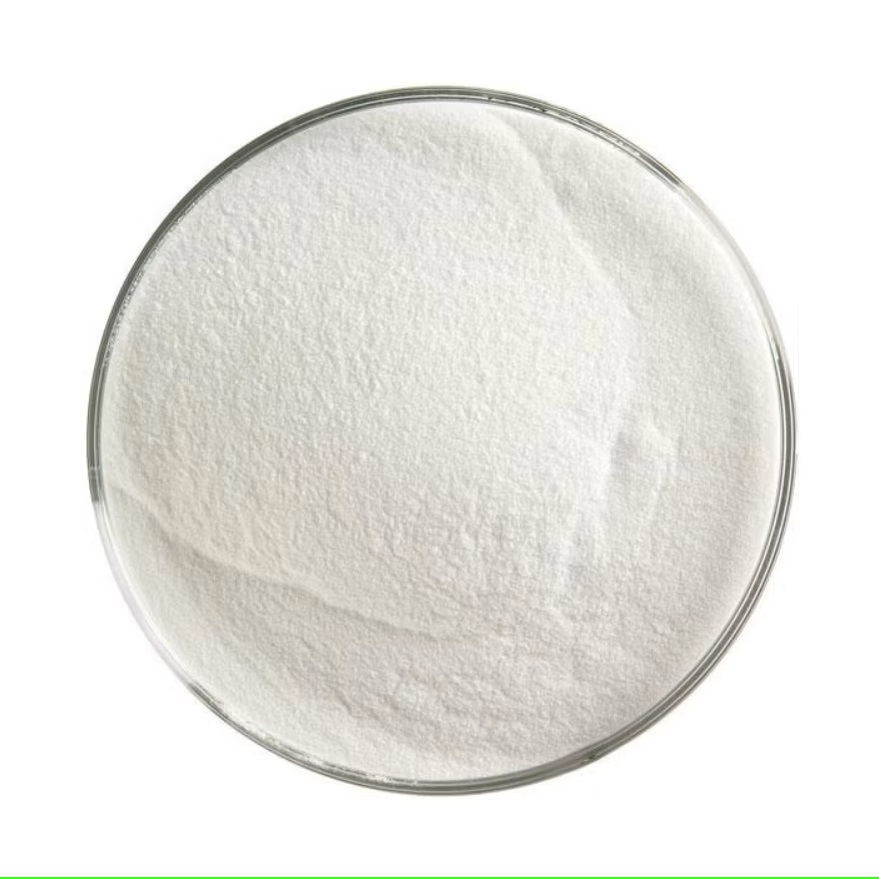
| Physical State (20°C) | Solid (white crystalline powder) |
| Odor | Odorless |
| Taste | Slightly sweet, neutral |
SECTION 2: PHYSICAL AND CHEMICAL PROPERTIES
| Property | Value | Test Method |
|---|---|---|
| Appearance | White crystalline powder | Visual |
| Odor | Odorless | Olfactometric |
| Taste | Slightly sweet, neutral | Sensory |
| Molecular Weight | 146.14 g/mol | Calculated |
| Melting Point | 185 – 186°C (with decomposition) | DSC |
| Specific Optical Rotation ([α]20D) | +6.3° to +7.3° (c=4, H2O) | Polarimetry |
| pH (1% solution, 25°C) | 5.0 – 6.5 (near neutral) | pH Meter |
| Solubility in Water (25°C) | ~4.2 g/100 mL (moderately soluble) | Gravimetric |
| Solubility in Water (50°C) | ~10 g/100 mL (increases with temperature) | Gravimetric |
| Solubility in Ethanol | Practically insoluble | General Method |
| Solubility in Ether | Insoluble | General Method |
| Hygroscopicity | Low-Moderate | Visual |
| Stability (Dry) | Stable | |
| Stability (Solution) | Slowly hydrolyzes in aqueous solutions (pyroglutamic acid + ammonia) | |
| Flash Point | Non-flammable | Not applicable |
SECTION 3: CHEMICAL PROPERTIES AND REACTIVITY
| Parameter | Information |
|---|---|
| Chemical Character | Polar, uncharged amino acid; amide side chain |
| Stability | Stable in dry form; slowly hydrolyzes in aqueous solutions |
| Hydrolysis | In aqueous solution: L-Glutamine → L-Glutamic Acid + NH3 (accelerated by heat and pH) |
| Decomposition Products (Heating) | Above 185°C: CO, CO2, NOx, NH3, pyroglutamic acid |
| Incompatible Materials | Strong oxidizing agents, strong acids, strong bases |
| Reaction with Acids | Hydrolysis accelerated at acidic pH → glutamic acid formed |
| Reaction with Bases | Hydrolysis accelerated at alkaline pH; ammonia released |
| Maillard Reaction | Reacts with reducing sugars (glucose, fructose) at high temperature |
| Hazardous Polymerization | Does not occur |
SECTION 4: GLUTAMINE AND RELATED AMINO ACIDS COMPARISON
| Property | L-Glutamine | L-Glutamic Acid | L-Asparagine | L-Arginine |
|---|---|---|---|---|
| CAS Number | 56-85-9 | 56-86-0 | 70-47-3 | 74-79-3 |
| Molecular Formula | C5H10N2O3 | C5H9NO4 | C4H8N2O3 | C6H14N4O2 |
| Side Chain | Amide (-CONH2) | Carboxyl (-COOH) | Amide (-CONH2) | Guanidino |
| pH (1% solution) | 5.0-6.5 | 3.0-3.5 | 5.0-6.0 | 10.5-11.5 |
| Solubility in Water | ~4.2 g/100mL | ~0.9 g/100mL | ~3.0 g/100mL | ~15 g/100mL |
| Nitrogen Content | 19.2% (2N) | 9.5% (1N) | 21.2% (2N) | 32.2% (4N) |
| Primary Function | Immunity, gut, muscle | Neurotransmitter | Nervous system | Nitric oxide, circulation |
SECTION 5: BIOLOGICAL FUNCTIONS AND MECHANISM OF ACTION
| Function | Description |
|---|---|
| Muscle Tissue | 70% of body's glutamine is produced and stored in skeletal muscles; supports muscle protein synthesis |
| Gut Health | Primary energy source for enterocytes (small intestine cells); maintains intestinal barrier integrity |
| Immune System | Essential energy substrate for lymphocytes and macrophages; critical during infection and stress |
| Detoxification | Binds and transports ammonia; facilitates renal excretion as ammonium |
| Nitrogen Transport | Central role in nitrogen transport between tissues; ~50% of total plasma amino acid pool |
| Cell Growth | Essential for rapidly dividing cells (enterocytes, lymphocytes, fibroblasts) |
| Acid-Base Balance | Substrate for ammonia (NH3) production in kidneys; regulates acid-base balance |
| Glutathione Synthesis | Precursor in glutathione (GSH) synthesis along with glutamate and cysteine |
SECTION 6: PRIMARY APPLICATION AREAS
| Sector / Application | Use | Typical Dosage |
|---|---|---|
| Sports Nutrition | Muscle repair, recovery, endurance | 5 – 10 g/day |
| Sports Nutrition | Reduce muscle breakdown after intense training | 5 – 15 g/day (divided doses) |
| Medical - Immunity | Immune support after illness, surgery, trauma, burns | 10 – 30 g/day (clinical) |
| Medical - Gut | Crohn's disease, IBS, short bowel syndrome | 5 – 15 g/day |
| Medical - Oncology | Prevention of mucositis after chemotherapy/radiotherapy | 10 – 30 g/day (clinical) |
| Medical - Sickle Cell Anemia | FDA-approved indication (Endari) | 5 – 15 g (weight-based) |
| Parenteral Nutrition | Total parenteral nutrition (TPN) solutions | Per clinical protocol |
| Functional Foods | Sports drinks, protein bars, nutraceuticals | 1 – 5% |
| Animal Feed | Growth and immune support in poultry and swine feed | 0.5 – 2.0% |
SECTION 7: QUALITY SPECIFICATIONS (PHARMACEUTICAL/FOOD GRADE - USP/EP/FCC)
| Parameter | Specification | Test Method |
|---|---|---|
| Appearance | White crystalline powder | Visual |
| Odor | Odorless | Olfactometric |
| Purity (C5H10N2O3, Dry Basis) | 98.5 – 101.5% | HPLC / Titrimetric |
| Specific Optical Rotation ([α]20D) | +6.3° to +7.3° (c=4, H2O) | Polarimetry |
| pH (1% solution, 25°C) | 5.0 – 6.5 | pH Meter |
| Loss on Drying (105°C, 2 hours) | ≤ 0.5% | Gravimetric |
| Ash Content | ≤ 0.1% | Gravimetric (600°C) |
| Chloride (Cl-) | ≤ 0.05% | Argentometric |
| Sulfate (SO4 2-) | ≤ 0.03% | Turbidimetric |
| Heavy Metals (as Pb) | ≤ 15 ppm | ICP-MS / USP <231> |
| Lead (Pb) | ≤ 3 ppm | ICP-MS |
| Arsenic (As) | ≤ 3 ppm | ICP-MS |
| Mercury (Hg) | ≤ 1 ppm | ICP-MS |
| Cadmium (Cd) | ≤ 1 ppm | ICP-MS |
| Iron (Fe) | ≤ 30 ppm | AAS / Colorimetric |
| Ammonium (NH4+) | ≤ 0.03% | Ion Selective Electrode |
| Related Substances (Total) | ≤ 1.0% | HPLC / TLC |
| Total Microbial Count | ≤ 1,000 CFU/g | USP <61> |
| Yeast and Mold | ≤ 100 CFU/g | USP <61> |
| E. coli | Negative in 10g | USP <62> |
| Salmonella spp. | Negative in 25g | USP <62> |
SECTION 8: TOXICOLOGICAL PROFILE
| Parameter | Value |
|---|---|
| Acute Oral Toxicity (LD50, Rat) | > 7,500 mg/kg (very low toxicity) |
| Acute Dermal Toxicity (LD50, Rabbit) | > 2,000 mg/kg |
| Skin Irritation | Not irritating |
| Eye Irritation | Mild mechanical irritation (dust) |
| Respiratory Irritation | Inhalation of dust may cause mechanical irritation |
| Carcinogenicity | Not classified (IARC, NTP) |
| Mutagenicity | Negative in in vitro tests |
| Reproductive Toxicity | No known adverse effects |
| Chronic Toxicity | Gastrointestinal discomfort at high doses (>40 g/day) |
| Side Effects | Excessive dose: gastric discomfort, nausea, renal load (in kidney patients) |
| GRAS Status | Recognized as GRAS by FDA |
SECTION 9: GHS CLASSIFICATION AND LABELING
GHS Classification (compliant with 1272/2008/EC):
| Hazard Class | Category | H-Statement |
|---|---|---|
| Not classified | - | Not classified as hazardous according to current regulations |
Signal Word: No signal word (not classified as hazardous)
Hazard Pictograms: No pictograms required
Precautionary Statements (P-Codes):
| Code | Statement |
|---|---|
| P261 | Avoid breathing dust |
| P280 | Wear protective gloves/eye protection |
| P305+P351+P338 | IF IN EYES: Rinse cautiously with water for several minutes |
SECTION 10: FIRST AID MEASURES
| Exposure Route | Action to Take |
|---|---|
| Inhalation | Move to fresh air. Seek medical attention if respiratory irritation persists. |
| Skin Contact | Wash with plenty of water and soap. Seek medical attention if irritation persists. |
| Eye Contact | Rinse immediately with plenty of water for at least 15 minutes. Remove contact lenses if present. Seek medical attention if irritation persists. |
| Ingestion | Rinse mouth with water. Drink plenty of water. Seek medical attention if you feel unwell. |
SECTION 11: FIREFIGHTING MEASURES
| Parameter | Information |
|---|---|
| Fire Hazard | Non-flammable |
| Hazards During Fire | CO, CO2, NOx, NH3 |
| Suitable Extinguishing Media | Any extinguishing media appropriate for surrounding fire |
| Special Protective Equipment | Self-contained breathing apparatus (SCBA), full protective clothing |
SECTION 12: STORAGE AND SHELF LIFE
| Parameter | Information |
|---|---|
| Storage Conditions | Cool (15-25°C), dry, well-ventilated area; protect from moisture |
| Container Requirements | Tightly closed, moisture-proof containers |
| Keep Away From | Moisture, direct sunlight, strong oxidizing agents, acidic/alkaline environments |
| Shelf Life | 36 months (unopened original packaging under appropriate storage conditions) |
| Stability Note | Stable in dry form; slowly hydrolyzes in aqueous solutions; prepare solutions fresh |
SECTION 13: PACKAGING OPTIONS
| Packaging Type | Quantity | Material |
|---|---|---|
| Aluminum foil pouch (moisture-proof) | 1 kg | Laminated aluminum |
| Aluminum foil pouch (moisture-proof) | 5 kg | Laminated aluminum |
| Kraft bag with PE inner liner | 25 kg | Kraft paper + PE |
| Fiber drum | 25-50 kg | Fiberboard + PE |
SECTION 14: TRANSPORTATION INFORMATION
| Parameter | Information |
|---|---|
| UN Number | Not regulated (not hazardous) |
| Hazard Class | Not applicable |
| Packing Group | Not applicable |
| ADR/RID | Not regulated |
| IMDG Code | Not regulated |
| IATA (Air) | Not regulated |
| Marine Pollutant | No |
| Transport Temperature | Ambient; protect from moisture |
SECTION 15: REGULATORY STATUS
| Region / Authority | Status |
|---|---|
| USA (FDA) | GRAS; prescription drug for sickle cell anemia (Endari) |
| European Union | Permitted in food supplements and functional foods |
| USP-NF | Official monograph (USP L-Glutamine) |
| European Pharmacopoeia | Official monograph (Ph. Eur. Glutamine) |
| Turkey | Food supplement; licensed pharmaceutical active ingredient |
| Halal / Kosher / Vegan | Available |
SECTION 16: OTHER NAMES AND SYNONYMS
| Type | Name |
|---|---|
| Chemical Names | (2S)-2,5-Diamino-5-oxopentanoic acid; (S)-2-Amino-4-carbamoylbutanoic acid |
| Common Names | L-Glutamine, Glutamine, L-(+)-Glutamine, Glutamic Acid Amide |
| Abbreviations | Gln, Q |
| CAS Number | 56-85-9 |
| EC Number | 200-292-1 |
SECTION 17: SUMMARY TABLE
| Parameter | Value |
|---|---|
| Product | L-Glutamine |
| CAS Number | 56-85-9 |
| Molecular Formula | C5H10N2O3 |
| Molecular Weight | 146.14 g/mol |
| Appearance | White crystalline powder |
| pH (1% solution) | 5.0 – 6.5 |
| Solubility in Water (25°C) | ~4.2 g/100 mL |
| Primary Function | Immune support, gut health, muscle repair, nitrogen transport |
| Shelf Life | 36 months |
| GHS Signal Word | Not classified |
SECTION 18: CRITICAL WARNINGS AND BEST PRACTICES
CRITICAL WARNINGS:
-
Solution Stability: Slowly hydrolyzes in aqueous solutions to glutamic acid and ammonia. Prepare solutions fresh and use within 24 hours.
-
Heat and pH Sensitivity: High temperature and extreme pH (acidic/alkaline) accelerate hydrolysis. Store at neutral pH.
-
Maillard Reaction: Reacts with reducing sugars (glucose, fructose) at high temperature; use caution in formulations.
-
Kidney Patients: May cause ammonia loading in patients with renal failure; use with caution.
-
Sterilization: Autoclave sterilization causes hydrolysis; use aseptic technique or dry heat sterilization.
BEST PRACTICE RECOMMENDATIONS:
-
Moisture Control: Low-moderate hygroscopicity; maintain relative humidity below 60% in storage area.
-
Solution Preparation: Prepare aqueous solutions fresh; use cold chain (2-8°C) for long-term storage.
-
Sports Use: 5-10 g before or after training; divide total daily dose.
-
Clinical Use: Perform compatibility testing before adding to parenteral nutrition solutions.
-
Storage: Store in dry, cool, and dark environment; do not mix with sugar-containing formulations.
LEGAL DISCLAIMER:
The information provided in this document is presented in good faith based on our current knowledge and experience; however, since all usage conditions are beyond our control, it does not constitute a binding specification or warranty. This Technical Data Sheet is for informational purposes only and does not constitute medical advice. Users are obligated to test the suitability for their own applications. For complete safety, storage, handling, transportation, disposal, and regulatory compliance information, refer to the official Safety Data Sheet (SDS/MSDS) provided by the manufacturer/supplier. This product is not intended to diagnose, treat, cure, or prevent any disease.