We unleash your business potential by maximize the business innovation.
Send EmailCreatine, N-Amidinosarcosine, Methylglycocyamine, Creatine Monohydrate, Creatine Hydrate, 57-00-1, 6020-87-7
CREATINE
1. CHEMICAL IDENTITY AND DEFINITION
| Parameter | Anhydrous Creatine | Creatine Monohydrate |
|---|---|---|
| Chemical Name (IUPAC) | N-(Aminoiminomethyl)-N-methylglycine | N-(Aminoiminomethyl)-N-methylglycine monohydrate |
| Systematic Name | N-Amidinosarcosine; N-Methyl-N-guanylglycine | N-Amidinosarcosine monohydrate |
| Other Names (English) | Creatine, N-Amidinosarcosine, Methylglycocyamine | Creatine Monohydrate, Creatine Hydrate |
| Abbreviations | Cr | Cr·H₂O, CM |
| CAS Number | 57-00-1 | 6020-87-7 |
| EC Number (EINECS) | 200-306-6 | 200-306-6 |
| Molecular Formula | C₄H₉N₃O₂ | C₄H₉N₃O₂·H₂O |
| Molecular Weight | 131.13 g/mol | 149.15 g/mol |
| Creatine Content | 100% | ~88% |
| Chemical Class | Guanidino compound; glycine derivative | Guanidino compound; glycine derivative |
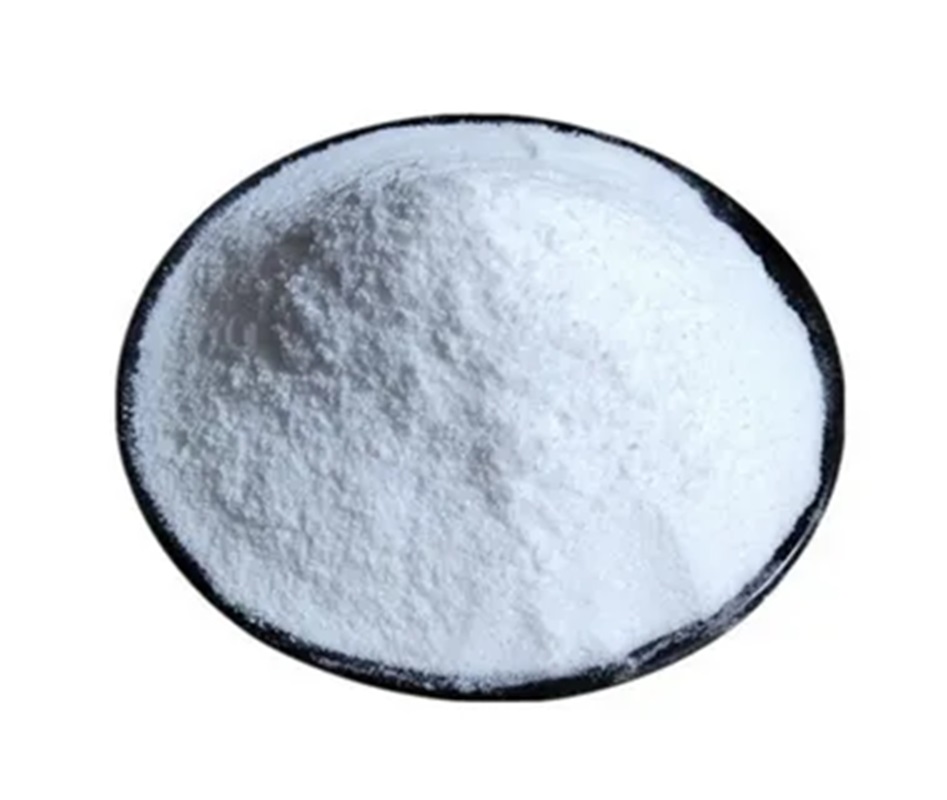
| Appearance | Fine white crystalline powder | Fine white crystalline powder |
| Odor | Odorless | Odorless |
| Taste | Slightly bitter, characteristic | Slightly bitter, characteristic |
| Physical State (20°C) | Solid | Solid |
2. CHEMICAL STRUCTURE AND MOLECULAR PROPERTIES
Chemical Structure (Anhydrous):
         NH₂
         ||
    HN = C — N — CH₂ — COO⁻
         |
         CH₃
Chemical Structure (Monohydrate):
         NH₂
         ||
    HN = C — N — CH₂ — COO⁻  · H₂O
         |
         CH₃
Zwitterionic Structure:
Creatine exists as a zwitterion at physiological pH. It contains a positively charged guanidino group and a negatively charged carboxylate group. This structure affects its water solubility and membrane permeability.
SMILES (Anhydrous): CN(CC(=O)O)C(=N)N
SMILES (Monohydrate): CN(CC(=O)O)C(=N)N.O
InChI (Anhydrous): InChI=1S/C4H9N3O2/c1-7(2-3(8)9)4(5)6/h2H2,1H3,(H2,5,6)(H,8,9)
InChIKey (Anhydrous): CVSVTCORWBXHQV-UHFFFAOYSA-N
InChI (Monohydrate): InChI=1S/C4H9N3O2.H2O/c1-7(2-3(8)9)4(5)6;/h2H2,1H3,(H2,5,6)(H,8,9);1H2
InChIKey (Monohydrate): CVSVTCORWBXHQV-UHFFFAOYSA-N
3. PHYSICAL PROPERTIES
| Property | Anhydrous Creatine | Creatine Monohydrate |
|---|---|---|
| Appearance | Fine white crystalline powder | Fine white crystalline powder |
| Molecular Weight | 131.13 g/mol | 149.15 g/mol |
| Melting Point | ~255 °C (decomposes) | ~293 °C (decomposes) |
| Density (25°C) | 1.33 g/cm³ | 1.33 g/cm³ |
| pH (1% solution, 25°C) | 7.0 – 9.0 | 7.0 – 9.0 |
| Water Solubility (18°C) | ~13.3 g/L | ~14 g/L |
| Water Solubility (50°C) | ~45 g/L | ~50 g/L |
| Water Solubility (80°C) | ~80 g/L | ~90 g/L |
| Glacial Acetic Acid | Soluble | Soluble |
| Ethanol | Practically insoluble | Practically insoluble |
| Ether | Insoluble | Insoluble |
| Hygroscopicity | High | Low-Moderate |
| Creatine Content | 100% | ~88% |
| Crystal Structure | Monoclinic | Monoclinic (hydrated) |
4. CHEMICAL PROPERTIES AND REACTIVITY
| Parameter | Information |
|---|---|
| Chemical Character | Guanidino compound; zwitterionic; glycine derivative |
| pKa (Carboxyl Group) | ~2.63 |
| pKa (Guanidino Group) | ~9.29 |
| Log P (Octanol-Water) | -1.19 (low lipophilicity) |
| Stability | Stable in dry state; slowly cyclizes to creatinine in aqueous solutions |
| Cyclization | Creatine → Creatinine + H₂O (accelerated by acidic pH and heat) |
| Decomposition Products (Heating) | >255°C: carbonizes; CO, CO₂, NOx, NH₃ |
| Incompatible Materials | Strong oxidizing agents, strong acids |
| Acidic pH Degradation | Conversion to creatinine accelerates at pH <3 |
| Reaction with Bases | Relatively stable at alkaline pH |
| Oxidation Resistance | Moderate |
| Hazardous Polymerization | Does not occur |
| Solution Stability | Most stable at pH 4-6; degradation accelerates at pH <3 and pH >9 |
5. PHYSICOCHEMICAL PARAMETERS
| Parameter | Value |
|---|---|
| Diffusion Coefficient | ~6.5 × 10⁻⁶ cm²/s (in water, 25°C) |
| Molar Volume | ~120 cm³/mol |
| Dipole Moment | ~15 D |
| Surface Tension | ~70 mN/m (in solution) |
| Thermal Degradation Kinetics | Arrhenius activation energy: ~80 kJ/mol |
| Creatinine Conversion Rate (pH 4, 37°C) | ~0.5%/day |
| Creatinine Conversion Rate (pH 1, 37°C) | ~5%/day |
| Optical Activity | Optically inactive (synthetic, not racemic) |
6. BIOSYNTHESIS AND METABOLISM
Endogenous Synthesis Pathway:
| Step | Substrate | Enzyme | Product |
|---|---|---|---|
| 1 | Arginine + Glycine | Arginine:glycine amidinotransferase (AGAT) | Guanidinoacetate |
| 2 | Guanidinoacetate + S-Adenosylmethionine (SAM) | Guanidinoacetate methyltransferase (GAMT) | Creatine |
Synthesis Sites: Liver, kidney, pancreas
Daily Endogenous Synthesis: ~1-2 g/day (healthy adult)
Dietary Intake: ~1 g/day (depending on meat/fish consumption)
Storage:
-
Total body creatine: ~120 g (70 kg adult)
-
Muscle storage: ~95% (~114 g)
-
Brain, heart, testes: ~5%
Metabolism:
-
Creatine → Phosphocreatine (via creatine kinase)
-
Creatine → Creatinine (non-enzymatic, irreversible)
-
Daily creatine loss: ~2 g/day (excreted as creatinine in urine)
7. PHARMACOKINETIC PROPERTIES
| Parameter | Value |
|---|---|
| Bioavailability | ~100% (oral administration) |
| Absorption Site | Small intestine (jejunum and ileum) |
| Transporter | SLC6A8 (creatine transporter) |
| Tmax (Plasma) | 1-2 hours |
| Tmax (Muscle) | 2-4 hours (post-loading) |
| Plasma Half-Life | ~3 hours |
| Muscle Half-Life | ~24-48 hours (muscle creatine store) |
| Volume of Distribution | ~50 L |
| Plasma Protein Binding | Low (~10%) |
| Elimination | Renal (glomerular filtration + tubular reabsorption) |
| Renal Clearance | ~120 mL/min |
| Elimination Half-Life (Muscle) | ~30 days (from muscle stores) |
| Absorption Rate Constant (ka) | 1.26 s⁻¹ |
| Elimination Rate Constant (kel) | 0.73 s⁻¹ |
| Food Interaction | Carbohydrate/protein co-ingestion increases muscle uptake via insulin |
8. PHARMACODYNAMICS AND MECHANISM OF ACTION
Primary Mechanism of Action:
| Component | Mechanism | Effect |
|---|---|---|
| Creatine | Phosphocreatine system substrate | ATP regeneration |
| Phosphocreatine | PCr + ADP → ATP + Cr (creatine kinase) | Rapid energy buffering |
| Muscle Volume | Intracellular osmotic water retention | Cell volumization |
| Protein Synthesis | Cell hydration → mTOR activation | Anabolic signaling |
| Myostatin | Decreased myostatin expression | Muscle growth |
Creatine Kinase System:
| Type | Location | Function |
|---|---|---|
| CK-MM | Skeletal muscle | ATP regeneration during muscle contraction |
| CK-MB | Cardiac muscle | Myocardial energy buffering |
| CK-BB | Brain | Neuronal energy buffering |
| Mitochondrial CK | Mitochondria | Energy transfer (PCr shuttle) |
Effect on Energy Systems:
| Energy System | Creatine's Role | Time Range |
|---|---|---|
| ATP-PC System | Primary substrate | 0-10 seconds |
| Glycolysis | ATP buffering (pH regulation) | 10-90 seconds |
| Oxidative System | Indirect (PCr shuttle) | >2 minutes |
9. CLINICAL PERFORMANCE EFFECTS
Muscle Strength and Power:
| Parameter | Effect Size | Evidence Level |
|---|---|---|
| Maximal Strength | +5-15% | Comprehensive meta-analysis |
| Repeated Maximal Contractions | +10-20% | Comprehensive meta-analysis |
| Explosive Power (Sprint, Jumps) | +3-8% | Comprehensive meta-analysis |
| Muscle Mass | +1-3% (short-term), +5-10% (long-term) | Comprehensive meta-analysis |
| Muscular Endurance | +5-10% | Well-established |
Neurological Effects:
| Condition | Effect | Evidence Level |
|---|---|---|
| ALS (Amyotrophic Lateral Sclerosis) | Slowed disease progression (some studies) | Clinical trials (mixed results) |
| Parkinson's Disease | Potential neuroprotective | Preliminary studies |
| Huntington's Disease | Improved motor function | Clinical trials |
| Muscular Dystrophy | Increased muscle strength (some types) | Limited studies |
| Traumatic Brain Injury | Potential neuroprotective | Animal studies |
Cardiovascular Effects:
| Parameter | Effect |
|---|---|
| Myocardial Contractility | Increased (in heart failure) |
| Ejection Fraction | Improved (some studies) |
| Exercise Capacity | Increased |
Aging and Sarcopenia:
| Parameter | Effect |
|---|---|
| Muscle Mass (Elderly) | Increased |
| Physical Function | Improved |
| Fall Risk | Reduced (some studies) |
10. DOSAGE AND ADMINISTRATION PROTOCOLS
| Protocol | Dosage | Duration | Description |
|---|---|---|---|
| Classic Loading | 20 g/day (4×5 g) | 5-7 days | Rapidly fills muscle creatine stores |
| Rapid Loading | 20-30 g/day (divided) | 3-5 days | Faster loading, more GI side effects |
| Low-Dose Loading | 10 g/day (2×5 g) | 10-14 days | Fewer GI side effects |
| Maintenance | 3-5 g/day | Continuous | Maintains muscle stores |
| Micronized Creatine | 3-5 g/day | Continuous | Better solubility, fewer GI issues |
| Creatine Ester | 2-3 g/day | Continuous | Theoretical advantage (weak evidence) |
| Creatine HCl | 1-2 g/day | Continuous | Theoretical advantage (weak evidence) |
| Liquid Creatine | 3-5 g/day (fresh) | Continuous | Stability issues (converts to creatinine) |
Dose Optimization:
| Body Weight | Maintenance Dose | Loading Dose |
|---|---|---|
| 50-60 kg | 2-3 g/day | 15 g/day |
| 60-75 kg | 3-4 g/day | 20 g/day |
| 75-90 kg | 4-5 g/day | 25 g/day |
| 90+ kg | 5-6 g/day | 30 g/day |
Timing Recommendations:
-
Pre-Workout: 30-60 minutes before (rapid absorption)
-
Post-Workout: Most effective time (high insulin sensitivity)
-
With Carbohydrates (30-50 g): Increases muscle uptake by up to 60%
-
With Protein (20-30 g): Increases muscle uptake
-
Training Days: 5 g/day (single dose or divided)
-
Rest Days: 3-5 g/day
11. CREATINE FORMS COMPARISON
| Form | CAS | Creatine Content | Solubility | Advantage | Disadvantage |
|---|---|---|---|---|---|
| Monohydrate | 6020-87-7 | ~88% | Low | Best researched, cheapest | GI distress, low solubility |
| Anhydrous | 57-00-1 | 100% | Low | High purity | Hygroscopic, rare |
| Citrate | - | ~50% | Good | Better solubility | Less creatine/g |
| Pyruvate | 208535-04-0 | ~60% | Good | Pyruvate additional benefit | Expensive, limited research |
| Malate | - | ~60% | Good | Malate additional benefit | Expensive, limited research |
| Ethyl Ester | - | ~80% | Moderate | Theoretical better absorption | Weak evidence, expensive |
| HCl | - | ~85% | Very good | High solubility | Expensive, limited research |
| Micronized | - | ~88% | Better | Faster solubility | More expensive |
| Liquid | - | Variable | Very good | Ready-to-drink | Stability issues |
12. QUALITY SPECIFICATIONS
| Parameter | Specification | Test Method |
|---|---|---|
| Appearance | Fine white crystalline powder | Visual |
| Assay (Dried Basis) | 99.0 – 102.0% | HPLC / Titrimetric |
| Loss on Drying (105°C) | ≤ 12.0% | Gravimetric |
| pH (1% solution) | 7.0 – 9.0 | pH Meter |
| Residue on Ignition | ≤ 0.1% | Gravimetric |
| Creatinine | ≤ 0.5% | HPLC |
| Dicyandiamide | ≤ 50 ppm | HPLC |
| Dihydrotriazine | ≤ 50 ppm | HPLC |
| Heavy Metals (as Pb) | ≤ 10 ppm | ICP-MS |
| Lead (Pb) | ≤ 2 ppm | ICP-MS |
| Arsenic (As) | ≤ 3 ppm | ICP-MS |
| Mercury (Hg) | ≤ 1 ppm | ICP-MS |
| Cadmium (Cd) | ≤ 1 ppm | ICP-MS |
| Total Microbial Count | ≤ 1,000 CFU/g | USP <61> |
| Yeast and Mold | ≤ 100 CFU/g | USP <61> |
| E. coli | Negative in 10g | USP <62> |
| Salmonella | Negative in 25g | USP <62> |
| Particle Size | >95% <200 mesh | Sieve analysis |
13. SAFETY AND TOXICOLOGICAL PROFILE
| Parameter | Value |
|---|---|
| Oral LD50 (Rat) | > 5,000 mg/kg |
| Dermal LD50 (Rabbit) | > 2,000 mg/kg |
| Skin Irritation | Non-irritating |
| Eye Irritation | Mild mechanical irritation |
| Respiratory Irritation | Dust causes mechanical irritation |
| Carcinogenicity (IARC) | Not classified (Group 3) |
| Mutagenicity | Negative (Ames test) |
| Reproductive Toxicity | No known adverse effects |
| Chronic Toxicity (6 months, 5 g/day) | Safe |
| High Dose (>20 g/day) | GI distress, diarrhea |
| Renal Function | Safe in healthy individuals |
| Hepatic Function | No adverse effects |
| GRAS Status | FDA approved |
Potential Side Effects:
| Side Effect | Frequency | Description |
|---|---|---|
| Weight Gain | Common | Water retention (1-2 kg) |
| GI Distress | Common (loading) | Bloating, diarrhea, cramping |
| Muscle Cramps | Rare | Associated with dehydration |
| Renal Stress | Rare | High doses, pre-existing kidney disease |
14. STORAGE AND STABILITY
| Parameter | Information |
|---|---|
| Storage Temperature | 15-25°C (cool) |
| Storage Conditions | Dry, well-ventilated |
| Container | Tightly closed, moisture-proof |
| Moisture Sensitivity | Anhydrous: high; Monohydrate: low |
| Light Sensitivity | Low |
| Shelf Life (Anhydrous) | 24-36 months |
| Shelf Life (Monohydrate) | 36 months |
| Solution Stability (pH 4-6) | 24 hours (at room temperature) |
| Solution Stability (pH <3) | 4-6 hours |
| Degradation Product | Creatinine |
| Optimal pH (Stability) | 4-6 |
15. REGULATORY STATUS
| Region / Authority | Status |
|---|---|
| USA (FDA) | GRAS; approved as dietary supplement |
| European Union | Permitted as food supplement |
| EFSA Health Claim | "Creatine increases performance in short-term high-intensity exercise" |
| Turkey | Food supplement; Ministry of Agriculture and Forestry approved |
| Doping (WADA) | Not prohibited; permitted |
| Halal Certification | Available (synthetic production) |
| Kosher Certification | Available (synthetic production) |
| Vegan | Yes (no animal-derived ingredients) |
16. ANHYDROUS vs MONOHYDRATE COMPARISON
| Property | Anhydrous Creatine (57-00-1) | Creatine Monohydrate (6020-87-7) |
|---|---|---|
| Creatine Content | 100% | ~88% |
| Molecular Weight | 131.13 g/mol | 149.15 g/mol |
| Hygroscopicity | High | Low |
| Stability | Lower | Higher |
| Shelf Life | 24-36 months | 36 months |
| Water Solubility | Low | Better |
| Application | Research, pharmaceutical | Sports supplement (standard) |
| Market Share | Low | Very high |
| Cost | Higher | Low |
| Powder Flow | More difficult (hygroscopic) | Easy |
17. SUMMARY TABLE
| Parameter | Anhydrous Creatine | Creatine Monohydrate |
|---|---|---|
| CAS Number | 57-00-1 | 6020-87-7 |
| Molecular Formula | C₄H₉N₃O₂ | C₄H₉N₃O₂·H₂O |
| Molecular Weight | 131.13 g/mol | 149.15 g/mol |
| Creatine Content | 100% | ~88% |
| Hygroscopicity | High | Low |
| Shelf Life | 24-36 months | 36 months |
| Application | Research, pharmaceutical | Sports supplement |
| Market Share | Low | Standard form |
18. CRITICAL WARNINGS
1. SOLUTION STABILITY: Aqueous solutions slowly convert to creatinine; prepare fresh and consume within 24 hours.
2. ACIDIC pH SENSITIVITY: Conversion to creatinine accelerates at pH <3; avoid mixing with acidic beverages.
3. LOADING PHASE SIDE EFFECTS: GI distress may occur at 20 g/day; divide doses.
4. RENAL PATIENTS: Caution in renal insufficiency; safe in healthy individuals.
5. WATER INTAKE: Adequate water consumption is essential; prevent dehydration.
6. CARBOHYDRATE COMBINATION: Creatine uptake increases with carbohydrate or protein co-ingestion (insulin-mediated).
7. TIMING: Post-workout intake optimizes muscle creatine uptake.
8. MONOHYDRATE PREFERENCE: Creatine monohydrate (6020-87-7) is the gold standard for sports supplementation.
9. ANHYDROUS USE: Anhydrous form is for research and pharmaceutical purposes; not practical as a supplement.
10. STORAGE: Store in a cool, dry, dark place; protect from moisture.
IMPORTANT DISCLAIMER: This Technical Data Sheet (TDS) is for informational purposes only and does not constitute medical advice. For complete safety, storage, use, and regulatory compliance information, refer to the official documentation provided by the manufacturer/supplier. This product is not intended to diagnose, treat, cure, or prevent any disease.