We unleash your business potential by maximize the business innovation.
Send EmailCaprylyl Glycol, Capryl Glycol, 1,2-Octanediol, 1117-86-8
CAPRYLYL GLYCOL (1,2-OCTANEDIOL)
PRODUCT IDENTIFIER INFORMATION
| Parameter | Information |
|---|---|
| Product Name | Caprylyl Glycol (1,2-Octanediol) |
| Chemical Name (IUPAC) | Octane-1,2-diol |
| CAS Number | 1117-86-8 |
| EC Number (EINECS) | 214-254-7 |
| INCI Name | Caprylyl Glycol |
| Molecular Formula | C8H18O2 |
| Molecular Weight | 146.23 g/mol |
SECTION 1: CHEMICAL IDENTITY AND DESCRIPTION
| Parameter | Information |
|---|---|
| Chemical Name (IUPAC) | Octane-1,2-diol |
| Systematic Name | 1,2-Dihydroxyoctane |
| Synonyms | Caprylyl Glycol, Capryl Glycol, 1,2-Octanediol, Octane-1,2-diol, 1,2-Dihydroxyoctane, Octane Diol |
| INCI Name | Caprylyl Glycol |
| Abbreviations | CG, 1,2-OD |
| CAS Number | 1117-86-8 |
| EC Number (EINECS) | 214-254-7 |
| Molecular Formula | C8H18O2 |
| Molecular Weight | 146.23 g/mol |
| Chemical Class | Alkane diol (1,2-diol); fatty alcohol derivative |
| Source | Derived from caprylic acid in coconut oil and palm oil; can also be produced synthetically |
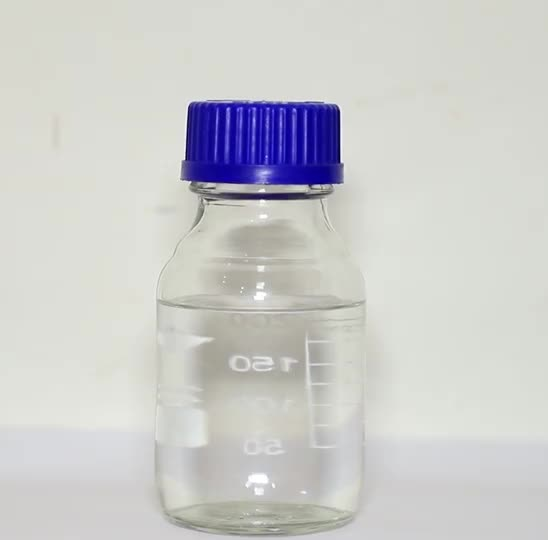
| Physical State (20°C) | Colorless or off-white solid (low melting point waxy solid) |
| Odor | Neutral, characteristic slight odor |
| Taste | Slightly characteristic |
SECTION 2: PHYSICAL AND CHEMICAL PROPERTIES
| Property | Value | Test Method |
|---|---|---|
| Appearance | Colorless or off-white solid (waxy) | Visual |
| Odor | Neutral, characteristic slight odor | Olfactometric |
| Taste | Slightly characteristic | Sensory |
| Molecular Weight | 146.23 g/mol | Calculated |
| Melting Point | 36 – 38°C (low melting point) | DSC |
| Boiling Point | 131 – 132°C (at 2.7 kPa) | ASTM D86 |
| Density (20°C) | 0.914 g/cm3 | ASTM D4052 |
| Refractive Index (nD20) | ~1.448 | Refractometry |
| pH (1% dispersion) | 5.0 – 7.0 (near neutral) | pH Meter |
| Solubility in Water (20°C) | Slightly soluble (~3-5 g/L) | Gravimetric |
| Solubility in Ethanol | Soluble | General Method |
| Solubility in Propylene Glycol | Soluble | General Method |
| Solubility in Glycerin | Soluble | General Method |
| Solubility in Oils | Soluble (lipophilic character) | General Method |
| Flash Point | >130°C | ASTM D93 |
| Hygroscopicity | Moderate (moisture-attracting and water-binding) | Visual |
| Stability | Stable under normal conditions; stable over wide pH range (pH 2-12) |
SECTION 3: CHEMICAL PROPERTIES AND REACTIVITY
| Parameter | Information |
|---|---|
| Chemical Character | Alkane 1,2-diol; amphiphilic structure (hydrophilic diol head + lipophilic alkyl chain) |
| Stability | Stable under normal conditions; stable over wide pH range (pH 2-12) |
| Decomposition Products (Heating) | Above 200°C: CO, CO2, water vapor |
| Incompatible Materials | Strong oxidizing agents, strong acids |
| Reactivity | Undergoes typical diol reactions; esterification, oxidation |
| Hazardous Polymerization | Does not occur |
SECTION 4: COSMETIC PRESERVATIVE ENHANCERS COMPARISON
| Property | Caprylyl Glycol | Phenoxyethanol | Ethylhexylglycerin | Pentylene Glycol | Benzyl Alcohol |
|---|---|---|---|---|---|
| CAS Number | 1117-86-8 | 122-99-6 | 70445-33-9 | 5343-92-0 | 100-51-6 |
| Molecular Formula | C8H18O2 | C8H10O2 | C11H24O3 | C5H12O2 | C7H8O |
| Class | 1,2-Diol | Glycol ether | Glyceryl ether | 1,2-Diol | Aromatic alcohol |
| Antimicrobial Spectrum | Bacteria, yeast, mold | Bacteria, yeast | Bacteria, yeast (weak) | Bacteria, yeast | Bacteria, yeast |
| Moisturizing Effect | High | Low | Medium | High | Low |
| Emollient Effect | High | Low | Medium | Medium | Low |
| Max. Use (EU) | No restriction | 1.0% | No restriction | No restriction | 1.0% (fragrance) |
| Natural Source | Yes (coconut) | Synthetic | Synthetic/Natural | Synthetic/Natural | Natural/Synthetic |
| INCI Name | Caprylyl Glycol | Phenoxyethanol | Ethylhexylglycerin | Pentylene Glycol | Benzyl Alcohol |
SECTION 5: FUNCTIONAL PROPERTIES AND MECHANISM OF ACTION
| Property | Description |
|---|---|
| Moisturizer (Humectant) | Moisturizes skin and retains moisture through water-binding capacity of diols; reduces transepidermal water loss (TEWL) |
| Antimicrobial / Preservative Enhancer | Disrupts cell membrane integrity of bacteria and fungi; shows synergistic effect especially with phenoxyethanol |
| Emollient | Softens skin; improves texture of cosmetic formulations; leaves silky feel |
| Stabilizer | Increases stability of formulations; preserves efficacy of active ingredients |
| Solvent | Acts as solvent for cosmetic and pharmaceutical active ingredients |
| Wide pH Compatibility | Stable in pH range 2-12; compatible with a wide variety of formulations |
| Naturally Derived | Can be derived from coconut and palm oil; suitable for "natural" labeled products |
SECTION 6: PRIMARY APPLICATION AREAS
| Sector / Application | Use | Typical Concentration |
|---|---|---|
| Cosmetic - Skincare | Moisturizer, emollient, preservative enhancer | 0.3 – 1.0% |
| Cosmetic - Wet Wipes | Antimicrobial protection, moisturizing | 0.3 – 1.0% |
| Cosmetic - Lip Gloss | Moisturizer, emollient | 0.3 – 0.8% |
| Cosmetic - Foundation | Texture improver, moisturizer | 0.3 – 1.0% |
| Cosmetic - Anti-aging / Filler Creams | Preservative with phenoxyethanol, moisturizer | 0.5 – 1.0% |
| Cosmetic - Body Cleansers | Preservative enhancer, moisturizer | 0.3 – 1.0% |
| Cosmetic - Bath Products | Preservative, moisturizer, enhancer | 0.3 – 0.8% |
| Cosmetic - Sun Care | Moisturizer, formulation stabilizer | 0.3 – 0.8% |
| Cosmetic - Deodorant | Antimicrobial support | 0.3 – 0.5% |
| Pharmaceutical - Topical | Solvent, moisturizer, preservative aid | 0.3 – 1.0% |
SECTION 7: QUALITY SPECIFICATIONS (COSMETIC GRADE)
| Parameter | Specification | Test Method |
|---|---|---|
| Appearance | Colorless or off-white waxy solid | Visual |
| Odor | Neutral, characteristic slight odor | Olfactometric |
| Purity (GC) | ≥ 98.0% | GC-FID |
| Melting Point | 36 – 38°C | DSC |
| pH (1% dispersion) | 5.0 – 7.0 | pH Meter |
| Water Content | ≤ 0.5% | Karl Fischer Titration |
| Acid Value (mg KOH/g) | ≤ 1.0 | Titrimetric |
| Ash Content | ≤ 0.1% | Gravimetric |
| Heavy Metals (as Pb) | ≤ 10 ppm | ICP-MS |
| Lead (Pb) | ≤ 2 ppm | ICP-MS |
| Arsenic (As) | ≤ 3 ppm | ICP-MS |
| Mercury (Hg) | ≤ 1 ppm | ICP-MS |
| Cadmium (Cd) | ≤ 1 ppm | ICP-MS |
| Total Microbial Count | ≤ 100 CFU/g | ISO 21149 |
| Yeast and Mold | ≤ 10 CFU/g | ISO 16212 |
| E. coli | Negative in 1g | ISO 21150 |
| Pseudomonas aeruginosa | Negative in 1g | ISO 22717 |
| Staphylococcus aureus | Negative in 1g | ISO 22718 |
SECTION 8: TOXICOLOGICAL PROFILE
| Parameter | Value |
|---|---|
| Acute Oral Toxicity (LD50, Rat) | > 2,000 mg/kg (low toxicity) |
| Acute Dermal Toxicity (LD50, Rabbit) | > 2,000 mg/kg |
| Skin Irritation | Not irritating; emollient effect |
| Eye Irritation | Mildly irritating (undiluted) |
| Skin Sensitization | Not sensitizing |
| Carcinogenicity | Not classified |
| Mutagenicity | Negative in in vitro tests |
| Phototoxicity | Not phototoxic |
| Comedogenicity | Not comedogenic |
| Cosmetic Safety | Evaluated as safe by CIR (Cosmetic Ingredient Review) |
SECTION 9: GHS CLASSIFICATION AND LABELING
GHS Classification (compliant with 1272/2008/EC):
| Hazard Class | Category | H-Statement |
|---|---|---|
| Serious Eye Damage/Irritation | Category 2 | H319 |
Signal Word: WARNING
Hazard Pictograms: GHS07 (Exclamation Mark)
Hazard Statements: H319 – Causes serious eye irritation
Precautionary Statements:
| Code | Statement |
|---|---|
| P264 | Wash hands thoroughly after handling |
| P280 | Wear protective goggles/face protection |
| P305+P351+P338 | IF IN EYES: Rinse cautiously with water for several minutes. Remove contact lenses if present |
SECTION 10: FIRST AID MEASURES
| Exposure Route | Action to Take |
|---|---|
| Inhalation | Move to fresh air. Seek medical attention if respiratory irritation persists. |
| Skin Contact | Wash with plenty of water and soap. Seek medical attention if irritation persists. |
| Eye Contact | Rinse immediately with plenty of water for at least 15 minutes. Remove contact lenses if present. Seek medical attention. |
| Ingestion | Rinse mouth with water. Drink plenty of water. Seek medical attention if you feel unwell. |
SECTION 11: FIREFIGHTING MEASURES
| Parameter | Information |
|---|---|
| Fire Hazard | Non-flammable (high flash point >130°C) |
| Hazards During Fire | CO, CO2, water vapor |
| Suitable Extinguishing Media | Water mist, CO2, dry chemical powder, foam |
| Special Protective Equipment | Self-contained breathing apparatus (SCBA), full protective clothing |
SECTION 12: STORAGE AND SHELF LIFE
| Parameter | Information |
|---|---|
| Storage Conditions | Cool (15-25°C), dry, well-ventilated area; protect from direct light |
| Container Requirements | Tightly closed, original packaging |
| Keep Away From | Excessive heat (>38°C melting), direct sunlight, strong oxidizing agents |
| Shelf Life | 24 months (unopened original packaging under appropriate storage conditions) |
| Stability Note | Low melting point (36-38°C); may melt in hot environments; no refrigeration required |
SECTION 13: PACKAGING OPTIONS
| Packaging Type | Quantity | Material |
|---|---|---|
| Plastic pail | 25 kg | HDPE |
| Plastic drum | 50 kg | HDPE |
| Plastic drum | 200 kg | HDPE |
| IBC Container | 1000 kg | HDPE |
SECTION 14: TRANSPORTATION INFORMATION
| Parameter | Information |
|---|---|
| UN Number | Not regulated (not hazardous) |
| Hazard Class | Not applicable |
| Packing Group | Not applicable |
| ADR/RID | Not regulated |
| IMDG Code | Not regulated |
| IATA (Air) | Not regulated |
| Marine Pollutant | No |
| Transport Temperature | Ambient; protect from excessive heat (>38°C melting) |
SECTION 15: REGULATORY STATUS
| Region / Authority | Status |
|---|---|
| European Union | Permitted under Cosmetics Regulation (EC 1223/2009); no restriction as preservative |
| USA (FDA) | Approved as cosmetic ingredient; evaluated as safe by CIR |
| INCI | Caprylyl Glycol |
| COSMOS | Naturally-derived version may be COSMOS approved |
| NATRUE | Suitable for natural cosmetic certification |
| Halal / Kosher | Available |
| Vegan | Suitable (plant-derived) |
SECTION 16: OTHER NAMES AND SYNONYMS
| Type | Name |
|---|---|
| Chemical Names (IUPAC) | Octane-1,2-diol; 1,2-Dihydroxyoctane |
| Common Names | Caprylyl Glycol, Capryl Glycol, 1,2-Octanediol |
| Other Names | Octane-1,2-diol, 1,2-Dihydroxyoctane, Octane Diol |
| INCI Name | Caprylyl Glycol |
| CAS Number | 1117-86-8 |
| EC Number | 214-254-7 |
SECTION 17: SUMMARY TABLE
| Parameter | Value |
|---|---|
| Product | Caprylyl Glycol (1,2-Octanediol) |
| CAS Number | 1117-86-8 |
| INCI Name | Caprylyl Glycol |
| Molecular Formula | C8H18O2 |
| Molecular Weight | 146.23 g/mol |
| Appearance | Colorless or off-white waxy solid |
| Melting Point | 36 – 38°C |
| Boiling Point | 131 – 132°C |
| Primary Function | Moisturizer, antimicrobial preservative enhancer, emollient |
| Shelf Life | 24 months |
| GHS Signal Word | Warning |
SECTION 18: CRITICAL WARNINGS AND BEST PRACTICES
CRITICAL WARNINGS:
-
Low Melting Point: Melts at 36-38°C; may liquefy in hot environments. Pay attention to storage and transport temperature.
-
Eye Irritation: Undiluted form may cause eye irritation. Wear protective goggles.
-
Low Water Solubility: Slightly soluble in water (~3-5 g/L); use appropriate solvent/solubilizer in formulations.
-
Synergy with Phenoxyethanol: Often combined with phenoxyethanol to enhance antimicrobial efficacy.
BEST PRACTICE RECOMMENDATIONS:
-
Formulation Temperature: Add to formulation by melting above its melting point (40-45°C).
-
Preservative System: Combine with phenoxyethanol at 1:1 to 1:2 ratio for broad-spectrum protection.
-
Typical Usage Rate: 0.3-1.0% in cosmetic formulations; 0.5% sufficient as preservative enhancer.
-
pH Compatibility: Stable over wide pH range (2-12); compatible with acidic and alkaline formulations.
-
Natural Label: Plant-derived version suitable for "natural" labeled products.
LEGAL DISCLAIMER:
The information provided in this document is presented in good faith based on our current knowledge and experience; however, since all usage conditions are beyond our control, it does not constitute a binding specification or warranty. This Technical Data Sheet is for informational purposes only. Users are obligated to test the suitability for their own applications. For complete safety, storage, handling, transportation, disposal, and regulatory compliance information, refer to the official Safety Data Sheet (SDS/MSDS) provided by the manufacturer/supplier.