We unleash your business potential by maximize the business innovation.
Send EmailArginine, L-Arginine, 74-79-3
L-ARGININE
L-Arginine / Arginine / (S)-2-Amino-5-guanidinopentanoic acid
CAS Number: 74-79-3
EC Number: 200-811-1
1. PRODUCT IDENTIFICATION AND CHEMICAL IDENTITY
| Parameter | Description |
|---|---|
| Chemical Name (IUPAC) | (S)-2-Amino-5-guanidinopentanoic acid |
| Other Names | L-Arginine, Arginine, L-(+)-Arginine, (S)-2-Amino-5-guanidinovaleric acid |
| CAS Number | 74-79-3 |
| EC Number (EINECS) | 200-811-1 |
| Molecular Formula | C₆H₁₄N₄O₂ |
| Molecular Weight | 174.20 g/mol |
| Chemical Class | Amino acid (semi-essential, basic amino acid) |
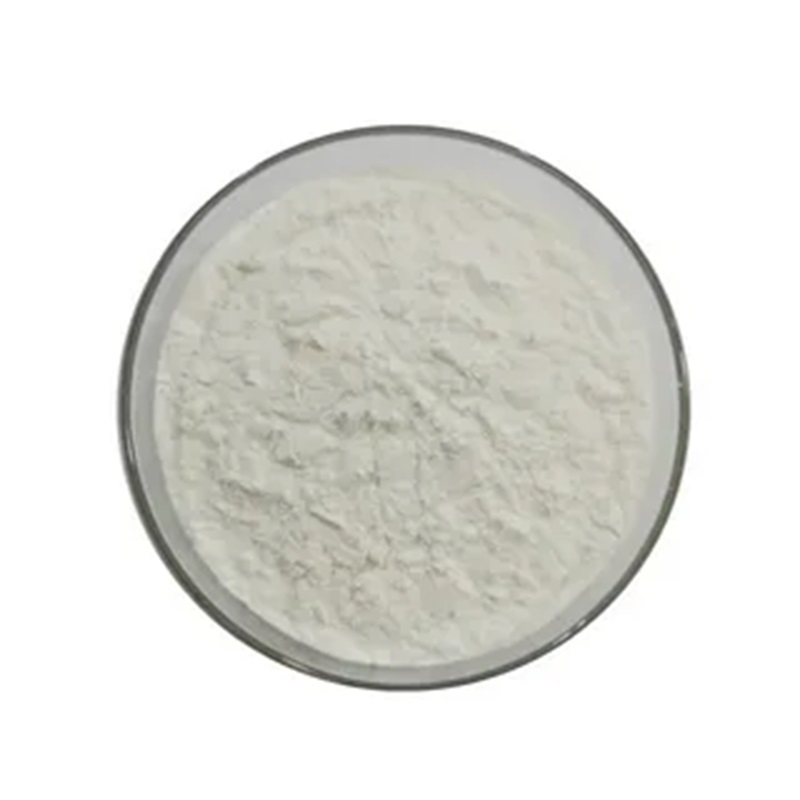
| Appearance | White crystals or crystalline powder |
| Odor | Odorless |
| Taste | Bitter taste |
L-Arginine is a semi-essential, basic amino acid that plays a critical role in numerous physiological processes. It is classified as "conditionally essential" because while the body can synthesize it under normal conditions, supplementation becomes necessary during periods of growth, illness, injury, or stress. L-Arginine is a precursor to nitric oxide (NO), a potent vasodilator that relaxes blood vessels and improves blood flow. It is also a key component of the urea cycle, facilitating ammonia detoxification, and is involved in protein synthesis, hormone secretion, and wound healing . L-Arginine appears as white crystals or a crystalline powder, is odorless, and has a bitter taste . It is highly soluble in water (182 mg/mL at 25°C) and forms a strongly alkaline solution . L-Arginine is widely used in pharmaceuticals, sports nutrition, dietary supplements, food products, and animal feed .
2. PHYSICAL AND CHEMICAL PROPERTIES
| Property | Value |
|---|---|
| Molecular Formula | C₆H₁₄N₄O₂ |
| Molecular Weight | 174.20 g/mol |
| Appearance | White crystals or crystalline powder |
| Odor | Odorless |
| Taste | Bitter taste |
| Melting Point | ~244°C (decomposes) ; 221-224°C (for L-Arginine Hydrochloride) |
| Sublimation Temperature | 168-170°C |
| Water Solubility (25°C) | 182 mg/mL (highly soluble) |
| Solubility in Ethanol | Slightly soluble |
| pH (1% aqueous solution) | ~10.5-11.0 (strongly basic) |
| Specific Optical Rotation ([α]²⁰D) | +26.0 to +27.0° (c=8, 6N HCl) ; +26.9° (c=4.6 in 6.1N HCl) |
| Isoelectric Point | 10.76 |
| pKa | 2.17 (pK1), 9.04 (pK2), 12.48 (pK3, guanidino group) |
| Loss on Drying | ≤ 0.3% |
| Residue on Ignition | ≤ 0.1% |
| Heavy Metals (as Pb) | ≤ 10 ppm |
| Chloride (Cl) | ≤ 0.02% |
| Sulfate (SO₄) | ≤ 0.01% |
L-Arginine is a white, crystalline powder with a bitter taste. It has a melting point of approximately 244°C, at which it decomposes . It is highly soluble in water (182 mg/mL at 25°C) and forms a strongly alkaline solution . It is slightly soluble in ethanol . The pH of a 1% aqueous solution is approximately 10.5-11.0 . The specific optical rotation is +26.0 to +27.0° (c=8, 6N HCl) . The isoelectric point is 10.76. The pKa values are 2.17, 9.04, and 12.48 (guanidino group). Loss on drying is ≤ 0.3%, and residue on ignition is ≤ 0.1%. Heavy metals are ≤ 10 ppm (as Pb) .
3. CHEMICAL PROPERTIES AND REACTIONS
L-Arginine is a basic amino acid with a guanidino group in its side chain. This unique structure gives L-arginine its distinctive chemical properties and biological activities.
Acid-Base Properties:
L-Arginine has a carboxyl group (COOH), an amino group (α-NH₂), and a guanidino group. pKa values: 2.17 (pK1), 9.04 (pK2), and 12.48 (pK3, guanidino group).
Salt Formation:
L-Arginine forms salts with acids. The hydrochloride salt (L-Arginine HCl, CAS 1119-34-2) is commonly used in pharmaceutical and sports nutrition formulations due to its higher water solubility and stability.
Esterification:
L-Arginine can be esterified with alcohols to form arginine esters for pharmaceutical intermediates.
Acylation:
The amino group of L-arginine can be acylated to form N-acyl derivatives for peptide synthesis and pharmaceutical applications.
Transamidination:
L-Arginine participates in transamidination reactions, transferring its guanidino group to other molecules.
Thermal Decomposition:
Above its melting point, L-arginine decomposes, producing ammonia, carbon dioxide, and various nitrogen-containing compounds.
4. PRODUCTION METHODS
L-Arginine is produced industrially primarily through microbial fermentation and chemical synthesis from natural sources.
| Method | Raw Materials | Process Description |
|---|---|---|
| Fermentation (Microbial) | Glucose, Ammonia, Mineral salts | Microorganisms such as Corynebacterium glutamicum or Escherichia coli are cultivated in fermenters to produce L-arginine. This is the most common industrial method. |
| Extraction from Gelatin Hydrolysate | Gelatin | Gelatin is hydrolyzed, and L-arginine is precipitated as the flavianate salt. This method is less common. |
| Chemical Synthesis | L-Ornithine, Cyanamide | L-Ornithine is reacted with cyanamide in the presence of barium hydroxide catalyst. This method is used for smaller-scale production. |
| Enzymatic Synthesis | L-Citrulline, Ammonia, ATP | L-Citrulline is enzymatically converted to L-arginine using argininosuccinate synthetase and argininosuccinate lyase. |
Detailed Production Process (Fermentation Method - Most Common):
-
Microorganism Cultivation: Genetically modified strains of Corynebacterium glutamicum or Escherichia coli that overproduce L-arginine are cultivated in fermentation vessels containing glucose as the carbon source, ammonia as the nitrogen source, and various mineral salts.
-
Fermentation: The microorganisms are grown under controlled conditions (temperature, pH, aeration, agitation) for 40-60 hours. During this time, the microorganisms convert the carbon source to L-arginine, which is secreted into the fermentation broth.
-
Harvesting: The fermentation broth is harvested, and the microorganisms are removed by filtration or centrifugation.
-
Purification: The L-arginine is purified from the broth using ion exchange chromatography, activated carbon treatment, and crystallization.
-
Crystallization: The purified L-arginine is crystallized from the solution, isolated by filtration, and washed.
-
Drying: The crystals are dried to reduce the moisture content to ≤ 0.3%.
-
Milling and Packaging: The dried crystals are milled to the desired particle size and packaged in 25 kg drums or bags.
5. PHYSIOLOGICAL FUNCTIONS AND HEALTH BENEFITS
L-Arginine is a semi-essential amino acid that plays numerous critical roles in the body. It is involved in protein synthesis, the urea cycle, nitric oxide synthesis, hormone secretion, and wound healing .
5.1. Nitric Oxide (NO) Synthesis and Cardiovascular Health
| Benefit | Description |
|---|---|
| Vasodilation | L-Arginine is the precursor to nitric oxide (NO), a potent vasodilator that relaxes blood vessels and improves blood flow . |
| Cardiovascular Support | Supports cardiovascular health by improving blood flow, reducing blood pressure, and enhancing oxygen delivery to tissues . |
| Erectile Function | Improves erectile function by enhancing blood flow to the genital area . |
| Endothelial Function | Supports endothelial function and vascular health. |
L-Arginine is the primary precursor to nitric oxide (NO), a key signaling molecule that regulates vascular tone, blood flow, and oxygen delivery . NO is synthesized from L-arginine by nitric oxide synthase (NOS) enzymes. This vasodilatory effect supports cardiovascular health, improves exercise performance, and enhances erectile function . L-Arginine is widely used in pre-workout supplements to produce the "pump" effect, where increased blood flow to muscles during exercise enhances performance .
5.2. Urea Cycle and Ammonia Detoxification
| Benefit | Description |
|---|---|
| Ammonia Detoxification | L-Arginine is a key component of the urea cycle, facilitating the conversion of ammonia to urea for excretion . |
| Liver Support | Supports liver function and regeneration . |
| Hyperammonemia Treatment | Used in the treatment of hyperammonemia (elevated blood ammonia levels) . |
L-Arginine is a critical component of the urea cycle, which converts toxic ammonia (produced during protein metabolism) into urea, which is then excreted in urine . This is essential for preventing ammonia toxicity and maintaining normal liver function . L-Arginine is used in the treatment of hyperammonemia and liver disorders .
5.3. Protein Synthesis and Muscle Growth
| Benefit | Description |
|---|---|
| Protein Synthesis | Essential amino acid for protein synthesis; required for muscle growth and repair. |
| Muscle Recovery | Accelerates post-exercise recovery and reduces muscle damage. |
| Growth Hormone Stimulation | Stimulates growth hormone secretion from the pituitary gland, supporting growth and development . |
| Wound Healing | Supports wound healing and collagen synthesis . |
L-Arginine is a key component of protein synthesis and supports muscle growth, repair, and recovery . It also stimulates growth hormone secretion from the pituitary gland, which is important for growth, development, and metabolism . L-Arginine supports wound healing by promoting collagen synthesis and tissue repair .
5.4. Immune Function
| Benefit | Description |
|---|---|
| Immune Support | Supports immune system function. |
| Spermatogenesis | Plays a role in spermatogenesis and male fertility . |
L-Arginine plays a role in immune function and is involved in spermatogenesis, contributing to male fertility .
6. APPLICATIONS AND INDUSTRIAL USES
L-Arginine has a wide range of applications in pharmaceuticals, sports nutrition, dietary supplements, the food industry, animal feed, and cosmetics.
6.1. Pharmaceutical and Medical Applications
| Application | Description |
|---|---|
| Hyperammonemia Treatment | Used to promote ammonia detoxification in the urea cycle . |
| Liver Regeneration | Supports liver regeneration and function. |
| Wound Healing | Promotes collagen synthesis and wound healing . |
| Cardiovascular Support | Used in cardiovascular support products for improved blood flow and vascular elasticity . |
| Erectile Dysfunction | Used to improve blood flow and erectile function . |
| Pituitary Function Tests | Administered intravenously for pituitary function testing. |
| Parenteral Nutrition | Used in amino acid infusion solutions for parenteral nutrition. |
L-Arginine is used in various pharmaceutical and medical applications. It is used to treat hyperammonemia, support liver regeneration, promote wound healing, and improve cardiovascular health and erectile function . It is also used in intravenous solutions for pituitary function testing and parenteral nutrition.
6.2. Sports Nutrition and Dietary Supplements
| Application | Description |
|---|---|
| Pre-Workout Supplements | Used to produce the "pump" effect (vasodilation and increased blood flow) during exercise. |
| Endurance Products | Improves endurance, reduces fatigue, and enhances performance. |
| Muscle Growth | Supports muscle growth and repair. |
| Recovery Products | Accelerates post-exercise recovery and reduces muscle damage. |
| BCAA Combinations | Used in combination with BCAAs and creatine in sports nutrition formulations. |
L-Arginine is widely used in sports nutrition and dietary supplements. It is a key component of pre-workout supplements for its vasodilatory effects, producing the "pump" sensation during exercise . It improves endurance, reduces fatigue, accelerates recovery, and supports muscle growth . L-Arginine is often combined with BCAAs, creatine, and other amino acids in sports nutrition products.
6.3. Food Industry
| Application | Description |
|---|---|
| Functional Foods | Used in functional foods such as sports drinks, protein bars, and fortified foods. |
| Flavor Enhancer | Serves as a flavor enhancer in food products. |
| Nutrient Supplement | Used as a nutrient supplement in foods. |
L-Arginine is used in the food industry as a nutrient supplement and flavor enhancer in functional foods, sports drinks, and protein bars .
6.4. Animal Nutrition
| Application | Description |
|---|---|
| Feed Supplement | Used in semi-moist pet food production and animal feed as an amino acid source. |
| Livestock Nutrition | Used in livestock feed to improve growth and health. |
L-Arginine is used in animal nutrition as a feed supplement in semi-moist pet food production and livestock feed .
6.5. Cosmetics and Personal Care
| Application | Description |
|---|---|
| Cosmetic Products | Used in personal care and cosmetic products. |
| Skin Care | Used in anti-aging and skin repair products. |
L-Arginine is used in cosmetics and personal care products, particularly in anti-aging and skin repair formulations.
7. DOSAGE AND ADMINISTRATION
| Parameter | Information |
|---|---|
| General Supplementation | 500-3,000 mg per day |
| Sports Nutrition | 3,000-6,000 mg per day (pre-workout) |
| Cardiovascular Support | 1,000-5,000 mg per day |
| Erectile Dysfunction | 1,500-5,000 mg per day |
| Hyperammonemia Treatment | Medical supervision required; doses vary by condition |
| Forms | Tablets, capsules, powders, liquids, intravenous solutions |
| Disclaimer | Dosages may vary based on individual needs and health status. Consult a healthcare professional before use. |
8. POTENTIAL SIDE EFFECTS AND WARNINGS
| Side Effect | Description |
|---|---|
| Gastrointestinal Distress | Bloating, diarrhea, abdominal cramps, stomach pain (at high doses) |
| Low Blood Pressure | May cause hypotension, especially in combination with antihypertensive medications |
| Allergic Reactions | Rare; possible skin rash, itching |
| Drug Interactions | May interact with antihypertensive drugs, nitrates, and anticoagulants |
| Herpes Outbreaks | May exacerbate herpes simplex outbreaks (HSV-1 and HSV-2) |
| Kidney Disease | Use with caution in patients with kidney disease |
| Pregnancy and Lactation | Generally safe at recommended doses; consult healthcare professional before use |
9. DRUG INTERACTIONS
| Drug Class | Interaction | Recommendation |
|---|---|---|
| Antihypertensives | Additive hypotensive effect | Use under medical supervision |
| Nitrates | Additive vasodilatory effect | Use under medical supervision |
| Anticoagulants | May increase bleeding risk | Use under medical supervision |
| Viagra (Sildenafil) | Additive vasodilatory effect | Use under medical supervision |
10. NATURAL FOOD SOURCES OF L-ARGININE
| Animal Sources | Plant Sources |
|---|---|
| Meat (beef, lamb, pork) | Soybeans |
| Poultry (chicken, turkey) | Peanuts |
| Fish (salmon, tuna) | Chickpeas |
| Eggs | Lentils |
| Dairy products (milk, cheese, yogurt) | Nuts (almonds, walnuts) |
| Seeds (pumpkin, sesame) |
11. SAFETY AND TOXICOLOGY
| Parameter | Value |
|---|---|
| Oral LD50 (Rat) | > 5,000 mg/kg (low toxicity) |
| Dermal LD50 (Rabbit) | > 2,000 mg/kg |
| Skin Irritation | Non-irritant |
| Eye Irritation | Mild irritant |
| Skin Sensitization | Not a sensitizer |
| Mutagenicity | Negative (Ames test) |
| Carcinogenicity | Not classified |
| Reproductive Toxicity | Not classified |
| GRAS Status | Generally Recognized as Safe (GRAS) by FDA |
12. FIRST AID MEASURES
| Exposure Route | Action |
|---|---|
| Inhalation | Move person to fresh air. If irritation persists, seek medical attention. |
| Skin Contact | Wash with plenty of soap and water. If irritation persists, seek medical attention. |
| Eye Contact | Rinse immediately with plenty of water for at least 15 minutes. Remove contact lenses if present. If irritation persists, seek medical attention. |
| Ingestion | Rinse mouth with water. Drink plenty of water. Do NOT induce vomiting. Seek medical attention if large amounts are swallowed. |
13. SAFETY INFORMATION (GHS CLASSIFICATION)
L-Arginine is not classified as a hazardous substance under GHS. However, fine powder may cause respiratory irritation.
| Hazard Class | Category |
|---|---|
| Skin Irritation | Category 3 (mild irritation) |
| Eye Irritation | Category 2B (mild irritation) |
| Specific Target Organ Toxicity - Single Exposure | Category 3 (respiratory irritation) |
Signal Word: WARNING
Hazard Statements (H-Codes):
| Code | Statement |
|---|---|
| H315 | Causes skin irritation (mild) |
| H319 | Causes serious eye irritation (mild) |
| H335 | May cause respiratory irritation (dust) |
Precautionary Statements (P-Codes):
| Code | Statement |
|---|---|
| P261 | Avoid breathing dust |
| P271 | Use only outdoors or in a well-ventilated area |
| P280 | Wear protective gloves, protective clothing, eye/face protection |
| P302+P352 | IF ON SKIN: Wash with plenty of soap and water |
| P304+P340 | IF INHALED: Remove person to fresh air and keep comfortable for breathing |
| P305+P351+P338 | IF IN EYES: Rinse cautiously with water for several minutes. Remove contact lenses if present and easy to do. Continue rinsing |
| P332+P313 | If skin irritation occurs: Get medical attention |
| P337+P313 | If eye irritation persists: Get medical attention |
| P403+P233 | Store in a well-ventilated place. Keep container tightly closed |
| P501 | Dispose of contents/container in accordance with local/regional/national/international regulations |
14. FIREFIGHTING MEASURES
| Parameter | Information |
|---|---|
| Fire Hazard | Combustible dust; dust-air mixtures may be explosive at high concentrations |
| Extinguishing Media | Water spray, CO₂, dry chemical powder, foam |
| Special Hazards | Thermal decomposition produces toxic and irritant fumes (nitrogen oxides, carbon monoxide, carbon dioxide) |
| Protective Equipment | Self-contained breathing apparatus (SCBA), full protective clothing |
15. STORAGE AND HANDLING
| Parameter | Information |
|---|---|
| Storage Conditions | Cool, dry, well-ventilated area; store below 25°C; protect from moisture |
| Container Requirements | Tightly closed containers (bags, drums, boxes) |
| Materials to Avoid | Strong oxidizing agents, strong acids, strong bases, moisture |
| Shelf Life | 24-36 months under proper storage conditions |
| Hygroscopicity | Slightly hygroscopic |
| Handling Notes | Avoid dust generation; avoid contact with skin and eyes |
| Packaging Options | 25 kg bags (standard), 25 kg drums, 500-1000 kg FIBCs |
L-Arginine should be stored below 25°C in cool, dry, well-ventilated areas, protected from moisture. It is slightly hygroscopic and should be protected from moisture. Containers should be kept tightly closed to prevent moisture absorption and contamination. Shelf life under proper storage conditions is typically 24-36 months.
Handling Notes:
-
Avoid dust generation (use enclosed systems, local exhaust ventilation)
-
Avoid contact with skin and eyes (use protective gloves and goggles)
-
Avoid breathing dust (use dust mask or respirator)
-
Keep away from ignition sources
-
Do not allow material to become wet
16. TRANSPORT INFORMATION
| Parameter | Information |
|---|---|
| UN Number | Not applicable (not classified as dangerous good) |
| Hazard Class | Not a dangerous good |
| Packing Group | Not applicable |
| Proper Shipping Name | L-Arginine |
| Marine Pollutant | No |
| ADR/RID Label | Not applicable |
L-Arginine is not classified as a dangerous good for transport. It is shipped in 25 kg bags, drums, or FIBCs. During transport, protect from moisture, impact, and excessive heat.
17. REGULATORY INFORMATION
| Region | Status |
|---|---|
| EU | REACH registered; approved as food additive |
| Turkey (KKDİK) | Mandatory compliance; requires registration |
| USA (TSCA) | Listed; GRAS by FDA |
| Canada (DSL) | Listed |
| Australia (AICS) | Listed |
| Japan (ENCS) | Listed |
| Korea (KECL) | Listed |
| China (IECSC) | Listed |
Regulatory Status:
| Status | Information |
|---|---|
| FDA Compliance | GRAS (Generally Recognized as Safe) |
| EU Compliance | REACH registered; approved as food and feed additive |
| IARC Classification | Not classified |
| HS Code | 29224920 |
| RTECS | CF1935000 |
| WGK Germany | 1 (slight hazard to water) |
| TSCA | Yes |
| EINECS | 200-811-1 |
18. OTHER NAMES AND DATABASE IDENTIFIERS
| Category | Names / Identifiers |
|---|---|
| Chemical Names | (S)-2-Amino-5-guanidinopentanoic acid |
| Synonyms | L-Arginine, Arginine, L-(+)-Arginine, (S)-2-Amino-5-guanidinovaleric acid |
| Turkish Names | L-Arjinin, Arjinin |
| Common Names | "Pump amino acid" (in sports nutrition) |
Database Identifiers:
| Database | Identifier |
|---|---|
| CAS | 74-79-3 |
| EC (EINECS) | 200-811-1 |
| MDL | MFCD00002635 |
| PubChem CID | 6322 |
| RTECS | CF1935000 |
| UN | Not applicable |
| HS Code | 29224920 |
| Merck | 14, 780 |
| Beilstein | 1725411 |
19. L-ARGININE INDUSTRY SUITABILITY TABLE
| Industry | Preferred Form | Application | Notes |
|---|---|---|---|
| Pharmaceutical/Medical | L-Arginine (free base, CAS 74-79-3) | Hyperammonemia treatment, pituitary function test, liver regeneration, wound healing | GMP/ISO documentation required; dosage under medical supervision |
| Sports Nutrition | L-Arginine HCl (CAS 1119-34-2) | NO synthesis "pump" effect, endurance, recovery, pre-workout formulations | Higher solubility advantage; typically 3-6 g/day |
| Food/Nutraceuticals | L-Arginine HCl | Functional foods (protein bars, sports drinks), immune support products | Compliance with food supplement regulations; COA/TDS documents required |
| Veterinary/Animal Nutrition | L-Arginine (free base) | Amino acid source in semi-moist pet food production | Compliance with feed additive regulations |
| Research/Biotechnology | Both forms | Cell culture media supplement, NO synthesis research, protein synthesis studies | Clear CAS number differentiation; laboratory purity critical |
| Industrial/Chemical | L-Arginine (free base) | Diaminocarboxylic acid derivative synthesis, specialty chemical research | Industrial grade products; not to be confused with pharmaceutical grade |
20. SUMMARY AND CRITICAL WARNINGS
SUMMARY:
L-Arginine (C₆H₁₄N₄O₂, CAS 74-79-3) is a semi-essential, basic amino acid that plays a critical role in numerous physiological processes. It appears as white crystals or a crystalline powder, is odorless, and has a bitter taste . The molecular weight is 174.20 g/mol, melting point is approximately 244°C (decomposes), and water solubility at 25°C is 182 mg/mL . It is produced primarily through microbial fermentation using Corynebacterium glutamicum or Escherichia coli . L-Arginine is the precursor to nitric oxide (NO), a potent vasodilator that improves blood flow . It is also a key component of the urea cycle for ammonia detoxification and is involved in protein synthesis, hormone secretion, and wound healing . L-Arginine is widely used in pharmaceuticals (hyperammonemia treatment, cardiovascular support, erectile dysfunction, wound healing), sports nutrition (pre-workout supplements for the "pump" effect, endurance, recovery), dietary supplements, functional foods, and animal feed . It is considered GRAS (Generally Recognized as Safe) by the FDA . It is stored below 25°C in cool, dry, well-ventilated areas, protected from moisture . Packaging: 25 kg bags, drums, or FIBCs.
Key Properties:
| Property | Value |
|---|---|
| Appearance | White crystals or crystalline powder |
| Chemical Formula | C₆H₁₄N₄O₂ |
| Molecular Weight | 174.20 g/mol |
| CAS Number | 74-79-3 |
| Melting Point | ~244°C (decomposes) |
| Water Solubility (25°C) | 182 mg/mL (highly soluble) |
| pH (1% solution) | ~10.5-11.0 (strongly basic) |
| Specific Optical Rotation | +26.0 to +27.0° (c=8, 6N HCl) |
| Primary Use | Pharmaceutical, sports nutrition, dietary supplement |
Major Application Areas:
| Industry | Applications |
|---|---|
| Pharmaceutical/Medical | Hyperammonemia treatment, cardiovascular support, erectile dysfunction, wound healing, liver regeneration, pituitary function tests |
| Sports Nutrition | Pre-workout supplements, endurance products, recovery products, BCAA combinations |
| Dietary Supplements | Functional foods, protein powders, amino acid blends |
| Food Industry | Functional foods, sports drinks, protein bars, flavor enhancer |
| Animal Nutrition | Feed supplement in semi-moist pet food and livestock feed |
| Cosmetics | Skin care, anti-aging products |
Key Safety Points:
-
LOW TOXICITY: GRAS by FDA
-
SLIGHTLY HYGROSCOPIC: Protect from moisture; store in tightly closed containers
-
MILD IRRITANT: May cause mild skin and eye irritation
-
STORAGE: Store below 25°C in cool, dry, well-ventilated area, protected from moisture
-
PPE REQUIRED: Dust mask, safety goggles, protective gloves (for handling powder)
-
SIDE EFFECTS: May cause gastrointestinal distress (bloating, diarrhea) at high doses
-
DRUG INTERACTIONS: May interact with antihypertensive medications and nitrates
-
CONTRAINDICATIONS: Herpes outbreaks; severe kidney disease
CRITICAL WARNINGS:
Nitric Oxide Precursor: L-Arginine is the primary precursor to nitric oxide (NO), a potent vasodilator that relaxes blood vessels and improves blood flow . This is the basis for its use in pre-workout supplements (the "pump" effect), cardiovascular support products, and erectile dysfunction treatments . NO synthesis occurs through the action of nitric oxide synthase (NOS) enzymes, which convert L-arginine to citrulline and NO.
Semi-Essential Amino Acid: L-Arginine is classified as a "conditionally essential" amino acid. While the body can synthesize it under normal conditions, supplementation becomes necessary during periods of growth, illness, injury, or stress . This makes it particularly important in wound healing, burn recovery, and critical illness.
Urea Cycle and Ammonia Detoxification: L-Arginine is a critical component of the urea cycle, which converts toxic ammonia (produced during protein metabolism) into urea for excretion . This is essential for preventing ammonia toxicity and maintaining normal liver function . L-Arginine is used in the treatment of hyperammonemia and liver disorders .
Growth Hormone Stimulation: L-Arginine stimulates growth hormone secretion from the pituitary gland . This supports growth, development, and metabolism . It is also used in intravenous solutions for pituitary function testing.
Drug Interactions: L-Arginine may interact with antihypertensive medications (additive hypotensive effect), nitrates (additive vasodilatory effect), and anticoagulants (increased bleeding risk) . Patients taking these medications should consult a healthcare professional before using L-arginine supplements.
Herpes Outbreaks: L-Arginine may exacerbate herpes simplex virus (HSV-1 and HSV-2) outbreaks because the virus requires arginine for replication . Patients with a history of herpes outbreaks should consult a healthcare professional before use.
Natural Food Sources: L-Arginine is naturally found in protein-rich foods including meat, poultry, fish, eggs, dairy products, soybeans, peanuts, and nuts . Plant-based protein sources are often lower in arginine, so supplementation may be beneficial for vegans and vegetarians.
Pregnancy and Lactation: L-Arginine is generally considered safe during pregnancy and lactation at recommended doses. However, as with all supplements, it is recommended to consult a healthcare professional before use.
Important Disclaimer: This Technical Data Sheet (TDS) is for informational purposes only. The information provided is based on available data and is believed to be accurate. However, the user is solely responsible for determining the suitability of the product for their specific application and for complying with all applicable regulations and safety requirements. For complete safety, handling, storage, and regulatory compliance information, always refer to the official Safety Data Sheet (SDS/MSDS) provided by the manufacturer/supplier. Users are responsible for testing the product in their own processes and applications. All local, national, and international regulations must be followed when working with L-arginine. This is NOT a substitute for professional medical advice. Consult a healthcare professional before use, especially if taking medications, pregnant, or nursing.