We unleash your business potential by maximize the business innovation.
Send EmailBeta Alanine, Aminopropionic Acid, Beta Amino Propionic Acid, Omega Amino Propionic Acid, Carboxy Ethylamine, 107-95-9
BETA-ALANINE
PRODUCT IDENTIFICATION INFORMATION
| Parameter | Information |
|---|---|
| Product Name | Beta-Alanine |
| Chemical Name | 3-Aminopropionic Acid |
| Synonyms (Turkish) | Beta Alanin, Beta Amino Propiyonik Asit, Omega Amino Propiyonik Asit, Karboksi Etilamin |
| Synonyms (English) | Beta-Alanine, 3-Aminopropionic Acid, β-Alanine, Beta Amino Propionic Acid, Omega Amino Propionic Acid, Carboxy Ethylamine |
| CAS Number | 107-95-9 |
| EC Number | 203-536-5 |
| Molecular Formula | C₃H₇NO₂ |
| Molecular Weight | 89.09 g/mol |
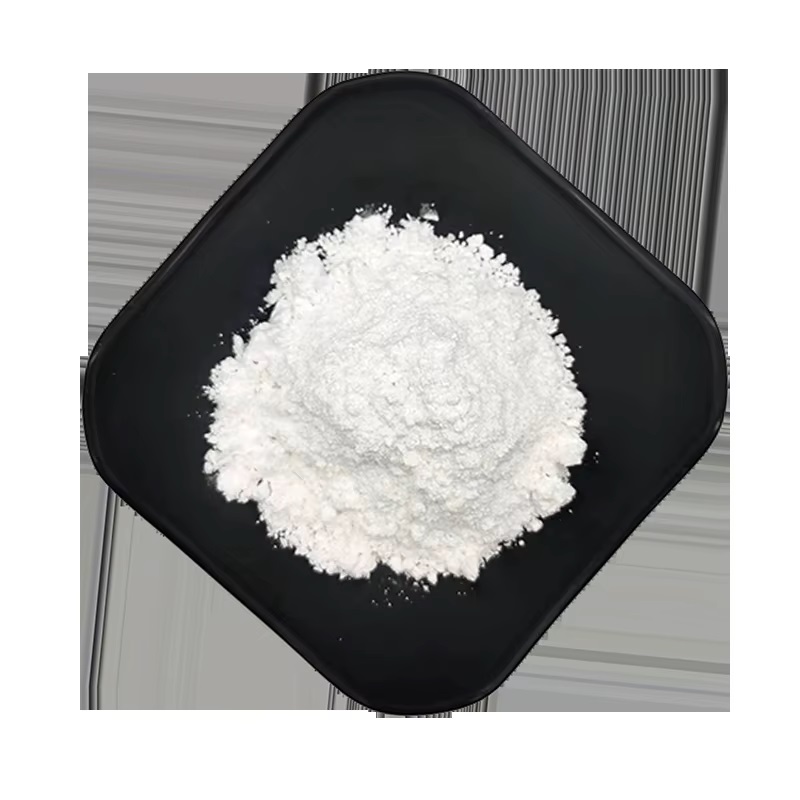
| Appearance | White crystalline powder |
| Odor | Odorless or slight characteristic odor |
CHEMICAL STRUCTURE
Beta-Alanine Structure:
        O
        ||
    NH₂—CH₂—CH₂—C—OH
Structure Description:
-
Naturally occurring beta-amino acid.
-
Isomer of alpha-alanine (proteinogenic amino acid).
-
Amino group (-NH₂) is at the beta position (second carbon).
-
Not used in protein synthesis; precursor for carnosine synthesis in the body.
-
White crystalline powder with high water solubility.
SECTION 1: CHEMICAL IDENTITY AND DESCRIPTION
| Parameter | Information |
|---|---|
| Product Name | Beta-Alanine |
| Chemical Name | 3-Aminopropionic Acid |
| Synonyms (Turkish) | Beta Alanin, Beta Amino Propiyonik Asit, Omega Amino Propiyonik Asit, Karboksi Etilamin |
| Synonyms (English) | Beta-Alanine, 3-Aminopropionic Acid, β-Alanine, Beta Amino Propionic Acid, Omega Amino Propionic Acid, Carboxy Ethylamine |
| CAS Number | 107-95-9 |
| EC Number | 203-536-5 |
| Molecular Formula | C₃H₇NO₂ |
| Molecular Weight | 89.09 g/mol |
| Chemical Class | Beta-amino acid; Amino acid derivative; Dietary supplement ingredient |
| Source | Synthetic (chemical synthesis) |
| Physical State (20°C) | Solid (crystalline powder) |
| Odor | Odorless or slight characteristic odor |
| Color | White |
| Taste | Slightly bitter, neutral |
SECTION 2: PHYSICAL AND CHEMICAL PROPERTIES
| Property | Value | Test Method / Note |
|---|---|---|
| Appearance | White crystalline powder | Visual |
| Odor | Odorless or slight characteristic odor | Olfactometric |
| Molecular Weight | 89.09 g/mol | Calculated |
| Density | ~1.44 g/cm³ | – |
| Melting Point | ~207°C (decomposes) | DSC |
| Boiling Point | Not applicable (decomposes) | – |
| Solubility in Water (20°C) | High (~550 g/L) | General Method |
| Solubility in Ethanol | Slightly soluble | General Method |
| Solubility in Methanol | Slightly soluble | General Method |
| pH (5% Solution) | ~5.0 – 6.5 (slightly acidic) | pH Meter |
| Stability | Stable under normal conditions | – |
| Hygroscopicity | Low to moderate | – |
| Heavy Metals (as Pb) | ≤ 10 ppm | AAS / ICP |
| Arsenic (As) | ≤ 2 ppm | AAS / ICP |
| Lead (Pb) | ≤ 2 ppm | AAS / ICP |
| Loss on Drying | ≤ 0.5% | Gravimetric |
| Assay (Beta-Alanine) | ≥ 98.0 – 100.0% | HPLC / Titrimetric |
| Specific Rotation [α]20/D | ~0° (in water) | Polarimetry |
SECTION 3: BETA-ALANINE vs ALPHA-ALANINE
| Property | Beta-Alanine | Alpha-Alanine |
|---|---|---|
| Chemical Structure | NH₂–CH₂–CH₂–COOH | NH₂–CH(CH₃)–COOH |
| Amino Group Position | Beta (2nd carbon) | Alpha (1st carbon) |
| Protein Incorporation | No (not incorporated into proteins) | Yes (building block of proteins) |
| CAS Number | 107-95-9 | 56-41-7 |
| Molecular Weight | 89.09 g/mol | 89.09 g/mol |
| Carnosine Synthesis | Yes (rate-limiting precursor) | No |
| Primary Use | Sports nutrition, carnosine precursor | Protein synthesis, nutrition |
| Taste | Slightly bitter | Sweet |
SECTION 4: MECHANISM OF ACTION
| Property | Description |
|---|---|
| Carnosine Synthesis (Intramuscular) | Beta-alanine is the rate-limiting precursor for carnosine (β-alanyl-L-histidine) synthesis in muscle cells; Carnosine synthesis rate is dependent on beta-alanine availability; Supplementation increases muscle beta-alanine levels; Muscle carnosine levels rise. |
| Acid Buffering (pH Regulation) | Carnosine acts as an intracellular pH buffer; During intense exercise, hydrogen ions (H⁺) accumulate; Carnosine buffers H⁺ ions; The drop in muscle pH (acidosis) is delayed; Muscle fatigue is postponed. |
| Performance Effects | Delays the onset of fatigue during high-intensity, short-to-medium duration efforts; Increases total mechanical work output; Effective in sprinting, HIIT, power sets, interval training; Delays the "burning" sensation in the final repetitions of sets. |
| Neuromuscular Contributions | Maintains muscle excitability (ion balance); Supports performance stability between repetitions; May reduce perceived exertion. |
| Fatigue Management | Slows the conversion of the acidic load associated with lactate production into perceived fatigue; Maintains intramuscular ion balance. |
| Buffering Capacity Increase | With regular use, muscle carnosine levels can increase by 20-80%; Buffering capacity increases proportionally; More pronounced benefits during intense training periods. |
SECTION 5: PRODUCTION PROCESS
Industrial Production Method:
Process Flow:
Acrylic Acid or Acrylonitrile → Amination → Beta-Alanine → Crystallization → Purification → Drying → Final Product
Step-by-Step Description:
-
Raw Material: Acrylic acid or acrylonitrile is used as the starting material.
-
Amination: Acrylic acid or acrylonitrile is reacted with ammonia to form beta-alanine.
-
Crystallization: Crude beta-alanine is crystallized from solution.
-
Purification: Crystals are purified to remove impurities.
-
Drying: Purified product is dried.
-
Final Product: White crystalline powder is obtained.
Note: Beta-alanine occurs naturally in plant and animal tissues (e.g., chicken, goose), but commercial production is synthetic.
SECTION 6: FUNCTIONAL PROPERTIES
| Property | Description |
|---|---|
| Carnosine Precursor | Rate-limiting component of intramuscular carnosine synthesis; Increases muscle buffering capacity by elevating carnosine levels. |
| Acid Buffer | Regulates muscle pH during intense exercise; Buffers hydrogen ions; Delays muscle acidosis. |
| Performance Enhancer | Improves performance during high-intensity exercise (sprint, power sets, interval training); Delays onset of fatigue. |
| Endurance Support | Increases endurance during short-to-medium duration high-intensity efforts; Increases total work output (volume). |
| Neuromuscular Support | Maintains muscle excitability; Supports performance stability between repetitions; May reduce perceived exertion. |
| Aging Support | Research subject in neuromuscular function and aging studies; Potential to support muscle function. |
SECTION 7: MAIN APPLICATION AREAS
| Industry / Application | Function | Typical Use |
|---|---|---|
| Sports Nutrition (Pre-Workout) | Carnosine precursor, acid buffer, performance enhancer | Pre-workout supplements; Pre-workout blends; For high-intensity exercise; Dosage: 800 – 6,400 mg/day (divided doses). |
| Dietary Supplements | Carnosine enhancer, endurance support | Capsules, tablets, powders; Energy and performance functional products; Dosage: 800 – 6,400 mg/day. |
| Pharmaceutical / Clinical Research | Neuromuscular function, aging studies | Clinical research; Pharmaceutical purity and GMP production required. |
| Functional Foods | Energy and endurance contribution | Energy drinks; Sports drinks; Functional bars; Labeling and regulatory compliance important. |
| R&D (Research) | Amino acid derivative, synthesis studies | Laboratory and R&D purposes; Limited outside commercial sports nutrition formulations. |
SECTION 8: SAMPLE FORMULATIONS
Pre-Workout Powder (Performance Blend):
| Component | Amount |
|---|---|
| Beta-Alanine | 1,600 – 3,200 mg |
| L-Citrulline Malate | 2,000 – 4,000 mg |
| Creatine Monohydrate | 2,000 – 5,000 mg |
| Caffeine Anhydrous | 150 – 300 mg |
| L-Tyrosine | 500 – 1,000 mg |
| Flavoring, Sweetener | As required |
| Excipients (Maltodextrin) | To 100% |
Instructions: Blend all ingredients; Package in sealed containers; Recommended consumption: 30-45 minutes before exercise. Note: Beta-alanine may cause paresthesia (tingling sensation); this should be indicated on the label.
Capsule Formulation (Carnosine Support):
| Component | Amount per Capsule |
|---|---|
| Beta-Alanine | 500 – 750 mg |
| Microcrystalline Cellulose | As required |
| Magnesium Stearate | 1 – 2% |
| Silicon Dioxide | 0.5 – 1% |
Instructions: Mix active ingredient with excipients; Fill into capsules (size 00 or 0); Package in blister packs or HDPE containers; 2-4 capsules per day (divided doses) recommended.
SECTION 9: QUALITY SPECIFICATIONS
| Parameter | Supplement Grade | Pharmaceutical Grade | Test Method |
|---|---|---|---|
| Appearance | White crystalline powder | White crystalline powder | Visual |
| Assay (Beta-Alanine) | ≥ 98.0% | ≥ 99.0% | HPLC / Titrimetric |
| Loss on Drying | ≤ 0.5% | ≤ 0.3% | Gravimetric |
| pH (5% Solution) | 5.0 – 6.5 | 5.0 – 6.5 | pH Meter |
| Heavy Metals (as Pb) | ≤ 10 ppm | ≤ 5 ppm | AAS / ICP |
| Arsenic (As) | ≤ 2 ppm | ≤ 1 ppm | AAS / ICP |
| Lead (Pb) | ≤ 2 ppm | ≤ 1 ppm | AAS / ICP |
| Residue on Ignition | ≤ 0.2% | ≤ 0.1% | Gravimetric |
| Particle Size | Customer requirement | Customer requirement | Sieve |
SECTION 10: TOXICOLOGICAL PROFILE
| Parameter | Value |
|---|---|
| Acute Oral Toxicity (LD50, Rat) | > 5,000 mg/kg (low toxicity) |
| Acute Dermal Toxicity | Low toxicity; Non-irritating |
| Skin Irritation | Non-irritating |
| Eye Irritation | Mildly irritating (powder) |
| Inhalation Toxicity | May cause respiratory irritation (dust) |
| Chronic Toxicity | Low toxicity; No significant adverse effects at normal use levels |
| Carcinogenicity | Not classified as carcinogenic |
| Mutagenicity | Not mutagenic |
| Reproductive Toxicity | No reproductive toxicity at normal levels |
| Allergenicity | Low allergenicity |
| Acceptable Daily Intake (ADI) | Not established (considered safe at typical supplementation levels) |
| Special Side Effects | Paresthesia (tingling/itchiness): Temporary tingling/itching sensation on the face, neck, and upper body; Nature: Short-lived, benign; Intensity varies from person to person; Dose-related, reduced with divided doses. Gastrointestinal sensitivity: Stomach discomfort, headache, sleep disturbances may be reported in some individuals; Empty/full stomach intake, combination with stimulants may affect. |
SECTION 11: GHS CLASSIFICATION AND LABELING
GHS Classification (in accordance with CLP and UN GHS):
| Hazard Class | Category | H-Statement |
|---|---|---|
| Not classified as hazardous according to CLP criteria | – | – |
Signal Word: None (Not classified as hazardous)
Hazard Pictograms: None
NFPA 704 Hazard Classification:
| Health | Flammability | Reactivity | Special |
|---|---|---|---|
| 0 | 0 | 0 | - |
| (Minimal health hazard) | (Non-flammable) | (Stable) | (None) |
SECTION 12: PRECAUTIONARY STATEMENTS (P-CODES)
| Code | Statement |
|---|---|
| P264 | Wash hands thoroughly after handling |
| P271 | Use only outdoors or in a well-ventilated area |
| P280 | Wear protective gloves/protective clothing/eye protection/face protection |
| P302+P352 | IF ON SKIN: Wash with plenty of soap and water |
| P304+P340 | IF INHALED: Remove person to fresh air and keep comfortable for breathing |
| P305+P351+P338 | IF IN EYES: Rinse cautiously with water for several minutes. Remove contact lenses if present and continue rinsing |
| P312 | Call a POISON CENTER/doctor if you feel unwell |
| P332+P313 | If skin irritation occurs: Get medical advice/attention |
| P337+P313 | If eye irritation persists: Get medical advice/attention |
| P362+P364 | Take off contaminated clothing and wash it before reuse |
| P403+P233 | Store in a well-ventilated place. Keep container tightly closed |
| P501 | Dispose of contents/container in accordance with local/regional/national/international regulations |
SECTION 13: FIRST AID MEASURES
| Exposure Route | Action to Take |
|---|---|
| Inhalation | Remove to fresh air immediately. If respiratory irritation develops, seek medical attention. |
| Skin Contact | Wash with plenty of soap and water. Remove contaminated clothing. If irritation persists, get medical attention. |
| Eye Contact | Rinse immediately with plenty of water for at least 15 minutes. Keep eyelids open. Remove contact lenses if present. If irritation persists, seek medical attention. |
| Ingestion | Rinse mouth. Drink plenty of water. Seek medical attention if large quantities are ingested or if feeling unwell. |
SECTION 14: FIREFIGHTING MEASURES
| Parameter | Information |
|---|---|
| Fire Hazard | Non-flammable organic material. May burn with thick smoke at high temperatures. |
| Hazards Arising from Fire | Thermal decomposition produces carbon monoxide, carbon dioxide, and nitrogen oxides. |
| Suitable Extinguishing Media | Water spray, CO₂, dry chemical powder, foam. |
| Unsuitable Extinguishing Media | Water jet (may spread powder) |
| Special Protective Equipment | Self-contained breathing apparatus (SCBA), full protective clothing. |
| Special Precautions | Prevent dust from entering sewers and waterways. Avoid dust cloud formation. |
SECTION 15: STORAGE AND SHELF LIFE
| Parameter | Information |
|---|---|
| Storage Conditions | Store in a cool, dry, well-ventilated area; PROTECT FROM MOISTURE and HEAT; Keep away from direct sunlight. |
| Container Requirements | Tightly closed, moisture-proof containers (PE-lined bags, HDPE containers, aluminum foil bags). |
| Materials to Protect From | Moisture, heat, strong oxidizing agents |
| Shelf Life | 24 – 48 months (in unopened original packaging, under proper storage conditions). |
| Stability Note | Stable under recommended storage conditions; Hygroscopic (absorbs moisture); May cake if exposed to high humidity. |
| Special Storage Requirements | Store in a dark, cool, dry place; Avoid exposure to air and moisture; Opened containers must be resealed immediately. |
SECTION 16: PACKAGING OPTIONS
| Packaging Type | Quantity | Material |
|---|---|---|
| Aluminum Foil Bag | 100 g, 500 g, 1 kg, 5 kg | Aluminum foil laminated bag (moisture and light-proof) |
| PE-Lined Paper Bag | 5 kg, 10 kg, 20 kg, 25 kg | PE-lined kraft paper bag (moisture-proof) |
| Plastic Drum | 10 kg, 25 kg | HDPE / Polypropylene (moisture-proof) |
| Fiber Drum | 20 kg, 25 kg | PE-lined fiberboard drum |
| FIBC / Big Bag | 500 kg, 1000 kg | PE-lined, moisture-resistant PP woven bag |
SECTION 17: TRANSPORT INFORMATION
| Parameter | Information |
|---|---|
| UN Number | Not regulated (non-hazardous) |
| Hazard Class | Not applicable |
| Packing Group | Not applicable |
| ADR/RID | Not regulated |
| IMDG Code | Not regulated (non-hazardous) |
| IATA (Air) | Not regulated (non-hazardous) |
| Marine Pollutant | No |
| Transport Temperature | Ambient temperature; Protect from moisture and heat. |
SECTION 18: REGULATORY STATUS
| Region / Authority | Status |
|---|---|
| European Union | Approved for use in dietary supplements; Recognized by EFSA; REACH registered. |
| USA (TSCA) | Listed (TSCA Inventory) |
| USA (FDA) | Not GRAS as a food additive, but permitted for use as a dietary supplement ingredient. |
| Turkey | Approved for use in dietary supplements; Ministry of Health approval required; KKDIK regulation compliance required. |
| EFSA | Recognized as a dietary supplement ingredient; Considered safe at specified usage levels. |
| IARC | Not classified (non-carcinogenic) |
| NTP | Not listed |
| OSHA | Regulated as nuisance dust |
| California (Prop 65) | Not listed |
| Halal | Yes (with certification) |
| Kosher | Yes (with certification) |
| Vegan | Yes (synthetic, not animal-derived) |
SECTION 19: OTHER NAMES AND SYNONYMS
| Type | Name |
|---|---|
| Turkish Names | Beta Alanin, Beta Amino Propiyonik Asit, Omega Amino Propiyonik Asit, Karboksi Etilamin |
| English Names | Beta-Alanine, 3-Aminopropionic Acid, β-Alanine, Beta Amino Propionic Acid, Omega Amino Propionic Acid, Carboxy Ethylamine |
| CAS Number | 107-95-9 |
| EC Number | 203-536-5 |
| HS Code | 2922.49 |
SECTION 20: SUMMARY TABLE
| Parameter | Value |
|---|---|
| Product | Beta-Alanine |
| CAS Number | 107-95-9 |
| Molecular Formula | C₃H₇NO₂ |
| Molecular Weight | 89.09 g/mol |
| Appearance | White crystalline powder |
| Melting Point | ~207°C (decomposes) |
| Solubility in Water | High (~550 g/L, 20°C) |
| Primary Function | Carnosine precursor, acid buffer, performance enhancer |
| Main Application Areas | Sports nutrition, dietary supplements, pharmaceutical research |
| Shelf Life | 24 – 48 months |
| GHS Signal Word | None (Not classified as hazardous) |
| UN Number | Not regulated |
| Special Properties | Non-protein amino acid; Rate-limiting precursor for carnosine synthesis; Increases muscle buffering capacity; Paresthesia (tingling) side effect; Vegan; Halal. |
SECTION 21: CRITICAL WARNINGS AND BEST PRACTICES
CRITICAL WARNINGS:
-
PARESTHESIA (TINGLING/ITCHING): Beta-alanine may cause temporary tingling/itching (paresthesia) on the face, neck, and upper body. This effect is short-lived, benign, and dose-related. It is reduced with divided doses (800-1000 mg) or sustained-release formulations.
-
SIDE EFFECTS: Rarely, gastrointestinal discomfort, headache, or sleep disturbances may be reported.
-
REGULAR USE: The effect (carnosine increase) develops over time (2-4 weeks); Requires daily use.
-
INDIVIDUAL TOLERANCE: Individual response varies; Starting with a low dose and gradual increase is recommended.
-
NOT A CURE: A dietary supplement ingredient; Not a substitute for medical treatment.
-
CONSULT PHYSICIAN: Consult a healthcare professional before use if you have pre-existing medical conditions, are taking medications, or are pregnant/breastfeeding.
-
HYGROSCOPIC: Absorbs moisture from air; Store in tightly closed containers.
-
DOPING: Not on the WADA (World Anti-Doping Agency) Prohibited List; Safe for athletes.
BEST PRACTICE RECOMMENDATIONS:
-
Sports Nutrition (Pre-Workout): Use as carnosine precursor and performance enhancer; Recommended dosage: 2,000 – 6,400 mg/day (in divided doses); Effect develops over time (minimum 2-4 weeks); Synergistic effect with creatine, citrulline, and caffeine combinations.
-
Dietary Supplements: Use as carnosine enhancer; Dosage: 800 – 6,400 mg/day (divided doses); For capsules, tablets, or powder formulations.
-
Paresthesia Management: To reduce tingling sensation: Divide daily dose (800-1,000 mg × 3-4); Use sustained-release formulations; Take with food.
-
Combination Recommendations:
-
With Creatine: Creatine (phosphocreatine system - explosive power) + Beta-Alanine (acid buffer - endurance) synergy; Strengthens total power-volume combination in short-to-medium duration high-intensity sets.
-
With Citrulline Malate: Citrulline (NO/blood flow) + Beta-Alanine (acid buffer) synergy; Intra-set fatigue delay + pump/flow sensation.
-
With Caffeine: Central stimulation (caffeine) + Peripheral buffering (beta-alanine) complementary effect; When combined with stimulants, subjective tingling sensation may be more pronounced.
-
-
Handling: Use in well-ventilated areas; Avoid dust formation; Use dust masks when handling powder; Use gloves and safety goggles.
-
Personal Protective Equipment: Dust mask (N95/FFP2) if dust is generated, safety goggles, chemical-resistant gloves, protective clothing.
-
Hygiene: Wash hands thoroughly after handling; Do not eat, drink, or smoke while using.
-
Storage: Store in tightly closed, moisture-proof containers; Store in cool, dry, well-ventilated area; Protect from moisture and heat; Opened containers must be resealed immediately; Shelf life: 24-48 months under proper conditions.
-
Spill Management: Sweep or vacuum (HEPA) and place in suitable sealed container; Avoid dust formation; Do not allow entry into drains or waterways.
-
Disposal: Dispose of in accordance with local, regional, and national regulations; Non-hazardous waste; Can be incinerated in compliance with regulations.
DETECTION METHODS:
| Method | Description | Advantages | Disadvantages |
|---|---|---|---|
| HPLC | Quantitative analysis of beta-alanine | High sensitivity, accurate | High cost, requires expertise |
| Titrimetric (Acid-Base) | Chemical characterization | Simple, standard method | Less specific |
| GC (Gas Chromatography) | Analysis after derivatization | High sensitivity | Complex sample preparation |
| TLC | Qualitative identification | Simple, rapid, low cost | Semi-quantitative |
| HPLC-MS | High-sensitivity confirmation | Definitive identification, high sensitivity | High cost, requires expertise |
BETA-ALANINE vs ALTERNATIVES COMPARISON:
| Product | Chemical Name / E Code | Application | Strength | Weakness | Status |
|---|---|---|---|---|---|
| Beta-Alanine | C₃H₇NO₂ | Pre-workout, endurance | Carnosine increase, acid buffer, proven performance | Paresthesia (tingling), time required for effect | Widely used |
| Creatine | C₄H₉N₃O₂ | Power, explosive performance | Most effective proven supplement | Water retention, side effects | Widely used |
| Citrulline Malate | C₁₀H₁₉N₃O₈ | Pump, blood flow, energy | NO increase, ATP support | Higher cost | Widely used |
| L-Arginine | C₆H₁₄N₄O₂ | NO enhancer | Direct NO precursor | Poor absorption, GI issues | Widely used |
| Beta-Alanine + Creatine | Combination | Power + endurance | Strong synergy (explosive power + buffering) | Requires two supplements | Most effective combination |
LEGAL DISCLAIMER:
The information provided in this document is based on our current knowledge and experience and is presented in good faith. However, as all conditions of use are beyond our control, it does not constitute a binding specification or warranty. This Technical Data Sheet is for informational purposes only. Users are responsible for testing the suitability for their own applications and for complying with all local, regional, and national regulations. For complete safety, storage, use, handling, waste, and regulatory compliance information, please refer to the official Safety Data Sheet (SDS/MSDS) provided by the manufacturer/supplier. Beta-alanine is a dietary supplement ingredient; consult a healthcare professional before use, especially if you have pre-existing medical conditions. Paresthesia (tingling) is a normal and non-serious side effect; it can be reduced by dividing the dose.