We unleash your business potential by maximize the business innovation.
Send EmailTryptophan, L-Tryptophan, Tryptasin, Trofan, 73-22-3, 80206-30-0
L-TRYPTOPHAN
L-Tryptophan / L-Triptofan / Tryptasin / Trofan / Essential Amino Acid / 3-Indol-3-ylalanine
CAS Number: 73-22-3 (standard); 80206-30-0 (alternative/special grade)
EC Number: 200-795-6
1. PRODUCT IDENTIFICATION AND CHEMICAL IDENTITY
| Parameter | Description |
|---|---|
| Chemical Name (IUPAC) | (2S)-2-Amino-3-(1H-indol-3-yl)propanoic acid |
| Other Names | L-Tryptophan, Tryptasin, Trofan, 3-Indol-3-ylalanine, α-Aminoindolylpropionic acid |
| CAS Number | 73-22-3 (standard/primary); 80206-30-0 (alternative/special grade) |
| EC Number (EINECS) | 200-795-6 |
| Molecular Formula | C₁₁H₁₂N₂O₂ |
| Molecular Weight | 204.23 g/mol |
| Chemical Class | Amino acid (essential, aromatic) |
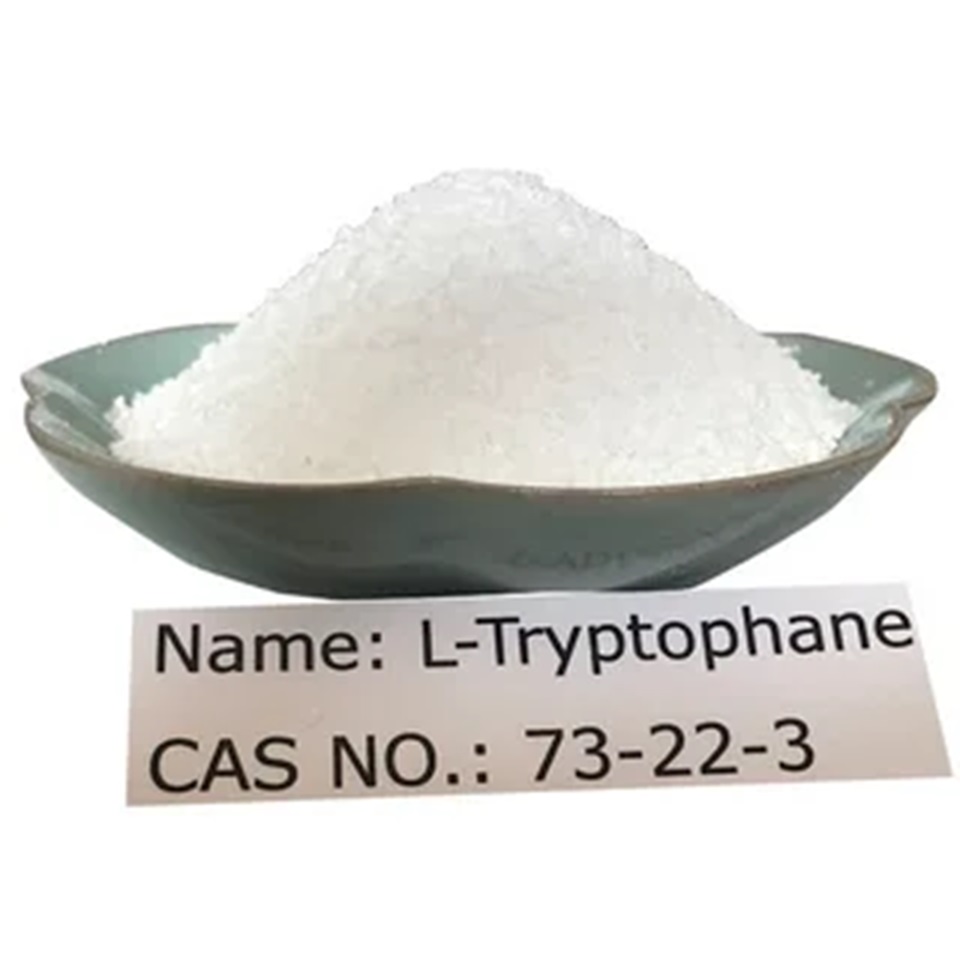
| Appearance | White to yellowish crystalline powder |
| Odor | Odorless |
| Taste | Flat, slightly bitter |
L-Tryptophan is one of the nine essential amino acids that the human body cannot synthesize on its own and therefore must be obtained through diet or supplementation. Chemically, it is an aromatic amino acid consisting of an α-amino acid attached to an indole ring. L-Tryptophan is the precursor to important neurotransmitters such as serotonin and melatonin, making it crucial for the regulation of mood, sleep patterns, appetite, and cognitive functions. It appears as a white to yellowish crystalline powder, is odorless, and has a flat taste. As an essential amino acid, it is required for protein synthesis and also contributes to the synthesis of niacin (vitamin B3) in the body. L-Tryptophan is naturally found in protein-rich foods such as turkey, chicken, eggs, dairy products, soy products, nuts, and seeds. It is also produced synthetically or through fermentation for various applications including sports nutrition, dietary supplements, pharmaceuticals, and animal feed.
2. PHYSICAL AND CHEMICAL PROPERTIES
| Property | Value |
|---|---|
| Molecular Formula | C₁₁H₁₂N₂O₂ |
| Molecular Weight | 204.23 g/mol |
| Appearance | White to yellowish crystalline powder |
| Odor | Odorless |
| Density | ~1.34 g/cm³ |
| Melting Point | ~289 °C (decomposes) |
| Boiling Point | Not applicable (decomposes upon melting) |
| Water Solubility (20°C) | ~11.4 g/L (slightly soluble) |
| Solubility in Acetic Acid | Slightly soluble |
| Solubility in Ethyl Alcohol | Slightly soluble |
| Solubility in Dilute Acids | Good solubility (e.g., citric acid) |
| Solubility in Alkali Hydroxides | Good solubility (NaOH, KOH) |
| pH (1% solution) | ~5.5-6.5 |
| Specific Optical Rotation ([α]²⁰D) | -30.0 to -33.0° (c=1, H₂O) |
| pKa (25°C) | 2.38 (COOH), 9.39 (α-NH₂) |
| Isoelectric Point | 5.89 |
| Nitrogen Content | ~13.7% (by weight) |
| Particle Size | 100-500 µm (typical) |
| Moisture Content | ≤ 0.5% (typical) |
| Residue on Ignition | ≤ 0.3% |
| Heavy Metals | ≤ 10 ppm (as Pb) |
L-Tryptophan is a white to yellowish crystalline powder that is odorless and has a flat taste. It has a melting point of approximately 289°C, at which it decomposes. The boiling point is not applicable because it decomposes upon melting. Its solubility in water is low (approximately 11.4 g/L at 20°C), but it is soluble in dilute acids (such as citric acid) and alkali hydroxide solutions (such as sodium hydroxide and potassium hydroxide). The specific optical rotation is -30.0 to -33.0° (c=1, H₂O), confirming the L-configuration. The pKa values are 2.38 (carboxyl group) and 9.39 (amino group), with an isoelectric point of 5.89. The nitrogen content is approximately 13.7% by weight. Typical moisture content is ≤ 0.5%, and residue on ignition is ≤ 0.3%. Heavy metals are typically ≤ 10 ppm (as Pb). Particle size typically ranges from 100-500 µm, depending on the application.
3. CHEMICAL PROPERTIES AND REACTIONS
L-Tryptophan is an aromatic amino acid containing an indole ring. Its chemical behavior is determined by the amino acid functional groups (carboxyl and amino) and the reactivity of the indole ring.
Acid-Base Properties:
L-Tryptophan is an amino acid with both carboxyl (COOH) and amino (NH₂) groups. In aqueous solution, it has the following ionization equilibria:
-
pKa₁ (COOH): 2.38 (carboxyl group deprotonation)
-
pKa₂ (α-NH₂): 9.39 (amino group deprotonation)
-
Isoelectric Point: 5.89
Oxidation:
L-Tryptophan reacts with oxidizing agents to form various oxidation products. The indole ring is sensitive to oxidation.
Decarboxylation:
L-Tryptophan is decarboxylated by the enzyme decarboxylase to form tryptamine:
C₁₁H₁₂N₂O₂ → C₁₀H₁₂N₂ + CO₂ (tryptamine)
Hydroxylation:
L-Tryptophan is hydroxylated by the enzyme tryptophan hydroxylase to form 5-hydroxytryptophan (5-HTP):
C₁₁H₁₂N₂O₂ + O₂ → C₁₁H₁₂N₂O₃ (5-HTP)
Decarboxylation (from 5-HTP):
5-HTP is decarboxylated by the enzyme aromatic L-amino acid decarboxylase to form serotonin:
C₁₁H₁₂N₂O₃ → C₁₀H₁₂N₂O + CO₂ (serotonin)
Melatonin Synthesis:
Serotonin is converted to melatonin (N-acetyl-5-methoxytryptamine) through N-acetylation and O-methylation.
Maillard Reaction:
Like other amino acids, L-tryptophan can participate in Maillard reactions with reducing sugars, forming brown pigments and flavor compounds in processed foods.
Thermal Decomposition:
At temperatures above 289°C, L-tryptophan decomposes to form indole, ammonia, carbon dioxide, and various nitrogen-containing compounds.
4. PRODUCTION METHODS
L-Tryptophan is produced industrially primarily by three methods: fermentation, chemical synthesis, and enzymatic synthesis.
| Method | Raw Materials | Process Description |
|---|---|---|
| Fermentation (Microbial) | Glucose, Sucrose, Ammonia, Mineral salts | Microorganisms such as Corynebacterium glutamicum or Escherichia coli are cultivated in fermenters. The organisms produce L-tryptophan, which is secreted into the fermentation broth. The broth is then processed to isolate and purify L-tryptophan. Most common industrial method. |
| Chemical Synthesis | Hippuric acid, Indole, Acetaldehyde | A multi-step synthesis starting with hippuric acid. This method is less common than fermentation due to lower yields and higher costs. |
| Enzymatic Synthesis | Indole, Pyruvic acid, Ammonia | Indole, pyruvic acid, and ammonia are enzymatically converted to L-tryptophan using tryptophan synthase enzyme or similar enzymes. This method provides high purity and yield but requires specialized enzymes. |
Detailed Production Process (Fermentation Method - Most Common):
-
Microorganism Cultivation: Genetically modified strains of Corynebacterium glutamicum or Escherichia coli that overproduce L-tryptophan are cultivated in fermentation vessels containing glucose or sucrose as the carbon source, ammonia as the nitrogen source, and various mineral salts.
-
Fermentation: The microorganisms are grown under controlled conditions (temperature, pH, aeration, agitation) for 40-60 hours. During this time, the microorganisms convert the carbon source to L-tryptophan, which is secreted into the fermentation broth.
-
Harvesting: The fermentation broth is harvested, and the microorganisms are removed by filtration or centrifugation.
-
Purification: The L-tryptophan is purified from the broth using a series of steps, including ion exchange chromatography, activated carbon treatment, and crystallization.
-
Crystallization: The purified L-tryptophan is crystallized from the solution, isolated by filtration, and washed.
-
Drying: The crystals are dried to reduce the moisture content to ≤ 0.5%.
-
Milling and Packaging: The dried crystals are milled to the desired particle size and packaged in appropriate containers.
5. PHYSIOLOGICAL FUNCTIONS AND HEALTH BENEFITS
L-Tryptophan is an essential amino acid that plays a role in many critical physiological functions. One of its most important roles is as a precursor to bioactive compounds such as the neurotransmitter serotonin and the hormone melatonin.
5.1. Serotonin Production and Mood Regulation
| Benefit | Description |
|---|---|
| Mood Balance | Balances mood through serotonin production; may reduce depression and anxiety. |
| Depression Management | Has natural antidepressant properties; low serotonin levels are associated with depression. |
| Anxiety Reduction | May help reduce anxiety and stress by increasing serotonin levels. |
| PMS/PMDD Symptoms | May reduce symptoms of premenstrual dysphoric disorder (PMDD) and PMS (mood swings, irritability, tension). |
| Mood Disorders | May help manage seasonal affective disorder (SAD) and other mood disorders. |
Serotonin is a crucial neurotransmitter involved in mood, emotion, appetite, and sleep regulation. L-Tryptophan is the direct precursor to serotonin in the brain. Adequate L-tryptophan intake helps maintain healthy serotonin levels. Low serotonin levels are associated with depression, anxiety, irritability, and other mood disorders. L-Tryptophan supplementation may help alleviate these symptoms by increasing serotonin levels.
5.2. Sleep Quality and Melatonin Production
| Benefit | Description |
|---|---|
| Sleep Quality | Improves sleep quality through melatonin production. |
| Sleep Onset Time | Reduces the time required to fall asleep. |
| Sleep Apnea | May reduce sleep apnea episodes. |
| Circadian Rhythm | Helps regulate the circadian rhythm (sleep-wake cycle). |
| Jet Lag | May help reduce jet lag symptoms. |
Melatonin is a hormone that regulates the sleep-wake cycle (circadian rhythm). L-Tryptophan contributes to melatonin production through the serotonin pathway. L-Tryptophan supplementation can improve sleep quality, reduce the time to fall asleep, and alleviate symptoms of sleep disorders such as sleep apnea.
5.3. Cognitive Functions
| Benefit | Description |
|---|---|
| Memory | Supports memory and learning abilities. |
| Concentration | Improves concentration and focus. |
| Cognitive Performance | Supports overall cognitive performance. |
| Neuroprotection | May have neuroprotective effects. |
Serotonin also plays a role in cognitive functions. Adequate serotonin levels are important for memory, learning, and concentration. L-Tryptophan supplementation may support cognitive performance.
5.4. Appetite and Weight Management
| Benefit | Description |
|---|---|
| Appetite Regulation | Regulates appetite; may help with weight management in some cases. |
| Binge Eating | May help reduce binge eating episodes. |
| Carbohydrate Cravings | May reduce carbohydrate cravings. |
Serotonin is involved in appetite regulation. Higher serotonin levels can reduce appetite and increase feelings of satiety. L-Tryptophan supplementation may aid in weight management.
5.5. Other Health Benefits
| Benefit | Description |
|---|---|
| Niacin (B3) Synthesis | Contributes to the synthesis of niacin (vitamin B3) in the body. |
| Immune System | May support immune system function. |
| Antioxidant Effect | May have antioxidant properties. |
| Cardiovascular Health | May support cardiovascular health. |
| Parkinson's Disease | May be used in combination with L-Dopa for Parkinson's disease treatment. |
| Skin Health | Used with vitamin B6 for the treatment of skin conditions. |
6. APPLICATIONS AND INDUSTRIAL USES
L-Tryptophan has a wide range of applications in human nutrition, animal nutrition, pharmaceuticals, and various industrial sectors.
6.1. Dietary Supplements and Human Nutrition
| Application | Description |
|---|---|
| Sleep Support Supplements | Used to improve sleep quality and facilitate sleep onset. |
| Mood Support Supplements | Used for depression, anxiety, and stress management. |
| Sports Nutrition | Used in amino acid blends to support athletic performance and recovery. |
| Weight Management | Used to regulate appetite and support weight control. |
| PMS/PMDD Supplements | Used for the management of premenstrual symptoms. |
| Cognitive Support Supplements | Used to support memory, concentration, and cognitive performance. |
| Protein Supplements | Used in amino acid blends to support protein synthesis. |
L-Tryptophan is widely used as an ingredient in dietary supplements. It is found in formulations designed to improve sleep quality, enhance mood, reduce stress, support athletic performance, aid weight management, and support cognitive functions. It is often combined with other ingredients such as 5-HTP, melatonin, magnesium, and B vitamins.
6.2. Animal Nutrition and Feed Additives
| Application | Description |
|---|---|
| Animal Feed Supplement | Essential amino acid supplement for livestock, poultry, and aquaculture feed. |
| Grain Enrichment | Used to improve the amino acid profile of grain-based animal feeds. |
| Growth Promotion | Improves growth and feed conversion efficiency in animals. |
| Milk Production | Supports milk production in dairy cattle. |
| Egg Production | Supports egg production in poultry. |
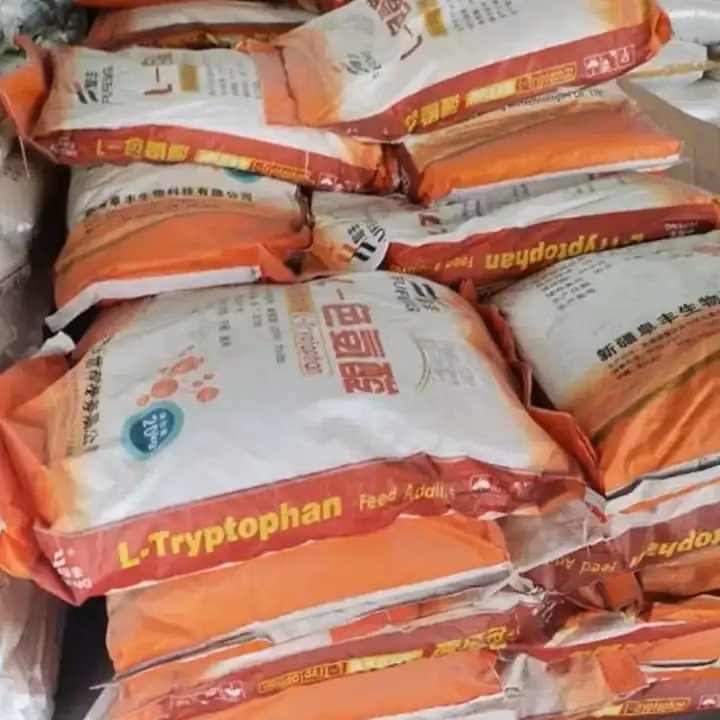
L-Tryptophan is used as an essential amino acid supplement in animal nutrition. It is often a limiting amino acid in grain-based feeds. Supplementation improves the amino acid profile of the feed, promotes growth, and improves feed conversion efficiency.
6.3. Pharmaceutical Industry
| Application | Description |
|---|---|
| Pharmaceutical Intermediates | Used as an intermediate in the synthesis of various pharmaceutical compounds. |
| Neurotransmitter Precursor | Used in pharmaceutical formulations as a precursor to serotonin and melatonin. |
| Antidepressant Formulations | Used in the formulation of antidepressant drugs. |
| Sleep Medications | Used in the formulation of sleep-regulating medications. |
| Amino Acid Infusions | Used in amino acid infusion solutions (e.g., with iron gluconate and vitamins). |
L-Tryptophan is used in the pharmaceutical industry as an intermediate and component in various drug formulations. As a neurotransmitter precursor, it is an important component in the development of antidepressant and sleep-regulating medications. It is also used in amino acid infusion solutions for parenteral nutrition.
6.4. Food Industry
| Application | Description |
|---|---|
| Fortified Foods | Used in fortified food products as a source of L-tryptophan. |
| Sports Nutrition Products | Used in protein powders, bars, and beverages to improve the amino acid profile. |
| Infant Formula | Used in infant formula as a source of essential amino acids. |
| Functional Foods | Used in functional foods (sleep, mood, cognitive support). |
L-Tryptophan is used in the food industry for fortification and functional food applications. It is added to sports nutrition products, infant formulas, cereals, snacks, and beverages to improve the amino acid profile and provide health benefits.
6.5. Personal Care and Cosmetics
| Application | Description |
|---|---|
| Skin Care Products | Used in formulations for skin health and repair. |
| Hair Care Products | Used in hair strengthening and care products. |
| Anti-Aging Products | Used in anti-aging formulations. |
L-Tryptophan is used in skin and hair care products for its nourishing and reparative properties.
7. DOSAGE AND ADMINISTRATION
| Parameter | Information |
|---|---|
| General Health Support | 500-1,000 mg per day |
| Sleep Support | 1,000-3,000 mg per day (before bedtime) |
| Mood Support | 1,000-3,000 mg per day (divided doses) |
| Athletic Performance | 500-1,000 mg per day (pre- or post-workout) |
| PMS/PMDD Management | 1,000-6,000 mg per day (second half of cycle) |
| Maximum Safe Dose | Up to 6,000 mg per day under medical supervision |
| Timing | 30-60 minutes before bedtime for sleep support; divided doses for mood support |
| Forms | Tablets, capsules, powders, liquids |
| Disclaimer | Dosages may vary based on individual needs and health status. Consult a healthcare professional before use. |
8. POTENTIAL SIDE EFFECTS AND WARNINGS
| Side Effect | Description |
|---|---|
| Gastrointestinal Distress | Nausea, diarrhea, abdominal cramps, stomach pain (at high doses) |
| Dizziness | Dizziness and lightheadedness |
| Drowsiness | Excessive drowsiness, especially when taken during the day |
| Headache | Headache (in some individuals) |
| Dry Mouth | Dry mouth |
| Drug Interactions | Interactions with antidepressants (SSRIs, MAOIs), sedatives, antipsychotics |
| Serotonin Syndrome | Rare cases of excessive serotonin levels (especially with other serotonergic drugs) |
| Contraindications | Severe liver or kidney disease; pregnancy and lactation (medical supervision) |
| Warning | All side effects are generally mild and can be managed by dose reduction or taking with food. However, due to the risk of serious side effects or drug interactions, consult a healthcare professional before use. |
9. DRUG INTERACTIONS
| Drug Class | Interaction | Recommendation |
|---|---|---|
| SSRI Antidepressants | May increase serotonin levels; risk of serotonin syndrome | Use under medical supervision |
| MAOI Antidepressants | Risk of serious serotonin syndrome | Do not use |
| Sedatives / Anxiolytics | May enhance sedative effects | Dose adjustment may be needed |
| Antipsychotics | Possible interactions | Use under medical supervision |
| Parkinson's Medications | Possible interactions with L-Dopa | Use under medical supervision |
| Sleep Medications | May enhance sedative effects | Dose adjustment may be needed |
| St. John's Wort | May increase serotonin levels | Do not use together |
10. NATURAL FOOD SOURCES OF L-TRYPTOPHAN
| Animal Sources | Plant Sources |
|---|---|
| Turkey | Soy products (tofu, soy milk, tempeh) |
| Chicken | Spinach |
| Red meat (beef, lamb) | Potatoes |
| Salmon | Nuts (walnuts, almonds, hazelnuts) |
| Sardines | Seeds (flaxseed, chia, sesame) |
| Tuna | Lentils, chickpeas, beans |
| Eggs | Oats, barley, rice |
| Cheese (especially hard cheeses) | Bananas |
| Yogurt | Pineapple |
| Milk | Avocado |
11. SAFETY AND TOXICOLOGY
| Parameter | Value |
|---|---|
| Oral LD50 (Rat) | > 5,000 mg/kg (low toxicity) |
| Dermal LD50 (Rabbit) | > 2,000 mg/kg |
| Skin Irritation | Non-irritant |
| Eye Irritation | Mild irritant |
| Skin Sensitization | Not a sensitizer |
| Mutagenicity | Negative (Ames test) |
| Carcinogenicity | Not classified |
| Reproductive Toxicity | Not classified |
| GRAS Status | Generally Recognized as Safe (GRAS) by FDA |
| Acceptable Daily Intake | Not established (no safety concerns at typical doses) |
1989 L-Tryptophan Incident:
In 1989, a contaminated batch of L-tryptophan produced in Japan caused an outbreak of eosinophilia-myalgia syndrome (EMS), a serious illness. Over 1,500 people became ill and 37 died. The issue was traced to an impurity (1,1'-ethylidene-bis-L-tryptophan) formed due to a change in the production process. Following this incident, L-tryptophan supplements were banned in the US for several years. Today, L-tryptophan is produced under strict quality control standards and is considered safe, but this incident highlights the importance of contamination risk in production processes.
12. FIRST AID MEASURES
| Exposure Route | Action |
|---|---|
| Inhalation | Move person to fresh air. If irritation persists, seek medical attention. |
| Skin Contact | Wash with plenty of soap and water. If irritation persists, seek medical attention. |
| Eye Contact | Rinse immediately with plenty of water for at least 15 minutes. Remove contact lenses if present. If irritation persists, seek medical attention. |
| Ingestion | Rinse mouth with water. Drink plenty of water. Do NOT induce vomiting. Seek medical attention if large amounts are swallowed. |
13. SAFETY INFORMATION (GHS CLASSIFICATION)
| Hazard Class | Category |
|---|---|
| Skin Irritation | Category 3 (mild irritation) |
| Eye Irritation | Category 2B (mild irritation) |
Signal Word: WARNING
Hazard Statements (H-Codes):
| Code | Statement |
|---|---|
| H315 | Causes skin irritation (mild) |
| H319 | Causes serious eye irritation (mild) |
| H335 | May cause respiratory irritation (dust) |
Precautionary Statements (P-Codes):
| Code | Statement |
|---|---|
| P261 | Avoid breathing dust |
| P271 | Use only outdoors or in a well-ventilated area |
| P280 | Wear protective gloves, protective clothing, eye/face protection |
| P302+P352 | IF ON SKIN: Wash with plenty of soap and water |
| P304+P340 | IF INHALED: Remove person to fresh air and keep comfortable for breathing |
| P305+P351+P338 | IF IN EYES: Rinse cautiously with water for several minutes. Remove contact lenses if present and easy to do. Continue rinsing |
| P332+P313 | If skin irritation occurs: Get medical attention |
| P337+P313 | If eye irritation persists: Get medical attention |
| P403+P233 | Store in a well-ventilated place. Keep container tightly closed |
| P501 | Dispose of contents/container in accordance with local/regional/national/international regulations |
14. FIREFIGHTING MEASURES
| Parameter | Information |
|---|---|
| Fire Hazard | Combustible dust; dust-air mixtures may be explosive at high concentrations |
| Extinguishing Media | Water spray, CO₂, dry chemical powder, foam |
| Special Hazards | Thermal decomposition produces toxic and irritant fumes (nitrogen oxides, carbon monoxide, carbon dioxide) |
| Protective Equipment | Self-contained breathing apparatus (SCBA), full protective clothing |
15. ACCIDENTAL RELEASE MEASURES
| Parameter | Information |
|---|---|
| Personal Protection | Wear appropriate PPE (dust mask, goggles, protective clothing, gloves) |
| Ventilation | Increase ventilation; evacuate area if necessary |
| Containment | Stop source if safe; contain powder to prevent spread |
| Cleaning Methods | Vacuum or sweep carefully to avoid dust generation; use wet methods to suppress dust |
| Environmental Precautions | Prevent entry into drains, sewers, and water bodies |
| Waste Disposal | Dispose of according to local, state, and federal regulations |
16. STORAGE AND HANDLING
| Parameter | Information |
|---|---|
| Storage Conditions | Cool, dry, well-ventilated area; store below 25°C; protect from light |
| Container Requirements | Tightly closed containers (bags, drums, boxes) |
| Materials to Avoid | Strong oxidizing agents, strong acids, strong bases, moisture |
| Shelf Life | 24-36 months under proper storage conditions |
| Hygroscopicity | Slightly hygroscopic |
| Handling Notes | Avoid dust generation; avoid contact with skin and eyes |
| Packaging Options | 25 kg bags (standard), 25 kg drums, 500-1000 kg FIBCs |
L-Tryptophan should be stored below 25°C in cool, dry, well-ventilated areas, protected from light. It is slightly hygroscopic and should be protected from moisture. Containers should be kept tightly closed to prevent moisture absorption and contamination. It is incompatible with strong oxidizing agents, strong acids, and strong bases. Shelf life under proper storage conditions is typically 24-36 months.
Handling Notes:
-
Avoid dust generation (use enclosed systems, local exhaust ventilation)
-
Avoid contact with skin and eyes (use protective gloves and goggles)
-
Avoid breathing dust (use dust mask or respirator)
-
Keep away from ignition sources
-
Do not allow material to become wet
17. TRANSPORT INFORMATION
| Parameter | Information |
|---|---|
| UN Number | Not applicable (not classified as dangerous good) |
| Hazard Class | Not a dangerous good |
| Packing Group | Not applicable |
| Proper Shipping Name | L-Tryptophan |
| Marine Pollutant | No |
| ADR/RID Label | Not applicable |
L-Tryptophan is not classified as a dangerous good for transport. It is shipped in 25 kg bags, drums, or FIBCs. During transport, protect from moisture, impact, and excessive heat.
18. REGULATORY INFORMATION
| Region | Status |
|---|---|
| EU | REACH registered; approved as food and feed additive |
| Turkey (KKDİK) | Mandatory compliance; requires registration |
| USA (TSCA) | Listed; GRAS by FDA |
| Canada (DSL) | Listed |
| Australia (AICS) | Listed |
| Japan (ENCS) | Listed |
| Korea (KECL) | Listed |
| China (IECSC) | Listed |
Regulatory Status:
| Status | Information |
|---|---|
| FDA Compliance | GRAS (Generally Recognized as Safe) |
| EU Compliance | REACH registered; approved as food additive (E 921) and feed additive |
| IARC Classification | Not classified |
| HS Code | 29339900 |
| RTECS | YN6150000 |
| WGK Germany | 1 (slight hazard to water) |
| TSCA | Yes |
| EINECS | 200-795-6 |
19. OTHER NAMES AND DATABASE IDENTIFIERS
| Category | Names / Identifiers |
|---|---|
| Chemical Names | (2S)-2-Amino-3-(1H-indol-3-yl)propanoic acid |
| Synonyms | L-Tryptophan, Tryptasin, Trofan, 3-Indol-3-ylalanine, α-Aminoindolylpropionic acid |
| Turkish Names | L-Triptofan, Esansiyel Aminoasit |
| Food Additive Code | E 921 (EU food additive) |
Database Identifiers:
| Database | Identifier |
|---|---|
| CAS | 73-22-3 (standard); 80206-30-0 (alternative) |
| EC (EINECS) | 200-795-6 |
| MDL | MFCD00064340 |
| PubChem CID | 6305 |
| RTECS | YN6150000 |
| UN | Not applicable |
| HS Code | 29339900 |
| Merck | 14, 9797 |
| Beilstein | 86197 |
20. SUMMARY AND CRITICAL WARNINGS
SUMMARY:
L-Tryptophan (C₁₁H₁₂N₂O₂, CAS 73-22-3) is one of the nine essential amino acids that the human body cannot synthesize and must obtain through diet or supplementation. It appears as a white to yellowish crystalline powder that is odorless and has a flat taste. The molecular weight is 204.23 g/mol, melting point is approximately 289°C (decomposes), and water solubility is low (approximately 11.4 g/L at 20°C). It is produced through fermentation using microorganisms such as Corynebacterium glutamicum or Escherichia coli. L-Tryptophan is the precursor to important neurotransmitters such as serotonin and melatonin, making it critical for the regulation of mood, sleep patterns, appetite, and cognitive functions. It is used in dietary supplements for sleep support, mood support, athletic performance, weight management, and PMS/PMDD management. It is also used as an animal feed supplement, pharmaceutical intermediate, and food fortification ingredient. The recommended supplement dosage is typically 500-3,000 mg per day (depending on purpose and individual needs). It is considered GRAS (Generally Recognized as Safe) by the FDA, but high doses may cause gastrointestinal distress, dizziness, and drowsiness. It can interact with certain medications such as antidepressants and sedatives. It is stored below 25°C in cool, dry, well-ventilated areas, protected from moisture and light. Packaging: 25 kg bags, drums, or FIBCs.
Key Properties:
| Property | Value |
|---|---|
| Appearance | White to yellowish crystalline powder |
| Chemical Formula | C₁₁H₁₂N₂O₂ |
| Molecular Weight | 204.23 g/mol |
| CAS Number | 73-22-3 (standard); 80206-30-0 (alternative) |
| Melting Point | ~289°C (decomposes) |
| Water Solubility (20°C) | ~11.4 g/L (low) |
| pH (1% solution) | ~5.5-6.5 |
| Specific Optical Rotation | -30.0 to -33.0° (c=1, H₂O) |
| Primary Use | Dietary supplement, animal feed, pharmaceutical intermediate |
Major Application Areas:
| Industry | Applications |
|---|---|
| Human Nutrition | Sleep, mood, cognitive support, athletic performance, weight management |
| Animal Nutrition | Feed supplement, grain enrichment, growth promotion |
| Pharmaceutical | Pharmaceutical intermediates, antidepressant formulations, amino acid infusions |
| Food Industry | Fortified foods, sports nutrition products, infant formula |
| Personal Care | Skin and hair care products |
Key Safety Points:
-
LOW TOXICITY: GRAS (Generally Recognized as Safe) by FDA
-
SLIGHTLY HYGROSCOPIC: Protect from moisture; store in tightly closed containers
-
MILD IRRITANT: May cause mild skin and eye irritation
-
STORAGE: Store below 25°C in cool, dry, well-ventilated area, protected from light
-
PPE REQUIRED: Dust mask, safety goggles, protective gloves (for handling powder)
-
SIDE EFFECTS: May cause gastrointestinal distress, dizziness, drowsiness at high doses
-
DRUG INTERACTIONS: Interactions with antidepressants (SSRIs, MAOIs), sedatives; risk of serotonin syndrome
-
CONTRAINDICATIONS: Severe liver or kidney disease; pregnancy and lactation (medical supervision)
CRITICAL WARNINGS:
Essential Amino Acid: L-Tryptophan is one of the nine essential amino acids that the body cannot synthesize. It must be obtained through diet or supplementation. Deficiency can lead to low serotonin levels, sleep disorders, mood changes, and other health issues.
Serotonin Precursor: L-Tryptophan is the direct precursor to serotonin in the brain. Serotonin is a crucial neurotransmitter involved in mood, emotion, appetite, and sleep regulation. Adequate L-tryptophan intake helps maintain healthy serotonin levels. Low serotonin levels are associated with depression, anxiety, irritability, and other mood disorders.
Melatonin Precursor: L-Tryptophan contributes to melatonin production through the serotonin pathway. Melatonin is a hormone that regulates the sleep-wake cycle (circadian rhythm). L-Tryptophan supplementation can improve sleep quality and reduce the time to fall asleep.
1989 EMS Incident: In 1989, contaminated L-tryptophan supplements caused an outbreak of eosinophilia-myalgia syndrome (EMS). This incident highlights the importance of product safety and quality control. Today, L-tryptophan is produced under strict quality control standards and is considered safe.
Drug Interactions - Serotonin Syndrome: L-Tryptophan may increase the risk of serotonin syndrome when taken with SSRIs, MAOIs, triptans, and other serotonergic drugs. Serotonin syndrome is a potentially life-threatening condition caused by excessive serotonin levels. Symptoms include agitation, confusion, tachycardia, hyperthermia, muscle rigidity, and convulsions. Individuals taking these medications should consult a healthcare professional before using L-tryptophan supplements.
Dosage and Administration: The recommended dose varies depending on the purpose and individual needs. For sleep support, typical doses range from 1,000-3,000 mg before bedtime. For mood support, typical doses range from 1,000-3,000 mg per day (divided doses). High doses (up to 6,000 mg/day) should be used under medical supervision. Taking with food may reduce gastrointestinal side effects.
Natural Food Sources: L-Tryptophan is naturally found in protein-rich foods such as turkey, chicken, eggs, dairy products, soy products, nuts, and seeds. Consuming these foods can help maintain healthy L-tryptophan levels.
Pregnancy and Lactation: L-Tryptophan is generally considered safe during pregnancy and lactation at recommended doses. However, as with all supplements, it is recommended to consult a healthcare professional before use.
Important Disclaimer: This Technical Data Sheet (TDS) is for informational purposes only. The information provided is based on available data and is believed to be accurate. However, the user is solely responsible for determining the suitability of the product for their specific application and for complying with all applicable regulations and safety requirements. For complete safety, handling, storage, and regulatory compliance information, always refer to the official Safety Data Sheet (SDS/MSDS) provided by the manufacturer/supplier. Users are responsible for testing the product in their own processes and applications. All local, national, and international regulations must be followed when working with L-tryptophan. This is NOT a substitute for professional medical advice. Consult a healthcare professional before use, especially if taking medications, pregnant, or nursing.