We unleash your business potential by maximize the business innovation.
Send EmailBenzyl Paraben, Benzyl 4-hydroxybenzoate, Benzylparaben, 94-18-8
BENZYL PARABEN - BENZİL PARABEN
Benzyl 4-Hydroxybenzoate - Benzyl 4-hydroxybenzoate
CAS: 94-18-8
| Product Name | Benzyl Paraben (Benzyl 4-Hydroxybenzoate) |
| CAS Number | 94-18-8 |
| EC Number | 202-312-7 |
| Chemical Class | Paraben Ester |
| Synonyms | Benzyl 4-Hydroxybenzoate, Benzylparaben, Benzyl p-Hydroxybenzoate, 4-Hydroxybenzoic Acid Benzyl Ester, Benzyl Parasept, Nipabenzil, Tegosept B, Solbrol Z |
ITEM 1: PRODUCT IDENTITY AND NOMENCLATURE
| Parameter | Description |
|---|---|
| IUPAC Name | Benzyl 4-hydroxybenzoate |
| Chemical Formula | C₁₄H₁₂O₃ |
| Molecular Weight | 228.24 g/mol |
| CAS Number | 94-18-8 |
| EC Number | 202-312-7 |
| Synonyms | Benzyl 4-Hydroxybenzoate, Benzylparaben, Benzyl p-Hydroxybenzoate, 4-Hydroxybenzoic Acid Benzyl Ester, Benzyl Parasept, Nipabenzil, Tegosept B, Solbrol Z, Parosept |
| HS Code | 2918.29.00.00.00 |
| REACH Status | Registered and compliant |
Description: Benzyl Paraben is a member of the paraben family of preservatives. It is the benzyl ester of 4-hydroxybenzoic acid (para-hydroxybenzoic acid). It is a white to off-white crystalline powder with a high melting point. Benzyl paraben is used as a preservative in cosmetic, pharmaceutical, and industrial applications due to its broad-spectrum antimicrobial activity. It also functions as a fragrance fixative in perfumes, helping to extend the longevity of volatile fragrance components. Due to regulatory restrictions in some regions (particularly the EU), its use in cosmetic products is limited.
ITEM 2: CHEMICAL STRUCTURE AND MOLECULAR PROPERTIES
| Parameter | Description |
|---|---|
| Chemical Family | Paraben Ester |
| Structure | Ester of 4-hydroxybenzoic acid and benzyl alcohol |
| Functional Groups | Ester (-COO-), Hydroxyl (-OH), Aromatic rings |
| Molecular Structure | HO-C₆H₄-COO-CH₂-C₆H₅ |
| SMILES | O=C(OCC1=CC=CC=C1)C2=CC=C(O)C=C2 |
| InChI Key | AECMOHYZLNBWDU-UHFFFAOYSA-N |
| pKa | 8.15 ± 0.15 (weak acid) |
| Vapor Pressure | 0 Pa (at 25°C) |
| Solubility Type | Hydrophobic |
Structural Formula:
text
        O
        ||
    C - O - CH₂ - C₆H₅
   / \
  /   \
  \   /
   \ /
    C - OH
    |
    (Aromatic Ring)
Description: Benzyl Paraben is an ester formed by the reaction of 4-hydroxybenzoic acid (para-hydroxybenzoic acid) with benzyl alcohol. The molecule contains an ester group (-COO-), a hydroxyl group (-OH), and two aromatic rings. The presence of the benzyl group provides increased lipophilicity compared to shorter-chain parabens, enhancing solubility in organic solvents and compatibility with oil-based formulations. The hydroxyl group contributes to its weak acidic nature (pKa 8.15).
ITEM 3: PHYSICAL APPEARANCE AND FORM
| Parameter | Specification | Test Method |
|---|---|---|
| Appearance | White to off-white crystalline powder | Visual Inspection |
| Physical Form | Solid (powder/crystals) | Visual Inspection |
| Color | White to off-white | Visual Inspection |
| Odor | Slight characteristic odor | Organoleptic |
| Crystal Shape | Needle-like or prismatic | Microscopic |
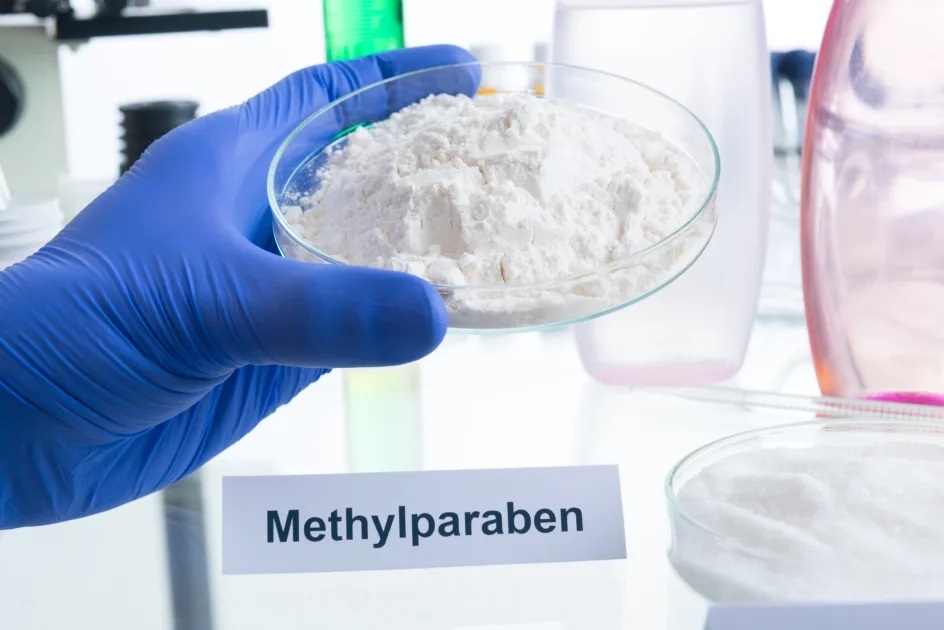
Description: Benzyl Paraben is a white to off-white crystalline powder with a slight characteristic odor. It is supplied as a free-flowing powder with high purity. The product contains no visible impurities or foreign matter. Its crystalline form is needle-like or prismatic.
ITEM 4: PHYSICAL PROPERTIES
| Property | Specification | Typical Value | Test Method |
|---|---|---|---|
| Melting Point | 109 – 112 °C | 110 – 111 °C | DSC |
| Boiling Point | 170 °C (decomposes) | – | – |
| Density | 1.1799 g/cm³ | 1.18 g/cm³ | – |
| Refractive Index (nD) | ~1.58 | – | – |
| Flash Point | 167 °C | 167 °C | ASTM D93 |
| pKa | 8.15 ± 0.15 | – | – |
| Vapor Pressure | 0 Pa (at 25°C) | – | – |
Description: Benzyl Paraben has a melting point of 109-112°C and remains a solid at room temperature. Its density is approximately 1.18 g/cm³. The flash point is 167°C, indicating moderate flammability. The vapor pressure is 0 Pa at 25°C, indicating it is non-volatile. Its pKa value of 8.15 indicates weak acidic character.
ITEM 5: SOLUBILITY AND MISCIBILITY
| Solvent / Medium | Solubility / Miscibility |
|---|---|
| Water (25°C) | Very low (92 mg/L) |
| Water (Hot) | Slightly soluble |
| Ethanol (Alcohol) | Soluble (25 mg/mL, clear solution) |
| Methanol | Soluble |
| Isopropanol | Soluble |
| Propylene Glycol | Partially soluble |
| Glycerin | Very slightly soluble |
| Acetone | Soluble |
| Ethyl Acetate | Soluble |
| Chloroform | Soluble |
| Oils (Vegetable/Mineral) | Soluble (hot) |
Description: Benzyl Paraben has very low solubility in water (92 mg/L at 25°C) but is readily soluble in most organic solvents including ethanol, methanol, isopropanol, acetone, ethyl acetate, and chloroform. It is partially soluble in propylene glycol and very slightly soluble in glycerin. Its solubility in oils increases with temperature. This solubility profile makes it suitable for oil-based and emulsion formulations.
ITEM 6: PURITY AND ANALYTICAL SPECIFICATIONS
| Parameter | Specification | Typical Value | Test Method |
|---|---|---|---|
| Purity (HPLC) | ≥ 99.0% | 99.5% | HPLC |
| Melting Point | 109 – 112 °C | 110 – 111 °C | DSC |
| Loss on Drying | ≤ 0.50% | 0.10% | USP <731> |
| Sulfated Ash | ≤ 0.10% | 0.02% | – |
| Heavy Metals (Pb) | ≤ 10 ppm | <5 ppm | ICP-MS |
| Arsenic (As) | ≤ 2 ppm | <1 ppm | ICP-MS |
| Related Substances | ≤ 0.50% | 0.10% | HPLC |
| Appearance | White powder | Passes | Visual |
| pH (1% Solution) | 5.0 – 7.0 | 6.0 | pH Meter |
Description: Benzyl Paraben is supplied in high purity (≥99.0%). Low loss on drying and sulfated ash content indicate high quality and low impurities. Heavy metal content is strictly controlled to ensure safety for pharmaceutical and cosmetic applications. Related substances are monitored to ensure product purity.
ITEM 7: ANTIMICROBIAL ACTIVITY
| Microorganism | Activity | Minimum Inhibitory Concentration (MIC) |
|---|---|---|
| Gram-Positive Bacteria | Effective | Moderate |
| Staphylococcus aureus | Effective | 200 – 500 ppm |
| Bacillus subtilis | Effective | 200 – 500 ppm |
| Gram-Negative Bacteria | Less Effective | Higher concentrations required |
| Pseudomonas aeruginosa | Moderate | > 500 ppm |
| Escherichia coli | Moderate | > 500 ppm |
| Yeasts | Effective | Effective |
| Candida albicans | Effective | 100 – 300 ppm |
| Saccharomyces cerevisiae | Effective | 100 – 300 ppm |
| Molds | Effective | Effective |
| Aspergillus niger | Effective | 200 – 400 ppm |
| Penicillium species | Effective | 200 – 400 ppm |
Mechanism of Action:
| Parameter | Description |
|---|---|
| Mechanism | Disrupts microbial cell membranes; inhibits transport processes |
| Activity Spectrum | Broad-spectrum (bacteria, yeasts, molds) |
| pH Dependence | More active at acidic pH |
| Concentration | Efficacy increases with concentration |
| Synergy | Can be combined with other preservatives for enhanced activity |
Description: Benzyl Paraben exhibits broad-spectrum antimicrobial activity against bacteria, yeasts, and molds. It is generally more effective against Gram-positive bacteria than Gram-negative bacteria. Its activity is pH-dependent, with higher efficacy at acidic pH values. The mechanism of action involves disruption of microbial cell membranes and inhibition of transport processes.
ITEM 8: COSMETIC APPLICATIONS
| Application Category | Function / Benefit |
|---|---|
| Shampoos | Preservative, antimicrobial protection |
| Conditioners | Preservative, antimicrobial protection |
| Creams | Preservative, antimicrobial protection |
| Lotions | Preservative, antimicrobial protection |
| Moisturizers | Preservative, antimicrobial protection |
| Makeup | Preservative, antimicrobial protection |
| Sunscreens | Preservative, antimicrobial protection |
| Perfumes | Preservative, fragrance fixative |
| Deodorants | Preservative, antimicrobial protection |
| Baby Care Products | Preservative (limited use) |
| Hair Styling Products | Preservative, antimicrobial protection |
Usage Levels:
| Application | Recommended Level | Notes |
|---|---|---|
| Cosmetic Products | 0.1 – 0.4% | Single paraben |
| Mixed Paraben Systems | 0.1 – 0.8% | Combined with other parabens |
Regulatory Status:
| Region | Status |
|---|---|
| European Union | BANNED (prohibited in cosmetic products) |
| USA (FDA) | Permitted (within specified limits) |
| Turkey | BANNED (aligned with EU regulation) |
Description: In cosmetics, Benzyl Paraben is used as a preservative to prevent microbial growth and extend product shelf life. It also functions as a fragrance fixative in perfumes. However, its use in cosmetic products is restricted or banned in many regions. In the European Union and Turkey, it is prohibited in cosmetic products. In the USA, it is permitted within specified limits (typically 0.1-0.4% for single paraben use). Due to consumer concerns and "paraben-free" trends, its use is declining globally.
ITEM 9: PHARMACEUTICAL APPLICATIONS
| Application | Function / Description |
|---|---|
| Topical Creams | Preservative, antimicrobial protection |
| Ointments | Preservative, antimicrobial protection |
| Oral Liquids | Preservative, antimicrobial protection |
| Tablet Coatings | Preservative, excipient |
| Pharmaceutical Formulations | Preservative (USP/EP grade) |
| API Synthesis | Intermediate in drug synthesis |
| Reference Standards | USP/EP reference standard for analytical testing |
Usage Levels:
| Application | Recommended Level | Notes |
|---|---|---|
| Topical Formulations | 0.1 – 0.4% | Preservative |
| Oral Liquids | 0.05 – 0.2% | Preservative |
Description: In pharmaceutical applications, Benzyl Paraben is used as a preservative in topical creams, ointments, oral liquids, and tablet coatings. It is recognized in pharmacopoeia standards (USP/EP) and is used as a reference standard in analytical testing. Its use in pharmaceuticals is generally permitted in many countries, subject to specified limits.
ITEM 10: FOOD APPLICATIONS
| Application | Function / Description |
|---|---|
| Baked Goods | Preservative, extends shelf life |
| Sauces | Preservative, antimicrobial protection |
| Processed Foods | Preservative, microbial stability |
| Beverages | Preservative, microbial stability |
| Dairy Products | Preservative (limited use) |
| Confectionery | Preservative |
Description: In the food industry, Benzyl Paraben is used as a preservative in processed foods, sauces, baked goods, beverages, and confectionery products. However, its use as a food additive is heavily regulated and varies by region. In many countries, its use has declined due to consumer concerns and regulatory restrictions.
ITEM 11: INDUSTRIAL APPLICATIONS
| Application | Function / Description |
|---|---|
| Analytical Reference Standards | Reference material for analytical testing |
| Textile Finishing | Preservative for textile processing |
| Coatings | Preservative for coatings formulations |
| Adhesives | Preservative for adhesives |
| Paints | Preservative (limited use) |
| Laboratory Reagents | Reagent for chemical synthesis |
Description: In industrial applications, Benzyl Paraben is used as a reference standard in analytical laboratories, as a preservative in textile processing, coatings, adhesives, and paints. Its industrial use is subject to fewer restrictions compared to cosmetic and food applications.
ITEM 12: SECTOR COMPATIBILITY MATRIX
| Industry | Suitability | Application | Notes |
|---|---|---|---|
| Cosmetics | BANNED (EU/TR) / Permitted (USA) | Preservative | Banned in EU and Turkey |
| Pharmaceuticals | Permitted | Preservative, reference standard | USP/EP standards apply |
| Food | Limited | Preservative | Heavily regulated |
| Industrial | Permitted | Preservative, reference standard | Less restricted |
| Laboratory | Permitted | Reference standard, reagent | Widely used |
ITEM 13: COMPARISON WITH OTHER PARABENS
| Property | Benzyl Paraben | Methyl Paraben | Ethyl Paraben | Propyl Paraben | Butyl Paraben |
|---|---|---|---|---|---|
| Alkyl Chain | Benzyl | Methyl | Ethyl | Propyl | Butyl |
| Melting Point | 109-112°C | 125-128°C | 115-118°C | 96-99°C | 68-71°C |
| Water Solubility | Very low | Good | Moderate | Low | Very low |
| Oil Solubility | Good | Low | Moderate | Good | Very good |
| Antimicrobial Activity | Broad-spectrum | Broad-spectrum | Broad-spectrum | Broad-spectrum | Broad-spectrum |
| EU Cosmetics Status | BANNED | Permitted | Permitted | Permitted | Permitted |
| Alkyl Chain Length | C7 (benzyl) | C1 | C2 | C3 | C4 |
Description: Benzyl Paraben differs from other parabens in having a benzyl group instead of a straight-chain alkyl group. This provides increased lipophilicity and oil solubility compared to shorter-chain parabens. However, its regulatory status differs significantly—it is banned in the EU and Turkey, while methyl, ethyl, propyl, and butyl parabens remain permitted at specified concentrations.
ITEM 14: REGULATORY STATUS
| Region / Authority | Status |
|---|---|
| European Union | BANNED - Prohibited in cosmetic products |
| Turkey | BANNED - Prohibited in cosmetic products (aligned with EU) |
| USA (FDA) | Permitted - Allowed within specified limits (0.1-0.4% single) |
| Japan | Permitted (subject to regulations) |
| China | Permitted (subject to regulations) |
| Canada | Permitted (subject to regulations) |
| REACH (EU) | Registered |
| TSCA (USA) | Listed |
| EINECS (EU) | 202-312-7 |
| USP/EP | Recognized as reference standard |
Key Regulatory Limits:
| Region | Maximum Concentration | Notes |
|---|---|---|
| EU | BANNED | Not permitted in cosmetics |
| USA | 0.1% (single) / 0.8% (mixed) | FDA regulations |
| Japan | Variable | Subject to Japanese regulations |
Description: Benzyl Paraben is banned in cosmetic products in the European Union and Turkey. In the USA, it is permitted within specified limits (0.1% for single use, 0.8% for mixed paraben systems). Its regulatory status varies by region and application. Pharmaceutical and food applications are subject to separate regulations.
ITEM 15: SAFETY AND TOXICOLOGICAL PROFILE
| Parameter | Description |
|---|---|
| Acute Oral Toxicity (LD50) | ~ 2,000 – 3,000 mg/kg (rat) |
| Acute Dermal Toxicity | Low |
| Skin Irritation | May cause mild irritation |
| Eye Irritation | May cause irritation |
| Skin Sensitization | Potential sensitizer |
| Carcinogenicity | Not classified |
| Mutagenicity | Not classified |
| Reproductive Toxicity | Not classified |
| Endocrine Disruption | Potential concern (paraben class) |
| Allergen Potential | May cause allergic reactions |
| Estrogenic Activity | Weak (lower than other parabens) |
Precautions:
| Parameter | Recommendation |
|---|---|
| Skin Sensitivity | May cause allergic reactions in sensitive individuals |
| Eye Contact | Avoid contact with eyes |
| Inhalation | Avoid breathing dust |
| Personal Protection | Use gloves, goggles, and dust mask when handling powder |
Description: Benzyl Paraben has moderate acute oral toxicity (LD50 ~2,000-3,000 mg/kg). It may cause skin and eye irritation and has potential skin sensitization. As a member of the paraben family, it has been studied for potential endocrine-disrupting effects, though its estrogenic activity is considered weak compared to other parabens. Allergic reactions are possible in sensitive individuals.
ITEM 16: HANDLING AND PERSONAL PROTECTIVE EQUIPMENT (PPE)
| Parameter | Recommendation |
|---|---|
| Dust Control | Minimize dust formation |
| Ventilation | Adequate general ventilation or local exhaust |
| Gloves | Nitrile or rubber gloves |
| Eye Protection | Safety goggles |
| Respiratory Protection | Dust mask (N95) for powder handling |
| Skin Contact | Wash with soap and water |
| Eye Contact | Rinse with plenty of water for 15 minutes; seek medical attention |
| Inhalation | Move to fresh air; seek medical attention if irritation persists |
| Ingestion | Rinse mouth; seek medical attention |
Description: Standard industrial hygiene practices should be followed when handling Benzyl Paraben powder. Dust formation should be minimized to avoid respiratory irritation. In case of eye contact, rinse with plenty of water and seek medical attention. Protective gloves and goggles should be worn during handling.
ITEM 17: STORAGE AND SHELF LIFE
| Parameter | Description |
|---|---|
| Storage Temperature | 15 – 30°C |
| Storage Conditions | Cool, dry, well-ventilated area |
| Light | Protect from direct sunlight |
| Moisture | Keep away from moisture; store in tightly closed containers |
| Materials to Avoid | Strong oxidizers, strong acids, strong bases |
| Packaging Type | Sealed bags, containers, drums |
| Shelf Life | 24 – 36 months (unopened, recommended conditions) |
| Signs of Degradation | Discoloration, caking, moisture absorption |
Description: Benzyl Paraben should be stored in a cool, dry place in tightly closed containers, protected from direct sunlight and moisture. It is stable under recommended storage conditions. The shelf life is typically 24-36 months. Signs of degradation include discoloration, caking, or moisture absorption.
ITEM 18: SPILL CLEANUP AND DISPOSAL
| Parameter | Description |
|---|---|
| Dry Spills | Sweep or vacuum using appropriate equipment |
| Wet Spills | Collect with absorbent material |
| Avoid | Do not wash into drains or water sources |
| Waste Disposal | Dispose according to local regulations |
| Environmental Classification | Not classified as hazardous waste |
| Biodegradability | Readily biodegradable |
ITEM 19: PACKAGING INFORMATION
| Parameter | Description |
|---|---|
| Standard Packaging | 25 kg multi-layer bags with PE liner |
| Bulk Packaging | 500 – 1000 kg big-bags |
| Small Packaging | 1 kg, 5 kg, 10 kg (available upon request) |
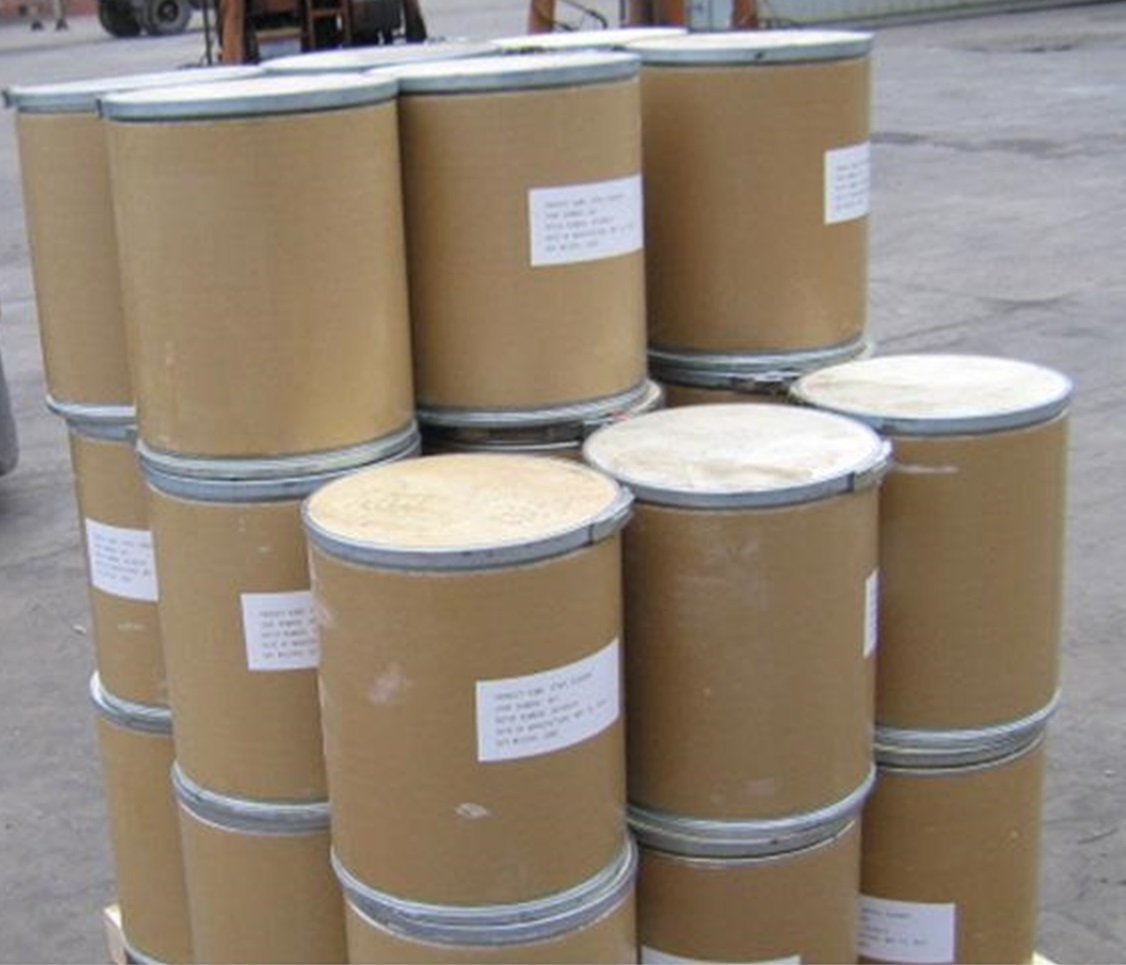
| Packaging Materials | PE-lined bags, HDPE containers, fiber drums |
| Labeling | Product code, batch number, net weight, handling instructions |
ITEM 20: SYNONYMS AND ALIASES
| Name | Description |
|---|---|
| Benzyl Paraben | Most common name |
| Benzyl 4-Hydroxybenzoate | IUPAC name |
| Benzyl p-Hydroxybenzoate | Chemical name |
| 4-Hydroxybenzoic Acid Benzyl Ester | Systematic name |
| Benzyl Parasept | Trade name |
| Nipabenzil | Trade name |
| Tegosept B | Trade name |
| Solbrol Z | Trade name |
| Parosept | Trade name |
| Benzyl Hydroxybenzoate | Chemical name |
| Benzoic acid, 4-hydroxy-, benzyl ester | Chemical name |
| Benzyl p-hydroxybenzoate | Chemical name |
| Benzyl 4-hydroxybenzoate | CAS name |
QUALITY AND CERTIFICATION SUMMARY
| Certificate / Standard | Status |
|---|---|
| ISO 9001:2015 | Certified manufacturing sites |
| REACH (EC 1907/2006) | Registered and compliant |
| FDA 21 CFR | Permitted for use (select applications) |
| USP/EP | Pharmaceutical grade available |
| Halal | Available upon request |
| Kosher | Available upon request |
Disclaimer: This Technical Data Sheet provides typical values for reference purposes only. All values are based on standard laboratory measurements and do not constitute a binding specification. For binding properties, please request the Certificate of Analysis (COA) for each specific batch. The user is solely responsible for determining product suitability for their intended application and for compliance with all applicable regulations. Safety Data Sheet (SDS) must be requested from the supplier before use.