We unleash your business potential by maximize the business innovation.
Send EmailEthylparaben, Ethyl 4-hydroxybenzoate, Ethyl Paraben, E214, 120-47-8
ETHYL PARABEN - ETİL PARABEN
Ethyl 4-Hydroxybenzoate - E214 - Nipagin A
CAS: 120-47-8
| Product Name | Ethyl Paraben (Ethyl 4-Hydroxybenzoate) |
| CAS Number | 120-47-8 |
| EC Number | 204-399-4 |
| E Number | E214 |
| Chemical Class | Paraben Ester |
| Synonyms | Ethylparaben, Ethyl Paraben, Ethyl 4-Hydroxybenzoate, Nipagin A, Nipazin A, Solbrol A, Ethyl Parasept, E214 |
ITEM 1: PRODUCT IDENTITY AND NOMENCLATURE
| Parameter | Description |
|---|---|
| IUPAC Name | Ethyl 4-hydroxybenzoate |
| Chemical Formula | C₉H₁₀O₃ |
| Molecular Weight | 166.17 g/mol |
| CAS Number | 120-47-8 |
| EC Number | 204-399-4 |
| E Number | E214 (food additive) |
| Synonyms | Ethylparaben, Ethyl Paraben, Ethyl 4-Hydroxybenzoate, Nipagin A, Nipazin A, Solbrol A, Ethyl Parasept, E214 |
| HS Code | 2918.29.00.00.00 |
| REACH Status | Registered and compliant |
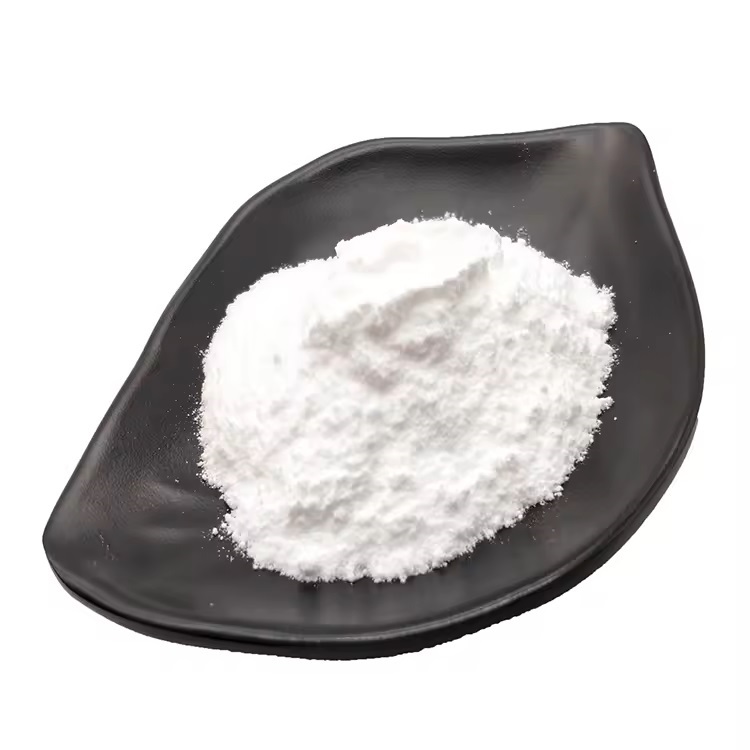
Description: Ethyl Paraben is a member of the paraben family of preservatives. It is the ethyl ester of 4-hydroxybenzoic acid (para-hydroxybenzoic acid). It is a white crystalline powder with a slight characteristic odor. It is widely used as a preservative in cosmetics, pharmaceuticals, and food products due to its broad-spectrum antimicrobial and antifungal activity. As a food additive, it is designated as E214. It is naturally produced and found in various fruits and insects where it serves as an antimicrobial agent. Its low cost and effectiveness make it a popular preservative choice.
ITEM 2: CHEMICAL STRUCTURE AND MOLECULAR PROPERTIES
| Parameter | Description |
|---|---|
| Chemical Family | Paraben Ester |
| Structure | Ester of 4-hydroxybenzoic acid and ethanol |
| Functional Groups | Ester (-COO-), Hydroxyl (-OH), Aromatic ring |
| Molecular Structure | HO-C₆H₄-COO-CH₂-CH₃ |
| SMILES | CCOC(=O)C1=CC=C(C=C1)O |
| InChI Key | NUVBSKCKDOMJSU-UHFFFAOYSA-N |
| pKa | 8.5 |
| LogP | 2.47 |
Structural Formula:
text
        O
        ||
    C - O - CH₂ - CH₃
   / \
  /   \
  \   /
   \ /
    C - OH
    |
    (Aromatic Ring)
Description: Ethyl Paraben is formed by the esterification of 4-hydroxybenzoic acid with ethanol. The molecule contains an ester group (-COO-), a hydroxyl group (-OH), and an aromatic ring. It has moderate lipophilicity with a LogP of 2.47, providing a balance between water solubility and oil solubility.
ITEM 3: PHYSICAL APPEARANCE AND FORM
| Parameter | Specification | Test Method |
|---|---|---|
| Appearance | White crystalline powder | Visual Inspection |
| Physical Form | Solid (crystalline) | Visual Inspection |
| Color | White to off-white | Visual Inspection |
| Odor | Slight characteristic | Organoleptic |
| Crystal Shape | Needle-like or prismatic | Microscopic |
Description: Ethyl Paraben is a white to off-white crystalline powder with a slight characteristic odor. It is supplied as a free-flowing powder with high purity.
ITEM 4: PHYSICAL PROPERTIES
| Property | Specification | Typical Value | Test Method |
|---|---|---|---|
| Melting Point | 115 – 118 °C | 116 – 117 °C | DSC |
| Boiling Point | 297 – 298 °C (decomposes) | – | – |
| Density | 1.17 g/cm³ | – | – |
| Flash Point | > 150 °C | – | ASTM D93 |
| pKa | 8.5 | – | – |
| Water Solubility (25°C) | ~1.5 g/L | – | – |
Description: Ethyl Paraben has a melting point of 115-118°C. Its density is 1.17 g/cm³. It has limited water solubility (~1.5 g/L) but good solubility in ethanol and acetone.
ITEM 5: SOLUBILITY AND MISCIBILITY
| Solvent / Medium | Solubility / Miscibility |
|---|---|
| Water | Limited solubility (~1.5 g/L, 25°C) |
| Ethanol | Readily soluble |
| Acetone | Readily soluble |
| Ether | Readily soluble |
| Propylene Glycol | Partially soluble |
| Glycerin | Very slightly soluble |
| Oils | Partially soluble (hot) |
Description: Ethyl Paraben has limited water solubility (~1.5 g/L) but is readily soluble in ethanol, acetone, and ether. It is partially soluble in propylene glycol and oils.
ITEM 6: PURITY AND ANALYTICAL SPECIFICATIONS
| Parameter | Specification | Typical Value | Test Method |
|---|---|---|---|
| Purity (HPLC) | ≥ 99.0% | 99.5% | HPLC |
| Melting Point | 115 – 118 °C | 116 – 117 °C | DSC |
| Loss on Drying | ≤ 0.5% | 0.1% | USP <731> |
| Ash Content | ≤ 0.1% | 0.02% | USP <281> |
| Acidity | ≤ 0.1 mL NaOH (0.1M) | – | Titration |
| Chloride | ≤ 0.035% | – | USP <221> |
| Sulfate | ≤ 0.024% | – | USP <221> |
| Heavy Metals (Pb) | ≤ 20 ppm | <5 ppm | USP <231> |
| Arsenic | ≤ 2 ppm | <1 ppm | USP <211> |
| Related Substances | Single: ≤ 0.4%; Total: ≤ 0.8% | – | HPLC |
Description: Ethyl Paraben is supplied in high purity (≥99.0%) meeting pharmacopoeia (USP/EP) standards. Low loss on drying and ash content indicate high quality. Heavy metal and arsenic content are within strict limits for safety.
ITEM 7: ANTIMICROBIAL ACTIVITY
| Microorganism | Activity | Minimum Inhibitory Concentration (MIC) |
|---|---|---|
| Gram-Positive Bacteria | Effective | – |
| Staphylococcus aureus | Effective | 100 – 300 ppm |
| Gram-Negative Bacteria | Moderate | – |
| Pseudomonas aeruginosa | Moderate | > 500 ppm |
| Escherichia coli | Moderate | 300 – 500 ppm |
| Yeasts | Effective | – |
| Candida albicans | Effective | 100 – 200 ppm |
| Molds | Effective | – |
| Aspergillus niger | Effective | 100 – 200 ppm |
Activity Spectrum: Ethyl Paraben exhibits broad-spectrum antimicrobial activity, particularly effective against molds and yeasts. It is also effective against Gram-positive bacteria. Its activity is pH-dependent, with higher efficacy at acidic pH values.
ITEM 8: COSMETIC APPLICATIONS
| Application Category | Function / Benefit |
|---|---|
| Shampoos | Preservative, antimicrobial protection |
| Conditioners | Preservative, antimicrobial protection |
| Creams | Preservative, antimicrobial protection |
| Lotions | Preservative, antimicrobial protection |
| Moisturizers | Preservative, antimicrobial protection |
| Makeup | Preservative, antimicrobial protection |
| Sunscreens | Preservative, antimicrobial protection |
| Deodorants | Preservative, antimicrobial protection |
| Toothpastes | Preservative |
| Shaving Products | Preservative |
| Baby Care Products | Preservative |
Usage Levels and Regulatory Status:
| Region | Maximum Concentration | Notes |
|---|---|---|
| European Union | Single: 0.4%; Mixed: 0.8% | EU Cosmetics Regulation |
| Turkey | Single: 0.4%; Mixed: 0.8% | Aligned with EU regulation |
| USA (FDA) | Single: 0.1-0.4%; Mixed: 0.8% | FDA regulations |
Description: Ethyl Paraben is widely used in cosmetics as a preservative to prevent microbial growth and extend product shelf life. It is particularly effective against molds and yeasts. The maximum concentration allowed is 0.4% (single use) and 0.8% (mixed parabens) in the EU and Turkey.
ITEM 9: FOOD APPLICATIONS (E214)
| Application | Function / Description |
|---|---|
| Food Additive (E214) | Preservative for various food products |
| Sauces | Preservative, prevents microbial spoilage |
| Baked Goods | Preservative, extends shelf life |
| Beverages | Preservative, prevents spoilage |
| Processed Foods | Preservative, microbial stability |
| Condiments | Preservative, extends shelf life |
Description: As a food additive, Ethyl Paraben is designated as E214. It is used as a preservative in sauces, baked goods, beverages, processed foods, and condiments. It is absorbed from the gastrointestinal tract, hydrolyzed to p-hydroxybenzoic acid, and rapidly excreted in urine without accumulation.
ITEM 10: PHARMACEUTICAL APPLICATIONS
| Application | Function / Description |
|---|---|
| Topical Creams | Preservative, antimicrobial protection |
| Ointments | Preservative, antimicrobial protection |
| Oral Liquids | Preservative, antimicrobial protection |
| Suppositories | Preservative |
| Ophthalmic Preparations | Preservative (limited) |
| Tablet Coatings | Preservative, excipient |
| Reference Standards | USP/EP reference standard |
Description: In pharmaceutical applications, Ethyl Paraben is used as a preservative in topical creams, ointments, oral liquids, suppositories, and ophthalmic preparations. It is recognized in pharmacopoeia standards (USP/EP) and used as a reference standard in analytical testing.
ITEM 11: PARABEN TYPES COMPARISON
| Property | Methyl Paraben | Ethyl Paraben | Propyl Paraben | Butyl Paraben |
|---|---|---|---|---|
| Alkyl Chain | Methyl (C1) | Ethyl (C2) | Propyl (C3) | Butyl (C4) |
| Melting Point | 125-128°C | 115-118°C | 96-99°C | 68-71°C |
| Water Solubility | Good (2.5 g/L) | Limited (1.5 g/L) | Low (0.5 g/L) | Very low (<0.1 g/L) |
| Oil Solubility | Low | Moderate | Good | Very good |
| Antimicrobial Activity | Broad-spectrum | Broad-spectrum | Strong | Strongest |
| EU Max. Concentration | 0.4% (single) | 0.4% (single) | 0.14% (single) | 0.14% (single) |
| E Number | E218 | E214 | E216 | – |
ITEM 12: ABSORPTION, METABOLISM, AND EXCRETION
| Parameter | Description |
|---|---|
| Absorption | Easily absorbed through gastrointestinal tract and skin |
| Metabolism | Hydrolyzed to p-hydroxybenzoic acid |
| Excretion | Rapidly excreted in urine without accumulation |
| Bioaccumulation | No significant bioaccumulation |
Description: Ethyl Paraben is easily absorbed through the gastrointestinal tract and skin. It is hydrolyzed to p-hydroxybenzoic acid and rapidly excreted in urine without accumulation in the body.
ITEM 13: REGULATORY STATUS
| Region / Authority | Status |
|---|---|
| European Union | Permitted (single: 0.4%; mixed: 0.8%) |
| Turkey | Permitted (single: 0.4%; mixed: 0.8%) |
| USA (FDA) | Permitted (single: 0.1-0.4%; mixed: 0.8%) |
| Japan | Permitted (subject to regulations) |
| JECFA (FAO/WHO) | ADI approved |
| REACH (EU) | Registered |
| TSCA (USA) | Listed |
| EINECS (EU) | 204-399-4 |
| E Number | E214 (food additive) |
| USP/EP | Recognized as pharmacopoeia standard |
ITEM 14: SAFETY AND TOXICOLOGICAL PROFILE
| Parameter | Description |
|---|---|
| Acute Oral Toxicity (LD50) | ~ 4,000 – 5,000 mg/kg (rat) |
| Acute Dermal Toxicity | Low |
| Skin Irritation | Non-irritating (at typical use levels) |
| Eye Irritation | Mild irritant |
| Skin Sensitization | Potential sensitizer |
| Carcinogenicity | Not classified |
| Mutagenicity | Not classified |
| Endocrine Disruption | Potential concern (weak estrogenic activity) |
| Allergen Potential | May cause allergic reactions |
| Estrogenic Activity | Weak (less than propyl and butyl parabens) |
Description: Ethyl Paraben has low acute toxicity (LD50 ~4,000-5,000 mg/kg). It may cause mild eye irritation and has potential skin sensitization. As a member of the paraben family, it has been studied for potential endocrine-disrupting effects. Its estrogenic activity is considered weak, weaker than propyl and butyl parabens. Allergic reactions are possible in sensitive individuals.
ITEM 15: STORAGE AND SHELF LIFE
| Parameter | Description |
|---|---|
| Storage Temperature | 15 – 30°C |
| Storage Conditions | Cool, dry, well-ventilated area |
| Light | Protect from direct sunlight |
| Moisture | Keep away from moisture; store in tightly closed containers |
| Materials to Avoid | Strong oxidizers, strong acids, strong bases |
| Shelf Life | 24 – 36 months (unopened, recommended conditions) |
| Signs of Degradation | Discoloration, caking |
ITEM 16: PACKAGING INFORMATION
| Parameter | Description |
|---|---|
| Standard Packaging | 25 kg multi-layer bags with PE liner |
| Bulk Packaging | 500 – 1000 kg big-bags |
| Small Packaging | 1 kg, 5 kg, 10 kg (available upon request) |
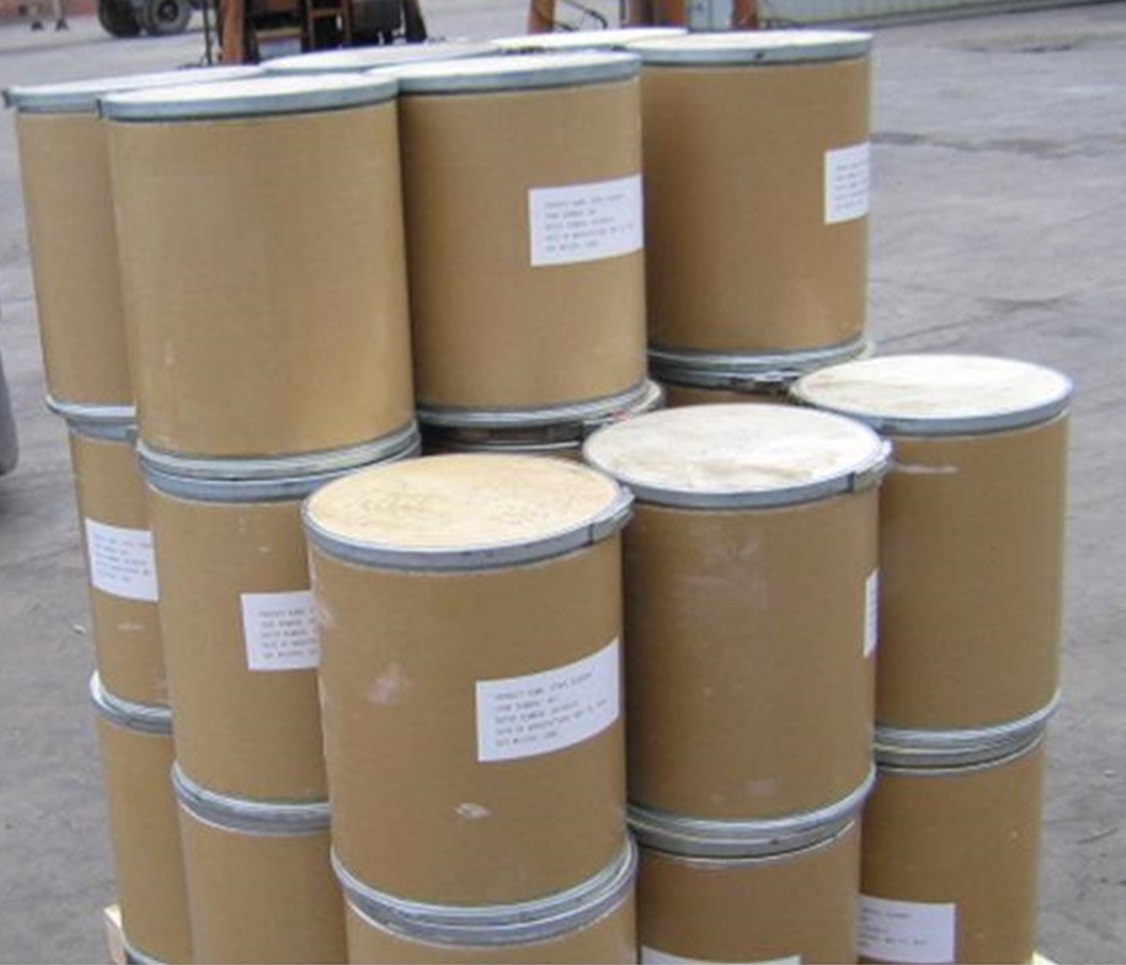
| Packaging Materials | PE-lined bags, HDPE containers, fiber drums |
QUALITY AND CERTIFICATION SUMMARY
| Certificate / Standard | Status |
|---|---|
| ISO 9001:2015 | Certified manufacturing sites |
| REACH (EC 1907/2006) | Registered and compliant |
| FDA 21 CFR | Permitted for use |
| USP/EP | Pharmaceutical grade available |
| Halal | Available upon request |
| Kosher | Available upon request |
Disclaimer: This Technical Data Sheet provides typical values for reference purposes only. All values are based on standard laboratory measurements and do not constitute a binding specification. For binding properties, please request the Certificate of Analysis (COA) for each specific batch. The user is solely responsible for determining product suitability for their intended application and for compliance with all applicable regulations. Safety Data Sheet (SDS) must be requested from the supplier before use.