We unleash your business potential by maximize the business innovation.
Send EmailPovidone Iodine, Polyvinyl Pyrrolidone-iodine, PVP Iodine, PVP-I, 25655-41-8
POVIDONE IODINE (PVP-IODINE)
PRODUCT IDENTIFIER INFORMATION
| Parameter | Information |
|---|---|
| Product Name | Povidone Iodine |
| Chemical Name | Polyvinylpyrrolidone-Iodine Complex (Iodophor) |
| CAS Number | 25655-41-8 |
| Alternative CAS Number | 74500-22-4 (high-iodine variant) |
| Molecular Formula | C6H10I3NO |
| Molecular Weight | 492.87 g/mol |
SECTION 1: CHEMICAL IDENTITY AND DESCRIPTION
| Parameter | Information |
|---|---|
| Chemical Name (IUPAC) | 1-Ethenyl-2-pyrrolidinone, homopolymer, compound with iodine |
| Synonyms | Povidone Iodine, PVP-I, PVP Iodine, Polyvinylpyrrolidone-Iodine Complex, Provodin, Betadine |
| Trade Names | Betadine, Pharmadine, Efo-dine, Provodin, Povidex, Isodine |
| CAS Number (Standard) | 25655-41-8 |
| CAS Number (High-Iodine Variant) | 74500-22-4 |
| MDL Number | MFCD00084483 |
| Molecular Formula | C6H10I3NO |
| Molecular Weight | 492.87 g/mol |
| Chemical Class | Iodophor complex (polyvinylpyrrolidone + iodine) |
| Available Iodine Content | 9-12% (standard), up to 14% (high-iodine variant) |
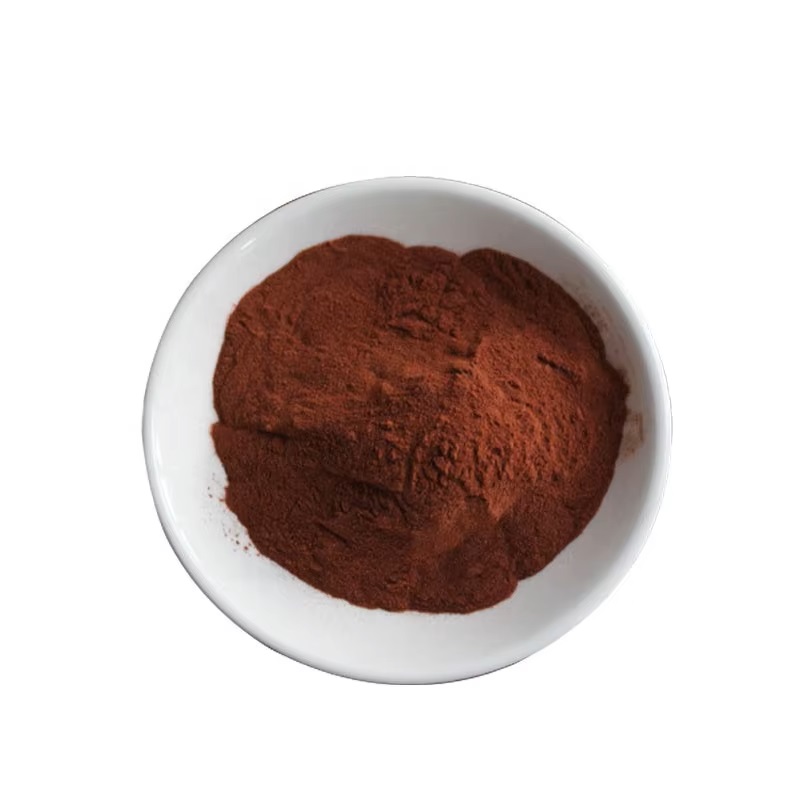
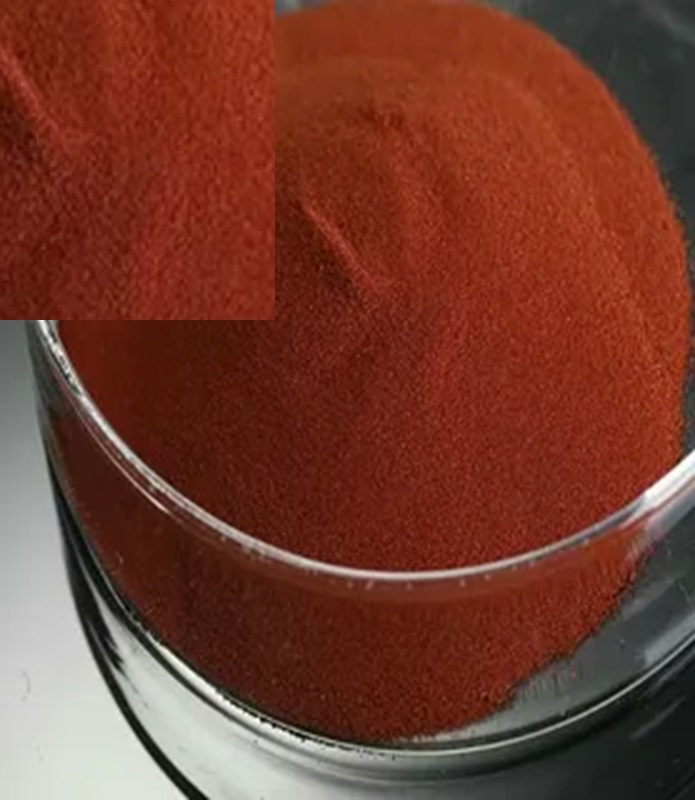
| Physical State (20°C) | Solid (yellowish-brown to reddish-brown amorphous powder) |
| Odor | Slight characteristic odor |
| Chemical Character | Stabilized iodine complex with controlled iodine release |
SECTION 2: PHYSICAL AND CHEMICAL PROPERTIES
| Property | Value | Test Method |
|---|---|---|
| Appearance | Yellowish-brown to reddish-brown amorphous powder | Visual |
| Odor | Slight characteristic odor | Olfactometric |
| Molecular Weight | 492.87 g/mol | Calculated |
| Melting Point | 300°C (decomposes) | DSC |
| Boiling Point | 217.6°C (at 760 mmHg) | Calculated |
| Flash Point | 93.9°C | ASTM D93 |
| Vapor Pressure (25°C) | 0.132 mmHg | ASTM D2879 |
| pH (Aqueous Solution) | Acidic (typically 2.0 - 4.0 for 10% solution) | pH Meter |
| Solubility in Water | Soluble | General Method |
| Solubility in Ethanol | Soluble | General Method |
| Solubility in Ether | Insoluble | General Method |
| Solubility in Chloroform | Insoluble | General Method |
| Solubility in Acetone | Insoluble | General Method |
| Solubility in Carbon Tetrachloride | Insoluble | General Method |
| Stability | Stable under dry, closed conditions; light and moisture sensitive |
SECTION 3: COMPARISON OF POVIDONE IODINE AND ELEMENTAL IODINE
| Property | Povidone Iodine (CAS 25655-41-8) | Elemental Iodine (CAS 7553-56-2) |
|---|---|---|
| Chemical Structure | Iodophor complex (Polyvinylpyrrolidone + Iodine) | Pure diatomic iodine (I2) |
| Molecular Weight | ~365-493 g/mol (depending on complex ratio) | 253.81 g/mol |
| Iodine Content | ~9-14% (controlled release) | 100% iodine |
| Toxicity | Low – safe for skin and mucous membranes | High – irritating and volatile |
| Solubility | Soluble in water, ethanol, methanol, isopropanol | Slightly soluble in water; soluble in organic solvents |
| Physical Form | Yellowish-brown amorphous powder or gel | Dark violet crystals or granules |
| Application Type | Topical antiseptic, wound care, surgical preparation | Chemical synthesis, analytical reagent, iodized salt, feed additive |
| Pharmaceutical Use | Direct skin/mucous membrane application | API intermediate or tincture component |
| Laboratory Use | Microbiological disinfectant, in vitro rinsing | Redox titration, iodine value determination |
| Storage Stability | Stable under dry, closed conditions | Sensitive to oxidation and sublimation |
| Release Mechanism | Controlled iodine release | Immediate iodine availability |
| Regulatory Status | Finished product component | Chemical intermediate |
SECTION 4: SECTORAL USE COMPARISON
| Sector | Povidone Iodine Applications | Elemental Iodine Applications |
|---|---|---|
| Pharmaceutical | Antiseptic gels, surgical prep, gynecological wash solutions | API synthesis, tincture iodine |
| Hygiene and Disinfection | Skin cleansers, wound disinfectants | Raw material for iodophor production |
| Laboratory and Clinical | In vitro rinsing, microbiological testing | Analytical reagent, iodine value test |
| Cosmetic | Active ingredient in skin hygiene products | Not typically used directly |
| Medical Equipment | Disinfection of surgical instruments and metal surfaces | Used in sterilization formulations |
| Agriculture and Feed | Not direct; via iodophor formulations | Micronutrient additive in animal feed |
| Food Industry | Not direct; used in antiseptic packaging | Iodized salt production |
| Chemical Industry | Iodophor synthesis | Halogenation, catalyst, intermediate |
| Trade and Customs | CAS 25655-41-8 / 74500-22-4 for antiseptic products | CAS 7553-56-2 / 12190-71-5 for technical iodine classification |
SECTION 5: CAS NUMBER REFERENCE TABLE
| CAS Number | Compound Type | Notes |
|---|---|---|
| 25655-41-8 | Povidone Iodine (standard) | Most common iodophor antiseptic; USP/EP compliant |
| 74500-22-4 | Povidone Iodine (variant) | Higher iodine content; used in gels and surgical formulations |
| 7553-56-2 | Elemental Iodine (granule) | Pure iodine; used in synthesis, analysis, and iodized salt |
| 12190-71-5 | Elemental Iodine (pure) | High-purity analytical grade; used in laboratory and pharmaceutical synthesis |
SECTION 6: SYNONYMS BY CAS NUMBER
Povidone Iodine (CAS 25655-41-8 / 74500-22-4):
| Synonym / Trade Name | Context / Notes |
|---|---|
| Povidone Iodine | INCI name, most common international designation |
| PVP-I | Polyvinylpyrrolidone-Iodine abbreviation |
| Povidon Iyot | Turkish spelling |
| Povidon Iyodin | Alternative Turkish spelling |
| Polivinil Prolidon Iyot | Turkish chemical variant |
| Provodin | Trade name |
| Betadine | Widely recognized trademark |
| Efo-dine | Regional trade name |
| Pharmadine | Brand used in hospital-grade antiseptics |
| PVP Iodine | Common catalog name |
| Polyvinylpyrrolidone-Iodine Complex | Structural description |
| Hydrogen triiodide compound | Used in CAS 74500-22-4 descriptions |
| 1-Ethenyl-homopolymer iodine compound | Chemical description |
| Iodine compound | Simplified chemical description |
Elemental Iodine (CAS 7553-56-2 / 12190-71-5):
| Synonym / Trade Name | Context / Notes |
|---|---|
| Iodine | General name |
| Molecular Iodine | Structural reference (I2) |
| Diiodine | Official chemical name |
| Prilled Iodine | Bead form used in industry |
| Iodine Crystals | Describes physical appearance |
| Iodine Powder | Commercial form |
| Iodine (USP/ACS) | Pharmaceutical and analytical grade |
| Iodine Solution Standard Substance | Analytical reagent grade |
| Iodin | German variant spelling |
| HX968 | Supplier-specific catalog code |
| Sublimed Iodine | Purified form |
| Double Sublimed Iodine | Double-purified form |
SECTION 7: FUNCTIONAL PROPERTIES AND MECHANISM OF ACTION
| Property | Description |
|---|---|
| Antimicrobial Effect | Broad-spectrum microbicidal activity against bacteria, viruses, fungi, protozoa, and spores |
| Controlled Release Mechanism | PVP polymer acts as a carrier, gradually releasing free iodine (I2) upon contact with skin or mucous membranes |
| Residual Activity | Provides prolonged antimicrobial effect due to sustained iodine release |
| Low Irritation | PVP carrier minimizes the irritating effects of free iodine on skin and mucous membranes |
| Non-Staining | Unlike tincture iodine, PVP-I solutions are less staining and easily washable |
| Water Solubility | Complex formation with PVP enables excellent water solubility, unlike elemental iodine |
| Deiodinization Not Required | Post-use deiodinization with ethanol is not required, unlike elemental iodine preparations |
| Non-Corrosive | Does not corrode surgical instruments or metal surfaces at recommended concentrations |
SECTION 8: PRIMARY APPLICATION AREAS
| Application Area | Function | Typical Concentration |
|---|---|---|
| Antiseptic | Microbicidal disinfectant for skin and mucous membranes | 7.5-10% solution |
| Wound Care | Prevents infection in cuts, burns, and abrasions | 10% ointment/cream |
| Surgical Preparation | Pre-operative skin disinfection | 7.5-10% scrub/solution |
| Gynecological Products | Vaginal antiseptic wash solutions and suppositories | 10% solution |
| Ophthalmic Preparations | Antiseptic in eye drops | 0.4-2.5% solution |
| Nasal Preparations | Antiseptic in nasal drops | 1-5% solution |
| Topical Creams | Antiseptic in dermatological formulations | 5-10% cream |
| Medical Equipment | Disinfection of surgical instruments | 2.5-10% solution |
| Laboratory | Microbiological disinfectant, in vitro rinsing | 1-10% solution |
| Oral Care | Mouthwash and gargle for oral hygiene | 0.5-1% solution |
SECTION 9: QUALITY SPECIFICATIONS (USP/EP GRADE)
| Parameter | Specification | Test Method |
|---|---|---|
| Appearance | Yellowish-brown to reddish-brown amorphous powder | Visual |
| Odor | Slight characteristic odor | Olfactometric |
| Identification (IR) | Conforms to reference standard | USP/EP Monograph |
| Available Iodine (Titratable I2) | 9.0 - 12.0% (on dried basis) | Iodometric Titration |
| Loss on Drying (105°C, 3 hours) | ≤ 8.0% | Gravimetric |
| pH (10% aqueous suspension) | 1.5 - 5.0 | pH Meter |
| Iodide (I-) | ≤ 6.0% (calculated as KI) | Potentiometric Titration |
| Residue on Ignition | ≤ 0.1% | Gravimetric (600°C) |
| Heavy Metals (as Pb) | ≤ 20 ppm | ICP-MS / USP <231> |
| Lead (Pb) | ≤ 2 ppm | ICP-MS |
| Arsenic (As) | ≤ 3 ppm | ICP-MS |
| Mercury (Hg) | ≤ 1 ppm | ICP-MS |
| Cadmium (Cd) | ≤ 1 ppm | ICP-MS |
| Nitrogen Content | 9.5 - 11.5% (on dried basis) | Kjeldahl |
| Total Microbial Count | ≤ 100 CFU/g | USP <61> |
| Yeast and Mold | ≤ 10 CFU/g | USP <61> |
| Pseudomonas aeruginosa | Negative in 1g | USP <62> |
| Staphylococcus aureus | Negative in 1g | USP <62> |
SECTION 10: TOXICOLOGICAL PROFILE
| Parameter | Value |
|---|---|
| Acute Oral Toxicity (LD50, Rat) | > 5,000 mg/kg (low toxicity due to PVP complex) |
| Acute Dermal Toxicity (LD50, Rabbit) | > 2,000 mg/kg |
| Skin Irritation | Mild irritant (significantly less than elemental iodine) |
| Eye Irritation | Mild-moderate irritant |
| Respiratory Irritation | Powder inhalation may cause mechanical irritation |
| Skin Sensitization | Low sensitization potential |
| Carcinogenicity | Not classified (IARC, NTP) |
| Mutagenicity | Negative in standard tests |
| Reproductive Toxicity | No known adverse effects at therapeutic doses |
| Chronic Toxicity | Long-term topical use generally well-tolerated |
| Thyroid Function | Prolonged use on large surface areas may affect thyroid function due to iodine absorption |
SECTION 11: GHS CLASSIFICATION AND LABELING
GHS Classification (compliant with 1272/2008/EC):
| Hazard Class | Category | H-Statement |
|---|---|---|
| Skin Irritation | Category 2 | H315 |
| Serious Eye Damage/Irritation | Category 2 | H319 |
| Specific Target Organ Toxicity (STOT - SE) | Category 3 | H335 |
| Chronic Aquatic Toxicity | Category 3 | H412 |
Signal Word: WARNING
Hazard Pictograms:
┌─────────┐
│   !     │  GHS07 - Exclamation Mark
└─────────┘
Hazard Statements (H-Codes):
| Code | Statement |
|---|---|
| H315 | Causes skin irritation |
| H319 | Causes serious eye irritation |
| H335 | May cause respiratory irritation |
| H412 | Harmful to aquatic life with long lasting effects |
Precautionary Statements (P-Codes):
| Code | Statement |
|---|---|
| P261 | Avoid breathing dust/fume/gas/mist/vapors/spray |
| P264 | Wash hands thoroughly after handling |
| P271 | Use only outdoors or in a well-ventilated area |
| P280 | Wear protective gloves/eye protection/face protection |
| P302+P352 | IF ON SKIN: Wash with plenty of water and soap |
| P305+P351+P338 | IF IN EYES: Rinse cautiously with water for several minutes. Remove contact lenses, if present and easy to do. Continue rinsing |
| P312 | Call a POISON CENTER/doctor if you feel unwell |
| P403+P233 | Store in a well-ventilated place. Keep container tightly closed |
| P501 | Dispose of contents/container to an approved waste disposal facility |
SECTION 12: FIRST AID MEASURES
| Exposure Route | Action to Take |
|---|---|
| Inhalation | Move to fresh air. Seek medical attention if respiratory irritation persists. |
| Skin Contact | Wash with plenty of water and soap. Seek medical attention if irritation develops. |
| Eye Contact | Rinse immediately with plenty of water for at least 15 minutes. Remove contact lenses if present. Seek medical attention if irritation persists. |
| Ingestion | Rinse mouth with water. Drink plenty of water. Do NOT induce vomiting. Seek medical attention if you feel unwell. |
SECTION 13: FIREFIGHTING MEASURES
| Parameter | Information |
|---|---|
| Fire Hazard | Low fire hazard; may release toxic iodine vapors when heated |
| Hazards During Fire | Toxic iodine (I2) vapors, hydrogen iodide (HI), nitrogen oxides (NOx), carbon monoxide (CO) |
| Suitable Extinguishing Media | Water spray, alcohol-resistant foam, dry chemical powder, CO2 |
| Special Protective Equipment | Self-contained breathing apparatus (SCBA), full protective clothing |
| Special Precautions | Cool containers exposed to fire with water mist. Prevent firefighting water from entering the environment. |
SECTION 14: STORAGE AND SHELF LIFE
| Parameter | Information |
|---|---|
| Storage Conditions | Cool (15-25°C), dry, well-ventilated area; protected from light and moisture |
| Container Requirements | Tightly closed, light-resistant containers |
| Keep Away From | Heat, direct sunlight, moisture, strong reducing agents, ammonia, ammonium salts |
| Shelf Life | 36 months (unopened original packaging under appropriate storage conditions) |
| Stability Note | Stable under dry, closed conditions; moisture may cause caking and iodine loss |
SECTION 15: PACKAGING OPTIONS
| Packaging Type | Quantity | Material |
|---|---|---|
| Aluminum foil pouch | 1 kg | Laminated aluminum |
| Aluminum foil pouch | 5 kg | Laminated aluminum |
| HDPE drum (light-protected) | 25 kg | HDPE |
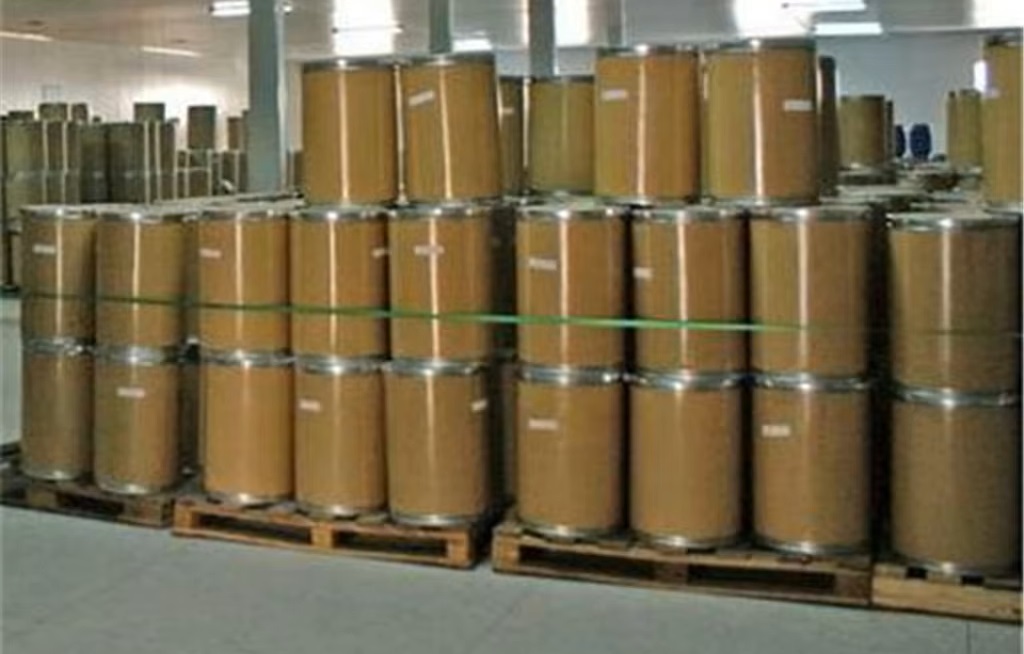
| Fiber drum with PE liner | 25-50 kg | Fiberboard + PE |
| Plastic jar (light-resistant) | 1-5 kg | HDPE (amber) |
SECTION 16: TRANSPORTATION INFORMATION
| Parameter | Information |
|---|---|
| UN Number | Not regulated as dangerous goods |
| Hazard Class | Not applicable |
| Packing Group | Not applicable |
| ADR/RID | Not regulated |
| IMDG Code | Not regulated |
| IATA (Air) | Not regulated |
| Marine Pollutant | No |
| Transport Temperature | Ambient (15-25°C) |
SECTION 17: ACCIDENTAL RELEASE AND CLEANUP
| Parameter | Information |
|---|---|
| Personal Protection | Nitrile gloves, safety goggles, dust mask (N95) |
| Cleanup Methods | Sweep up or vacuum dry. Collect in closed, labeled containers. Avoid dust formation. |
| Environmental Precautions | Prevent entry into drains, soil, and surface water. |
| Waste Disposal | According to local/national regulations; incineration at licensed disposal facility. |
SECTION 18: REGULATORY STATUS
| Region / Authority | Status |
|---|---|
| USA (USP-NF) | Official monograph (USP Povidone Iodine) |
| European Pharmacopoeia | Official monograph (Ph. Eur. Povidone Iodine) |
| USA (FDA) | OTC monograph for topical antiseptic use; GRAS for certain food contact applications |
| European Union | Approved active substance in biocidal products (BPR Regulation); cosmetic ingredient |
| WHO Essential Medicines List | Essential medicine as antiseptic and disinfectant |
| Turkey | Registered pharmaceutical active ingredient; cosmetic ingredient |
| INCI | Povidone Iodine (listed cosmetic ingredient) |
SECTION 19: OTHER NAMES AND SYNONYMS
| Type | Name |
|---|---|
| Chemical Names | Povidone Iodine, Polyvinylpyrrolidone-Iodine Complex, PVP-Iodine |
| Trade Names | Betadine, Pharmadine, Provodin, Efo-dine, Povidex, Isodine, Betaseptic |
| Pharmacopoeia Names | Povidone Iodine (USP), Povidonum Iodinated (Ph. Eur.) |
| Turkish Names | Povidon Iyot, Povidon Iyodin, Polivinil Prolidon Iyot |
| Abbreviated Names | PVP-I, PVP Iodine |
| CAS Number (Standard) | 25655-41-8 |
| CAS Number (Variant) | 74500-22-4 |
SECTION 20: COMPARISON WITH OTHER IODINE-BASED ANTISEPTICS
| Property | Povidone Iodine | Tincture Iodine | Iodine Solution (Lugol's) | Chlorhexidine (for reference) |
|---|---|---|---|---|
| Active Ingredient | PVP-Iodine Complex | I2 in Ethanol | I2 + KI in Water | Chlorhexidine Gluconate |
| Iodine Content | 9-12% | 2-7% | 1-5% | None |
| Skin Irritation | Low | Moderate-High | Moderate | Very Low |
| Staining | Low | High | Moderate | None |
| Residual Activity | Yes (4-6 hours) | Limited | Limited | Yes (6-8 hours) |
| Antimicrobial Spectrum | Broad | Broad | Broad | Good (limited vs. fungi) |
| Wound Use | Yes | Not recommended | Limited | Yes |
| Mucous Membrane | Yes (diluted) | No | Limited | No |
| Surgical Scrub | Yes (gold standard) | No | No | Yes (alternative) |
SECTION 21: SUMMARY TABLE
| Parameter | Value |
|---|---|
| Product | Povidone Iodine (PVP-Iodine) |
| CAS Number | 25655-41-8 |
| Molecular Formula | C6H10I3NO |
| Molecular Weight | 492.87 g/mol |
| Appearance | Yellowish-brown to reddish-brown amorphous powder |
| Available Iodine Content | 9-12% |
| Solubility | Soluble in water and ethanol |
| Primary Function | Broad-spectrum topical antiseptic, wound care, surgical preparation |
| Shelf Life | 36 months (unopened original packaging) |
| GHS Signal Word | Warning |
| Regulatory Status | USP/EP monograph, FDA OTC, WHO Essential Medicine |
SECTION 22: CRITICAL WARNINGS AND BEST PRACTICES
CRITICAL SAFETY WARNINGS:
-
Thyroid Function: Prolonged use on large surface areas, especially in patients with pre-existing thyroid conditions, may affect thyroid function due to systemic iodine absorption.
-
Hypersensitivity: Rare cases of hypersensitivity reactions including anaphylaxis have been reported. Discontinue use if rash, itching, or swelling occurs.
-
Pregnancy and Lactation: Use during pregnancy and lactation only when clearly needed and under medical supervision. Vaginal use near term should be avoided.
-
Neonates: Use with caution in neonates and very young infants due to potential for systemic iodine absorption through immature skin.
-
Lithium Interaction: Patients on lithium therapy should avoid prolonged use as iodine may potentiate lithium's anti-thyroid effects.
-
Incompatible Materials: Avoid contact with strong reducing agents, ammonia, ammonium salts, alkaloids, and thiosulfates which may inactivate iodine.
BEST PRACTICE RECOMMENDATIONS:
-
Fresh Preparation: Prepare aqueous solutions fresh or use within recommended period; iodine content may decrease over time.
-
Proper Dilution: Follow manufacturer's instructions for proper dilution ratios for specific applications (surgical scrub, wound irrigation, etc.).
-
Contact Time: Allow sufficient contact time (minimum 1-2 minutes for disinfection, 2-3 minutes for surgical preparation) for optimal antimicrobial effect.
-
Avoid Occlusion: Do not apply under occlusive dressings on large areas to minimize systemic absorption.
-
Storage: Store in original light-resistant containers; keep tightly closed when not in use.
-
Quality Verification: Source only from GMP-certified manufacturers; verify available iodine content per pharmacopoeia specifications.
LEGAL DISCLAIMER:
The information provided in this document is presented in good faith based on our current knowledge and experience; however, since all usage conditions are beyond our control, it does not constitute a binding specification or warranty. This Technical Data Sheet is for informational purposes only and does not constitute medical advice. Users are obligated to test the suitability for their own applications. For complete safety, storage, handling, transportation, disposal, and regulatory compliance information, refer to the official Safety Data Sheet (SDS/MSDS) provided by the manufacturer/supplier. This product is not intended to diagnose, treat, cure, or prevent any disease.