We unleash your business potential by maximize the business innovation.
Send EmailBenzophenone, Benzophenone-1, Benzophenone-3, Benzophenone-4, Diphenylmethanone, Dihydroxybenzophenone, Oxybenzone, Sulisobenzone, 119-61-9, 131-56-6, 131-57-7, 4065-45-6
BENZOPHENONE AND DERIVATIVES
SECTION 1: GENERAL OVERVIEW AND PRODUCT IDENTITIES
| Parameter | Benzophenone | Benzophenone-1 | Benzophenone-3 (Oxybenzone) | Benzophenone-4 (Sulisobenzone) |
|---|---|---|---|---|
| Product Name | Benzophenone | Benzophenone-1 | Benzophenone-3 | Benzophenone-4 |
| Chemical Name | Diphenylmethanone | 2,4-Dihydroxybenzophenone | 2-Hydroxy-4-methoxybenzophenone | 2-Hydroxy-4-methoxybenzophenone-5-sulfonic acid |
| Other Names | Diphenyl Ketone, Benzoylbenzene | 2,4-DHB | Oxybenzone, Eusolex 4360, UV-9 | Sulisobenzone |
| CAS Number | 119-61-9 | 131-56-6 | 131-57-7 | 4065-45-6 |
| EC Number | 204-305-5 | 205-028-9 | 205-031-5 | 223-768-5 |
| Molecular Formula | C₁₃H₁₀O | C₁₃H₁₀O₃ | C₁₄H₁₂O₃ | C₁₄H₁₂O₆S (Acid) / C₁₄H₁₁NaO₆S (Salt) |
| Molecular Weight | 182.22 g/mol | 214.22 g/mol | 228.24 g/mol | 308.31 g/mol (Acid) / 330.29 g/mol (Salt) |
| Chemical Class | Aromatic Ketone | Benzophenone Derivative | Benzophenone Derivative | Benzophenone Derivative |
| Primary Function | Fragrance fixative, photoinitiator | UV absorber, light stabilizer | UV filter (UVA/UVB) | Water-soluble UV filter |
SECTION 2: CHEMICAL STRUCTURE
Benzophenone (CAS 119-61-9):
        O
        ‖
    C₆H₅—C—C₆H₅

    Diphenylmethanone
    Benzophenone
Benzophenone-1 (CAS 131-56-6):
        O
        ‖
    HO—C₆H₃—C—C₆H₅
       |
      OH

    2,4-Dihydroxybenzophenone
    Benzophenone-1
Benzophenone-3 (CAS 131-57-7) - Oxybenzone:
        O
        ‖
    CH₃O—C₆H₃—C—C₆H₄—OH
       |
      OH

    2-Hydroxy-4-methoxybenzophenone
    Oxybenzone
    Benzophenone-3
Benzophenone-4 (CAS 4065-45-6) - Sulisobenzone:
        O
        ‖
    NaO₃S—C₆H₂—C—C₆H₄—OH
       |
      OCH₃

    2-Hydroxy-4-methoxy-5-sulfobenzophenone sodium salt
    Sulisobenzone
    Benzophenone-4
SECTION 3: BENZOPHENONE (CAS 119-61-9) - DIPHENYLMETHANONE
3.1 PHYSICAL AND CHEMICAL PROPERTIES
| Property | Value | Test Method / Note |
|---|---|---|
| Appearance | White crystalline solid | Visual |
| Odor | Rose-like, sweetish | Organoleptic |
| Melting Point | 47.8 – 48.5 °C | DSC / Capillary |
| Boiling Point | 305 °C | ASTM D86 |
| Boiling Point (15 mmHg) | 150-155 °C | - |
| Density (20°C) | 1.110 – 1.114 g/cm³ | Pycnometer |
| Refractive Index (n²⁰/D) | 1.6077 | ASTM D1218 |
| Vapor Pressure (25°C) | < 0.1 mmHg | - |
| Flash Point | > 150 °C | ASTM D93 |
| Autoignition Temperature | ~570 °C | - |
3.2 SOLUBILITY PROFILE
| Solvent / Medium | Solubility (25°C) |
|---|---|
| Water | Insoluble (~0.15 g/L) |
| Ethanol | Soluble (~300 g/L) |
| Acetone | Highly soluble |
| Benzene | Highly soluble |
| Chloroform | Highly soluble |
| Ether | Highly soluble |
| Toluene | Highly soluble |
| Oils (Vegetable, Mineral) | Soluble |
| Sodium Hydroxide | Insoluble |
3.3 PURITY AND ANALYTICAL SPECIFICATIONS
| Parameter | Specification | Typical Value | Test Method |
|---|---|---|---|
| Purity (GC) | ≥99.0% | 99.5% | GC (FID) |
| Melting Point | 47.8 – 48.5 °C | 48.0 °C | Capillary |
| Loss on Drying | ≤0.5% | <0.1% | USP <731> |
| Ash Content | ≤0.1% | <0.05% | USP <281> |
| Color (APHA) | ≤ 50 | < 20 | ASTM D1209 |
| Acidity | ≤ 0.1 mg KOH/g | < 0.05 | Titration |
| Water Content (KF) | ≤0.1% | <0.05% | Karl Fischer |
| Heavy Metals (Pb) | ≤ 10 ppm | < 5 ppm | USP <231> |
3.4 APPLICATIONS
| Application Category | Function / Description |
|---|---|
| Perfume and Soap Industry | Used as a fragrance fixative. Enhances the longevity of volatile fragrances in rose, geranium, vanilla, cream, peach, and oriental essences. |
| Pharmaceutical Synthesis | Intermediate in the production of antihistamines such as diphenhydramine hydrochloride and bicyclohexypridine. |
| Organic Pigment and Pesticide Production | Intermediate in the synthesis of various organic pigments and pesticides. |
| Photoinitiator | Polymerization initiator in UV-curable coatings, inks, and adhesives. |
| Polymerization Inhibitor | Prevents spontaneous polymerization (solidification) of monomers like styrene and acrylates during storage. |
| UV Absorber and Stabilizer | Light stabilizer in varnishes, polishes, and some plastics to prevent degradation from sunlight exposure. |
SECTION 4: BENZOPHENONE-1 (CAS 131-56-6) - 2,4-DIHYDROXYBENZOPHENONE
4.1 PHYSICAL AND CHEMICAL PROPERTIES
| Property | Value | Test Method / Note |
|---|---|---|
| Appearance | White - Light yellow crystalline | Visual |
| Odor | Slight characteristic | Organoleptic |
| Melting Point | 68 – 71 °C | DSC / Capillary |
| Boiling Point | >300 °C (decomposes) | - |
| Density (25°C) | ~1.38 g/cm³ | Pycnometer |
| Vapor Pressure | Low | - |
| Flash Point | >150 °C | ASTM D93 |
4.2 SOLUBILITY PROFILE
| Solvent / Medium | Solubility (25°C) |
|---|---|
| Water | Slightly soluble (~0.5 g/L) |
| Ethanol | Soluble |
| Methanol | Soluble |
| Acetone | Soluble |
| Ethyl Acetate | Soluble |
| Toluene | Partially soluble |
| NaOH (Aqueous) | Soluble (phenolic property) |
4.3 APPLICATIONS
| Application Category | Function / Description |
|---|---|
| Plastics and Polymers | UV absorber and light stabilizer to prevent yellowing or degradation of products under light exposure. |
| Adhesives and Resins | UV absorber to prevent degradation of adhesives and resins under sunlight. |
| Coatings and Varnishes | Light stabilizer providing long-term UV protection in automotive and exterior coatings. |
| Photoinitiator | Polymerization initiator in UV-curable systems. |
| Automotive Coatings | Preferred in areas requiring long-term light stability for exterior applications. |
SECTION 5: BENZOPHENONE-3 (CAS 131-57-7) - OXYBENZONE
5.1 PHYSICAL AND CHEMICAL PROPERTIES
| Property | Value | Test Method / Note |
|---|---|---|
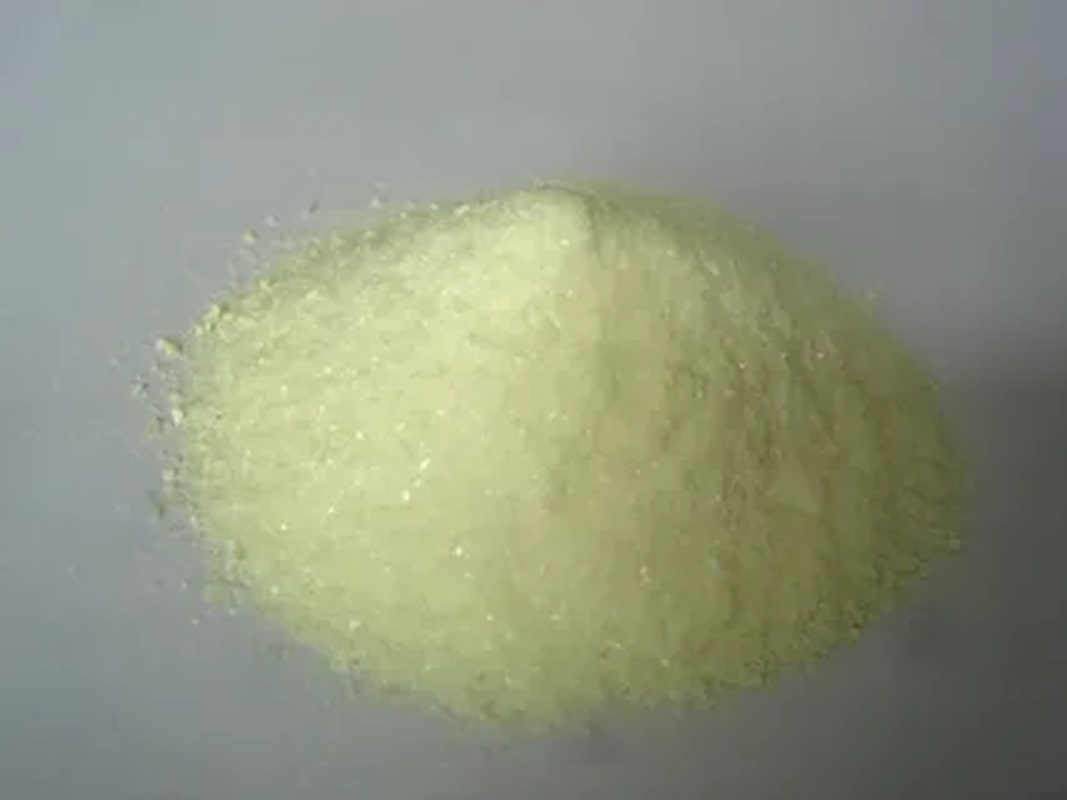
| Appearance | Pale yellow - Light yellow crystalline powder | Visual |
| Odor | Slight floral odor | Organoleptic |
| Melting Point | 62 – 64 °C | DSC / Capillary |
| Boiling Point | >300 °C (decomposes) | - |
| Density (25°C) | ~1.24 g/cm³ | Pycnometer |
| Vapor Pressure (25°C) | ~8.7 × 10⁻⁷ mmHg | - |
| Flash Point | >150 °C | ASTM D93 |
| log P | 3.79 | - |
| pKa | ~7.6 | - |
| Maximum Absorbance (UV) | 288 nm, 325 nm (ethanol) | Spectrophotometry |
5.2 SOLUBILITY PROFILE
| Solvent / Medium | Solubility (25°C) |
|---|---|
| Water | Insoluble (~0.02 g/L) |
| Ethanol | Soluble (~300 g/L) |
| Methanol | Soluble |
| Acetone | Highly soluble |
| Ethyl Acetate | Highly soluble |
| Oils (Vegetable, Mineral) | Soluble |
| Propylene Glycol | Partially soluble |
| Glycerin | Slightly soluble |
| Sodium Hydroxide | Soluble (due to phenolic OH) |
5.3 PURITY AND ANALYTICAL SPECIFICATIONS
| Parameter | Specification | Typical Value | Test Method |
|---|---|---|---|
| Purity (HPLC) | ≥98.0% | 99.0% | HPLC |
| Melting Point | 62 – 64 °C | 62.5 – 63.5 °C | Capillary |
| Loss on Drying | ≤0.5% | <0.1% | USP <731> |
| Ash Content | ≤0.1% | <0.05% | USP <281> |
| Acidity | ≤ 0.5 mg KOH/g | < 0.2 | Titration |
| Water Content (KF) | ≤0.1% | <0.05% | Karl Fischer |
| Heavy Metals (Pb) | ≤ 10 ppm | < 5 ppm | USP <231> |
| Related Substances | ≤1.0% | <0.5% | HPLC |
| UV Absorbance (325 nm) | ≥ 400 | - | Spectrophotometry |
5.4 APPLICATIONS
| Application Category | Function / Description | Typical Use Level |
|---|---|---|
| Cosmetics and Sunscreens | Absorbs UV-A and UV-B rays. Used in sunscreens, lotions, lipsticks, daily care creams. | 1 – 10% (US: ≤6%, EU: ≤10%) |
| Color Stabilizer | Prevents color fading of colorants in soaps, shower gels, shampoos under sunlight. | 0.1 – 0.5% |
| Fragrance Stabilizer | Prevents oxidation and degradation of fragrances in perfumes and scented products. | 0.1 – 0.5% |
| Polymerization Inhibitor | Inhibitor in the production and storage of styrene and other monomers. | 50 – 200 ppm |
| Packaging and Plastics | Light stabilizer to prevent degradation of packaging materials and plastics under sunlight. | 0.1 – 0.5% |
SECTION 6: BENZOPHENONE-4 (CAS 4065-45-6) - SULISOBENZONE
6.1 PHYSICAL AND CHEMICAL PROPERTIES
| Property | Value | Test Method / Note |
|---|---|---|
| Appearance | Yellowish - Light yellow powder | Visual |
| Odor | Slight characteristic | Organoleptic |
| Melting Point | >320 °C (decomposes) | DSC |
| pH (1% Aqueous Solution, Acid) | 4.0 – 6.0 | USP <791> |
| pH (1% Aqueous Solution, Salt) | 6.0 – 8.0 | USP <791> |
| Density | ~1.5 g/cm³ | Pycnometer |
| Maximum Absorbance (UV) | ~288 nm, ~325 nm (water) | Spectrophotometry |
6.2 SOLUBILITY PROFILE
| Solvent / Medium | Solubility (25°C) |
|---|---|
| Water | Highly soluble (>500 g/L) |
| Ethanol | Partially soluble |
| Methanol | Partially soluble |
| Acetone | Slightly soluble |
| Oils (Vegetable, Mineral) | Insoluble |
| Propylene Glycol | Partially soluble |
| Glycerin | Partially soluble |
6.3 APPLICATIONS
| Application Category | Function / Description | Typical Use Level |
|---|---|---|
| Water-Based Sunscreens | Water-soluble UV filter; increases SPF when combined with oil-soluble UV filters. | 5 – 10% (US: ≤10%, EU: ≤10%) |
| Transparent Cosmetic Products | Water-soluble structure prevents cloudiness in gels and transparent formulations. | 1 – 5% |
| Color Protector | Prevents color fading in shampoos, conditioners, mascaras, and color cosmetics. | 0.1 – 0.5% |
| Fragrance Stabilizer | Prevents oxidation and degradation of fragrances in perfumes and scented products. | 0.1 – 0.5% |
| Preservative Aid | Extends shelf life by preventing microbial growth. | 0.1 – 0.5% |
| Penetration Enhancer | Helps other active ingredients penetrate the skin more quickly and effectively. | 0.1 – 1.0% |
SECTION 7: BENZOPHENONE DERIVATIVES COMPARISON TABLE
| Property / Criterion | Benzophenone | Benzophenone-1 | Benzophenone-3 | Benzophenone-4 |
|---|---|---|---|---|
| CAS Number | 119-61-9 | 131-56-6 | 131-57-7 | 4065-45-6 |
| Molecular Formula | C₁₃H₁₀O | C₁₃H₁₀O₃ | C₁₄H₁₂O₃ | C₁₄H₁₂O₆S |
| Molecular Weight | 182.22 g/mol | 214.22 g/mol | 228.24 g/mol | 308.31 g/mol |
| Appearance | White crystalline | White - Light yellow | Pale yellow powder | Yellowish powder |
| Odor | Rose-like | Slight characteristic | Slight floral | Slight characteristic |
| Melting Point | ~48 °C | ~68-71 °C | ~62-64 °C | >320 °C |
| Water Solubility | Insoluble | Slightly soluble | Insoluble | High |
| Oil Solubility | High | Moderate | High | Insoluble |
| Primary Function | Fragrance fixative, photoinitiator | UV absorber, light stabilizer | UV filter (UVA/UVB) | Water-soluble UV filter |
| Cosmetic Use | Limited | Limited | Widespread | Widespread |
| FDA Approval | Limited in cosmetics | Industrial | Yes (≤6%) | Yes (≤10%) |
| EU Approval | Limited in cosmetics | Industrial | Yes (≤10%) | Yes (≤10%) |
SECTION 8: UV ABSORPTION SPECTRUM
| Compound | UVB (290-320 nm) | UVA (320-400 nm) | Maximum Absorbance (nm) |
|---|---|---|---|
| Benzophenone-3 | Strong | Moderate | 288, 325 |
| Benzophenone-4 | Strong | Weak-Moderate | 288, 325 |
| Benzophenone | Weak | Weak | 255, 286 |
| Benzophenone-1 | Moderate | Weak | 290, 325 |
SECTION 9: REGULATORY STATUS AND RESTRICTIONS
| Chemical | Region / Authority | Status | Maximum Concentration |
|---|---|---|---|
| Benzophenone-3 | European Union | Permitted | ≤10% |
| Turkey | Permitted | ≤10% | |
| USA (FDA) | Permitted | ≤6% | |
| Japan | Permitted | ≤10% | |
| Benzophenone-4 | European Union | Permitted | ≤10% |
| Turkey | Permitted | ≤10% | |
| USA (FDA) | Permitted | ≤10% | |
| Japan | Permitted | ≤10% | |
| Benzophenone | EU / FDA | Limited in cosmetics | - |
| Benzophenone-1 | EU / FDA | Industrial chemical | - |
SECTION 10: SAFETY AND TOXICOLOGICAL PROFILE
| Chemical | Parameter | Value / Assessment |
|---|---|---|
| Benzophenone-3 | Oral LD50 (Rat) | ~2,000 – 3,000 mg/kg |
| Dermal LD50 (Rabbit) | >2,000 mg/kg | |
| Skin Irritation | Not irritating (at use levels) | |
| Endocrine Disruption | Potential concern (weak estrogenic activity) | |
| Carcinogenicity | Not classified (IARC, NTP) | |
| Benzophenone-4 | Oral LD50 (Rat) | >2,000 mg/kg |
| Dermal LD50 (Rabbit) | >2,000 mg/kg | |
| Skin Irritation | Not irritating (at use levels) | |
| Endocrine Disruption | Very weak estrogenic activity |
SECTION 11: GHS CLASSIFICATION
| Chemical | Signal Word | Hazard Classes |
|---|---|---|
| Benzophenone-3 | Warning | H315 (Skin irritation), H319 (Eye irritation), H411 (Aquatic toxicity) |
| Benzophenone-4 | Warning | H315 (Skin irritation), H319 (Eye irritation), H411 (Aquatic toxicity) |
| Benzophenone | Caution | H315 (Skin irritation), H319 (Eye irritation), H411 (Aquatic toxicity) |
SECTION 12: STORAGE AND SHELF LIFE
| Chemical | Parameter | Description |
|---|---|---|
| Benzophenone | Storage Temperature | 15 – 30°C (cool and dry) |
| Shelf Life | 24 – 36 months | |
| Packaging | 25 kg, 50 kg PE-lined multilayer bags | |
| Benzophenone-3 | Storage Temperature | 15 – 30°C (cool and dry) |
| Shelf Life | 24 – 36 months | |
| Packaging | 25 kg, 50 kg PE-lined multilayer bags | |
| Benzophenone-4 | Storage Temperature | 15 – 30°C (cool and dry) |
| Shelf Life | 24 – 36 months | |
| Packaging | 25 kg, 50 kg PE-lined multilayer bags |
SECTION 13: PACKAGING OPTIONS
| Product | Packaging Type | Quantity | Material |
|---|---|---|---|
| Benzophenone-3 | Fiber Drum | 25 kg | Fiber / PE liner |
| Benzophenone-3 | HDPE Drum | 25 kg, 50 kg | HDPE |
| Benzophenone-3 | Aluminum Foil Bag | 1 kg, 5 kg | Aluminum / PE |
| Benzophenone-4 | Fiber Drum | 25 kg | Fiber / PE liner |
| Benzophenone-4 | HDPE Drum | 25 kg, 50 kg | HDPE |
SECTION 14: TRANSPORTATION INFORMATION
| Parameter | Benzophenone-3 | Benzophenone-4 |
|---|---|---|
| UN Number | Not applicable | Not applicable |
| Hazard Class | Not applicable | Not applicable |
| Packing Group | Not applicable | Not applicable |
| ADR/RID | Not dangerous goods | Not dangerous goods |
| Marine Pollutant | Yes (environmental) | Yes (environmental) |
SECTION 15: FIRST AID MEASURES
| Route of Exposure | Action |
|---|---|
| Inhalation | If inhaled as powder, move to fresh air. Seek medical attention if respiratory symptoms persist. |
| Skin Contact | Remove contaminated clothing. Wash with plenty of soap and water. Seek medical attention if irritation develops. |
| Eye Contact | Rinse thoroughly with plenty of water for at least 15 minutes. Keep eyelids open. Remove contact lenses if present. Seek medical attention if irritation persists. |
| Ingestion | Rinse mouth with water. Do NOT induce vomiting. Drink 1-2 glasses of water. Seek medical attention. |
SECTION 16: ENVIRONMENTAL IMPACT AND DISPOSAL
| Parameter | Information |
|---|---|
| Biodegradability | Limited (slowly biodegradable) |
| Aquatic Toxicity | Toxic to aquatic organisms |
| Bioaccumulation | Moderate potential (Benzophenone-3) |
| Persistence | Persistent in the environment |
| Disposal | Dispose of in accordance with local regulations |
SECTION 17: OTHER NAMES AND SYNONYMS
| Chemical | Turkish Names | English Names |
|---|---|---|
| Benzophenone-3 | Oksibenzon, Benzofenon-3 | Oxybenzone, Benzophenone-3 |
| Benzophenone-4 | Sulisobenzon, Benzofenon-4 | Sulisobenzone, Benzophenone-4 |
SECTION 18: FREQUENTLY ASKED QUESTIONS
| Question | Answer |
|---|---|
| What is the difference between Benzophenone-3 and Benzophenone-4? | Benzophenone-3 (Oxybenzone) is oil-soluble and widely used in sunscreens. Benzophenone-4 (Sulisobenzone) is water-soluble and preferred in water-based and transparent formulations. |
| Is Benzophenone-3 safe? | It is considered safe at concentrations set by FDA (≤6%) and EU (≤10%). However, research continues due to potential endocrine-disrupting effects. |
| Why is Benzophenone-4 preferred in water-based products? | It has high water solubility (>500 g/L), so it does not cause cloudiness in transparent products and easily integrates into water-based formulations. |
| Can Benzophenone-3 and -4 be used together? | Yes, the combination of oil-soluble and water-soluble filters provides broad-spectrum protection and increases SPF. |
SECTION 19: ANALYTICAL METHODS
| Parameter | Test Method | Description |
|---|---|---|
| Assay | HPLC (USP) | C18 column, UV detector, mobile phase: acetonitrile / water |
| Melting Point | Capillary (USP) | 62-64°C (Benzophenone-3) |
| UV Absorbance | Spectrophotometry | Absorbance at 325 nm |
| Heavy Metals | ICP-MS | ≤10 ppm |
| Water Content | Karl Fischer | ≤0.1% |
SECTION 20: CRITICAL WARNINGS AND BEST PRACTICES
CRITICAL WARNINGS:
-
Benzophenone-3 and -4: For external use only. Not for ingestion.
-
Benzophenone-3: Should be used with caution by pregnant and nursing women due to potential endocrine-disrupting effects.
-
Benzophenone-3: May cause skin sensitivity or allergic reactions (rare). Patch testing recommended for sensitive skin.
-
Benzophenone-3: FDA maximum 6%, EU maximum 10% concentration limits must be observed.
-
Benzophenone-4: The acid form has low pH; pH adjustment required in formulations.
BEST PRACTICE RECOMMENDATIONS:
-
Form Selection: Use Benzophenone-3 for oil-based formulations; Benzophenone-4 for water-based and transparent formulations.
-
Combination: For broad-spectrum protection, combine Benzophenone-3 or -4 with avobenzone, octocrylene, or Tinosorb.
-
Dissolution (Benzophenone-3): Dissolve in the oil phase at 60-70°C.
-
Dissolution (Benzophenone-4): Dissolve in the water phase at room temperature or with gentle heating.
-
Antioxidant Use: Add Vitamin E (0.1-0.5%) or BHT to formulations to improve photostability.
-
Light Protection: All benzophenone derivatives are light sensitive; store in amber glass or opaque containers.
-
Personal Protective Equipment: Dust mask (N95/FFP2), safety goggles, chemical-resistant gloves, protective clothing.
-
Hygiene: Wash hands thoroughly after handling; Do not eat, drink or smoke when using this product.
-
Quality Control: Regularly perform assay (HPLC), melting point, pH, loss on drying, microbiological purity tests.
-
Storage: Store in cool, dry, light-protected containers. Keep tightly closed after opening.
LEGAL DISCLAIMER:
The information provided in this document is based on our current knowledge and experience and is presented in good faith. However, as all conditions of use are beyond our control, it does not constitute a binding specification or guarantee. This Technical Data Sheet is for informational purposes only. Users are responsible for testing suitability for their own applications and for complying with all local, regional, and national regulations. For complete safety, storage, use, handling, waste, and regulatory compliance information, please refer to the official Safety Data Sheet (SDS/MSDS) provided by the manufacturer/supplier.