We unleash your business potential by maximize the business innovation.
Send EmailOctyl Methoxycinnamate, Octinoxate, Ethylhexyl Methoxycinnamate, OMC, 5466-77-3
OCTYL METHOXYCINNAMATE (OCTINOXATE - OMC)
CAS 5466-77-3 | C₁₈H₂₆O₃
SECTION 1: PRODUCT IDENTITY AND DEFINITION
| Parameter | Description |
|---|---|
| Product Name | Octyl Methoxycinnamate |
| Other Names | Octinoxate, OMC, 2-Ethylhexyl-4-methoxycinnamate, Ethylhexyl Methoxycinnamate, Parsol MCX, Parsol MOX, Escalol 557, Uvinul MC80, Neo Heliopan AV |
| Chemical Formula | C₁₈H₂₆O₃ |
| Molecular Weight | 290.40 g/mol |
| CAS Number | 5466-77-3 |
| EC Number | 226-775-7 |
| Chemical Class | Cinnamate Ester / UV-B Filter |
| Application | Cosmetic UV Filter, Sunscreen Ingredient, Industrial UV Absorber |
| REACH Status | Registered and compliant |
| TSCA (USA) | Listed |
Description: Octyl Methoxycinnamate (Octinoxate) is a widely used UV-B filter in sunscreens and skin care products. It is a clear, lipophilic (oil-soluble) liquid formed by the esterification of methoxycinnamic acid and 2-ethylhexanol. It effectively absorbs ultraviolet radiation (especially UV-B) from sunlight, preventing skin redness, sunburn, and skin damage. It also has industrial applications as a UV absorber and anti-aging additive for plastics, inks, and coatings.
SECTION 2: SYNONYMS AND OTHER NAMES
| No | Synonym / Other Name |
|---|---|
| 1 | Octyl Methoxycinnamate |
| 2 | Octinoxate |
| 3 | OMC |
| 4 | 2-Ethylhexyl-4-methoxycinnamate |
| 5 | Ethylhexyl Methoxycinnamate |
| 6 | 2-Ethylhexyl p-methoxycinnamate |
| 7 | Parsol MCX |
| 8 | Parsol MOX |
| 9 | Escalol 557 |
| 10 | Uvinul MC80 |
| 11 | Neo Heliopan AV |
| 12 | Eusolex 2292 |
| 13 | Octyl Methoxycinnamate |
| 14 | Ethylhexyl Methoxycinnamate |
| 15 | Octyl p-Methoxycinnamate |
| 16 | 2-Ethylhexyl 4-methoxycinnamate |
| 17 | Octyl Methoxycinnamate (OMC) |
| 18 | 5466-77-3 |
| 19 | 2-Propenoic acid, 3-(4-methoxyphenyl)-, 2-ethylhexyl ester |
| 20 | Octinoxate (INCI) |
SECTION 3: CHEMICAL STRUCTURE AND MOLECULAR PROPERTIES
| Parameter | Description |
|---|---|
| Chemical Family | Cinnamate Esters |
| Structure | 2-Ethylhexyl ester of 4-methoxycinnamic acid |
| Functional Groups | Ester (-COO-), Methoxy (-OCH₃), Conjugated Double Bond (C=C), Aromatic Ring |
| Molecular Structure | CH₃O-C₆H₄-CH=CH-COO-CH₂-CH(C₂H₅)-C₄H₉ |
| SMILES Notation | CCCCC(CC)COC(=O)C=CC1=CC=C(C=C1)OC |
| InChI | InChI=1S/C18H26O3/c1-4-6-7-15(5-2)14-21-18(19)13-10-16-8-11-17(20-3)12-9-16/h8-13,15H,4-7,14H2,1-3H3 |
| InChI Key | YEEZVCHIYBVIRD-UHFFFAOYSA-N |
| Log P (Hydrophobicity) | 5.8 (highly lipophilic) |
| pKa | - |
| Refractive Index (n²⁰/D) | ~1.543 |
| Molar Absorptivity (310 nm) | ~28,000 L·mol⁻¹·cm⁻¹ |
Structural Formula:
CH₃O - C₆H₄ - CH = CH - COO - CH₂ - CH(C₂H₅) - C₄H₉
                      |
                    C₂H₅

    2-Ethylhexyl-4-methoxycinnamate (Octyl Methoxycinnamate)
Description: Octyl Methoxycinnamate is formed by the esterification of 4-methoxycinnamic acid (methoxycinnamic acid) and 2-ethylhexanol. The molecule contains a conjugated double bond and aromatic ring system responsible for UV absorption. The methoxy group (OCH₃) helps tune the absorption spectrum to the UV-B region (290-320 nm). The 2-ethylhexyl ester chain provides oil solubility, allowing incorporation into lipophilic formulations. The high Log P value of 5.8 indicates high lipophilicity, which provides skin retention.
SECTION 4: PHYSICAL APPEARANCE AND FORM
| Parameter | Specification | Typical Value | Test Method |
|---|---|---|---|
| Physical State | Liquid | - | Visual |
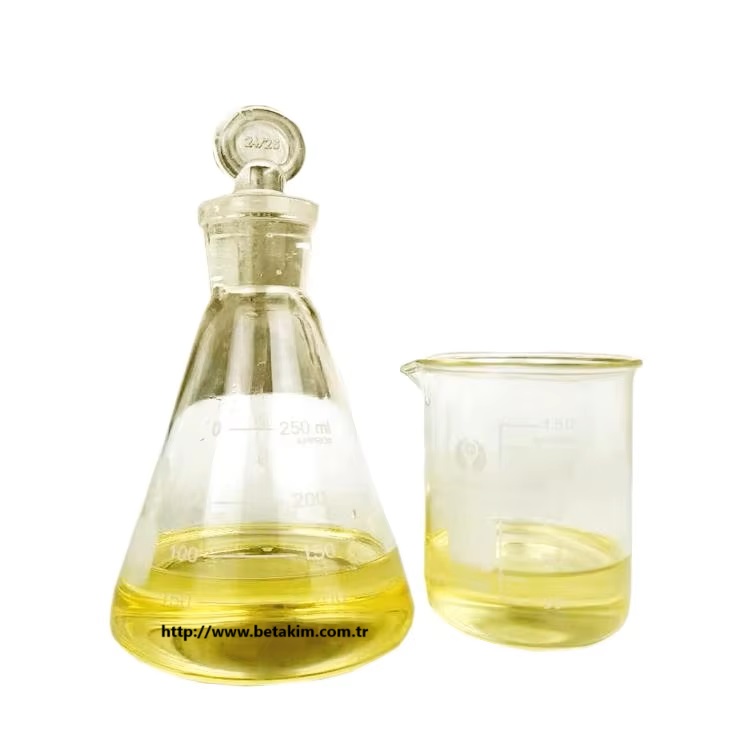
| Color | Clear, Colorless - Pale Yellow | - | Visual |
| Odor | Mild, characteristic | - | Organoleptic |
| Clarity | Clear, free from turbidity | - | Visual |
| Density (20°C) | 1.005 – 1.015 g/cm³ | ~1.010 g/cm³ | ASTM D4052 |
| Refractive Index (n²⁰/D) | 1.540 – 1.546 | ~1.543 | ASTM D1218 |
| Color (APHA) | ≤ 100 | < 50 | ASTM D1209 |
| Acid Value | ≤ 0.5 mg KOH/g | < 0.2 | Titration |
| Water Content | ≤ 0.1% | < 0.05% | Karl Fischer |
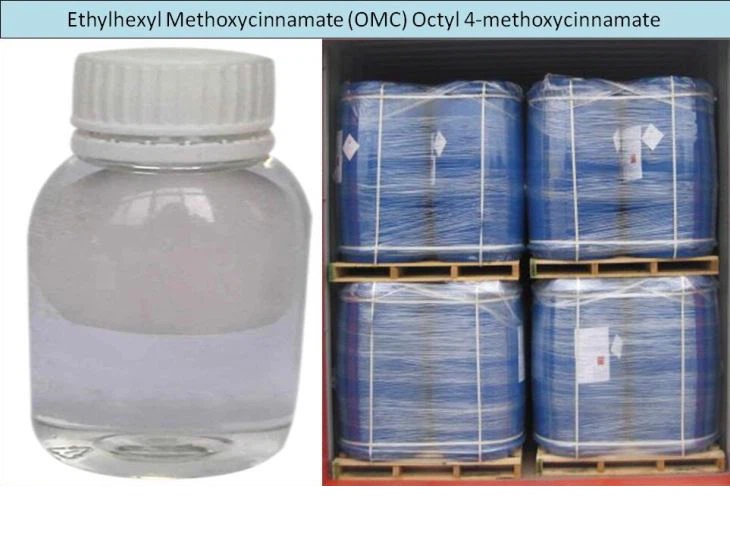
Description: Octyl Methoxycinnamate is a clear, colorless to pale yellow liquid with a mild characteristic odor. It is a low-viscosity, free-flowing liquid supplied in high purity (>98%). The density is approximately 1.010 g/cm³, slightly heavier than water. Low acid value and water content indicate high quality and stability.
SECTION 5: PHYSICAL AND CHEMICAL PROPERTIES
| Parameter | Specification | Typical Value | Test Method |
|---|---|---|---|
| Physical State | Liquid | - | Visual |
| Color (APHA) | ≤ 100 | < 50 | ASTM D1209 |
| Density (20°C) | 1.005 – 1.015 g/cm³ | ~1.010 g/cm³ | ASTM D4052 |
| Density (25°C) | ~1.003 g/cm³ | - | ASTM D4052 |
| Refractive Index (n²⁰/D) | 1.540 – 1.546 | ~1.543 | ASTM D1218 |
| Melting Point | < -25 °C | - | - |
| Boiling Point | ~198-200 °C (1 mmHg) | ~198 °C | ASTM D86 |
| Boiling Point (Atmospheric) | > 300 °C (decomposes) | - | - |
| Flash Point | > 100 °C | ~110 °C | ASTM D93 |
| Viscosity (25°C) | ~10 – 20 cP | ~15 cP | Brookfield |
| Vapor Pressure (25°C) | < 0.01 mmHg | - | - |
| Water Solubility | Insoluble (< 0.001 g/L) | - | - |
| Ethanol Solubility | Soluble (~200 g/L) | - | - |
| Oil Solubility | Highly soluble | - | - |
| Maximum Absorbance (UV) | ~310 nm (UV-B) | - | Spectrophotometry |
| Molar Absorptivity (310 nm) | ≥ 27,000 | ~28,000 | Spectrophotometry |
| Saponification Value | ~190 – 200 mg KOH/g | ~193 | Titration |
Description: Octyl Methoxycinnamate is a low-viscosity (15 cP), oil-soluble liquid. The melting point is below -25°C, so it is always liquid at room temperature. The boiling point is 198°C at low pressure. The flash point is above 110°C. The UV-Vis spectrum shows maximum absorbance at 310 nm (UV-B region). The high molar absorptivity (~28,000 L·mol⁻¹·cm⁻¹) indicates high UV-absorbing efficiency.
SECTION 6: SOLUBILITY AND MISCIBILITY
| Solvent / Medium | Solubility / Miscibility (25°C) | Temperature Effect |
|---|---|---|
| Water | Insoluble (< 0.001 g/L) | - |
| Ethanol (Absolute) | Soluble (~200 g/L) | Increases with heat |
| Methanol | Soluble (~150 g/L) | Increases with heat |
| Isopropyl Alcohol | Soluble (~100 g/L) | Increases with heat |
| Acetone | Highly soluble | Increases with heat |
| Ethyl Acetate | Highly soluble | Increases with heat |
| Mineral Oil | Highly soluble | - |
| Vegetable Oils | Highly soluble | - |
| Silicone Oils | Soluble | - |
| Propylene Glycol | Slightly soluble | Increases with heat |
| Glycerin | Insoluble | - |
| Other UV Filters (Avobenzone, etc.) | Miscible | - |
| Ester Oils | Highly soluble | - |
Description: Octyl Methoxycinnamate is a highly oil-soluble lipophilic compound. It is insoluble in water. It is miscible with mineral oils, vegetable oils, ester oils, silicone oils, and most organic solvents. It is soluble in organic solvents such as ethanol, acetone, and ethyl acetate. This solubility profile makes it ideal for oil-based sunscreen formulations, creams, lotions, and other cosmetic products.
SECTION 7: PURITY AND ANALYTICAL SPECIFICATIONS
| Parameter | Specification | Typical Value | Test Method |
|---|---|---|---|
| Purity (GC) | ≥ 98.0% | 98.5 – 99.5% | GC (FID) |
| Acid Value | ≤ 0.5 mg KOH/g | < 0.2 | Titration |
| Saponification Value | 190 – 200 mg KOH/g | ~193 | Titration |
| Water Content | ≤ 0.1% | < 0.05% | Karl Fischer |
| Color (APHA) | ≤ 100 | < 50 | ASTM D1209 |
| Density (20°C) | 1.005 – 1.015 g/cm³ | ~1.010 | ASTM D4052 |
| Refractive Index (n²⁰/D) | 1.540 – 1.546 | ~1.543 | ASTM D1218 |
| UV Absorbance (310 nm, 10 ppm) | ≥ 0.90 | 0.95 – 1.05 | Spectrophotometry |
| Heavy Metals (Pb) | ≤ 10 ppm | < 5 ppm | USP <231> |
| Arsenic | ≤ 2 ppm | < 1 ppm | USP <211> |
| Ash Content | ≤ 0.1% | < 0.05% | USP <281> |
| p-Methoxycinnamic Acid Content | ≤ 0.5% | < 0.2% | HPLC |
| 2-Ethylhexanol Content | ≤ 0.5% | < 0.2% | GC |
Description: Octyl Methoxycinnamate is supplied in high purity (≥98.0%). Purity is determined by gas chromatography (GC). Low acid value and water content indicate high quality and stability. UV absorbance value confirms the UV-absorbing efficacy of the product. p-Methoxycinnamic acid and 2-ethylhexanol content (starting materials) are strictly controlled. Heavy metal and arsenic content are limited for safety.
SECTION 8: SPECTROSCOPIC AND PHOTOPHYSICAL PROPERTIES
| Parameter | Value / Description |
|---|---|
| UV-Vis Maximum Absorbance (λmax) | ~310 nm (in ethanol) |
| UV-Vis Molar Absorptivity (ε, 310 nm) | ~28,000 L·mol⁻¹·cm⁻¹ |
| Absorption Range | 280 – 330 nm (UV-B) |
| IR (ATR) Characteristic Bands | 2950-2980 cm⁻¹ (C-H aliphatic), 1700-1720 cm⁻¹ (C=O ester, strong), 1630-1640 cm⁻¹ (C=C conjugated), 1600-1580 cm⁻¹ (C=C aromatic), 1270-1280 cm⁻¹ (C-O-C ester), 1160-1170 cm⁻¹ (C-O ester), 1030-1040 cm⁻¹ (C-O methoxy), 830-840 cm⁻¹ (para-substituted benzene) |
| ¹H-NMR (CDCl₃) | δ 7.6 (d, 1H, CH=CHCO), 7.4 (d, 2H, Ar-H), 6.9 (d, 2H, Ar-H), 6.3 (d, 1H, CH=CHCO), 4.1 (d, 2H, OCH₂), 3.8 (s, 3H, OCH₃), 1.7 (m, 1H, CH), 1.5-1.2 (m, 8H, CH₂), 0.9 (t, 6H, CH₃) |
| ¹³C-NMR (CDCl₃) | δ 167.5 (C=O), 161.5 (C-OCH₃), 144.5 (CH=CHCO), 130.0 (C aromatic), 127.0 (C aromatic), 116.5 (C aromatic), 115.0 (CH=CHCO), 66.5 (OCH₂), 55.5 (OCH₃), 39.0 (CH), 30.5 (CH₂), 29.0 (CH₂), 24.0 (CH₂), 23.0 (CH₂), 14.0 (CH₃), 11.0 (CH₃) |
| Mass Spectrum (MS - EI) | m/z 290 [M⁺], 178, 161, 146, 133, 118, 105, 77 |
| GC-MS Retention Index | ~1900-1950 (DB-5 column) |
Description: The UV-Vis spectrum of Octyl Methoxycinnamate shows a characteristic absorbance peak at 310 nm (UV-B region). The high molar absorptivity (~28,000 L·mol⁻¹·cm⁻¹) indicates high UV-absorbing efficiency. The IR spectrum shows a strong ester carbonyl absorption at 1700-1720 cm⁻¹ and a conjugated C=C stretch at 1630-1640 cm⁻¹. The ¹H-NMR spectrum shows characteristic conjugated olefinic protons at δ 7.6 and 6.3 ppm. These spectroscopic data are used for structural identification and purity control.
SECTION 9: PHOTOCHEMICAL MECHANISM AND UV PROTECTION PRINCIPLE
| Parameter | Description |
|---|---|
| Mechanism of Action | Absorbs UV-B radiation (290-320 nm) and converts energy into harmless heat energy |
| Absorption Range | 280 – 330 nm (UV-B) |
| Maximum Absorption | ~310 nm |
| Energy Conversion | Electronic excitation → Vibrational relaxation → Heat dissipation |
| Photostability | Moderate photostability; synergistic effects with other UV filters |
| UV-A Protection | Does not provide meaningful protection against UV-A radiation |
| Photoisomerization | Cis-trans isomerization occurs upon UV exposure; may cause activity loss |
| Synergistic Combinations | Can be combined with Avobenzone, Benzophenone-3, Octocrylene, Tinosorb S, Tinosorb M |
| Oil Solubility | Lipophilic; suitable for oil-based formulations |
| Use Concentration | Cosmetics: 1-10% (USA: ≤7.5%, EU: ≤10%) |
UV Absorption Mechanism (Photo-physical Process):
UV-B Light + Octyl Methoxycinnamate → Octyl Methoxycinnamate* (Excited State)
Octyl Methoxycinnamate* (Excited) → Octyl Methoxycinnamate + Heat (Vibrational Energy)
Description: Octyl Methoxycinnamate is an organic UV filter that works by absorbing UV-B radiation (280-330 nm). UV photons excite the conjugated π-electron system in the molecule, reaching a high-energy excited state. The excited molecule rapidly and efficiently releases its energy as heat (non-radiative relaxation). This process converts UV energy into harmless vibrational energy (heat) without damaging the skin. It is effective against UV-B radiation, preventing skin redness and sunburn. It does not provide significant protection against UV-A radiation, so it should be combined with UV-A filters such as Avobenzone, Benzophenone-3, Octocrylene, or Tinosorb S for broad-spectrum protection.
SECTION 10: COSMETIC AND SUNSCREEN APPLICATIONS
| Application Category | Function / Benefit | Typical Use Level |
|---|---|---|
| Sunscreen Products | ||
| Sunscreen Creams (SPF) | Absorbs UV-B radiation, provides sun protection factor | 1 – 10% (USA: ≤7.5%, EU: ≤10%) |
| Sunscreen Milks | UV-B filtering, skin protection | 1 – 10% |
| Sunscreen Lotions | UV-B filtering, skin protection | 1 – 10% |
| Sunscreen Sprays and Gels | UV-B protection, light formulation | 1 – 10% |
| Daily Care Products | ||
| Day Moisturizers (SPF) | UV-B protection, prevents skin aging | 1 – 7.5% |
| BB and CC Creams | UV-B protection, color correction | 1 – 7.5% |
| Foundations | UV-B protection, product stability | 1 – 5% |
| Lip Care | ||
| Lipsticks and Lip Glosses | UV-B protection, color stabilization | 1 – 7.5% |
| Lip Balms | UV-B protection, moisturization | 1 – 7.5% |
| Hair Care | ||
| Hair Sprays and Gels | UV-B protection, color stabilization | 0.1 – 1.0% |
| Hair Conditioners | UV-B protection, damage prevention | 0.1 – 1.0% |
| Other Cosmetics | ||
| After-Sun Lotions | UV-B damage prevention, skin soothing | 1 – 5% |
| Anti-aging Creams | UV-B protection, premature aging prevention | 1 – 7.5% |
| Hair Dyes | UV-B protection, prevents color fading | 0.1 – 1.0% |
| Shampoos | UV-B protection, color protection | 0.1 – 1.0% |
| Nail Polishes | UV-B protection, prevents color fading | 0.1 – 1.0% |
Formulation Recommendations: Octyl Methoxycinnamate is typically added to the oil phase of formulations. It readily mixes with other oil-phase components. Since it is insoluble in water, it should be pre-dissolved in oil or a solvent before addition to water-based formulations. When used with Avobenzone, it enhances avobenzone's photostability. Use with Octocrylene improves the photostability of octyl methoxycinnamate and reduces photoisomerization. It is combined with other UV filters to increase SPF value. Its low viscosity allows easy incorporation into formulations.
SECTION 11: INDUSTRIAL AND OTHER APPLICATIONS
| Application | Function / Description | Typical Use Level |
|---|---|---|
| Plastics and Polymers | UV absorber, anti-aging additive | 0.1 – 1.0% |
| Printing Inks | UV protection, prevents color fading | 0.5 – 2.0% |
| Coatings and Varnishes | UV absorber, prevents yellowing | 0.5 – 2.0% |
| Adhesives | UV stabilization | 0.1 – 1.0% |
| Photodermatitis Treatment | Therapeutic agent for photodermatitis | Appropriate dosage |
| Photochemistry | Use in light-sensitive reactions | - |
Description: Octyl Methoxycinnamate is used in industrial applications in addition to cosmetic applications. It functions as a UV absorber and anti-aging additive for plastics, inks, and coatings. It prevents degradation, yellowing, and color fading of products upon exposure to sunlight. It is also used as a therapeutic agent for photodermatitis.
SECTION 12: COMPARISON WITH OTHER UV FILTERS
| Property | Octyl Methoxycinnamate | Avobenzone | Octocrylene | Benzophenone-3 | Tinosorb S |
|---|---|---|---|---|---|
| Chemical Class | Cinnamate Ester | Dibenzoylmethane | Cyanoacrylate | Benzophenone | Triazine |
| CAS Number | 5466-77-3 | 70356-09-1 | 6197-30-4 | 131-57-7 | 2440-22-4 |
| Molecular Weight | 290.40 g/mol | 310.39 g/mol | 361.48 g/mol | 228.24 g/mol | 627.80 g/mol |
| Protection Range | UV-B (280-330 nm) | UV-A (320-400 nm) | UV-B (290-330 nm) | UV-A & UV-B | UV-A & UV-B |
| Maximum Absorbance | ~310 nm | ~356 nm | ~303 nm | ~325 nm | ~350 nm |
| Oil Solubility | High | High | High | High | Medium |
| Water Solubility | Insoluble | Insoluble | Insoluble | Insoluble | Insoluble |
| Photostability | Medium | Low | High | Medium | High |
| Use Concentration | 1-10% (≤7.5% USA) | ≤5% | ≤10% | ≤10% | ≤10% |
| Endocrine Disruption Potential | Weak | None | None | Weak-Moderate | None |
| Environmental Concern | Medium | Low | Low | High | Low |
Description: Octyl Methoxycinnamate is a widely used organic UV filter that provides UV-B protection. When combined with Avobenzone (UV-A filter), it provides broad-spectrum protection. Compared to Octocrylene, octyl methoxycinnamate has lower photostability but is more widely used and less expensive. Compared to Benzophenone-3, octyl methoxycinnamate has less endocrine-disrupting concern. Compared to newer UV filters like Tinosorb S, it offers lower photostability and less broad-spectrum protection, but is a more cost-effective and widely available alternative.
SECTION 13: REGULATORY STATUS AND RESTRICTIONS
| Region / Authority | Status | Maximum Concentration | Description |
|---|---|---|---|
| European Union | Permitted | ≤ 10% | EU Cosmetics Regulation (EC) No 1223/2009, Annex VI/21 |
| Turkey | Permitted | ≤ 10% | Compliant with EU legislation |
| USA (FDA) | Permitted | ≤ 7.5% | FDA 21 CFR (OTC Sunscreens) - Maximum 7.5% |
| Japan | Permitted | ≤ 10% | Japanese Cosmetics Standards |
| Canada | Permitted | ≤ 7.5% | Health Canada Cosmetic Classification |
| Australia | Permitted | ≤ 10% | NICNAS regulations |
| SCCS (Scientific Committee) | Evaluated as safe | ≤ 10% | SCCS/1595/18 |
| CIR (Cosmetic Ingredient Review) | Safe as used | ≤ 7.5% | CIR Safety Assessment |
| REACH (EU) | Registered | – | EC 1907/2006 |
| TSCA (USA) | Listed | – | Toxic Substances Control Act |
| EINECS (EU) | 226-775-7 | – | European Inventory of Existing Chemical Substances |
Description: Octyl Methoxycinnamate is permitted as a UV-B filter in cosmetic and sunscreen products in most countries. The maximum concentration is 10% in the EU and Turkey; in the USA, the FDA restricts it to 7.5% in OTC sunscreens. It has been evaluated as safe by SCCS and CIR. However, due to endocrine-disrupting concerns and environmental impacts, use has been restricted or banned in some regions (e.g., Hawaii, Palau) due to adverse effects on coral reefs.
SECTION 14: SAFETY AND TOXICOLOGICAL PROFILE
| Parameter | Value / Assessment | Test System |
|---|---|---|
| Acute Oral Toxicity (LD50) | > 2,000 – 5,000 mg/kg | Rat |
| Acute Dermal Toxicity (LD50) | > 2,000 mg/kg | Rabbit |
| Acute Inhalation Toxicity (LC50) | > 5 mg/L | Rat |
| Skin Irritation | Non-irritating (at use levels) | Rabbit (Draize test) |
| Eye Irritation | Mildly irritating | Rabbit (Draize test) |
| Skin Sensitization | Potential sensitizer (low) | Human Patch Test / GPMT |
| Phototoxicity | Not phototoxic | In vitro / In vivo studies |
| Carcinogenicity | Not classified (IARC, NTP) | - |
| Mutagenicity | Not classified (Ames test negative) | Ames Test / Micronucleus Test |
| Reproductive Toxicity | Not classified | Animal studies |
| Endocrine Disruption | Potential concern (weak estrogenic activity) | In vitro / In vivo studies |
| Systemic Exposure | Absorbed through skin; detected in urine, blood, and breast milk | Human studies |
| Thyroid Function | May disrupt thyroid function | Animal studies |
| NOAEL | 100 – 200 mg/kg/day | Rat (chronic studies) |
| Skin Penetration | High | In vitro skin penetration studies |
| Bioaccumulation Potential | Medium (due to lipophilic nature) | Calculated |
| Metabolism | Rapidly hydrolyzed and metabolites excreted | Human studies |
Description: Octyl Methoxycinnamate has moderate acute oral toxicity (LD50 >2,000-5,000 mg/kg). At use levels (≤10%), it is non-irritating to the skin. It has low sensitization potential. It is not classified as carcinogenic, mutagenic, or reproductive toxicant. It has been studied for potential endocrine-disrupting effects due to weak estrogenic activity. SCCS and CIR have evaluated it as safe at recommended use levels. It is absorbed through the skin and has been detected in human urine, blood, and breast milk. There are concerns that it may disrupt thyroid function. Therefore, some consumer groups prefer products without octyl methoxycinnamate.
SECTION 15: ENVIRONMENTAL IMPACTS AND ECOTOXICOLOGY
| Parameter | Value / Assessment |
|---|---|
| Aquatic Toxicity (Fish, LC50, 96h) | ~1 – 5 mg/L (Zebra fish) |
| Aquatic Toxicity (Daphnia, EC50, 48h) | ~2 – 8 mg/L |
| Algal Toxicity (EC50, 72h) | ~0.5 – 2 mg/L |
| Coral Reef Effects | Toxic to coral larvae; associated with reef bleaching |
| Bioaccumulation Factor (BCF) | Medium - High (due to lipophilic nature) |
| Biodegradability | Poorly biodegradable |
| Persistence | Persistent in the environment; accumulates in aquatic environments |
| Environmental Classification | Hazardous to the aquatic environment |
| Water Hazard Class (WGK, Germany) | Class 2 (hazardous to water) |
Description: Octyl Methoxycinnamate is a compound of environmental concern. It is toxic to aquatic organisms and is known to have adverse effects on coral reefs. Due to its lipophilic nature (Log P 5.8), it has high bioaccumulation potential and is persistent in the environment. For these reasons, the use of sunscreens containing octyl methoxycinnamate has been banned or restricted in Hawaii, Palau, the Florida Keys, the US Virgin Islands, and other regions to protect coral reefs. Due to environmental impacts, there is increasing interest in alternative UV filters (e.g., Tinosorb S, Tinosorb M, bemotrizinol).
SECTION 16: ADVANTAGES AND DISADVANTAGES
| Parameter | Description |
|---|---|
| Advantages | |
| Effective UV-B Protection | High absorption at 310 nm; prevents sunburn |
| Oil Solubility | Lipophilic; easily incorporated into oil-based formulations |
| Low Viscosity | Easily mixes into formulations |
| Versatility | Can be used in various cosmetic products |
| Combination with Other Filters | Synergistic effects with Avobenzone, Octocrylene, and others |
| Low Cost | Economical compared to other common UV filters |
| Good Regulatory Acceptance | Permitted in most countries |
| Disadvantages | |
| No UV-A Protection | Requires other filters for broad-spectrum protection |
| Low Photostability | Photoisomerization upon UV exposure; activity loss |
| Endocrine Disruption Concern | Weak estrogenic activity; effects on thyroid function |
| Systemic Absorption | Absorbed through skin; detected in urine, blood, breast milk |
| Environmental Concern | Toxic to coral reefs; persistent in the environment |
| Bioaccumulation | Accumulation potential in the body due to lipophilic nature |
| Allergen Potential | Skin reactions in sensitive individuals |
Description: Octyl Methoxycinnamate is an effective UV-B filter widely used in cosmetic formulations due to its oil solubility, low viscosity, and low cost. However, it does not provide UV-A protection, has low photostability, and raises concerns regarding endocrine disruption and environmental impact. As a result, consumer preferences and regulatory trends are shifting toward alternative UV filters.
SECTION 17: STORAGE, SHELF LIFE AND PACKAGING
| Parameter | Description |
|---|---|
| Storage Temperature | 15 – 30°C (cool and dry) |
| Storage Conditions | Well-ventilated, moisture-protected area |
| Light Protection | Protect from direct sunlight and UV sources |
| Moisture Sensitivity | Stable under normal moisture conditions |
| Materials to Avoid | Strong oxidizing agents, strong acids, strong bases, excessive heat |
| Air Sensitivity | Stable in air; resistant to oxidation |
| Shelf Life | 24 – 36 months (unopened, recommended conditions) |
| Degradation Signs | Color change (darkening), odor change, acid value increase, UV absorbance decrease |
| Standard Packaging | 25 kg, 50 kg, 200 kg HDPE drums |
| Bulk Packaging | 1000 kg IBC (Intermediate Bulk Container) |
| Small Packaging (Upon Request) | 1 kg, 5 kg, 10 kg, 20 kg |
| Packaging Material | HDPE drums, IBC containers, PE-lined steel drums |
| Closure Recommendation | Keep tightly closed when not in use |
Description: Octyl Methoxycinnamate should be stored in a cool, dry place in its original packaging. It should be protected from direct sunlight and UV sources (to prevent photoisomerization). Contact with strong oxidizing agents, acids, and bases should be avoided. Shelf life is 24-36 months under recommended storage conditions. Degradation signs include color darkening, odor change, acid value increase, and UV absorbance decrease. Each package should bear the manufacturing date and batch number for traceability.
SECTION 18: TRANSPORTATION AND SHIPPING INFORMATION
| Parameter | Description |
|---|---|
| UN Number | Not regulated (non-hazardous) |
| Hazard Class | Not classified as dangerous goods |
| Packing Group | Not applicable |
| Marine Pollutant | No (but restricted in some regions due to environmental concerns) |
| Transport Classification | |
| ADR (Road) | Not classified |
| RID (Rail) | Not classified |
| ADN (Inland Waterway) | Not classified |
| IMDG (Maritime) | Not classified |
| IATA/ICAO (Air) | Not classified |
| Transport Temperature | Ambient temperature (15-30°C) |
| Transport Precautions | Protect from light and excessive heat |
| Packaging Precautions | Use leak-proof, sturdy packaging |
Description: Octyl Methoxycinnamate is not classified as dangerous goods and does not require UN number. It should be protected from light and excessive heat during transport. Sturdy, leak-proof packaging is important. The GTIP/HS code is 2918.99.00.00.00 (or may vary depending on destination).
SECTION 19: QUALITY CERTIFICATES AND STANDARDS
| Certificate / Standard | Status | Description |
|---|---|---|
| ISO 9001:2015 | Certified | Manufacturing facilities have quality management system |
| ISO 14001:2015 | Certified | Environmental management system (optional) |
| REACH (EC 1907/2006) | Registered | Compliant with EU chemical regulations |
| FDA 21 CFR | Compliant | Suitable for cosmetic and OTC applications |
| USP/EP | Available | Pharmaceutical quality standard |
| Halal | Upon request | Certified according to Islamic standards |
| Kosher | Upon request | Certified according to Jewish standards |
| Certificate of Analysis (COA) | Provided with each batch | Includes binding specifications |
| Safety Data Sheet (SDS) | Available | Current 16-section document |
| Technical Data Sheet (TDS) | Available | Comprehensive technical information |
| Good Manufacturing Practices (GMP) | Compliant | Cosmetic / Pharmaceutical GMP |
SECTION 20: DISCLAIMER AND LEGAL NOTICE
| Item | Description |
|---|---|
| Information Purpose | This Technical Data Sheet (TDS) is for informational purposes only and does not constitute a binding specification. |
| Typical Values | Values stated herein are based on typical laboratory results and may vary slightly between production batches. |
| Binding Data | For binding specifications, the Certificate of Analysis (COA) for each batch should be requested. |
| User Responsibility | The user is solely responsible for determining the suitability of the product for the intended application and ensuring compliance with all applicable regulations. |
| SDS Requirement | A current Safety Data Sheet (SDS) should be requested from the supplier prior to use. |
| Safety Information | Safety information in this document is based on current knowledge but does not constitute a guarantee of the product's health and safety risks. |
| Regulatory Changes | The user is responsible for monitoring local and international regulatory changes. |
| Product Quality | Product quality is guaranteed in accordance with the standards specified in this document. |
| License / Patents | This document does not grant any license or patent rights for use of the product. |
| Side Effects | Allergic reactions may occur in sensitive individuals; users should conduct suitability tests. |
| Environmental Concerns | Use may be restricted in some regions due to effects on coral reefs; users should check local regulations. |
DISCLAIMER (LEGAL NOTICE): This Technical Data Sheet (TDS) is for informational purposes only and does not constitute a binding specification. The values stated herein are based on typical laboratory results. The user is solely responsible for determining the suitability of the product for the intended application and for ensuring compliance with all local regulations. A current Safety Data Sheet (SDS) and Certificate of Analysis (COA) should be requested prior to use. Allergic reactions may occur in sensitive individuals; suitability tests should be conducted. This document does not grant any license or patent rights for use of the product. Use may be restricted in some regions due to adverse effects on coral reefs; users should check local regulations.