We unleash your business potential by maximize the business innovation.
Send EmailChlorhexidine Gluconate, Chlorhexidine Digluconate, Chlorhexidine Bigluconate, CHG, 18472-51-0, 55-56-1
CHLORHEXIDINE GLUCONATE (CHG)
SECTION 1: PRODUCT IDENTITY AND CHEMICAL IDENTIFICATION
| Parameter | Information |
|---|---|
| Product Name | Chlorhexidine Gluconate |
| Chemical Name (IUPAC) | N,N″-Bis(4-chlorophenyl)-3,12-diimino-2,4,11,13-tetraazatetradecanediimidamide di-D-gluconate |
| Synonyms (Turkish) | Klorheksidin Glukonat, Klorheksidin Diglukonat, CHG |
| Synonyms (English) | Chlorhexidine Gluconate, Chlorhexidine Digluconate, Chlorhexidine Bigluconate, Hibiclens, Hibitane, Hibiscrub, Corsodyl, Peridex, Betasept, Chloraprep |
| CAS Number | 18472-51-0 |
| EC Number (EINECS) | 242-354-0 |
| Molecular Formula | C₂₂H₃₀Cl₂N₁₀ · 2C₆H₁₂O₇ (C₃₄H₅₄Cl₂N₁₀O₁₄) |
| Molecular Weight | 897.76 g/mol (as digluconate salt) |
| Chemical Class | Bisbiguanide; Cationic antiseptic; Antimicrobial agent |
| Source | Synthetic |
| Physical State (20°C) | Liquid (aqueous solution) |
| Odor | Characteristic faint odor |
| Color | Colorless to pale yellow |
| Pharmacopoeia Grade | USP, EP, JP |
SECTION 2: CHLORHEXIDINE BASE vs GLUCONATE COMPARISON
| Parameter | Chlorhexidine (Base) | Chlorhexidine Gluconate (Digluconate) |
|---|---|---|
| CAS Number | 55-56-1 | 18472-51-0 |
| Molecular Formula | C₂₂H₃₀Cl₂N₁₀ | C₂₂H₃₀Cl₂N₁₀ · 2C₆H₁₂O₇ |
| Molecular Weight | 505.87 g/mol | 897.76 g/mol |
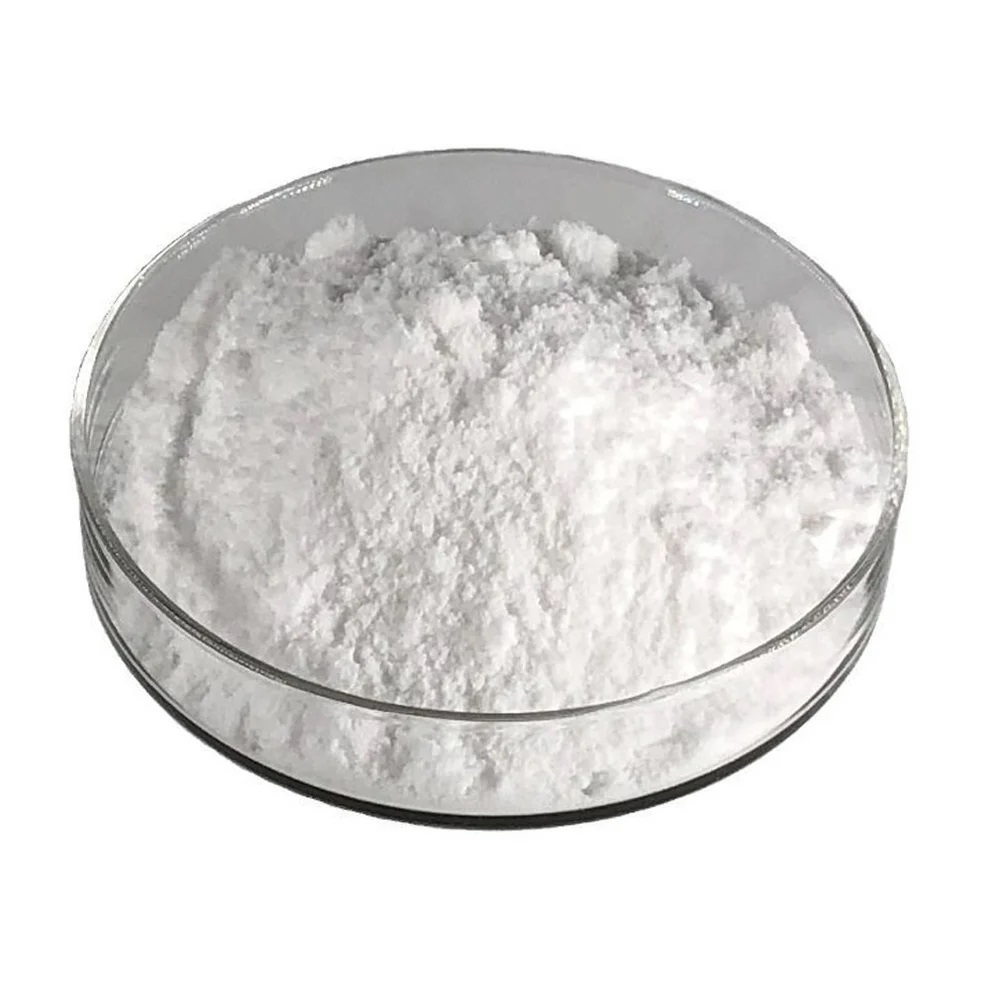
| Appearance | White to off-white crystalline powder | Colorless to pale yellow clear liquid |
| Water Solubility | Limited (~0.8 g/L) | High (~750 g/L) |
| Application | Raw material; starting material for salt form production | Antiseptic solutions, mouthwashes, skin disinfectants |
| pH (Solution) | - | 5.0 – 7.0 |
| Stability | Stable | Light sensitive |
| Application Form | Synthesis raw material | Used as diluted solutions (mouthwash 0.12%; surgical scrub 4%) |
SECTION 3: CHEMICAL STRUCTURE
Chlorhexidine Gluconate Structure:
        Cl—C₆H₄—NH—C(=NH)—NH—C(=NH)—NH—(CH₂)₆—NH—C(=NH)—NH—C(=NH)—NH—C₆H₄—Cl
                                                                                    ·
                                                                                 2 C₆H₁₂O₇
Structure Description:
| Parameter | Description |
|---|---|
| Chemical Class | Bisbiguanide antiseptic compound |
| Salt Structure | Chlorhexidine base (C₂₂H₃₀Cl₂N₁₀) complexed with two gluconate (D-gluconic acid) molecules |
| Charge | Positively charged molecule (cationic) |
| Functional Groups | Bisbiguanide, chlorophenyl, gluconate |
| Mechanism Basis | Cationic molecule interacts electrostatically with negatively charged bacterial cell surfaces |
| SMILES | C1=CC(=C(C=C1Cl)NC(=NC(=NCCCCCCN=C(N=C(NC2=C(C=CC=C2Cl)Cl)N)N)N)N)Cl.C(C(C(C(C(C(=O)O)O)O)O)O)O |
| InChI | InChI=1S/C22H30Cl2N10.2C6H12O7/c23-15-5-9-17(10-6-15)31-21(27)33-19(25)29-13-3-1-2-4-14-30-20(26)34-22(28)32-18-11-7-16(24)8-12-18;2*7-1-3(9)5(11)6(12)4(10)2(8)6/h5-12H,1-4,13-14H2,(H5,25,26,27,28,29,30,31,32,33,34);2*1,3-6,8-12H,2H2 |
| InChI Key | GHWBIYAVZLFQOL-UHFFFAOYSA-N |
SECTION 4: PHYSICAL AND CHEMICAL PROPERTIES
| Property | Value | Test Method / Note |
|---|---|---|
| Appearance | Colorless to pale yellow clear liquid | Visual |
| Odor | Characteristic faint odor | Olfactometric |
| Molecular Weight | 897.76 g/mol | Calculated |
| Density (20°C) | ~1.06 g/mL | ASTM D4052 |
| Melting Point | ~134°C (decomposes) | DSC |
| Boiling Point | ~100°C (water) | - |
| pH (1% Solution) | 5.5 – 7.0 (neutral) | USP <791> |
| Water Solubility (20°C) | Soluble (~750 g/L) | General Method |
| Ethanol Solubility | Soluble | General Method |
| Organic Solvent Solubility | Slightly soluble | General Method |
| UV Maximum (λmax) | ~257 nm (water) | UV-VIS Spectrophotometer |
| Stability | Stable; Light sensitive | - |
| Light Sensitivity | Light sensitive (photodegradation) | - |
| Heavy Metals | ≤ 10 ppm | AAS / ICP |
| Assay (CHG) | 19.0 – 21.0% (w/w) USP | HPLC / Titrimetric |
| Specific Gravity | 1.06 – 1.07 | USP <841> |
| Viscosity (20°C) | Low (water-like) | - |
| Surface Tension | Low | - |
| Hygroscopicity | Not hygroscopic | - |
| Heat of Solution | Exothermic (when dissolved in water) | - |
| Dielectric Constant | High (polar solvent) | - |
SECTION 5: CHLORHEXIDINE GLUCONATE vs OTHER ANTISEPTICS
| Property | Chlorhexidine Gluconate | Povidone-Iodine | Alcohol (Ethanol/IPA) | Benzalkonium Chloride |
|---|---|---|---|---|
| CAS Number | 18472-51-0 | 25655-41-8 | 64-17-5 / 67-63-0 | 8001-54-5 |
| Class | Bisbiguanide | Halogen | Alcohol | Quaternary ammonium |
| Mechanism | Membrane disruption | Oxidation | Protein denaturation | Membrane disruption |
| Residual Activity | Yes (persistent) | No | No | Yes (limited) |
| Gram-Positive | Excellent | Excellent | Good | Good |
| Gram-Negative | Good | Excellent | Good | Good |
| Fungi | Good | Excellent | Good | Good |
| Enveloped Viruses | Moderate | Excellent | Excellent | Moderate |
| Non-Enveloped Viruses | Poor | Good | Excellent | Poor |
| Spores | Poor | Moderate | Poor | Poor |
| Skin Irritation | Low-Moderate | Moderate | High | Moderate |
| Allergic Reaction | Possible (rare) | Possible | Possible | Possible |
| Staining | No | Yes (yellow-brown) | No | No |
| Tissue Toxicity | Moderate (high conc.) | Low-Moderate | High | Low-Moderate |
| Biofilm Activity | Yes | Moderate | Poor | Poor |
| Cost | Moderate | Moderate-High | Low | Low-Moderate |
SECTION 6: MECHANISM OF ACTION
| Property | Description |
|---|---|
| Antimicrobial Mechanism | • Positively charged molecule binds to negatively charged bacterial cell surface • Disrupts cell membrane integrity • Penetrates into the cell • Causes leakage of intracellular components • Leads to cell death |
| Selective Activity | • Gram-positive bacteria are more susceptible (more negatively charged) • Broad-spectrum activity against bacteria and fungi • Effective against enveloped viruses • Limited activity against non-enveloped viruses |
| Residual Activity | • Binds to skin proteins (stratum corneum) • Provides persistent antimicrobial activity • Remains active for up to 6 hours after application • Reduces bacterial recolonization |
| Bacteriostatic/Bactericidal | • Bactericidal at high concentrations • Bacteriostatic at low concentrations • Concentration-dependent effect |
| Biofilm Activity | • Effective against biofilm-forming organisms • Used in oral care and wound care • Reduces dental plaque formation |
| Cell Wall Binding | • Adsorbs to bacterial cell walls • Prevents bacterial adhesion • Reduces colonization risk |
SECTION 7: CLINICAL USE CONCENTRATIONS
| Application Area | Typical Concentration | Usage Instructions | Notes |
|---|---|---|---|
| Surgical Hand Scrub | 4% | Scrub for 3 minutes, rinse thoroughly | Most effective CHG concentration |
| Healthcare Personnel Handwash | 0.75 – 4% | Scrub for 15 seconds, rinse thoroughly | Daily use |
| Patient Preoperative Skin Preparation | 2 – 4% | Apply liberally; scrub for 2 minutes; repeat for additional 2 minutes | Surgical site antisepsis |
| Mouthwash | 0.12% | 15 mL, twice daily, 30 seconds | Prescription; plaque and gingivitis |
| Wound Cleaning | 0.05 – 0.5% | Apply gently; rinse | Diluted solution |
| Catheter Site Care | 2% | Clean the site | Infection prevention |
| Periodontal Gel | 1% | Topical application | In-pocket application |
| Surface Disinfection | 0.5 – 2% | Apply; allow to dry | Medical equipment |
SECTION 8: FORMULATION GUIDELINES
| Parameter | Recommendation |
|---|---|
| Solvent | Purified water (most common), ethanol, propylene glycol |
| pH Adjustment | 5.0 – 7.0 range; optimum 5.5 – 6.5 |
| Surfactants | Nonionic or amphoteric; compatible with cationic surfactants; precipitates with anionic surfactants (not recommended) |
| Preservatives | Generally does not require additional preservatives (especially above 2%); may be added in some formulations |
| Humectants | Glycerin (1-5%), propylene glycol |
| Flavoring Agents | Essential oils (peppermint, eucalyptus) |
| Colorants | Food-grade dyes (D&C Red, FD&C Blue) |
| Stabilizers | EDTA (metal ion chelation), antioxidants |
| Temperature Processing | Mix at 40-50°C; avoid high temperatures (>60°C) causing degradation |
| Filtration | 0.2-0.45 µm membrane filtration; do not autoclave (degradation) |
| Packaging | Light-protective containers: Amber glass, HDPE, aluminum; to prevent photodegradation |
| Compatibility | Incompatible with anionic components; incompatible with cellulosic wipes; incompatible with some metal ions |
SECTION 9: SAMPLE FORMULATIONS
Surgical Hand Scrub (4% CHG Solution):
| Component | Quantity | Function |
|---|---|---|
| Chlorhexidine Gluconate (20% Solution) | 20% (to give 4% CHG) | Active ingredient |
| Cocamidopropyl Betaine | 3-5% | Surfactant |
| Lauramine Oxide | 2-4% | Surfactant / foam booster |
| Glycerin | 2-5% | Humectant |
| Purified Water | q.s. to 100% | Solvent |
| Colorants, Fragrance | As required | Aesthetic |
Instructions: Mix CHG solution with surfactants and water; adjust pH to 5.5-7.0; Filter; Package in light-protective containers.
Mouthwash (0.12% CHG Solution):
| Component | Quantity | Function |
|---|---|---|
| Chlorhexidine Gluconate (20% Solution) | 0.6% (to give 0.12% CHG) | Active ingredient |
| Alcohol (95%) | 11.6% | Solvent / preservative |
| Glycerin | 10-15% | Humectant / viscosity agent |
| PEG-40 Sorbitan Diisostearate | 1-2% | Emulsifier |
| Flavor (Peppermint) | 0.1-0.2% | Taste |
| Sodium Saccharin | 0.05-0.1% | Sweetener |
| Purified Water | q.s. to 100% | Solvent |
Instructions: Mix all components; adjust pH to 5.0-7.0; Filter; Package in amber glass or HDPE containers.
SECTION 10: QUALITY SPECIFICATIONS
| Parameter | USP Grade | Pharmaceutical Grade | Cosmetic Grade | Test Method |
|---|---|---|---|---|
| Appearance | Colorless to pale yellow liquid | Colorless to pale yellow liquid | Colorless to pale yellow liquid | Visual |
| Assay (CHG) | 19.0 – 21.0% (w/w) | 19.0 – 21.0% (w/w) | 18.0 – 22.0% | HPLC / Titrimetric |
| pH (1:20 dilution) | 5.5 – 7.0 | 5.5 – 7.0 | 5.0 – 7.5 | USP <791> |
| Specific Gravity | 1.06 – 1.07 | 1.06 – 1.07 | 1.05 – 1.08 | USP <841> |
| Heavy Metals (as Pb) | ≤ 10 ppm | ≤ 5 ppm | ≤ 10 ppm | AAS / ICP |
| Arsenic (As) | ≤ 2 ppm | ≤ 1 ppm | ≤ 2 ppm | AAS / ICP |
| Lead (Pb) | ≤ 2 ppm | ≤ 1 ppm | ≤ 2 ppm | AAS / ICP |
| p-Chloroaniline | ≤ 10 ppm | ≤ 5 ppm | ≤ 10 ppm | HPLC |
| Related Substances | Conforms | Conforms | Conforms | HPLC |
| Microbiological Purity | USP <61> | USP <61> | - | USP <61> |
| Solubility | Soluble in water | Soluble in water | Soluble in water | General Method |
| Density (g/mL) | 1.060 – 1.070 | 1.060 – 1.070 | 1.050 – 1.080 | USP <841> |
SECTION 11: MANUFACTURING PROCESS
Industrial Production Method:
Process Flow: Chlorhexidine Base (Synthesis) + D-Gluconic Acid → Reaction → Neutralization → Dilution → Filtration → Standardization → Final Product
Step-by-Step Description:
| Step | Description | Temperature / Conditions |
|---|---|---|
| 1. Chlorhexidine Base Synthesis | Chlorhexidine base is synthesized through a multi-step chemical process starting from p-chloroaniline and sodium dicyanamide | Variable |
| 2. Gluconate Formation | Chlorhexidine base is reacted with D-gluconic acid (or delta-gluconolactone) to form the digluconate salt | 40-60°C |
| 3. Neutralization | The reaction mixture is neutralized to achieve the desired pH (5.5-7.0) | Ambient |
| 4. Dilution | The solution is diluted with purified water to achieve the desired concentration (19-21% stock) | Ambient |
| 5. Filtration | The solution is filtered to remove impurities (0.2-0.45 µm) | Ambient |
| 6. Standardization | The solution is standardized to meet USP specifications (19.0-21.0% w/w) | Ambient |
| 7. Final Product | Packaged in light-protective containers to prevent photodegradation | Ambient |
SECTION 12: TOXICOLOGICAL PROFILE
| Parameter | Value |
|---|---|
| Acute Oral Toxicity (LD50, Rat) | ~ 2,000 mg/kg (moderate toxicity) |
| Acute Oral Toxicity (LD50, Mouse) | ~ 1,260 – 6,300 mg/kg |
| Acute Dermal Toxicity | Low toxicity; Not corrosive; Mild irritant |
| Skin Irritation | May cause irritation (H315) |
| Eye Irritation | May cause serious eye irritation (H319) |
| Inhalation Toxicity | May cause respiratory tract irritation |
| Chronic Toxicity | No significant chronic effects at normal use levels |
| Carcinogenicity | Not classified as carcinogenic (no evidence) |
| Mutagenicity | Not mutagenic (no evidence) |
| Reproductive Toxicity | No reproductive toxicity (Pregnancy Category B) |
| Allergenicity | May cause serious allergic reactions in rare cases; Anaphylaxis reported; Hypersensitivity possible |
| Environmental Toxicity | Very toxic to aquatic life (H400, H410); Long-lasting effects |
| Special Toxicity Note | • Pregnancy Category B • Poorly absorbed from GI tract (~30% remains in oral cavity) • Mainly excreted in feces (~90%) • Safe for use at approved concentrations • Serious allergic reactions possible • Do not use in eyes, ears, or meninges • May cause permanent eye damage |
SECTION 13: GHS CLASSIFICATION AND LABELING
GHS Classification (in accordance with CLP and UN GHS):
| Hazard Class | Category | H-Statement |
|---|---|---|
| Acute Toxicity (Oral) | Category 4 | H302 |
| Skin Irritation | Category 2 | H315 |
| Eye Irritation | Category 2 | H319 |
| Acute Aquatic Toxicity | Category 1 | H400 |
| Chronic Aquatic Toxicity | Category 1 | H410 |
Signal Word: WARNING (Some formulations may be DANGER for higher concentrations)
Hazard Pictograms: GHS07 (Exclamation mark), GHS09 (Environment)
Hazard Statements (H-Codes):
| Code | Statement |
|---|---|
| H302 | Harmful if swallowed |
| H315 | Causes skin irritation |
| H319 | Causes serious eye irritation |
| H400 | Very toxic to aquatic life |
| H410 | Very toxic to aquatic life with long-lasting effects |
NFPA 704 Hazard Classification:
| Health | Flammability | Reactivity | Special |
|---|---|---|---|
| 2 | 1 | 0 | - |
| (Moderate health hazard) | (Combustible) | (Stable) | (None) |
SECTION 14: PRECAUTIONARY STATEMENTS (P-CODES)
| Code | Statement |
|---|---|
| P264 | Wash hands thoroughly after handling |
| P270 | Do not eat, drink or smoke when using this product |
| P273 | Avoid release to the environment |
| P280 | Wear protective gloves/protective clothing/eye protection/face protection |
| P301+P312 | IF SWALLOWED: Call a POISON CENTER/doctor if you feel unwell |
| P302+P352 | IF ON SKIN: Wash with plenty of soap and water |
| P304+P340 | IF INHALED: Remove person to fresh air and keep comfortable for breathing |
| P305+P351+P338 | IF IN EYES: Rinse cautiously with water for several minutes. Remove contact lenses if present and continue rinsing |
| P312 | Call a POISON CENTER/doctor if you feel unwell |
| P332+P313 | If skin irritation occurs: Get medical advice/attention |
| P337+P313 | If eye irritation persists: Get medical advice/attention |
| P362+P364 | Take off contaminated clothing and wash it before reuse |
| P391 | Collect spillage |
| P403+P233 | Store in a well-ventilated place. Keep container tightly closed |
| P501 | Dispose of contents/container in accordance with local/regional/national/international regulations |
SECTION 15: FIRST AID MEASURES
| Route of Exposure | Action |
|---|---|
| Inhalation | Remove to fresh air immediately. Get medical attention if respiratory irritation develops. |
| Skin Contact | Wash with plenty of soap and water. Remove contaminated clothing. Get medical attention if irritation persists. |
| Eye Contact | Rinse immediately with plenty of water for at least 15 minutes. Keep eyelids open. Remove contact lenses if present. Seek immediate medical attention. May cause serious and permanent eye damage if retained in the eye. |
| Ingestion | Rinse mouth. Do NOT induce vomiting. Drink plenty of water. If large amounts are swallowed or if you feel unwell, seek medical attention. |
| Note | May cause serious allergic reactions (anaphylaxis) in rare cases; If allergic reaction occurs, stop using and seek immediate medical attention. |
SECTION 16: FIREFIGHTING MEASURES
| Parameter | Information |
|---|---|
| Fire Hazard | May be combustible at high temperatures. |
| Fire-Related Hazards | Thermal decomposition produces carbon oxides (CO, CO₂), nitrogen oxides (NO, NO₂) and halogenated compounds. |
| Suitable Extinguishing Media | Water mist, water spray, foam, dry chemical powder, CO₂. |
| Unsuitable Extinguishing Media | Water jet (may spread burning material) |
| Special Protective Equipment | Self-contained breathing apparatus (SCBA), full protective clothing. |
| Special Precautions | Prevent firefighting water from entering water bodies. Use protective equipment. |
SECTION 17: STORAGE AND SHELF LIFE
| Parameter | Information |
|---|---|
| Storage Conditions | Store in a cool (2-8°C), dry, well-ventilated place; PROTECT FROM LIGHT; Keep away from direct sunlight and high temperatures. |
| Temperature Limits | 2-8°C (recommended); Do not exceed 30°C |
| Humidity | Low humidity environment |
| Light | Light sensitive - photodegradation; Amber glass, HDPE, or aluminum containers |
| Oxygen | Stable against oxidation |
| Incompatible Materials | Strong oxidizing agents, anionic surfactants, cellulosic materials, some metals |
| Container Requirements | Tightly closed, light-protective containers (amber glass, HDPE, plastic-coated containers). |
| Shelf Life | 24 – 48 months (unopened original packaging, under proper storage conditions) |
| Shelf Life (After Opening) | 12-18 months (under proper storage conditions) |
| Signs of Degradation | Darkening color (yellow to brown), cloudiness, precipitation, pH change, HPLC impurity increase |
| Stability Note | May degrade under light and heat; p-chloroaniline formation (impurity) |
SECTION 18: PACKAGING OPTIONS
| Packaging Type | Quantity | Material | Application Area |
|---|---|---|---|
| Amber Glass Bottle | 100 mL, 500 mL, 1 L | Amber glass (light protection) | Laboratory, high purity, pharmaceutical |
| HDPE Bottle | 100 mL, 500 mL, 1 L, 5 L | HDPE (light protection) | Consumer, retail |
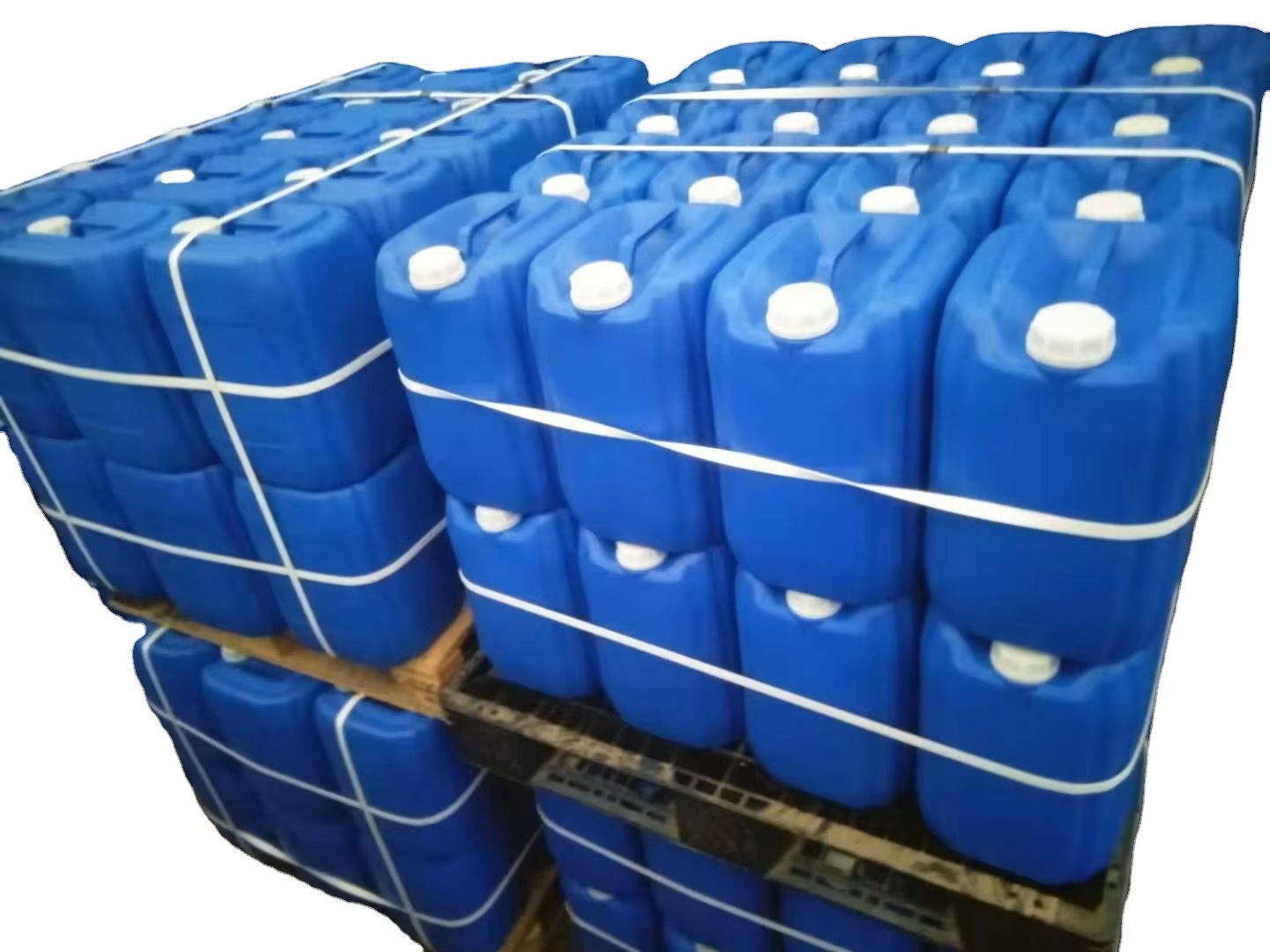
| HDPE Drum | 10 L, 20 L, 25 L, 50 L | HDPE drum | Industrial, bulk supply |
| Plastic Container | 5 L, 10 L, 20 L | HDPE / PET | Industrial, bulk supply |
| Aluminum Foil Bag | 1 L, 5 L, 10 L | Aluminum / PE | High purity, sensitive products |
| IBC Container | 500 L, 1000 L | HDPE or stainless steel IBC | Large-scale industrial supply |
SECTION 19: TRANSPORTATION INFORMATION
| Parameter | Information |
|---|---|
| UN Number | UN 3082 (Environmentally Hazardous Substance, Liquid, N.O.S.) |
| Hazard Class | Class 9 - Miscellaneous Dangerous Goods |
| Packing Group | III |
| ADR/RID | Class 9; UN 3082; Packing Group III |
| IMDG Code | Class 9; UN 3082; Marine pollutant: Yes |
| IATA (Air) | Class 9; UN 3082; Packing Group III |
| Transport Label | Class 9 / Environment |
| Marine Pollutant | Yes |
| Special Transport Requirements | Must be kept separate from oxidizing agents and acids; Must be secured against unauthorized access; Protect from light. |
SECTION 20: REGULATORY STATUS
| Region / Authority | Status |
|---|---|
| European Union | REACH registered; Approved for use in cosmetics (CIR: up to 0.20%); Approved for pharmaceutical use |
| USA (TSCA) | Listed (TSCA Inventory) |
| USA (FDA) | Approved for OTC and prescription use; Approved for dental/oral rinses; Approved for surgical hand scrub and patient preoperative skin preparation |
| Turkey | Regulated as pharmaceutical and cosmetic ingredient; Ministry of Health approval required; KKDIK regulation compliance required |
| USP/NF | Monograph listed; USP grade specifications established |
| IARC | Not classified (not carcinogenic) |
| NTP | Not listed |
| OSHA | Regulated as irritant; Hazard Communication Standard |
| California (Prop 65) | Not listed |
| Halal | Yes (synthetic, not animal-derived) |
| Kosher | Yes (with certification) |
| Vegan | Yes (synthetic) |
SECTION 21: OTHER NAMES AND SYNONYMS
| Type | Name |
|---|---|
| Turkish Names | Klorheksidin Glukonat, Klorheksidin Diglukonat, CHG |
| English Names | Chlorhexidine Gluconate, Chlorhexidine Digluconate, Chlorhexidine Bigluconate |
| Brand Names | Hibiclens, Hibitane, Hibiscrub, Corsodyl, Peridex, Betasept, Chloraprep, Biopatch, PerioChip, Avagard, Chlorostat |
| Chlorhexidine Base | Klorheksidin (base), CAS 55-56-1 |
| CAS Number (CHG) | 18472-51-0 |
| CAS Number (Base) | 55-56-1 |
| EC Number | 242-354-0 |
| HS Code | 2925.29 |
SECTION 22: SUMMARY TABLE
| Parameter | Value |
|---|---|
| Product | Chlorhexidine Gluconate (CHG) |
| CAS Number | 18472-51-0 |
| Molecular Formula | C₂₂H₃₀Cl₂N₁₀ · 2C₆H₁₂O₇ |
| Molecular Weight | 897.76 g/mol |
| Appearance | Colorless to pale yellow liquid |
| pH (1:20 dilution) | 5.5 – 7.0 |
| Assay | 19.0 – 21.0% (w/w) USP |
| Primary Function | Antiseptic, antimicrobial, disinfectant |
| Main Application Areas | Healthcare, dental/oral care, wound care, medical devices, cosmetics |
| Shelf Life | 24 – 48 months |
| GHS Signal Word | WARNING |
| UN Number | 3082 |
| Hazard Class | Class 9 |
| Packing Group | III |
| Special Properties | Broad-spectrum antimicrobial; Persistent residual activity; Light sensitive; Poorly absorbed; Mainly excreted in feces; Approved for OTC and prescription use; Vegan; Halal |
SECTION 23: CRITICAL WARNINGS AND BEST PRACTICES
CRITICAL WARNINGS:
-
HARMFUL IF SWALLOWED (H302): Avoid ingestion; Keep out of reach of children.
-
CAUSES SKIN IRRITATION (H315): Avoid prolonged skin contact; Wear protective gloves.
-
CAUSES SERIOUS EYE IRRITATION (H319): May cause serious and permanent eye damage if retained in the eye. DO NOT GET IN EYES, EARS, or MOUTH. Rinse immediately with cold water and seek medical attention if contact occurs.
-
VERY TOXIC TO AQUATIC LIFE (H400, H410): AVOID RELEASE TO THE ENVIRONMENT.
-
LIGHT SENSITIVE: Degrades upon light exposure; PROTECT FROM LIGHT.
-
ALLERGY WARNING: This product may cause serious allergic reactions in rare cases. Symptoms may include: wheezing/difficulty breathing, shock, facial swelling, hives, rash. If allergic reaction occurs, stop using and seek immediate medical attention.
-
DO NOT USE IF YOU ARE ALLERGIC TO CHLORHEXIDINE GLUCONATE.
-
DO NOT USE IN LUMBAR PUNCTURES OR CONTACT WITH MENINGES.
-
DO NOT USE ON OPEN SKIN WOUNDS OR AS A GENERAL SKIN CLEANSER.
-
USE WITH CAUTION IN PREMATURE INFANTS OR INFANTS UNDER 2 MONTHS OF AGE. May cause irritation or chemical burns.
-
PREGNANCY: Pregnancy Category B; Use during pregnancy only if clearly necessary.
-
NOT INTENDED FOR INGESTION: Should be expectorated after oral use.
BEST PRACTICE RECOMMENDATIONS:
| Application Area | Recommendation |
|---|---|
| Healthcare (Skin Antisepsis) | • Use as surgical hand scrub (4%) or healthcare personnel handwash (0.75-4%) • Scrub for 3 minutes (surgical) or 15 seconds (handwash) • Rinse thoroughly • For patient preoperative skin preparation: apply liberally and scrub for 2 minutes; repeat for an additional 2 minutes |
| Dental/Oral Care | • Use 0.12% chlorhexidine gluconate mouthwash • Recommended dosage: 15 mL, twice daily (morning and evening after brushing) for 30 seconds • Do not rinse with water, use other mouthwash, brush teeth, or eat immediately after use • Expectorate after rinsing |
| Wound Care | • Use for skin wound cleaning and general skin cleansing • Apply minimum amount to cover skin or wound area; gently wash; rinse thoroughly |
| Handling | • Use in well-ventilated areas • Avoid inhalation of vapors • Use protective equipment • Avoid contact with eyes, ears, and mouth |
| Personal Protective Equipment | MANDATORY: Chemical-resistant gloves, safety goggles or face shield, protective clothing (lab coat), respiratory protection if necessary |
| Hygiene | • Wash hands thoroughly after handling • Do not eat, drink, or smoke when using this product • Remove contaminated clothing and wash before reuse |
| Storage | • Store in tightly closed, light-protective containers • Store in a cool, dry, well-ventilated place • Protect from light and heat • Recommended storage at 2-8°C • Opened containers should be reclosed immediately • Shelf life: 24-48 months under proper conditions |
| Spill Management | • Dilute with water and wipe up or absorb with inert material (sand, vermiculite) • Collect in suitable sealed container • Do not allow to enter drains or water bodies • Dispose as hazardous waste |
| Disposal | • Dispose in accordance with local, regional, and national regulations • Hazardous waste (environmental hazard) • Use authorized disposal facilities |
SECTION 24: ANALYTICAL METHODS
| Method | Description | Advantages | Disadvantages |
|---|---|---|---|
| HPLC | Quantitative analysis of chlorhexidine gluconate | High sensitivity, accurate, USP method | High cost, requires expertise |
| Titrimetric | Chemical characterization | Simple, standard method | Less specific |
| UV Spectrophotometry | Absorption at 257 nm | Fast, simple | Not specific |
| GC | Analysis of degradation products (p-chloroaniline) | Detects impurities | Complex sample preparation |
| TLC | Fingerprint method | Rapid screening | Semi-quantitative |
LEGAL DISCLAIMER:
The information provided in this document is based on our current knowledge and experience and is presented in good faith. However, as all conditions of use are beyond our control, it does not constitute a binding specification or guarantee. This Technical Data Sheet is for informational purposes only. Users are responsible for testing suitability for their own applications and for complying with all local, regional, and national regulations. For complete safety, storage, use, handling, waste, and regulatory compliance information, please refer to the official Safety Data Sheet (SDS/MSDS) provided by the manufacturer/supplier. Chlorhexidine gluconate is a powerful antimicrobial agent; serious allergic reactions are possible; use with appropriate precautions and avoid contact with eyes, ears, and mucous membranes.