We unleash your business potential by maximize the business innovation.
Send EmailShea Butter, Karite Butter, Shea Oil, 194043-92-0
SHEA BUTTER (KARİTE YAĞI)
CAS 194043-92-0 | EC 606-306-6
SECTION 1: PRODUCT IDENTITY AND DEFINITION
| Parameter | Description |
|---|---|
| Product Name | Shea Butter |
| Other Names | Karite Butter, Shea Oil, Karite Yağı, Butyrospermum Parkii Butter |
| Botanical Source | Vitellaria paradoxa (formerly Butyrospermum parkii) |
| CAS Number | 194043-92-0 |
| EC Number | 606-306-6 |
| Chemical Class | Vegetable Fat / Plant Butter / Triglyceride |
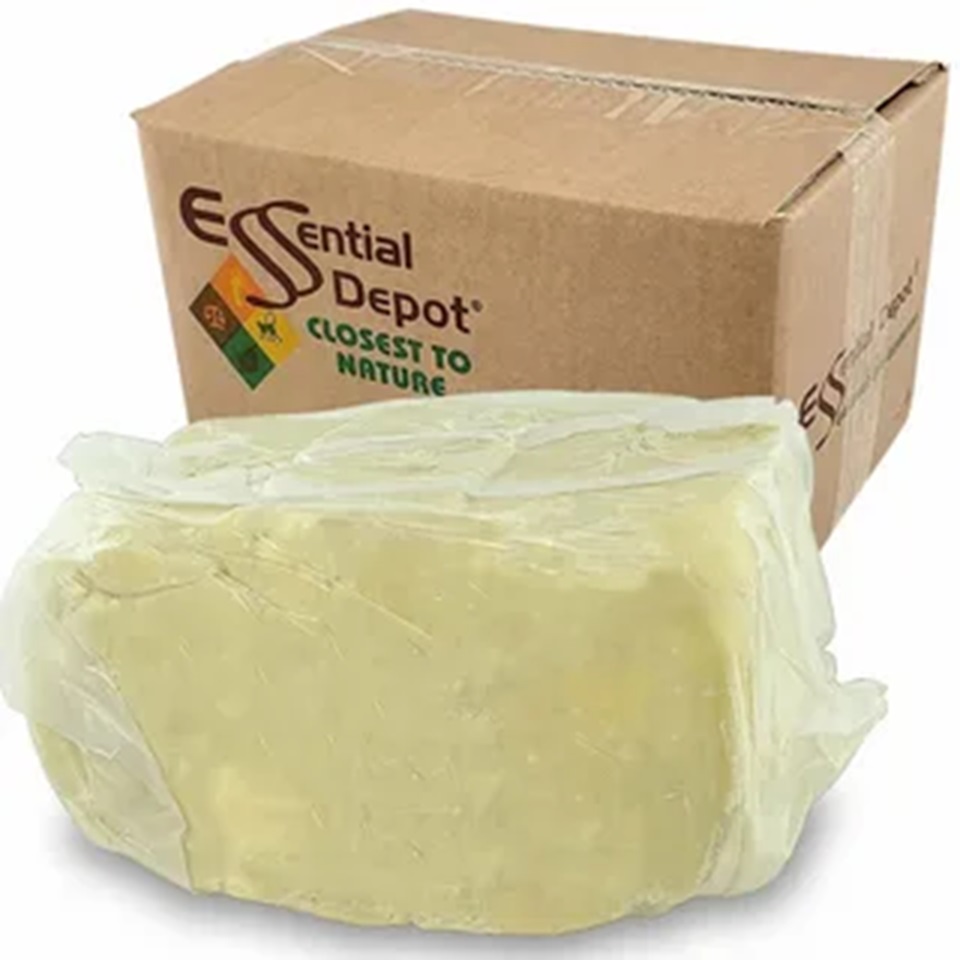
| Appearance | Solid at room temperature; creamy white to ivory color |
| INCI Name | Butyrospermum Parkii Butter |
| Source | West African Shea Tree nuts |
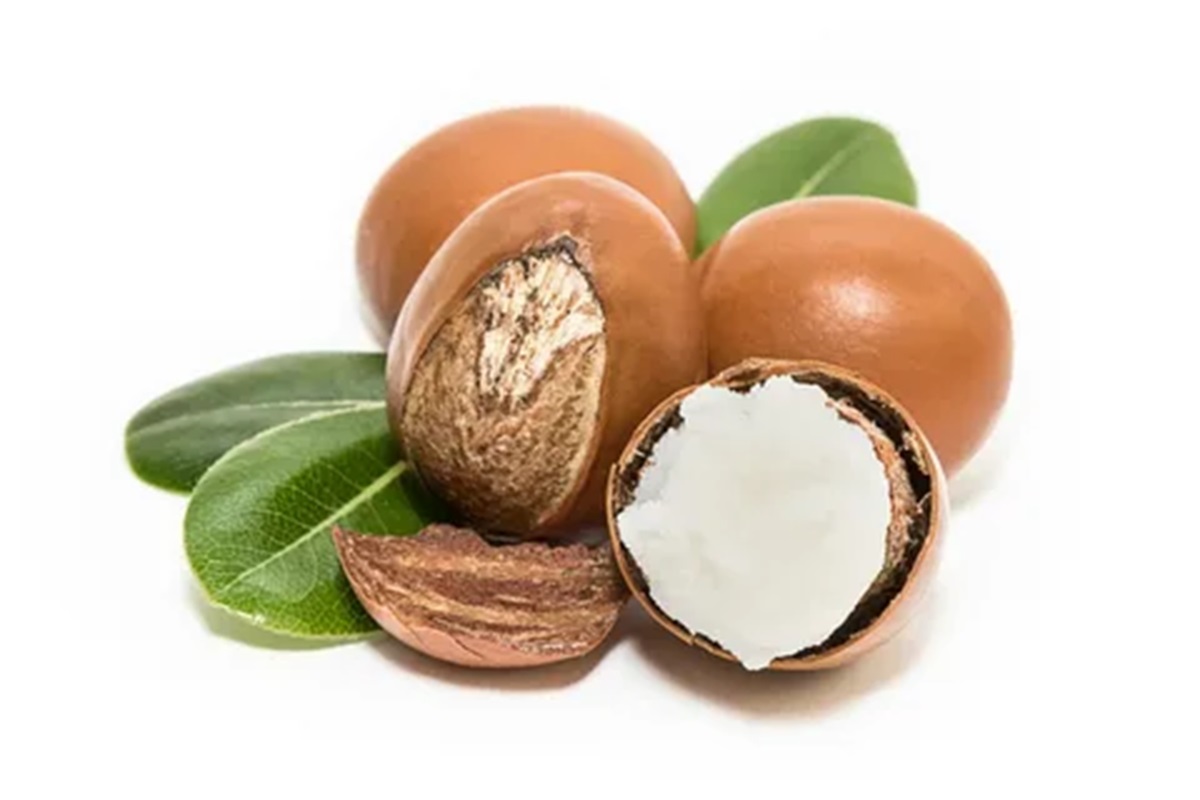
Description: Shea Butter is a natural plant-based fat extracted from the nuts of the Shea tree (Vitellaria paradoxa), which is native to West Africa. It has been used for centuries in cosmetic and medicinal applications for its exceptional moisturizing, healing, and protective properties. Rich in vitamins A, E, and F, as well as essential fatty acids, shea butter is highly valued in the dermocosmetic industry for its skin-softening, anti-inflammatory, and anti-aging benefits. It is solid at room temperature but melts upon contact with skin, making it an ideal ingredient for creams, lotions, balms, and hair care products.
SECTION 2: SYNONYMS AND OTHER NAMES
| No | Synonym / Other Name |
|---|---|
| 1 | Shea Butter |
| 2 | Karite Butter |
| 3 | Karite Yağı |
| 4 | Butyrospermum Parkii Butter |
| 5 | Shea Nut Butter |
| 6 | African Shea Butter |
| 7 | Karite Yağı (Turkish) |
| 8 | Shea Oil |
| 9 | Vitellaria Paradoxa Butter |
| 10 | 194043-92-0 |
| 11 | EC 606-306-6 |
| 12 | Shea Nut Oil |
| 13 | Karité (French) |
| 14 | Manteca de Karité (Spanish) |
| 15 | Sheabutter (German) |
| 16 | Shea Butter Refined |
| 17 | Shea Butter Unrefined |
| 18 | Organic Shea Butter |
| 19 | Raw Shea Butter |
| 20 | Natural Shea Butter |
SECTION 3: CHEMICAL COMPOSITION AND MOLECULAR PROPERTIES
| Parameter | Description |
|---|---|
| Chemical Family | Triglycerides / Vegetable Fats |
| Main Fatty Acids | Stearic Acid (35-45%), Oleic Acid (40-55%), Palmitic Acid (3-7%), Linoleic Acid (2-6%), Arachidic Acid (<1%) |
| Unsaponifiable Fraction | 4-10% (triterpene alcohols, phytosterols, tocopherols, hydrocarbons) |
| Key Vitamins | Vitamin A, Vitamin E, Vitamin F |
| Key Bioactive Compounds | Cinnamic acid esters, lupeol, butyrospermol, parkeol, karitene |
| Triglyceride Structure | Predominantly stearic-oleic-stearic (SOS) and stearic-oleic-oleic (SOO) |
| Saponification Value | 170-190 mg KOH/g |
| Iodine Value | 50-70 g I₂/100g |
| Unsaponifiable Matter | 4.0 – 10.0% |
| Acid Value (Refined) | ≤ 1.0 mg KOH/g |
| Peroxide Value | ≤ 10.0 meq O₂/kg |
Description: Shea Butter is a complex mixture of triglycerides, predominantly composed of stearic acid (35-45%) and oleic acid (40-55%). It is unique among vegetable butters due to its high unsaponifiable fraction (4-10%), which contains triterpene alcohols, phytosterols, tocopherols, and hydrocarbons. These bioactive compounds are responsible for shea butter's exceptional healing, anti-inflammatory, and skin-regenerating properties. The high proportion of stearic acid contributes to its solid consistency at room temperature, while oleic acid provides excellent skin penetration.
SECTION 4: TYPES AND GRADES OF SHEA BUTTER
| Type | Description | Properties |
|---|---|---|
| Unrefined (Raw) Shea Butter | Extracted using traditional methods; minimally processed; retains natural color, odor, and bioactive compounds | Deep yellow to ivory color; strong nutty, smoky odor; high unsaponifiable content; maximum nutrient retention |
| Refined Shea Butter | Processed with heat, filtration, and sometimes bleaching; neutralized and deodorized | White to off-white color; neutral odor; lower unsaponifiable content; longer shelf life; more consistent quality |
| Ultra-Refined Shea Butter | Further processed to remove all impurities; highly purified | Pure white; odorless; minimal unsaponifiable content; ideal for pharmaceutical applications |
| Organic Shea Butter | Certified organic; sourced from sustainably harvested shea nuts; no synthetic chemicals | Similar to unrefined; certified organic; higher antioxidant content |
| Fractionated Shea Butter | Liquid fraction separated from solid fraction; remains liquid at room temperature | Clear liquid; excellent for formulations requiring liquid oil; stable |
Description: Shea Butter is available in various grades, ranging from unrefined (raw) to ultra-refined. Unrefined shea butter retains the highest concentration of bioactive compounds, including vitamins, phytosterols, and triterpenes, which are responsible for its therapeutic properties. However, it has a stronger odor and shorter shelf life. Refined shea butter has a longer shelf life, neutral odor, and lighter color, making it more suitable for cosmetic formulations where color and fragrance are important, but it has fewer bioactive compounds.
SECTION 5: PHYSICAL APPEARANCE AND FORM
| Parameter | Specification | Typical Value |
|---|---|---|
| Physical State (25°C) | Solid (buttery) | - |
| Color (Unrefined) | Ivory to deep yellow | - |
| Color (Refined) | White to off-white | - |
| Color (Ultra-refined) | Pure white | - |
| Odor (Unrefined) | Strong nutty, smoky, characteristic | - |
| Odor (Refined) | Neutral, bland, odorless | - |
| Texture | Smooth, creamy, buttery | - |
| Consistency | Firm at room temperature; melts on skin contact | - |
| Melting Point | 32 – 40 °C | 35 – 37 °C |
| Density (25°C) | 0.90 – 0.92 g/cm³ | ~0.91 g/cm³ |
| Refractive Index (40°C) | 1.460 – 1.470 | ~1.465 |
| Saponification Value | 170 – 190 mg KOH/g | ~180 |
| Iodine Value | 50 – 70 g I₂/100g | 55 – 60 |
| Unsaponifiable Matter | 4.0 – 10.0% | 5.0 – 8.0% |
| Moisture Content | ≤ 1.0% | < 0.5% |
| Acid Value | ≤ 10.0 mg KOH/g (unrefined) / ≤ 1.0 (refined) | - |
| Peroxide Value | ≤ 10.0 meq O₂/kg | < 5.0 |
Description: Shea butter is a solid, waxy substance at room temperature with a smooth, creamy, buttery texture. It ranges in color from ivory to deep yellow for unrefined varieties, to white for refined varieties. The melting point is around 35-37°C, just below body temperature, allowing it to melt upon skin contact and absorb easily. Unrefined shea butter has a characteristic nutty, smoky odor, while refined shea butter is odorless.
SECTION 6: FATTY ACID COMPOSITION
| Fatty Acid | Percentage (%) | Function |
|---|---|---|
| Oleic Acid (C18:1, ω-9) | 40 – 55% | Emollient, skin penetration enhancer, anti-inflammatory |
| Stearic Acid (C18:0) | 35 – 45% | Solid consistency, skin conditioning, protective barrier |
| Palmitic Acid (C16:0) | 3 – 7% | Emollient, skin conditioning |
| Linoleic Acid (C18:2, ω-6) | 2 – 6% | Essential fatty acid, skin barrier repair, anti-inflammatory |
| Arachidic Acid (C20:0) | < 1% | Skin conditioning |
| Myristic Acid (C14:0) | < 1% | Emollient |
| Linolenic Acid (C18:3, ω-3) | < 1% | Essential fatty acid, skin repair |
| Unsaponifiable Fraction | 4 – 10% | Contains bioactive compounds (triterpenes, phytosterols, vitamins) |
Description: Shea butter is composed primarily of oleic acid (40-55%), a monounsaturated omega-9 fatty acid that provides excellent emollient properties and skin penetration. Stearic acid (35-45%) gives shea butter its solid consistency at room temperature and provides protective barrier properties. Linoleic acid (2-6%), an essential omega-6 fatty acid, is crucial for skin barrier repair and has anti-inflammatory effects. The high unsaponifiable fraction (4-10%) is unique to shea butter and contains bioactive compounds responsible for its therapeutic properties.
SECTION 7: BIOACTIVE COMPOUNDS AND UNSAPONIFIABLE FRACTION
| Compound | Percentage (%) | Function |
|---|---|---|
| Triterpene Alcohols | 2.0 – 4.0% | Anti-inflammatory, skin healing, wound repair |
| Phytosterols | 0.5 – 1.5% | Skin barrier repair, anti-inflammatory, antioxidant |
| Tocopherols (Vitamin E) | 0.1 – 0.3% | Powerful antioxidant, protects against free radicals |
| Vitamin A (Retinol) | Trace amounts | Skin cell regeneration, anti-aging |
| Cinnamic Acid Esters | 0.1 – 0.5% | UV absorption, antioxidant |
| Lupeol | 0.1 – 0.5% | Anti-inflammatory, wound healing |
| Butyrospermol | 0.5 – 1.0% | Skin conditioning, anti-inflammatory |
| Parkeol | 0.1 – 0.5% | Skin healing |
| Hydrocarbons | 0.5 – 1.0% | Emollient, skin conditioning |
Description: The unsaponifiable fraction (4-10%) of shea butter is what sets it apart from other vegetable butters. This fraction contains triterpene alcohols (lupeol, butyrospermol, parkeol), phytosterols, tocopherols (vitamin E), and cinnamic acid esters. Triterpenes are powerful anti-inflammatory agents that promote wound healing and skin regeneration. Phytosterols help repair the skin barrier and reduce inflammation. Vitamin E provides antioxidant protection against free radical damage. These bioactive compounds are responsible for shea butter's exceptional therapeutic properties.
SECTION 8: SKIN CARE BENEFITS AND MECHANISM
| Benefit | Mechanism | Clinical Evidence |
|---|---|---|
| Deep Moisturization | High fatty acid content (oleic, stearic) and emollient properties; forms an occlusive barrier that prevents trans-epidermal water loss (TEWL) | Excellent |
| Anti-Inflammatory Action | Triterpenes (lupeol, butyrospermol) inhibit inflammatory mediators (prostaglandins, leukotrienes) | Strong |
| Skin Barrier Repair | Linoleic acid (omega-6) and phytosterols restore the skin lipid barrier | Good |
| Anti-Aging Effects | Vitamins A and E, phytosterols, and triterpenes stimulate collagen production and neutralize free radicals | Good |
| Wound Healing | Lupeol and triterpene alcohols promote cell proliferation and tissue regeneration | Strong |
| UV Protection | Cinnamic acid esters provide mild natural UV-B absorption (SPF 3-6) | Moderate |
| Soothing and Calming | Anti-inflammatory compounds reduce redness, itching, and irritation | Strong |
| Antioxidant Protection | Tocopherols (vitamin E) and cinnamic acid esters neutralize free radicals | Good |
Description: Shea butter provides comprehensive skin care benefits through multiple mechanisms. Its rich fatty acid composition provides deep moisturization by forming an occlusive barrier that prevents water loss. Triterpenes (lupeol, butyrospermol) provide powerful anti-inflammatory effects by inhibiting inflammatory mediators. Linoleic acid and phytosterols repair the skin barrier, while vitamins A and E provide antioxidant and anti-aging benefits. Lupeol promotes wound healing and cell regeneration. Cinnamic acid esters provide mild natural UV-B protection. Together, these compounds make shea butter an exceptional ingredient for dry, sensitive, aging, and irritated skin.
SECTION 9: HAIR CARE BENEFITS
| Benefit | Mechanism |
|---|---|
| Deep Conditioning | Coats hair strands with a protective lipid layer; penetrates hair shaft with fatty acids |
| Moisture Retention | Forms an occlusive barrier; prevents moisture loss from hair |
| Frizz Control | Smoothes the hair cuticle; reduces static and flyaways |
| Split End Repair | Seals split ends; prevents further damage |
| Scalp Health | Anti-inflammatory properties soothe irritated scalp; reduces dandruff and flakiness |
| Hair Growth Support | Improves scalp circulation; provides nutrients for healthy follicles |
| Damage Protection | Protects hair from environmental stressors, heat, and UV rays |
| Softening and Smoothing | Makes hair soft, manageable, and shiny |
| Natural Hair Care | Suitable for natural, curly, textured, and chemically treated hair |
Description: Shea butter is an excellent natural ingredient for hair care. It deeply conditions and moisturizes hair by forming a protective layer and penetrating the hair shaft. It smooths the cuticle, reducing frizz and flyaways, and seals split ends. The anti-inflammatory properties soothe the scalp, reducing dandruff and flakiness. It supports healthy hair growth by improving scalp circulation and providing essential nutrients. It protects hair from environmental damage, heat, and UV rays. It is particularly beneficial for natural, curly, textured, and chemically treated hair types.
SECTION 10: COSMETIC AND PERSONAL CARE APPLICATIONS
| Application Category | Function / Benefit | Typical Use Level |
|---|---|---|
| Skin Care Products | ||
| Moisturizing Creams | Emollient, moisturizer, texture enhancer | 5 – 15% |
| Body Lotions | Emollient, skin softener, moisturizer | 5 – 15% |
| Hand Creams | Emollient, protective barrier | 10 – 25% |
| Night Creams | Emollient, anti-aging, skin repair | 5 – 15% |
| Anti-aging Creams | Anti-oxidant, collagen stimulation | 5 – 15% |
| Baby Care Products | Gentle moisturizer, soothing | 5 – 15% |
| Sunscreens | Emollient, mild UV-B absorption (SPF 3-6) | 5 – 15% |
| Lip Care | ||
| Lip Balms | Emollient, protective, moisturizing | 20 – 50% |
| Lipsticks | Texture enhancer, emollient | 5 – 20% |
| Hair Care | ||
| Hair Conditioners | Emollient, moisturizer, detangler | 2 – 10% |
| Hair Masks | Deep conditioning, repair | 5 – 20% |
| Leave-in Conditioners | Moisturizer, frizz control | 3 – 10% |
| Scalp Treatments | Soothing, moisturizing | 5 – 20% |
| Body Care | ||
| Body Butters | Emollient, moisturizer, texture enhancer | 10 – 50% |
| Massage Oils (as ingredient) | Emollient, skin conditioning | 10 – 30% |
| Foot Creams | Emollient, softening, healing | 10 – 25% |
| Soap Making | Superfatting agent, moisturizing | 5 – 15% |
| Makeup | Texture enhancer, emollient | 5 – 20% |
Formulation Recommendations: Shea butter can be used in oil-in-water (O/W) and water-in-oil (W/O) emulsions. For creams and lotions, shea butter is typically melted and added to the oil phase. It should be heated to 70-75°C to fully melt and combine with other oil-phase ingredients. In anhydrous formulations (balms, salves, body butters), shea butter can be melted and blended with other oils and waxes. It can be used as a stand-alone product or combined with other ingredients (coconut oil, cocoa butter, essential oils) for enhanced benefits.
SECTION 11: MEDICINAL AND THERAPEUTIC APPLICATIONS
| Application | Function / Description |
|---|---|
| Wound Healing | Promotes cell proliferation; accelerates wound closure; reduces inflammation |
| Dermatitis and Eczema | Reduces inflammation, itching, and redness; restores skin barrier |
| Psoriasis | Soothes scaling and inflammation; moisturizes dry patches |
| Diaper Rash | Soothes irritated skin; forms protective barrier |
| Sunburn Relief | Soothes burned skin; provides anti-inflammatory and moisturizing effects |
| Burns and Minor Wounds | Promotes healing; reduces pain and inflammation |
| Stretch Marks | Improves skin elasticity; may prevent and reduce stretch marks |
| Scar Reduction | Promotes collagen production; may reduce scar appearance |
| Insect Bites | Reduces itching, swelling, and redness |
| Muscle Aches and Joint Pain | Anti-inflammatory effects when used in massage |
| Cracked Heels | Softens and heals cracked, dry skin |
| Cold Sores | Soothes and moisturizes; may promote healing |
Description: Shea butter has a long history of medicinal use in Africa and other regions. Its therapeutic properties are supported by modern research, which has confirmed its anti-inflammatory, wound-healing, and skin-regenerating effects. The triterpene compounds in shea butter (particularly lupeol) inhibit inflammatory mediators and promote cell proliferation. It is used to treat various skin conditions including dermatitis, eczema, psoriasis, diaper rash, burns, and insect bites. It is also used to prevent and reduce stretch marks, minimize scar appearance, and soothe muscle aches and joint pain.
SECTION 12: COMPARISON WITH OTHER BUTTERS AND OILS
| Property | Shea Butter | Cocoa Butter | Mango Butter | Coconut Oil | Olive Oil |
|---|---|---|---|---|---|
| Source | Shea Tree Nut | Cocoa Bean | Mango Kernel | Coconut Meat | Olive Fruit |
| Consistency (25°C) | Solid | Hard Solid | Solid | Liquid (above 24°C) | Liquid |
| Melting Point | 32-40°C | 34-38°C | 32-36°C | 24-26°C | -6°C |
| Unsaponifiable Fraction | 4-10% | <1% | 4-8% | <1% | 1-2% |
| Key Fatty Acids | Stearic, Oleic | Stearic, Oleic, Palmitic | Stearic, Oleic | Lauric, Myristic | Oleic |
| Vitamin E Content | High | Moderate | High | Low | Moderate |
| Anti-Inflammatory Action | Very High | Low | Moderate | Low | Moderate |
| Skin Penetration | Good | Poor | Good | Excellent | Excellent |
| Comedogenic Rating | 0-1 (non-comedogenic) | 2-3 | 0-1 | 4 (highly) | 2 |
| Shelf Life | 12-24 months | 12-24 months | 12-24 months | 12-24 months | 12-24 months |
| Cost | Moderate | Moderate-High | Moderate | Low | Low-Moderate |
Description: Shea butter is unique among vegetable butters due to its high unsaponifiable fraction (4-10%), which provides exceptional anti-inflammatory, healing, and skin-regenerating properties. Compared to cocoa butter, shea butter has superior skin penetration and anti-inflammatory effects. Compared to coconut oil, shea butter is non-comedogenic (does not clog pores) and has better anti-inflammatory properties. Olive oil and shea butter both have good skin penetration, but shea butter provides more solid consistency and protective barrier effects.
SECTION 13: COSMETIC FORMULATION GUIDE
| Parameter | Recommendation |
|---|---|
| Heating Temperature | 70 – 75°C (to fully melt shea butter) |
| Cooling Rate | Slow cooling for smooth texture; rapid cooling may cause graininess |
| Oil Phase Addition | Add to oil phase when melted with other oils and waxes |
| Emulsification | Can be used in O/W and W/O emulsions; typical emulsifier required |
| Phase Inversion Temperature | Typically 70-75°C for O/W emulsions |
| Compatibility | Compatible with most cosmetic oils, waxes, emulsifiers, and preservatives |
| Storage Temperature | 15 – 25°C (cool, dry place) |
| Avoid | Excessive heat (may degrade bioactive compounds); direct sunlight |
| Suggested Co-ingredients | Coconut oil, jojoba oil, almond oil, essential oils, vitamin E, aloe vera |
| Typical Preservatives | Natural preservatives (vitamin E, rosemary extract) or synthetic preservatives (phenoxyethanol, parabens) |
Formulation Tips:
-
Melting: Shea butter should be melted at 70-75°C. Avoid prolonged heating at high temperatures to prevent degradation of bioactive compounds.
-
Cooling: For smooth, non-grainy texture, cool the formulation slowly with continuous stirring.
-
Mixing: Shea butter blends well with other oils, butters, and waxes. It can also be whipped for a lighter, airier texture.
-
Anhydrous Formulations: For body butters and balms, shea butter can be used as the main base combined with other oils and waxes.
-
Emulsions: For creams and lotions, shea butter should be added to the oil phase and homogenized with the water phase.
-
Stabilization: Add vitamin E (tocopherol) to prevent oxidation and extend shelf life.
SECTION 14: SHEA BUTTER RECIPES AND DIY APPLICATIONS
| Application | Recipe | Instructions |
|---|---|---|
| Whipped Body Butter | 50% Shea Butter, 25% Coconut Oil, 25% Jojoba Oil, Essential Oils | Melt all ingredients, cool until semi-solid, whip until fluffy, store in jar |
| Lip Balm | 40% Shea Butter, 30% Coconut Oil, 20% Beeswax, 10% Jojoba Oil, Essential Oils | Melt all ingredients, pour into lip balm tubes, let cool |
| Deep Hair Mask | 2 tbsp Shea Butter, 1 tbsp Coconut Oil, 1 tbsp Olive Oil, Essential Oils | Warm mixture, apply to hair and scalp, leave 30 minutes, rinse well |
| Cuticle Cream | 60% Shea Butter, 30% Coconut Oil, 10% Jojoba Oil, Essential Oils | Melt, pour into small container, let set, apply to cuticles daily |
| Stretch Mark Cream | 50% Shea Butter, 25% Coconut Oil, 25% Almond Oil, Vitamin E Oil, Essential Oils | Melt all ingredients, pour into jar, let cool, massage onto affected areas |
| Facial Night Cream | 40% Shea Butter, 30% Jojoba Oil, 20% Aloe Vera Gel, 10% Rosehip Oil, Essential Oils | Melt shea butter, mix with oils, add aloe vera, whip until emulsified |
| Foot Balm | 50% Shea Butter, 20% Coconut Oil, 20% Beeswax, 10% Peppermint Oil | Melt all ingredients, pour into container, let cool, apply to feet |
Usage Tips:
-
For hair, shea butter can be applied directly to the ends and massaged into the scalp. Leave in for 30 minutes to several hours before washing.
-
For skin, shea butter can be applied directly to dry areas, used as a body moisturizer after shower, or used as a face cream.
-
For stretch marks, apply shea butter to the abdomen, thighs, and breasts during pregnancy and postpartum. Regular massage improves elasticity.
-
For lips, apply a small amount of shea butter balm throughout the day to prevent chapping.
-
For scalp, melt shea butter and massage into scalp to soothe dryness and dandruff.
SECTION 15: REGULATORY STATUS
| Region / Authority | Status | Description |
|---|---|---|
| European Union | Permitted | Cosmetic ingredient; no specific restrictions |
| Turkey | Permitted | Compliant with EU legislation |
| USA (FDA) | Permitted | GRAS (Generally Recognized as Safe) for cosmetic use |
| Japan | Permitted | Japanese Cosmetics Standards |
| Canada | Permitted | Health Canada Cosmetic Classification |
| REACH | Not applicable | Natural product; not subject to REACH |
| FDA 21 CFR | Compliant | Suitable for cosmetic and OTC applications |
| COSMOS | Approved | Natural and organic cosmetic certification |
Description: Shea butter is permitted for use in cosmetics and personal care products in all major markets. It is considered safe and non-toxic. It is classified as a natural product and is not subject to REACH registration. It is approved by COSMOS for natural and organic cosmetic certification. When used as a food ingredient, it is GRAS (Generally Recognized as Safe) by the FDA.
SECTION 16: SAFETY AND DERMATOLOGICAL PROFILE
| Parameter | Assessment |
|---|---|
| Acute Oral Toxicity | Non-toxic (used as food in West Africa) |
| Acute Dermal Toxicity | Non-toxic; no known toxicity |
| Skin Irritation | Non-irritating (0-1 rating on primary irritation index) |
| Eye Irritation | Non-irritating to mildly irritating |
| Skin Sensitization | Non-sensitizing; very low allergenic potential |
| Comedogenic Rating | 0-1 (non-comedogenic; does not clog pores) |
| Photoallergenicity | None known |
| Phototoxicity | None known |
| Mutagenicity | Non-mutagenic |
| Carcinogenicity | Not classified (IARC, NTP) |
| Reproductive Toxicity | Not classified |
| Allergen Potential | Very low; rare case reports of allergic reactions (shea nut allergy) |
| Pregnancy/Breastfeeding | Generally recognized as safe for topical use; patch test recommended |
| Infant Use | Safe for baby care; widely used in diaper rash creams |
Safety Information:
Shea butter has an excellent safety profile. It is non-toxic, non-irritating, and non-sensitizing. It is considered non-comedogenic and suitable for all skin types, including sensitive and acne-prone skin. Rare allergic reactions may occur in individuals with tree nut allergies (shea is classified as a tree nut by some regulatory bodies, but allergenicity is extremely low). As with any cosmetic ingredient, a patch test is recommended before first use.
Important Note: Shea butter is derived from shea nuts, which are tree nuts. While shea butter is generally considered safe for individuals with nut allergies due to the extremely low protein content, individuals with severe nut allergies should consult a healthcare professional before use.
SECTION 17: STORAGE, SHELF LIFE AND PACKAGING
| Parameter | Description |
|---|---|
| Storage Temperature (Unrefined) | 15 – 25°C (cool, dry place) |
| Storage Temperature (Refined) | 15 – 30°C (cool, dry place) |
| Storage Conditions | Well-ventilated, dry, odor-free area |
| Light Protection | Protect from direct sunlight; use opaque or dark packaging |
| Moisture Sensitivity | Protect from moisture and humidity |
| Shelf Life (Unrefined) | 12 – 18 months (may vary with quality) |
| Shelf Life (Refined) | 24 – 36 months |
| Shelf Life (With Vitamin E) | Up to 36 months |
| Degradation Signs | Rancid odor, color change (darkening), texture change, mold growth |
| Standard Packaging | 1 kg, 5 kg, 10 kg, 20 kg, 25 kg plastic buckets or containers |
| Bulk Packaging | 50 kg, 100 kg, 200 kg drums |
| Container Material | Food-grade HDPE plastic buckets, drums, or lined boxes |
| Closure Recommendation | Keep tightly closed when not in use; avoid moisture ingress |
Description: Shea butter should be stored in a cool, dry place away from direct sunlight and heat. Unrefined shea butter has a shorter shelf life (12-18 months) due to the presence of bioactive compounds that can oxidize. Refined shea butter has a longer shelf life (24-36 months). Adding vitamin E (tocopherol) can extend shelf life by preventing oxidation. Degradation signs include rancid odor, color darkening, texture changes, and mold growth. Packaging should be opaque or dark to protect from light. HDPE plastic buckets or containers are standard for shea butter packaging.
SECTION 18: TRANSPORTATION AND SHIPPING INFORMATION
| Parameter | Description |
|---|---|
| UN Number | Not regulated (non-hazardous) |
| Hazard Class | Not classified as dangerous goods |
| Packing Group | Not applicable |
| Marine Pollutant | No |
| Transport Classification | |
| ADR (Road) | Not classified |
| RID (Rail) | Not classified |
| ADN (Inland Waterway) | Not classified |
| IMDG (Maritime) | Not classified |
| IATA/ICAO (Air) | Not classified |
| Transport Temperature | Ambient temperature (15-30°C) |
| Transport Precautions | Protect from heat (melting possible above 40°C); protect from moisture |
| Packaging Precautions | Use food-grade packaging; ensure tight seals to prevent moisture ingress |
Description: Shea butter is not classified as dangerous goods for transportation. It does not require UN number or hazard labeling. Temperatures above 40°C should be avoided during transport to prevent melting. Food-grade packaging is recommended, and seals should be tight to prevent moisture ingress. The GTIP/HS code for shea butter is 1515.90.99.00.00 (or may vary depending on destination and processing).
SECTION 19: ENVIRONMENTAL AND SUSTAINABILITY INFORMATION
| Parameter | Description |
|---|---|
| Biodegradability | Readily biodegradable; natural vegetable butter |
| Ecotoxicology | Non-toxic to aquatic organisms; biodegradable |
| Sustainability | Shea trees are wild-harvested in West Africa; supports local communities |
| Environmental Impact | Low environmental impact when harvested sustainably |
| Organic Certification | Available; USDA organic, ECOCERT, COSMOS approved |
| Fair Trade | Fair Trade certified options available |
| Renewable Resource | Yes; harvested annually from shea trees |
Description: Shea butter is a natural, renewable resource derived from shea trees in West Africa. Shea trees are wild-harvested, meaning no deforestation is required for cultivation. The production of shea butter supports local communities and provides economic opportunities for women in rural Africa. Organic and Fair Trade certified shea butter options are available, ensuring sustainable and ethical production practices. Shea butter is readily biodegradable and has low environmental impact compared to synthetic ingredients.
SECTION 20: QUALITY CERTIFICATES AND STANDARDS
| Certificate / Standard | Status | Description |
|---|---|---|
| ISO 9001:2015 | Certified | Manufacturing facilities have quality management system |
| ISO 14001:2015 | Certified | Environmental management system (optional) |
| FDA 21 CFR | Compliant | Suitable for cosmetic and food applications |
| USDA Organic | Available | Certified organic shea butter options available |
| ECOCERT | Available | Natural and organic certification |
| COSMOS | Available | Natural and organic cosmetic certification |
| Fair Trade | Available | Fair Trade certified options available |
| Halal | Available | Certified according to Islamic standards |
| Kosher | Available | Certified according to Jewish standards |
| Certificate of Analysis (COA) | Provided with each batch | Includes binding specifications |
| Safety Data Sheet (SDS) | Available | Current 16-section document |
| Technical Data Sheet (TDS) | Available | Comprehensive technical information |
| Good Manufacturing Practices (GMP) | Compliant | Cosmetic / Food GMP |
SECTION 21: DISCLAIMER AND LEGAL NOTICE
| Item | Description |
|---|---|
| Information Purpose | This Technical Data Sheet (TDS) is for informational purposes only and does not constitute a binding specification. |
| Typical Values | Values stated herein are based on typical laboratory results and may vary slightly between batches. |
| Binding Data | For binding specifications, the Certificate of Analysis (COA) for each batch should be requested. |
| User Responsibility | The user is solely responsible for determining the suitability of the product for the intended application and ensuring compliance with all applicable regulations. |
| SDS Requirement | A current Safety Data Sheet (SDS) should be requested from the supplier prior to use. |
| Safety Information | Safety information in this document is based on current knowledge but does not constitute a guarantee of the product's health and safety risks. |
| Regulatory Changes | The user is responsible for monitoring local and international regulatory changes. |
| Product Quality | Product quality is guaranteed in accordance with the standards specified in this document. |
| License / Patents | This document does not grant any license or patent rights for use of the product. |
| Side Effects | Allergic reactions may occur in sensitive individuals (particularly those with tree nut allergies); users should conduct suitability tests. |
DISCLAIMER (LEGAL NOTICE): This Technical Data Sheet (TDS) is for informational purposes only and does not constitute a binding specification. The values stated herein are based on typical laboratory results. The user is solely responsible for determining the suitability of the product for the intended application and for ensuring compliance with all local regulations. A current Safety Data Sheet (SDS) and Certificate of Analysis (COA) should be requested prior to use. Allergic reactions may occur in sensitive individuals (particularly those with tree nut allergies); suitability tests should be conducted. This document does not grant any license or patent rights for use of the product.