We unleash your business potential by maximize the business innovation.
Send EmailKeratin, Alpha-Keratin, Beta-Keratin, Cytokeratin, Hydrolyzed Keratin, Hydrolytic Keratin, 8046-22-2, 68238-35-7, 169799-44-4
KERATIN & HYDROLYZED KERATIN
SECTION 1: PRODUCT IDENTITY AND CHEMICAL IDENTIFICATION
| Parameter | Keratin | Hydrolyzed Keratin |
|---|---|---|
| Product Name | Keratin | Hydrolyzed Keratin |
| Synonyms | Keratin (Animal), Alpha-Keratin, Beta-Keratin, Cytokeratin | Hydrolyzed Keratin, Hydrolytic Keratin, Keratin Hydrolysate |
| CAS Number | 8046-22-2 (General Keratin) | 68238-35-7 (Animal) / 169799-44-4 (Human Epidermal) |
| EC Number (EINECS) | - | 269-409-1 |
| Chemical Class | Structural Protein / Intermediate Filament Protein | Hydrolyzed Protein / Peptides |
| Source | Animal tissues (wool, feathers, horns, hooves, hair, nails, skin) | Enzymatic or chemical hydrolysis of keratin |
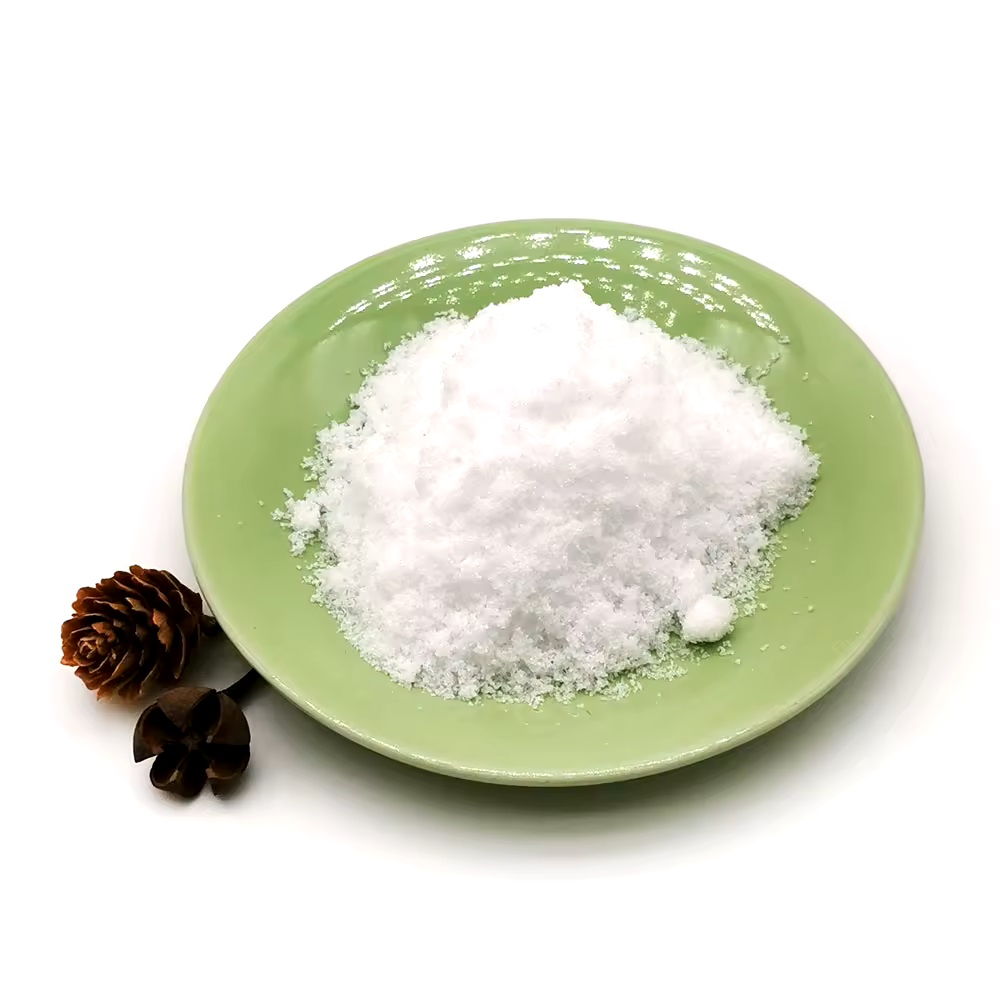
| Appearance | White to off-white powder, flakes or fibers | White to off-white powder |
| Odor | Characteristic; may have slight odor depending on source | Slight characteristic odor |
| Solubility | Insoluble in water (native form) | Soluble in water |
| INCI Name | Keratin | Hydrolyzed Keratin |
SECTION 2: CHEMICAL STRUCTURE
Keratin Structure:
    ┌─────────────────────────────────────┐
    │          Central Rod Domain          │  (α-helix, ~300 residues)
    │      (Coiled-coil structure)         │
    └─────────────────────────────────────┘
               │              │
    ┌──────────┴──────┐       │
    │    N-Terminal   │       │
    │   Head Domain   │       │
    └─────────────────┘       │
                              │
                    ┌─────────┴──────┐
                    │   C-Terminal   │
                    │   Tail Domain  │
                    └────────────────┘
Simplified Structure:
    [Type I Keratin] + [Type II Keratin] → Coiled-coil Dimer
                                              ↓
                                         Protofilament
                                              ↓
                                        Intermediate Filament
Hydrolyzed Keratin Structure:
    —[Amino Acid]—[Peptide]—[Amino Acid]—[Peptide]—

    Hydrolyzed Keratin
    (Small peptides, low molecular weight)
| Parameter | Keratin | Hydrolyzed Keratin |
|---|---|---|
| Molecular Weight | 40-60 kDa (Type I/II); 6-20 kDa (matrix proteins) | 0.5-10 kDa (peptides) |
| Structure | Coiled-coil dimer; Intermediate filament | Short peptide chains |
| Sulfur Content | Hard keratin: ~5%; Soft keratin: ~1% | Reduced (hydrolysis breaks disulfide bonds) |
| Amino Acids | Cysteine, glycine, serine, proline, tyrosine | Same amino acids in smaller chains |
| Isoelectric Point | Type I: 4.9-5.4; Type II: 6.5-8.5 | Variable (depends on hydrolysis) |
SECTION 3: KERATIN TYPES AND CLASSIFICATION
| Type | Description | Properties | Location |
|---|---|---|---|
| Type I (Acidic) | 28 types in humans (17 epithelial, 11 hair keratins) | Smaller, acidic proteins (pI 4.9-5.4); low molecular weight | Epithelial cells, hair, nails |
| Type II (Basic) | 26 types in humans (20 epithelial, 6 hair keratins) | Larger, neutral-basic proteins (pI 6.5-8.5) | Inner epithelial cells, hair |
| Alpha-Keratin | Found in mammals | Fibrous, helical structure; forms intermediate filaments | Hair, skin, nails, horns, wool |
| Beta-Keratin | Found in birds and reptiles | Parallel polypeptide sheets; hard and durable | Feathers, claws, beaks, scales |
| Hard Keratin | High sulfur content (~5%) | Rich in cysteine; many disulfide bonds; rigid and insoluble | Hair, horns, nails, hooves, feathers |
| Soft Keratin | Low sulfur content (~1%) | Fewer disulfide bonds; less rigid | Skin (stratum corneum), internal epithelial tissues |
SECTION 4: PHYSICAL AND CHEMICAL PROPERTIES
| Property | Keratin | Hydrolyzed Keratin |
|---|---|---|
| Appearance | White to off-white powder/flakes | White to off-white powder |
| Odor | Characteristic; may have slight odor | Slight characteristic odor |
| Water Solubility | Insoluble (native) | Soluble |
| Acid Solubility | Relatively stable in dilute mineral acids | Soluble |
| Alkali Solubility | Soluble in pH 10-11 or higher | Soluble |
| Organic Solvents | Insoluble | Insoluble |
| Melting Point | Decomposes before melting; >200°C | Decomposes before melting |
| Density | ~1.25 – 1.30 g/cm³ | Variable |
| Stability | Stable under normal conditions; resistant to enzymes | Stable under normal conditions |
| Hygroscopicity | Low | Moderate-High |
SECTION 5: KERATIN vs HYDROLYZED KERATIN vs HYDROLYTIC KERATIN
| Property | Keratin (8046-22-2) | Hydrolyzed Keratin (68238-35-7) | Hydrolytic Keratin (169799-44-4) |
|---|---|---|---|
| Molecular Structure | Large protein chain | Small peptides | Small peptides |
| Molecular Weight | 40-60 kDa | 0.5-10 kDa | 0.5-10 kDa |
| Water Solubility | Insoluble | Soluble | Soluble |
| Hair Penetration | Surface only (coating) | Penetrates hair shaft | Penetrates hair shaft |
| Repair Strength | Superficial, temporary | Deep, lasting repair | Deep, intensive repair |
| Moisture Retention | Moderate | High | High |
| Application | Shampoos, conditioners | Masks, serums | Professional care products |
| Target Audience | Normal hair care | Damaged hair | Very damaged, color-treated hair |
| INCI Name | Keratin | Hydrolyzed Keratin | Hydrolyzed Keratin |
SECTION 6: MECHANISM OF ACTION
| Mechanism | Description |
|---|---|
| Surface Protection | Native keratin forms a protective film on hair and skin surfaces. Reduces moisture loss and protects against environmental damage. |
| Hair Penetration (Hydrolyzed) | Hydrolyzed keratin, due to its small molecular weight (0.5-10 kDa), can penetrate the hair cuticle and reach the cortex. Fills gaps in damaged hair structure. |
| Strength and Elasticity | Keratin peptides bind to hair keratin, reinforcing the hair shaft. Reduces breakage and increases tensile strength. |
| Moisture Retention | Keratin's amino acid composition (especially serine, glycine) attracts and retains moisture. Improves hair elasticity and prevents dryness. |
| Film Formation | Forms a protective layer on hair and skin, smoothing the surface and adding shine. Reduces frizz and improves manageability. |
| Repair of Damaged Hair | Hydrolyzed keratin provides building blocks for damaged hair structure. Especially effective on chemically treated (bleached, permed, colored) hair. |
SECTION 7: NATURAL SOURCES
| Source | Keratin Type | Keratin Content | Main Use |
|---|---|---|---|
| Wool | Alpha-keratin (Type I and II) | High | Cosmetic ingredients, biomaterials |
| Human Hair | Alpha-keratin (Type I and II) | High | Hair care products, biomaterials |
| Feathers | Beta-keratin | High | Animal feed supplements, cosmetics |
| Hooves and Horns | Hard keratin (Type I and II) | High | Traditional medicine, polymers |
| Animal Horns | Hard keratin | High | Crafts, polymers |
| Nails | Hard keratin | High | Cosmetic applications |
| Skin | Soft keratin | Moderate | Cosmetic applications |
SECTION 8: PRODUCTION METHODS
Keratin Extraction:
| Step | Description |
|---|---|
| 1. Raw Material Preparation | Animal tissues (wool, feathers, hair) are cleaned and cut |
| 2. Delipidization | Removal of waxes and lipids with organic solvents |
| 3. Solubilization | Reductive extraction (DTT, 2-mercaptoethanol, sodium disulfide) → Keratein (cysteines intact, can be re-crosslinked) OR Oxidative extraction (peracetic acid, hydrogen peroxide) → Keratose (cysteines converted to cysteic acid, water-soluble, hygroscopic) |
| 4. Dialysis | Removal of small molecules |
| 5. Lyophilization | Powder form |
Hydrolyzed Keratin Production:
| Step | Description |
|---|---|
| 1. Keratin Extraction | Keratin extracted from animal sources (same as above) |
| 2. Hydrolysis | Enzymatic (proteases) or chemical (acid/alkaline) hydrolysis |
| 3. Peptide Size Control | Controlled conditions to achieve desired molecular weight (0.5-10 kDa) |
| 4. Purification | Filtration, dialysis |
| 5. Drying | Spray drying or lyophilization |
SECTION 9: COSMETIC AND PERSONAL CARE APPLICATIONS
| Application | Function / Benefit | Typical Use Level |
|---|---|---|
| Hair Care Products | ||
| Shampoos | Strengthens hair, improves appearance | 0.5 – 5% |
| Conditioners | Strengthens, softens, adds shine | 0.5 – 5% |
| Hair Masks | Deep conditioning, repair | 1 – 10% |
| Leave-in Treatments | Strengthening, smoothing | 0.5 – 5% |
| Hair Serums | Adds shine, reduces frizz | 0.5 – 5% |
| Keratin Hair Treatments | ||
| Salon Treatments (Brazilian Blowout) | Reduces frizz, adds shine and silkiness | Applied by professionals |
| At-home Treatments | Similar effects at lower concentrations | Variable |
| Skin Care Products | ||
| Moisturizers | Skin conditioning, barrier support | 0.5 – 5% |
| Body Lotions | Improves skin texture | 0.5 – 5% |
| Nail Care Products | ||
| Nail Hardening Treatments | Strengthens nails | 0.5 – 5% |
| Nail Serums | Improves nail health and appearance | 1 – 5% |
| Other Personal Care | ||
| Face Serums | Strengthens skin barrier | 0.5 – 2% |
SECTION 10: SAFETY AND TOXICOLOGICAL PROFILE
| Parameter | Keratin | Hydrolyzed Keratin |
|---|---|---|
| GHS Classification | Not classified as hazardous | Not classified as hazardous |
| Acute Oral Toxicity | Low toxicity | Low toxicity |
| Acute Dermal Toxicity | Low toxicity | Low toxicity |
| Skin Irritation | Generally not irritant | Generally not irritant |
| Eye Irritation | May cause mild irritation | May cause mild irritation |
| Skin Sensitization | Low sensitization potential | Low sensitization potential |
| Carcinogenicity | Not classified (IARC, NTP) | Not classified (IARC, NTP) |
| Mutagenicity | Not mutagenic | Not mutagenic |
| Reproductive Toxicity | Not classified | Not classified |
| Allergen Potential | Possible in sensitive individuals | Possible in sensitive individuals |
| Endocrine Disruption | No known potential | No known potential |
Potential Risks of Keratin Hair Treatments:
-
Formaldehyde exposure (in some treatments): eye irritation, nose/throat irritation, allergic reactions, scalp irritation/burns, hair loss/damage
-
Long-term formaldehyde exposure may have carcinogenic effects
-
Choose formaldehyde-free treatments to avoid unnecessary risks
SECTION 11: REGULATORY STATUS
| Region / Authority | Keratin | Hydrolyzed Keratin |
|---|---|---|
| European Union | Permitted | Permitted |
| Turkey | Permitted | Permitted |
| USA (FDA) | Permitted | Permitted |
| Japan | Permitted | Permitted |
| Canada | Permitted | Permitted |
| REACH | Registered | Registered |
| INCI | Listed (Keratin) | Listed (Hydrolyzed Keratin) |
SECTION 12: VEGAN STATUS AND ALTERNATIVES
| Parameter | Keratin | Hydrolyzed Keratin |
|---|---|---|
| Source | Animal (wool, hair, feathers, hooves, horns) | Animal (same sources) |
| Vegan Suitability | Not suitable for vegan products | Not suitable for vegan products |
| Vegetarian Suitability | Generally acceptable for vegetarians | Generally acceptable for vegetarians |
Vegan Alternatives:
| Alternative | Source | Vegan | Application |
|---|---|---|---|
| Plant Proteins | Soy, wheat, rice | ✅ | Hair and skin care |
| Hydrolyzed Oat Protein | Oat | ✅ | Hair and skin care |
| Hydrolyzed Quinoa Protein | Quinoa | ✅ | Hair care |
| Hydrolyzed Rice Protein | Rice | ✅ | Hair and skin care |
| Hydrolyzed Pea Protein | Pea | ✅ | Hair and skin care |
| Hydrolyzed Silk Protein | Silk (animal) | ❌ | Hair care |
SECTION 13: STORAGE AND SHELF LIFE
| Parameter | Keratin | Hydrolyzed Keratin |
|---|---|---|
| Storage Temperature | 15 – 30°C | 15 – 30°C |
| Storage Conditions | Cool, dry, well-ventilated area | Cool, dry, well-ventilated area |
| Container Requirements | Closed container to prevent moisture absorption | Closed container to prevent moisture absorption |
| Protect From | Excessive heat, moisture, contamination | Excessive heat, moisture, contamination |
| Shelf Life | 24 – 36 months (proper storage) | 24 – 36 months (proper storage) |
| Signs of Degradation | Color change, odor change, caking | Color change, odor change, caking |
| Hygroscopicity | Hygroscopic (absorbs moisture) | Hygroscopic (absorbs moisture) |
SECTION 14: PACKAGING OPTIONS
| Packaging Type | Quantity / Capacity | Material |
|---|---|---|
| Aluminum Foil Bag | 1 kg, 5 kg, 10 kg, 25 kg | Aluminum / PE |
| PE-Lined Kraft Bag | 10 kg, 25 kg | Kraft paper + PE liner |
| HDPE Drum | 25 kg, 50 kg | HDPE |
| Fiber Drum (PE Lined) | 25 kg, 50 kg | Fiber / PE |
| IBC Container | 500 kg, 1000 kg | HDPE |
SECTION 15: TRANSPORTATION INFORMATION
| Parameter | Information |
|---|---|
| UN Number | Not applicable (not classified as dangerous goods) |
| Hazard Class | Not applicable |
| ADR/RID | Not classified as dangerous goods |
| IMDG Code | Not marine pollutant |
| IATA (Air) | Not classified as dangerous goods; can be transported by air |
| Transport Temperature | Ambient temperature; protect from moisture |
SECTION 16: FREQUENTLY ASKED QUESTIONS
| Question | Answer |
|---|---|
| Q1: What is the difference between Keratin and Hydrolyzed Keratin? | Keratin (8046-22-2) is a large protein molecule that cannot penetrate the hair shaft; it works on the surface to coat and protect. Hydrolyzed Keratin (68238-35-7) is broken down into small peptides that can penetrate the hair shaft and provide deep repair. |
| Q2: Can Keratin penetrate the hair shaft? | Native Keratin (8046-22-2) has a large molecular weight (40-60 kDa) and cannot penetrate the hair cuticle. It forms a protective coating on the surface. Hydrolyzed Keratin (0.5-10 kDa) can penetrate the hair shaft. |
| Q3: Is Keratin vegan? | No. Keratin is derived from animal sources (wool, hair, feathers, hooves, horns). It is not suitable for vegan products. |
| Q4: Is Hydrolyzed Keratin safe? | Yes, hydrolyzed keratin is generally considered safe for topical application. However, keratin hair treatments may contain formaldehyde, which can cause irritation and other side effects. Choose formaldehyde-free treatments. |
| Q5: What is Hydrolytic Keratin (169799-44-4)? | Hydrolytic Keratin is another variant of hydrolyzed keratin with similar properties. It consists of low molecular weight peptides that penetrate the hair shaft and provide intensive repair, especially for very damaged or color-treated hair. |
| Q6: How does Hydrolyzed Keratin work? | Hydrolyzed keratin penetrates the hair cuticle and cortex, filling gaps in damaged hair structure. It provides amino acids (especially cysteine) that strengthen the hair shaft, improve elasticity, and retain moisture. |
| Q7: Are there vegan alternatives to Keratin? | Yes. Plant-based proteins such as hydrolyzed oat, quinoa, rice, pea, and soy proteins are vegan alternatives for hair and skin care applications. |
SECTION 17: SUMMARY TABLE
| Property | Keratin (8046-22-2) | Hydrolyzed Keratin (68238-35-7) | Hydrolytic Keratin (169799-44-4) |
|---|---|---|---|
| CAS Number | 8046-22-2 | 68238-35-7 | 169799-44-4 |
| Molecular Structure | Large protein chain | Small peptides | Small peptides |
| Molecular Weight | 40-60 kDa | 0.5-10 kDa | 0.5-10 kDa |
| Water Solubility | Insoluble | Soluble | Soluble |
| Hair Penetration | Surface only | Penetrates | Penetrates |
| Repair Strength | Superficial, temporary | Deep, lasting | Deep, intensive |
| Moisture Retention | Moderate | High | High |
| Application | Shampoos, conditioners | Masks, serums | Professional care |
| Target Audience | Normal hair | Damaged hair | Very damaged, color-treated |
| INCI Name | Keratin | Hydrolyzed Keratin | Hydrolyzed Keratin |
| Vegan | No | No | No |
SECTION 18: CRITICAL WARNINGS AND BEST PRACTICES
CRITICAL WARNINGS:
-
Keratin (8046-22-2): Does not penetrate hair shaft; works on the surface to coat and protect. Do not expect deep repair from native keratin.
-
Hydrolyzed Keratin (68238-35-7): Can penetrate the hair shaft. Choose hydrolyzed keratin for deep repair and damaged hair.
-
Hydrolytic Keratin (169799-44-4): Most effective for very damaged or color-treated hair. Choose this variant for intensive repair.
-
Formaldehyde Warning: Some keratin hair treatments contain formaldehyde. Choose formaldehyde-free treatments to avoid irritation and health risks.
-
Vegan Suitability: Keratin and hydrolyzed keratin are animal-derived; not suitable for vegan products.
-
Allergen Potential: Possible in sensitive individuals; perform patch test before use.
-
Hygroscopic: Absorbs moisture; store in tightly closed, dry containers.
BEST PRACTICE RECOMMENDATIONS:
-
Choose Correct Form: Use native keratin (8046-22-2) for surface protection and coating; hydrolyzed keratin (68238-35-7) for deep repair; hydrolytic keratin (169799-44-4) for intensive repair of very damaged hair.
-
Concentration: Shampoos/Conditioners: 0.5-5%; Masks/Serums: 1-10%; Professional treatments: applied by professionals.
-
Application: For hydrolyzed keratin, leave on hair for 3-5 minutes (masks) or as directed (serums). For keratin treatments, follow professional instructions.
-
Formaldehyde-Free: Choose formaldehyde-free keratin treatments to avoid health risks.
-
Storage: Store in cool, dry, airtight containers; protect from moisture.
-
Vegan Alternatives: Use hydrolyzed oat, quinoa, rice, pea, or soy proteins for vegan products.
-
Personal Protective Equipment: Gloves and eye protection during handling of powder forms.
LEGAL DISCLAIMER:
The information provided in this document is based on our current knowledge and experience and is presented in good faith. However, as all conditions of use are beyond our control, it does not constitute a binding specification or guarantee. This Technical Data Sheet is for informational purposes only. Users are responsible for testing suitability for their own applications and for complying with all local, regional, and national regulations. For complete safety, storage, use, handling, waste, and regulatory compliance information, please refer to the official Safety Data Sheet (SDS/MSDS) provided by the manufacturer/supplier. Keratin is an animal-derived protein; not suitable for vegan products. This document does not constitute medical advice.