We unleash your business potential by maximize the business innovation.
Send EmailParaffin Wax, Fully Refined Paraffin Wax, Mineral Hydrocarbon Wax, Synthetic Wax, Hard Paraffin, 8002-74-2, 308069-08-1
PARAFFIN WAX (FULLY REFINED PARAFFIN WAX)
CAS 8002-74-2 | CAS 308069-08-1 | EC 232-315-6
SECTION 1: PRODUCT IDENTITY AND DEFINITION
| Parameter | Description |
|---|---|
| Product Name | Paraffin Wax (Fully Refined Paraffin Wax) |
| Other Names | Paraffin, Hard Paraffin, Mineral Hydrocarbon Wax, Synthetic Wax, Block Paraffin, Pastille Paraffin |
| CAS Numbers | 8002-74-2 (Natural and refined paraffin waxes) / 308069-08-1 (Synthetic and Fischer-Tropsch based paraffin waxes) |
| EC Number (EINECS) | 232-315-6 |
| Chemical Formula | C₂₁H₂₇NO₃ (representative isomeric structure) / CₙH₂ₙ₊₂ (general formula for alkanes) |
| Chemical Class | Hydrocarbon Wax / Alkane Mixture |
| Appearance | White, odorless, crystalline solid |
| Source | Petroleum refining (base oil production by-product) |
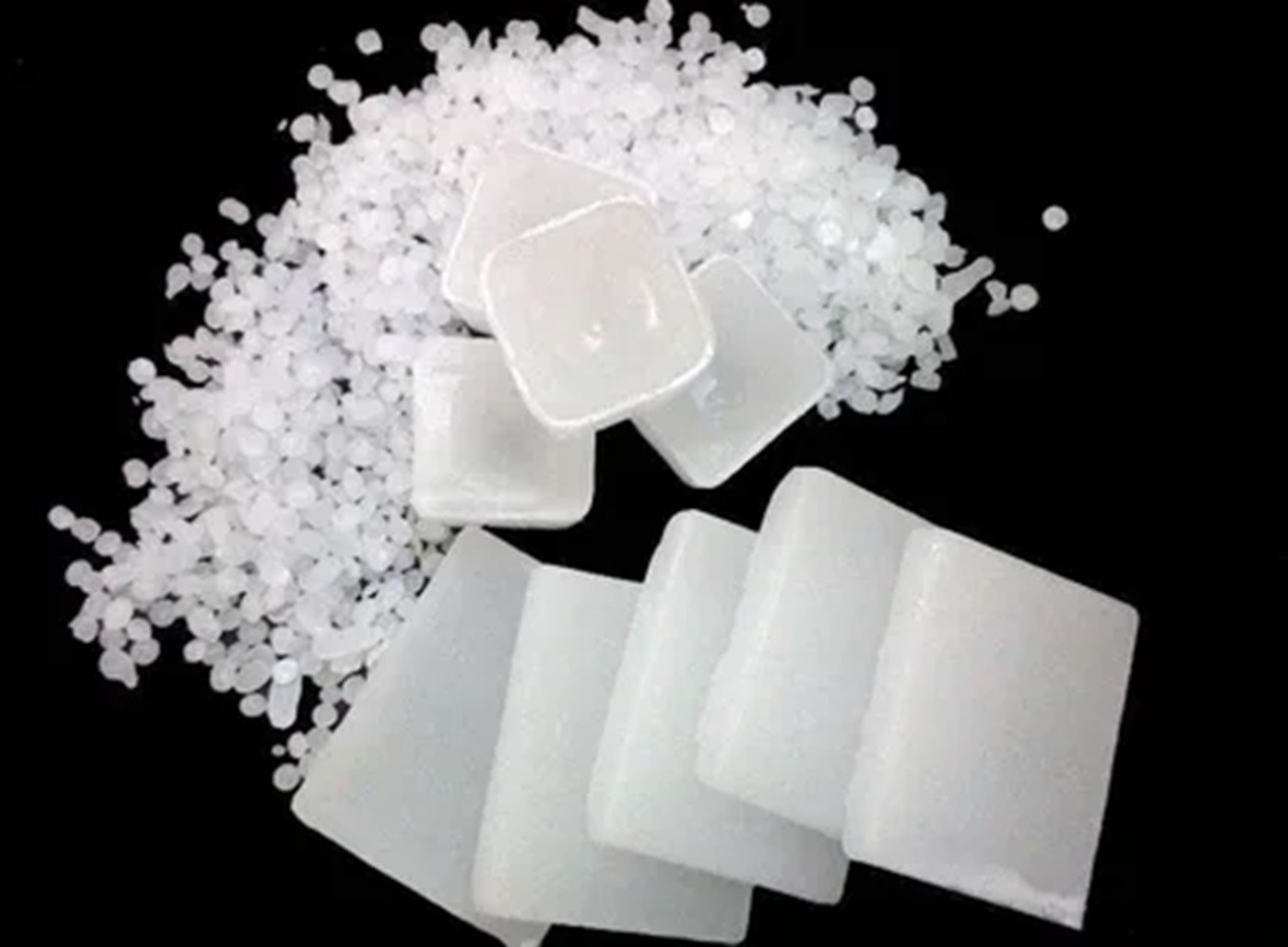
Description: Paraffin Wax is a white, odorless, tasteless, waxy solid derived from petroleum refining. It is a mixture of high molecular weight straight-chain alkanes (paraffin hydrocarbons) with the general formula CₙH₂ₙ₊₂. It is obtained from slack wax, a by-product of base oil production in petroleum refineries. Fully refined paraffin wax contains less than 0.5% oil and is characterized by its crystalline structure, hydrophobicity, and thermal stability. It is widely used in candle making, packaging, cosmetics, food coating, pharmaceuticals, and numerous industrial applications.
SECTION 2: SYNONYMS AND OTHER NAMES
| No | Synonym / Other Name |
|---|---|
| 1 | Paraffin Wax |
| 2 | Fully Refined Paraffin Wax |
| 3 | Hard Paraffin |
| 4 | Mineral Hydrocarbon Wax |
| 5 | Synthetic Wax |
| 6 | Block Paraffin |
| 7 | Pastille Paraffin |
| 8 | Solid Paraffin |
| 9 | Petroleum Wax |
| 10 | Crystalline Wax |
| 11 | Alkane Wax |
| 12 | Refined Paraffin |
| 13 | White Paraffin Wax |
| 14 | 8002-74-2 |
| 15 | 308069-08-1 |
| 16 | EC 232-315-6 |
| 17 | IGI Series Waxes |
| 18 | Cirebelle Series |
| 19 | Fischer-Tropsch Wax |
| 20 | FT Wax |
SECTION 3: CHEMICAL COMPOSITION AND STRUCTURE
| Parameter | Description |
|---|---|
| Chemical Family | Hydrocarbons / Alkanes |
| General Formula | CₙH₂ₙ₊₂ (straight-chain alkanes) |
| Carbon Chain Length | Typically C₂₀ – C₄₀ |
| Main Components | n-alkanes (straight-chain), iso-alkanes (branched), cyclo-alkanes (ring) |
| Crystalline Structure | Orthorhombic crystal lattice |
| Oil Content (Fully Refined) | < 0.5% |
| Oil Content (Semi Refined) | 1 – 3% |
| Typical Molecular Weight | 300 – 600 g/mol |
| Odor | Odorless |
| Taste | Tasteless |
Key Characteristics:
-
Mixture of saturated hydrocarbons (alkanes)
-
Predominantly straight-chain (normal) paraffins
-
High crystallinity
-
Hydrophobic and water-repellent
-
Chemically inert under normal conditions
SECTION 4: PARAFFIN WAX TYPES AND GRADES
| Type | CAS | Properties | Applications |
|---|---|---|---|
| Block Paraffin | 8002-74-2 | Melting point 42-48°C / 58-60°C | Candles, packaging, textiles |
| Pastille Paraffin | 8002-74-2 | 51-60°C, easy dosing | Cosmetics, food |
| Synthetic Paraffin (FT Wax) | 308069-08-1 | High purity, low oil content | PVC, plastisol |
| Microcrystalline Wax | 63231-60-7 | High viscosity, elastic structure | Cosmetics, pharmaceuticals |
| Hard Paraffin | 8002-74-2 | Hard, high melting point | Electrical insulation, casting |
| Hydrophobol APK / Hydropel QB | - | Water-repellent special formulations | Textiles, exterior coatings |
| Soy Wax (Alternative) | - | Plant-based, vegan | Candles, natural cosmetics |
| Vegetable Wax | - | Natural origin, biodegradable | Vegan cosmetics, natural candles |
SECTION 5: PHYSICAL PROPERTIES
| Parameter | Specification | Typical Value | Test Method |
|---|---|---|---|
| Physical State (20°C) | Solid (waxy) | - | Visual |
| Appearance | White, crystalline solid | - | Visual |
| Color | White to off-white | - | Visual |
| Odor | Odorless | - | Organoleptic |
| Melting Point | 42 – 66 °C | 51 – 60 °C | ASTM D87 |
| Density (25°C) | 0.88 – 0.92 g/cm³ | ~0.90 g/cm³ | ASTM D4052 |
| Specific Gravity (25°C) | 0.88 – 0.92 | ~0.90 | ASTM D4052 |
| Refractive Index (80°C) | 1.420 – 1.440 | ~1.430 | ASTM D1218 |
| Oil Content (Fully Refined) | ≤ 0.5% | < 0.3% | ASTM D721 |
| Oil Content (Semi Refined) | 1 – 3% | - | ASTM D721 |
| Penetration (100g, 25°C) | 10 – 20 dmm | ~15 dmm | ASTM D1321 |
| Kinematic Viscosity (100°C) | 3 – 8 cSt | ~5 cSt | ASTM D445 |
| Flash Point | > 200 °C | ~220 °C | ASTM D93 |
| Fire Point | > 230 °C | ~250 °C | ASTM D92 |
| Water Solubility | Insoluble | - | - |
| Solubility in Organic Solvents | Soluble in benzene, toluene, chloroform, ether, hot oils | - | - |
| Coefficient of Expansion | 0.0006 – 0.0008 / °C | - | - |
| Specific Heat (25°C) | ~2.2 J/g·°C | - | - |
| Thermal Conductivity | ~0.25 W/m·K | - | - |
SECTION 6: PRODUCTION PROCESS
Manufacturing Steps:
-
Oil Removal (Dewaxing):
-
Slack wax is mixed with solvents (e.g., ketones)
-
Cooled to crystallize the wax
-
Oil is separated by crystallization
-
-
Filtration:
-
Solid stream: Wax + solvent
-
Liquid stream: Oil + solvent
-
-
Refining:
-
Bleaching (decolorization)
-
Deodorization (odor removal)
-
Color correction
-
-
Classification:
-
Semi Refined: 1-3% oil content
-
Fully Refined: <0.5% oil, high purity
-
-
Formulation:
-
Available in blocks, pastilles, powder, liquid forms
-
Production Flow:
Crude Oil → Distillation → Vacuum Gas Oil → Hydrotreating → Dewaxing → De-oiling → Hydrogenation → Filtration → Crystallization → Finished Wax
SECTION 7: INDUSTRIAL APPLICATIONS
| Application | Function / Benefit |
|---|---|
| PVC Production | Lubricant, plastisol modifier, processing aid |
| Hot Melt Adhesives | Viscosity control, cooling time, adhesion |
| Paper and Packaging Coatings | Water resistance, gloss, barrier properties |
| Candle Manufacturing | Fuel, structure, strength, opacity |
| Electrical Insulation | Dielectric properties, transformer encapsulation |
| Investment Casting | Lost wax technique, mold making |
| Explosive Stabilization | Phlegmatizing agent |
| Wood Polishes | Gloss, protection, water resistance |
| Match Production | Binding agent |
| Paints and Inks | Gloss control, rheology modifier |
| Fishing Net Protection | Corrosion prevention |
| Electronic Encapsulation | Transformer, pickup protection |
SECTION 8: FOOD AND COSMETIC APPLICATIONS
| Application | Function / Benefit | Typical Use Level |
|---|---|---|
| Food Applications | ||
| Confectionery Glazing | Gloss, shine, moisture barrier | 0.1 – 0.5% |
| Cheese Coating (Edam, etc.) | Protective coating, moisture retention | 0.1 – 0.5% |
| Chewing Gum Base | Plasticizer, texture modifier | 1 – 5% |
| Fruit Coating | Moisture barrier, gloss | 0.1 – 0.5% |
| Cosmetic Applications | ||
| Lipsticks | Texture, gloss, stability | 5 – 15% |
| Creams and Lotions | Thickener, stabilizer, emollient | 1 – 5% |
| Depilatory Wax | Hair removal base | 10 – 30% |
| Petroleum Jelly Base | Emollient, occlusive | 10 – 50% |
| Skin Protectants | Barrier function | 5 – 20% |
| Pharmaceutical Applications | ||
| Ointments | Base, thickener | 5 – 20% |
| Tablet Coating | Polishing agent | 1 – 5% |
| Suppositories | Hardening agent | 5 – 15% |
SECTION 9: SPECIALTY AND TECHNICAL APPLICATIONS
| Application | Function / Benefit |
|---|---|
| Histology | Tissue embedding, sectioning |
| Thermal Energy Storage | Phase change material (PCM) |
| Neutron Radiation Shielding | Hydrogen content, neutron moderation |
| Hybrid Rocket Fuel | Fuel component |
| Thermal Printer Ink Blocks | Print media |
| Surf/Ski/Skateboard Wax | Glide improvement, protection |
| Wood Carving | Lubrication |
| Forensic Testing | Nitrate residue detection |
| Water Repellent Treatments | Hydrophobization of textiles and surfaces |
| Anti-Corrosion Coatings | Metal protection |
SECTION 10: COMMERCIAL VARIANTS AND BRANDS
| Brand/Series | Description | Applications |
|---|---|---|
| IGI Series (1230A, 1274AK, 941) | Industrial grade | Packaging, technical wax applications |
| Cirebelle Series (104, 107, 109) | Cosmetic and food grade | Tablet coating, food glazing |
| Bareco PX 105 | Specialty wax | Industrial applications |
| Emustar Series (0135, 0185, 0454, 3115) | Emulsifiable grades | Cosmetics, textile |
| Hydrophobol APK / Hydropel QB | Water-repellent formulations | Textiles, exterior coatings |
| Matsumoto Wax | Specialty wax | Various industrial applications |
| Hostalub | Lubricant grade | PVC processing |
| Michem | Micronized wax | Coatings, inks |
| Lubriol | Lubricant grade | Industrial processing |
| Calumet | Refined paraffin | Candle making |
| Cerafine | High purity wax | Pharmaceutical, food |
| Fischer-Tropsch Wax (FT Wax) | Synthetic wax | High-performance applications |
SECTION 11: PHYSICAL FORMS AND GRADES
| Form | Description | Applications |
|---|---|---|
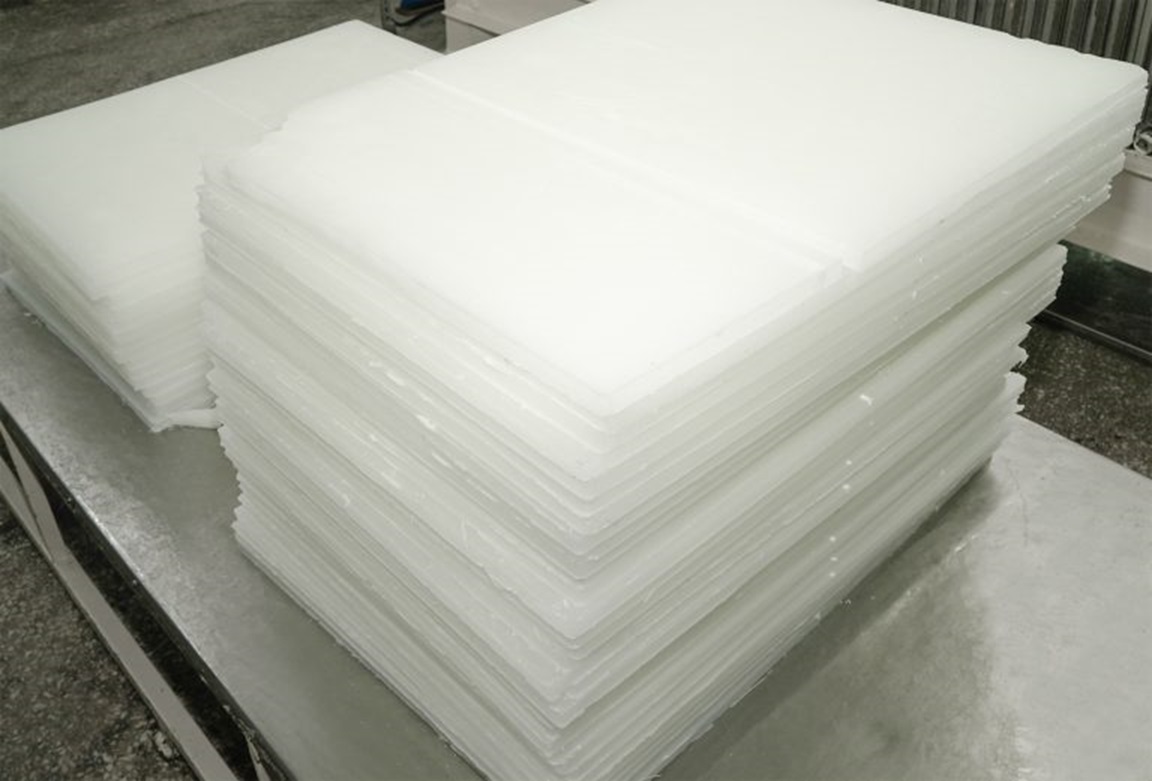
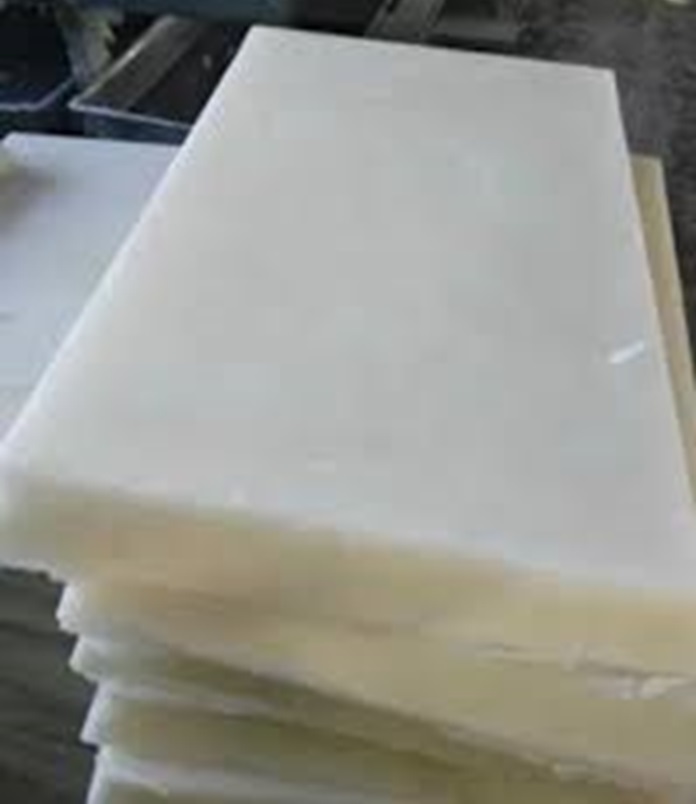
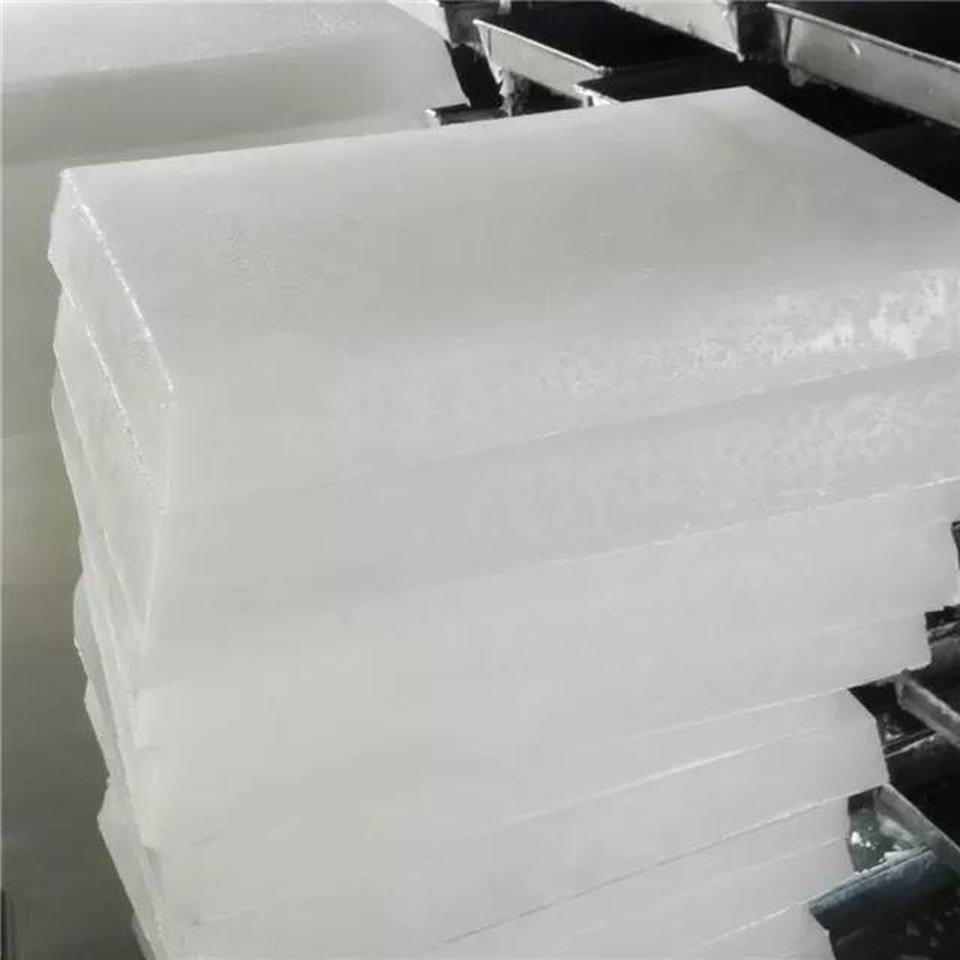
| Solid Block Paraffin (42-48°C / 58-60°C) | Low and medium melting point blocks | Candles, packaging, textiles |
| Pastille Form (51-60°C) | Granular/particulate form, easy dosing | Cosmetics, food coating |
| Powder Paraffin | Micronized form | Tablet coating, dispersion systems |
| Gel Paraffin | Transparent, elastic structure | Decorative candles, cosmetics |
| Soy Wax / Vegetable Wax | Natural origin alternative | Vegan cosmetics, natural candles |
| Bead Wax (Soy or Synthetic) | Small granular form | Fast melting systems, soap production |
| Microcrystalline Wax | Fine crystalline structure | Cosmetics, pharmaceuticals, coatings |
| Fischer-Tropsch Wax | Synthetic, high purity | PVC, plastisol, technical coatings |
SECTION 12: COMPARISON OF PARAFFIN TYPES
| Type | CAS | Oil Content | Melting Point | Hardness | Applications |
|---|---|---|---|---|---|
| Semi Refined Paraffin | 8002-74-2 | 1 – 3% | 48 – 60°C | Medium | Candles, packaging, textiles |
| Fully Refined Paraffin | 8002-74-2 | < 0.5% | 51 – 60°C | Medium-Hard | Cosmetics, food, pharmaceuticals |
| Hard Paraffin | 8002-74-2 | < 0.5% | 58 – 66°C | Hard | Electrical insulation, floor polish |
| Synthetic Wax (FT Wax) | 308069-08-1 | < 0.1% | 70 – 110°C | Very Hard | PVC, plastisol, technical coatings |
| Microcrystalline Wax | 63231-60-7 | 1 – 5% | 60 – 90°C | Elastic | Cosmetics, nail polish, lipsticks |
| Soy Wax | - | - | 49 – 57°C | Soft | Vegan candles, cosmetics |
SECTION 13: REGULATORY STATUS
| Region / Authority | Status | Description |
|---|---|---|
| European Union | Permitted | Approved for food and cosmetic applications |
| Turkey | Permitted | Compliant with EU legislation |
| USA (FDA) | Permitted | GRAS; approved as food additive |
| Japan | Permitted | Approved for food and pharmaceutical use |
| Canada | Permitted | Health Canada approved |
| USP/EP | Available | Pharmacopoeia quality standard available |
| REACH | Registered | Compliant with REACH regulations |
| E Number | E905 | Approved for food use |
SECTION 14: SAFETY AND TOXICOLOGICAL PROFILE
| Parameter | Assessment |
|---|---|
| Acute Oral Toxicity | Non-toxic; practically non-toxic |
| Acute Dermal Toxicity | Non-toxic |
| Skin Irritation | Non-irritating |
| Eye Irritation | Non-irritating to mildly irritating |
| Skin Sensitization | Not a sensitizer |
| Carcinogenicity | Not classified (IARC, NTP) |
| Mutagenicity | Not mutagenic |
| Reproductive Toxicity | Not classified |
| Endocrine Disruption | No known potential |
| Inhalation Toxicity | Low; high concentrations of fumes may cause irritation |
| Environmental Toxicity | Low; practically non-toxic to aquatic organisms |
| Biodegradability | Slowly biodegradable; persistent in environment |
| Bioaccumulation | Low |
| WGK Germany | Class 1 (slightly hazardous to water) |
| Safety Descriptions | S24/25 – Avoid contact with skin and eyes |
SECTION 15: STORAGE AND SHELF LIFE
| Parameter | Information |
|---|---|
| Storage Temperature | 15 – 30°C (cool, dry place) |
| Storage Conditions | Well-ventilated, dry area; avoid moisture |
| Container Requirements | Sealed containers; avoid contamination |
| Protect From | Heat (melts above 60°C), moisture, strong oxidizing agents |
| Shelf Life | 24 – 60 months (under proper storage) |
| Degradation Signs | Color change, odor development, texture change |
| Hygroscopicity | Low (hydrophobic) |
| Compatibility | Compatible with most oils, fats, waxes, and organic solvents |
| Incompatible Materials | Strong oxidizing agents |
Packaging Options:
-
25 kg multi-layer paper bags (pastilles)
-
25 kg PE-lined bags (powder)
-
25 kg, 50 kg blocks
-
500 kg, 1000 kg big-bags
SECTION 16: TRANSPORTATION AND SHIPPING INFORMATION
| Parameter | Description |
|---|---|
| UN Number | Not regulated (non-hazardous) |
| Hazard Class | Not classified as dangerous goods |
| Packing Group | Not applicable |
| Marine Pollutant | No |
| Transport Classification | |
| ADR (Road) | Not classified |
| RID (Rail) | Not classified |
| IMDG (Maritime) | Not classified |
| IATA/ICAO (Air) | Not classified |
| Transport Temperature | Ambient temperature (15-30°C) |
| Transport Precautions | Protect from moisture; avoid temperatures above 40°C |
| Packaging Precautions | Use sturdy, moisture-protected packaging |
Description: Paraffin wax is not classified as dangerous goods for transportation. It does not require UN number or hazard labeling. Temperatures above 40°C should be avoided during transport to prevent softening or melting. The GTIP/HS code is 2712.20.00.00.00.
SECTION 17: QUALITY CERTIFICATES AND STANDARDS
| Certificate / Standard | Status | Description |
|---|---|---|
| ISO 9001:2015 | Certified | Quality management system |
| ISO 14001:2015 | Certified | Environmental management system |
| FDA 21 CFR | Compliant | Food, cosmetic, and pharmaceutical applications |
| USP/EP | Available | Pharmacopoeia quality standard |
| REACH | Registered | EU chemical regulation compliance |
| Halal | Available | Certified upon request |
| Kosher | Available | Certified upon request |
| Certificate of Analysis (COA) | Provided with each batch | Includes binding specifications |
| Safety Data Sheet (SDS) | Available | Current 16-section document |
| Technical Data Sheet (TDS) | Available | Comprehensive technical information |
| Good Manufacturing Practices (GMP) | Compliant | Manufacturing quality standards |
SECTION 18: SCENTED AND COLORED PARAFFINS (HOBBY AND COSMETIC)
| Type | Description |
|---|---|
| Scented Paraffins | Lavender, vanilla, ocean, jasmine, coffee, strawberry, etc. |
| Colored Paraffins | Red, white, pastel colored blocks |
| Soy-Based Alternatives | Natural wax alternatives from soybean oil |
| Sunflower-Based Alternatives | Natural wax from sunflower oil |
| Palm-Based Alternatives | Natural wax from palm oil |
| Blended Waxes | Mixtures of paraffin with natural waxes |
SECTION 19: SUMMARY AND COMPARISON
| Property | Fully Refined Paraffin | Semi Refined Paraffin | Synthetic FT Wax | Microcrystalline Wax |
|---|---|---|---|---|
| CAS | 8002-74-2 | 8002-74-2 | 308069-08-1 | 63231-60-7 |
| Oil Content | < 0.5% | 1 – 3% | < 0.1% | 1 – 5% |
| Melting Point | 51 – 60°C | 48 – 60°C | 70 – 110°C | 60 – 90°C |
| Hardness | Medium-Hard | Medium | Very Hard | Elastic |
| Crystal Structure | Coarse | Coarse | Very Fine | Fine |
| Applications | Cosmetics, food, pharmaceuticals | Candles, packaging | PVC, plastisol | Cosmetics, nail polish |
SECTION 20: DISCLAIMER AND LEGAL NOTICE
| Item | Description |
|---|---|
| Information Purpose | This Technical Data Sheet (TDS) is for informational purposes only and does not constitute a binding specification. |
| Typical Values | Values stated herein are based on typical laboratory results and may vary slightly between batches. |
| Binding Data | For binding specifications, the Certificate of Analysis (COA) for each batch should be requested. |
| User Responsibility | The user is solely responsible for determining the suitability of the product for the intended application and ensuring compliance with all applicable regulations. |
| SDS Requirement | A current Safety Data Sheet (SDS) should be requested from the supplier prior to use. |
| Safety Information | Safety information in this document is based on current knowledge but does not constitute a guarantee of the product's health and safety risks. |
| Regulatory Changes | The user is responsible for monitoring local and international regulatory changes. |
| Product Quality | Product quality is guaranteed in accordance with the standards specified in this document. |
| License / Patents | This document does not grant any license or patent rights for use of the product. |
| Side Effects | Allergic reactions are rare but possible in sensitive individuals; users should conduct suitability tests. |
DISCLAIMER (LEGAL NOTICE): This Technical Data Sheet (TDS) is for informational purposes only and does not constitute a binding specification. The values stated herein are based on typical laboratory results. The user is solely responsible for determining the suitability of the product for the intended application and for ensuring compliance with all local regulations. A current Safety Data Sheet (SDS) and Certificate of Analysis (COA) should be requested prior to use. Allergic reactions are rare but possible in sensitive individuals; suitability tests should be conducted. This document does not grant any license or patent rights for use of the product.