We unleash your business potential by maximize the business innovation.
Send EmailLimonene, D-Limonene, L-Limonene, DL-Limonene, Dipentene, Pine Oil, Citrus Terpene, Orange Terpene, 5989-27-5, 138-86-3, 555-08-8, 7705-14-8, 8022-90-0, 8050-32-6
LIMONENE (DL-LIMONENE / D-LIMONENE)
PRODUCT IDENTIFICATION INFORMATION
| Parameter | Information |
|---|---|
| Product Name | Limonene |
| Chemical Name | 1-Methyl-4-(1-methylethenyl)cyclohexene |
| Synonyms (Turkish) | Limonen, D-Limonen, L-Limonen, DL-Limonen, Dipenten, Çam Yağı, Narenciye Terpeni |
| Synonyms (English) | Limonene, D-Limonene, L-Limonene, DL-Limonene, Dipentene, Pine Oil, Citrus Terpene, Orange Terpene, Lemonene |
| CAS Number | 5989-27-5 (D-Limonene) / 138-86-3 (DL-Limonene) / 555-08-8 (L-Limonene) / 7705-14-8, 8022-90-0, 8050-32-6 |
| EC Number | 227-813-5 (D-Limonene) / 231-732-0 (DL-Limonene) |
| Molecular Formula | C₁₀H₁₆ |
| Molecular Weight | 136.23 g/mol |
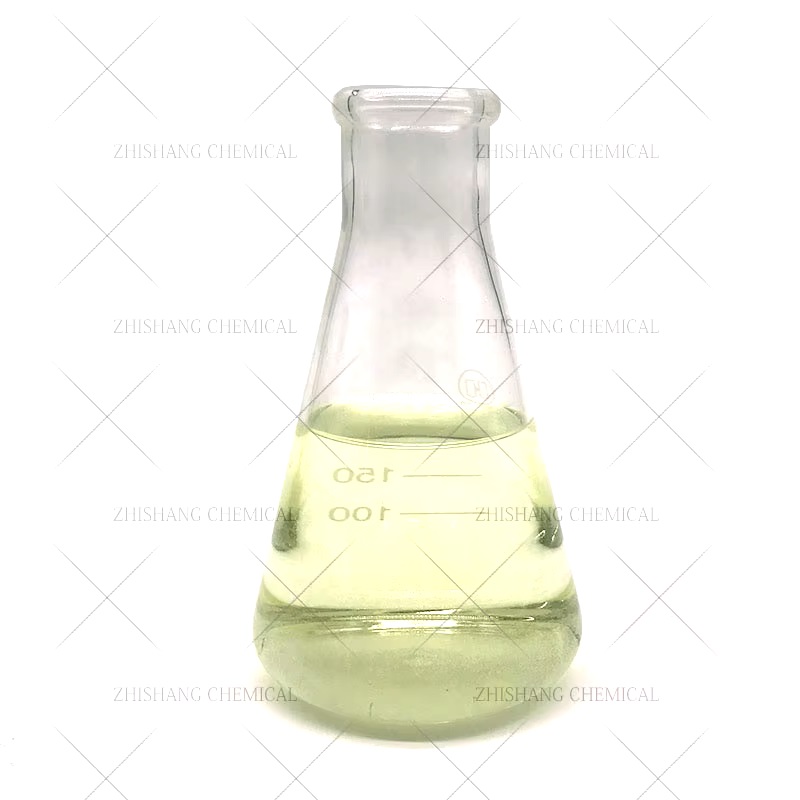
| Appearance | Colorless to pale yellow clear liquid |
| Odor | Pleasant fresh lemon/citrus odor |
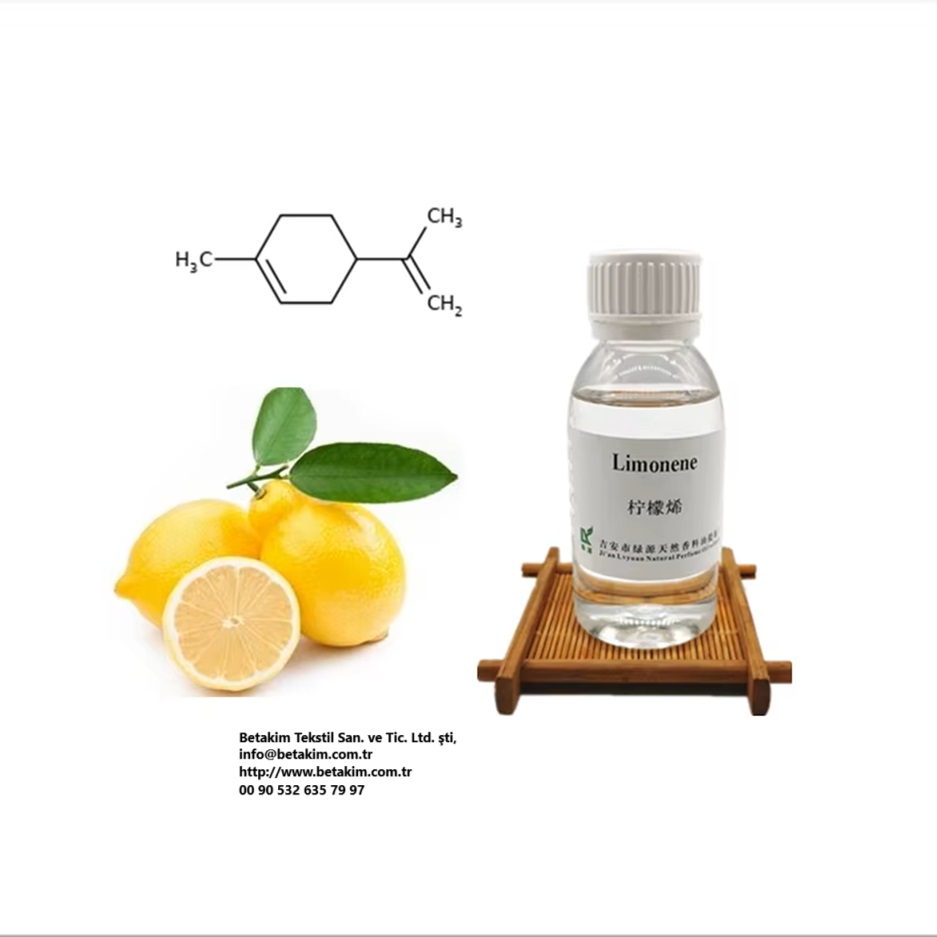
CHEMICAL STRUCTURE
Limonene Structure (D-Limonene / R-(+)-Limonene):
              CH₃
               |
         H₂C = C — C — CH₂
               |   |
              CH₃  CH₂
                    |
                 CH₂
              /      \
             CH₂      CH
              \      /
               CH — CH₂
Structure Description:
-
Cyclic monoterpene hydrocarbon.
-
Contains one chiral center, existing as two enantiomers:
-
D-Limonene (R-(+)-Limonene): Orange/citrus odor (most common).
-
L-Limonene (S-(-)-Limonene): Pine-like, turpentine odor.
-
DL-Limonene (Dipentene): Racemic mixture (50:50) of D and L isomers.
-
-
Unsaturated hydrocarbon (one double bond in ring).
-
Found naturally in citrus peel oils (>90% of orange oil).
-
Colorless, flammable liquid.
SECTION 1: CHEMICAL IDENTITY AND DESCRIPTION
| Parameter | Information |
|---|---|
| Product Name | Limonene |
| Chemical Name | 1-Methyl-4-(1-methylethenyl)cyclohexene |
| Synonyms (Turkish) | Limonen, D-Limonen, L-Limonen, DL-Limonen, Dipenten, Çam Yağı, Narenciye Terpeni |
| Synonyms (English) | Limonene, D-Limonene, L-Limonene, DL-Limonene, Dipentene, Pine Oil, Citrus Terpene, Orange Terpene, Lemonene, Carvene, p-Mentha-1,8-diene |
| CAS Number | 5989-27-5 (D-Limonene) / 138-86-3 (DL-Limonene) / 555-08-8 (L-Limonene) / 7705-14-8, 8022-90-0, 8050-32-6 |
| EC Number | 227-813-5 (D-Limonene) / 231-732-0 (DL-Limonene) |
| Molecular Formula | C₁₀H₁₆ |
| Molecular Weight | 136.23 g/mol |
| Chemical Class | Monoterpene hydrocarbon; Cyclic terpene; Solvent; Flavor/fragrance |
| Source | Natural (citrus peel oils, essential oils) or synthetic (from pinene) |
| Physical State (20°C) | Liquid |
| Odor | Pleasant fresh lemon/citrus odor (D); Pine-like (L) |
| Color | Colorless to pale yellow |
SECTION 2: PHYSICAL AND CHEMICAL PROPERTIES
| Property | Value | Test Method / Note |
|---|---|---|
| Appearance | Colorless to pale yellow clear liquid | Visual |
| Odor | Pleasant fresh lemon/citrus odor | Olfactometric |
| Molecular Weight | 136.23 g/mol | Calculated |
| Density (20°C) | 0.842 g/mL (D-Limonene); 0.834 g/mL (DL-Limonene) | ASTM D4052 |
| Melting Point | -97°C (DL); -75 to -73°C (D); -74°C (L) | – |
| Boiling Point | 176-177°C (D); 175.4°C (DL) | – |
| Flash Point | 46°C (119°F) (D); 42.8°C (DL) | – |
| Autoignition Temperature | 255°C | – |
| Explosive Limits | 0.7 – 6.1% (vol) | – |
| Vapor Pressure (20°C) | ~1 mm Hg | – |
| Vapor Density (air=1) | 4.7 | – |
| Solubility in Water | Insoluble (<1 g/100 mL) | General Method |
| Solubility in Ethanol | Miscible | General Method |
| Solubility in Chloroform | Miscible | General Method |
| Solubility in Ether | Miscible | General Method |
| Solubility in Carbon Disulfide | Miscible | General Method |
| Solubility in Oils | Miscible | General Method |
| Refractive Index (n20/D) | 1.473 (D); 1.467 (DL) | – |
| Optical Rotation [α]20/D | +120° to +125° (D, neat); 0° (DL); -95° (L) | – |
| Log P (Octanol/Water) | ~4.38 | – |
| Surface Tension | ~25.5 mN/m | – |
| Viscosity (20°C) | ~0.9 cP | – |
| Stability | Stable; Flammable; Oxidizes in air (forms carvone/limonene oxide) | – |
| Sensitivity | Sensitive to light, heat, and air (oxidation) | – |
SECTION 3: LIMONENE ISOMERS COMPARISON
| Property | D-Limonene (R-(+)) | L-Limonene (S-(-)) | DL-Limonene (Racemic) |
|---|---|---|---|
| CAS Number | 5989-27-5 | 555-08-8 | 138-86-3 |
| Odor | Pleasant citrus/orange | Pine/turpentine/lemon | Citrus-pine blend |
| Optical Rotation | +120° to +125° | -95° | ~0° |
| Source | Orange peel oil | Mint oil, turpentine | Mixed/racemic |
| Melting Point | -75 to -73°C | -74°C | -97°C |
| Boiling Point | 176-177°C | 176°C | 175.4°C |
| Density | 0.842 g/mL | 0.841 g/mL | 0.834 g/mL |
| Primary Use | Citrus flavor, cleaner, solvent | Pine fragrance, flavoring | Industrial solvent, dipentene |
| Occurrence | Orange, lemon, grapefruit | Mint, pine, turmeric | Found in both sources |
SECTION 4: MECHANISM OF ACTION
| Property | Description |
|---|---|
| Solvent Action | Excellent solvent for oils, fats, resins, waxes, and polymers; Dissolves hydrocarbons, resins, and rosin; Penetrates and breaks down oil-based residues. |
| Degreasing | Dissolves grease and oils from surfaces; Used in metal degreasing and parts cleaning; Effective at dissolving adhesives and residues. |
| Flavor/Fragrance | Provides fresh citrus/lemon notes; Used in food flavoring and perfume compositions; Natural flavor enhancer. |
| Antimicrobial | Exhibits antibacterial and antifungal properties; Effective against bacteria and fungi; Used in natural cleaning formulations. |
| Antioxidant | Shows some antioxidant activity; Scavenges free radicals; Used in some health applications. |
| Oxidation | Readily oxidizes in air to form carvone and limonene oxide; This can lead to product degradation and skin sensitization. |
SECTION 5: PRODUCTION PROCESS
Natural Extraction Method:
Process Flow:
Citrus Peels → Cold Pressing / Steam Distillation → Crude Oil → Fractional Distillation → D-Limonene (≥95%)
Description:
-
Citrus peels (oranges, lemons, grapefruits) are cold-pressed or steam-distilled.
-
The crude essential oil is collected.
-
Fractional distillation separates d-limonene from other terpenes and compounds.
-
Yield: Orange peel oil contains ~90% d-limonene.
Isomerization Method:
Process Flow:
Turpentine Oil (α-Pinene) → Fractional Distillation → α-Pinene → Isomerization → Dipentene → Fractional Distillation → DL-Limonene
Description:
-
Turpentine oil is fractionated to obtain α-pinene.
-
α-Pinene is isomerized to produce a mixture (dipentene).
-
Fractional distillation purifies DL-limonene.
-
This is a by-product of camphene production.
By-Product Method:
-
Obtained as a by-product during camphor oil processing and synthetic camphor production.
-
Also produced by hydration of turpentine to terpineol.
SECTION 6: FUNCTIONAL PROPERTIES
| Property | Description |
|---|---|
| Solvent | Excellent organic solvent; Dissolves oils, fats, resins, waxes, polymers, and adhesives; Used in paints, coatings, inks, and cleaning products. |
| Degreaser | Effective degreaser for metal parts; Removes oil, grease, and machining residues; Used in industrial and electronic cleaning. |
| Flavoring Agent | Citrus and lemon flavor; Used in food, beverages, confectionery, and chewing gum; FEMA 2633, GRAS status. |
| Fragrance Component | Fresh citrus note; Used in perfumery, soaps, candles, cosmetics, and personal care products. |
| Paint Stripper | Dissolves paints and varnishes; Used in paint stripper formulations; Effective on enamel, varnish, and resins. |
| Adhesive Remover | Dissolves adhesive residues; Used as a sticker remover; Effective on glue and tape residues. |
| Antimicrobial | Natural antimicrobial properties; Used in disinfectant and cleaning products; Effective against bacteria and fungi. |
| Chemical Intermediate | Used in synthesis of other compounds; Precursor for carvone, limonene oxide, and other terpenes. |
SECTION 7: MAIN APPLICATION AREAS
| Industry / Application | Function | Typical Use |
|---|---|---|
| Flavors & Fragrances | Flavoring agent, fragrance | Beverages (soft drinks), chewing gum, candies, baked goods, ice cream, citrus flavors; Dosage: 31-2300 mg/kg (FEMA). |
| Cleaning Products | Solvent, degreaser, antimicrobial | Household cleaners, industrial degreasers, electronic cleaners, all-purpose cleaners, floor cleaners; Dosage: 1-15%. |
| Paints & Coatings | Solvent, thinner | Enamel paints, varnishes, alkyd resins, paint thinners, paint strippers, ink formulations. |
| Chemical Industry | Solvent, intermediate | Synthetic resin manufacturing, oil dispersants, rubber additives, wetting agents, polymerization solvents. |
| Metalworking | Degreaser, cleaner | Metal parts cleaning, degreasing, surface preparation, rust removal. |
| Food Industry | Flavoring agent | Citrus flavors, lemon flavors, soft drinks, candies, baked goods, margarine; GRAS (FDA § 182.60, FEMA 2633). |
| Cosmetics & Personal Care | Fragrance, solvent | Perfumes, soaps, shampoos, lotions, creams, skin care, deodorants, hair care. |
| Pharmaceutical | Solvent, excipient | Pharmaceutical formulations (limited), drug delivery (transdermal), flavoring for oral medications. |
| Industrial Solvent | Solvent, thinner | Paint stripping, varnish stripping, adhesive removal, rosin dissolution, resin wax, ink removal. |
| Agriculture | Adjuvant, solvent | Pesticide formulations, herbicide adjuvants (enhances penetration). |
SECTION 8: SAMPLE FORMULATIONS
All-Purpose Cleaner (Citrus Degreaser):
| Component | Amount |
|---|---|
| D-Limonene | 5 – 15% |
| Surfactants (Non-ionic) | 5 – 10% |
| Water | To 100% |
| Preservatives | As required |
| Fragrance | As required |
Instructions: Combine d-limonene with surfactants; Add water slowly with mixing; Adjust to desired concentration; Package in appropriate containers.
Metal Degreaser (Emulsion):
| Component | Amount |
|---|---|
| D-Limonene | 20 – 30% |
| Emulsifiers | 5 – 10% |
| Water | To 100% |
Instructions: Mix d-limonene with emulsifiers; Add water with high-shear mixing; Stable emulsion for industrial degreasing.
SECTION 9: QUALITY SPECIFICATIONS
| Parameter | Food Grade | Technical Grade | Test Method |
|---|---|---|---|
| Appearance | Colorless to pale yellow liquid | Colorless to pale yellow liquid | Visual |
| Purity (Limonene) | ≥ 95.0% | ≥ 90.0% | GC |
| Optical Rotation [α]20/D | +120° to +125° (D) | – | – |
| Density (20°C) | 0.840 – 0.845 g/mL | 0.830 – 0.845 g/mL | ASTM D4052 |
| Refractive Index (n20/D) | 1.470 – 1.475 | 1.465 – 1.475 | – |
| Boiling Point | 175 – 178°C | 175 – 178°C | – |
| Flash Point | ≥ 45°C | ≥ 42°C | – |
| Water Content | ≤ 0.1% | ≤ 0.2% | Karl Fischer |
| Peroxide Value | ≤ 10 meq/kg | ≤ 20 meq/kg | Titrimetric |
| Acid Value | ≤ 0.1 mg KOH/g | ≤ 0.2 mg KOH/g | Titrimetric |
| Heavy Metals (as Pb) | ≤ 10 ppm | – | AAS / ICP |
| Arsenic (As) | ≤ 2 ppm | – | AAS / ICP |
| Lead (Pb) | ≤ 2 ppm | – | AAS / ICP |
| Residual Solvents | Meets FCC | – | GC |
SECTION 10: TOXICOLOGICAL PROFILE
| Parameter | Value |
|---|---|
| Acute Oral Toxicity (LD50, Rat) | > 2,000 – 4,400 mg/kg (low toxicity) |
| Acute Dermal Toxicity (LD50, Rabbit) | > 2,000 mg/kg |
| Skin Irritation | May cause irritation (R38); Can cause sensitization (R43) |
| Eye Irritation | May cause irritation |
| Inhalation Toxicity | May cause respiratory irritation; Vapors may cause headache and dizziness |
| Chronic Toxicity | Low toxicity at normal exposure levels |
| Carcinogenicity | IARC Group 3 (not classifiable as carcinogenic to humans) |
| Mutagenicity | Not mutagenic |
| Reproductive Toxicity | No reproductive toxicity at normal levels |
| Allergenicity | Skin sensitizer; May cause allergic contact dermatitis; Risk of sensitization increases with oxidized limonene. |
| Environmental Toxicity | Very toxic to aquatic organisms (R50/53); May cause long-term adverse effects; Avoid release to environment. |
| Special Toxicity Note | GRAS (FDA § 182.60, FEMA 2633) for food use; IARC Group 3; Oxidized limonene is a known skin sensitizer; Use stabilized product; Avoid inhalation and skin contact. |
SECTION 11: GHS CLASSIFICATION AND LABELING
GHS Classification (in accordance with CLP and UN GHS):
| Hazard Class | Category | H-Statement |
|---|---|---|
| Flammable Liquids | Category 3 | H226 |
| Skin Irritation | Category 2 | H315 |
| Skin Sensitization | Category 1 | H317 |
| Acute Aquatic Toxicity | Category 1 | H400 |
| Chronic Aquatic Toxicity | Category 1 | H410 |
| Aspiration Hazard | Category 1 | H304 |
Signal Word: WARNING
Hazard Pictograms: GHS02 (Flame), GHS07 (Exclamation Mark), GHS09 (Environment)
Hazard Statements (H-Codes):
| Code | Statement |
|---|---|
| H226 | Flammable liquid and vapor |
| H304 | May be fatal if swallowed and enters airways |
| H315 | Causes skin irritation |
| H317 | May cause an allergic skin reaction |
| H400 | Very toxic to aquatic life |
| H410 | Very toxic to aquatic life with long lasting effects |
NFPA 704 Hazard Classification:
| Health | Flammability | Reactivity | Special |
|---|---|---|---|
| 1 | 2 | 0 | - |
| (Slight health hazard) | (Moderate fire hazard) | (Stable) | (None) |
SECTION 12: PRECAUTIONARY STATEMENTS (P-CODES)
| Code | Statement |
|---|---|
| P210 | Keep away from heat/sparks/open flames/hot surfaces — No smoking |
| P233 | Keep container tightly closed |
| P240 | Ground/bond container and receiving equipment |
| P241 | Use explosion-proof electrical/ventilating/lighting equipment |
| P242 | Use only non-sparking tools |
| P243 | Take precautionary measures against static discharge |
| P261 | Avoid breathing dust/fume/gas/mist/vapors/spray |
| P264 | Wash hands thoroughly after handling |
| P273 | Avoid release to the environment |
| P280 | Wear protective gloves/protective clothing/eye protection/face protection |
| P301+P310 | IF SWALLOWED: Immediately call a POISON CENTER/doctor |
| P302+P352 | IF ON SKIN: Wash with plenty of soap and water |
| P304+P340 | IF INHALED: Remove person to fresh air and keep comfortable for breathing |
| P305+P351+P338 | IF IN EYES: Rinse cautiously with water for several minutes. Remove contact lenses if present and continue rinsing |
| P331 | Do NOT induce vomiting |
| P332+P313 | If skin irritation occurs: Get medical advice/attention |
| P333+P313 | If skin irritation or rash occurs: Get medical advice/attention |
| P362+P364 | Take off contaminated clothing and wash it before reuse |
| P370+P378 | In case of fire: Use water spray, foam, dry chemical powder |
| P403+P235 | Store in a well-ventilated place. Keep cool |
| P501 | Dispose of contents/container in accordance with local/regional/national/international regulations |
SECTION 13: FIRST AID MEASURES
| Exposure Route | Action to Take |
|---|---|
| Inhalation | Remove to fresh air immediately. If breathing is difficult, give oxygen. If symptoms persist, seek medical attention. |
| Skin Contact | Remove contaminated clothing. Wash with plenty of soap and water. If irritation or rash develops, seek medical attention. |
| Eye Contact | Rinse immediately with plenty of water for at least 15 minutes. Keep eyelids open. Remove contact lenses if present. If irritation persists, seek medical attention. |
| Ingestion | Do NOT induce vomiting. Rinse mouth. Seek immediate medical attention. Aspiration hazard. |
| Note | Limonene is an aspiration hazard. Oxidized limonene may cause skin sensitization. |
SECTION 14: FIREFIGHTING MEASURES
| Parameter | Information |
|---|---|
| Fire Hazard | Flammable liquid. Vapors may form explosive mixtures with air. |
| Hazards Arising from Fire | Thermal decomposition produces carbon monoxide, carbon dioxide, and irritating fumes. |
| Suitable Extinguishing Media | Water spray, CO₂, dry chemical powder, foam (alcohol-resistant). |
| Unsuitable Extinguishing Media | Water jet (may spread burning liquid) |
| Special Protective Equipment | Self-contained breathing apparatus (SCBA), full protective clothing, firefighting goggles. |
| Special Precautions | Evacuate area; Prevent fire-fighting water from entering waterways; Cool fire-exposed containers with water spray; Stop leak if safe. |
SECTION 15: STORAGE AND SHELF LIFE
| Parameter | Information |
|---|---|
| Storage Conditions | Store in a cool, dry, well-ventilated area; PROTECT FROM LIGHT, HEAT, and AIR; Keep away from direct sunlight and high temperatures. |
| Container Requirements | Tightly closed containers (stainless steel, carbon steel, glass, aluminum); Avoid prolonged contact with oxygen (oxidation). |
| Materials to Protect From | Light, heat, air, strong oxidizing agents, acids, bases (strong) |
| Shelf Life | 12 – 24 months (under proper storage conditions; with antioxidant). |
| Stability Note | Stable under recommended storage conditions; Oxidizes in air (forms peroxides); May cause skin sensitization upon oxidation; Protect from oxidation. |
| Special Storage Requirements | Store in a dark, cool, dry place; Avoid exposure to air and light; Inert gas (nitrogen) blanketing recommended; Grounding/bonding for containers; Keep away from sources of ignition. |
SECTION 16: PACKAGING OPTIONS
| Packaging Type | Quantity | Material |
|---|---|---|
| Steel Drum | 50 kg, 170 kg, 200 kg | Carbon steel or stainless steel drum (sealed) |
| Aluminum Drum | 50 kg, 170 kg, 200 kg | Aluminum drum (sealed) |
| Plastic Drum | 25 kg, 50 kg, 200 kg | HDPE / PET (chemical-resistant) |
| IBC Container | 500 L, 1000 L | HDPE or stainless steel IBC |
| Glass Bottle | 1 L, 5 L, 10 L | Amber glass bottle (light protection) |
SECTION 17: TRANSPORT INFORMATION
| Parameter | Information |
|---|---|
| UN Number | UN 2052 (D-Limonene) |
| Hazard Class | Class 3 - Flammable Liquids |
| Packing Group | III |
| ADR/RID | Class 3; UN 2052; Packing Group III |
| IMDG Code | Class 3; UN 2052; Marine pollutant: Yes |
| IATA (Air) | Class 3; UN 2052; Packing Group III |
| Transport Label | Flammable Liquid (Class 3) |
| Marine Pollutant | Yes |
| Special Transport Requirements | Segregation from oxidizing agents and acids; Grounding/bonding during loading/unloading; Protective equipment required. |
SECTION 18: REGULATORY STATUS
| Region / Authority | Status |
|---|---|
| European Union | REACH registered; Classified as flammable, irritant, sensitizer, environmental hazard. |
| USA (TSCA) | Listed (TSCA Inventory) |
| USA (FDA) | GRAS (Generally Recognized as Safe); 21 CFR 182.60; FEMA 2633. |
| USA (EPA) | Regulated under FIFRA (pesticide adjuvant), TSCA; Clean Air Act. |
| Turkey | Regulated as chemical substance; KKDIK regulation compliance required; Flammable and hazardous substance controls. |
| IARC | Group 3 - Not classifiable as to carcinogenicity to humans. |
| NTP | Not listed |
| OSHA | Regulated as flammable liquid, skin irritant, sensitizer. |
| California (Prop 65) | Not listed |
| Halal | Yes (natural plant source, not from animals) |
| Kosher | Yes (with certification) |
| Vegan | Yes (plant-derived) |
SECTION 19: OTHER NAMES AND SYNONYMS
| Type | Name |
|---|---|
| Turkish Names | Limonen, D-Limonen, L-Limonen, DL-Limonen, Dipenten, Çam Yağı, Narenciye Terpeni |
| English Names | Limonene, D-Limonene, L-Limonene, DL-Limonene, Dipentene, Pine Oil, Citrus Terpene, Orange Terpene, Lemonene, Carvene |
| Chemical Names | 1-Methyl-4-(1-methylethenyl)cyclohexene, p-Mentha-1,8-diene, 4-Isopropenyl-1-methylcyclohexene |
| CAS Number | 5989-27-5 (D) / 138-86-3 (DL) / 555-08-8 (L) |
| EC Number | 227-813-5 (D) / 231-732-0 (DL) |
| HS Code | 2902.19 |
| FEMA Number | 2633 |
SECTION 20: SUMMARY TABLE
| Parameter | Value |
|---|---|
| Product | Limonene (D-Limonene / DL-Limonene) |
| CAS Number | 5989-27-5 (D) / 138-86-3 (DL) |
| Molecular Formula | C₁₀H₁₆ |
| Molecular Weight | 136.23 g/mol |
| Appearance | Colorless to pale yellow liquid |
| Odor | Pleasant citrus/lemon (D); Pine (L) |
| Density (20°C) | 0.842 g/mL (D); 0.834 g/mL (DL) |
| Boiling Point | 176-177°C (D); 175.4°C (DL) |
| Flash Point | 46°C (D); 42.8°C (DL) |
| Solubility | Insoluble in water; Miscible with ethanol, oils, and organic solvents |
| Primary Functions | Solvent, degreaser, flavoring agent, fragrance, chemical intermediate |
| Main Application Areas | Flavors & fragrances, cleaning products, paints & coatings, metalworking, food industry, cosmetics |
| Shelf Life | 12 – 24 months |
| GHS Signal Word | WARNING |
| UN Number | 2052 |
| Hazard Class | Class 3 (Flammable Liquids) |
| Packing Group | III |
| Special Properties | Natural (citrus-derived); Flammable; Skin sensitizer; Marine pollutant; GRAS (FDA); IARC Group 3; Vegan; Halal. |
SECTION 21: CRITICAL WARNINGS AND BEST PRACTICES
CRITICAL WARNINGS:
-
FLAMMABLE LIQUID (H226): Flammable liquid and vapor; Flash point 46°C (D); Keep away from sources of ignition.
-
SKIN SENSITIZER (H317): May cause allergic skin reaction; Risk increases significantly with oxidized limonene.
-
ASPIRATION HAZARD (H304): May be fatal if swallowed and enters airways; DO NOT INDUCE VOMITING.
-
ENVIRONMENTAL HAZARD (H400, H410): Very toxic to aquatic life with long lasting effects; AVOID RELEASE TO ENVIRONMENT.
-
OXIDATION SENSITIVE: Oxidizes in air (forms peroxides and sensitizing compounds); Store under nitrogen; use stabilizers.
-
SKIN IRRITANT (H315): Causes skin irritation; Use protective gloves.
-
IARC Group 3: Not classifiable as carcinogenic to humans.
-
NATURAL PRODUCT: Derived from citrus peels; Renewable resource.
-
GRAS Status: FDA GRAS for food use (21 CFR 182.60; FEMA 2633).
BEST PRACTICE RECOMMENDATIONS:
-
Cleaning Products: Use as solvent and degreaser; Dosage: 1-15%; Combine with surfactants; Effective for all-purpose cleaners, degreasers, and electronic cleaners.
-
Flavors & Fragrances: Use as flavoring agent (citrus notes); Dosage: 31-2300 mg/kg (FEMA); For food and beverage formulations; Use food-grade material.
-
Metalworking: Use as degreaser and parts cleaner; Dosage: 10-30%; Emulsify with surfactants for aqueous systems; Avoid prolonged skin contact.
-
Paints & Coatings: Use as solvent and thinner; Effective for alkyd resins, enamels, and varnishes; Paint stripping and varnish removal.
-
Handling: Use in well-ventilated areas; Avoid inhalation of vapors; Use explosion-proof equipment; Grounding and bonding required; Avoid static discharge.
-
Personal Protective Equipment: MANDATORY: Chemical-resistant gloves (nitrile, butyl), safety goggles or face shield, protective clothing, vapor/gas respirator (for high concentrations), fire-retardant clothing.
-
Hygiene: Wash hands thoroughly after handling; Do not eat, drink, or smoke while using; Remove contaminated clothing and wash before reuse; Use barrier creams for hand protection.
-
Storage: Store in tightly closed containers; Store in cool, dry, well-ventilated area; Protect from light and heat; Inert gas (nitrogen) blanketing recommended; Keep away from sources of ignition; Opened containers must be resealed immediately; Shelf life: 12-24 months under proper conditions (with antioxidants).
-
Spill Management: Eliminate all ignition sources; Use spark-proof equipment; Absorb with inert material (sand, vermiculite); Collect in suitable sealed container; Do not allow entry into drains or waterways; Dispose as hazardous waste.
-
Disposal: Dispose of in accordance with local, regional, and national regulations; Hazardous waste (flammable, environmental hazard); Use authorized disposal facilities; Incineration with energy recovery possible.
DETECTION METHODS:
| Method | Description | Advantages | Disadvantages |
|---|---|---|---|
| GC (Gas Chromatography) | Quantitative and qualitative analysis | High sensitivity, accurate, resolves isomers | High cost, requires expertise |
| GC-MS | Identification and confirmation | Definitive identification, isomer resolution | High cost, requires expertise |
| FTIR | Functional group identification | Fast, non-destructive | Requires reference spectra |
| Refractometry | Purity indication (refractive index) | Simple, rapid | Not specific |
| Density Measurement | Purity indication | Simple, rapid | Not specific |
| Optical Rotation | Enantiomeric purity (D vs L) | Determines isomer | Requires polarimeter |
LIMONENE vs ALTERNATIVES COMPARISON:
| Product | Chemical Name / E Code | Application | Strength | Weakness | Status |
|---|---|---|---|---|---|
| Limonene (D) | Citrus terpene (C₁₀H₁₆) | Cleaning, flavor, solvent | Natural, renewable, pleasant odor, effective solvent | Flammable, skin sensitizer, oxidation-prone | Widely approved |
| Turpentine | Pine oil (α-Pinene, β-Pinene) | Solvent, thinner | Low cost, good solvent | Strong odor, skin irritant | Restricted |
| Mineral Turpentine | Petroleum distillate (C₉-C₁₆) | Solvent, thinner | Low cost, stable | Fossil fuel, toxic, VOC emissions | Widely used |
| Ethanol | C₂H₅OH | Solvent, cleaning | Safe, renewable | Less effective on oils/grease | Widely approved |
| D-Limonene (Alternative) | Orange terpene | Cleaning, degreasing | Same as above, citrus-sourced | Higher cost | Widely approved |
LEGAL DISCLAIMER:
The information provided in this document is based on our current knowledge and experience and is presented in good faith. However, as all conditions of use are beyond our control, it does not constitute a binding specification or warranty. This Technical Data Sheet is for informational purposes only. Users are responsible for testing the suitability for their own applications and for complying with all local, regional, and national regulations. For complete safety, storage, use, handling, waste, and regulatory compliance information, please refer to the official Safety Data Sheet (SDS/MSDS) provided by the manufacturer/supplier. Limonene is a flammable liquid and skin sensitizer; handle with appropriate precautions and avoid environmental release.