We unleash your business potential by maximize the business innovation.
Send EmailSilicone Oil, Dimethicone, Dimethyl Silicone Oil, Simethicone, Polydimethylsiloxane, PDMS, 63148-62-9, 9016-00-6, 9006-65-9
SILICONE OIL (DIMETHICONE / DIMETHYL SILICONE OIL)
CAS 63148-62-9 | CAS 9016-00-6 | CAS 9006-65-9
SECTION 1: PRODUCT IDENTITY AND DEFINITION
| Parameter | Description |
|---|---|
| Product Name | Silicone Oil (Dimethicone / Dimethyl Silicone Oil) |
| Other Names | Dimethicone, Simethicone, Polydimethylsiloxane (PDMS), Dimethylpolysiloxane, Silicone Fluid, Methyl Silicone Oil, Dimethyl Silicone Fluid |
| Chemical Formula | (C₂H₆OSi)ₙ (polymer) |
| CAS Numbers | 63148-62-9, 9016-00-6, 9006-65-9 |
| EC Number (EINECS) | 613-156-5 |
| Chemical Class | Organosilicon Polymer / Siloxane |
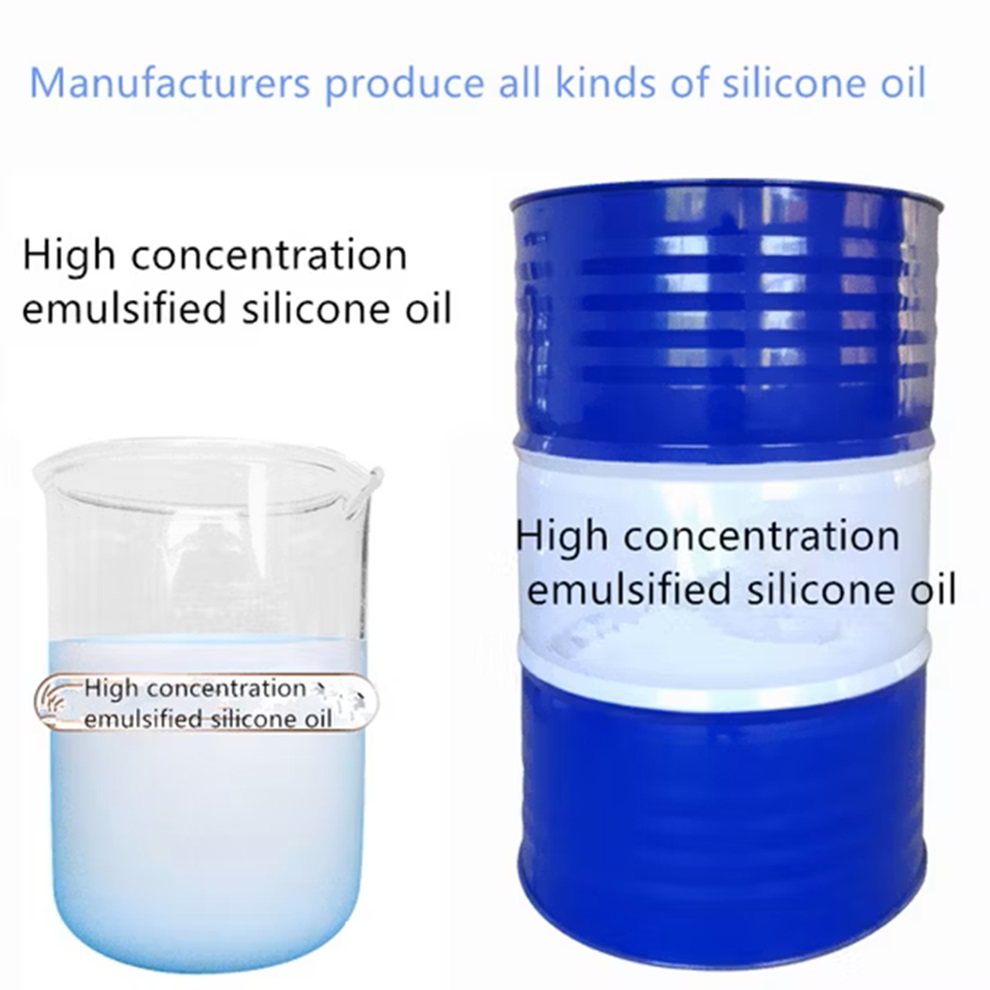
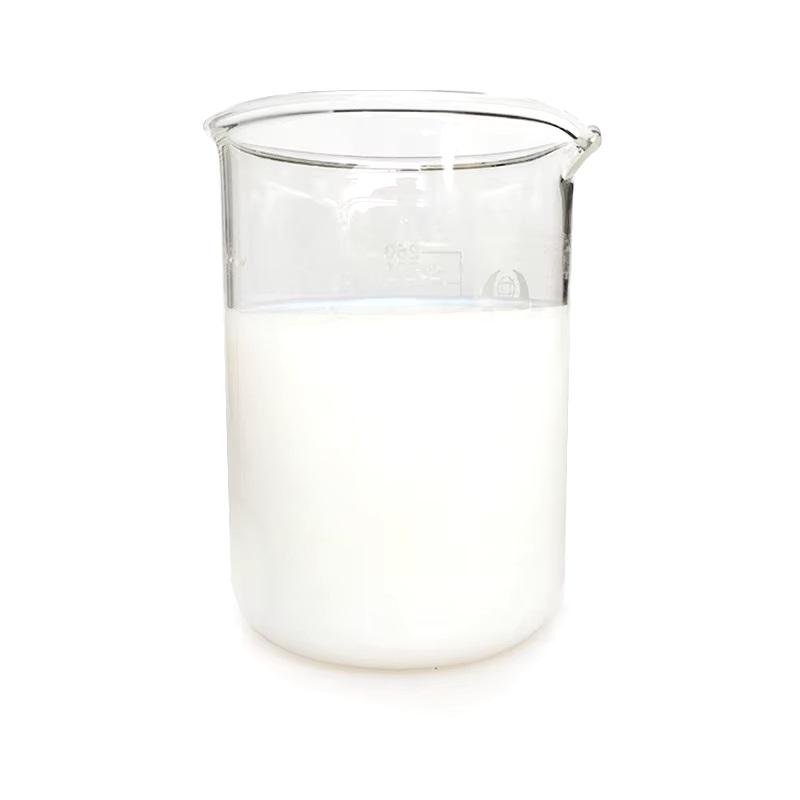
| Appearance | Clear, colorless, odorless oily liquid |
| Viscosity Range | 20 – 30,000 cSt (depending on grade) |
Description: Silicone Oil (Dimethicone) is a linear polymer of dimethylsiloxane with varying degrees of polymerization. It is a clear, colorless, odorless, non-volatile, and non-toxic liquid. It is one of the most widely used silicone polymers due to its excellent thermal stability, low surface tension, high compressibility, water repellency, and outstanding dielectric properties. It is available in various viscosity grades ranging from 20 cSt to 30,000 cSt, making it suitable for a wide range of applications including cosmetics, pharmaceuticals, lubricants, defoamers, release agents, and electrical insulation.
SECTION 2: SYNONYMS AND OTHER NAMES
| No | Synonym / Other Name |
|---|---|
| 1 | Dimethicone |
| 2 | Simethicone |
| 3 | Polydimethylsiloxane (PDMS) |
| 4 | Dimethyl Silicone Oil |
| 5 | Methyl Silicone Oil |
| 6 | Silicone Fluid |
| 7 | Dimethylpolysiloxane |
| 8 | Silicone Oil DC 200 |
| 9 | Silicone Fluid 100 |
| 10 | Silicone Fluid 500 |
| 11 | Silicone Fluid 1,000 |
| 12 | Dimethyl Silicone Oil 201 |
| 13 | Poly(dimethylsiloxane) |
| 14 | HMDO (Hexamethyldisiloxane) |
| 15 | Dermafilm |
| 16 | Silbar |
| 17 | Aeropax |
| 18 | Dimethicream |
| 19 | Silcorel |
| 20 | 63148-62-9 / 9016-00-6 / 9006-65-9 |
SECTION 3: CHEMICAL STRUCTURE AND PROPERTIES
| Parameter | Description |
|---|---|
| Chemical Family | Organosilicon Polymer / Siloxane |
| Polymer Type | Linear Polydimethylsiloxane |
| Molecular Structure | (CH₃)₃SiO-[Si(CH₃)₂O]ₙ-Si(CH₃)₃ |
| Functional Groups | Siloxane bonds (Si-O-Si), Methyl groups (CH₃) |
| End Groups | Trimethylsiloxy terminated |
| Degree of Polymerization | Varies (depending on viscosity grade) |
| Molecular Weight | Varies with viscosity (1,000 – 100,000+ g/mol) |
Structural Formula:
          CH₃          CH₃          CH₃
          |            |            |
CH₃ - Si - O - [ Si - O ]ₙ - Si - CH₃
          |            |            |
          CH₃          CH₃          CH₃

        Trimethylsiloxy Terminated Polydimethylsiloxane (PDMS)
Key Characteristics:
-
Silicon-oxygen backbone (Si-O-Si) provides high bond energy and stability
-
Methyl groups (CH₃) attached to silicon atoms provide hydrophobicity
-
Linear chain structure allows for varying viscosities
-
Non-polar and hydrophobic nature
SECTION 4: PHYSICAL PROPERTIES
| Parameter | Specification | Typical Value | Test Method |
|---|---|---|---|
| Appearance | Clear, colorless oily liquid | - | Visual |
| Odor | Odorless or almost odorless | - | Organoleptic |
| Density (25°C) | 0.95 – 0.98 g/cm³ | 0.963 g/cm³ | ASTM D4052 |
| Melting/Freezing Point | -50 to -35 °C | -50 °C | DSC |
| Boiling Point | > 155 °C | 155-220 °C | ASTM D86 |
| Flash Point | > 270 °C | > 300 °C | ASTM D93 |
| Vapor Pressure (25°C) | < 5 mmHg | < 0.5 mmHg | - |
| Vapor Density | > 1 (vs air) | - | - |
| Refractive Index (n²⁰/D) | 1.398 – 1.410 | 1.403 – 1.406 | ASTM D1218 |
| Viscosity (25°C) | 20 – 30,000 cSt | Varies by grade | ASTM D445 |
| Surface Tension | ~20 mN/m | ~20 mN/m | - |
| Water Solubility | Insoluble | - | - |
| Solubility in Organic Solvents | Soluble in benzene, toluene, xylene, ether, chloroform, ethyl acetate | - | - |
| Dielectric Constant | 2.5 – 2.8 | ~2.6 | ASTM D150 |
| Volume Resistivity | > 10¹⁵ Ω·cm | - | ASTM D257 |
| Pour Point | -50 °C | - | ASTM D97 |
| Thermal Conductivity | ~0.15 W/m·K | - | - |
| Specific Heat | ~1.5 J/g·°C | - | - |
SECTION 5: VISCOSITY GRADES AND SPECIFICATIONS
| Grade | Viscosity (cSt, 25°C) | Relative Density (25°C) | Refractive Index (n²⁰/D) | Loss on Drying (%) |
|---|---|---|---|---|
| 20 | 18 – 22 | 0.946 – 0.954 | 1.3980 – 1.4020 | 20.0 |
| 50 | 47.5 – 52.5 | 0.955 – 0.965 | 1.4005 – 1.4045 | 2.0 |
| 100 | 95 – 105 | 0.962 – 0.970 | 1.4005 – 1.4045 | 0.3 |
| 200 | 190 – 220 | 0.964 – 0.972 | 1.4013 – 1.4053 | 0.3 |
| 350 | 332.5 – 367.5 | 0.965 – 0.973 | 1.4013 – 1.4053 | 0.3 |
| 500 | 475 – 525 | 0.967 – 0.975 | 1.4013 – 1.4053 | 0.3 |
| 750 | 712.5 – 787.5 | 0.967 – 0.975 | 1.4013 – 1.4053 | 0.3 |
| 1000 | 950 – 1050 | 0.967 – 0.975 | 1.4013 – 1.4053 | 0.3 |
| 12500 | 11,875 – 13,125 | - | 1.4015 – 1.4055 | 2.0 |
| 30000 | 27,000 – 33,000 | 0.969 – 0.977 | 1.4010 – 1.4100 | 2.0 |
Description: Silicone oil is available in a wide range of viscosity grades from 20 cSt to 30,000 cSt. The viscosity increases with increasing molecular weight. The relative density and refractive index also vary slightly with viscosity. The choice of viscosity grade depends on the specific application requirements.
SECTION 6: KEY PROPERTIES AND ADVANTAGES
| Property | Description / Advantage |
|---|---|
| Thermal Stability | Can be used from -50°C to 200°C for extended periods; up to 250°C for short periods |
| Oxidation Resistance | Highly resistant to oxidation due to stable Si-O bonds |
| Low Temperature Performance | Low pour point; maintains fluidity at extremely low temperatures (-50°C) |
| Viscosity-Temperature Coefficient | Small change in viscosity with temperature changes |
| Compressibility | High compressibility; 20x higher than mineral oil |
| Surface Tension | Low surface tension (~20 mN/m) – excellent wetting and spreading |
| Water Repellency | Highly hydrophobic; excellent water resistance |
| Dielectric Properties | Excellent electrical insulation; high breakdown voltage |
| Chemical Inertness | Resistant to dilute acids, alkalis, and most organic reagents |
| Physiological Inertness | Non-toxic; no known harmful effects on human body |
| Shear Resistance | High shear resistance; maintains viscosity under mechanical stress |
| Defoaming | Excellent anti-foaming properties |
| Release Properties | Excellent mold release agent |
SECTION 7: COSMETIC AND PERSONAL CARE APPLICATIONS
| Application | Function / Benefit | Typical Use Level |
|---|---|---|
| Skin Care Products | ||
| Moisturizers | Emollient, skin conditioning, water barrier | 1 – 10% |
| Sunscreens | Water resistance, spreadability, emollient | 1 – 5% |
| Anti-aging Creams | Skin conditioning, smoothness, non-greasy feel | 1 – 5% |
| Facial Serums | Spreadability, non-comedogenic | 1 – 10% |
| Hair Care Products | ||
| Shampoos | Conditioning, anti-static, shine, detangling | 1 – 3% |
| Conditioners | Smoothness, shine, detangling, heat protection | 1 – 5% |
| Hair Serums | Shine, frizz control, heat protection | 2 – 10% |
| Hair Sprays | Shine, gloss, anti-static properties | 1 – 5% |
| Decorative Cosmetics | ||
| Foundations | Spreadability, water resistance, skin feel | 1 – 10% |
| Lipsticks | Gloss, spreadability, emollient | 1 – 5% |
| Mascara | Water resistance, smooth application | 1 – 5% |
| Other Personal Care | ||
| Deodorants | Skin conditioning, non-greasy feel | 1 – 5% |
| Shaving Creams | Lubrication, smoothness | 1 – 5% |
| Baby Care Products | Gentle conditioning, moisturizing | 1 – 5% |
| Hand Creams | Emollient, protective barrier | 1 – 5% |
SECTION 8: PHARMACEUTICAL APPLICATIONS
| Application | Function / Benefit | Typical Use Level |
|---|---|---|
| Antifoaming Agent | Defoaming in pharmaceutical processes | 10 – 50 ppm |
| Tablet Coating | Polishing agent, lubricant | 1 – 5% |
| Ointments | Emollient, water-repellent base | 5 – 20% |
| Capsule Lubricant | Prevents sticking and adhesion | 0.5 – 2% |
| Simethicone Products | Anti-flatulent (gas relief) | 40 – 125 mg/tablet |
| Dermatological Preparations | Skin protectant, barrier cream | 5 – 30% |
| Transdermal Patches | Skin permeation enhancer | 2 – 10% |
| Wound Care | Protective barrier, non-adherent | 5 – 20% |
| Pharmaceutical Excipient | Lubricant, antifoaming agent | Varies |
Simethicone: Simethicone is a mixture of dimethicone with silicon dioxide, used as an antifoaming agent and anti-flatulent in over-the-counter medications for gas relief.
SECTION 9: INDUSTRIAL APPLICATIONS
| Application | Function / Benefit |
|---|---|
| Lubricants | High-grade lubricating oil for high and low temperature applications |
| Antifoaming Agents | Defoaming in chemical, pharmaceutical, food, paper, textile industries |
| Release Agents | Mold release agent for plastics, rubber, and composite molding |
| Polishing Agents | Furniture, floor, leather, and automotive polishes |
| Dielectric Fluids | Electrical insulation, transformer oil, capacitor impregnation |
| Heat Transfer Fluids | Heat carrier for -50 to 250°C range |
| Hydraulic Fluids | Hydraulic liquid for aircraft and automotive systems |
| Damping Fluids | Vibration damping in instrumentation, mechanical devices |
| Vacuum Pump Oil | Diffusion pump oil for vacuum applications |
| Water Repellents | Hydrophobic treatment for glass, ceramics, metals, textiles, cement |
| Silicone Rubber | Intermediate for silicone rubber and silicone resin production |
| Adhesive Additive | Improves flexibility and release properties |
| Fiber Treatment | Textile finishing, lubricant, water repellency |
| Paper Coating | Water resistance, gloss, release properties |
| Construction | Waterproofing, sealing, anti-corrosion coatings |
SECTION 10: PREPARATION METHOD
Synthesis Route:
-
Hydrolysis: Dimethyldichlorosilane (CH₃)₂SiCl₂ reacts with water to form a mixture of cyclic and linear siloxanes.
-
Neutralization: The hydrolysis product is neutralized.
-
Cracking/Fractionation: Octamethylcyclotetrasiloxane (D4) is obtained by cracking and distillation.
-
Polymerization: D4 is polymerized in the presence of a catalyst (sodium hydroxide or concentrated sulfuric acid) with hexamethyldisiloxane as a chain terminator to control molecular weight and viscosity.
-
Distillation: Low boiling substances are removed by vacuum distillation to obtain the final silicone oil product.
Reaction Scheme:
(CH₃)₂SiCl₂ + H₂O → [(CH₃)₂SiO]₄ (D4) → (CH₃)₃SiO-[Si(CH₃)₂O]ₙ-Si(CH₃)₃
SECTION 11: REGULATORY STATUS
| Region / Authority | Status | Description |
|---|---|---|
| European Union | Permitted | Allowed in cosmetics and pharmaceuticals |
| Turkey | Permitted | Compliant with EU legislation |
| USA (FDA) | Permitted | GRAS; approved as food additive and pharmaceutical excipient |
| Japan | Permitted | Approved for cosmetic and pharmaceutical use |
| Canada | Permitted | Health Canada approved |
| REACH | Registered | Compliant with REACH regulations |
| USP/EP | Available | Pharmacopoeia quality standard available |
| INCI | Listed | Dimethicone, Simethicone |
| E Number | E900 (as antifoaming agent) | Approved for food use |
SECTION 12: SAFETY AND TOXICOLOGICAL PROFILE
| Parameter | Assessment |
|---|---|
| Acute Oral Toxicity (LD50) | > 17 g/kg (rat) – practically non-toxic |
| Acute Dermal Toxicity | Non-toxic |
| Skin Irritation | Non-irritating |
| Eye Irritation | Non-irritating to mildly irritating |
| Skin Sensitization | Not a sensitizer |
| Carcinogenicity | Not classified (IARC, NTP) |
| Mutagenicity | Non-mutagenic |
| Reproductive Toxicity | Not classified |
| Endocrine Disruption | No known potential |
| Inhalation Toxicity | Low; high concentrations may cause mild irritation |
| Environmental Toxicity | Low; practically non-toxic to aquatic organisms |
| Biodegradability | Slowly biodegradable; persistent in environment |
| Bioaccumulation | Low |
| RTECS Number | JM9237000 |
| WGK Germany | Class 1 (slightly hazardous to water) |
| Safety Descriptions | S24/25 – Avoid contact with skin and eyes |
| Risk Codes | 36/37/38 – Irritating to eyes, respiratory system and skin |
SECTION 13: STORAGE AND SHELF LIFE
| Parameter | Information |
|---|---|
| Storage Temperature | 15 – 30°C (room temperature) |
| Storage Conditions | Cool, dry, well-ventilated area; sealed containers |
| Protect From | Strong oxidizing agents; contamination with acids/alkalis |
| Shelf Life | 24 – 48 months (under proper storage) |
| Degradation Signs | Color change, viscosity change, turbidity |
| Stability | Stable under recommended storage conditions |
| Hygroscopicity | Low (hydrophobic) |
| Compatibility | Compatible with most materials; incompatible with strong oxidizing agents |
SECTION 14: TRANSPORTATION AND SHIPPING INFORMATION
| Parameter | Description |
|---|---|
| UN Number | Not regulated (non-hazardous) |
| Hazard Class | Not classified as dangerous goods |
| Packing Group | Not applicable |
| Marine Pollutant | No |
| Transport Classification | |
| ADR (Road) | Not classified |
| RID (Rail) | Not classified |
| IMDG (Maritime) | Not classified |
| IATA/ICAO (Air) | Not classified |
| Transport Temperature | Ambient temperature (15-30°C) |
| Transport Precautions | Protect from contamination and excessive heat |
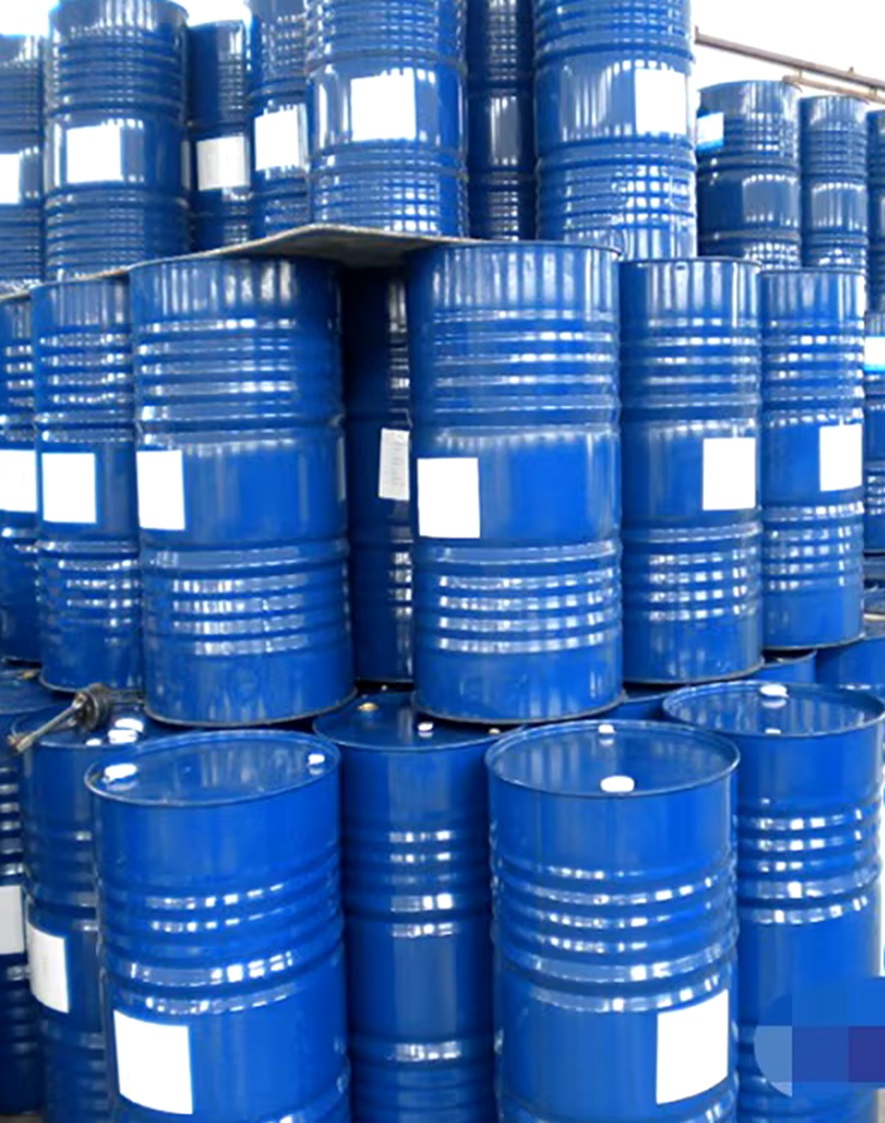
| Packaging Precautions | Use leak-proof, sealed containers |
SECTION 15: QUALITY CERTIFICATES AND STANDARDS
| Certificate / Standard | Status | Description |
|---|---|---|
| ISO 9001:2015 | Certified | Quality management system |
| ISO 14001:2015 | Certified | Environmental management system |
| FDA 21 CFR | Compliant | Food, cosmetic, and pharmaceutical applications |
| USP/EP | Available | Pharmacopoeia quality standard |
| REACH | Registered | EU chemical regulation compliance |
| INCI | Listed | Dimethicone, Simethicone |
| Certificate of Analysis (COA) | Provided with each batch | Includes binding specifications |
| Safety Data Sheet (SDS) | Available | Current 16-section document |
| Technical Data Sheet (TDS) | Available | Comprehensive technical information |
| Good Manufacturing Practices (GMP) | Compliant | Manufacturing quality standards |
SECTION 16: DISCLAIMER AND LEGAL NOTICE
| Item | Description |
|---|---|
| Information Purpose | This Technical Data Sheet (TDS) is for informational purposes only and does not constitute a binding specification. |
| Typical Values | Values stated herein are based on typical laboratory results and may vary slightly between batches. |
| Binding Data | For binding specifications, the Certificate of Analysis (COA) for each batch should be requested. |
| User Responsibility | The user is solely responsible for determining the suitability of the product for the intended application and ensuring compliance with all applicable regulations. |
| SDS Requirement | A current Safety Data Sheet (SDS) should be requested from the supplier prior to use. |
| Safety Information | Safety information in this document is based on current knowledge but does not constitute a guarantee of the product's health and safety risks. |
| Regulatory Changes | The user is responsible for monitoring local and international regulatory changes. |
| Product Quality | Product quality is guaranteed in accordance with the standards specified in this document. |
| License / Patents | This document does not grant any license or patent rights for use of the product. |
| Side Effects | Allergic reactions are rare but possible in sensitive individuals; users should conduct suitability tests. |
DISCLAIMER (LEGAL NOTICE): This Technical Data Sheet (TDS) is for informational purposes only and does not constitute a binding specification. The values stated herein are based on typical laboratory results. The user is solely responsible for determining the suitability of the product for the intended application and for ensuring compliance with all local regulations. A current Safety Data Sheet (SDS) and Certificate of Analysis (COA) should be requested prior to use. Allergic reactions are rare but possible in sensitive individuals; suitability tests should be conducted. This document does not grant any license or patent rights for use of the product.