We unleash your business potential by maximize the business innovation.
Send EmailAzodicarbonamide, Azobisformamide, Diazenedicarboxamide, Azodiformamide, ADCA, ADA, 123-77-3
AZODICARBONAMIDE (ADA)
Azodicarbonamide / Azobisformamide / E927a / ADA
CAS Number: 123-77-3
EC Number: 204-650-8
E Number: E927a
1. IDENTIFICATION INFORMATION
| Property | Information |
|---|---|
| Chemical Name | Azodicarbonamide |
| Other Names | Azobisformamide, ADA, E927a, Diazenedicarboxamide, Azobiscarboxamide |
| Chemical Formula | C₂H₄N₄O₂ |
| Molecular Weight | 116.08 g/mol |
| CAS Number | 123-77-3 |
| EC Number (EINECS) | 204-650-8 |
| E Number | E927a |
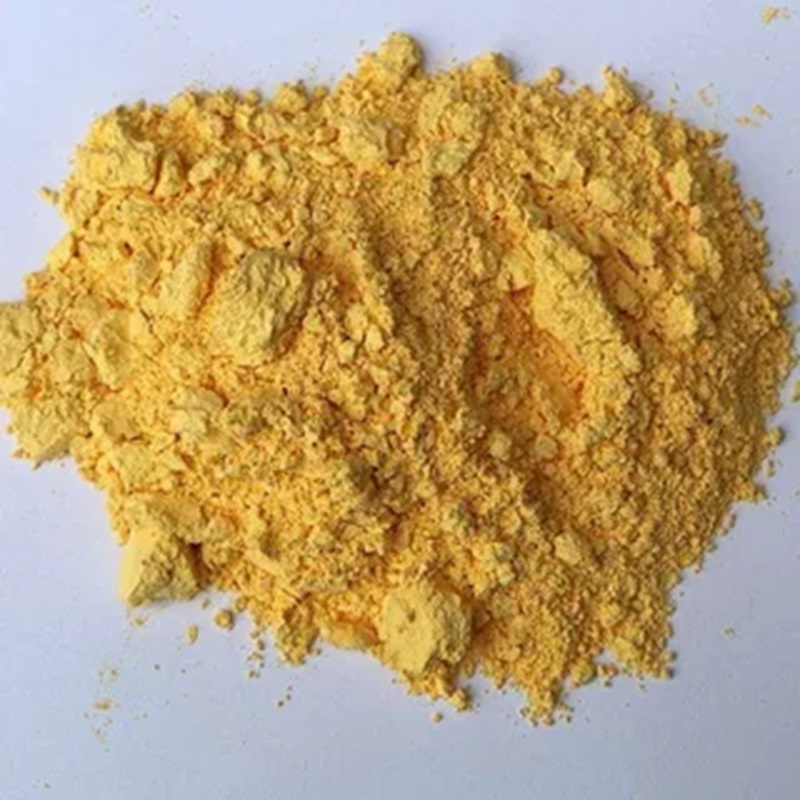
| Appearance | Yellow to orange-red crystalline powder |
| Odor | Odorless |
| Physical State | Solid (powder) |
2. PHYSICAL PROPERTIES
| Property | Value |
|---|---|
| Physical State (20°C) | Solid |
| Appearance | Yellow to orange-red crystalline powder |
| Odor | Odorless |
| Chemical Formula | C₂H₄N₄O₂ |
| Molecular Weight | 116.08 g/mol |
| Density (20°C) | 1.65 g/cm³ |
| Melting Point | ~180°C (decomposes) |
| Decomposition Temperature | 180-220°C (depends on grade and additives) |
| Water Solubility (20°C) | 0.5 g/L (very low) |
| Water Solubility (hot water) | ~0.1% (marginal solubility increases with temperature) |
| Solubility in Organic Solvents | Insoluble in most organic solvents |
| pH (aqueous suspension) | Neutral |
| Particle Size | 2-15 µm (varies by grade) |
| Specific Surface Area | 10-30 m²/g (varies by grade) |
| Flash Point | Non-flammable |
| Autoignition Temperature | >200°C |
| Decomposition Gas Volume | 220-240 mL/g |
3. CHEMICAL PROPERTIES
| Property | Information |
|---|---|
| Chemical Formula | C₂H₄N₄O₂ |
| Molecular Weight | 116.08 g/mol |
| Chemical Class | Azo compound / Carbamide derivative |
| Structure | H₂N-CO-N=N-CO-NH₂ |
| Functional Groups | Azo (-N=N-) and two amide (-CONH₂) groups |
| Stability | Stable under normal conditions |
| Thermal Decomposition | Endothermic decomposition; releases nitrogen gas (N₂), carbon monoxide (CO), ammonia (NH₃), and carbon dioxide (CO₂) |
| Decomposition Type | Endothermic (absorbs heat during decomposition) |
| pH | Neutral |
| Water Solubility | Very low (0.5 g/L at 20°C) |
| Light Sensitivity | May decompose upon prolonged light exposure (requires stabilizers) |
| Incompatible Materials | Strong oxidizing agents, strong acids, strong bases, heavy metal salts, reducing agents |
Molecular Structure:
H₂N - C - N = N - C - NH₂
       ||         ||
       O          O
Decomposition Reaction (Thermal):
C₂H₄N₄O₂ —[Heat 180-220°C]—> N₂↑ + CO↑ + NH₃↑ + CO₂↑ + H₂O
Decomposition Products:
| Product | Percentage |
|---|---|
| Nitrogen (N₂) | ~40% |
| Carbon Monoxide (CO) | ~25% |
| Ammonia (NH₃) | ~20% |
| Carbon Dioxide (CO₂) | ~10% |
| Water (H₂O) | ~5% |
Hydrolysis Reaction (with Acid or Base):
C₂H₄N₄O₂ + 2 H₂O —[H⁺/OH⁻]—> Hydrazodicarbonamide (Hydrolysis)
Formation Reaction:
Hydrazine + Urea + Oxidation → Azodicarbonamide + H₂O
4. PRODUCTION PROCESS
| Method | Description |
|---|---|
| Hydrazine-Urea Process (Industrial Standard) | Hydrazine sulfate + Urea → Hydrazodicarbonamide (HDCA) → Oxidation → Azodicarbonamide |
| Reaction Steps | Hydrazine reacts with urea under controlled conditions to form hydrazodicarbonamide |
| Oxidation | Hydrazodicarbonamide is oxidized (using chlorine, bromine, or air) to form azodicarbonamide |
| Purification | Washing, filtration, drying, milling |
| Particle Size Control | Milling and classification to achieve desired particle size |
Reaction Equations:
Step 1 (Hydrazodicarbonamide Formation):
N₂H₄ (Hydrazine) + 2 NH₂CONH₂ (Urea) —[Heat]—> H₂NNHCONHCONH₂ (Hydrazodicarbonamide) + 2 NH₃
Step 2 (Oxidation to Azodicarbonamide):
H₂NNHCONHCONH₂ + [O] —[Chlorine/Bromine/Air]—> N₂C₂H₄O₂ (Azodicarbonamide) + H₂O
Overall Reaction:
N₂H₄ + 2 NH₂CONH₂ + [O] —[Heat]—> N₂C₂H₄O₂ + 2 NH₃ + H₂O
5. AVAILABLE GRADES AND SPECIFICATIONS
| Grade | Particle Size | Decomposition Temperature | Application |
|---|---|---|---|
| Standard Grade | 5-15 µm | 200-220°C | General plastic foaming |
| Fine Grade | 2-5 µm | 195-215°C | EVA, rubber, fine cell structures |
| Coarse Grade | 10-30 µm | 205-225°C | PVC, large cell structures |
| Food Grade | 5-10 µm | 200-215°C | Flour bleaching, dough conditioner |
| Heat-Stabilized Grade | 5-10 µm | 210-230°C | High-temperature polymers |
Typical Specifications (Technical Grade):
| Parameter | Specification | Test Method |
|---|---|---|
| Purity (C₂H₄N₄O₂) | ≥99.0% | Titration |
| Appearance | Yellow to orange-red powder | Visual |
| Melting Point | ~180°C (decomposes) | DSC |
| Decomposition Temperature | 200-220°C | DSC |
| Gas Evolution | 220-240 mL/g | Gas volume measurement |
| Moisture Content | ≤0.5% | Karl Fischer |
| pH (10% suspension) | 6.0 - 8.0 | ASTM E70 |
| Ash Content | ≤0.1% | Gravimetric |
| Residue on Sieve (325 mesh) | ≤0.1% | Sieve analysis |
| Color (as is) | Yellow to orange | Visual |
| Particle Size (d50) | 5-15 µm | Laser diffraction |
| Free Hydrazine | ≤5 ppm | Colorimetric |
| Heavy Metals (as Pb) | ≤10 ppm | ICP |
Typical Specifications (Food Grade):
| Parameter | Specification | Test Method |
|---|---|---|
| Purity (C₂H₄N₄O₂) | ≥99.5% | Titration |
| Appearance | Yellow powder | Visual |
| Decomposition Temperature | 200-215°C | DSC |
| Gas Evolution | 220-235 mL/g | Gas volume measurement |
| Moisture Content | ≤0.3% | Karl Fischer |
| pH (10% suspension) | 6.0 - 7.5 | ASTM E70 |
| Ash Content | ≤0.05% | Gravimetric |
| Heavy Metals (as Pb) | ≤5 ppm | ICP |
| Arsenic (As) | ≤3 ppm | ICP |
| Free Hydrazine | ≤1 ppm | Colorimetric |
| Particle Size (d50) | 5-10 µm | Laser diffraction |
6. APPLICATIONS
6.1. Plastics and Rubber Industry – Largest Use (Blowing Agent)
| Application | Function |
|---|---|
| PVC Foams | Cell formation, lightweight foams |
| EVA Foams | Shoe soles, sports equipment, mats |
| Rubber Products | Sponge rubber, seals, gaskets |
| Polyolefin Foams | Expanded polypropylene, polyethylene |
| Polyurethane Foams | Flexible and rigid foams |
| Thermoplastic Elastomers | Foamed TPE products |
| Synthetic Leather | Foamed layers, soft feel |
| Cable Insulation | Foamed insulation for electrical cables |
| Automotive Components | Interior trim, seals, gaskets |
| Floor Coverings | Foamed PVC floorings |
Blowing Agent Mechanism:
-
Heating to 180-220°C causes decomposition
-
Gas bubbles (N₂, CO₂, CO, NH₃) are released
-
Bubbles form cells in the polymer matrix
-
Results in lightweight, spongy, or foamed material
-
Endothermic reaction (absorbs heat) helps control processing temperature
6.2. Food Industry (Flour Treatment – E927a)
| Application | Function |
|---|---|
| Flour Bleaching | Whitens flour by oxidizing carotenoids |
| Dough Conditioner | Improves gluten strength and elasticity |
| Bread and Bakery Products | Extends shelf life, improves volume and texture |
| Pizza Dough | Provides elasticity and improved handling |
| Burger Buns | Soft texture, improved volume |
| Hot Dog Buns | Improved softness and shelf life |
| Pastries | Better dough handling and final product quality |
| Commercial Bakery Products | Improves machinability of dough |
Flour Treatment Benefits:
-
Oxidizes flour components to improve baking properties
-
Strengthens gluten network for better gas retention
-
Improves loaf volume and crumb structure
-
Bleaches carotenoids for whiter flour
-
Reduces mixing time and improves dough machinability
6.3. Rubber Industry
| Application | Function |
|---|---|
| Sponge Rubber | Closed-cell and open-cell sponges |
| Rubber Seals | Lightweight, compressible seals |
| Gaskets | Foamed rubber gaskets |
| Insulation Materials | Foamed rubber insulation |
| Shoe Soles | Lightweight, comfortable soles |
| Toy Manufacturing | Foamed rubber toys |
6.4. Coatings and Adhesives
| Application | Function |
|---|---|
| Foam Coatings | Lightweight insulating coatings |
| Adhesives | Foamed adhesives for gap filling |
| Sealants | Foamed sealants for construction |
| Textile Coatings | Back coating with foam structure |
6.5. Other Applications
| Application | Function |
|---|---|
| Airbag Inflators | Gas generation for automotive airbags |
| Pyrotechnics | Gas generation |
| Fire Extinguishers | Gas generation for fire suppression |
| Crosslinking Agent | Initiates crosslinking in some polymers |
7. DECOMPOSITION CHARACTERISTICS
| Parameter | Information |
|---|---|
| Decomposition Type | Endothermic (absorbs heat) |
| Decomposition Temperature | 180-220°C (depends on grade and additives) |
| Gas Evolution | 220-240 mL/g |
| Active Ingredients | N₂, CO, NH₃, CO₂ |
| Gas Composition | N₂ (~40%), CO (~25%), NH₃ (~20%), CO₂ (~10%), H₂O (~5%) |
| Decomposition Kinetics | Accelerates with temperature increase |
| Activators | Zinc oxide (ZnO), zinc stearate, urea, metal soaps |
| Inhibitors | Acidic compounds, antioxidants |
| Color Change | Yellow → Brown → Black upon decomposition |
Factors Affecting Decomposition:
| Factor | Effect |
|---|---|
| Temperature | Higher temperature = faster decomposition |
| Pressure | Higher pressure = more controlled foam structure |
| Activators (ZnO, Zn stearate) | Lower decomposition temperature (as low as 150°C) |
| pH | Acidic environment = faster decomposition |
| Particle Size | Smaller particles = more uniform cell structure |
8. FOOD SAFETY AND REGULATORY STATUS
| Region | Status | Notes |
|---|---|---|
| USA (FDA) | Approved | Direct food additive (21 CFR 172.806) |
| EU | BANNED | Not permitted as a food additive |
| Turkey | BANNED | Not permitted as a food additive |
| Canada | BANNED | Not permitted as a food additive |
| Australia | BANNED | Not permitted as a food additive |
| Japan | BANNED | Not permitted as a food additive |
| UK | BANNED | Not permitted as a food additive |
| World Health Organization (JECFA) | ADI 0-45 mg/kg body weight | Approved with limits |
Food Safety Concerns:
-
Decomposition products include semicarbazide (SEM)
-
Semicarbazide is a suspected carcinogen
-
Heating in flour produces urethane and other by-products
-
Some studies link ADA to respiratory sensitization in workers
9. SAFETY AND HEALTH INFORMATION (GHS CLASSIFICATION)
| Hazard Class | Category |
|---|---|
| Respiratory Sensitization | Category 1 (H334) |
| Skin Sensitization | Category 1 (H317) |
| Specific Target Organ Toxicity (Repeated exposure) | Category 2 (H373) |
| Eye Irritation | Category 2 (H319) |
| Acute Toxicity (Ingestion) | Category 4 (H302) |
10. HAZARD STATEMENTS (H-CODES)
| Code | Statement |
|---|---|
| H302 | Harmful if swallowed |
| H317 | May cause an allergic skin reaction |
| H319 | Causes serious eye irritation |
| H334 | May cause allergy or asthma symptoms or breathing difficulties if inhaled |
| H373 | May cause damage to organs (lungs) through prolonged or repeated exposure |
11. SAFETY STATEMENTS (P-CODES)
| Code | Statement |
|---|---|
| P260 | Do not breathe dust |
| P261 | Avoid breathing dust |
| P264 | Wash hands thoroughly after handling |
| P270 | Do not eat, drink or smoke when using this product |
| P280 | Wear protective gloves, protective clothing, eye protection, face protection |
| P284 | Wear respiratory protection |
| P301+P312 | IF SWALLOWED: Call a POISON CENTER or doctor if you feel unwell |
| P302+P352 | IF ON SKIN: Wash with plenty of water |
| P304+P340 | IF INHALED: Remove person to fresh air and keep comfortable for breathing |
| P305+P351+P338 | IF IN EYES: Rinse cautiously with water for several minutes. Remove contact lenses if present and easy to do. Continue rinsing |
| P312 | Call a POISON CENTER or doctor if you feel unwell |
| P332+P313 | If skin irritation occurs: Get medical advice/attention |
| P333+P313 | If skin irritation or rash occurs: Get medical advice/attention |
| P342+P311 | If experiencing respiratory symptoms: Call a POISON CENTER or doctor |
| P362+P364 | Take off contaminated clothing and wash it before reuse |
| P405 | Store locked up |
| P501 | Dispose of contents/container in accordance with local regulations |
12. TOXICOLOGICAL INFORMATION
| Parameter | Value |
|---|---|
| Oral LD50 (rat) | >5,000 mg/kg |
| Dermal LD50 (rabbit) | >2,000 mg/kg |
| Inhalation LC50 (rat) | >5 mg/L (4 hours) |
| Skin Irritation | Mild irritant |
| Eye Irritation | Moderate irritant (H319) |
| Skin Sensitization | May cause allergic skin reactions (H317) |
| Respiratory Sensitization | May cause asthma/allergy symptoms (H334) |
| Mutagenicity | Negative (Ames test) |
| Carcinogenicity | IARC Group 3 (not classifiable) |
| Semicarbazide Concern | Decomposition product (SEM) is suspected carcinogen |
Health Effects:
| Exposure | Effect |
|---|---|
| Acute (Inhalation) | Respiratory tract irritation, asthma-like symptoms, coughing, wheezing |
| Acute (Skin Contact) | Redness, irritation, allergic dermatitis |
| Acute (Eye Contact) | Redness, tearing, irritation |
| Acute (Ingestion) | Low toxicity; large amounts may cause gastrointestinal discomfort |
| Chronic | Respiratory sensitization (occupational asthma), skin sensitization, possible lung damage |
Regulatory Limits (Food Use):
| Agency | Limit |
|---|---|
| JECFA ADI | 0-45 mg/kg body weight |
| FDA (USA) | Approved in flour (up to 45 ppm) |
| EU | Banned |
| Canada | Banned |
| Australia | Banned |
13. FIRST AID MEASURES
| Exposure Route | Action |
|---|---|
| Inhalation | Remove to fresh air. If breathing difficulty, give oxygen. If breathing has stopped, give artificial respiration. Seek immediate medical attention. |
| Skin Contact | Remove contaminated clothing. Wash with soap and plenty of water for at least 15 minutes. Seek medical attention if irritation or rash develops. |
| Eye Contact | Rinse immediately with plenty of water for at least 15 minutes. Remove contact lenses. Seek medical attention if irritation persists. |
| Ingestion | Do NOT induce vomiting. Rinse mouth. Drink water. Seek medical attention if large amount ingested. |
14. FIRE FIGHTING MEASURES
| Parameter | Information |
|---|---|
| Fire Hazard | Self-extinguishing; may decompose under fire conditions |
| Extinguishing Media | Water spray, CO₂, dry chemical powder, foam |
| Special Hazards | Thermal decomposition produces toxic gases: nitrogen oxides (NOx), carbon monoxide (CO), ammonia (NH₃), and hydrogen cyanide (HCN) |
| Protective Equipment | Self-contained breathing apparatus (SCBA), full protective clothing |
15. ENVIRONMENTAL INFORMATION
| Parameter | Information |
|---|---|
| Aquatic Toxicity | Low toxicity to aquatic organisms |
| Biodegradability | Not readily biodegradable |
| Bioaccumulation | Low potential |
| Mobility in Soil | Moderate to low |
| Waste Disposal | Dispose according to local regulations. Controlled incineration recommended. |
16. STORAGE AND HANDLING
| Parameter | Information |
|---|---|
| Storage Conditions | Cool (15-30°C), dry, well-ventilated area |
| Container Requirements | Tightly closed containers (HDPE, paper bags with liner, FIBC) |
| Protect from | Heat (premature decomposition), light, moisture, strong oxidizers, strong acids, heavy metal salts |
| Shelf Life | 12-24 months (unopened, proper storage) |
| Stability | Stable at room temperature; avoid temperatures >150°C |
| Thermal Stability | May decompose above 180°C |
| Incompatible Materials | Strong oxidizing agents, strong acids, strong bases, heavy metal salts (zinc, iron, copper), reducing agents |
| Packaging Options | 25 kg bags, 500 kg FIBC, 1000 kg FIBC |
Handling Notes:
-
Avoid generating dust (respiratory sensitizer)
-
Use local exhaust ventilation
-
Keep away from heat sources (premature decomposition)
-
Store in a dry place (moisture can cause caking)
-
Avoid contact with heavy metal salts (activators)
-
Use appropriate PPE (dust mask, gloves, goggles)
-
Keep containers sealed when not in use
17. TRANSPORT INFORMATION
| Parameter | Information |
|---|---|
| UN Number | Not classified as dangerous goods for transport |
| Hazard Class | Not applicable |
| Packing Group | Not applicable |
| Proper Shipping Name | Azodicarbonamide |
| Marine Pollutant | No |
| ADR/RID | Not classified as dangerous goods |
| IMDG | Not classified as dangerous goods |
Note: Some transport classifications may consider ADA as self-reactive substance if not properly stabilized.
18. REGULATORY INFORMATION
| Region | Status |
|---|---|
| EU | Food use BANNED; approved for industrial use |
| Turkey (KKDİK) | Food use BANNED; industrial use permitted |
| USA (TSCA) | Listed; FDA approved for food use (21 CFR 172.806) |
| Canada (DSL) | Listed; Food use BANNED |
| Australia (AICS) | Listed; Food use BANNED |
| Japan (ENCS) | Listed; Food use BANNED |
| Korea (KECL) | Listed; Food use restricted |
| China (IECSC) | Listed; Food use restricted |
FDA Status (USA):
| Parameter | Information |
|---|---|
| Regulation | 21 CFR 172.806 |
| Approved Use | Flour bleaching and dough conditioning |
| Maximum Level | 45 ppm in flour |
| Labeling | Must be declared as "Azodicarbonamide" |
EU Status:
-
Not permitted as a food additive (Regulation (EC) No 1333/2008)
-
Industrial use (blowing agent) is permitted
-
Classification: CLP Regulation (EC) No 1272/2008
19. OTHER NAMES AND SYNONYMS
| Name |
|---|
| Azodicarbonamide |
| Azobisformamide |
| ADA |
| E927a |
| Diazenedicarboxamide |
| Azobiscarboxamide |
| 1,1'-Azobisformamide |
| Azobis(N-formamide) |
| Foaming Agent ADA |
| Blowing Agent ADA |
| Yoga Mat Chemical (colloquial) |
Trade Names:
| Trade Name | Manufacturer |
|---|---|
| Genitron | Various |
| Unicell | Various |
| Celogen | Various |
| Porofor | Various |
| Ficel | Various |
| Azofoam | Various |
Database Identifiers:
| Database | Identifier |
|---|---|
| CAS | 123-77-3 |
| EC | 204-650-8 |
| MDL | MFCD00008013 |
| PubChem CID | 31269 |
| RTECS | LQ1040000 |
| Beilstein | 1755266 |
| EINECS | 204-650-8 |
20. SUMMARY AND IMPORTANT WARNINGS
SUMMARY:
Azodicarbonamide (ADA, C₂H₄N₄O₂, CAS 123-77-3) is a yellow to orange-red crystalline powder used primarily as a chemical blowing agent in the plastics and rubber industry and as a food additive (flour bleaching and dough conditioning agent, E927a). It is an azo compound with two amide groups. ADA decomposes endothermically at 180-220°C, releasing gases (N₂, CO, NH₃, CO₂) that form cells in polymers, making them lightweight and foamed. As a blowing agent, ADA is used in PVC, EVA, rubber, polyolefins, and polyurethane foams. As a food additive (E927a), it is used in flour to bleach carotenoids and condition dough (improves gluten strength, elasticity, and bread volume). However, ADA is banned as a food additive in the EU, Canada, Australia, Japan, and Turkey due to concerns about decomposition products (semicarbazide - SEM) and potential health risks. ADA is also known colloquially as the "yoga mat chemical" because it is used to produce foamed plastics for yoga mats and other products. The USA (FDA) still permits ADA as a flour treatment additive (up to 45 ppm). Important safety concerns: ADA is a respiratory sensitizer (may cause occupational asthma), skin sensitizer, and may cause eye irritation. Workers handling ADA dust must use appropriate respiratory protection.
Key Properties:
| Property | Value |
|---|---|
| Appearance | Yellow to orange-red powder |
| Chemical Formula | C₂H₄N₄O₂ |
| Molecular Weight | 116.08 g/mol |
| Density | 1.65 g/cm³ |
| Decomposition Temperature | 180-220°C |
| Gas Evolution | 220-240 mL/g |
| Water Solubility | 0.5 g/L (low) |
| Decomposition Type | Endothermic |
| Primary Use | Blowing agent (plastics), flour treatment (food) |
| Food Status | Approved (USA), Banned (EU, Turkey, Canada, Australia, Japan) |
Main Application Areas:
| Industry | Applications |
|---|---|
| Plastics/Rubber | PVC, EVA, rubber, polyolefin foams (shoe soles, mats, seals, gaskets, cable insulation) |
| Food Industry | Flour bleaching, dough conditioning (E927a - where permitted) |
| Coatings | Foam coatings, adhesives, sealants |
| Automotive | Interior trim, seals, gaskets |
| Others | Airbag inflators, pyrotechnics, fire extinguishers |
Key Safety Points:
-
RESPIRATORY SENSITIZER: May cause allergy or asthma symptoms (H334)
-
SKIN SENSITIZER: May cause allergic skin reactions (H317)
-
EYE IRRITANT: Causes serious eye irritation (H319)
-
HARMFUL: Harmful if swallowed (H302)
-
ORGAN DAMAGE: May cause lung damage through prolonged exposure (H373)
-
DUST HAZARD: Avoid inhaling dust (use respiratory protection)
-
FOOD BAN: Banned as food additive in EU, Turkey, Canada, Australia, Japan
-
USA FDA: Approved in flour up to 45 ppm
-
USE PPE: Dust mask (respirator), protective gloves, safety goggles, protective clothing
-
VENTILATION: Use local exhaust ventilation
-
STORAGE: Cool, dry, away from heat and strong oxidizers
IMPORTANT WARNINGS:
Food Safety - Regulatory Status: Azodicarbonamide is approved as a food additive (flour treatment agent) only in the USA under FDA regulation 21 CFR 172.806 (maximum 45 ppm in flour). It is BANNED as a food additive in the European Union, Turkey, Canada, Australia, Japan, and many other countries. If you are in the food industry outside the USA, do NOT use ADA as a food additive. If you are exporting food products containing ADA to countries where it is banned, reformulate your products accordingly. In Turkey, ADA is banned for food use under the Turkish Food Codex (Türk Gıda Kodeksi) and other relevant regulations.
Semicarbazide (SEM) Issue: When ADA is heated during baking, it decomposes partially to semicarbazide (SEM). SEM is a suspected carcinogen and has been linked to tumor formation in animal studies. The presence of SEM in bread has been a major reason for the ban in many countries. Although the levels are very low (ppb range), the precautionary principle has led to its prohibition in many jurisdictions. Semicarbazide is also classified as a genotoxic carcinogen in some studies.
Blowing Agent Applications: ADA is one of the most widely used chemical blowing agents for plastics and rubber. It is especially effective in:
-
PVC (polyvinyl chloride) foam production (profiles, sheets, boards)
-
EVA (ethylene-vinyl acetate) foam production (shoe soles, sports mats, toys)
-
Rubber sponge production (seals, gaskets, insulation)
-
Polyolefin foams (polyethylene, polypropylene)
The endothermic decomposition of ADA (absorbs heat) helps control the temperature during processing, reducing the risk of overheating and providing uniform cell structure.
Decomposition Products - Toxic Gases: The decomposition gases from ADA include carbon monoxide (CO), ammonia (NH₃), nitrogen oxides (NOx), and hydrogen cyanide (HCN) in some conditions. While the primary decomposition products are N₂ and CO₂, the presence of CO, NH₃, and other toxic gases requires adequate ventilation during processing. High-temperature processing (>220°C) may also produce hazardous gases. Ensure adequate exhaust ventilation to remove decomposition gases from the workplace.
Respiratory Sensitization (Occupational Asthma): ADA is a well-known occupational respiratory sensitizer. Workers exposed to ADA dust (especially in plastic compounding and rubber manufacturing) can develop occupational asthma, characterized by wheezing, coughing, shortness of breath, and chest tightness. Once sensitized, even very low concentrations can trigger symptoms. Use local exhaust ventilation at dust-generating points. Use appropriate respiratory protection (N95 or higher for dust, HEPA-filtered respirators). Implement health surveillance for workers with potential exposure.
Skin Sensitization: ADA can also cause allergic contact dermatitis. Workers handling ADA dust should wear protective gloves (nitrile, neoprene, or butyl rubber) and protective clothing. If skin contact occurs, wash thoroughly with soap and water. Contaminated clothing should be removed and washed before reuse.
Activators - Lower Decomposition Temperature: The decomposition temperature of ADA can be significantly reduced by additives called "activators" (kickers). Common activators include zinc oxide (ZnO), zinc stearate, urea, and certain metal soaps. These additives can reduce the decomposition temperature from 200-220°C to as low as 150°C. This is useful for processing heat-sensitive polymers but also requires careful control to avoid premature decomposition. Do not mix ADA with activators unless specifically intended for the application.
Particle Size and Cell Structure: The particle size of ADA significantly affects the foam cell structure:
-
Fine grades (2-5 µm): Fine, uniform cells (EVA foams, shoe soles)
-
Standard grades (5-15 µm): Medium cells (general PVC foams)
-
Coarse grades (10-30 µm): Large cells (PVC profiles)
Choose the appropriate grade for your specific application to achieve the desired cell size and density.
Flour Treatment (USA Only): In the USA, ADA is used in flour to:
-
Bleach carotenoids (creates white flour)
-
Oxidize proteins (strengthens gluten)
-
Improve dough machinability
-
Increase loaf volume
-
Improve crumb structure
Maximum permitted level is 45 ppm in flour. However, many major food brands have voluntarily removed ADA from their products due to consumer pressure, even where it is legal. If you are in the food industry, consider consumer perception of ADA (the "yoga mat chemical" controversy) even if it is legally permitted.
Consumer Perception - "Yoga Mat Chemical": ADA has been widely publicized as the "yoga mat chemical" because it is used to produce foamed plastics for yoga mats, shoe soles, and other foam products. This association has led to significant consumer concern and negative publicity, especially when ADA is present in food products. Many major food manufacturers (including Subway) have removed ADA from their products due to public pressure, even where it remains legally permitted.
Environmental Considerations: ADA is not readily biodegradable. While its aquatic toxicity is low, its decomposition products (ammonia, nitrogen oxides, etc.) can be harmful to the environment if released in large quantities. Avoid discharge to surface waters, groundwater, or soil. Dispose of ADA waste through controlled incineration or at licensed waste treatment facilities.
Thermal Stability - Premature Decomposition: ADA can decompose prematurely if exposed to:
-
Temperatures above 180°C
-
Contact with activators (zinc oxide, zinc stearate, etc.)
-
Contact with strong acids or bases
-
Heavy metal ions (zinc, iron, copper)
-
Prolonged exposure to light (UV degradation)
Store ADA in a cool, dry place, away from heat sources and direct sunlight. Do not store near oxidizing agents or incompatible materials.
Important Disclaimer: This Technical Data Sheet (TDS) is for informational purposes only. For complete safety, handling, storage, and regulatory compliance information, always refer to the official Safety Data Sheet (SDS) provided by the manufacturer/supplier. Azodicarbonamide is banned as a food additive in the European Union, Turkey, Canada, Australia, Japan, and many other countries. Do NOT use ADA in food applications unless you are in a jurisdiction where it is permitted (primarily the USA) and you comply with all applicable regulations. ADA is a respiratory sensitizer and may cause occupational asthma. Use appropriate personal protective equipment and engineering controls to minimize exposure to dust. In case of spill or fire, follow emergency procedures. Seek immediate medical attention for respiratory symptoms or significant exposures. This document summarizes information from various sources and is not a substitute for technical expertise or site-specific safety assessments.
,Köpürtücü-Şişirici Ajan ,Azo dikarbon amid, Azodicarbonamide, Azodikarbonamid, 123-77-3.jpg)
