We unleash your business potential by maximize the business innovation.
Send EmailHydroxy Ethylidene Diphosphonic Acid, Etidronic Acid, HEDP, HEDPA, 2809-21-4
ETIDRONIC ACID (HEDP)
CAS 2809-21-4 | C₂H₈O₇P₂
SECTION 1: PRODUCT IDENTITY AND DEFINITION
| Parameter | Description |
|---|---|
| Product Name | Etidronic Acid (HEDP) |
| Other Names | HEDP, HEDPA, Hydroxy Ethylidene Diphosphonic Acid, 1-Hydroxyethylidene-1,1-Diphosphonic Acid, Oxyethylidene Diphosphonic Acid (OEDP), Etidronate (salt form) |
| Chemical Formula | C₂H₈O₇P₂ |
| Molecular Weight | 206.03 g/mol |
| CAS Number | 2809-21-4 |
| EC Number | 220-552-8 |
| Chemical Class | Organophosphonate / Bisphosphonate / Phosphonic Acid |
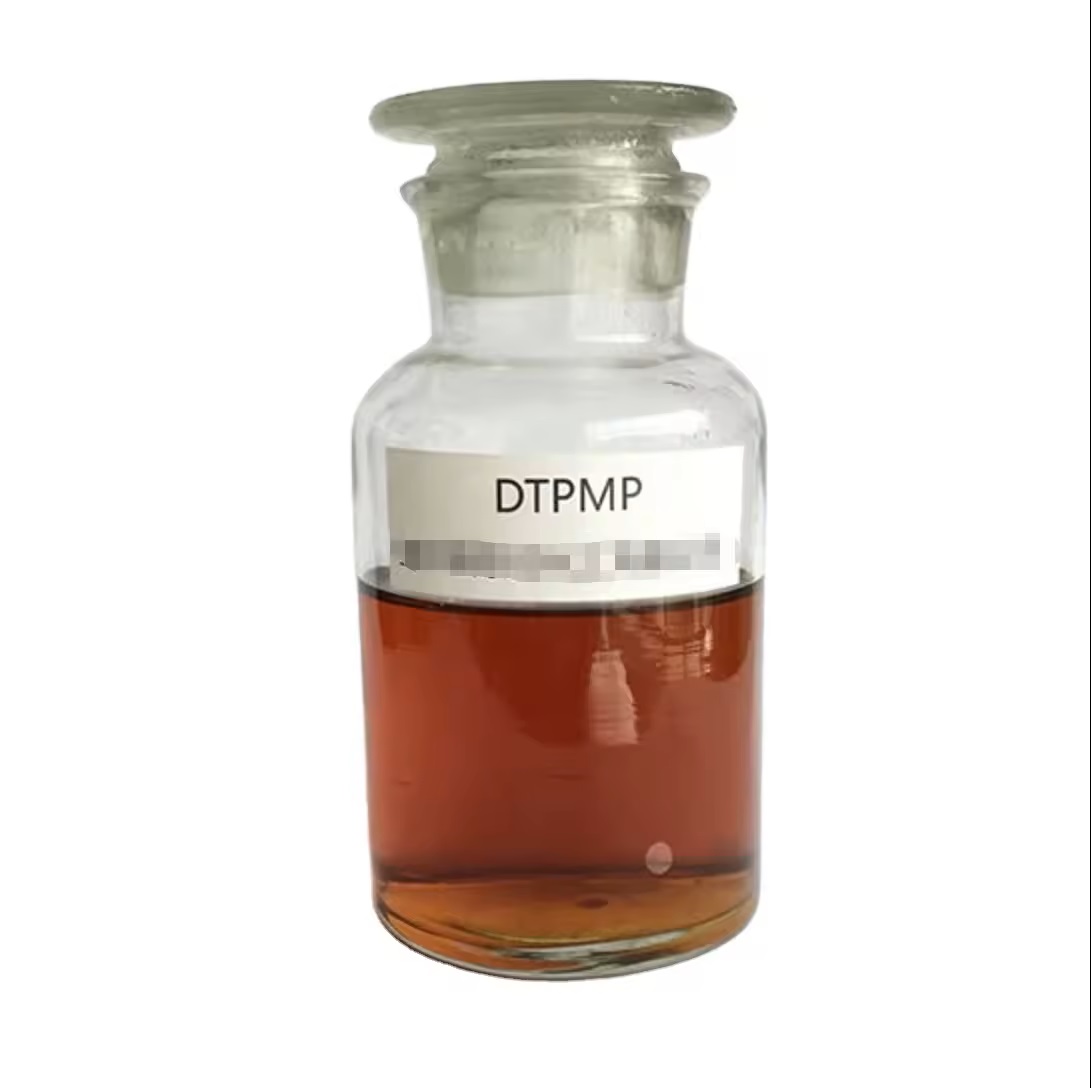
| Appearance | Colorless to Pale Yellow Liquid (60% solution) or White Crystalline Powder |
| Source | Synthetic (Phosphorus trichloride or phosphoric acid + acetic anhydride) |
Description: Etidronic Acid (HEDP) is an organophosphonate widely used in industrial applications for its excellent scale and corrosion inhibition properties. It is a bisphosphonate used in detergents, water treatment, cosmetics, and pharmaceutical therapy. It is stable under high pH conditions, resistant to hydrolysis, and forms stable complexes with metal ions such as calcium, iron, copper, zinc, and magnesium. It exhibits excellent scale and corrosion inhibition effects up to 250°C. It is available in liquid (60% aqueous solution) and solid (crystalline powder) forms.
SECTION 2: SYNONYMS AND OTHER NAMES
| No | Synonym / Other Name |
|---|---|
| 1 | Etidronic Acid |
| 2 | HEDP |
| 3 | HEDPA |
| 4 | Hydroxy Ethylidene Diphosphonic Acid |
| 5 | 1-Hydroxyethylidene-1,1-Diphosphonic Acid |
| 6 | Oxyethylidene Diphosphonic Acid (OEDP) |
| 7 | 1-Hydroxyethane-1,1-diphosphonic acid |
| 8 | 2809-21-4 |
| 9 | EC 220-552-8 |
| 10 | Hydroxyethane Diphosphonic Acid |
| 11 | Etidronate (salt form) |
| 12 | 1-Hydroxy-1,1-Ethanediyl ester |
| 13 | Dequest 2010 |
| 14 | Briquest ADPA-60AW |
SECTION 3: CHEMICAL STRUCTURE AND PROPERTIES
| Parameter | Description |
|---|---|
| Chemical Family | Organophosphonate / Bisphosphonate / Phosphonic Acid |
| Structure | Ethane backbone with one hydroxyl group and two phosphonic acid groups (-PO₃H₂) |
| Functional Groups | Hydroxyl (-OH), Two Phosphonic Acids (-PO₃H₂) |
| Chelation | Tetradentate ligand; forms stable complexes with metal ions |
| pH Dependence | Anionic character increases with pH (phosphonate ionization) |
Structural Formula:
          OH
          |
    CH₃ - C - PO₃H₂
          |
          PO₃H₂

    1-Hydroxyethylidene-1,1-diphosphonic acid (HEDP)
Key Characteristics:
-
Two phosphonic acid groups: Provide strong metal ion binding and chelation
-
Hydroxyl group: Provides additional binding site
-
Etidronate structure: Shows affinity to bone tissue (pharmaceutical applications)
-
High thermal stability: Effective up to 250°C
-
High hydrolytic stability: Resistant to hydrolysis
SECTION 4: PHYSICAL AND CHEMICAL PROPERTIES
| Parameter | Specification | Liquid Form | Solid Form | Test Method |
|---|---|---|---|---|
| Physical State (25°C) | Liquid / Solid | Liquid | Solid (Crystalline Powder) | Visual |
| Appearance | - | Colorless - Pale Yellow Liquid | White Crystalline Powder | Visual |
| Active Content | - | 60% | 98%+ | Titration |
| Chemical Formula | C₂H₈O₇P₂ | - | - | - |
| Molecular Weight | 206.03 g/mol | - | - | - |
| Density (25°C) | 1.45 – 1.55 g/cm³ | ~1.50 g/cm³ | - | ASTM D4052 |
| pH (1% Solution) | 1.5 – 2.5 | 1.5 – 2.5 | - | USP <791> |
| Freezing Point | -15°C | ~ -15°C | - | - |
| Water Solubility | Fully soluble | Fully soluble | Fully soluble | - |
| Chloride Content | ≤ 0.1% | ≤ 0.1% | ≤ 0.1% | - |
| Thermal Stability | Up to 250°C | Up to 250°C | Up to 250°C | TGA |
| Hydrolytic Stability | High | High | High | - |
| pH Stability | 4 – 14 | 4 – 14 | 4 – 14 | - |
| Chlorine Resistance | High | High | High | - |
SECTION 5: MECHANISM OF ACTION
| Parameter | Description |
|---|---|
| Scale Inhibition | Prevents precipitation of calcium carbonate (CaCO₃) and other scales |
| Chelation | Forms stable complexes with Ca²⁺, Mg²⁺, Fe³⁺, Zn²⁺, Cu²⁺, and other metal ions |
| Crystal Distortion | Distorts crystal growth of scale-forming salts ("threshold effect") |
| Dispersion | Disperses suspended particles; prevents agglomeration and sedimentation |
| Corrosion Inhibition | Forms protective film on metal surfaces; prevents corrosion |
| Synergistic Effects | Shows synergistic effects with other water treatment chemicals (polymers, zinc salts) |
| Threshold Effect | Prevents scale formation at very low concentrations (1-10 ppm) |
| Metal Ion Stabilization | Prevents precipitation of iron and manganese oxides |
| Peroxide Stabilization | Prevents degradation by transition metals in peroxide bleaching systems |
Scale Inhibition Mechanism Details:
-
Chelation: HEDP forms stable soluble complexes with Ca²⁺ ions
-
Solubility Enhancement: Calcium ions are kept in soluble form; precipitation is prevented
-
Crystal Distortion: Disturbs calcium carbonate (CaCO₃) crystal growth
-
Threshold Effect: Prevents scale formation at very low concentrations (1-10 ppm)
-
Dispersion: Disperses formed microparticles; prevents agglomeration and sedimentation
SECTION 6: HEDP vs OTHER PHOSPHONATES COMPARISON
| Property | HEDP | PBTC | ATMP | DTMPA |
|---|---|---|---|---|
| CAS Number | 2809-21-4 | 37971-36-1 | 6419-19-8 | 15827-60-8 |
| Chemical Formula | C₂H₈O₇P₂ | C₇H₁₁O₉P | C₃H₁₂NO₉P₃ | C₉H₂₈N₃O₁₅P₅ |
| Molecular Weight | 206.03 | 270.13 | 299.05 | 573.21 |
| Active Groups | 2 Phosphonic | 1 Phosphonic + 3 Carboxylic | 3 Phosphonic | 5 Phosphonic |
| Calcium Tolerance | High | Very High | High | High |
| Thermal Stability | Good (250°C) | Excellent (300°C) | Good | Good |
| Hydrolytic Stability | Excellent | Very Good | Good | Good |
| Chlorine Resistance | High | High | Moderate | Moderate |
| Scale Inhibition | Excellent | Excellent | Good | Excellent |
| Corrosion Inhibition | Excellent | Excellent | Good | Good |
| Iron Binding | Excellent | Good | Very Good | Excellent |
| Peroxide Stabilization | Excellent | Good | Moderate | Moderate |
| Main Applications | Water treatment, detergents, cosmetics, pharmaceuticals | Water treatment, oilfield | Water treatment, cleaning | Boilers, cooling towers |
SECTION 7: APPLICATIONS
| Industry | Application | Function / Benefit | Typical Dosage |
|---|---|---|---|
| Water Treatment | |||
| Cooling Towers | Scale & corrosion inhibitor | Prevents scale formation and corrosion | 1 – 10 mg/L |
| Boilers | Scale inhibitor | Prevents scale formation in boilers | 1 – 10 mg/L |
| Hot Water Systems | Scale inhibitor | Prevents scale formation on heat transfer surfaces | 1 – 10 mg/L |
| Municipal Water Systems | Iron & manganese stabilization | Prevents precipitation of Fe and Mn oxides | 1 – 5 mg/L |
| Desalination | Scale inhibitor | Prevents membrane scaling | 2 – 10 mg/L |
| Swimming Pools | Stain & scale control | Prevents scale formation and staining | 1 – 5 mg/L |
| Detergents & Cleaning | |||
| Household Detergents | Scale inhibitor, chelating agent | Prevents hard water effects, improves cleaning efficiency | 0.1 – 1.0% |
| Industrial Cleaners | Chelating agent, scale inhibitor | Binds metal ions, prevents scale formation | 0.1 – 1.0% |
| Peroxide Bleaching | Stabilizer | Prevents peroxide degradation | 0.1 – 1.0% |
| Cosmetics | |||
| Skin Care Products | Chelating agent | Binds metal ions, stabilizes formulations | 0.05 – 0.5% |
| Hair Care Products | Chelating agent | Binds metal ions | 0.05 – 0.5% |
| Pharmaceuticals | |||
| Pharmaceutical Formulations | Chelating agent, stabilizer | Binds metal ions | Appropriate dosage |
| Bone Disease Therapy | Bisphosphonate drug | Inhibits bone resorption | Prescription dosage |
| Industrial | |||
| Textiles | Metal chelating agent, peroxide stabilizer | Binds metal ions, stabilizes bleaching processes | 0.1 – 1.0% |
| Paints & Coatings | Dispersant, chelating agent | Improves pigment dispersion | 0.1 – 0.5% |
| Electroplating (Non-cyanide) | Chelating agent | Complexes metal ions, improves plating quality | 0.1 – 1.0% |
| Oilfield | Scale inhibitor | Prevents scale formation in injection wells | 5 – 20 mg/L |
SECTION 8: DOSAGE AND APPLICATION GUIDE
| Application | Dosage Range | Description |
|---|---|---|
| Scale Inhibitor (Cooling Towers) | 1 – 10 mg/L | Continuous dosing |
| Corrosion Inhibitor | 10 – 50 mg/L | Can be used with zinc salts |
| Detergent Additive | 1000 – 2000 mg/L | Used with polycarboxylic acid |
| Municipal Water Systems | 1 – 5 mg/L | Iron and manganese stabilization |
| Peroxide Bleaching | 0.1 – 1.0% | Peroxide stabilization |
| Desalination | 2 – 10 mg/L | Scale inhibition |
SECTION 9: ADVANTAGES AND BENEFITS
| Advantage | Description |
|---|---|
| Excellent Scale Inhibition | Strongly inhibits calcium carbonate (CaCO₃) and other scale formation ("threshold effect") |
| High Corrosion Prevention | Forms protective film on metal surfaces |
| High Hydrolytic Stability | Resistant to hydrolysis; long-term effectiveness |
| Thermal Stability | Effective up to 250°C |
| Wide pH Range | Stable and effective at pH 4-14 |
| Chlorine Resistance | Resistant to chlorine oxidation |
| Iron Binding | Strongly binds Fe²⁺ and Fe³⁺ ions; prevents iron precipitation |
| Peroxide Stabilization | Effective in peroxide bleaching systems |
| Synergistic Effects | Shows synergistic effects with polymers, zinc salts, and other chemicals |
| Low Dosage | Effective at low concentrations (1-10 ppm) |
| Versatility | Used in water treatment, detergents, cosmetics, pharmaceuticals, textiles, and coatings |
| Low Chloride | <0.1% chloride level; reduces corrosion risk |
SECTION 10: LIQUID FORM vs SOLID FORM COMPARISON
| Parameter | Liquid Form (HEDP Solution) | Solid Form (HEDP Crystalline Powder) |
|---|---|---|
| Active Content | 60% | 98%+ |
| Appearance | Colorless - Pale Yellow Liquid | White Crystalline Powder |
| Ease of Use | Direct dosing; ready to use | Requires dissolution before use |
| Storage | Drums/IBC tanks; above -15°C | Moisture-proof bags; protect from humidity |
| Freezing Risk | Freezes at -15°C | No freezing risk |
| Transport Safety | Corrosive; careful handling required | Safer; more compact |
| Shelf Life | 10 months (under proper storage) | Long (if protected from moisture) |
| Chloride Content | ≤ 0.1% | ≤ 0.1% |
| Hygroscopicity | Low | High (hygroscopic) |
| Best Suited For | Warmer climates | Cold climates; winter conditions |
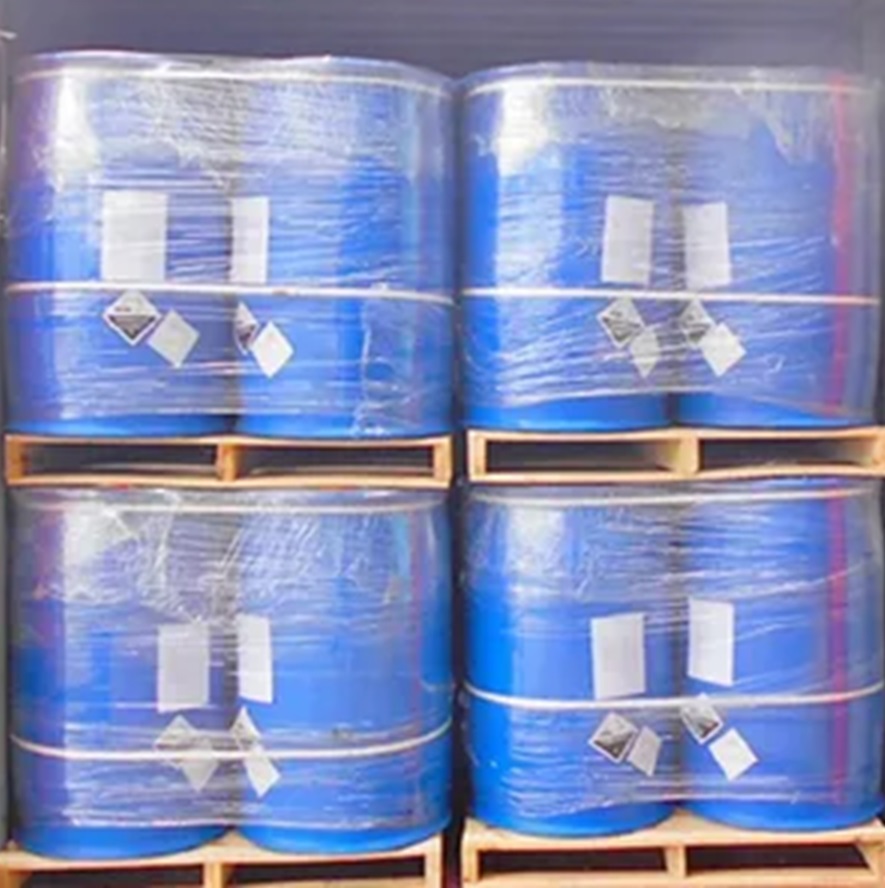
| Packaging | 200 L plastic drums, 1000 L IBC tanks | 25 kg moisture-proof bags |
SECTION 11: REGULATORY STATUS
| Region / Authority | Status | Description |
|---|---|---|
| European Union | Permitted | Water treatment chemical, detergent additive, cosmetic ingredient |
| Turkey | Permitted | Compliant with EU legislation |
| USA (FDA) | Permitted | Permitted for food contact applications (indirect) |
| USA (EPA) | Permitted | Approved as water treatment chemical |
| Japan | Permitted | Approved as water treatment chemical |
| Canada | Permitted | Health Canada approved |
| REACH | Registered | Compliant with EU chemical regulations |
| Drinking Water Additive | Permitted in some countries | Can be added to drinking water at specific concentrations |
SECTION 12: SAFETY AND TOXICOLOGICAL PROFILE
| Parameter | Assessment |
|---|---|
| Acute Oral Toxicity (LD50) | > 2,000 mg/kg (low toxicity) |
| Acute Dermal Toxicity | Low toxicity |
| Skin Irritation | May be irritating (acidic form) |
| Eye Irritation | May cause severe irritation (acidic form) |
| Skin Sensitization | Low potential |
| Carcinogenicity | Not classified (IARC, NTP) |
| Mutagenicity | Not mutagenic |
| Reproductive Toxicity | Not classified |
| Aquatic Toxicity | Low – Moderate |
| Biodegradability | Biodegradable |
| Corrosivity | Corrosive (acidic form) |
GHS Classification (Acidic Form):
-
R34 – Causes burns
-
R35 – Causes severe burns
Safety Recommendations:
-
S26: In case of eye contact, rinse immediately with plenty of water and seek medical advice
-
S36/37/39: Wear suitable protective clothing, gloves, and eye/face protection
-
S45: In case of accident, seek medical advice
-
S27: Remove all contaminated clothing immediately
-
S23: Do not breathe vapor
-
PPE: Chemical resistant gloves, safety goggles, protective clothing
Special Precautions:
-
Liquid Form: Corrosive due to low pH; use appropriate materials (stainless steel, plastic) for storage and dosing equipment
-
Solid Form: Hygroscopic; protect from moisture
SECTION 13: STORAGE AND SHELF LIFE
| Parameter | Liquid Form | Solid Form |
|---|---|---|
| Storage Temperature | 5 – 40°C (protect from freezing; above -15°C) | 5 – 30°C (cool, dry) |
| Storage Conditions | Cool, dry, well-ventilated area | Cool, dry, well-ventilated area |
| Container Requirements | Sealed containers; corrosive resistant materials (plastic, stainless steel) | Moisture-proof bags; sealed containers |
| Light Protection | Shaded area | Shaded area |
| Protect From | Freezing, excessive heat, contamination | Moisture, humidity, contamination |
| Shelf Life | 10 months (under proper storage) | 24 – 36 months (under proper storage) |
| Degradation Signs | Precipitation, color change, odor change | Caking, discoloration, moisture absorption |
| Compatibility | Compatible with most water treatment chemicals | Compatible with most water treatment chemicals |
SECTION 14: QUALITY CERTIFICATES AND STANDARDS
| Certificate / Standard | Status | Description |
|---|---|---|
| ISO 9001:2015 | Certified | Quality management system |
| ISO 14001:2015 | Certified | Environmental management system |
| FDA 21 CFR | Compliant | Food contact applications |
| REACH | Registered | EU chemical regulation compliance |
| Certificate of Analysis (COA) | Provided with each batch | Includes binding specifications |
| Safety Data Sheet (SDS) | Available | Current 16-section document |
| Technical Data Sheet (TDS) | Available | Comprehensive technical information |
| GMP | Compliant | Manufacturing quality standards |
SECTION 15: DISCLAIMER AND LEGAL NOTICE
| Item | Description |
|---|---|
| Information Purpose | This Technical Data Sheet (TDS) is for informational purposes only and does not constitute a binding specification. |
| Typical Values | Values stated herein are based on typical laboratory results and may vary slightly between batches. |
| Binding Data | For binding specifications, the Certificate of Analysis (COA) for each batch should be requested. |
| User Responsibility | The user is solely responsible for determining the suitability of the product for the intended application and ensuring compliance with all applicable regulations. |
| SDS Requirement | A current Safety Data Sheet (SDS) should be requested from the supplier prior to use. |
| Safety Information | Safety information in this document is based on current knowledge but does not constitute a guarantee of the product's health and safety risks. |
| Regulatory Changes | The user is responsible for monitoring local and international regulatory changes. |
| Product Quality | Product quality is guaranteed in accordance with the standards specified in this document. |
| License / Patents | This document does not grant any license or patent rights for use of the product. |
| Side Effects | Acidic form may cause skin and eye irritation; appropriate protective measures should be taken. |
DISCLAIMER (LEGAL NOTICE): This Technical Data Sheet (TDS) is for informational purposes only and does not constitute a binding specification. The values stated herein are based on typical laboratory results. The user is solely responsible for determining the suitability of the product for the intended application and for ensuring compliance with all local regulations. A current Safety Data Sheet (SDS) and Certificate of Analysis (COA) should be requested prior to use. Acidic form may cause skin and eye irritation; appropriate protective measures should be taken. This document does not grant any license or patent rights for use of the product.